August 2026

Any comments/suggestions please email the editor at editor@redrockrx.com

Edited by Malcolm Fraser MD, CMD


Generic Nuedexta Expected This Month

The first generic version of Nuedexta® (dextromethorphan 20 mg/quinidine 10 mg), approved for the treatment of Pseudobulbar Affect (PBA), is expected to become available in early August 2026 based on recent patent settlement agreements between the manufacturer and several generic companies.


A few important points:


  • The FDA has already approved multiple generic versions of Nuedexta. Patent agreements delayed their commercial launch.
  • Assuming there are no last-minute legal or manufacturing issues, we should begin receiving supplies by mid-August.
  • We anticipate that the generic versions will be significantly less expensive than the brand-name medication.
    

The effectiveness of Nuedexta when used for its FDA-approved indication of Pseudobulbar Affect should not be underestimated. We had one resident with textbook PBA whose symptoms were not adequately controlled despite multiple other medications. Within 10 days of starting Nuedexta, daily face-to-face nursing time decreased from more than two hours to less than 30 minutes. This was accompanied by a dramatic decline in disruptive behaviors.


As always, your Red Rock pharmacist will keep you updated.


Shixian Wang

Director of Operations


SURVEY UPDATE

Malcolm Fraser MD, CMD


Practical Survey Priorities for Medical Directors for the Next 12 Months


For the next 12 months, it is anticipated that surveyors will focus on the following aspects of Medical Director responsibilities. The underlying theme is that surveyors want to verify that the Medical Director is taking an active role in contributing to facility operations. As always, the key will be documentation.

I serve as the Medical Director for several nursing homes in Colorado and have recently gotten into the habit of emailing each facility's Executive Director a few days before the monthly QAPI meeting with a list of the things I accomplished during the previous month. The Executive Director then copies and pastes my list into a slide that becomes part of the QAPI meeting agenda, creating a permanent record of my activities that is easy to retrieve if needed.


Here is a list of what I believe surveyors will be looking for over the next 12 months. Be sure to share this information with your Medical Director.


  1. Routine Medical Director availability and responsiveness.
  2. Thorough documentation supporting the use of psychotropic medications, especially PRN psychotropic medications, to help mitigate potential F605 citations.
  3. Clear documentation supporting the need for antibiotics and controlled substances.
  4. Demonstrated and documented active participation in QAPI.
  5. Regular review of avoidable hospitalizations.
  6. Ensuring night and weekend physician coverage, along with a clear protocol for contacting the backup Medical Director.


Five Ways Your Pharmacy 
Should Be Saving Your Nurses Time


One of the greatest challenges facing senior living communities today isn't simply managing medications—it's finding enough time for nurses and caregivers to provide the quality care residents deserve.


Staffing shortages, increasing resident acuity, documentation requirements, medication passes, physician communications, and regulatory expectations all compete for a nurse's attention. Every interruption takes valuable time away from resident care.


A long-term care pharmacy should do more than dispense medications. It should actively help reduce your team's workload and remove obstacles from their day.

Here are five ways your pharmacy should be giving valuable time back to your nursing staff.


1. Make It Easy to Reach a Pharmacist

When a medication question arises, every minute counts. Nurses shouldn't have to navigate automated phone systems or wait for a callback while a resident's care is on hold.


Your pharmacy should provide direct access to knowledgeable pharmacy professionals who can answer questions, resolve concerns, and help your team move forward quickly. Immediate access means fewer delays and more time spent caring for residents.


2. Deliver When You Say You Will

Medication delays create stress, increase overtime, and can impact resident outcomes. Consistent delivery schedules, multiple daily deliveries, and dependable emergency services help facilities stay ahead of unexpected medication needs instead of reacting to them.


A pharmacy that delivers reliably helps eliminate unnecessary follow-up calls and last-minute scrambling during medication passes.


3. Prevent Problems Before They Reach the Medication Cart

The best medication error is the one that never happens.

Comprehensive pharmacist review can identify duplicate therapies, drug interactions, inappropriate dosing, therapeutic duplications, and other concerns before medications ever arrive at your community. Catching potential issues early protects residents while reducing the time nurses spend resolving avoidable problems.


4. Provide Clinical Support That Extends Beyond Dispensing

A pharmacy should be an extension of your clinical team.

Consultant pharmacists can assist with medication regimen reviews, psychotropic monitoring, QAPI participation, survey preparation, and collaboration with providers. This level of clinical partnership helps facilities remain compliant while providing another experienced resource for complex medication questions.


5. Be Invested in Your Community's Success

The strongest pharmacy relationships are built on partnership, not transactions.

A pharmacy that understands your community, visits regularly, communicates proactively, and responds quickly becomes an extension of your team. Instead of simply reacting to problems, it helps identify opportunities to improve workflows, resolve issues before they escalate, and support your staff every day.


What This Looks Like at Red Rock Pharmacy

At Red Rock Pharmacy, we're proud to provide all of these services. We've built our service model around helping caregivers spend less time managing medications and more time caring for residents.


These aren't simply service offerings—they're ways we help reduce interruptions, improve efficiency, and support the people who provide care every day.


The Bottom Line

The true value of a long-term care pharmacy is measured by the time it gives back to your staff, the clinical support it provides, and the confidence it brings to your daily operations.


When your pharmacy functions as an extension of your care team, everyone benefits—especially the residents you serve. At Red Rock Pharmacy, we know what true partnership looks like.


Recognizing Urinary Tract Infections 
in Nursing Home Residents


According to a recently published study that surveyed more than 260 nursing home nurses, the following were the most commonly reported 
non-specific signs of a urinary tract infection (UTI):


  • Foul-smelling urine
  • Confusion
  • Behavioral changes
    

The most commonly reported specific signs were painful urination (dysuria) and frequent urination.


Interestingly, fever was not one of the most commonly reported signs. It is well known that older adults may not develop a fever in the setting of a significant infection. In fact, their body temperature is often lower than normal.


Source: Click Here


New WHO Dementia Guidelines

Last month, the World Health Organization (WHO) released updated guidelines and evidence-based recommendations to help people reduce their risk of cognitive decline and dementia.


Guidline:
Link Here


It is unclear what impact, if any, these updated guidelines will have on care in nursing homes. However, providers should be aware of them because chances are that family members will learn about the recommendations through media coverage and may have questions.


The guidelines apply to adults with normal cognition or mild cognitive impairment and are intended primarily to assist healthcare providers in counseling patients on ways to reduce their risk of developing dementia.


According to the WHO, up to 45% of dementia risk may be attributable to modifiable risk factors such as smoking, excessive alcohol use, social isolation, physical inactivity, air pollution, and chronic conditions including hypertension and diabetes.


The guidance also emphasizes that managing cardiometabolic conditions such as hypertension, diabetes, and high cholesterol may help reduce the risk of dementia. For some individuals, hearing aids may also play an important role in risk-reduction strategies.


As the Red Rock Report has highlighted many times, maintaining good hearing is an important component of overall brain health.


GLP-1 Medications May Increase 
the Risk of Hair Loss


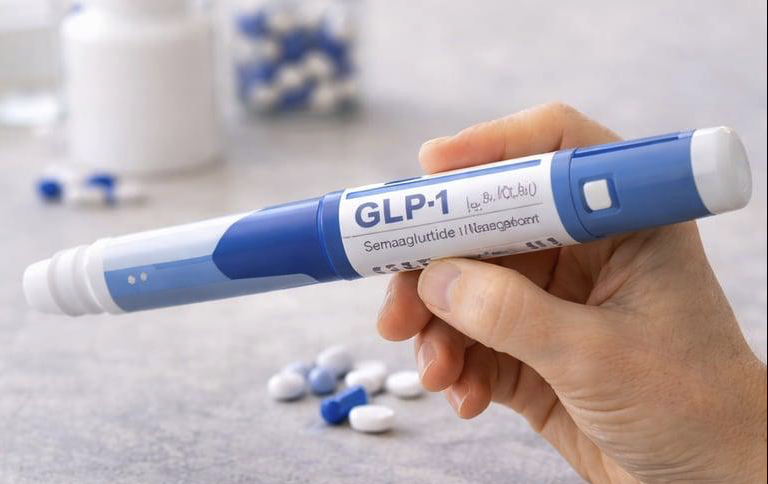
People taking GLP-1 medications such as Mounjaro® and Ozempic® may be significantly more likely to experience hair loss than those taking other diabetes medications.


A study from the University of Pennsylvania Health System compared rates of hair loss in adults using GLP-1 medications to manage diabetes with those taking other diabetes drugs. Researchers found an increased risk of hair loss of up to 68% among people taking semaglutide (Wegovy® and Ozempic®) and tirzepatide (Mounjaro®).


Similar findings have been reported independently in Europe. Fortunately, further analysis suggests that the hair follicles remain intact, meaning the hair is likely to regrow if the GLP-1 medication is discontinued.

The researchers from the University of Pennsylvania noted:

"Although hair loss does not typically result in physical harm, it may have significant psychosocial consequences, affecting self-esteem, quality of life, and adherence to treatment."

The exact mechanism behind the hair loss is not fully understood. However, researchers believe it may be related to the physiological stress of rapid weight loss and micronutrient deficiencies (such as iron, zinc, and biotin), which can disrupt the normal hair growth cycle due to reduced calorie intake.


Source: The Telegraph, reporting on research from the University of Pennsylvania Health System.


Footwear Matters in Assisted Living and Nursing Homes


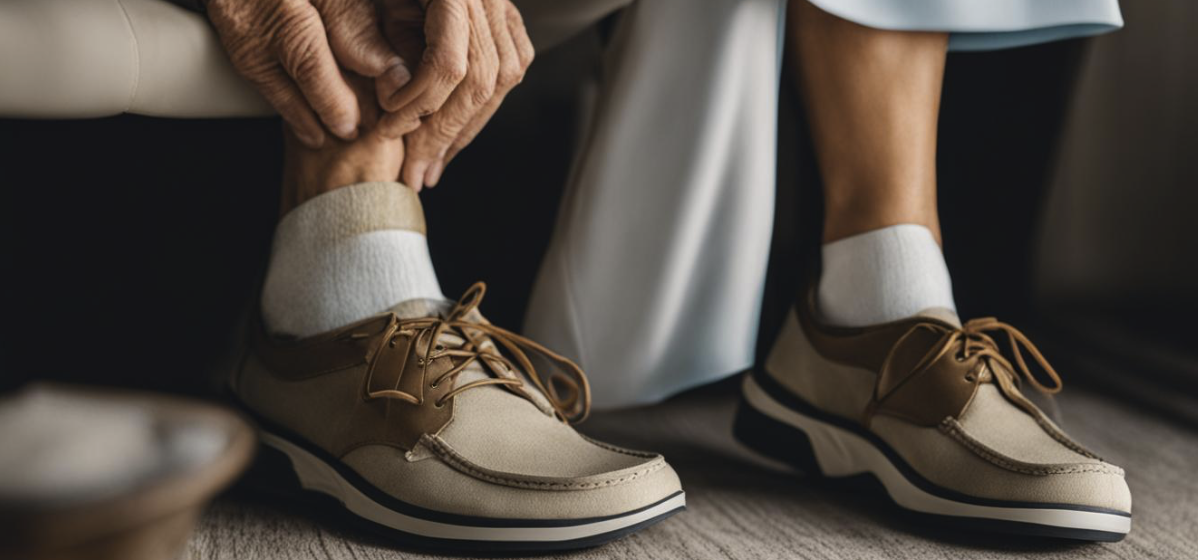
Older adults who wore shoes with the following features generally experienced better balance outcomes, according to a recent study published in the Journal of the American Geriatrics Society. The study analyzed data from 13 studies conducted between 2017 and 2024.


Footwear associated with improved balance included:


  • Minimal outsole
  • Textured insole
  • High-collar design
  • Greater foot fixation, including:
  • A secure heel cup
  • Proper lacing to hold the foot in place
  • Less foot movement inside the shoe
  • Reduced forward and side-to-side sliding within the shoe
    

Why Is This Important?

Falls remain a major concern in both assisted living and skilled nursing facilities. When evaluating a resident after a fall, footwear is often overlooked or inadequately documented, despite the important role it may play in balance and stability.


Footwear Features That May Reduce Stability

Some studies also suggested that the following shoe characteristics may negatively affect balance:

  • Toe-beveled soles
  • Less foot fixation, including:
  • A roomier fit through the midfoot or heel
  • Greater freedom for the foot to move naturally
  • Footwear commonly found in minimalist shoes, recovery shoes, or sandals
  • While these styles may improve comfort for individuals with wider feet or those who prefer a less restrictive fit, they may also reduce stability during walking and quick changes in direction.
    

Practical Recommendation

Moving forward, facilities should consider documenting the type of footwear a resident was wearing at the time of a fall. This information should be communicated to the attending physician and physical therapist (when available) as part of the post-fall assessment and care planning process.


Is Arthroscopic Knee Surgery Always Necessary?


Thousands of Americans who undergo a common arthroscopic knee procedure for degenerative meniscal tears may not experience the long-term benefits they expect. In fact, some evidence suggests the procedure may accelerate the progression of knee osteoarthritis in certain patients.


In the traditional Medicare fee-for-service program, the number of arthroscopic knee procedures has steadily declined over the past decade, falling from approximately 169,000 procedures in 2014 to about 91,000 in 2024, according to federal data.


Researchers who followed patients for 10 years after arthroscopic surgery to trim degenerative meniscal tears found that the procedure provided little or no long-term benefit and was associated with accelerated osteoarthritis and higher rates of repeat surgery—often resulting in total knee replacement. The findings were published in the New England Journal of Medicine in April.


Last summer, a large international panel representing orthopedic societies in Europe and the United States released a consensus statement concluding that degenerative meniscal tears can often be treated with outcomes comparable to either non-operative care (including physical therapy) or surgery.


The panel recommended that most patients first consider conservative treatment, including physical therapy and weight loss when appropriate, before proceeding with surgery. However, the statement also acknowledged that arthroscopic surgery may still be appropriate for selected patients based on their symptoms and clinical findings.


Source: KFF Health News (accessed July 27, 2026).


If you have any questions, ask your Red Rock Consultant Pharmacist