|
Cancer News Digest, August 2026
Visit our website
CFC #11967
| | We're Speaking Out For You | | |
"You can't make this stuff up": Why annual mammograms starting at 30 is not a good idea.
Have you watched our social media video series, "You Can’t Make This Stuff Up"? In these short reels, NCHR President Dr. Diana Zuckerman explains questionable health policies, products, and ideas and explains what they mean for patients and families.
In our new reel, Dr. Zuckerman explains why a national proposal to require insurance coverage for annual mammograms starting at age 30 may sound helpful, but would do more harm than good for most women. Breast cancer screening can save lives, but only when it is used for the right women at the right time.
Younger women tend to have denser breasts, which makes mammograms less accurate. That can lead to extra tests, weeks of fear and anxiety, or false reassurance for women who actually do have breast cancer.
Starting annual mammograms at age 30 would also expose women to more radiation, which increases the chances of developing cancer. That's why we agree with experts who recommend mammograms every other year starting at age 45 for women at average risk of breast cancer. Women at very high risk because of genetic mutations or a strong family history should consider earlier screening. Policies for women at average risk should be based on evidence, not the assumption that earlier is always better.
Watch and share the reels on our Instagram, Facebook, LinkedIn, or our Website.
| | |
Should political appointees decide which research gets funded?
Yes or No? Should political appointees be able to approve, deny, or terminate research grants based on political priorities instead of scientific merit?
We say no, and that's why we submitted comments opposing a proposed rule from the Trump Administration that would make it easier for federal agencies and political appointees to approve, deny, or terminate grants based on political priorities instead of scientific merit.
That matters because federally funded research helps support medical centers, public health departments, schools, community organizations, and state and local governments. If grants can be cut or denied for political reasons, ongoing research, patient services, public health surveillance, and community programs could be disrupted or reversed.
As taxpayers, we all deserve research and public health programs funded based on scientific merit and medical need. Those decisions should not be made by political appointees who may be biased or have no expertise in the issues involved.
Read our comment here.
| | |
Should Medicare pay for devices that weren't studied in Medicare patients?
Dr. Diana Zuckerman was an invited speaker at an FDA meeting in July, and her remarks were quoted in MedTech Dive about the latest agreement between the FDA and medical device companies on how device company user fees will be spent.
Many device companies want the FDA to help persuade Medicare to pay for their products. But Dr. Zuckerman pointed out a basic problem: Medicare is for older adults and people with disabilities, yet many devices are not studied in those patients. By law, Medicare is supposed to only pay for medical care that is "reasonable and necessary" for Medicare patients. As she told industry representatives, “You want Medicare to pay? You need to study those people.”
That is important for cancer patients and families because medical devices (such as mammograms, MRIs, and diagnostic tests) are used for cancer screening, diagnosis, treatment, and monitoring. Patients and doctors deserve to know whether devices are safe and effective for the patients most likely to use them, not just whether they got to market quickly.
Dr. Zuckerman also urged the FDA to use real-world evidence after devices are on the market, when there is more information about how well they work and what problems they may cause.
Watch our 1-minute reel here.
Read the full article on Medtech Dive here.
| |
"You can't make this stuff up": Are medical devices tested on patients before they are sold?
In another recent "You Can’t Make This Stuff Up" reel, Dr. Zuckerman explains a surprising problem with medical device safety: only about 2% of medical devices are required to be tested in people before they can be sold in the U.S.
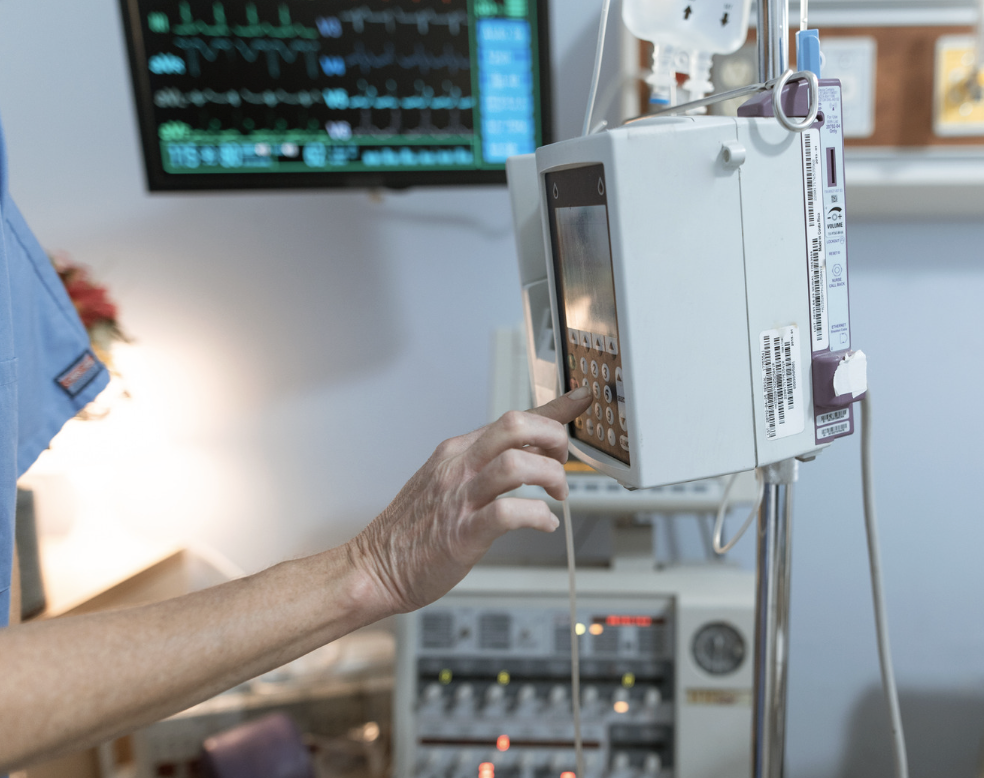
For cancer patients, this is not a small issue. Medical devices can include tests used to diagnose cancer, biopsy tools, surgical devices, radiation treatment equipment, infusion pumps, and devices used to monitor patients during or after treatment. Patients and doctors deserve to know whether the devices they rely on are safe and effective before problems happen.
Watch the reel on our Instagram, Facebook, LinkedIn, or our Website.
| | |
Are cancer patients getting more medicine than they need?
Cancer patients deserve treatments that work, but they also deserve the lowest dose needed to be effective. Higher doses can lead to worse side effects and higher costs.
You would think the FDA would require drug companies to study which doses work best for different patient groups before or after a cancer drug goes to market. But that has not always happened.
A new article raises important questions about whether some patients could do just as well (or even better) with lower doses, shorter treatment durations, or longer intervals between treatments.
Unfortunately, drug companies have little incentive to prove that patients could benefit from a lower dose of a drug they sell. One study cited in the article estimated that using the minimum necessary doses for 29 expensive cancer drugs could have saved the U.S. healthcare system about $31 billion in 2024. But that means billions less for the companies that make those medications.
Cancer patients should never change their cancer treatment without talking to their doctor first. But patients and families ( or should we say taxpayers) deserve better research on the safest and most effective dose, not just the most profitable one.
Read the Kaiser Health News article on CNN here.
| |
Why did the FDA approve a cancer drug that it previously rejected twice?
Patients with advanced melanoma urgently need better treatment options, but they also deserve to know whether new cancer treatments are proven to help them live longer or better.
That's why we are asking: why did the FDA approve Replimune’s melanoma treatment, which will be sold as Tudriqev, after previously rejecting it twice?
We all agree that patients with advanced melanoma need more options. But FDA staff criticized the key study that the company used to support approval, saying it could not determine if the new drug works. That matters because most patients and doctors assume FDA approval means the treatment will help them live longer.
The drug’s reported list price is $450,000 per patient. Is that a reasonable price for a drug that is not proven to work? Or should the company continue clinical trials that provide free treatment to patients while they try to prove that it does work?
Read more here
| |
New Pancreatic Cancer Drug: Good news but at a high price.
Pancreatic cancer patients often die quickly, so it is good news that a new drug (2 pills/day) approved by the FDA helps patients live almost twice as long.
The drug, daraxonrasib, will be sold under the brand name Rasonque. It was approved for patients who have metastatic pancreatic cancer and have already tried chemotherapy. Unfortunately, patients taking the new drug lived a median of just over 13 months, which means that for every patient who lived longer than that, another patient did not live that long. And the drug will cost about $478,000/year.
50,000 Americans die of pancreatic cancer every year. Even with health insurance, not every patient will be able to afford the co-pay for an additional few months of life. Because the disease is so common, the company will make a fortune and this drug will add to the cost of health insurance for everyone, not just those with pancreatic cancer.
We strongly urge the company that makes the drug, Revolution Medicines, to reduce the price so more patients can afford this treatment.
You can read more about this new drug in The New York Times here
| | |
Check us out!
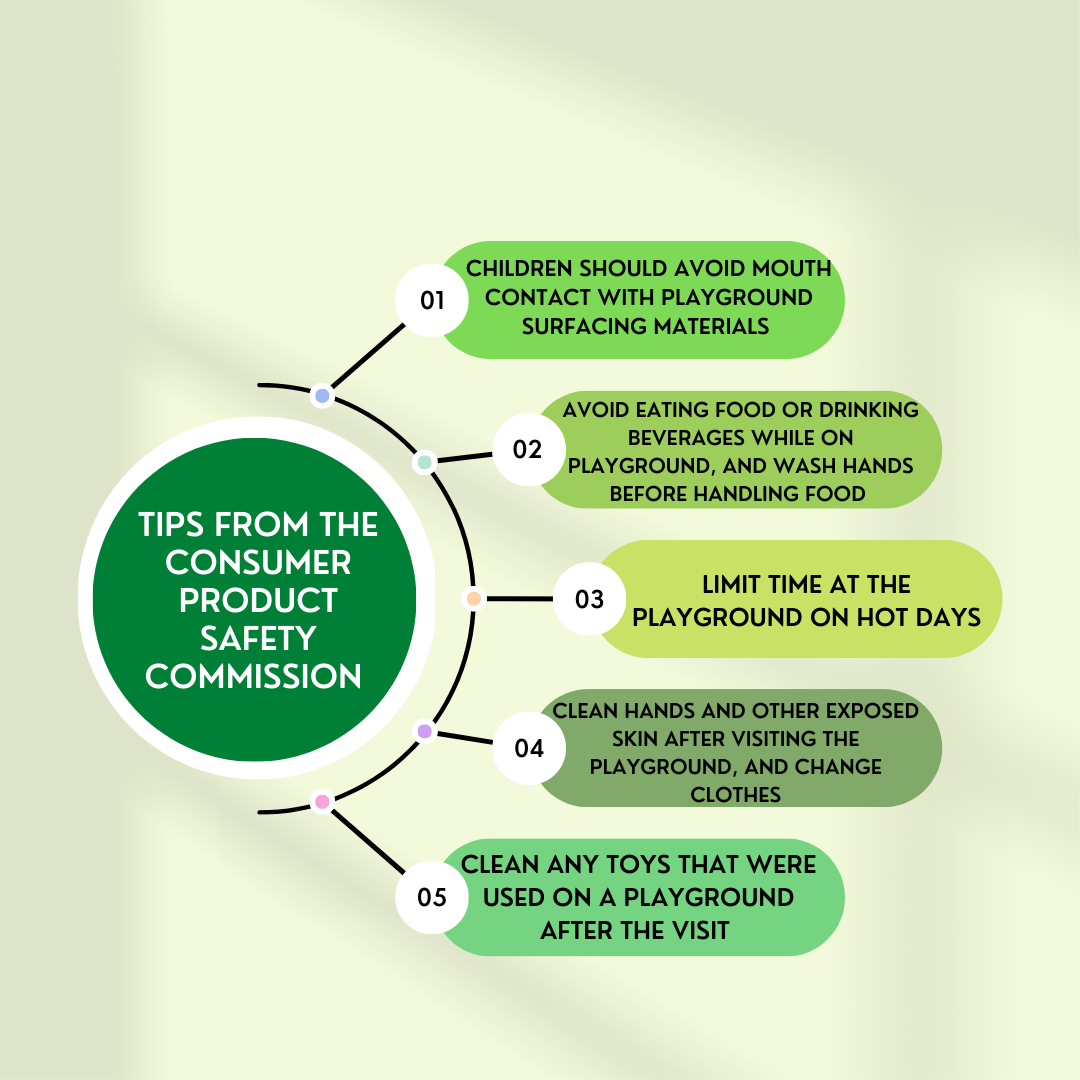
Did you know that artificial turf, rubber playground surfaces, and rubber mulch contain chemicals that can cause attention problems, obesity, early puberty, asthma, and cancer? Are your children or grandchildren getting exposed when they play? Follow us @safe.to.play
| Our main Instagram account and Threads provide free information about new medical research, programs, and policies to help health experts, patients, and the public improve the health of individuals and communities. Follow us @healthresearch4u | |
| Connect With Us on Our Other Social Media! | | |
Your Contribution Can Make a Difference
We do not accept any funding from drug companies, device companies, chemical companies, or other sources that could influence our work and compromise our integrity. That's why so many people turn to us when they need help. Donations of any size are greatly appreciated (and tax deductible.)
Please consider giving to the Cancer Prevention and Treatment Fund online or by mail to the address below.
| |
To sign up for these monthly updates, click here.
| |
Cancer Prevention and Treatment Fund | 1001 Connecticut Ave NW, Suite 1100
CFC# 11967
| | | | |