CBHA Logo _2.png
black-history-masthead.png

Each Friday throughout February or Black History month, CBHA will recognize and honor an African American pioneer for their contributions to the field of Behavioral Health. The theme for this year’s Black History month is: Black Health and Wellness. 


Throughout American History, Black contributions to all facets of society have been marginalized or outright dismissed and the contributions and achievements of Black individuals to behavioral health are no exception. In honor of those contributions and the Black psychologists, psychiatrists, social workers, doctors, nurses, community leaders, and activists who dedicated their lives to behavioral health and allowed us the opportunity to continue their critical work, each Friday in February, CBHA will recognize Black pioneers of behavioral health.

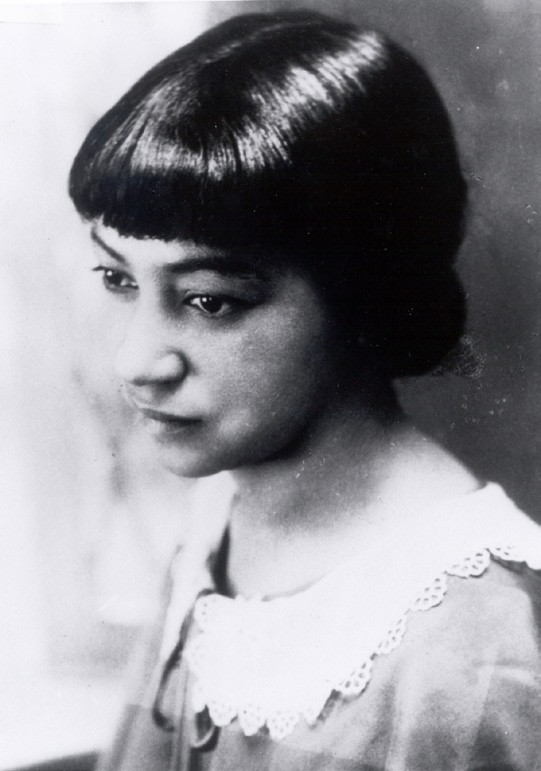
Inez Beverly Prosser_ Ph.D..png

CBHA would like to recognize Inez Beverly Prosser, Ph.D.


Inez Beverly Prosser is considered to be the first Black woman to earn a Ph.D. in psychology. Her dissertation, “The Non-Academic Development of Negro Children in Mixed and Segregated Schools,” evaluated the effects of racial inequality and racism on the development of Black children’s identity and mental health. Her research and arguments helped lead some of the first discussions about desegregating American schools. She believed that the social aspects of integration may have damaging effects on African American children's self-esteem, while segregated schools provided a more supportive, nurturing environment. She argued that persistent inequality led to feelings of isolation and low socioeconomic status and that children's futures and learning opportunities were persistently limited by racism. She acknowledged, however, that this argument was not an absolute truth and that certain personality types may thrive in integrated schools.


Prosser’s influence on education was felt across many fields. During the debates over school segregation in the 1920s, many of her arguments were cited. She was a critical voice for the African American community at a time when women academics were scarce. Her contribution to the betterment of education for all students can be felt in many policies still being used throughout the teaching community today.

Facebook  Twitter