|
I've been following the Auto Industry for more than 30 years, and what strikes me is that there are two major philosophies when it comes to running car companies: the Product-led and the Finance-led. The simple truth, as I see it, is that the car business is about product first - and only companies that invest heavily in R&D and are consistent with their brand values will survive the transition to E-Mobility.
Sounds obvious, but some companies appear to be fixated on scale, mergers and acquisitions, reorganizations and the like - and lose sight of the product. No matter how skilled the lawyers and accountants are, their financial acumen can't compensate for uncompetitive products.
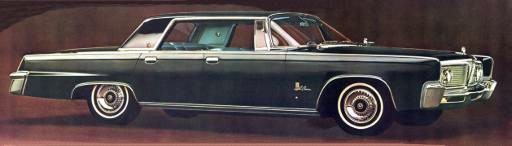
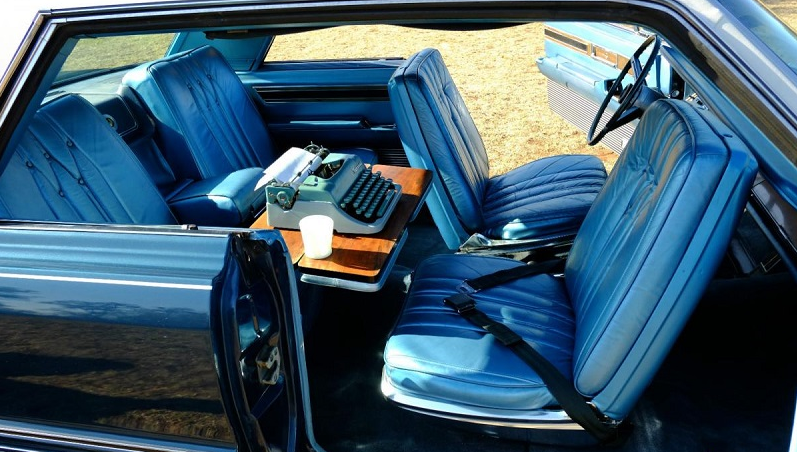
Not to try to pick on anybody, but let's take a look at Chrysler. With the odd exception, anything they made after about 1970 is forgettable; but in the 50's and 60's they produced all the 'Hemi' muscle cars, the 300 sedan, and the exquisite Imperial series of luxury cars. From the 80's onward the company has been fixated on mergers and badge engineering as a path to financial health. With a few exceptions, they have been less interested in investing in competitive products.
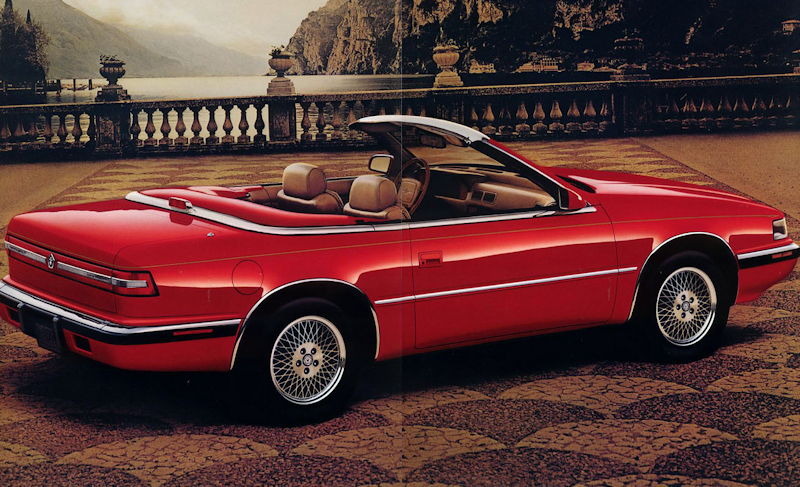
Remember the Chrysler badged Mitsubishi 'Colts' of the 80's, the TC Chrysler Maserati, the merger with Daimler-Benz, FCA (Fiat Chrysler Automobile)? And now we have Stellantis; FCA + PSA (the Peugeot/Citroen Group). Even the name confuses me; Stellar plus Atlantis? It's like they have taken all the poorest performing brands and put them under one umbrella - somehow hoping that if they can make enough cars they will be successful. But while some of the offerings from from Fiat, Dodge, Jeep, Maserati, Opel, Ram, Alfa Romeo, Citroen, Lancia, Peugeot and Vauxhaull are not without some appeal - I don't think there is a truly modern platform in there!
FCA paid Tesla $2B for Zero Emission Credits because their fleet of mostly trucks, Jeeps and muscle cars don't come any where close to meeting CAFE mileage regulations. You don't need a Harvard MBA to figure out that paying your competitor $2B so they can develop better cars isn't a good strategy.
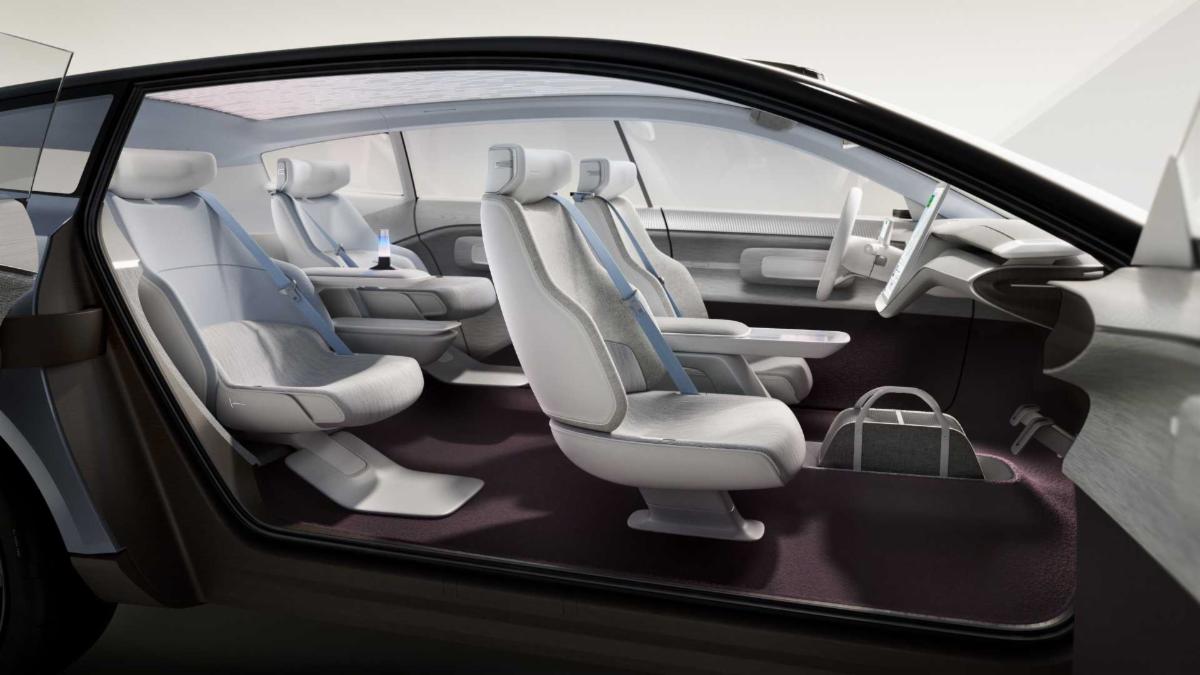
Let's be clear here; small and medium sized cross-overs and SUV's, built on electric 'skateboard' platforms with one or two motors, 2WD or 4WD, batteries between 60kWh and 100kWh, bi-directional charging, full internet connectivity and over-the-air updates are going to be what is selling. Add to that inviting, minimalist 'lounge' type interiors, as seen in the Hyundai Ionic 5 and the new Volvo concepts, that make full use of EV packaging. There is nothing that I've seen from any of the Stellantis companies that leads me to believe that they will be competitive in this segment, and they certainly have a way to go to "be a leader in sustainable mobility" as their website claims.
Of course there needs to be balance between R&D, production efficiency and finance. Two of the Stellantis brands, Citroen and Lancia, were highly innovative, engineering-led companies that wound up in financial trouble.
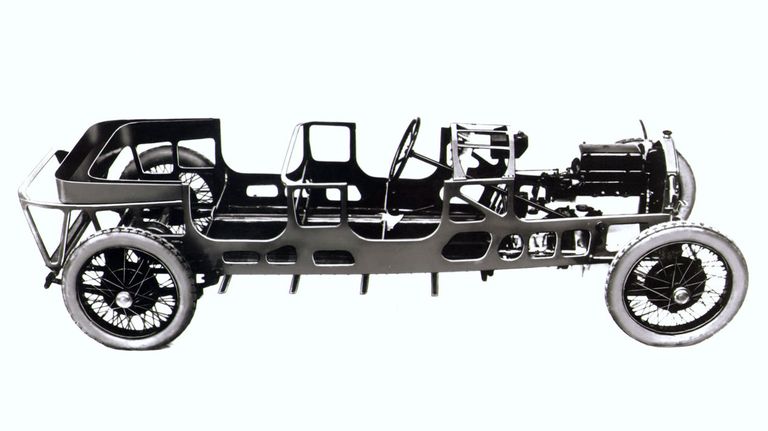
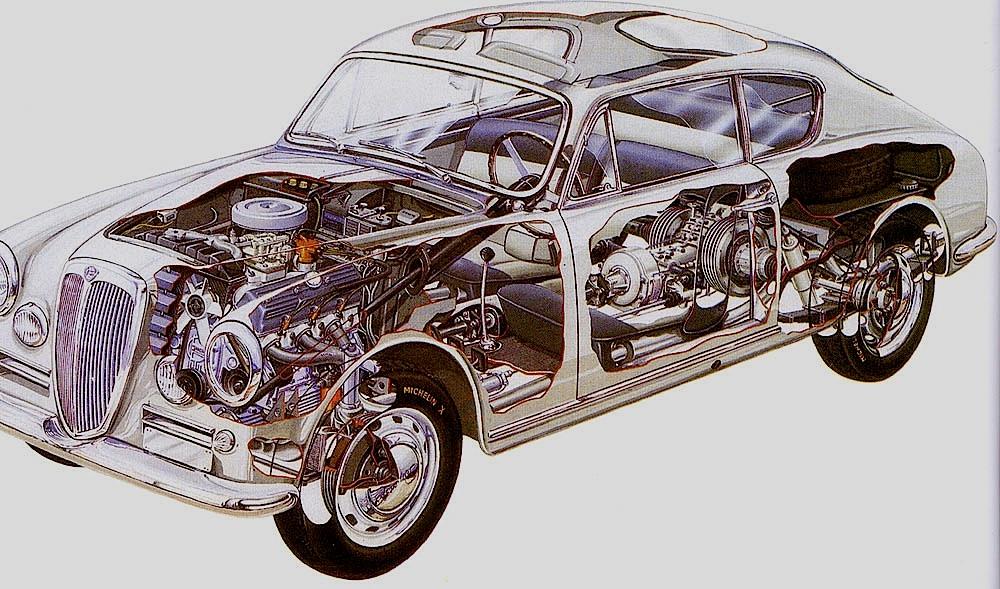
Lancia is credited with the first monocoque in the 1920's with the Lamda, and the first production V6 engine and 5-speed rear transaxle in the 1950's Aurelia. They made exquisitely engineered, small-displacement coupes and sedans that just couldn't find enough buyers at the prices they needed to charge. Lancia was absorbed by FIAT in 1969.
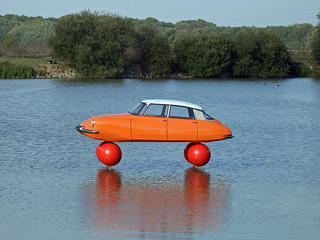
Citroen produced the first mass produced front wheel drive vehicles in the 1930's Traction Avant, as well as stunning the world with the futuristic DS in the mid 1950's - the hydropneumatic suspension with adjustable ride height gave ride comfort that would shame any modern car. Citroen embarked on a string of acquisitions in the 1970's, including buying Maserati which proved to be more than their cash flow could support. They lost their independence, merging with Peugeot and forming the PSA Group in 1976.
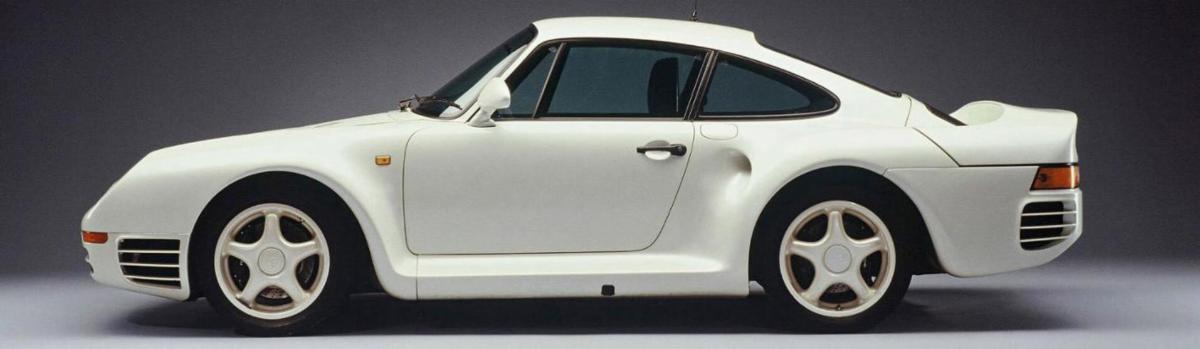
Even Porsche, with some of the highest margins in the automobile business, has run into trouble on a few occasions. They had to bury the development costs of the 80's 959 supercar among all their other product lines to justify selling 345 copies @ $usd225,000 each. It easily cost them double that amount. At least much of the technology made its way into more mainstream models, and the 'halo' effect and magazine covers it generated shouldn't be underestimated.
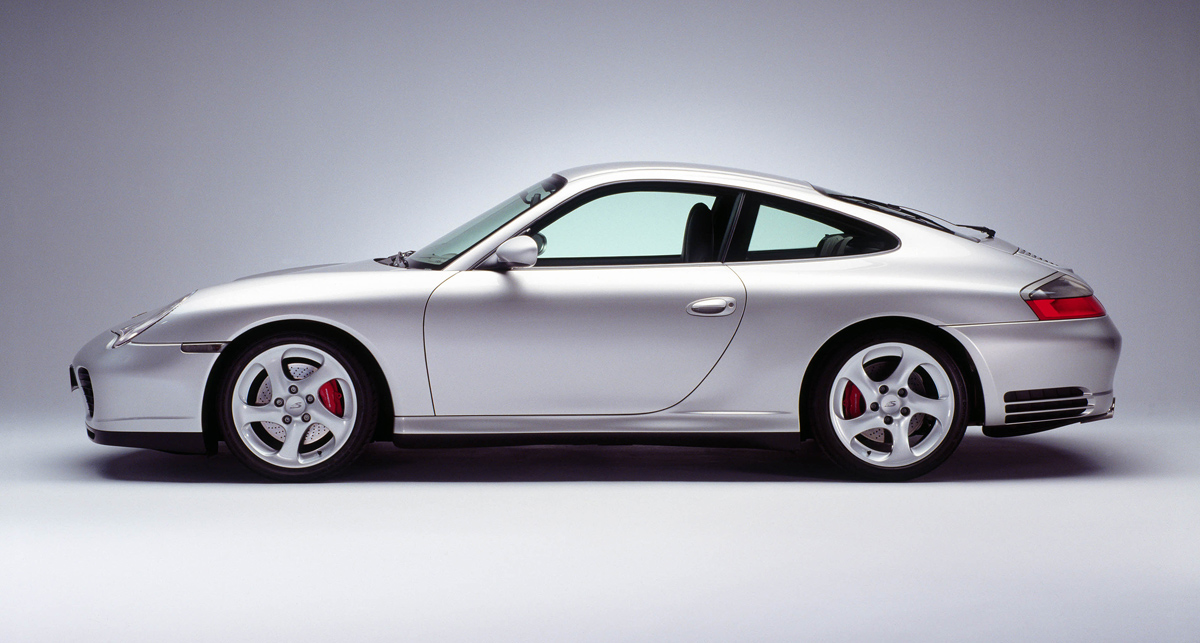
Porsche was in trouble in the early 90's with high production costs and low sales. They brought in a production expert to fix the problems. CEO Wendelin Weideking was credited with saving the company by introducing Japanese production methods, and twinning the new affordable Boxster with the 911 on the same platform. This shaved 30% off the cost of each car and greatly increased volume. Weideking also introduced the Cayenne, which was controversial at the time, but has gone on to transform the company's finances. But even with this bottom-line focus, Weideking still signed off on the Carrera GT Supercar, and GT series of 911 quasi-race cars. The focus on engineering and product wasn't lost while restoring financial health.
With any manufacturing, you need to get the volume up to keep the price down, and the car business is admittedly very sensitive to this - but you don't need to sell 2M vehicles per year to be profitable. Porsche has been happily making impressive margins producing between 200,000 and 300,000 vehicles per year. Tesla is making significant profits at around 500,000 vehicles per year.
The electric vehicle platform is easier to scale and adapt than the combustion engined version. One 'skateboard' EV platform can underpin an entire range of vehicles from cars, cross-overs and SUVs. In most cases manufacturers have gone from 3 or 4 combustion-engined platforms to 1 or 2 EV platforms. This reduces much of the R&D across the model range, and lowers the break even point.
It isn't even necessary to have to build a factory anymore. Fisker has contracted the entire assembly of their new Ocean SUV to Magna. With EV batteries, motors and power electronics farmed out to suppliers, R&D is now mostly software.
Critically, you need to turn out competitive products that don't need to be discounted in order to sell. More volume isn't going to help if you have to sell your cars to rental car companies or you have to offer heavy incentives. We've all heard the Detroit axiom, "We lose money on every car we sell, but we make it up on volume"!
|