View as Webpage


SciStarter Newsletter − January 2026

Facebook  Instagram  X  YouTube

Share your local weather observations to help improve weather forecasts, to inform plans for extreme weather preparedness, or to learn more about cloud types. No joke… we're cirrus! ;)


Here are five citizen science projects you can do this winter. Lend a helping mitten!


Cheers!

The SciStarter Team

X Share
LinkedIn Share

Mountain Rain or Snow

Help scientists enhance satellite models simply by reporting rain and snowfall in the mountains.


Location: Mountains in the United States

CoCoRaHS

Learn how to install a rain gauge, register your location, and read and report precipitation as often as you'd like. The data are used by the National Weather Service, emergency managers, city utilities, farmers, and others. Here's a very brief video overview. And here's a recording of a past SciStarter LIVE webinar featuring the CoCoRaHS project leader who talks about scientific outcomes and tips to get involved.


Location: United States & Canada

mPING

The NOAA National Severe Storms Laboratory is collecting public weather reports through a free app available for smartphones or mobile devices. The app is called “mPING,” for Meteorological Phenomena Identification Near the Ground. It's fun and easy.


Location: United States

GLOBE Observer: Clouds

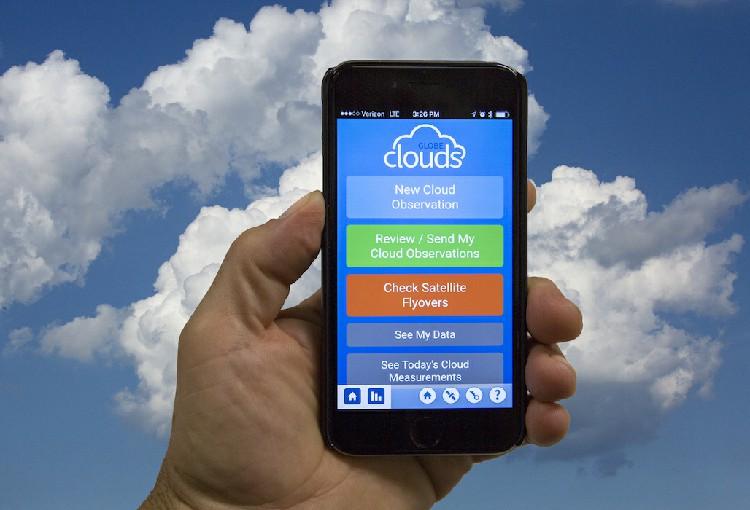
Join NASA and GLOBE to help scientists track changes in clouds and support climate research. Download the free app, log your sky observations, and compare them with NASA satellite data to contribute to real scientific research—anywhere in a GLOBE-participating country. 


Location: Global

X-Snow

Help NASA scientists understand how the properties of snow vary from place to place by collecting measurements of snow depth, temperature, wetness, and brightness.


Location: Northeastern United States

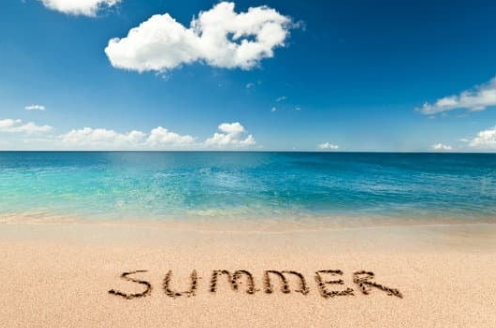
Summer Projects

We haven't forgotten our friends in the Southern Hemisphere! Use our project finder to join a summery project near you. Some of our favorite filters you can select are "at the beach" and "exclusively outdoors."


Location: Global

Cosmic Pioneers: Discovering Distant Galaxies Together


Join us virtually on the live Zoom event or in person at a local livestream gathering.


We’ll meet the scientist behind Dark Energy Explorers, a project designed to look deep into space for galaxies and black holes. Your participation will help scientists make the largest map of the universe yet and better understand dark energy.


No experience needed. We will provide step-by-step instructions during the event and we'll all work on this project, together in real time!


February 11, 6:30 PM ET, on Zoom

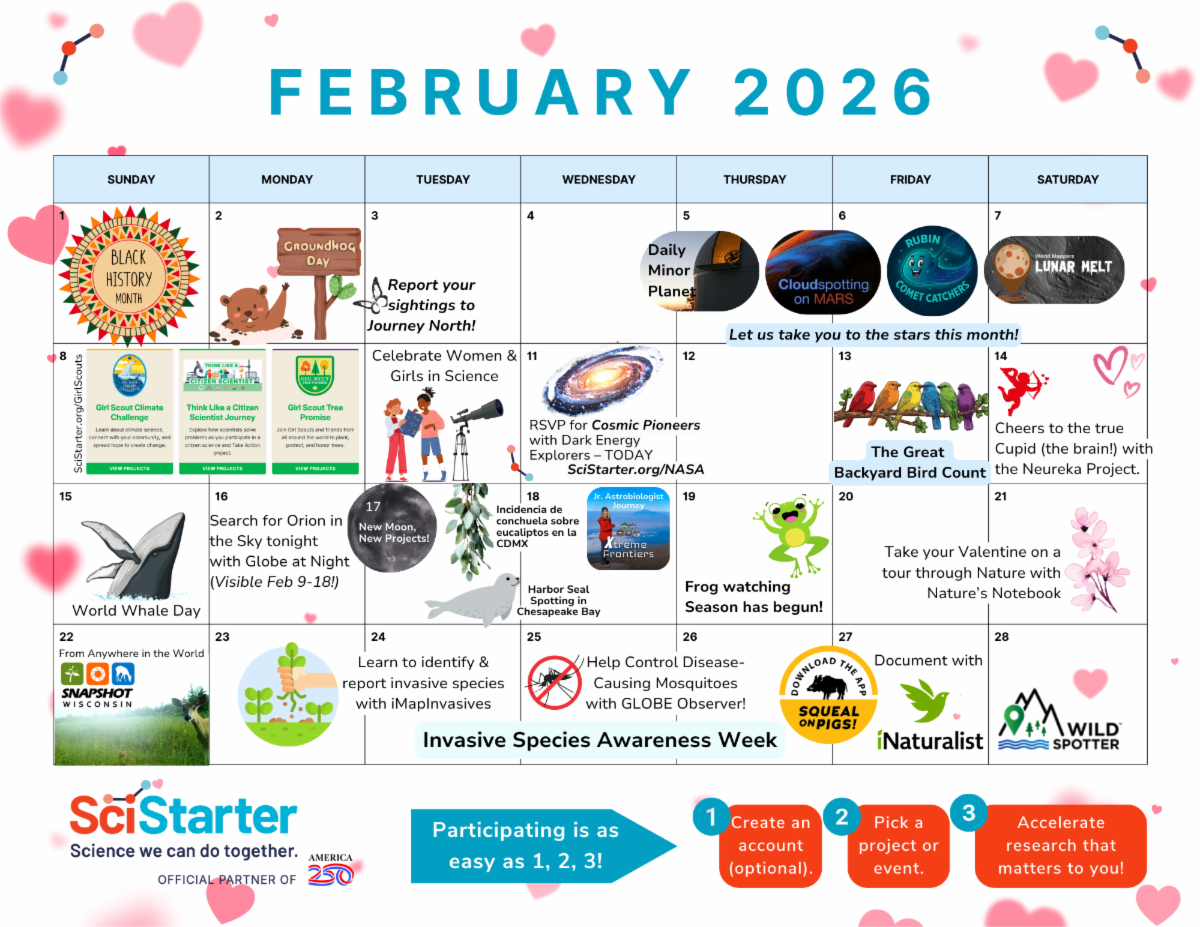
February is packed with events and programs!

Click here to explore and print the calendar.

New projects & events featured on SciStarter