Cancer News Digest, October 2025

Visit our website

CFC #11967

We're Speaking Out For You

Misleading claims about heated tobacco products


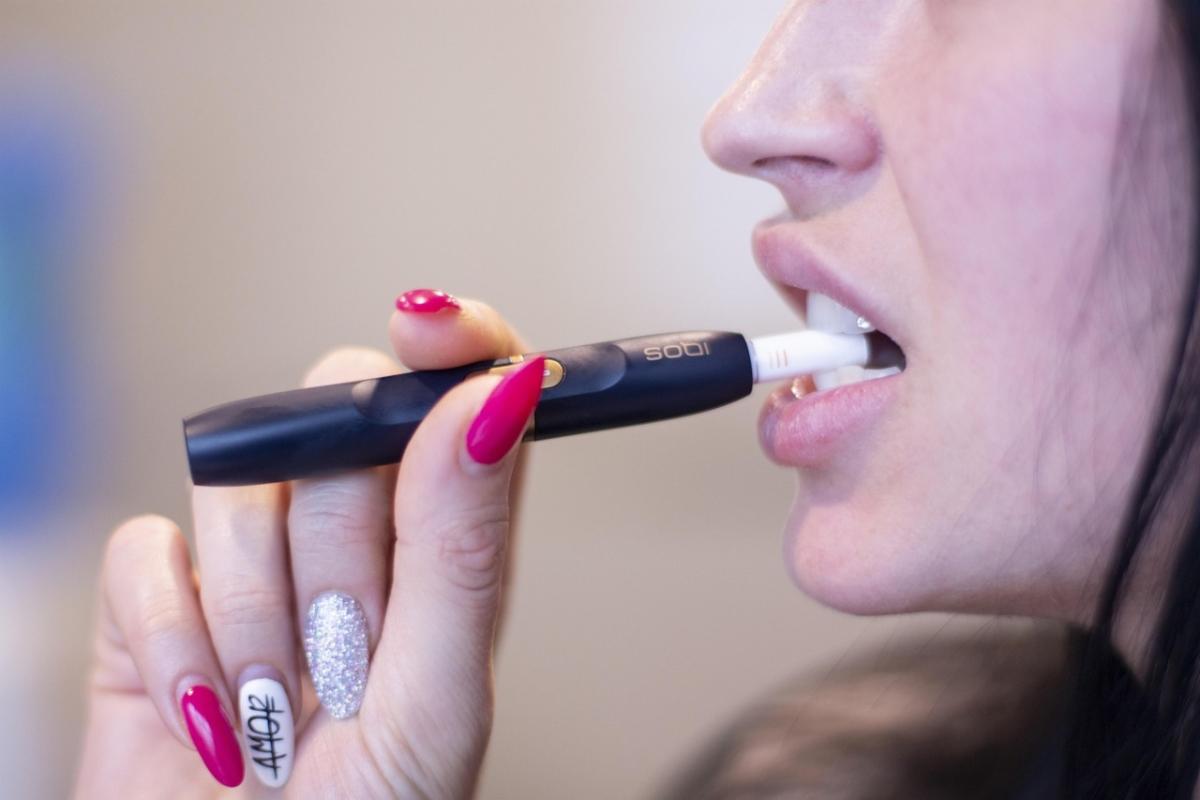
Heated tobacco products are different than e-cigarettes, but all these alternatives to smoking are marketed as safer than regular cigarettes. But are they? At an FDA meeting on heated tobacco products, Cancer Prevention and Treatment Fund President Dr. Diana Zuckerman cautioned that claims of reduced harm are not supported by long-term data. She explained that while short-term studies show lower exposure to some toxins, recent research found that other toxic exposures may actually be higher than with regular cigarettes.


Rodent and human studies now link heated tobacco use to respiratory, cardiovascular, and reproductive harm comparable to, or worse than, traditional smoking. She also raised concerns about the products’ marketing to young consumers and about menthol flavors that attract new users. She urged the FDA to require stronger evidence before approving reduced-risk claims for these products, because consumers are likely to misinterpret lower exposure to mean less harmful.


Read her testimony here.

New colon cancer screening test needs more evidence


In response to a request for advice, NCHR urged the Centers for Medicare and Medicaid Services (CMS) that Medicare should not automatically cover the new multi-target stool RNA (mt-sRNA) colorectal cancer screening test, ColoSense. until required safety and accuracy data are available. Although the FDA has approved the test, the agency's own review found that ColoSense could miss up to 24.3% of colorectal cancers and there were concerns about how the study was done. That's why the agency required the manufacturer to complete a new post-approval study to confirm its accuracy. According to publicly available information, that study has not yet begun.


NCHR pointed out that better research was needed to determine whether ColoSense performs as well as other Medicare-covered at-home stool tests such as Cologuard or the FIT test. We urged that automatic Medicare coverage should be deferred until the FDA-mandated study is completed and reviewed. Future decisions on stool-based screening tests should be based on clear evidence of accuracy, safety, and patient benefit.


Read our comment here.

Info You Can Use

How big is your belly? What are the implications for cancer?


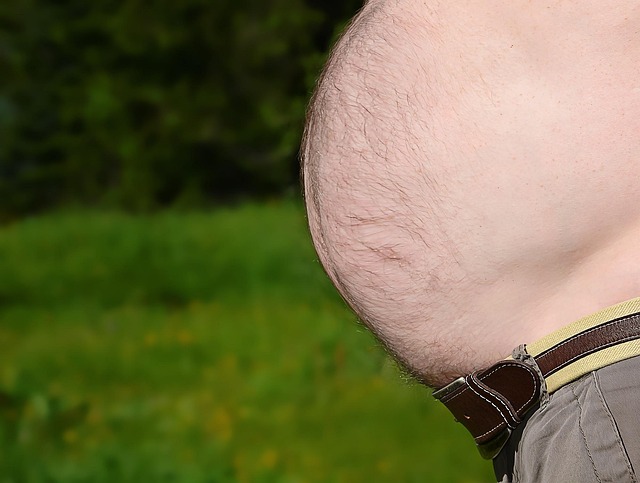
Belly fat is common among men and women. In our updated article, we explain that if your body shape looks more like an apple than a pear, you are more likely to develop cancer and several other serious diseases, even if you are not overweight.


Although being overweight increases the chances of developing cancer, belly fat has a similar risk that is independent of weight. You can measure your waist with a tape measure to find out if belly fat is a problem for you. Find out why belly fat is dangerous and what you can do to reduce risks.


Read our updated article here.

News You Can Use

Cancers in adults under 50 may not be such bad news


A new study in JAMA Internal Medicine suggests that the recently reported increase in cancers among adults under 50 may reflect over-diagnosis rather than earlier aggressive disease. Researchers led by Dr. H. Gilbert Welch of Brigham and Women’s Hospital in Boston found that while diagnoses of cancers such as thyroid, kidney, and colorectal have risen sharply since the 1990s, mortality from cancer has usually not increased.


The authors describe this as “an epidemic of diagnosis, not disease,” noting that expanded imaging and screening often detect small or slow-growing cancers that might never cause harm. They explain that if cancers were truly becoming more common or severe in younger adults, deaths would also be increasing in those same cancers. They aren't.


Read the MedPage Today report here.

We're in the News

Are playgrounds in your community safe?


Dr. Diana Zuckerman published an opinion article in The Well News to explain why rubber playground and play surfaces for young children can cause serious health problems.  These include increasing the chances of developing obesity, early puberty, asthma, learning problems, and eventually cancer, because the rubber contains PFAS, other hormone-disrupting chemicals, and lead.  


She explains that PIP and other rubber playground surfaces are made with recycled tire crumb and that claims that these materials are proven safe are inaccurate. Most of the chemicals in these products are not publicly reported or tested.  Children can be exposed day after day, week after week, and year after year, and very young children get the chemical and lead residue on their hands and may put pieces of the recycled rubber tire crumb in their mouths, ears, and noses.  Engineered wood fiber is the safe, ADA-compliant alternative. 


Read The Well News op-ed here.

Follow Our Instagram!

Check us out!

Did you know that artificial turf and rubber playground surfaces contain carcinogens? Are your children or grandchildren getting exposed when they play? Follow us @safe.to.play
Instagram  
@safe.to.play
 

Connect With Us!


Cancer Prevention and Treatment Fund

Facebook: @CancerPreventionAndTreatmentFund


LinkedIn: www.linkedin.com/showcase/cancer-prevention-&-treatment-fund/

Facebook
729101_linkedin_icon image
Donate

Your Contribution Can Make a Difference


We do not accept any funding from drug companies, device companies, chemical companies, or other sources that could influence our work and compromise our integrity. That's why so many people turn to us when they need help. Donations of any size are greatly appreciated (and tax deductible.)


Please consider giving to the Cancer Prevention and Treatment Fund online or by mail to the address below.

To sign up for these monthly updates, click here.
Cancer Prevention and Treatment Fund | 1001 Connecticut Ave NW, Suite 1100  
Washington, DC 20036 | www.stopcancerfund.org
CFC# 11967