|
In this episode of Step Up to Save Our Children, Denise talks with Kristen Smith of Envision Partnerships about teen suicide prevention and the important role parents and other trusted adults can play in recognizing warning signs, starting difficult conversations, and connecting young people with help. Kristen explains QPR—Question, Persuade, Refer, a suicide-prevention training designed to give everyday people the skills and confidence to recognize when someone may be at risk and help them connect with appropriate support. We discuss why parents shouldn't be afraid to ask direct questions when they are concerned, how to create an environment where teens feel comfortable talking about their mental health, and why prevention is truly a community responsibility.
Most importantly, this conversation reminds parents that you don't have to be a mental-health professional to make a difference. Learning how to recognize concerns, listen without judgment, and know where to turn for help can be an important part of protecting the young people we care about. To learn more go to: https://envisionpartnerships.org
Kristen Smith joins us from Envision Partnerships to talk about:
• Understanding teen suicide prevention
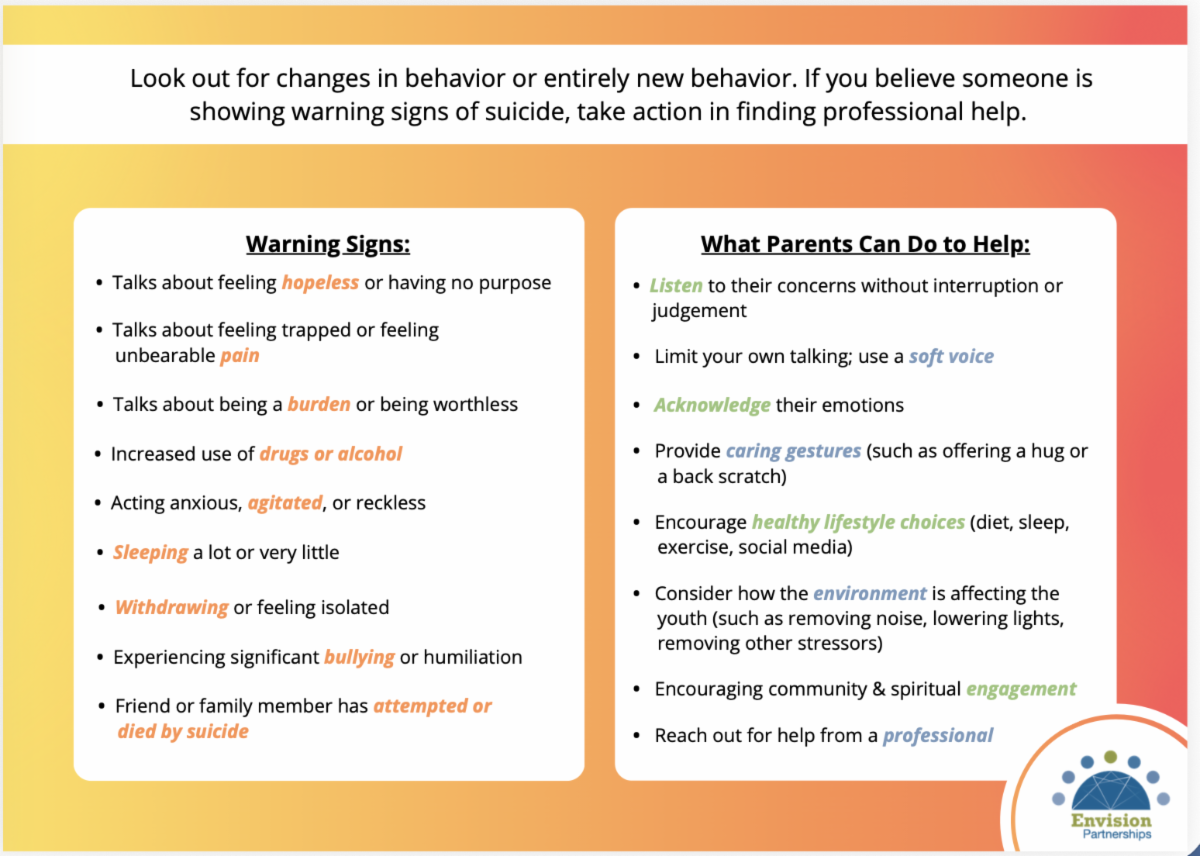
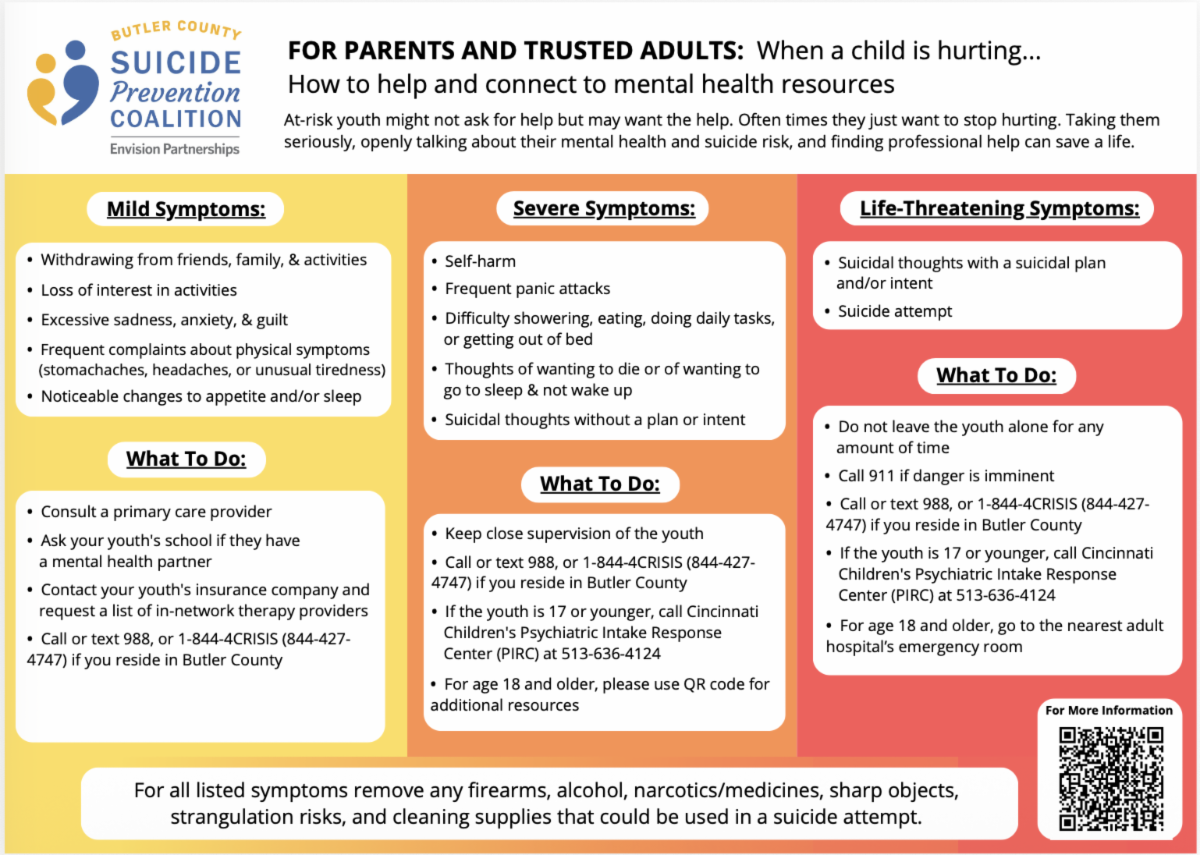
• Warning signs parents and other trusted adults should recognize
• How to approach a teenager when you are concerned
• Why parents should not be afraid to ask difficult questions
• The importance of listening and creating connection
• What QPR stands for: Question, Persuade, Refer
• What parents can expect from QPR training
• Why QPR is similar in concept to CPR
• The importance of training parents, educators, coaches, grandparents, and other trusted adults
• How schools and communities can work together on prevention
• Reducing the stigma surrounding mental health
• Building connection, belonging, and resilience before a crisis occurs
• Where parents can learn more about QPR and suicide-prevention resources
Parents don't need to have all the answers. But they can learn how to notice, ask, listen, and connect. Call 988 when in doubt to get help! Being prepared before a crisis occurs can give parents greater confidence to respond when a young person needs support.
Children’s Psychiatric Intake Line 513-636-4124
Al
|