Dear Friends,


I open this month's letter with a heavy heart. The devastating earthquakes in Venezuela have caused the deaths of more than 3,500 people, injured thousands more -- and tens of thousands are missing, feared dead. We have launched an urgent appeal to support the recovery efforts now underway. I hope you will consider supporting the Multi-Religious Humanitarian Fund at this urgent hour – this is exactly why we created it.


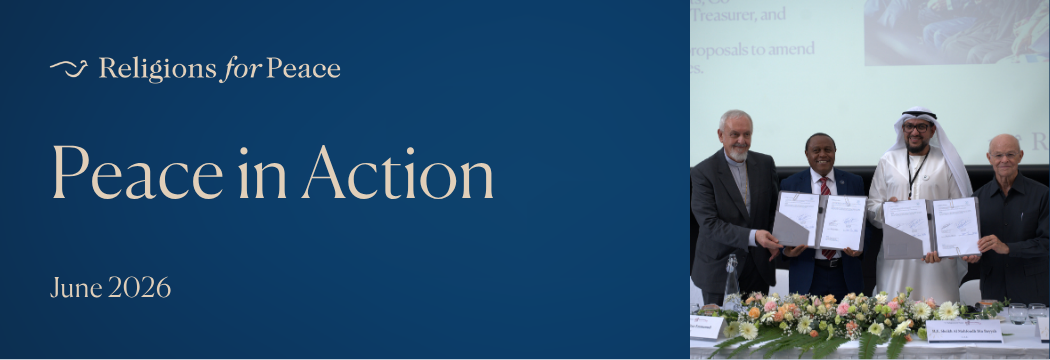
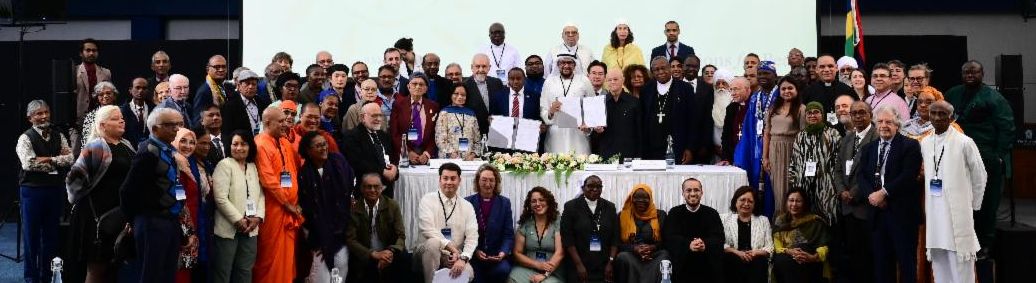
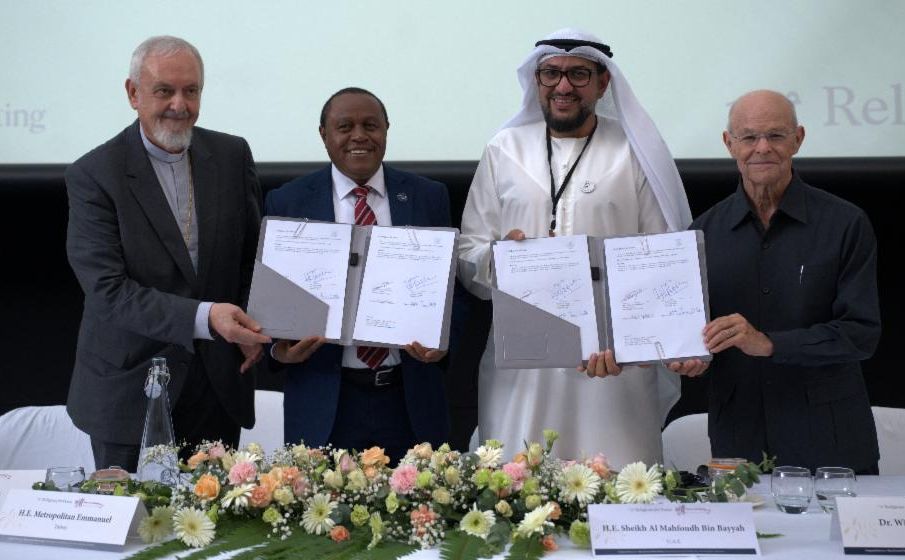
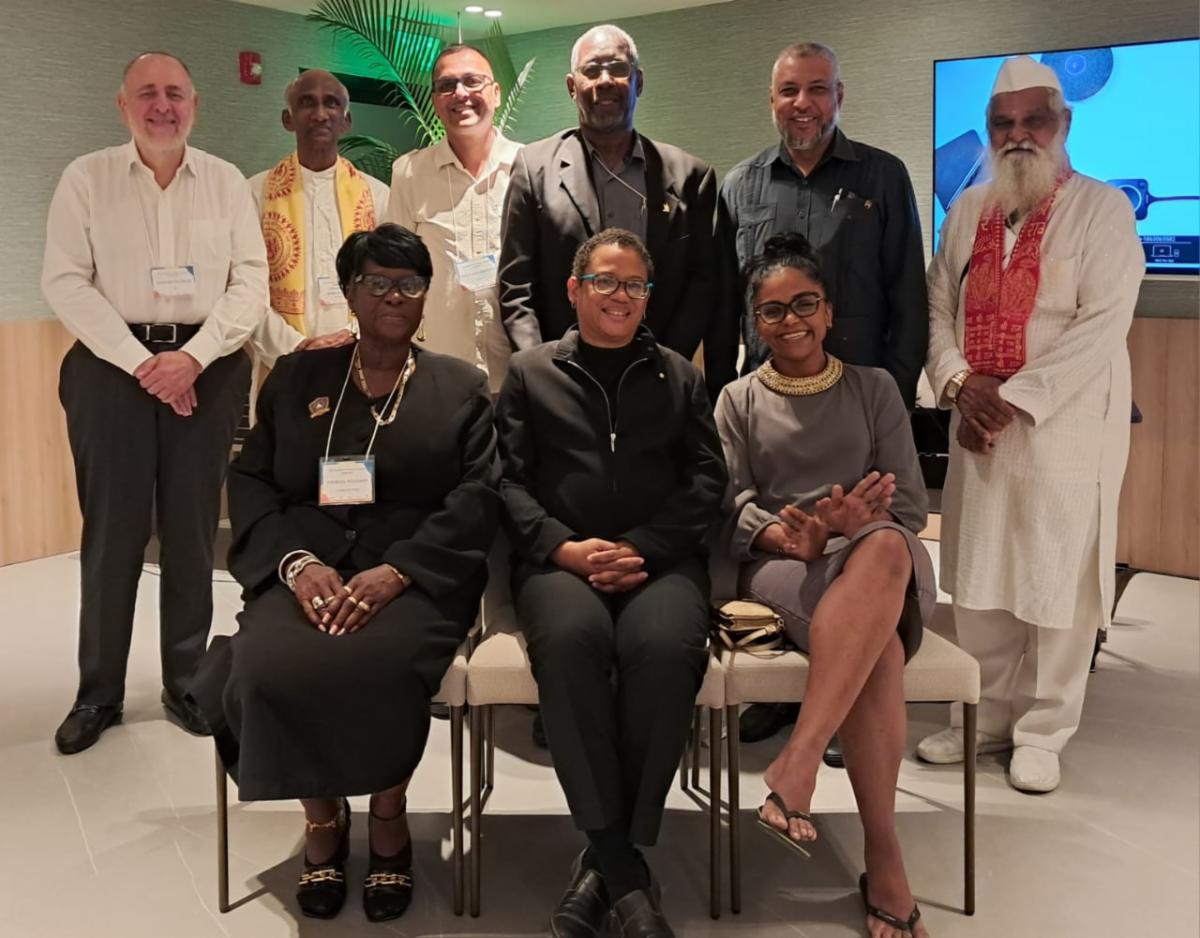
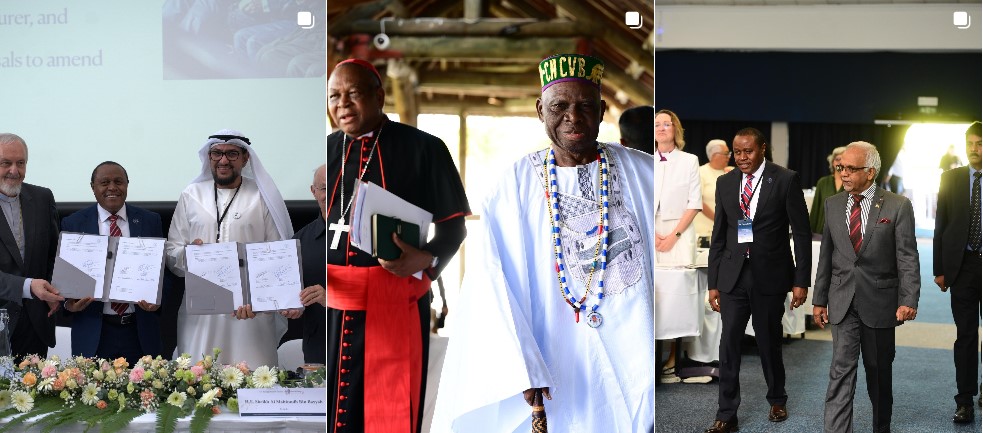
At our International Council Meeting in June, more than 100 religious leaders discussed issues of global concern, issuing the Port Louis Resolution and laying the groundwork for the 11th World Assembly. The meeting also included the momentous signing of a Memorandum of Understanding with the Abu Dhabi Forum for Peace, concretising our partnership to organize the World Assembly.


“Forging Pathways for Shared Sacred Flourishing” also served as a critical platform for religious leaders to examine and discuss in detail the Shared Sacred Flourishing framework. Shared Sacred Flourishing is the culmination of decades of our combined interreligious work around the world. Later in June, religious leaders from across the movement participated in a Training of Trainers workshop in Nairobi; they have returned to their respective countries and are now kicking off additional training events.


The International Council Meeting also included thematic dialogues on Artificial Intelligence (see our AI policy and strategy paper here); the interconnectedness of climate change, the debt crisis and conflict; and the decline in multilateralism. The Port Louis Resolution presents the International Council’s outcome.


While these issues require serious attention, the World Cup has offered a diversion, to an extent. This month we feature two reflections, including a wonderful video, on how religion and sport inspire interreligious collaboration. Players do not ignore or push their faith aside when they play; in fact, many express gratitude to the Sacred for all to see. This is a powerful illustration, indeed, of our Shared Sacred Flourishing framework – which asks all to bring their faith to our multi-religious action for peace.


Finally, we have developments from numerous interreligious efforts, presented in Across the Movement.


Looking ahead, we are excited to continue intensively preparing the 11th World Assembly, while also working at every level to bring moral leadership to questions of peace, justice, and care for our shared world. 


In peace,


Dr. Francis Kuria 

Secretary General

Resolution and Takeaways from the Religions for Peace International Council Meeting


In June, religious leaders from over 40 countries at the Religions for Peace International Council Meeting discussed and deliberated on a diversity of issues afflicting human societies across the globe. Climate change, conflict, debt, AI, displacement, and collapsing trust in the multilateral system were formally on the program, but side discussions covered many more. Below, read the Resolution outcome document emphasizing a vision of Shared Sacred Flourishing, as well as 10 key takeaways from the discussions over the two days of the International Council Meeting.

Read 10 Takeaways from the Religions for Peace International Council Meeting

Read the Port Louis Resolution: Forging Pathways for Shared Sacred Flourishing

Religions for Peace and the Abu Dhabi Forum for Peace Sign MoU for 11th World Assembly, Slated for 2027

At the International Council Meeting, Religions for Peace and the Abu Dhabi Forum for Peace signed an eagerly anticipated Memorandum of Understanding for the organization of the 11th World Assembly for Religions for Peace.

Religions for Peace Issues Urgent Appeal to Support Victims of Earthquakes in Venezuela

On June 24, two massive earthquakes struck Venezuela within seconds of each other—the most powerful the country has seen in more than 125 years. The devastating earthquakes have caused the deaths of more than 3,500 people, injured thousands — and more than 50,000 are missing and feared dead. The Religions for Peace Multi-Religious Humanitarian Fund exists to mobilize multifaith humanitarian interventions for disasters like this, and to support recovery efforts. Donations will help guarantee the swift delivery emergency assistance.

READ MORE

DONATE TO SUPPORT RECOVERY

Religious Leaders Leverage their Influence in Ebola Outbreak Response

Religious leaders in East Africa are raising awareness of and engaging their communities in responding to the most serious outbreak of the Ebola virus in years. Under the Faith and Positive Change for Children, Families and Communities program, Religions for Peace and UNICEF are partnering to support these efforts.

Intensive Training Program Equips Religious Leaders in the Application of Shared Sacred Flourishing Framework

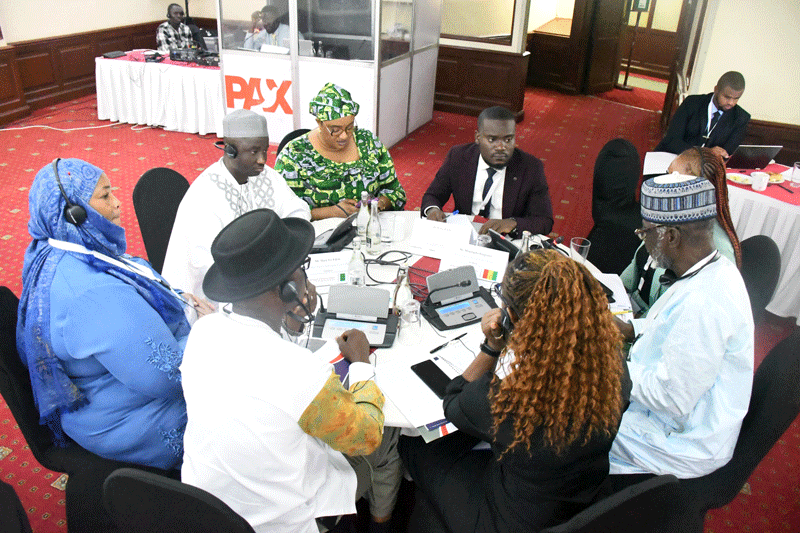
A training of trainers in Nairobi in June presented the Religions for Peace Shared Sacred Flourishing framework to religious leaders from across the movement in Africa, Asia, Europe and South America. Over three days, religious leaders intensively discussed the Shared Sacred Worldview and, through a variety of break-out group activities, used their real-world experiences to share and examine how to implement development efforts by centering the Sacred.

World Cup 2026 Reflections

The relationship between religion and sport stretches back thousands of years. The FIFA World Cup unites supporters from every continent. In these moments, people celebrate without abandoning their identities. Diversity is not erased -- it is embraced through shared rules, mutual respect, and common purpose.

What Religion and Sport Teach Us About our Shared Humanity

How the 'Beautiful Game' Models Interreligious Harmony

Across the Movement: New Efforts to Build Peace from Dominican Republic, Haiti, Indonesia, and Religions for Peace Europe


A round-up of developments from across the Religions for Peace movement.

Scenes from the International Council Meeting

Check out the Religions for Peace Instagram page for more photos from the event!

Join the conversation on social media:

Facebook  Instagram  X

Abou Dhabi va accueillir l’année prochaine le 11ème congrès mondial de l’organisation « religions pour la paix »


IOM Convenes National Workshop to Strengthen Legal Identity and Document Verification Services in Ethiopia


Bishop Zziwa Takes IRCU Helm as Interfaith Body Pledges Unity Agenda

Artificial Intelligence, Human Dignity, and Peace: Religion for Peace's External Policy and Strategic Position


For the Religions for Peace movement, AI is neither a distant nor purely technical concern. It is already influencing fragile and conflict-affected contexts, religious communities, and the conditions under which interreligious cooperation takes place. Without ethical reflection and coordinated engagement, AI risks amplifying exclusion, discrimination, misinformation, gender-based harm, environmental injustice, and violence, undermining the foundations of peace and shared flourishing that Religions for Peace seeks to advance.


Multi-stakeholder Dialogue on Displacement and Shared Sacred Flourishing

28 July 2026, Geneva


The Multi-stakeholder Dialogue will bring together partners with the Members of the Multi-Religious Council of Leaders, Religions for Peace and UNHCR leadership, to explore how values-based approaches can strengthen protection, dignity, social cohesion, and solutions for displaced populations, and will provide a space for open exchange between humanitarian actors and faith leaders in a spirit of collaboration. 

Facebook  X  Instagram  LinkedIn

Religions for Peace International | 777 United Nations Plaza 5th Floor | New York, NY 10017 US

+1 212 687 2163 | www.rfp.org | info@rfp.org


You are receiving this email because you are subscribed to the Religions for Peace International mailing list.

Unsubscribe | Update Profile | Constant Contact Data Notice