|
UTSW Ophthalmology News
February 2026
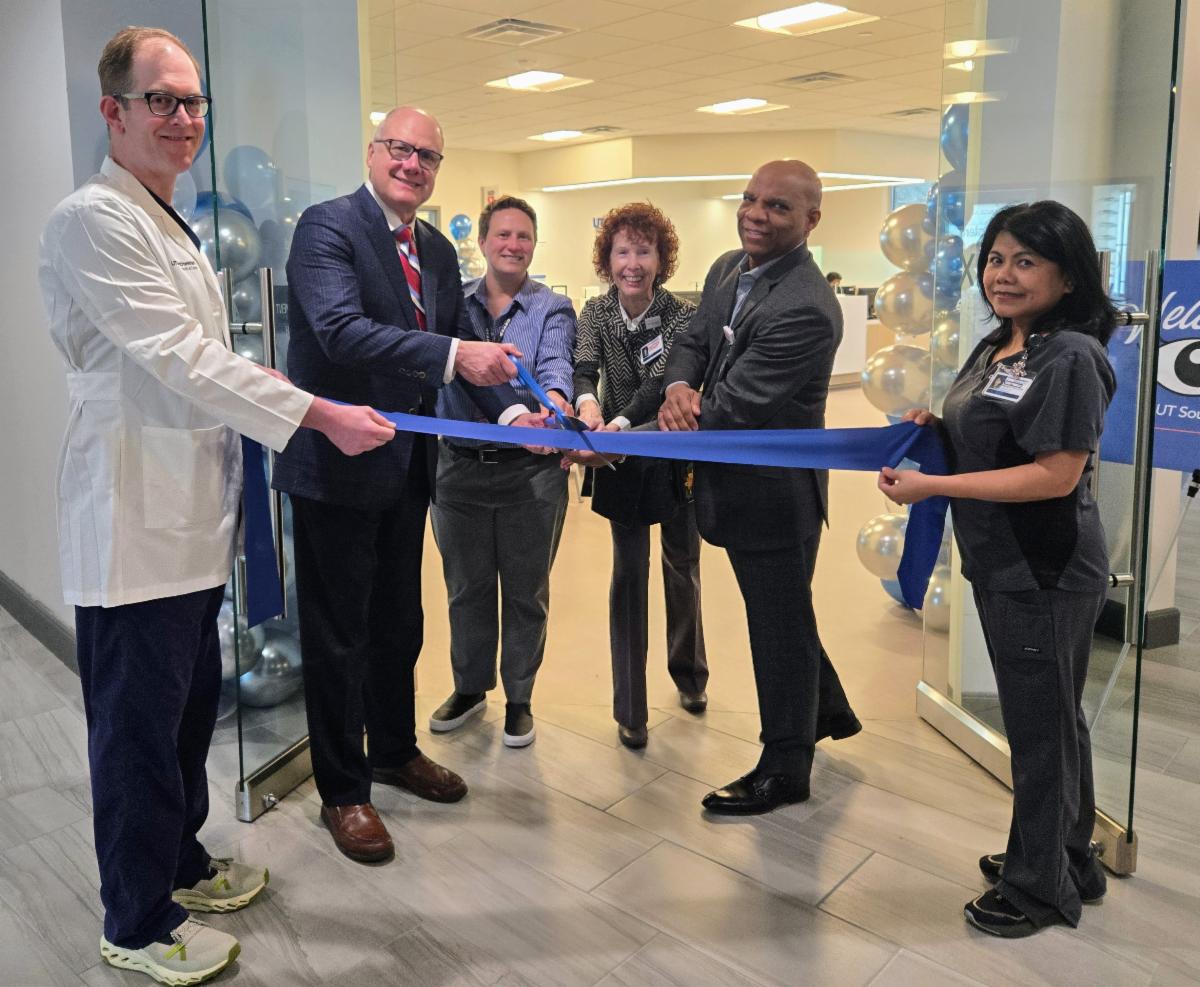
| | Ribbon-cutting time at North Dallas Ophthalmology: William H. Waldrop, M.D., North Dallas clinic Medical Director (far left), J. William Harbour, M.D. (with scissors), UT Southwestern Health System project leaders Jennifer Jobe, Keith Taylor, and Carolyn Swann, and Marilyn Filart, lead technician at the North Dallas clinic (far right). |
North Dallas Regional Clinic Moves to Richardson
Combining expert care and eyewear in one location
| |
In December, the North Dallas clinic relocated from Greenville Avenue to its new space in Richardson.
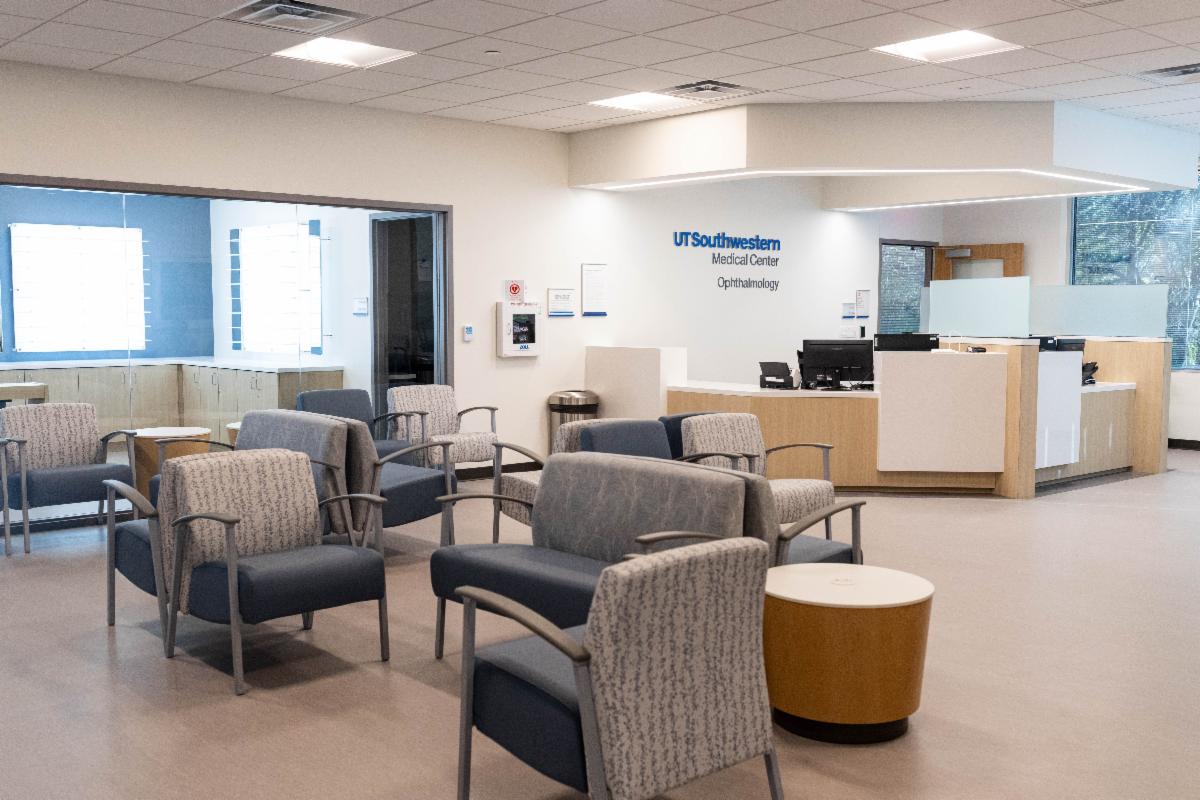
The fully renovated and overhauled location offers expanded clinical space (17 lanes) and a larger care team, giving patients greater access to a full range of ophthalmic subspecialties and ancillary testing, including comprehensive ophthalmology, cornea and external disease, glaucoma, neuro-ophthalmology, vitreoretinal disease, and uveitis. Optometrists are also available to perform comprehensive eye exams.
The Richardson office houses an onsite optical shop, UTSW Optical, with a dedicated expert optician and wide selection of stylish glasses and frames.
UT Southwestern Ophthalmology at North Dallas
1125 E. Campbell Road, Richardson, TX 75081
Appointments and referrals: 214-645-0950
UTSW Optical at North Dallas Phone: 469-761-1325
Email
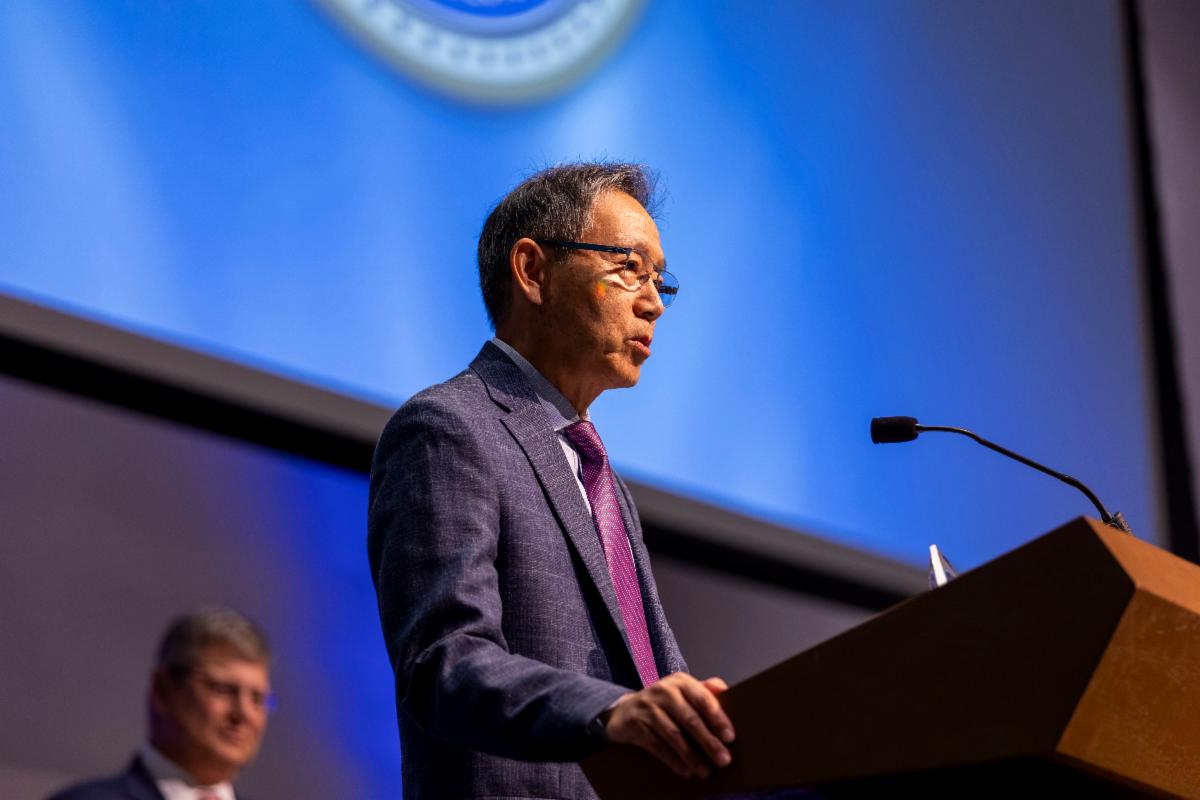
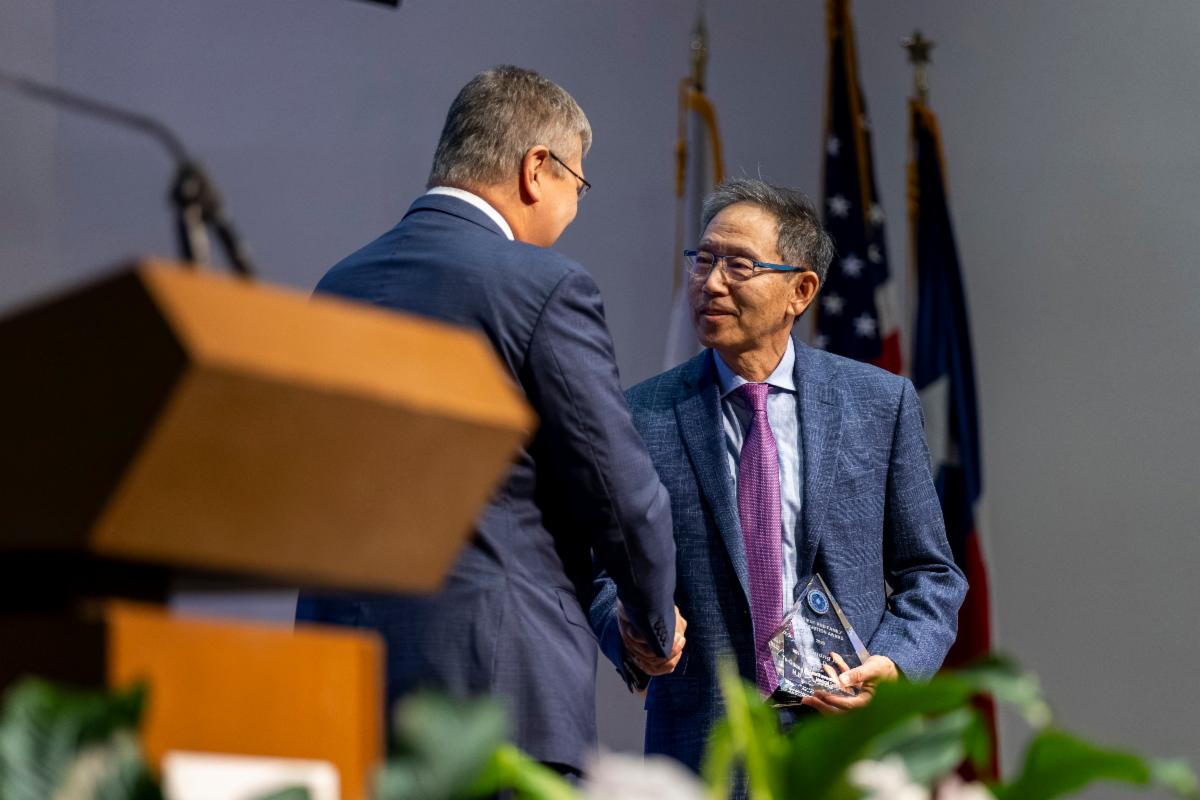
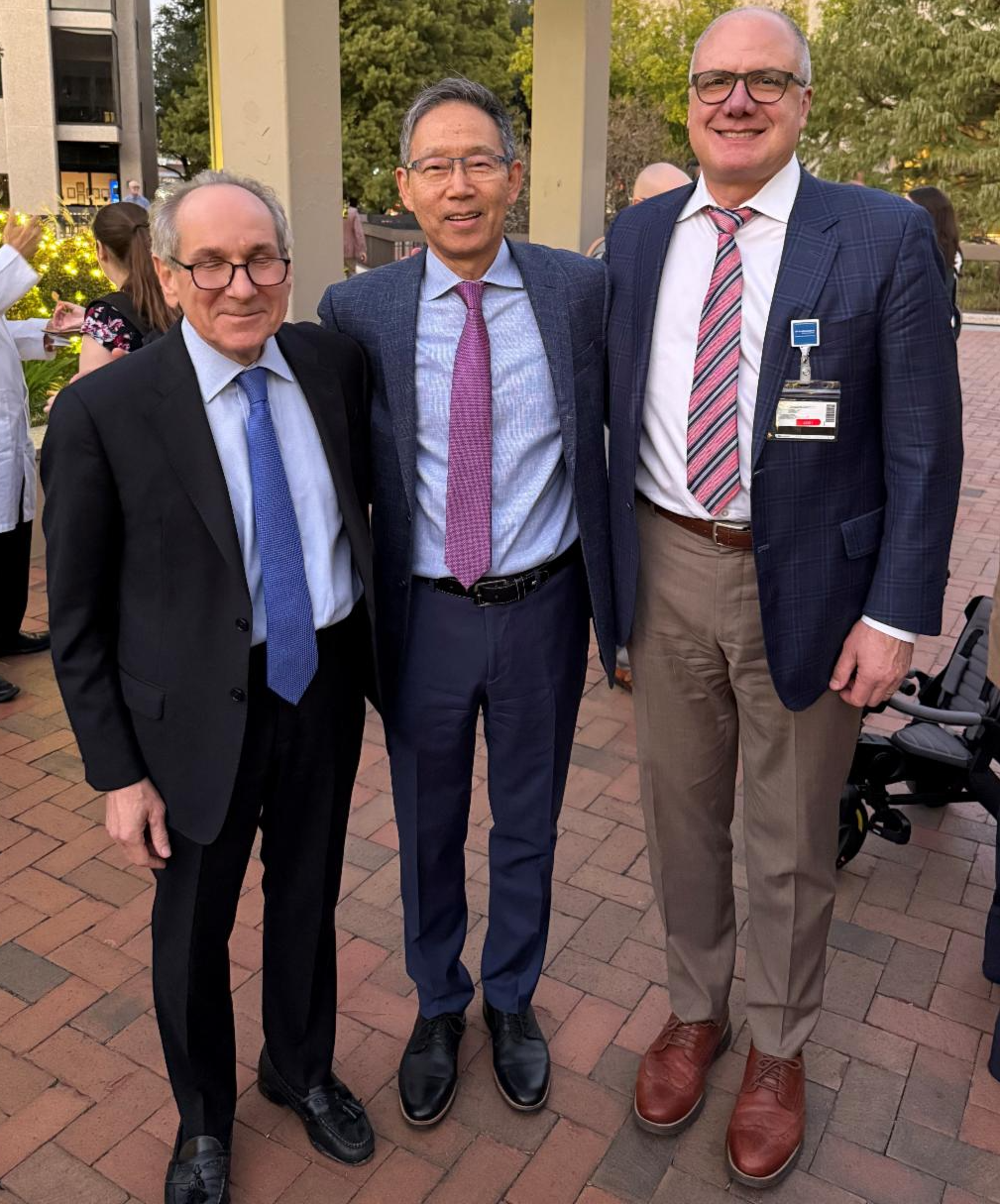
| | | Jon Efron, M.D., EVP for Health System Affairs at UT Southwestern, presents Dr. He with his award. | Celebrating on the Plaza after the November 4, 2025 event are l. to r. Daniel K. Podolsky, M.D., UTSW President, Dr. He, and Dr. Harbour. | | Award for Yu-Guang He, M.D.: A Career Dedicated to Patient Service | |
In recognition of the “dedication to the compassionate, respectful delivery of exceptional patient care,” UT Southwestern honored Yu-Guang He, M.D., (pictured top left) Professor of Ophthalmology and retina specialist, with the Patient and Family Recognition Award during a November 2025 ceremony hosted by UT Southwestern leaders, including President Daniel K. Podolsky, M.D.
The award is part of the Leaders in Clinical Excellence program acknowledging clinical faculty members who deliver outstanding patient care.
A clinician and researcher, Dr. He began his UT Southwestern journey as a research fellow in 1988. He served as a Research Assistant Professor from 1990 to 1995, completed his ophthalmology residency at UT Southwestern, and joined the clinical faculty in 2001. From 2005 until 2024, Dr. He led the vitreoretinal surgery fellowship program, training hundreds of residents and fellows.
At the core of Dr. He’s practice are his patients: newborns he visited in hospital during weekends to screen for retinopathy of prematurity and adults facing retinal diseases from detachments to macular degeneration. Many of these patients have been with Dr. He for decades.
“The patients are my family,” said Dr. He during his remarks at the awards ceremony.
| | |
Voting now open: USNWR Best Hospitals 2026-2027
Make your vote count for UT Southwestern Ophthalmology!
As in previous years, the ophthalmology specialty rankings are entirely based on institutional reputation. All board-certified ophthalmologists who are members of Doximity are eligible to vote.
When casting your vote, search "UT Southwestern Medical Center-Dallas, TX" in the dropdown menu. Votes cast for any of the following affiliated hospitals will also count toward UT Southwestern: St. Paul, Zale-Lipshy, UTSW, Clements, William P. Clements Jr. University Hospital/Clements University Hospital.
Your participation directly supports our national visibility and recognition. Thank you for taking a moment to vote.
Visit Doximity
| | | | Named Chair for Ufret-Vincenty | |
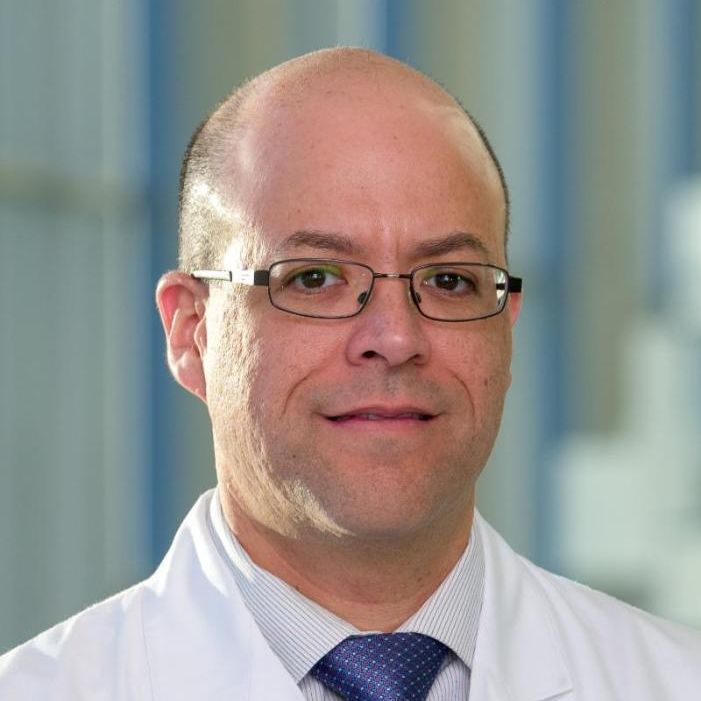
Rafael Ufret-Vincenty, M.D., Professor of Ophthalmology, was appointed the inaugural holder of the Distinguished University Chair in Macular Degeneration Research, in Honor of Yu-Guang He, M.D.
This endowment will support Dr. Ufret-Vincenty’s age-related macular degeneration research.
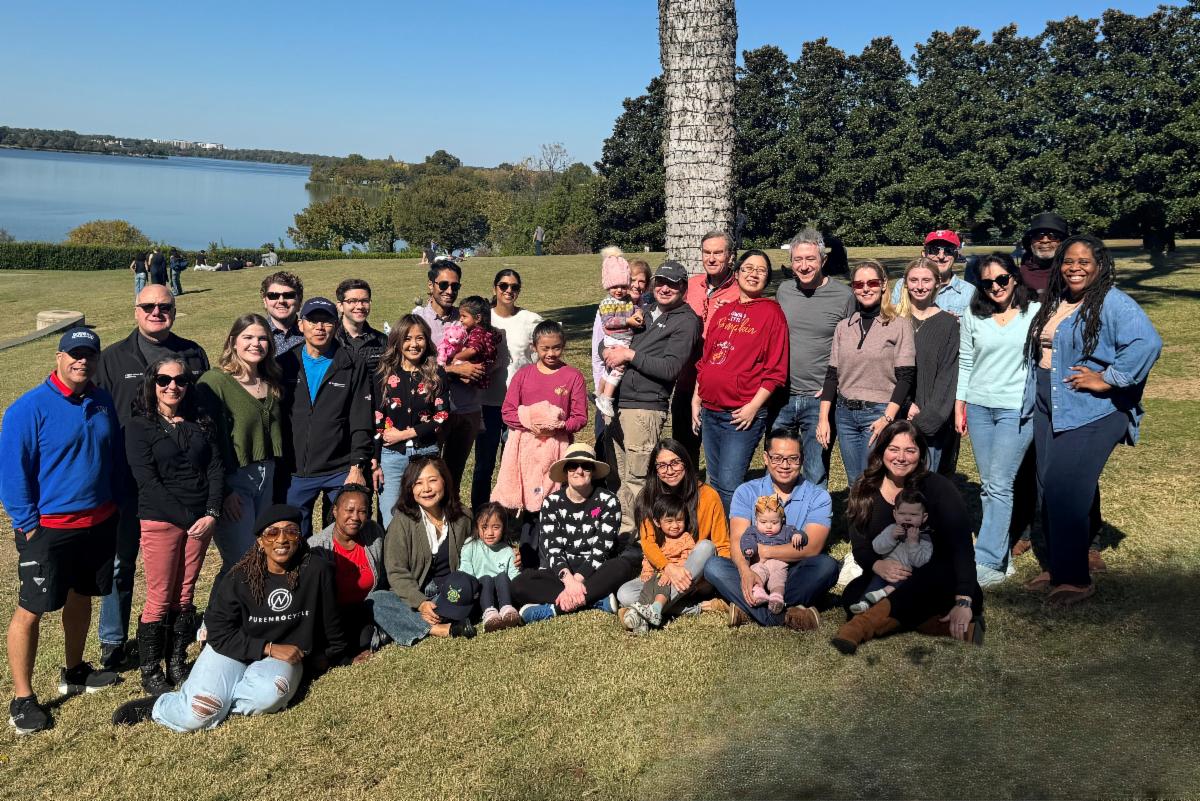
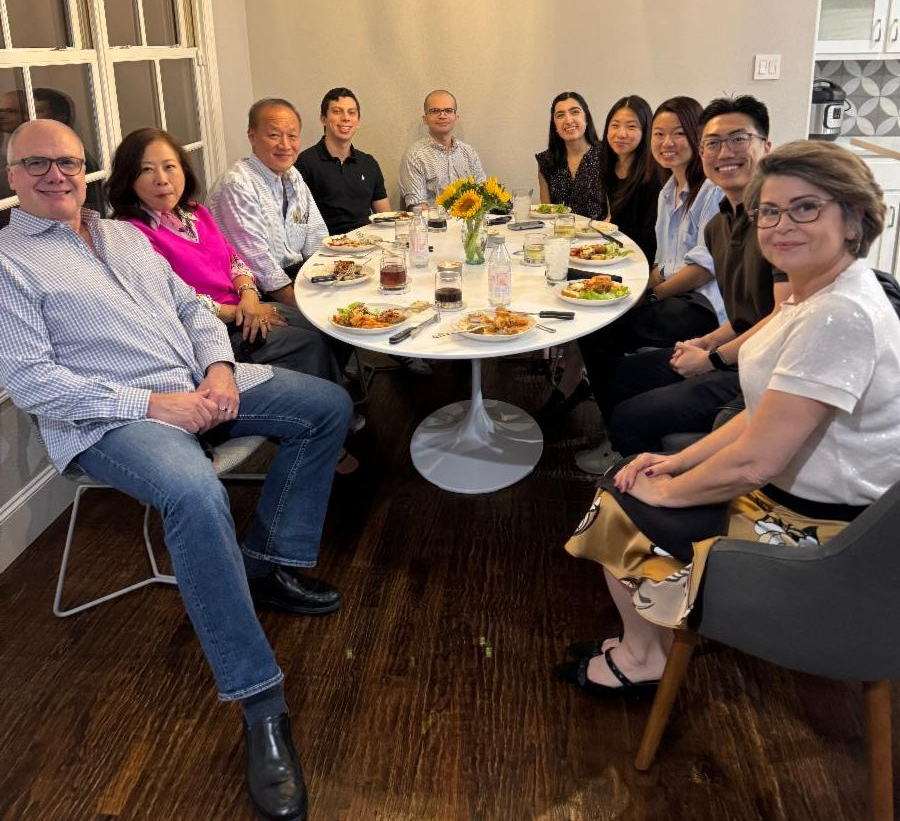
| Fun in the sun: Retina faculty, fellows, and Ophthalmology education office staff enjoyed the first taste of fall in November at the group’s annual outing at the Dallas Arboretum and Botanical Garden. | Dinner with the Chair: Dr. Harbour and his wife, Zelia M. Correa, M.D., Ph.D., (front right) at their home in Dallas with residents and fellows. These small quarterly events help facilitate Dr. Harbour getting to know trainees and their partners in a relaxed environment with good food and good company. | | |
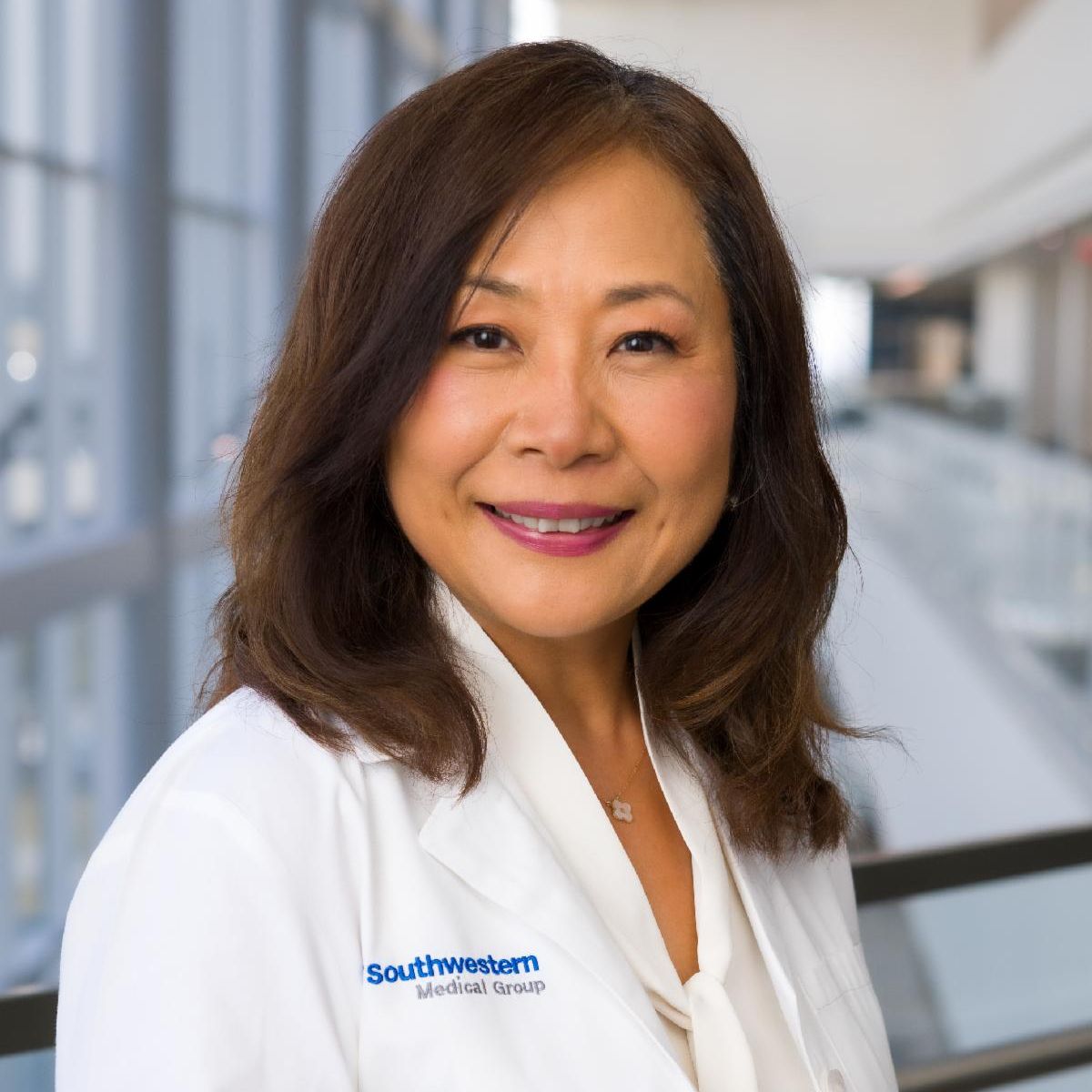
Danielle Robertson, O.D., Ph.D., Professor of Ophthalmology, was named Director of the Mechanisms of Disease and Translational Sciences track in UTSW’s Graduate School of Biomedical Sciences. The appointment became effective on January 1.
Dr. Robertson will oversee a program track designed to train Ph.D. students to become leaders of the next generation of translational scientists turning laboratory and clinical research into “real world” interventions for patients and the public.
Dr. Robertson is a member of UTSW’s Hamon Center for Regenerative Science and Medicine, as well as the Immunology and Cell and Molecular Biology Graduate Programs. Her laboratory studies the impact of systemic and infectious diseases on the cornea and ocular surface. The Robertson Lab aims to develop novel therapies for the treatment of common corneal diseases with a goal of preventing vision loss and improving patient quality of life.
More information
| |
In September, the University of Illinois-Chicago honored Dr. Robertson’s “groundbreaking contribution to corneal biology, ocular surface disease, and the influence of systemic conditions on eye health,” with the Award for Longstanding Accomplishments in Vision Research.
The organization recognized Dr. Robertson at its Cyagen-Symposium on Eye Inflammation and Infection in Chicago.
| |
New Role for Waldrop
William H. Waldrop, M.D., Assistant Professor of Ophthalmology, has been named Medical Director of UT Southwestern Ophthalmology at North Dallas. In this new position, Dr. Waldrop will work closely with Department leadership, faculty, and clinic management to enhance and coordinate clinical operations in support of the expanding faculty practice in Richardson.
| | | | |
AquaLumenTM: First Use in Texas
In January, Shivani Kamat, M.D., glaucoma specialist and Associate Professor of Ophthalmology, became the first physician in the state to use AquaLumenTM, an implant-free, minimally invasive surgical device used for glaucoma management.
“AquaLumenTM allows us to lower eye pressure without implants or major tissue disruption,” said Dr. Kamat. “We can offer patients a modern, minimally invasive option that fits between medications and traditional glaucoma surgery.”
Q&A with Shivani Kamat, M.D.
What is AquaLumenTM and how long has it been around?
Dr. Kamat: AquaLumenTMwas approved by the FDA in December 2024. The device creates a controlled drainage channel from the anterior chamber to the subconjunctival space through an ab externo approach, facilitating improved outflow of aqueous humor to lower intraocular pressure without sutures, implants, or conjunctival dissection.
How does this technology improve patients’ glaucoma care?
Dr. Kamat: AquaLumenTM expands the spectrum of glaucoma treatments for patients who need more than medication but may not yet require (or wish to undergo) traditional filtration surgery. For appropriate candidates, AquaLumenTM may offer:
- A meaningful reduction in IOP
- The possibility of needing fewer or no glaucoma medications
- A minimally invasive procedure without implanted device hardware
- Preservation of the eye’s anatomy and future treatment options
- A predictable and reproducible surgical experience
“As physicians,” said Dr. Kamat, "it is imperative that we embrace evolving technologies that improve patient outcomes, elevate surgical care in glaucoma, and redefine treatment beyond medications and conventional surgery.”
| |
Congrats to these Faculty Members on Castle Connolly's 2026 Top Doctors List!
Jeremy Bartley, M.D.
(Cornea and External Disease)
R. Wayne Bowman, M.D.
(Cornea and External Disease)
S. Serdar Dogan, M.D.
(Cornea and External Disease)
J. William Harbour, M.D.
(Ocular Oncology)
Yu-Guang He, M.D.
(Vitreoretinal Disease)
Shivani Kamat, M.D.
(Glaucoma)
Judy E. Kim, M.D.
(Vitreoretinal Disease)
V. Vinod Mootha, M.D.
(Cornea and External Disease)
Phillip Tenzel, M.D.
(Oculoplastics)
Rafael Ufret-Vincenty, M.D.
(Vitreoretinal Disease)
William Waldrop, M.D.
(Cornea and External Disease)
| |  | |
Department Address
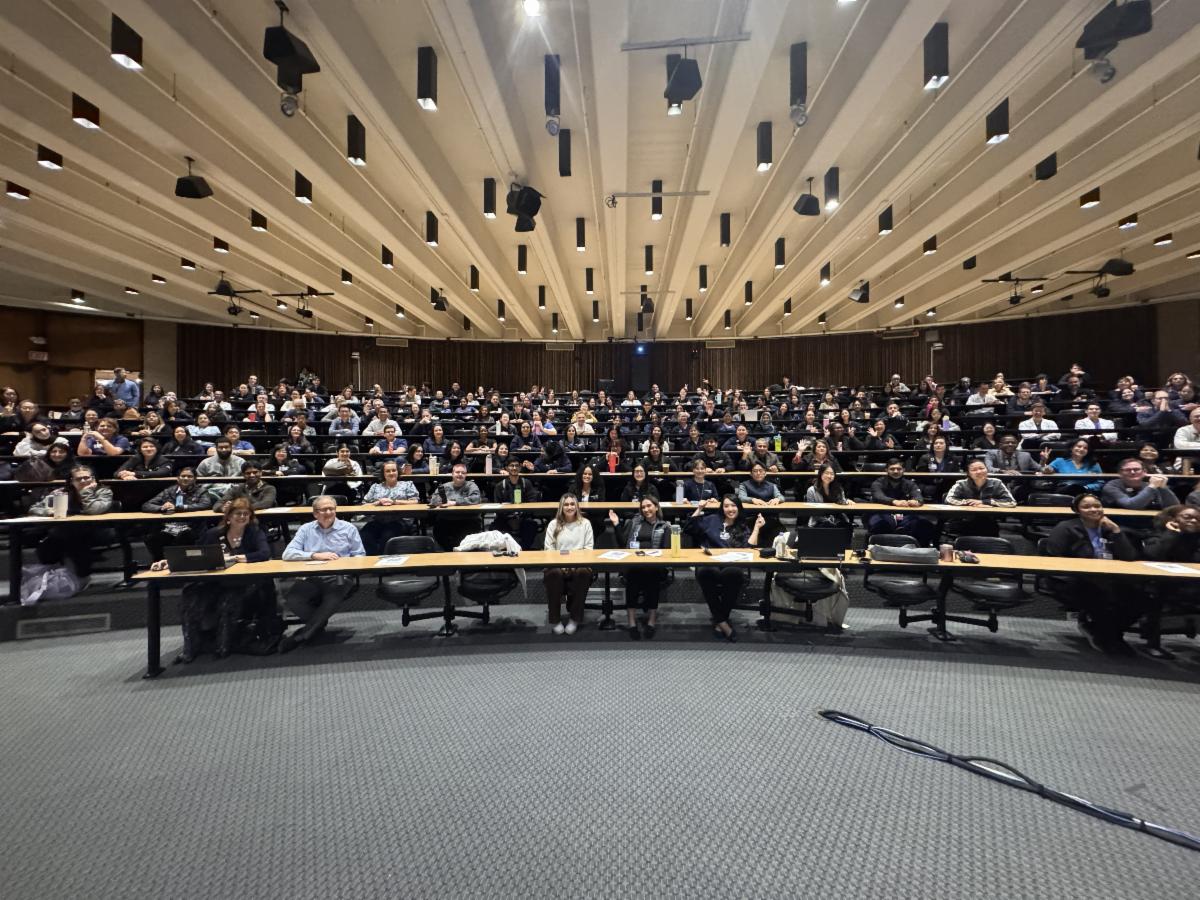
It was a packed house this month (right) as Dr. Harbour delivered his department-wide address to faculty, trainees, and staff, his first since assuming the role of Chair in 2022. More than 200 attendees joined in-person, with an additional 80 tuning in via Zoom.
During his remarks, Dr. Harbour highlighted major accomplishments across the Department's clinical, education, and research missions, emphasizing both recent progress and the strategic opportunities ahead.
| |
AUPO 2026
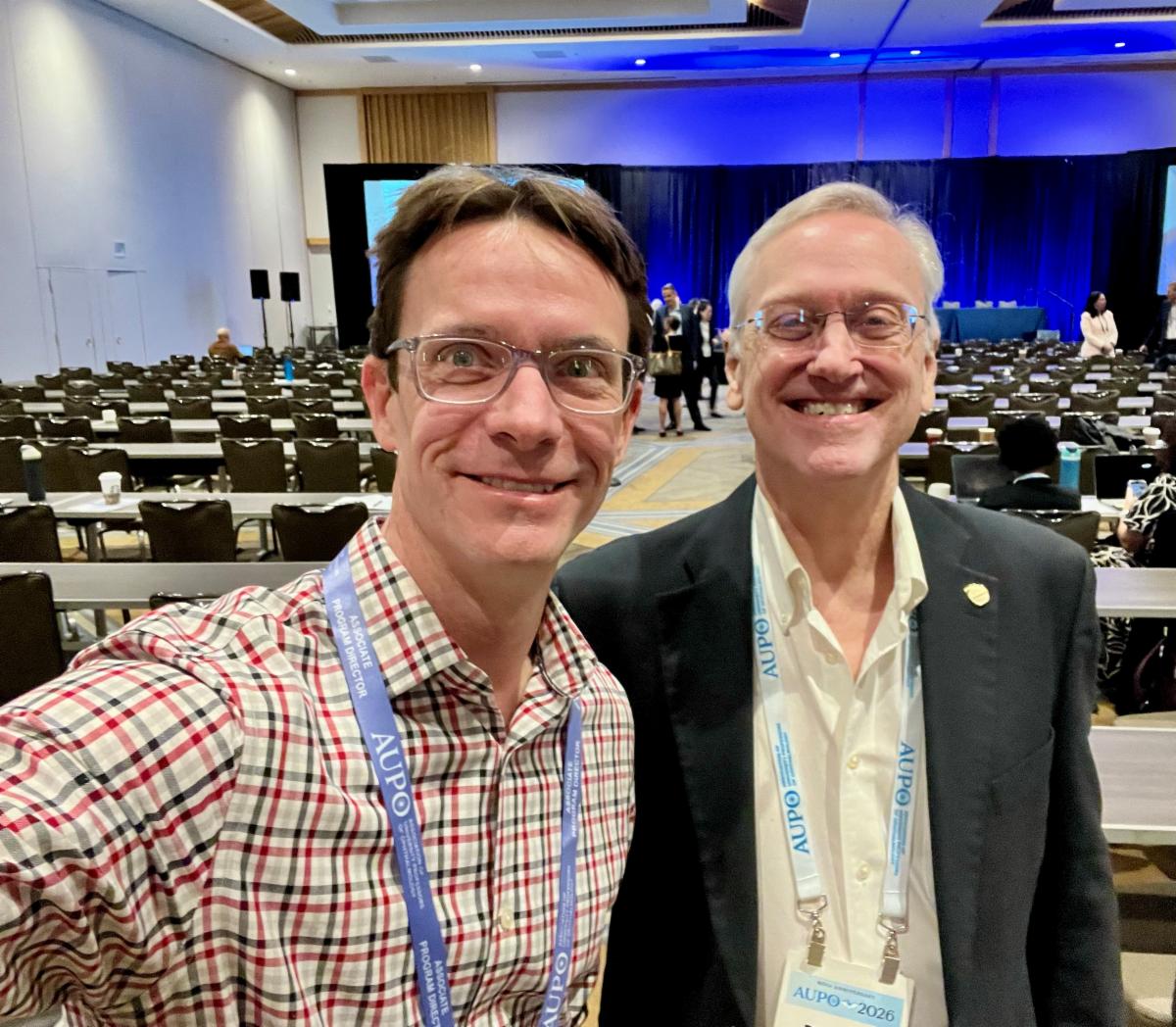
Preston H. Blomquist, M.D., (right), Distinguished Teaching Professor and Associate Vice Chair of Education, caught up with Casey Beal, M.D. (2013 resident/2014 pediatric ophthalmology alumnus) at AUPO's annual meeting in San Diego in February. Dr. Beal is an Associate Professor of Ophthalmology at the University of Florida in Gainesville.
| | | |
New Faculty:
Nhu Lan Phan, O.D.
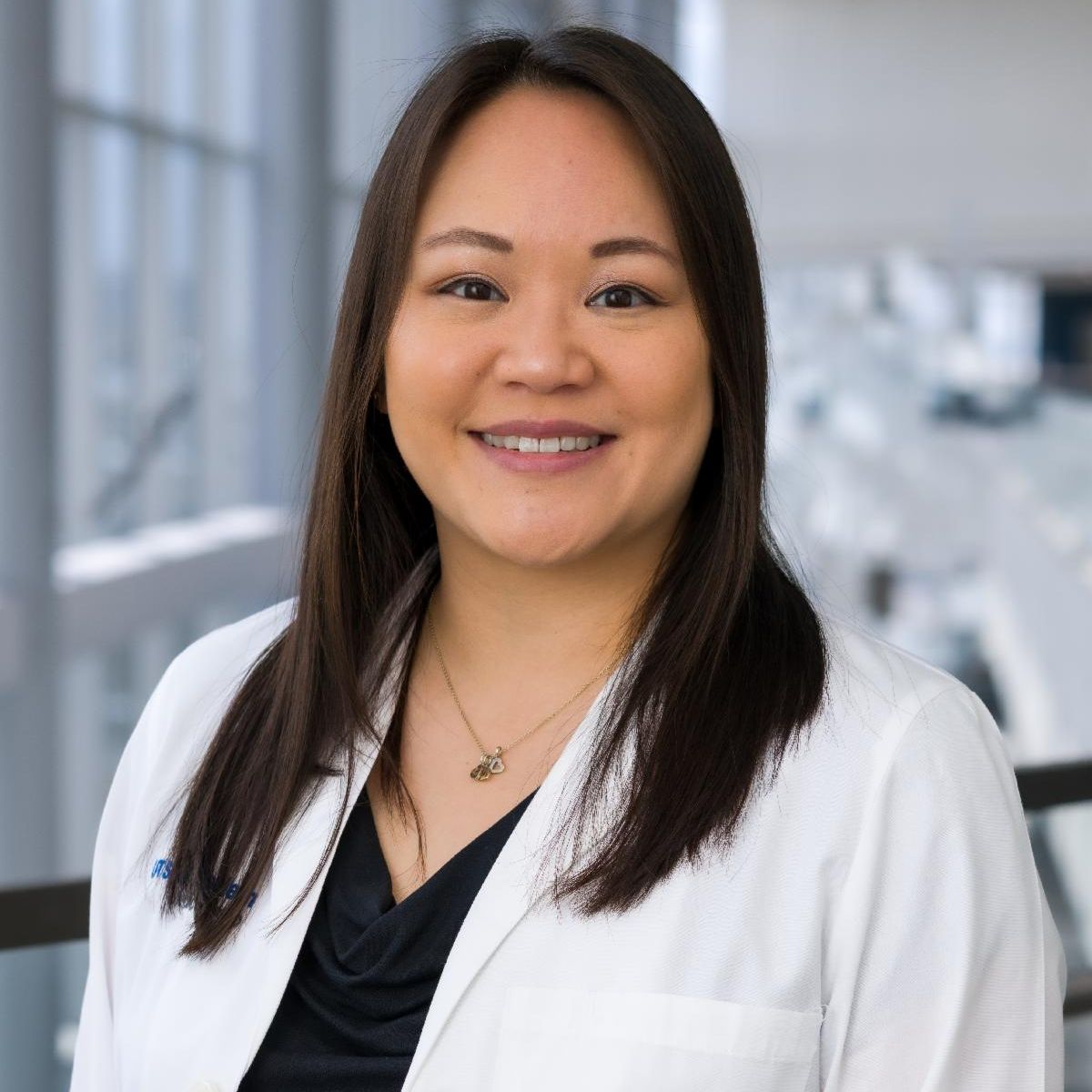
Nhu Lan Phan, O.D., Faculty Associate, joins the Department in March and will see patients in the Aston, Laser Center for Vision Care, North Dallas, and Fort Worth clinics. Dr. Phan's clinical interests include medical optometry, specialty contact lenses, myopia control, ocular pathology, and dry eye therapy. She received her Doctor of Optometry degree from the University of Houston College of Optometry and holds a Bachelor of Science in Biology, magna cum laude, from the University of North Texas.
| | | | | | |
Kim named ARVO Gold Fellow
Judy E. Kim, M.D., Vice Chair of Education and Medical Director of Clinical Research, was named an ARVO Gold Fellow. This honor recognizes Dr. Kim's ongoing contributions and commitment to the Association for Research in Vision and Ophthalmology and advancing research into understanding the visual system and preventing, treating, and curing its disorders. She will be honored at ARVO's annual meeting in Denver in May.
| | |
XXI International Symposium on Retinal Degeneration
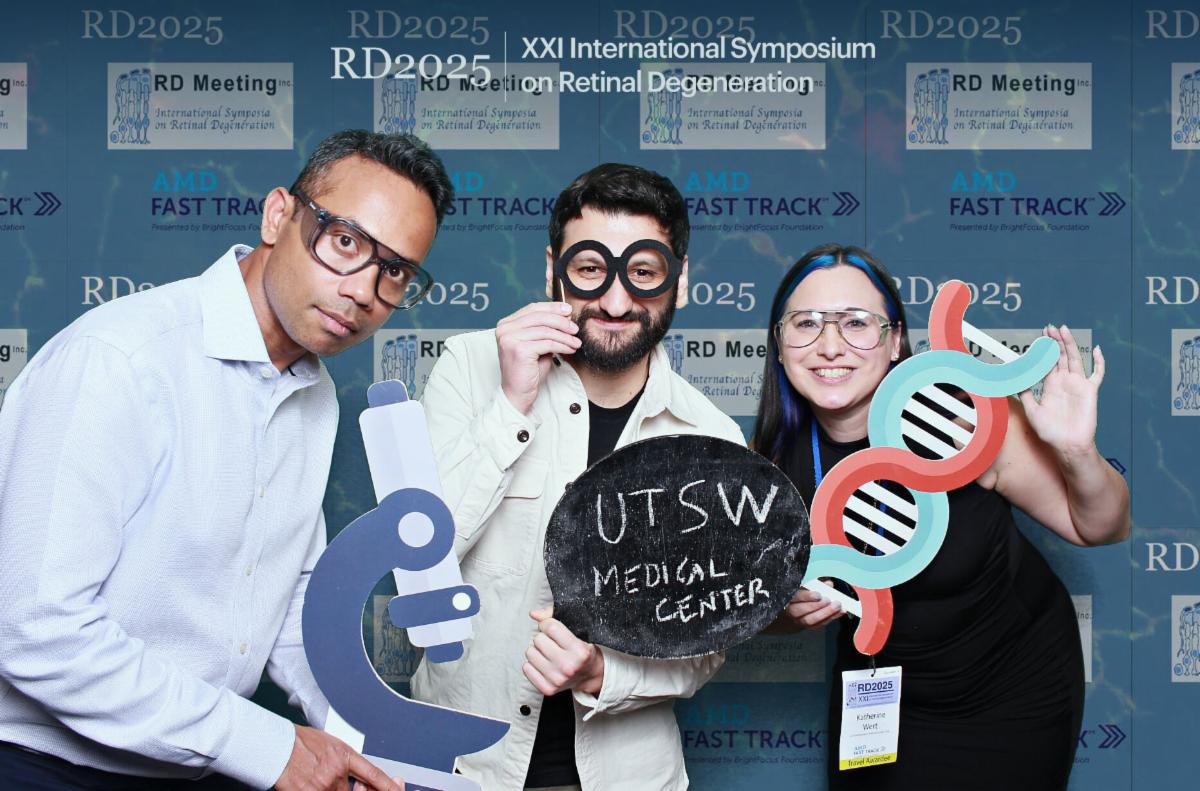
In September, Ophthalmology researchers were in Prague, The Czech Republic, for the RD2025 annual conference. Pictured l. to r.: Anupam Mondal, Ph.D., Assistant Professor of Ophthalmology; Dogan Can Kirman, Ph.D., postdoc, Ufret-Vincenty Lab; and Katherine Wert, Ph.D., Assistant Professor of Ophthalmology. Their presentations/posters included:
Dr. Wert: Female Sex Hormones Exacerbate Retinal Neurodegeneration
Dr. Kirman: Using an Unbiased and High-Throughput Forward Genetics Approach to Discover Novel Gene Associations to Retinal Disease, and Understanding Disease-Specific Versus Conserved Responses to Retinal Degeneration
Dr. Mondal: Network Analyses of Inherited Retinal Degenerative Diseases Reveal Convergent Molecular Patterns and Disease Mechanisms
| |
COOG Meets in Dallas
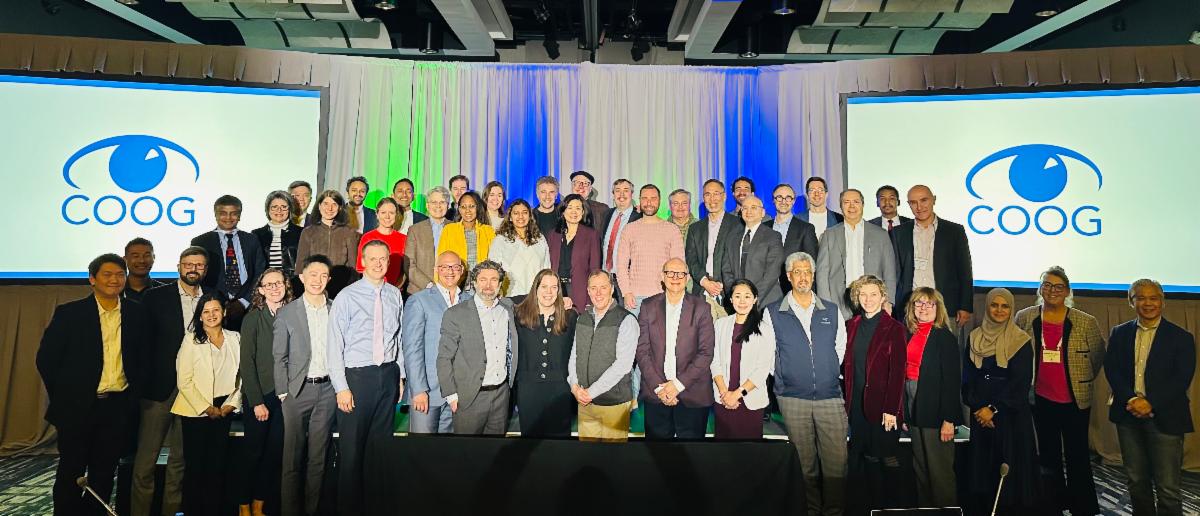
In early February, Dr. Harbour hosted members of the Cooperative Ocular Oncology Group (COOG) as they gathered to discuss the latest eye cancer research. Known as the largest collaborative working group of ocular oncologists in North America, COOG uses an evidence-based approach to elevate patient care "through precision diagnostic, prognostic, and therapeutic breakthroughs."
| |
Clinical Trials
For information on enrolling a patient in an active clinical trial, contact Asha Varghese, M.S., Clinical Research Manager. Current studies in the Department are investigating cornea and anterior segment disorders, glaucoma, ocular surface disease, retinal disorders, uveal melanoma, and uveitis.
| | | | |
Uveal Melanoma Prognostication: An Interview with Dr. Harbour
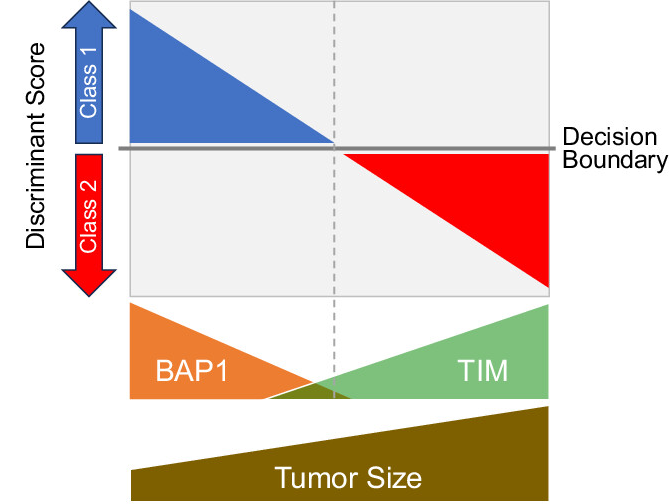
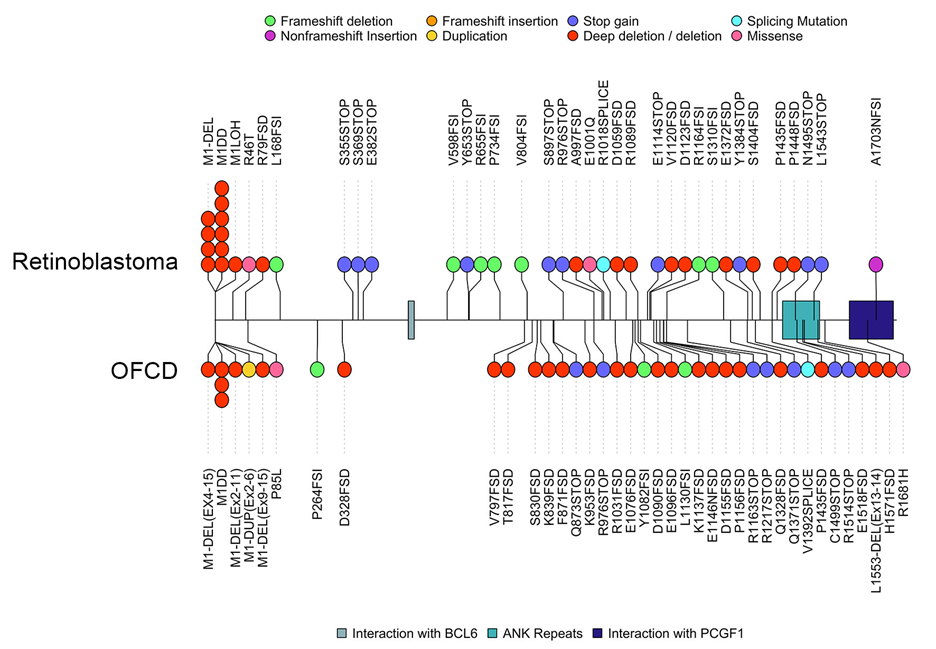
In this interview with Cure Today, Dr. Harbour discusses his latest research in Nature Communications on predicting uveal melanoma metastasis.
Article and video interview
| | | |
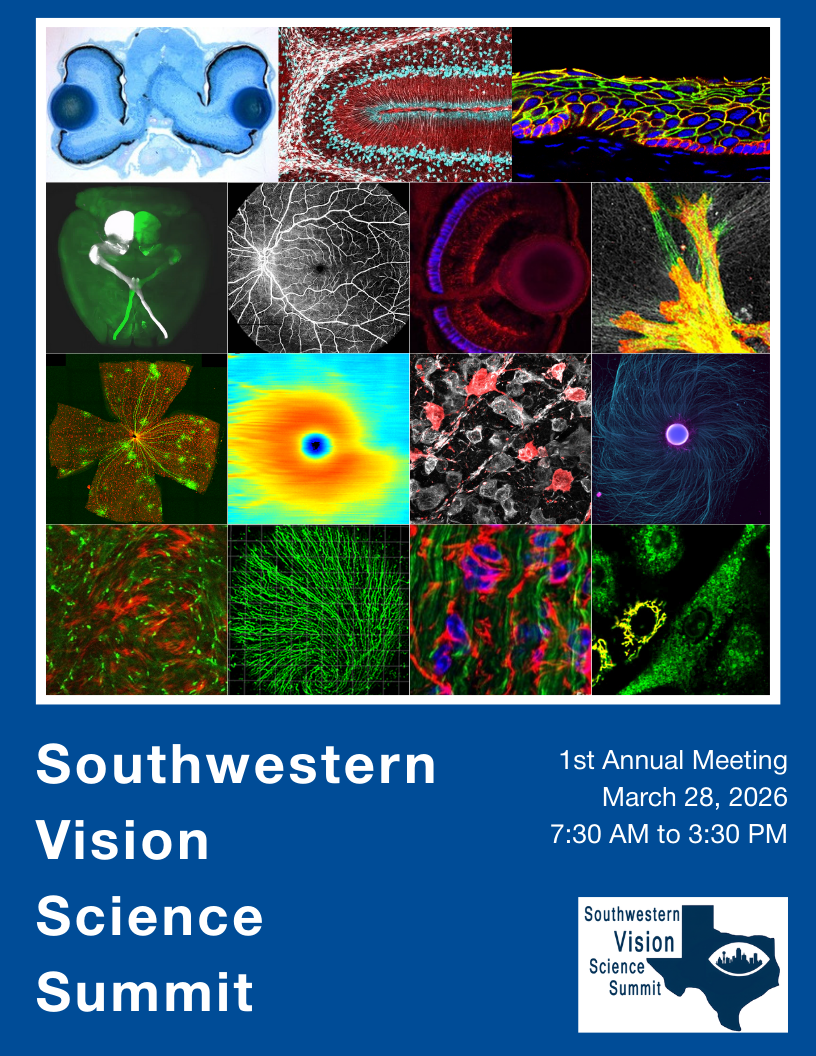
Save the Date: First Inaugural SVSS | | |
Join Us!
Join us for the department's inaugural Southwestern Vision Science Summit on Saturday, March 28.
This regional gathering will bring together scientists and trainees across vision-related disciplines to share their latest findings, exchange ideas, and build meaningful professional connections.
Learn more about our keynote speaker and session chairs by visiting the event page.
Register here
| | | | | |