|
Greetings!
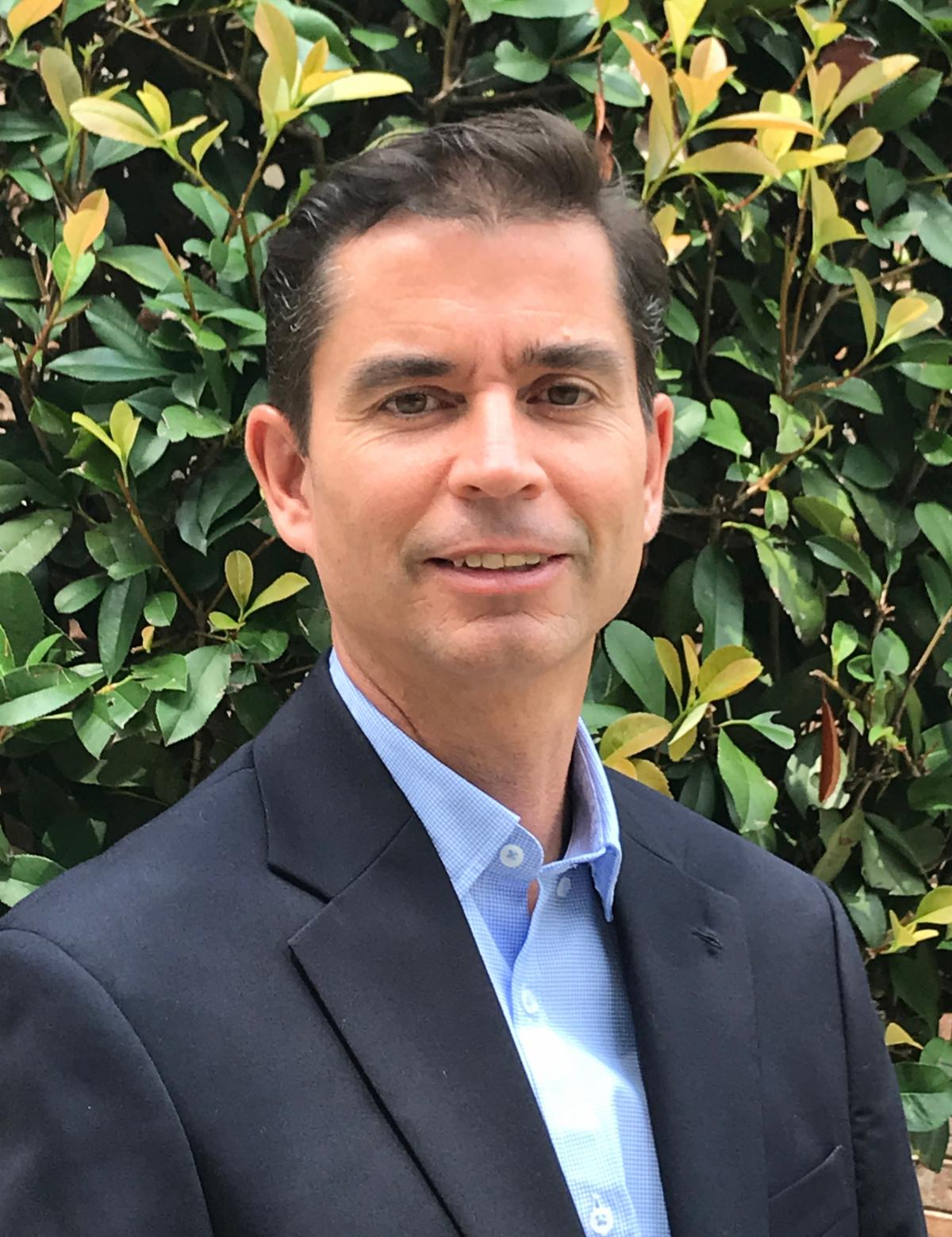
Spring has arrived on the Gulf Coast, albeit a little chillier than usual for this time of year. It is shaping up to be a busy season for us at GCOOS. I, along with GCOOS staff Megan Howson, Marine Mammal Biologist and Data Scientist, and Dr. Natalia López Figueroa, GCAN Coordinator and GCOOS 2025-26 Gulf Science Policy Fellow with the National Academies of Sciences, Engineering and Medicine recently returned from Ocean Sciences Meeting 2026 in Glasgow, where we had the opportunity to join thousands of ocean scientists to discuss and learn about urgent ocean, sustainability and biodiversity issues. It was truly an energizing and engaging meeting.
This week, I am traveling to Washington, D.C. with GCOOS Deputy Director Marcus Ogle and Project Manager Grant Craig for meetings with Gulf state representatives and their staffers on Capitol Hill.
House Representatives Mike Ezell (R-Mississippi) and Randy K. Weber Sr., (R-Texas) have submitted a letter of support for $56 million in funding for the IOOS system. In all, the letter was signed by 104 members of the House — showing broad national support for the ocean services that regional observing associations like GCOOS provide.
This is just the beginning of the appropriations process for FY 2027, and we will keep you posted as the year progresses. It's notable that the IOOS reauthorization bill was passed in the House on Monday and has been sent to the Senate, marking another step toward full reauthorization.
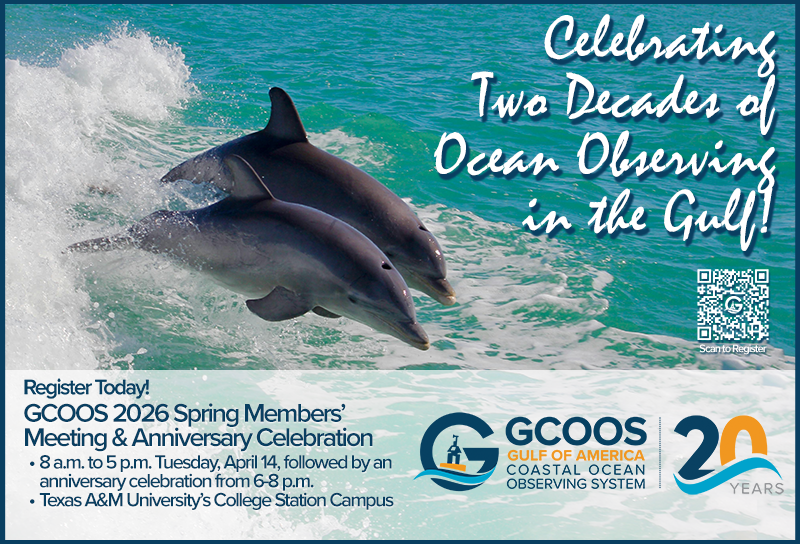
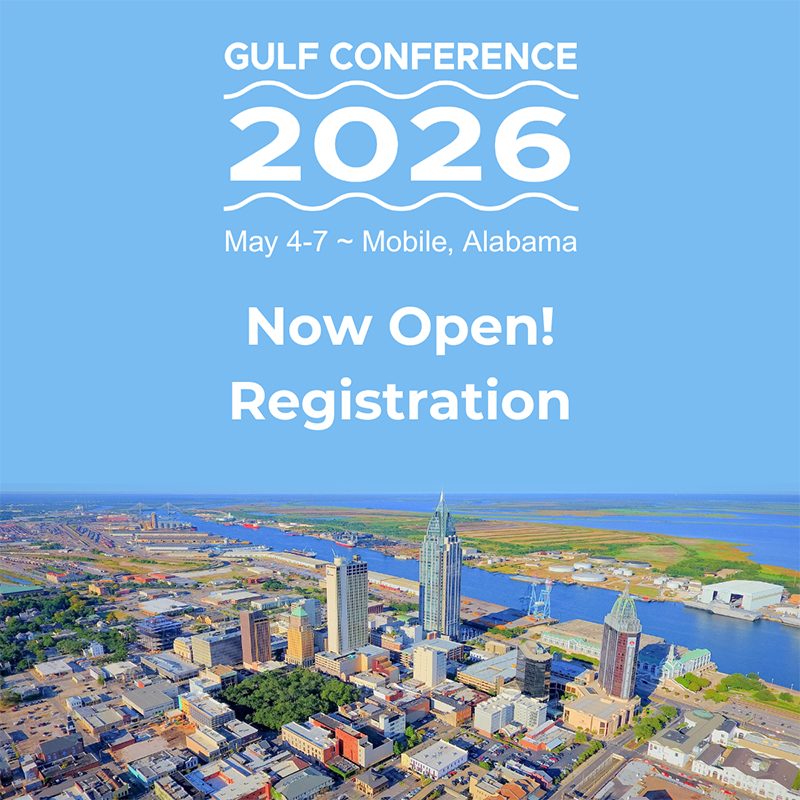
I’m looking forward to seeing many of you in person next month for our Spring Members Meeting and Anniversary Celebration on TAMU’s College Station campus on April 14. If you haven’t registered yet, please click here to do so now. And, if you’re unable to attend our meeting, maybe we can catch up in Mobile, Alabama, during GulfCon2026, the Gulf of America Alliance conference on Gulf science. GCOOS is pleased to sponsor this meeting and the agenda has lots of hot topics.
Until next month,
| | GCOOS Board Election Reminder | | |
Don’t forget, voting is now open for the GCOOS Board of Directors. If you are a voting member of GCOOS, you should have received your ballot on March 2. If you have not received a ballot and think your membership status entitles you to one, please contact GCOOS Deputy Director Marcus Ogle at Marcus.Ogle@GCOOS.org.
- Deadline: Please cast your vote by March 27.
| | Last Chance: Register for the GCOOS Spring Members’ Meeting | | |
Registration is open and the draft agenda is available for the GCOOS 2026 Spring Member’s Meeting and Anniversary Celebration. Be sure to sign up today to join the Gulf’s ocean observing community in person!
- When: 8 a.m. to 5 p.m., Tuesday, April 14, with a student poster session from 5-6 p.m.
- Where: The University Club, Texas A&M University’s College Station campus.
- Anniversary Celebration: The meeting will be followed by an anniversary celebration from 6-8 p.m. at the Rail Bar at the Texas A&M Hotel and Conference Center.
-
Click here for the draft agenda
-
Click here to register for the meeting now
-
Click here for hotel reservations with the block room rate at the Texas A&M Hotel and Conference Center or call 979.260.2235
| | |
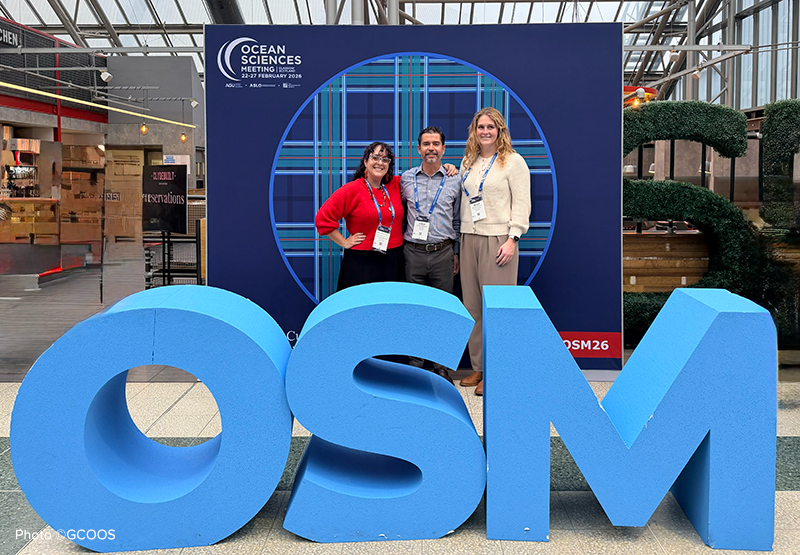
GCOOS staff recently attended OSM’26 in Glasgow — Executive Director Dr. Jorge Brenner (pictured in the center), Megan Howson, Marine Mammal Biologist and Data Scientist (pictured on the right) and Dr. Natalia López Figueroa, GCAN Coordinator and GCOOS 2025-26 Gulf Science Policy Fellow with the National Academies of Sciences, Engineering and Medicine (pictured on the left).
| | |
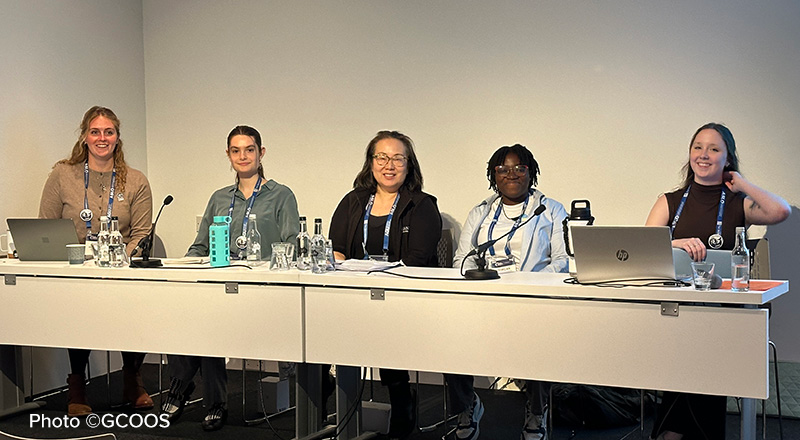
During the meeting, Megan Howson moderated a town hall as Secretary for the Society for Women in Marine Science (SWMS). The panel discussed representation of women and other marginalized groups in marine science, status of ongoing and planned initiatives, and ways to increase inclusivity and foster supportive spaces in the future. She also presented a poster on the development of CETACEAN and the Sea Turtle Atlas, which are compiling data to support species recovery in the Gulf.
Natalia López Figueroa presented a poster on a chapter of her dissertation titled: "Novel Designs for Field Studies of Settlement Preferences by Cassiopea Polyps.” The study looked at how upside-down jellyfish (Cassiopea spp.) settle in the wild at Jobos Bay, Puerto Rico, finding that polyps only settled on traps with decaying red mangrove leaves, suggesting this material may play an important role in jellyfish recruitment and bloom formation in coastal habitats.
| |
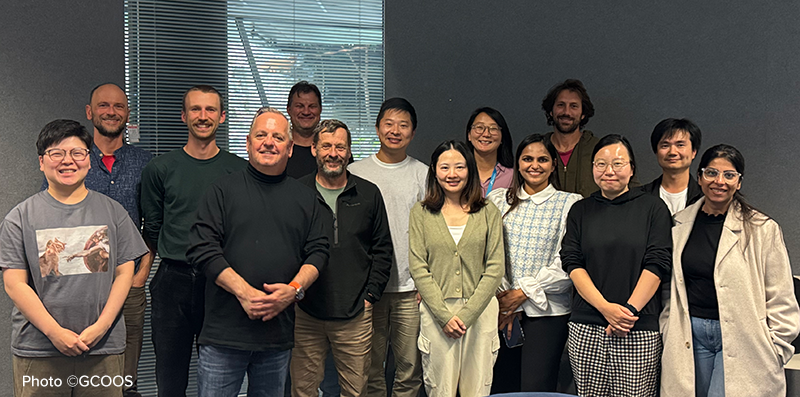
Meanwhile, as a keynote speaker at the 20th Anniversary meeting of Australia’s Integrated Marine Observing System (IMOS) in Hobart, Tasmania, Product Developer and Co-Data Manager Bob Currier (pictured fourth from the left) shared updates on the development of a new tool that utilizes AI to categorize ocean sounds to better understand the distribution and habitat usage of Rice’s whales in the Gulf. He also taught a one-day seminar for the Australian Ocean Data Network (AODN) at the University of Tasmania and has been invited to speak at the May Oceans of Data Conference in Perth, Australia, which will explore how data-driven approaches are reshaping ocean science and engineering.
| | Notice of IOOS Funding Opportunity | | |
On March 12, the U.S. IOOS Office announced a new notice of funding opportunity for the Ocean Technology Transition Program. The program is seeking to fund projects that advance new or existing technology-based solutions that address long-standing and emerging coastal observing, product development and data management challenges.
The projects should be focused on technologies for which there are demonstrated operators or customers who commit to integrated, long-term use of the technologies and to open data sharing. Funding will be targeted to technologies that are sufficiently mature for long term operations. This announcement specifically funds activities needed to progress these technologies through the transitional stages between research and full operations such as system integration, testing, validation, and verification. Funding will not be awarded to continue projects previously funded through the Ocean Technology Transition Program.
The IOOS office anticipates that up to $7.5 million will be available in FY 2026-2029 in grants of up to $400,000 per year for up to three years. Proposals not funded in FY 2026 may be considered for funding in FY 2027 without NOAA repeating the competitive process outlined in the announcement.
- Details
- Deadlines:
- Letters of Intent (recommended, not required): 11:59 PM EDT, April 27, 2026
- Full Application submission deadline: 11:59 PM EDT, July 15, 2026
- Anticipated selection notification date: September 2026
| | Louisiana's Changing Coast | | |
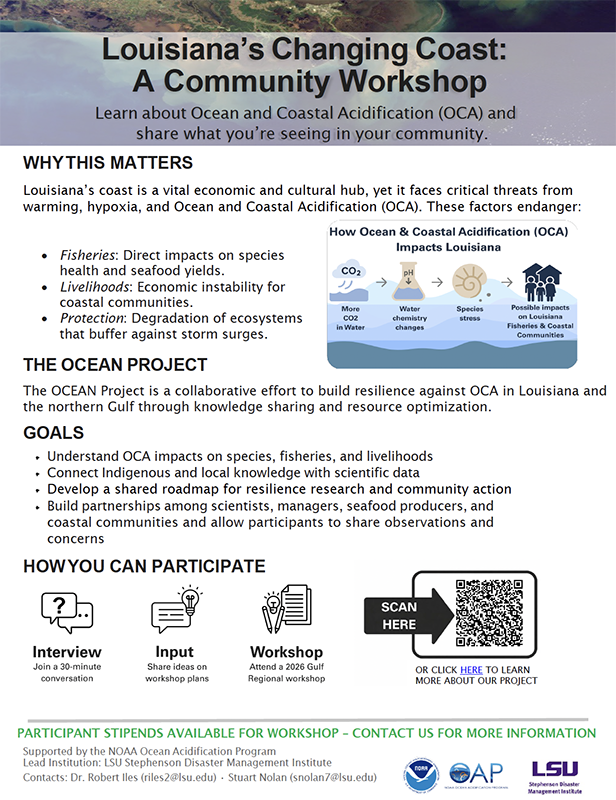
Louisiana State University’s Stephenson Disaster Management Institute and the Chitimacha Tribe of Louisiana are working on a new NOAA-funded project designed to strengthen community and scientific capacity around ocean and coastal acidification (OCA) in the northern Gulf of Mexico.
As part of the project — “OCEAN: Ocean Chemistry and Ecosystem Assessment for Networks of Resilience” — the team is gathering insights from coastal and Indigenous communities, academia, the seafood industry and coastal management partners to identify local challenges, data gaps and resilience priorities.
They’re inviting individuals over age 18 — particularly those involved in recreational or commercial fishing, water quality or ocean acidification and related activities and management — to participate in a 20-minute recorded interview, take an online survey and share local insights and review plans. These efforts will inform a series of community workshops that will take place this year that are aimed at advancing adaptation planning, data sharing and monitoring collaborations across the region.
-
To participate, email Stuart Nolan, Project Coordinator at snolan7@lsu.edu to schedule a short discussion.
-
Learn more here
| | GCOOS Trains AI to Help ID Rice’s Whales in the Gulf | |
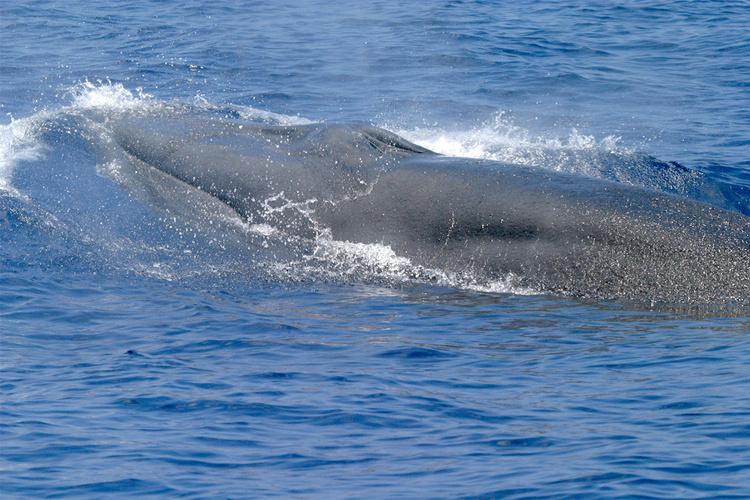
GCOOS is developing a new acoustic database for Rice’s whales, one of the world’s rarest and most endangered cetacean species. This newly recognized species of baleen whale is estimated to have a population of only about 100 individuals in the northeastern Gulf and faces severe threats from vessel strikes, noise, pollution and fishing gear. Working with the University of South Florida and NOAA on a project funded by Florida RESTORE, GCOOS is developing an AI classifier — nicknamed GUARDIAN — that can integrate acoustic data from moored, shipboard and unmanned oceanographic systems to systematically monitor and analyze ecosystem level distribution and ecology of the critically endangered whales. The deep learning toolkit detects Rice's whale vocalizations — processing terabytes of ocean audio that no human team could review.
| |
For example, we ingested data from a recovered Teledyne Webb Research Slocum glider equipped with Loggerhead Instruments passive acoustic recorders from a multi-month deployment in possible Rice's whale habitat. Within hours of receiving the data, the GUARDIAN audio processing toolkit and AI classifier had processed more than 8,000 acoustic files and identified more than 200 potential Rice's whale vocalizations in one day with an average confidence of 96%.
More recently glider M162, deployed Nov. 15 to Jan. 8, detected Rice’s whale acoustic signatures 3,094 times. The peak was on Dec. 26, with 220 detections.
There's a clear pattern emerging: detection counts jumped dramatically around Dec. 14 and stayed elevated through early January, with the late December period (Dec. 21-30) being especially active. The first half of the deployment (Nov. 15-Dec. 13) averaged about six detections per day, while the second half averaged roughly 120 per day.
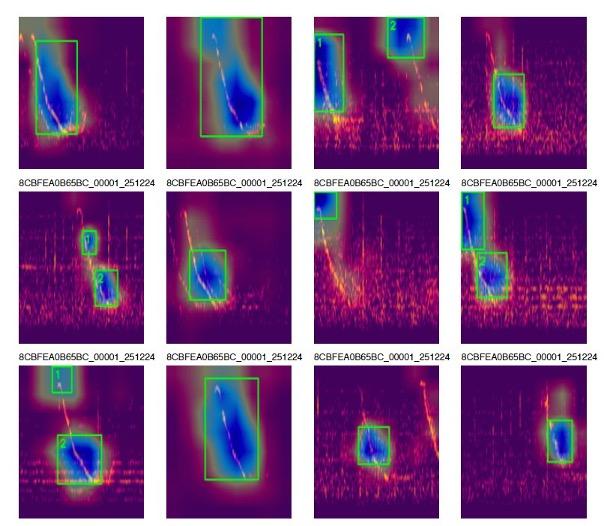
The GUARDIAN toolkit uses deep learning with GradCAM visualization overlays to not only detect marine mammal vocalizations but show researchers exactly what acoustic features the model is responding to. This transparency is critical for scientific validation and for identifying the small number of false positives we need to train out of future model versions.
The AI classifier being developed by GCOOS will also be trained to recognize other cetacean and fish species.
| |
Human Health and Safety
| Funding Opportunities for HAB Research | |
NOAA's NCCOS Competitive Research Program (CRP) has announced two funding opportunities designed to drive innovation in HAB toxin detection and prevention, control and mitigation strategies:
-
Toxin Detection in Seafood: This opportunity aims to advance practical and cost-effective innovations for HAB toxin detection in seafood. Improved toxin detection will support seafood safety, food security, and the economic success of U.S. seafood industries and their competitiveness in global markets. NCCOS CRP expects to fund two to five projects for one to three years each, with an approximate annual budget of $100,000-$250,000 for each project. Click here for full details
-
Advancing HAB Control Technologies: This opportunity is focused on comprehensive testing of HAB control technologies that fit one of the two following focal areas: 1.) promising control technologies in need of further testing to prove feasibility; 2.) proven control technologies in need of large-scale field testing or that have been approved for other situations (e.g. oil spills) that could be transferable to control HABs in the marine environment. NCCOS CRP expects to fund three to five projects for three to five years each, with an approximate annual budget of $500,000 to $1 million for each project. Proposals may request up to $500,000 per year for up to three years or up to $1 million per year for up to five years, depending on focal area. Click here for full details.
Deadlines
- Letters of Intent are due on or before April 14, 2026 (early submissions are strongly encouraged).
- Full Applications due May 14, 2026.
Informational Webinars
-
March 24, 2026 2-3pm ET: Overview of NOAA’s FY2026 Harmful Algal Bloom Innovation Challenge: Toxin Detection in Seafood. Register here
-
March 26, 2026 2-3pm ET: Overview of NOAA’s FY2026 PCMHAB Funding Opportunity for Potential Applicants. Register here
-
Webinar recordings will be made available on the NCCOS Funding Opportunities webpage after the events.
| The Economic Impacts of Red Tide | |
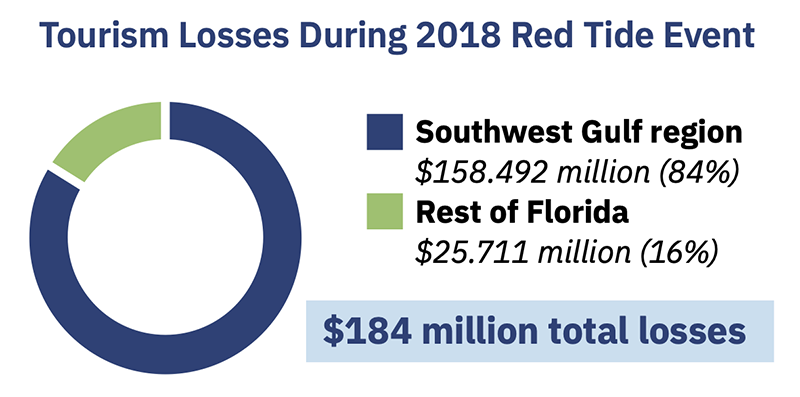
Did you know that red tides are not only harmful to marine life but also to the economy? By impacting tourism, fishing and countless other sectors, red tide events can result in lasting consequences for the state of Florida, according to a project led by Dr. Christa D. Court, Associate Professor, Food and Resource Economics and Director, Economic Impact Analysis Program at the University of Florida IFAS Extension/Florida Sea Grant that was funded by GCOOS and other organizations.
The project, designed to uncover the long-and short-term socioeconomic impacts of Florida’s major red tide bloom that took place from 2017-2019 wrapped up with a summary of the findings published here, along with a communications toolkit to help educate communities about red tides, guidance documents for researchers and policymakers and an overall better understanding of the economics of red tides reported in academic publications.
In addition to GCOOS support, funding organizations included NOAA’s Centers for Coastal Ocean Science, the West Coast Inland Navigation District and the Marine Industries Association of Southwest Florida and Tampa Bay.
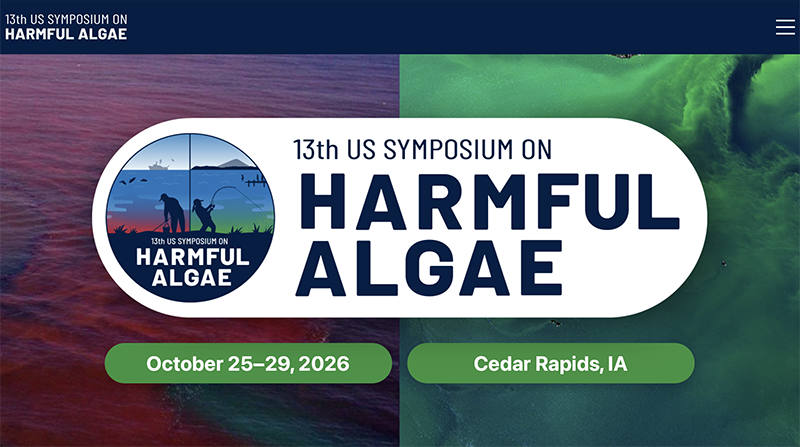
| Call for abstracts open for 13th U.S. Symposium on Harmful Algae | |
The call for abstracts is now open for the 13th U.S. Symposium on Harmful Algae, scheduled for Oct. 25-29, in Cedar Rapids, Iowa. The deadline for submissions is May 8, 2026.
- Get the details here https://conference.ifas.ufl.edu/us-habs/
The broad list of session topics includes:
- Bloom dynamics;
- Modeling and forecasting;
- Monitoring and management;
- Prevention and mitigation strategies;
- Emerging technologies;
- Community engagement;
- Genomics;
- Toxicology and toxinology;
- Environmental and human/animal health.
| Take the Survey: HABs and Plankton | |
When it comes to HABs and plankton, data is essential. But where can anglers, commercial fishers, shellfish growers, public health partners, city councils, researchers and coastal managers find trusted, region-specific information without navigating dozens of sites?
In April, the IOOS Association will host a Plankton Data and User Needs Workshop and is seeking input to finalize workshop planning. What plankton data are people using? Where do they find it? What tools and dashboards are most valuable? What challenges exist in accessing or sharing data? What scales (local, regional, near-real-time) matter most?
-
Click here to take the survey now
- Deadline: March 25
| Webinar: Oil Spill Lessons from Alaska and the Gulf Coast | |
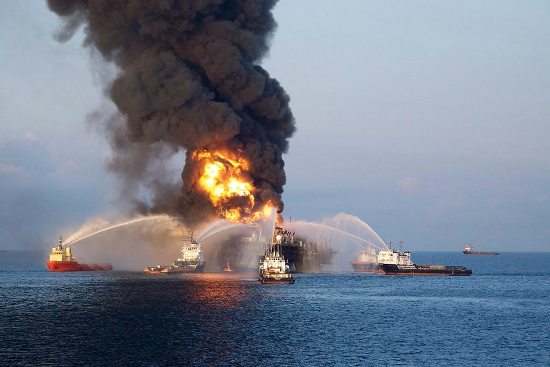
The National Academies Gulf Research Program is hosting a webinar later this month focused on lessons learned from past oil spills in the Gulf and in Alaska.
“Learning from the Legacy of Past Oil Spills: Lessons from Alaska and the Gulf Coast” will focus on the two worst oil spills in U.S. history: the Exxon Valdez (1989) and Deepwater Horizon (2010). These spills had devastating impacts — many of which persist to this day. As time passes, there is a critical need to preserve hard-won lessons from these spills for both regions as well as other regions that might experience oil spills in the future.
Join GRP for a wide-ranging discussion with participants of the Gulf-Alaska Knowledge Exchange, a three-workshop series that brought together community members and key stakeholders from Alaska and the Gulf Coast to foster information sharing on topics including the human health effects of oil spills, ecological restoration from oil, post-disaster socioeconomic recovery, community resilience, and the importance of effective community engagement.
| | |
Healthy Ecosystems and Living Resources
| | Gulf Shrimp Industry in Decline | |
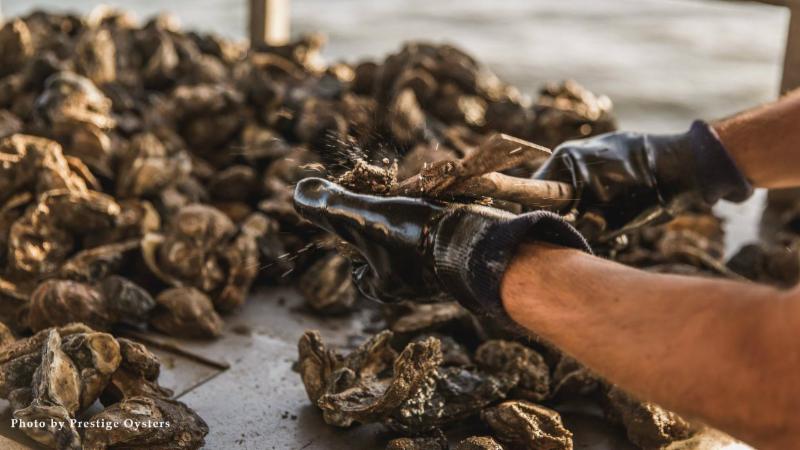
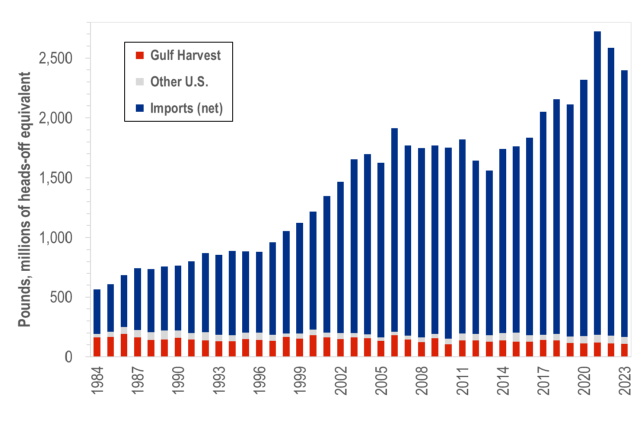
A new report from NOAA Fisheries outlining the economics of the Gulf of America shrimp industry shows a multi-decade decline in profits and the economic stability of the fishery. From 2021 to 2023, total Gulf shrimp revenue dropped by more than half, from $489 million to just $221 million, while U.S. shrimp consumption climbed. The report breaks down prices of imported versus U.S.-caught Gulf shrimp, as well as landings, industry costs, profits, and participation in the fishery.
“We know from our regular assessments that shrimp abundance is not the issue here,” said Dr. John Walter, Deputy Director of the Southeast Fisheries Science Center. “We also know that because of declining profits, fewer vessels are shrimping, active vessels are shrimping less, and fewer crew are employed by the industry. This is driving the observed drop in landings, and exacerbating revenue declines.”
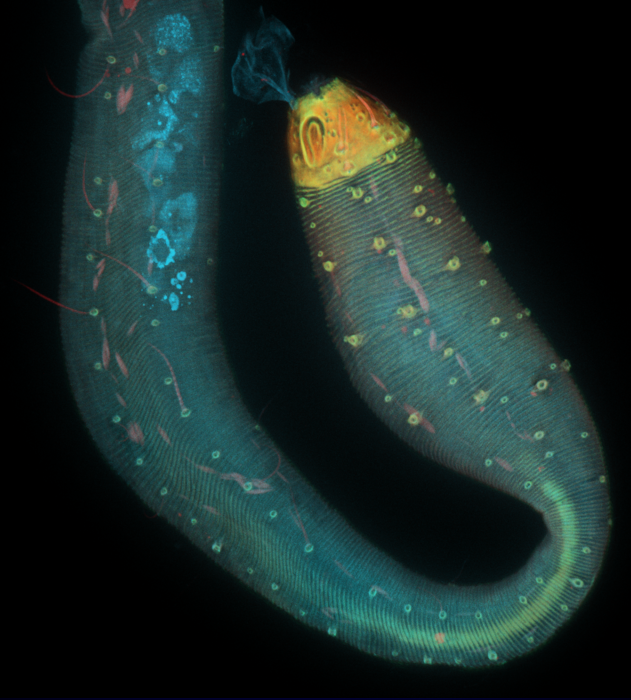
| | The World Register of Marine Species (WoRMS) recently announced its annual list of top-10 marine species described by researchers during the past year. To make the list, a species described in 2025 had to be nominated and voted for by taxonomists, journal editors and WoRMS users. This is no small task given that there were nearly 2,600 marine species described and added to WoRMS in 2025, including more than 600 fossil species. The diverse list that includes animals ranging from nematodes to manta rays was announced on March 19 to coincide with World Taxonomist Appreciation Day. Scientists have been describing, naming and cataloguing species for two and a half centuries. There are currently about 249,000 marine species described in WoRMS, with many more awaiting discovery. | | Dracograllus miguelitus was discovered as part of a multi-national effort to characterize the biota of hydrothermal communities. The discovery of a new species endemic to inactive vents highlights how much of the ecology and biology of these habitats remains unknown. | | The unearthing of thousands of species each year emphasizes the value of the Marine Biodiversity Observation Network, which is working to not only identify species but understand how they use marine habitats over space and time and the interactions between and among species — information needed to effectively safeguard biodiversity and sustain the ecosystem services they provide. To this end, the South Florida MBON expedition team will be heading out on the R/V Hogarth this week to continue sustained observations of the Gulf’s living resources and the salty milieu they call home. And who knows, amidst all the sampling of environmental DNA to measure the genetic signature of everything from bacteria to whales, we might just find a new candidate for the 2026 Top 10 accolades! | | UG2 Workshop: Registration Deadline Extended | | |
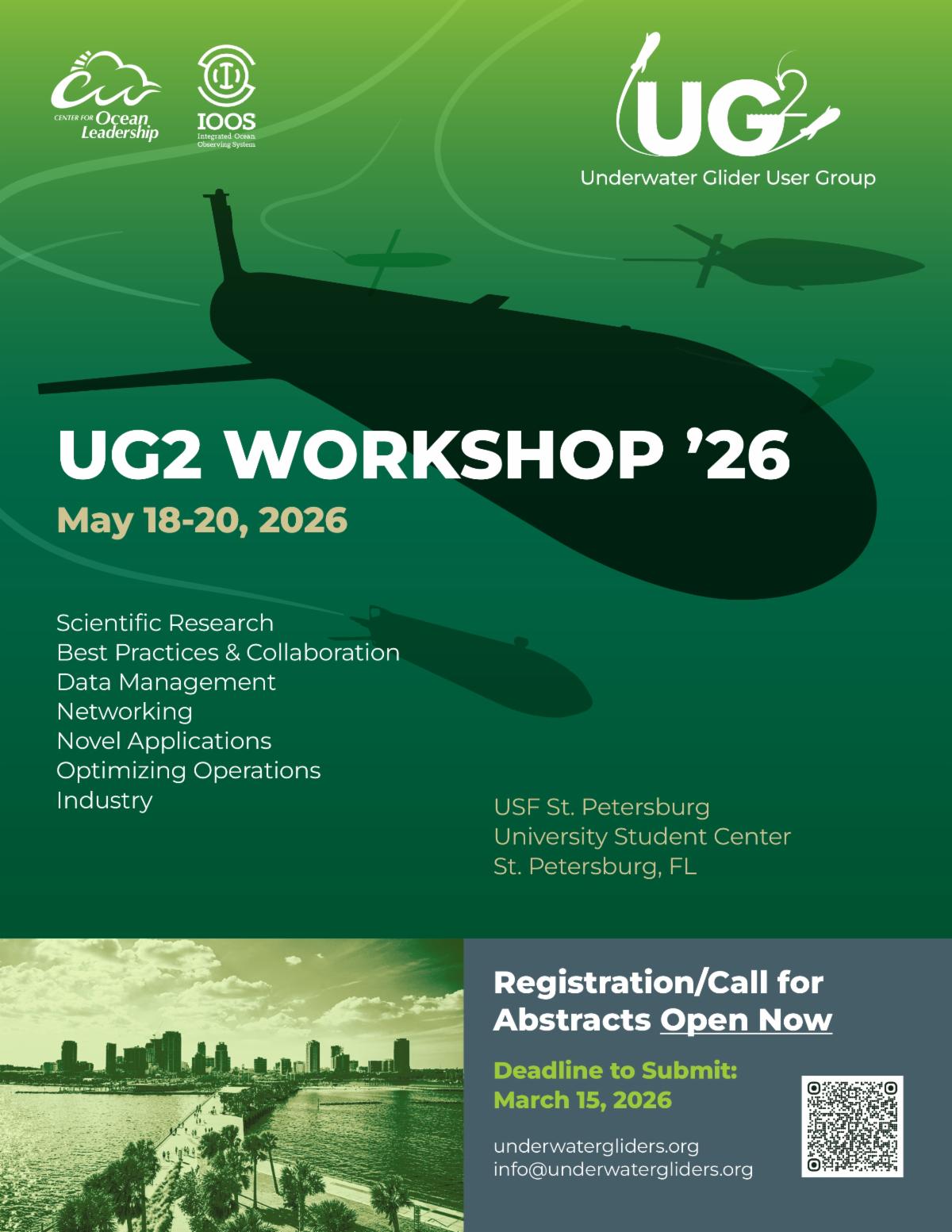
Organizers of the next workshop of the underwater glider user group (UG2) have extended the registration deadline to May 1. The May 18-20 UG2 workshop at the University of South Florida St. Petersburg campus will strengthen international collaboration through community dialogue, information and experience exchanges and the development of best practices.
-
Details & registration
-
Hotel: The hotel block is located at the Hilton St. Petersburg Bayfront, 333 1ST Street South, St. Petersburg, FL 33701. Rooms are limited. Click here
-
Have an abstract? You may make a last-minute submission directly to Georgia Coward at gcoward@ucar.edu for consideration before March 31.
- Etc.: Workshop registration is free. Lunch and coffee will be provided throughout the workshop and there will also be one networking happy hour event. Additionally, if you book your stay through the UG2 hotel block, breakfast is included.
| | |
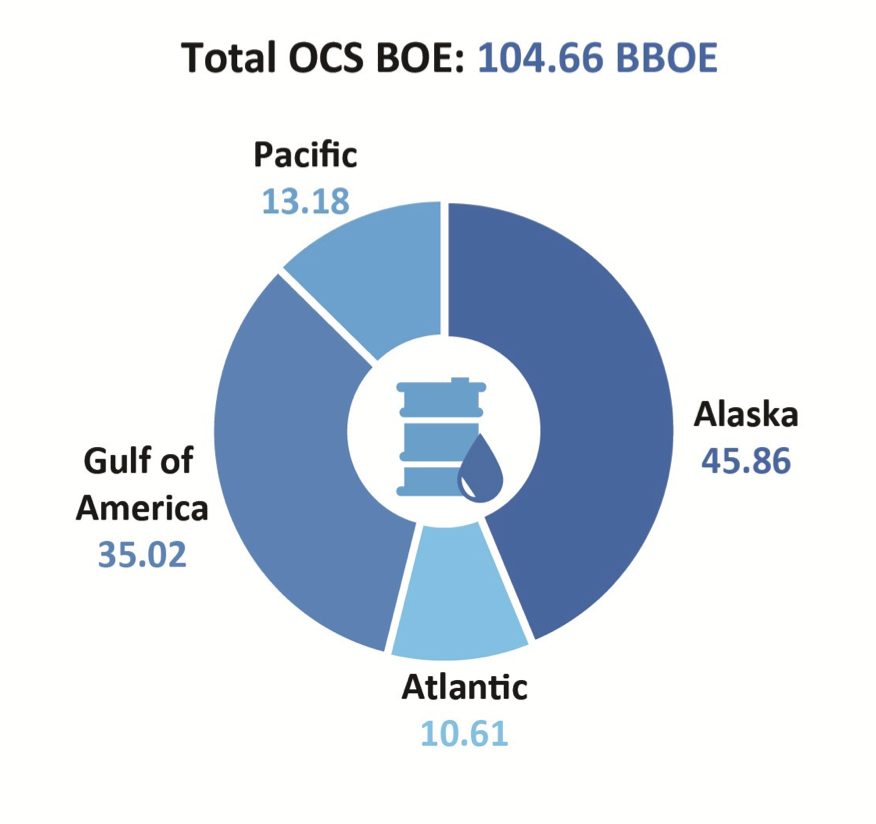
The Bureau of Ocean Energy Management (BOEM) has released the 2026 National Assessment of Undiscovered Oil and Gas Resources, an estimate of the undiscovered, technically and economically recoverable oil and natural gas resources outside of known oil and gas fields on the U.S. Outer Continental Shelf. The National Assessment, published every five years, represents BOEM's current understanding of the distribution of undiscovered oil and gas resources on the OCS.
| | |
The combined volume of oil and oil-equivalent gas resources is referred to as barrel of oil-equivalent (BOE) and is reported in billions of barrels of oil-equivalent (BBOE).
| | Radiowave Operators 2026 Workshop | | |
Registration is now open for the Radiowave Operators Working Group (ROWG) 14th workshop (ROWG-14) May 5-7 at the Hatfield Marine Science Center in Newport, Oregon, hosted by Oregon State University. Registration and the workshop are free. (Attendees cover their own travel, lodging, meals.)
The hybrid, three-day event will enhance coastal HFR operators' knowledge and technical skill through:
- A "manufacturer’s day" where manufacturers highlight best practices for use of their sensors, new products, and brand-specific updates;
- Two-day workshop that will work to improve procedures that govern HFR operations (e.g., site logistics; processing to component vectors, total vector products and data management, etc.), and provide recommendations to users, developers, manufacturers, and program managers for HFR operations; and
- Networking opportunities to socialize and foster collaboration between new and experienced HFR operators.
Questions? Email Emily Landeen at Emily.Landeen@NOAA.gov.
|
| |
National Academies
Fellowship Applications Open
| | |
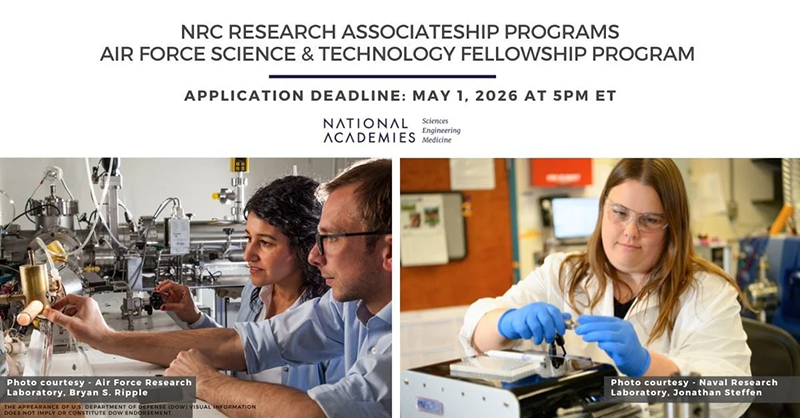
Applications are now open for two research fellowship programs administered by the National Academies that are open to postdoctoral and senior researchers with a Ph.D., Sc.D., M.D., or D.V.M. or those near completion. The programs are designed to advance scientific discovery and innovation and provide early career researchers the opportunity to design independent research projects, collaborate with leading scientists and contribute to mission-driven innovation.
| | |
Southeast Coastal Ocean Observing System Regional Association (SECOORA)
Registration Open for SECOORA’s Annual Meeting
| | |
Partners, researchers, managers and stakeholders from across the southeast are invited to SECOORA’s 2026 Annual Meeting in May to focus on advancing ocean monitoring and strengthening coastal communities.
- When: May 20–21
- Where: DoubleTree by Hilton Hotel Atlantic Beach Oceanfront, 2717 West Fort Macon Road, Atlantic Beach, NC 28512
- Registration
| | |
Harte Research Institute (HRI)
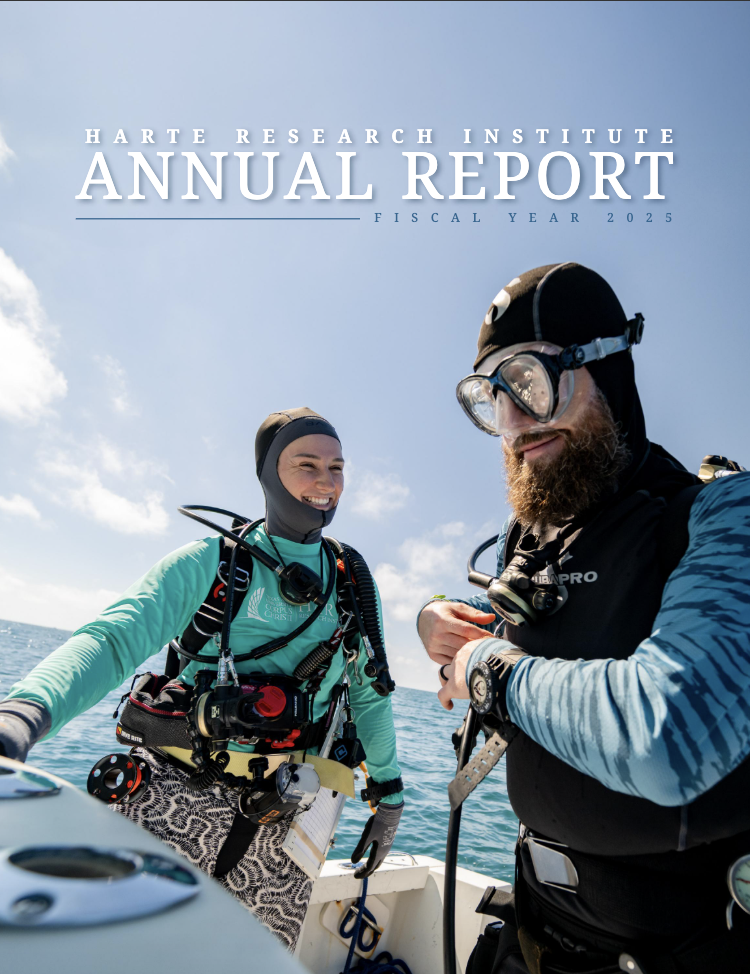
2025 Annual Report Now Available
| |
HRI’s 2025 Annual Report is now available online and highlights the work its researchers are doing across the Gulf and beyond. From studying freshwater inflows and expanding coral research to advancing initiatives such as Bringing Baffin Back™, and continuing to expand the boundaries on Gulf fisheries research, this year’s report offers a look at the people who produce impactful science at HRI — including a special "Preparing for the Future" article featuring the work of GCOOS Systems Architect and Co-Data Manager Felimon Gayanilo.
| |
Gulf of America Alliance (GOAA)
GulfCon26 Program Now Available
| |
The full program for Gulf Conference 2026 is now available. The program includes the complete, day-by-day schedule, along with session information, all oral and poster presentations and more.
The biennial conference May 4-7 in Mobile, Alabama, will feature multiple sessions focused on:
- Resilience of Natural and Human Communities
- Data Collection, Application and Synthesis
- Communication and Engagement with Stakeholders
- Water Resources
- Habitat Restoration and Stewardship
- Living Resources
- Science, Practice and Policy of Integrated Local and Regional Planning
- Emerging Issues
- Coastal-Ocean Processes and Physical Oceanography
-
Check out the full conference program here.
-
Registration deadlines: Early-bird registration ends April 4; regular registration ends May. Click here to register now.
| | |
-
GOAA Program: Coordinator (O&E)
-
Sarasota Bay Program: Science and Restoration Manager
-
University of West Florida: Associate Professor
-
The Nature Conservancy: Texas State Director
-
Hello.gov: Sr. Cloud and Data Engineer
- Mote Marine Laboratory
-
University of South Florida:Faculty Position in Aquatic Exotoxicology
Postdoctoral Positions:
-
Monterey Bay Aquarium Research Institute: Postdoctoral Fellowship
-
National Research Council: Research Associateship Programs Postdoctoral and Senior Research Awards
-
Mississippi State University: Postdoctoral Associate
-
Downeast Institute: Research Scientist
Fellowships:
-
National Academies of Science, Engineering and Mathematics: Early Career Fellowships
- Department of Defense: Visualization of Coastal Data, Coastal Vulnerability Assessment Fellow
| |
-
Gulf of America Alliance: Biodiversity Net Positive Impact
-
2026 US HAB CTI: Funding Opportunity
-
National Oceanic and Atmospheric Administration: Ernest F. Hollings Undergraduate Scholar
-
National Academies of Sciences, Engineering and Medicine, Gulf Research Program: Empowering K-8 Through Place Based Education
-
Gulf of Mexico Alliance: Increasing Participation in Clean and Resiient Marine Programs
-
The National Academies of Sciences, Engineering, and Medicine: Early Career Research Fellowship
| | 23-26: Marine Technology Society Buoy 2026, St. Petersburg, Florida | | 4-7: Gulf Conference 2026, Mobile, Alabama, Registation is now open | 5-7: Radiowave Operators Working Group Workshop, Hatfield Marine Science Center, Newport, Oregon. Hybrid event. Submit workshop ideas here. | | Dr. Jorge Brenner, Executive Director • Marcus Ogle, Associate Director • Dr. Uchenna Nwankwo, Oceanographer • Dr. Chris Simoniello, Outreach & Education Manager • Dr. Natalia López Figueroa, GCAN Coordinator and GCOOS 2025-26 Gulf Science Policy Fellow with the National Academies of Sciences, Engineering and Medicine • Felimon Gayanilo, Systems Architect, Co-Data Manager • Bob Currier, Product Developer, Co-Data Manager • Pallavi Tummeti, GIS Administrator and Developer • Tuomo Saari, Scientific Computing Specialist • Xiao Qi, Scientific Computing Specialist • Megan Howson, Marine Mammal Biologist and Data Scientist • Sandeep Jilla, Software Developer • Grant Craig, Project Manager and HABscope Volunteer Coordinator • Nadine Slimak, Public Relations & Content Marketing, Vetted Communications, LLC • Laura Caldwell, Program Assistant | | | | |