1. What is your academic background and current affiliation?
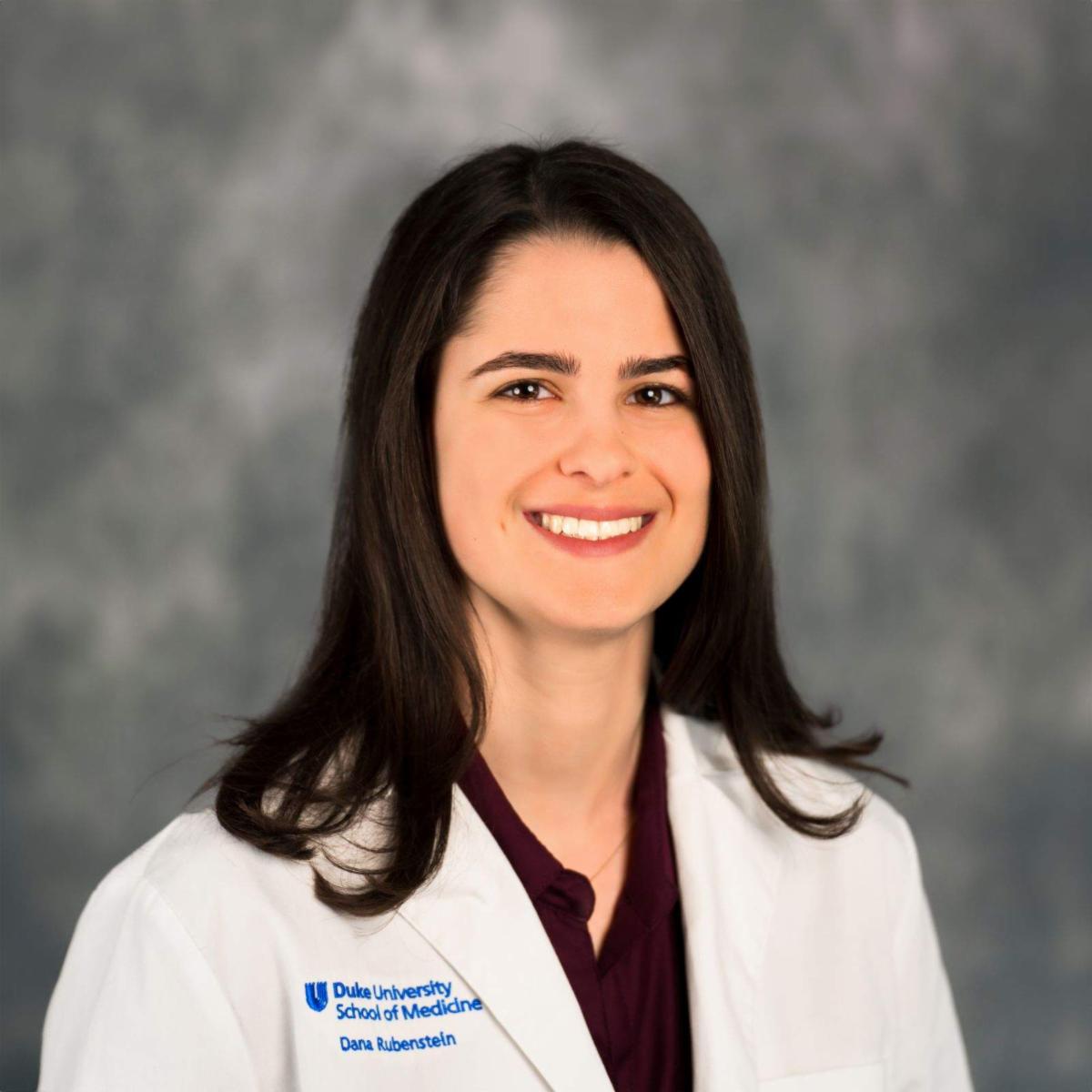
I am completing my MD/MHS at the Duke University School of Medicine. My masters in clinical research is funded by a TL1 predoctoral scholarship, and my primary mentor is Dr. Joseph McClernon. Prior to my graduate training, I completed BAs in public health and Latin American and Caribbean studies at Brown University and was mentored by Dr. Jasjit Ahluwalia.
2. What led you to pursue a career in health disparities research, and tobacco-related disparities in particular?
During college, I volunteered at a free medical clinic as a Spanish interpreter. I also started my research career studying tuberculosis in Peru. These experiences motivated me to pursue a career centered around health equity. Nevertheless, I wanted to shift my research towards behavioral health equity in the US. I had the opportunity to work with Dr. Ahluwalia, a leading expert on tobacco use and smoking cessation in African Americans, which confirmed that I wanted to focus my research on tobacco-related disparities. Since then, I have worked with Dr. McClernon to study tobacco use in a wide variety of priority populations, including racial/ethnic minoritized populations, individuals with pain and disability, individuals with serious mental health conditions, and older adults.
3. What are your current research interests?
One of my current focuses is tobacco use and cannabis/tobacco co-use in individuals with pain and disabilities. This is also the population I plan to work with clinically as a physician. Additionally, I am interested in tobacco regulatory science, specifically with regard to cigarette and e-cigarette flavor regulation, nicotine reduction, and the potential role of e-cigarettes in harm reduction for adults who smoke. I am particularly interested in investigating potential effects of these policies and interventions in priority populations.
4. What do you hope your research career will change in the field of tobacco control?
I aim to contribute to the field of tobacco control through intervention development and research that informs tobacco regulatory policies and their implementation. I hope my research will eventually lead to better tobacco use outcomes in understudied populations, such as individuals with disabilities and individuals with intersectional identities.
5. How has receiving the HEN travel scholarship benefited your work/career?
The HEN travel scholarship has allowed me to connect with other trainees and investigators in the field of tobacco health equity, including my It’s Just Coffee mentor, Dr. Priti Bandi.