It has become impossible to escape how connected we all are to the world around us -- and by extension -- how connected we are to each other. Art, design, architecture, and craft have created unexpected juxtapositions between countries, cultures and styles for hundreds of years, offering us exciting pairings that work strangely well together. Today is just the same; we are learning to adapt and be more creative with every challenge that is thrown our way, from our rapidly changing workplaces to our brand new school environments.
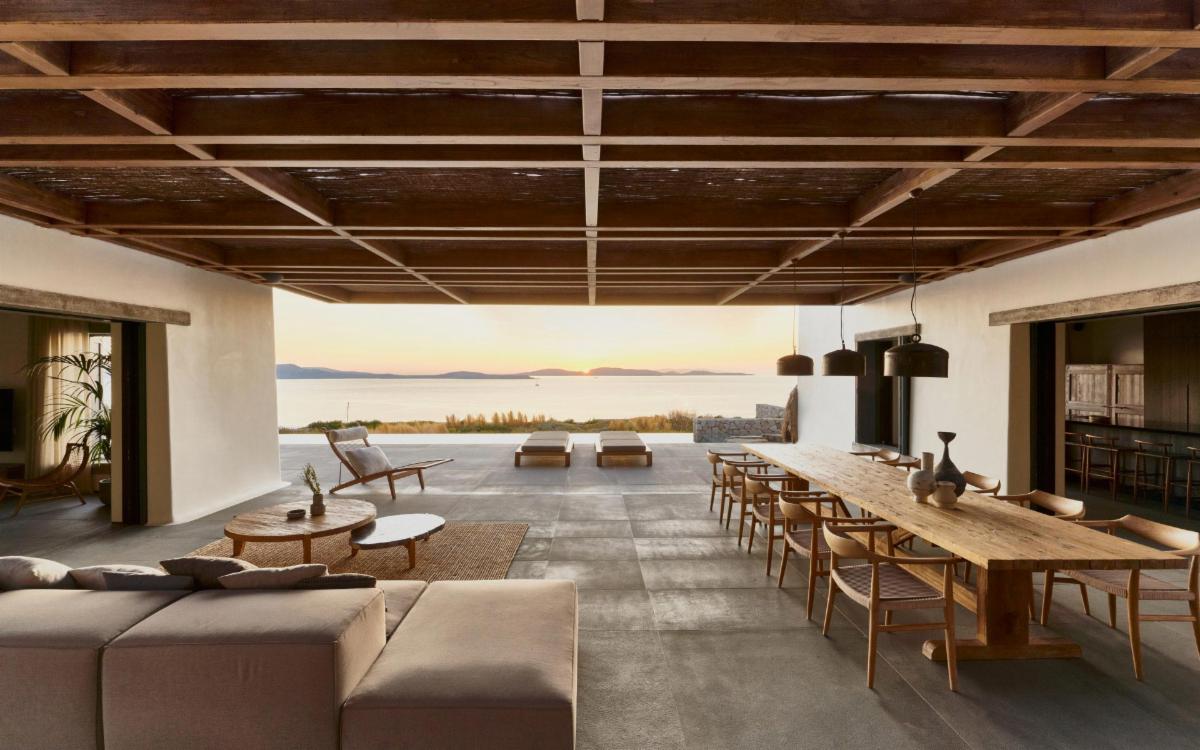
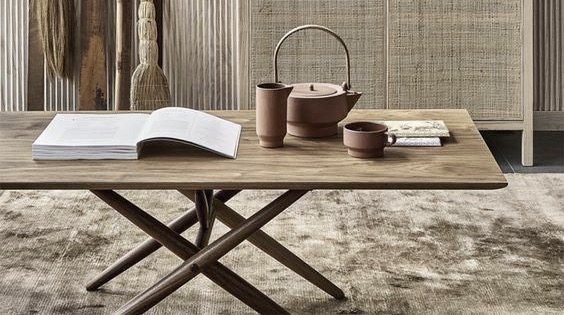
This phenomenon is not unlike the emergent interiors trend referred to as “Japandi,” a combination of elements from Scandinavian and Japanese design borne of the desire to create a minimalist, cross-cultural refuge steeped in history and functionality at the same time.
Given that Japan is across the world from the European cluster of Finland, Denmark, and Sweden, you might think that “Japandi” decor would be an inappropriate jumble of discordant themes and philosophies. However, Japan and Scandinavia have a lot more in common than you might imagine and the two styles easily build off of and balance each other.
Scandinavian design, hallmarked by warm tones, natural materials, and clean spaces, may not be rooted in ancient philosophy like much of Japanese design (zen, wabe-sabi, etc.), but it certainly has a mantra. This mantra may just as well be the famous Leonardo da Vinci remark revelation that “simplicity is the ultimate sophistication,” as Scandi design encourages people to get rid of all things that lack function in their homes, choosing instead minimalistic furniture without useless frills and open floor plans that allow for movement, creation, and inspired thought.
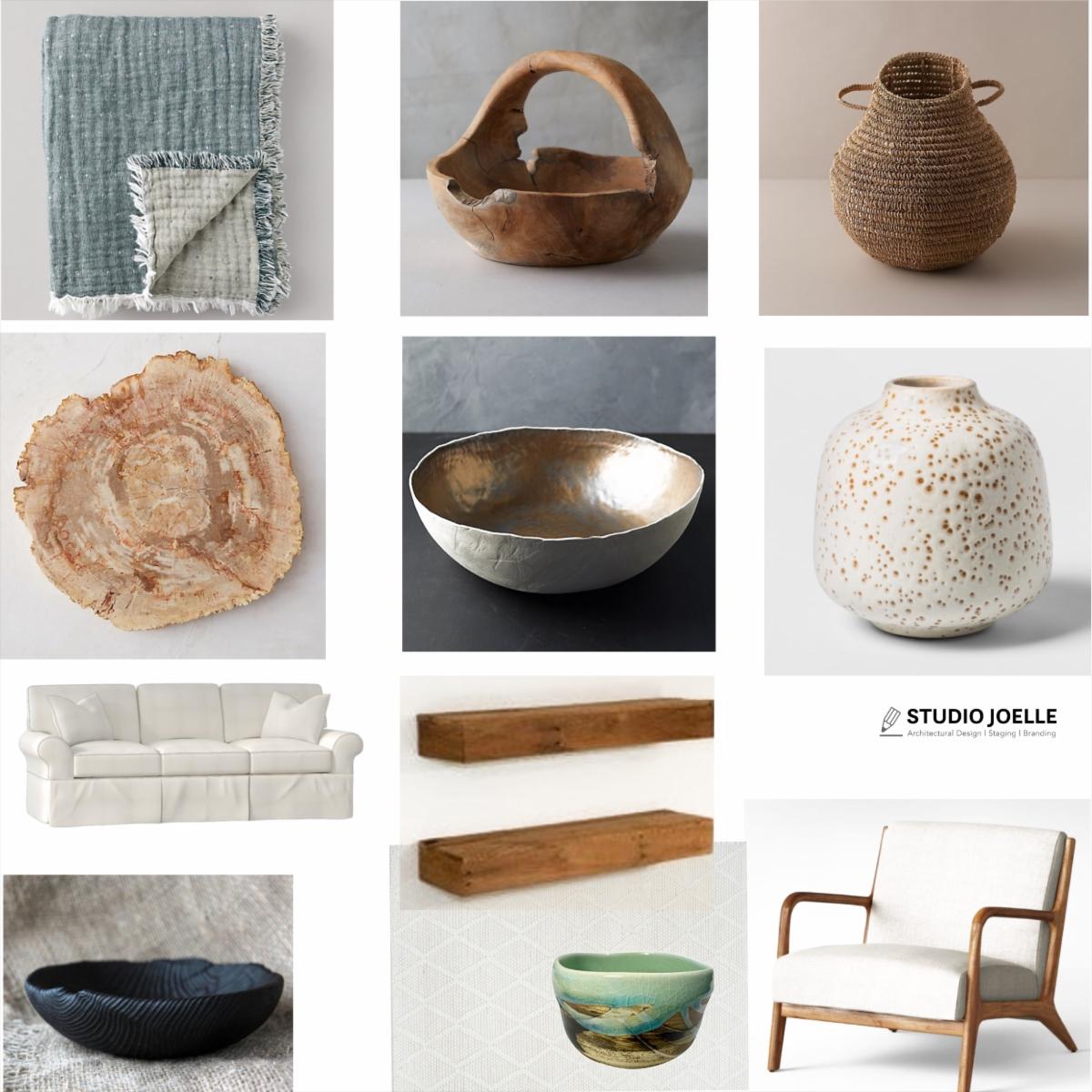
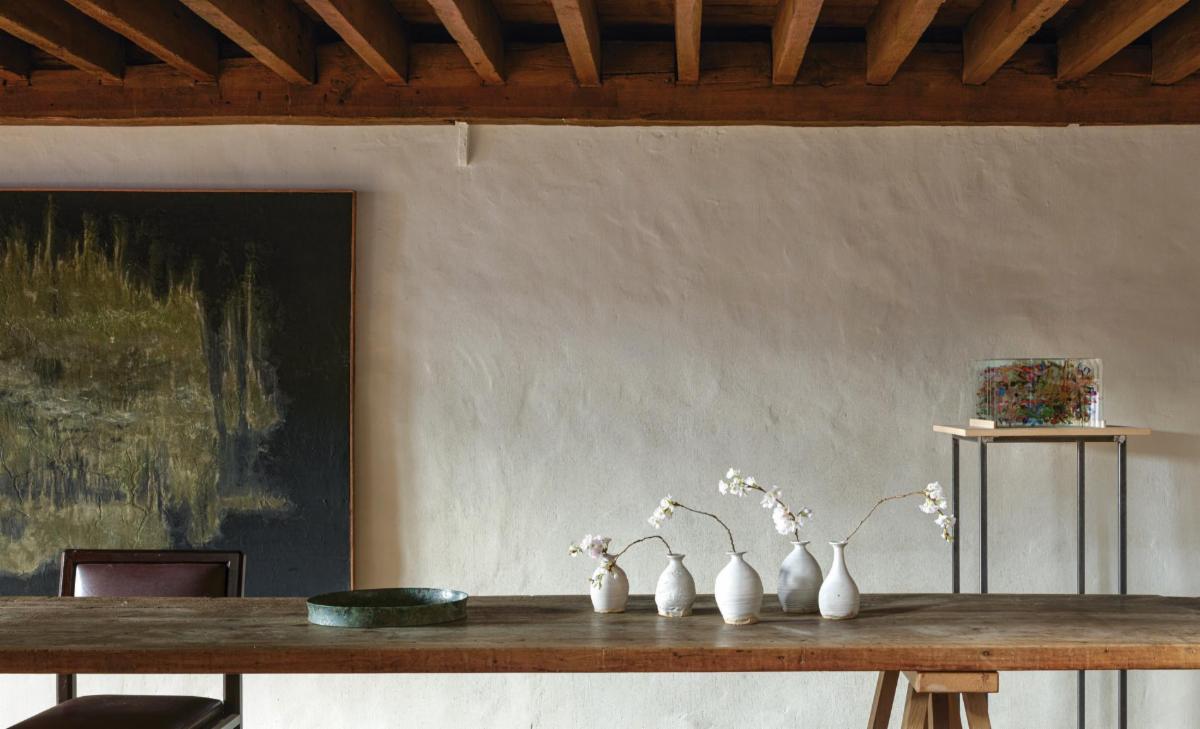
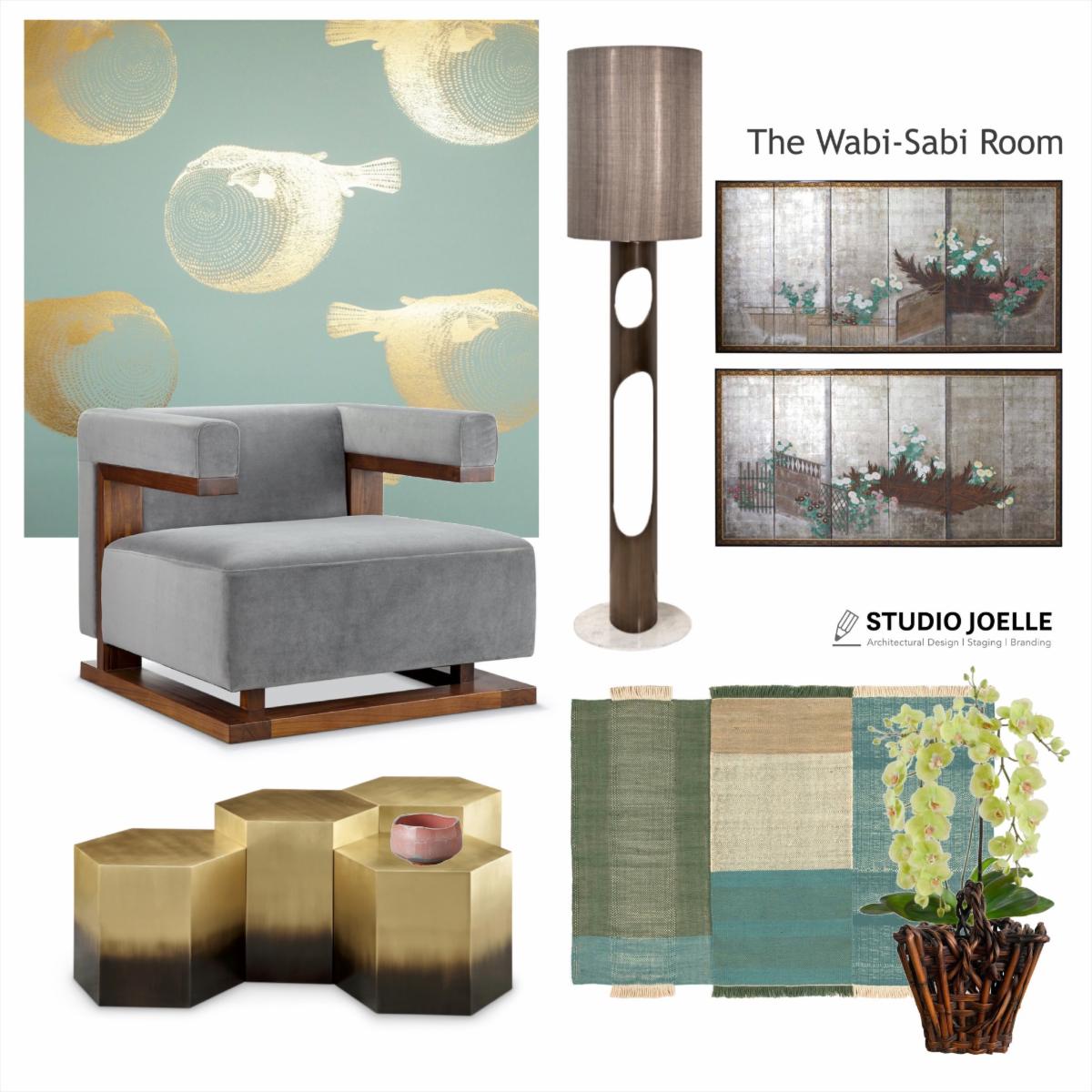
The transformative nature of Japanese Wabe-Sabi meets the immaculate perfection of Scandinavian design in “Japandi” in this shared sense of “konmari,” and belief in purposefulness in decorating. Japandi offers the natural materials, organic colors, and meditative spirit of Wabe-Sabi and the elevated simplicity of Scandinavian design. These two styles come together to provide a space that is suspended between the ancient and the contemporary.
Learn more about how these two philosophies and aesthetic disciplines and how our you can transform you space into a Well-Traveled Room where Wabe-Sabi and “Japandi” can be achieved in any of your homes from around the world!
Joelle