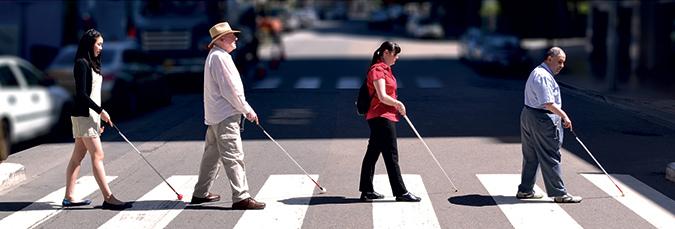
White Cane Day: A Symbol of Independence and Empowerment
Imagine navigating your world without sight. Tuesday, October 15th, marked White Cane Day, celebrating the remarkable resilience and independence of people who are blind or visually impaired, and the tool that empowers them: the white cane.
The white cane is a powerful symbol of independence and mobility for people who are blind or visually impaired. It helps them navigate their surroundings safely and confidently. The white cane is often described as an extension of the user's body, providing a sense of security and independence.
The exact origins of White Cane Day are somewhat unclear, but it is believed to have started in the early 1900s. The white cane was first adopted as a symbol for people with visual impairments in France, and it soon spread to other countries.
In the United States, White Cane Day was officially recognized in 1962 by President John F. Kennedy. The day was chosen to coincide with the anniversary of the founding of the American Foundation for the Blind.
White Cane Day is an opportunity to raise awareness about blindness and the challenges faced by individuals with visual impairments. It encourages understanding, respect, and empathy. By learning more about the experiences of people who are blind or visually impaired, we can help to create a more inclusive and accessible society.
Individuals who are blind or visually impaired have achieved remarkable success in various fields. Their accomplishments serve as an inspiration to others and demonstrate the power of resilience and determination.
There are many ways to get involved in White Cane Day. Here are a few ideas:
- Attend a local event: Many communities host events to celebrate White Cane Day. These events may include parades, workshops, or educational programs.
- Donate to a blindness organization: Consider donating to a local or national organization that supports individuals with visual impairments.
- Learn more about blindness: There are many resources available online and in libraries that can help you learn more about blindness and the challenges faced by people with visual impairments.
Beyond White Cane Day, let's continue to foster an inclusive world. Practice using descriptive language when communicating, offer assistance when needed, and advocate for accessibility in your community. Together, we can create a world where everyone feels empowered to navigate their lives with confidence.
Sources:
|