Urgent Clinical Advisory


ACTIVE AMANITA MUSHROOM BLOOM IN MARIN COUNTY


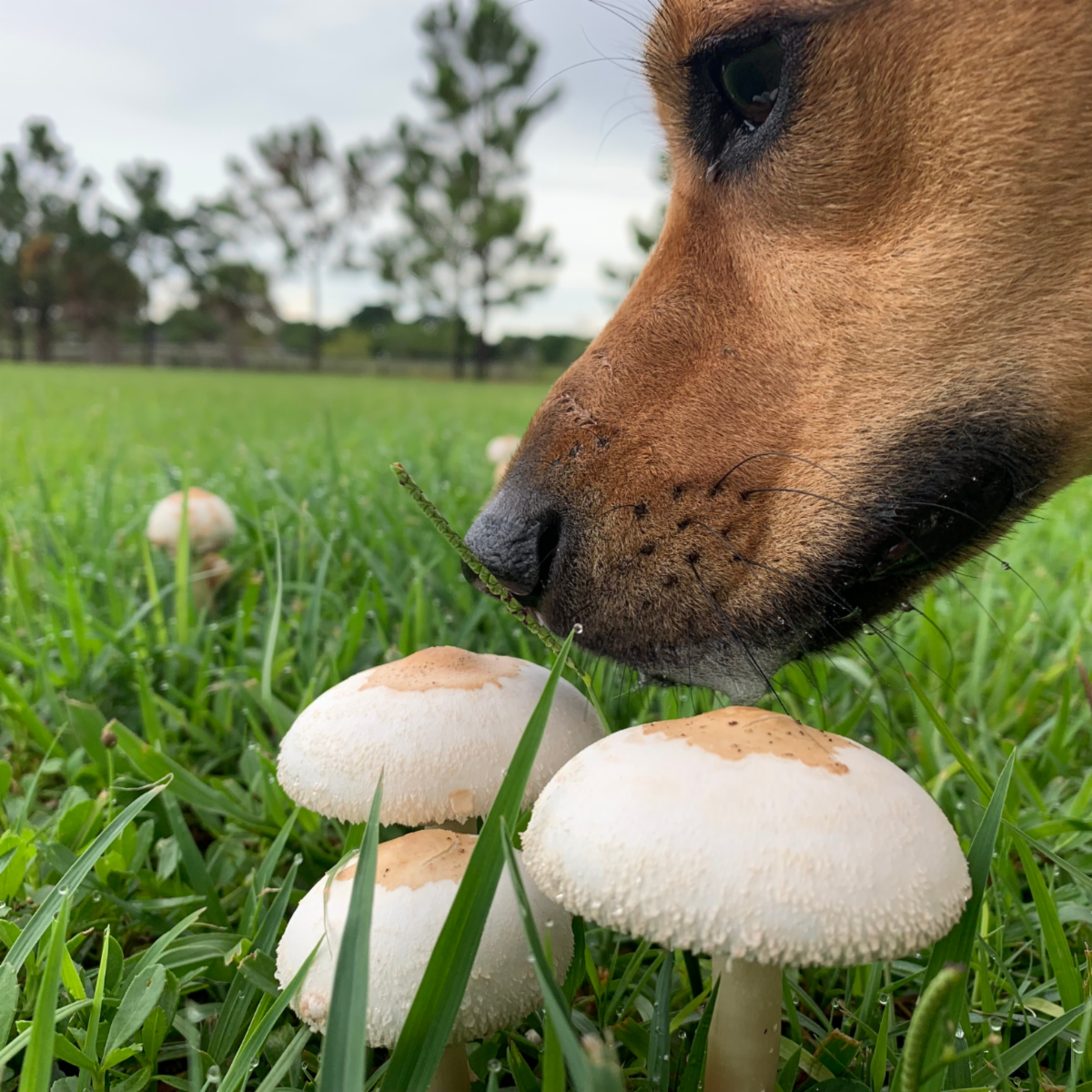
We are writing to alert you to an active Amanita mushroom bloom currently occurring in Marin County and surrounding Bay Area communities. We have seen an uptick in Amanita toxicosis cases at PESCM and want to ensure you have the latest clinical guidance so we can act quickly together for your patients.


What is Amanita toxicosis?

Amanita toxicosis results from ingestion of poisonous mushrooms containing amatoxins, most critically alpha-amanitin — a toxin found in over 30 mushroom species, including the Death Cap (Amanita phalloides). It induces severe acute liver failure and carries an approximately 75% mortality rate.


Clinical signs to watch for:


IF YOUR PATIENT HAS JUST EATEN A MUSHROOM - ACT NOW

  • Induce emesis — decontaminate every dog with known or suspected mushroom exposure, regardless of species identification.


  • Administer high-dose silibinin (milk thistle) — a product complexed with phosphatidylcholine has the best bioavailability. Dose: 70–100 mg/kg PO q8h for 1–3 days. This has specific antidotal/protective effect against amanitin and may be life-saving in early toxicity.


  • Consider activated charcoal after oral silibinin has been absorbed.


Diagnostic testing options


Amanita toxicosis can be confirmed via specific testing for the toxin. This is done through the Toxicology Section of the California Animal Health and Food Safety Laboratory System at UC Davis. The best sample to submit is urine, but the toxin can also be confirmed in vomitus or mushroom fragments. 


PESCM also has the ability to confirm cases in hospital with the rapid Amatox point-of-care test. This test has excellent sensitivity and specificity and is very helpful for rapid detection in these critical patients.

WHEN TO REFER TO PESCM

Patients with confirmed or suspected Amanita ingestion should be hospitalized for aggressive medical therapy and diagnostics. There is potential for full recovery in patients who survive the acute liver failure crisis. Please don't hesitate to call us directly — we are here 24/7.


Questions or to refer a patient:


415.456.7372

Clinical guidance provided by:

Dr. Jennifer Kaae, VMD, DACVIM (Internal Medicine)

Pet Emergency & Specialty Center of Marin


Pet Emergency & Specialty Center of Marin (PESCM) | 1 Thorndale Drive Suite 300 | San Rafael, CA 94903 US