Dane County Lake Management News


Welcome!


Summer and boating season is off to a wonderful start. There was quite a bit of rain in April to fill the lakes up to the summer operating range. Lake levels are currently in the middle to upper portions of those ranges, although maintaining them may become more challenging without additional rainfall. Information on current lake levels and the Lake Level Management Guide are available on the Lake Levels page of the Dane County Land & Water Resource Management website.


Because ice came off the lakes very early in March, it has been an unusually long spring. Lake temperatures remained relatively cool until the last week of May. With the recent warm-up, the spring clear-water phase — when zooplankton consume much of the floating algae and water clarity is excellent — is coming to an end. As the water continues to warm, zooplankton grazing can no longer keep pace with algae production, and the lakes will gradually take on their typical summer green color.

For those interested in learning more, UW Center for Limnology Assistant Professor Hilary Dugan gave an excellent "The Mystery of Spring's Clear-Water Phase in Wisconsin Lakes" presentation on the spring clear-water phase during the Clean Lakes Alliance’s Clean Lakes 101 lecture in April.

Dave Rowe

Lake Management Supervisor

rowe.david@danecounty.gov

(608) 575-3375

Aquatic Plant Management


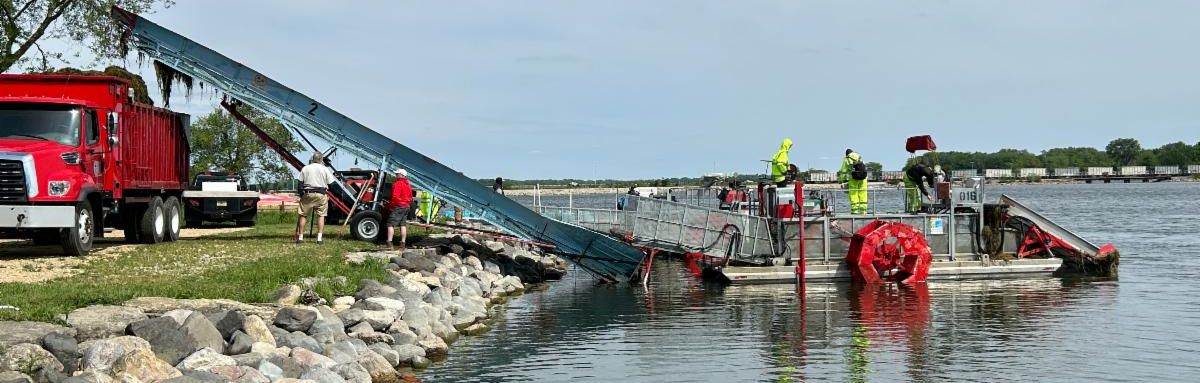
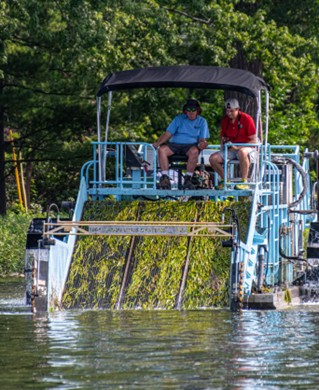
The cool spring has also delayed aquatic plant growth somewhat compared to a typical summer. Our seasonal staff have now started, and we have begun limited harvesting operations.


Aquatic plants are critical parts of our lake ecosystem. They provide habitat and food for fish and aquatic organisms. They compete for, and utilize the same nutrients that can cause algae blooms. They help to dampen wave energy which helps to stabilize the lake bed and shorelines.


The County voluntarily conducts mechanical removal of aquatic plants in the Yahara Lakes for the benefit of all lake users. When the plants become too abundant, they interfere with recreation and can slow the flow of the water through the Yahara River. Heavy plant growth can reduce the flow in the river exacerbating flooding, and limit access to the water for boating, swimming, or fishing.


The fact that we cut and harvest aquatic plants has led to confusion as some people now mistakenly believe that all aquatic plant growth is unnatural or constitute “weeds”. Aquatic Plant Management Plans are written with the intent to protect and enhance desirable plant growth, while recommending management of nuisance conditions.   

Pier Pick Up Program


Pier Pickup has started for 2026 - the complete schedule is listed on the Pier Pickup Schedule webpage. A couple of additional weeks for Lake Kegonsa and Lake Waubesa have been added at the end of summer at the request of the Friends of Lake Kegonsa Society (FOLKS) and the Lake Waubesa Conservation Association (LWCA).


Material Allowed:

  • Lake plants
  • Small driftwood
  • Dead fish

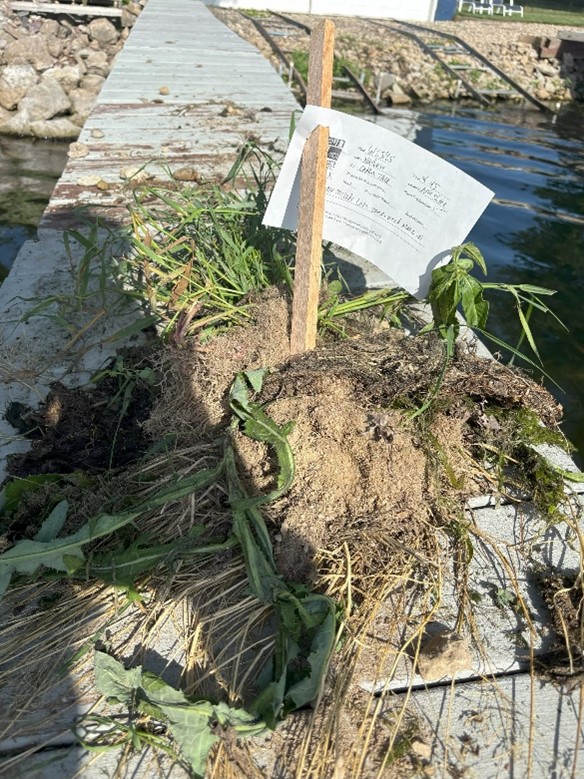
Examples of unacceptable material for pier pick up service

Material NOT Allowed:

  • Yard waste
  • Rocks or gravel
  • Plants with sediment and root balls
  • Garbage 


All Lake Monona (except Monona Bay and the triangles as the barges cannot access under John Nolen Dr), Waubesa, and Kegonsa shoreline residences are eligible for this service. On Lake Mendota, the shorelines in the City of Madison, Town of Westport, and City of Middleton will receive pickup services. In 2026, barges will be collecting Monday through Thursday.  

W.G. Lunney Lake Farm Boat Launch Construction & Closure


This summer, Dane County Parks will reconstruct the William G. Lunney Lake Farm Boat Launch and adjacent parking lot. The existing launch was originally constructed in 1987 and last resurfaced in 1999. This replacement project is needed to improve user access, enhance ADA accessibility, and provide better water quality protection.


To allow for construction, the boat launch will close on July 6, 2026, and will remain closed until the project is completed. If construction progress and site conditions allow, the launch is expected to reopen this fall.


We appreciate your patience as this work is completed. Closure updates will be posted on-site and shared through Dane County Parks communication channels prior to and during the closure.


Additional project information and future updates will be available on the project page.


For those seeking alternate access to Lake Waubesa during the closure, Dane County Lake Access permits are valid at the following nearby boat launches:

  • Goodland County Park Boat Launch, 2844 Waubesa Ave, Madison, WI 53711
  • Babcock County Park Boat Launch, 2909 US Highway 51, McFarland, WI 53558


If you have questions about the project, please contact:

Dan Schmitt, Senior Landscape Architect

(608) 438-3927

schmitt.dan@danecounty.gov


Note: Babcock County Park is also in the planning stages for maintenance and renovation and will be closed concurrently as the US Hwy 51 reconstruction project happens in McFarland in 2027.

Tenney Locks Scheduled Maintenance for 2026


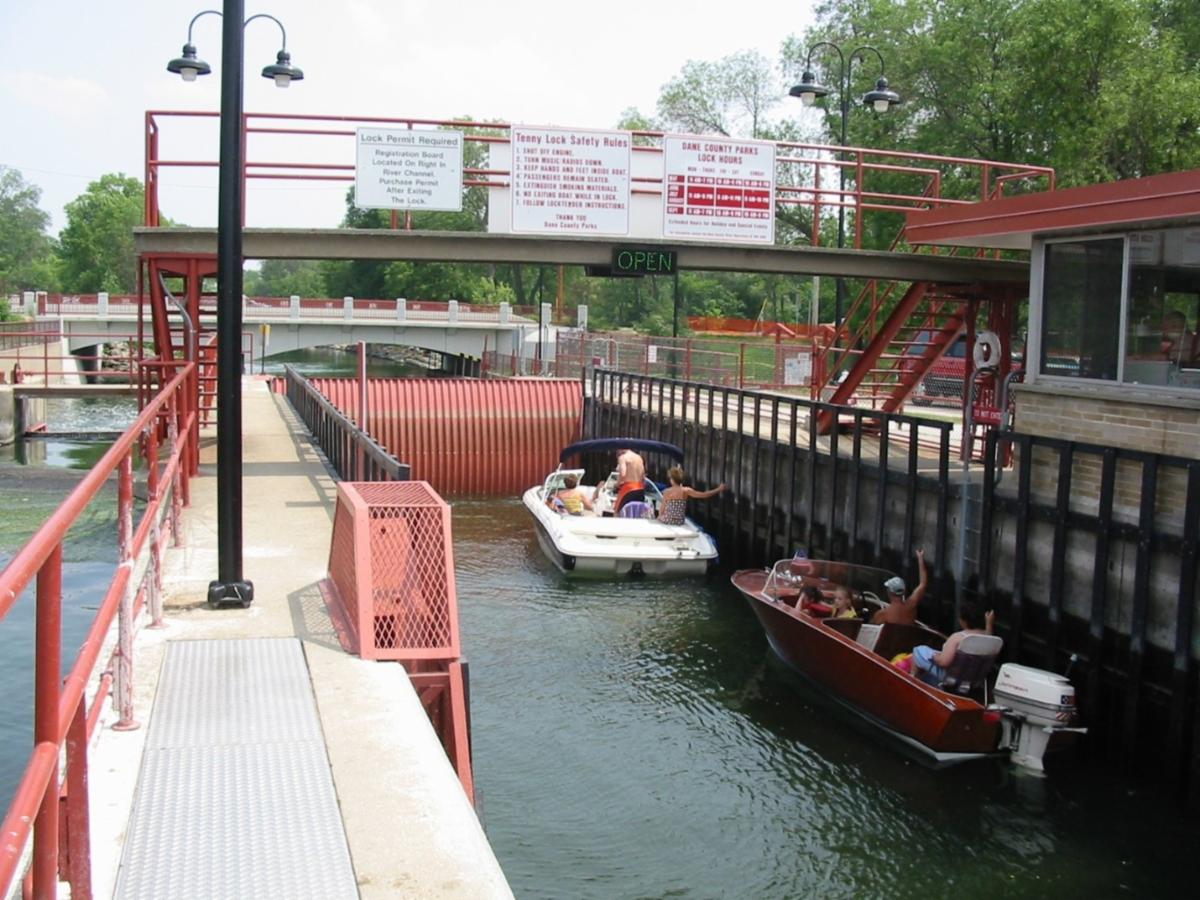
Late last summer the Tenney Lock had an unfortunate mechanical issue and we were not able to keep them up and running through the end of the season. That issue is now repaired and the defective part was replaced, but in conducting the inspection and maintenance we identified another issue that will need to be addressed. Our department is working with Dane County Public Works to plan for and correct the issue but it may result in a shortened operational season for the locks again this year. We are trying to delay the repairs till after Labor Day but it will depend on the contractor and repair schedule.

Door Creek Restoration & Legacy Sediment Removal


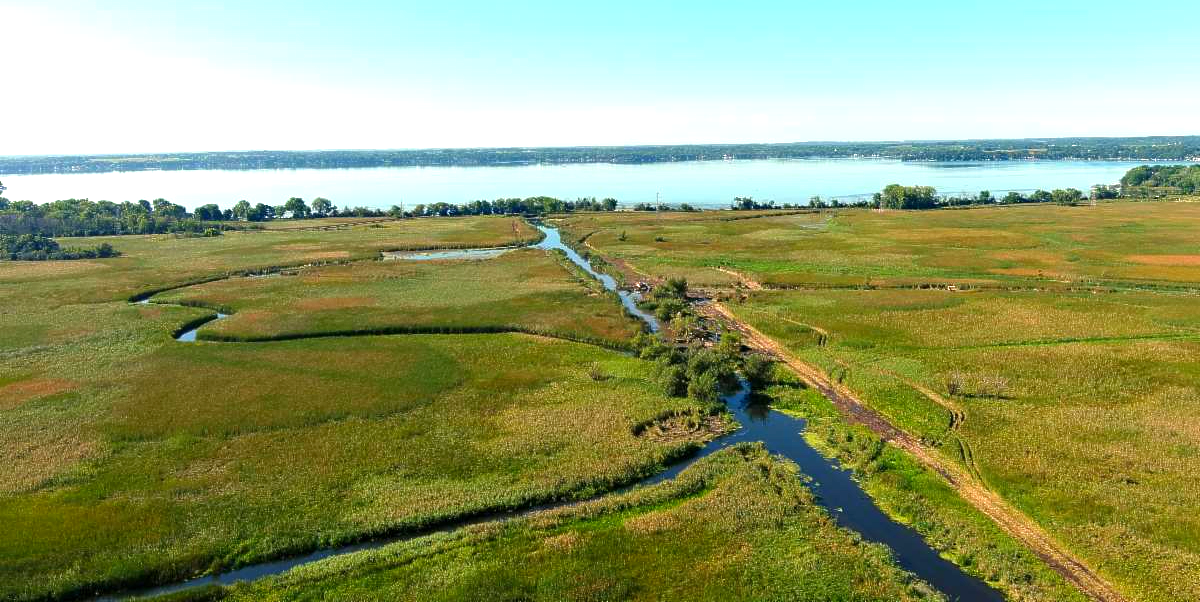
Construction is now complete on the restoration of roughly three miles of Door Creek. This is a major milestone for the Legacy Sediment Removal Project - an innovative project to remove the phosphorus-laden sediment from the streambeds within the Yahara watershed. 


Door Creek has been returned to its historic channel and more than 40,000 cubic yards of phosphorus-laden sediment were removed. These improvements are expected to provide multiple long-term benefits, including better flood mitigation, improved water quality, and healthier wetland and aquatic habitat.


In addition to the stream restoration work,160 acres of adjacent cropland were restored to native prairie, with seeding completed in late fall 2025.The prairie restoration will help protect Door Creek and adjacent wetlands by reducing sediment and nutrient runoff before it can wash into the waterway.


Together, these efforts will support healthier watershed function and contribute to improved water quality across the Yahara Watershed. Read more about this project on our website.

undefined

Yahara River Sediment Removal


In 2025, staff removed 28,000 cubic yards of sediment from approximately 1,700 feet of the Yahara River. Work took place from the river mouth at Lake Kegonsa upstream to Highway AB near Fish Camp County Park, as well as in areas near Dyreson Road and the Lower Mud Lake Natural Resource Area. To date, this project has removed a total of 219,200 cubic yards of sediment from the Yahara River.


Staff are currently dredging the Yahara River below Lower Mud Lake as part of Phase 3A of the multi-year sediment removal project. This work is intended to deepen the channel and reduce the duration and severity of flooding. By increasing the river’s capacity to carry water through the system and out of the lakes during high-water events, the project helps improve overall flow.


Staff are on schedule to complete Phase 3A in 2026, leaving only the section of the river between Dyerson Rd and Lower Mud Lake, planned and permitted as Phase 3B, connecting all the segments from the outlet of Lake Monona to Hwy B upstream of Stoughton.


Visit the project webpage to learn more!

Aquatic Invasive Species Awareness and Watchlist


One thing we can all do to help the Yahara chain of lakes and other Wisconsin lakes is to prevent the spread of Aquatic Invasive Species (AIS). If an invasive species becomes established it can have devastating impacts to lake ecology and disrupt the food web. This can lead to water quality and habitat changes as well as economic consequences. Two species of aquatic plants that have recently been identified as invading Wisconsin’s lakes are European Frog-bit and Starry Stonewort.


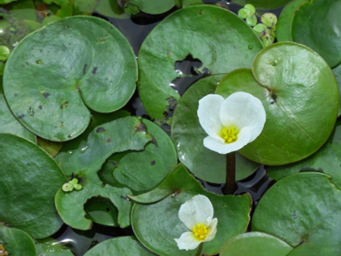
European Frog-Bit is a free-floating plant that can form dense mats of interlocking plants. It has round to heart shaped leaves ½ to 2 ½ inches across and the underside of the leaves have a sponge texture and can be dark purple, red or green in color. The flowers are small white with 3 petals and a yellow center. The roots are unanchored to sediment and can be up to 12 inches long. Currently there are populations of European Frog-Bit in Northeast Wisconsin in Marinette, Brown, and Oconto counties. It has spread slowly through the Great Lakes and is moving westward. European Frog-Bit is a Prohibited species in Wisconsin. For more information about this species, check out these Wisconsin DNR and USGS factsheets.


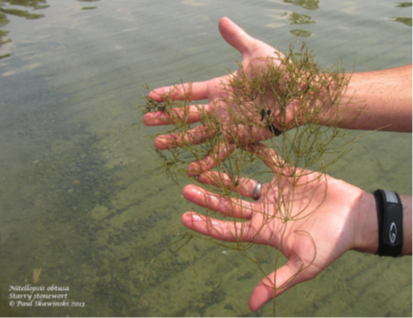
Starry Stonewort is a macroalga that has become established in lakes in several counties in Southern and Eastern Wisconsin. It has long stringy stems with whorls of 4-6 branchlets (leaves). It can be confused with Chara or musk grass which is a native macroalga. Starry stonewort grows prolifically and can outcompete native vegetation and grow densely enough to foul watercraft motors. Starry Stonewort is a Prohibited species in Wisconsin. For more information about this species, check out these Wisconsin DNR and USGS factsheets.


Remember to always:


  • INSPECT boats, trailers and equipment
  • REMOVE all attached aquatic plants and animals
  • DRAIN all water from boats, vehicles and equipment
  • NEVER MOVE plants or live fish away from a water body


If you suspect you have found a new population of an invasive species, take a photo or collect a sample to share with the regional Wisconsin DNR AIS Coordinator.

European Frog-Bit

Credit: Carol Nelson USGS

Starry Stonewort

Credit: Paul Skawinski UW-Stevens Point

Share the Lake News!


If you’ve enjoyed these updates and reminders, please encourage your neighbors and fellow lake users to sign up for the Lake Management e-Newsletter. We send it out at the start and end of the summer season, as well as when there are important announcements to share.


The Land & Water Resources Department also offers several other e-newsletters with regular updates on projects and programs.


Dane County Land & Water Resources Department Website

Facebook  Web  Email