September 2022
From the Station Director
I'm excited to share the inaugural edition of Station Science, the New Hampshire Agricultural Experiment Station's new monthly newsletter. Each month, we'll highlight the latest Station news and research, share information about upcoming NHAES events, and introduce you to the people who serve as the foundation to the Station's success.

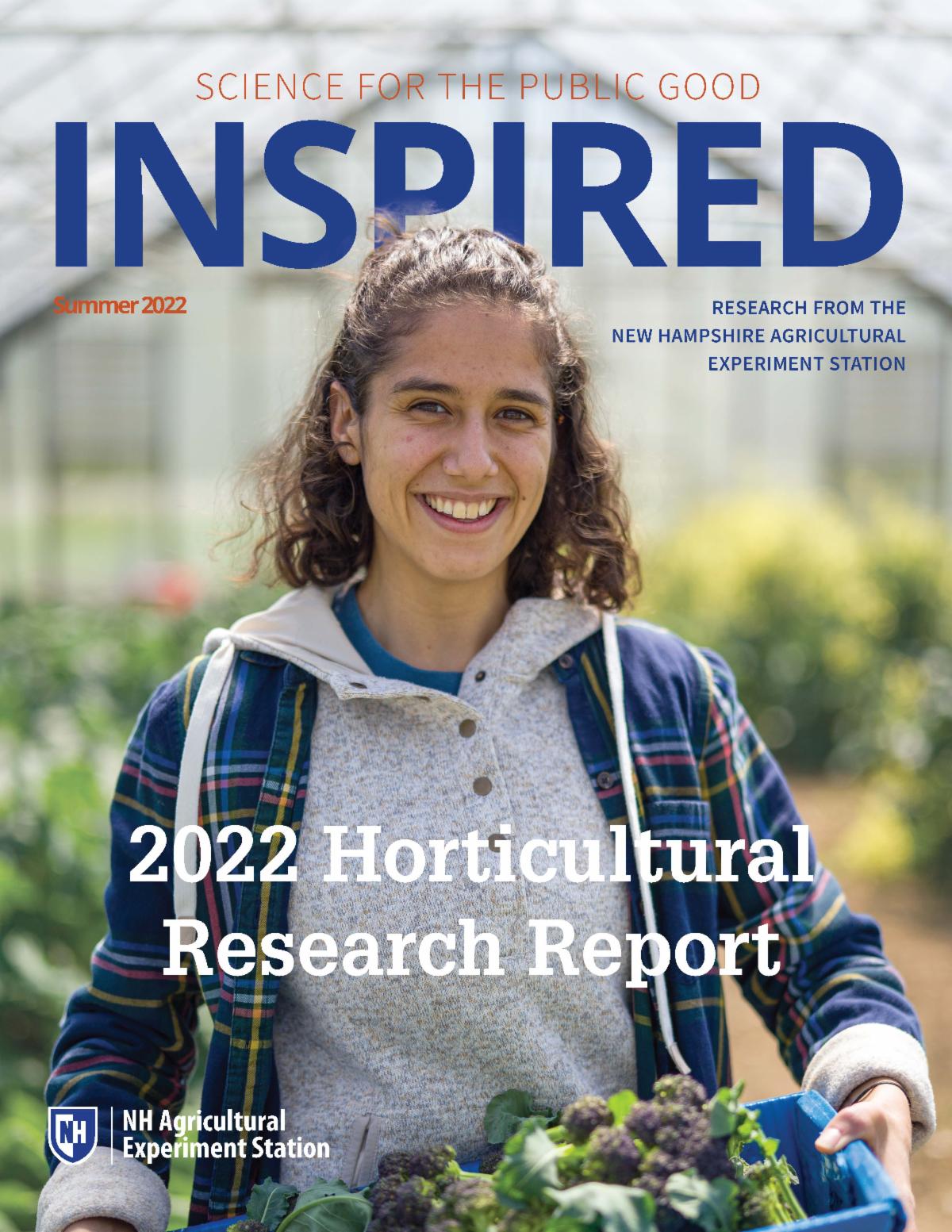
In our first edition, I wanted to highlight the recent release of the Inspired: Horticultural Research Report. Inspired brings together recent NHAES research with the goal of making scientific discoveries accessible to those who can most benefit from those discoveries. And I encourage you to also browse through the first issue of Inspired focusing on dairy science and management.

Thank you for your support of the Station's mission, which for over 130 years has been to serve as New Hampshire's public research and development unit to increase the resilience and sustainability of our state's agriculture, food, natural resources, and the environment through science.

Director, NH Agricultural Experiment Station
Latest NHAES News

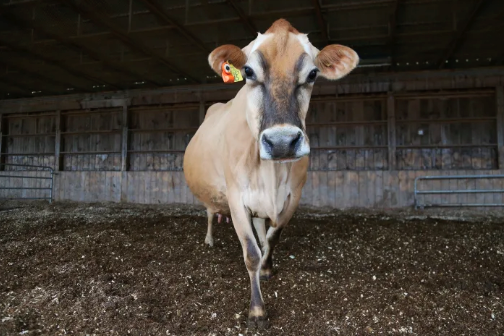
Reporter Hadley Barndollar recently wrote about New England research into measuring and reducing methane emissions from cows for a series featured on the USA TODAY NETWORK. Barndollar spoke with NHAES scientist Andre Brito about his research into feeding Irish Moss seaweed to cows at the UNH Organic Dairy Research Farm. Read more.
Nugget the Cow at the UNH Organic Dairy Research Farm. Image from USA Today.
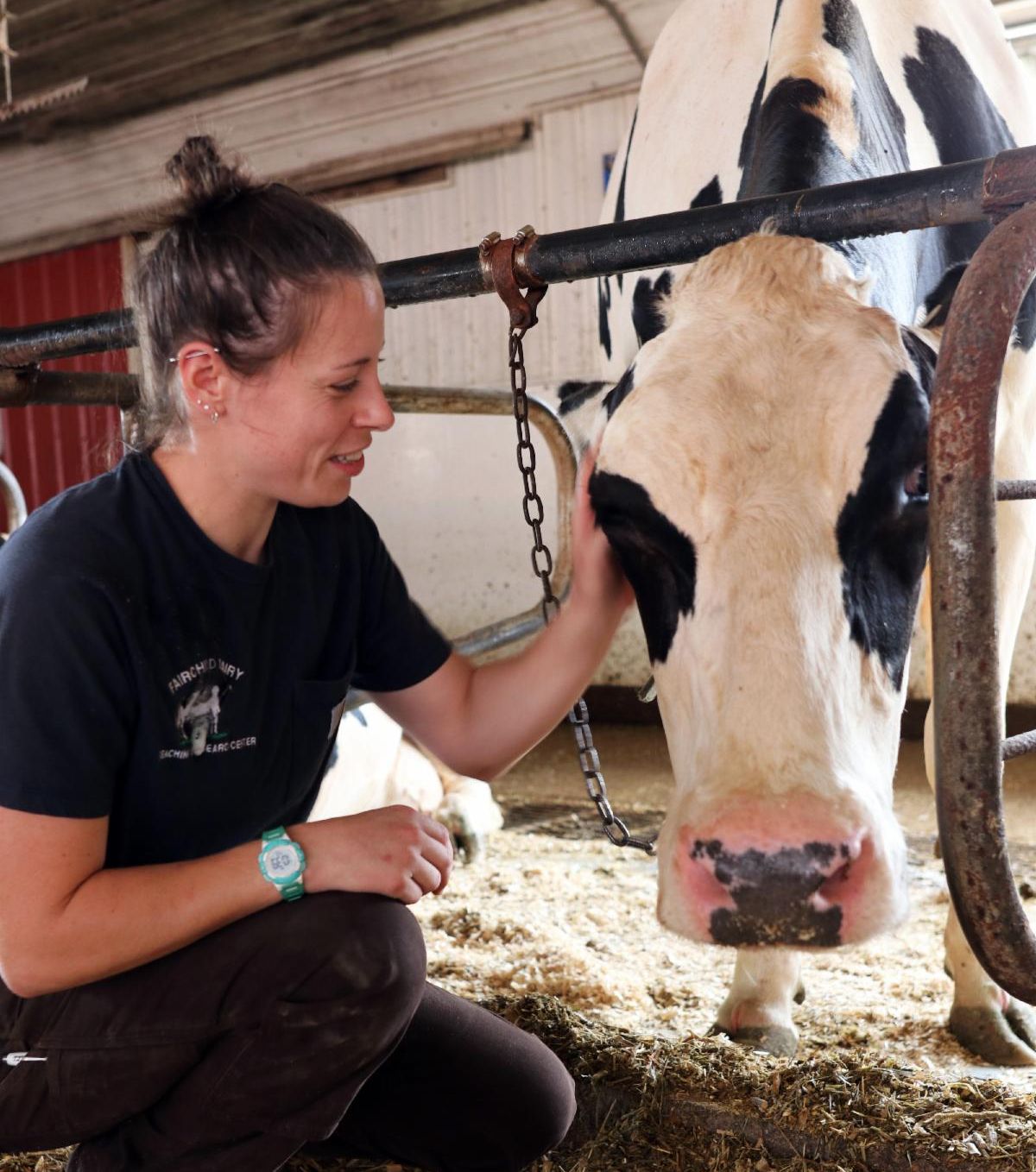
photo of rachel dubanoski hanging with a cow at fairchild

Rachel Dubanoski ’15 earned her Bachelor’s degree in Sustainable Agriculture and Food Systems from UNH before working in the dairy industry in Vermont. In 2021, she came back to New Hampshire and was hired on as assistant farm manager at the Fairchild Dairy Teaching and Research Center. Initially an engineer major at UNH, she changed majors to pursue her passion for working with animals. Today, she takes a special pride in helping and healing any sick cows at Fairchild and working diligently to keep the herd happy and healthy. Read more.

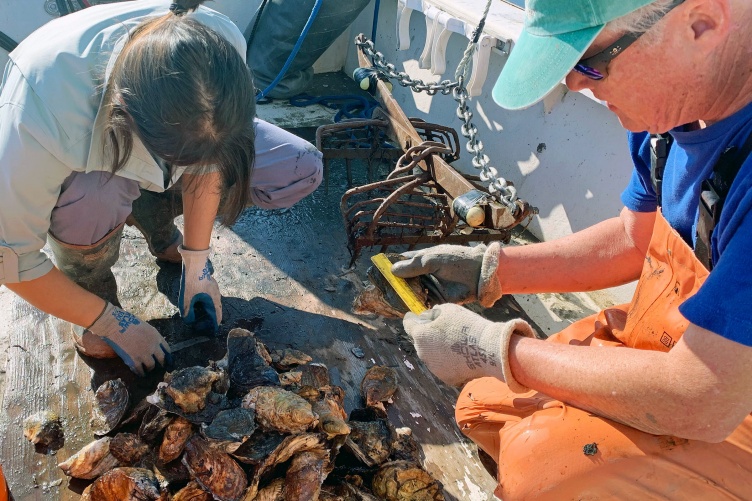
NHAES researchers, including Ray Grizzle, are exploring whether oysters themselves can play a role in improving water quality in the Great Bay estuary. These findings can be a win-win for the Granite State, where the shellfish aquaculture sector has grown by 900 percent in the past decade, outpacing the growth of shellfish aquaculture industries in every other state from 2012–17, according to the USDA. Read more.

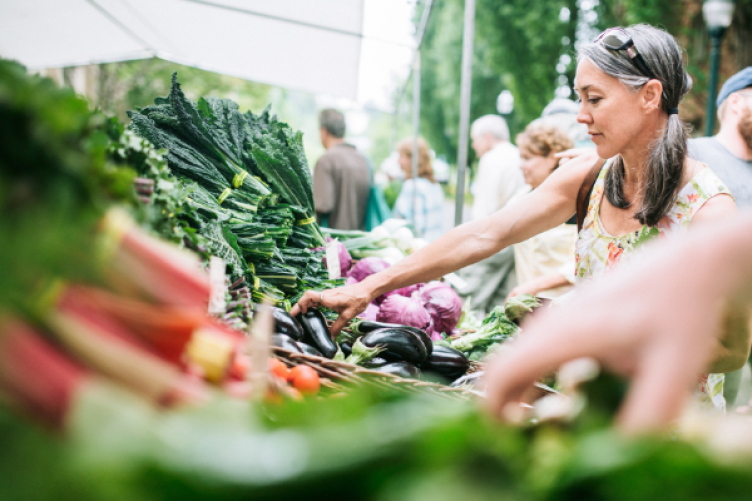
When the pandemic began, farmers and their many stakeholders began collaborating on exciting new direct-to-consumer delivery models, spurred by the necessity of keeping their operations – and their livelihoods – running. Now Station scientist Analena Bruce is researching how some of these novel alternative food networks can bolster New England's small and medium farms. Read more.

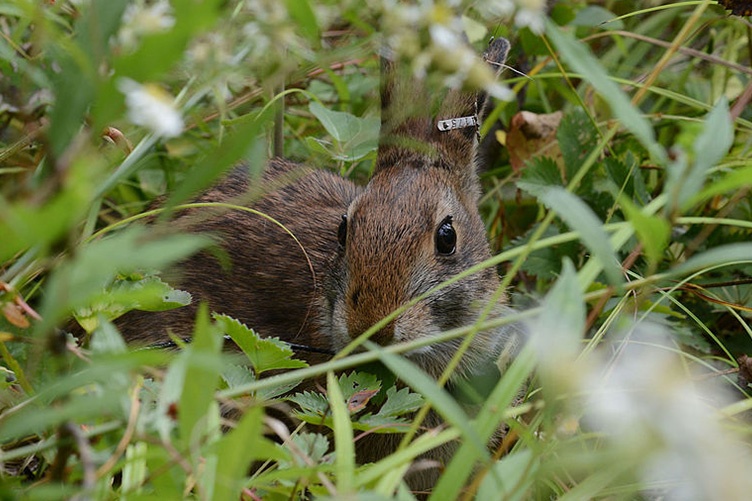
The New England cottontail has seen its preferred habitat range decrease by 86 percent over the last 100 years, decimating the population and bringing it to near endangered levels. Today, habitat restoration efforts for the NE cottontail are taking place across New England and Eastern New York. However, Station scientist Adrienne Kovach recently co-wrote a research paper on how restoration efforts for the cottontail will also support a number of shrubland-obligate birds as well. Read more.
More Station News & Notes
NHAES scientist Ken Johnson and Carsey School senior demographer Ken Johnson has spent decades diving into data and exploring American demographics. Agronomists at UNH recently wrote about a study into cover crop seeding rates, which was explored in an article in Agricultural & Environmental Letters. NHAES researchers also investigated the role of small streams in releasing methane into the atmosphere – however, unlike with ponds, lakes, and wetlands, at least half of the methane in streams oxides and never joins with other greenhouse gases.

The 2022 Under the Vines Field Day will take place Sept. 16, from 3 – 5 p.m. at the Woodman Horticultural Research Farm. A schedule is below. Learn more on the event webpage.
  • 3–3:30 pm: Hydrangeas for cut flowers in NH – see 16 varieties in the landscape, and learn about their performance as cut flowers.
  • 3:30–4 pm: Table grapes for NH – learn about varieties that do well here, the pros/cons of different training systems, and see 7 new varieties planted last year and starting to fruit. And, we'll have samples of all varieties available for you to taste!
  • 4–5 pm: Kiwiberries in NH – tour the kiwiberry vineyard, and learn about research and breeding updates.

Want more news and information from the NHAES? Sign up for our NHAES News – and get notified each time we publish new articles highlighting our research (approximately twice a month). Know someone who might be interested in signing up to receive Station Science? Send them our newsletter sign-up webpage.
Follow NHAES on social media: