|
Michele Campbell, Editor | Todd Williams, Rockwall County Extension Agent
NEWSLETTER CONTRIBUTORS: Lisa Behne, Laura Chaney, Randy Culpepper, Linda Gates, Lisa Johnson, Kim Townsend, Debora Zerneri
| |
Featuring Texas native perennial favorites. Vibrant winter annuals, ground covers, grasses and “Made for Shade” plant selections. Plus, our newly curated seed collections for butterfly herb gardens, cut-flower gardens, and TX wildflowers. | |  |
Save, package and label your seeds for swapping. Seeds may be store-bought or homegrown, no older than two years old. | | | |
|
HAVE A GARDENING QUESTION? | |
We love to talk plants! Visit our Extension Master Gardeners at the Rockwall County Library the 1st and 3rd Wednesdays of the month from 10am - noon.
Also, find us at the Extension Office every Wednesday from 10am - noon. Call (972) 204-7660 or email us anytime at: rockwallmg@ag.tamu.edu
| |
The mission of Rockwall County Master Gardener Association is singularly focused on outreach and education. Our sole purpose is to improve quality of life by providing science-based, horticultural education and advice to all the residents of Rockwall County. So far this year our volunteers have reached over 150,000 contacts in Rockwall County and have provided over 3,000 hours in volunteer service. We truly appreciate the support the Rockwall Community gives us and we always look forward to chatting with you about all things gardening! Learn more about us here! | |
| | |
ASK A MASTER GARDENER
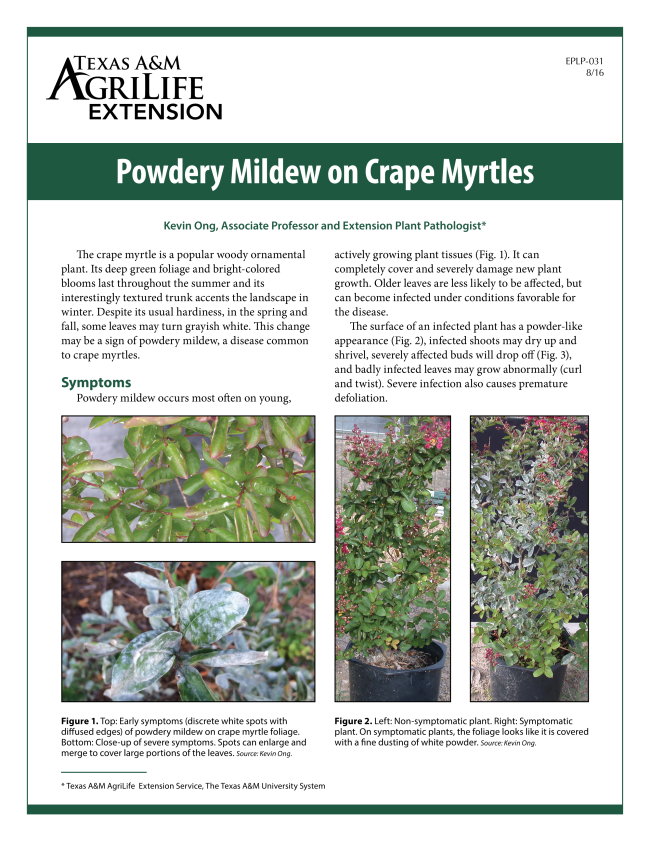
Crape myrtles can look a bit ragged as winter approaches. The good news...you may not need to treat anything. The leaves will soon drop from the tree as it enters dormancy. There are three main diseases that may affect your crape myrtles. (1) Powdery Mildew: a fungus that has a powdery-like appearance and grows on the surface of leaves, buds, and flowers. Use preventative management practices to control: full sun, resistant varieties, good air circulation with proper placement, and avoid excess fertilization. (2) Black Sooty Mold: a fungus that grows on the sugary solution (honeydew) excreted by insects. Crape myrtle aphids can cause trees to be covered with black sooty mold. Lady beetles are a natural predator of aphids. (3) Crape Myrtle Bark Scale (CMBS): an insect that looks like patches of white, felt-like material on the branches and trunk and is attracted to fresh pruning wounds. Black, sooty mold grows on the excretions from the scale. Treatment for CMBS is dependent on the life cycle stage of the scale. Physical scrubbing or spray from a hose can also remove scale. Read here for a thorough explanation of CMBS and treatments.
| |
|
WE LOVE BUGS!
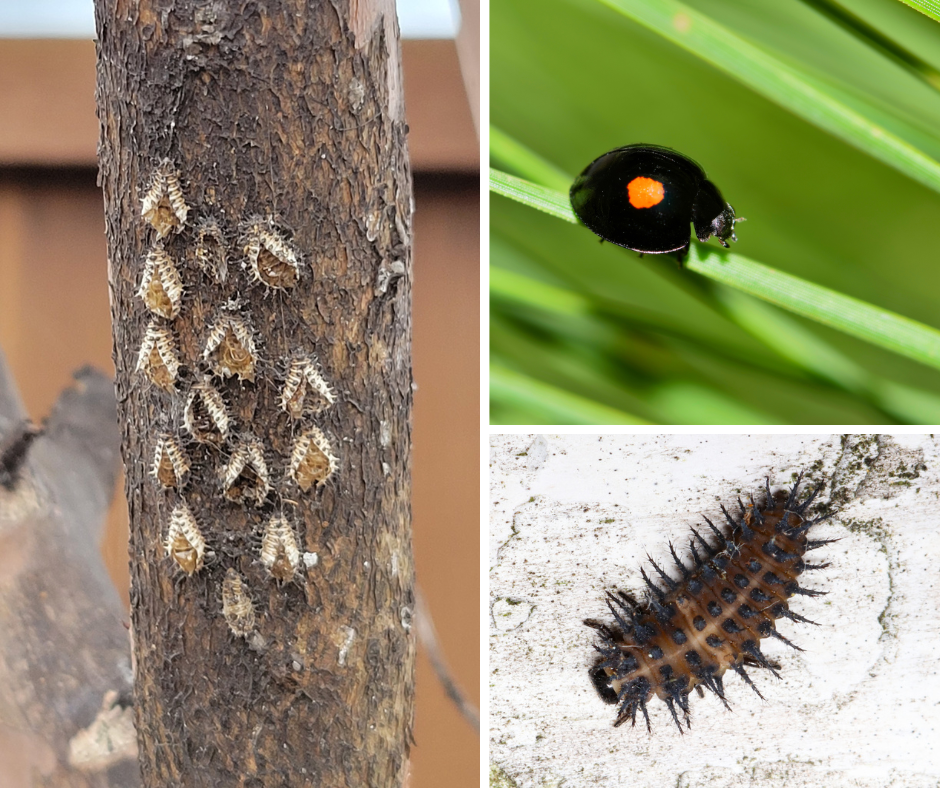
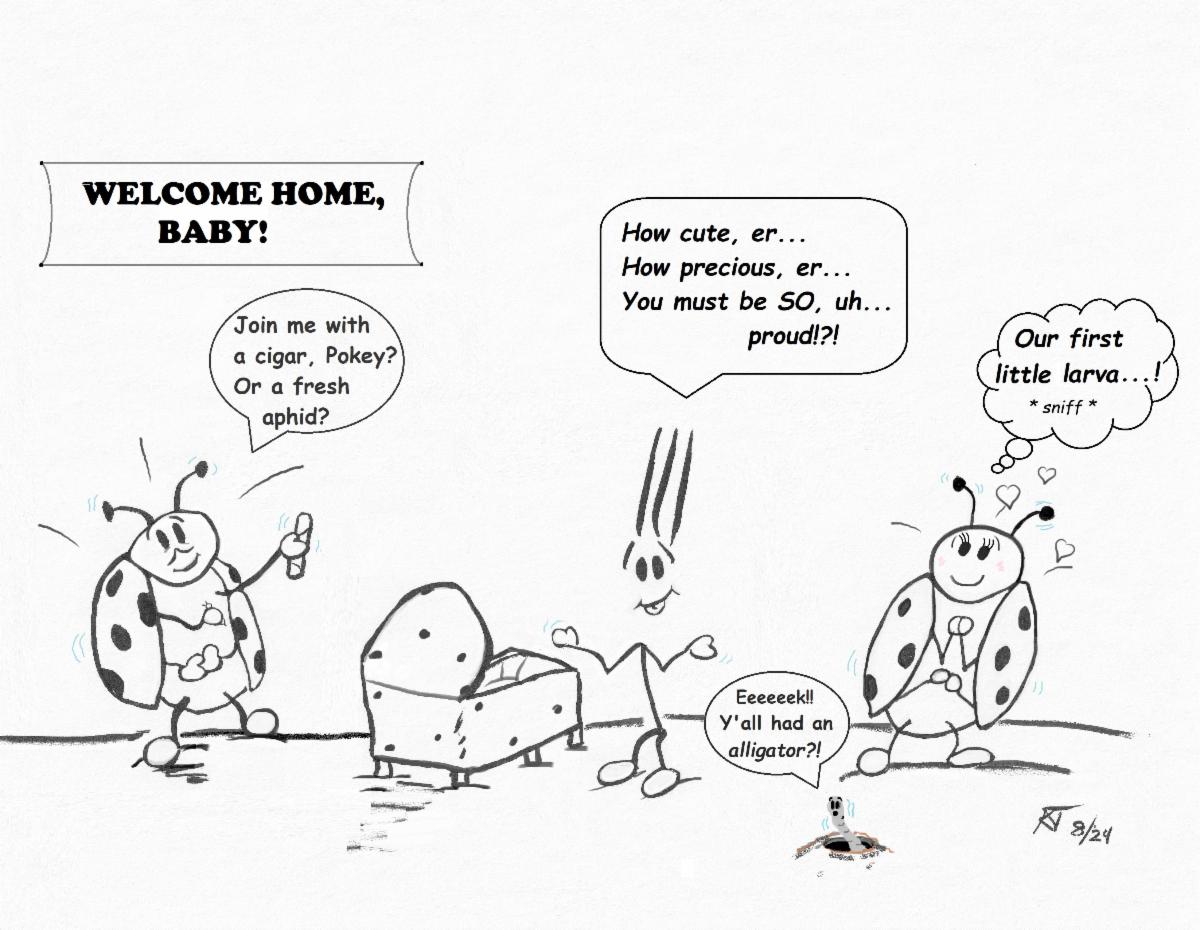
Sometimes it helps to know what insects look like during their larval and pupal stage. Most everyone immediately knows when they see a ladybug (or more appropriately, lady beetle). But what about when you see the images pictured? Lady beetle larva and pupa look very different from their adult form. If you see these in your yard you have made some new friends! Lady beetles eat aphids and scales and are nature’s way of keeping those plant pests in check. Twice-stabbed lady beetles are predators of scale and an ally when it comes to battling Crape Myrtle Bark Scale. The image shows an adult, larva, and pupa of a scale eating, twice-stabbed lady beetle. A good bug and beneficial to your garden.
| |
|
Kids Activity!
Go on a bug hunt with our Insect Scavenger Hunt worksheet.
| | | |
|
Fall is the Time to Think About Spring….Weeds.
Seasonal Garden Care
| | |
|
Labor Day has just arrived. Temperatures are still hovering in the upper 90’s. Big box stores are selling Christmas decorations. And the Dallas Cowboys have yet to lose the playoffs for another year. Ouch. Just kidding. Why then, is the Fall edition of EnviroSmart including a column about the spring? Because a weed prevention program starts before weeds begin. You’ll need to act quickly though. Spring weeds will start to take root in the upcoming weeks when temperatures start to drop in the mid 60’s. Luckily, we still have about 2 weeks to spread a fall pre-emergent herbicide before the first big temperature drop.
Knowing the weed is key to also knowing how to prevent the weed.
A fall pre-emergent plan is very simple. All pre-emergent herbicides chemically prevent seeds and young plants from growing. However, when it comes to spring weeds, the chemicals you apply may or may not be effective against the weeds you truly wish to target. So, the question then becomes, what weeds in the spring trouble you the most?
| |
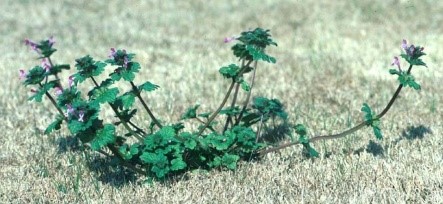
Henbit has a way of finding itself in every nook and cranny of the yard, the garden, the flower beds, and every dormant pot and container that dots the patio. The clusters of little purple flowers taunt us as if to remind us that “whoops, we missed a spot.” | |
| |
|
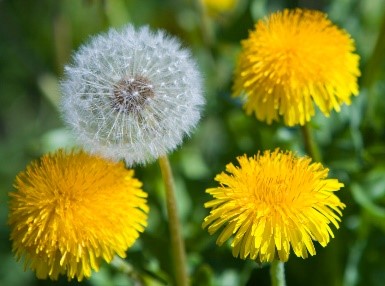
Dandelions speckle the yard like little puffs of sunshine on a brown, barren plain. Honeybees come alive on warm February days as they skip from flower to flower as if to say “Thank you” for the early Spring gift. And the HOA reminds you that your yard stands out amongst the rest. | |
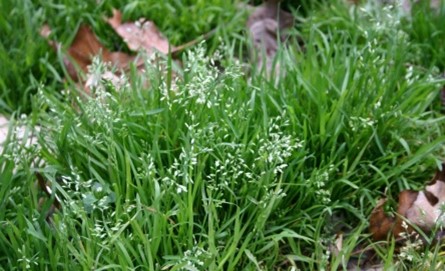
Poa annua, also called Annual Bluegrass, starts off small and innocent enough. But as the Winter sun warms the turf, the blades of this spring weed grow taller and thicker in clumps that are sure to clog the mower at first start up. | |
| |
|
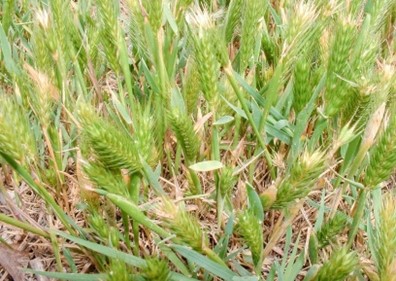
Is Hare Barely breeding in your spring lawn like the rabbits this weed was named after? With long threadlike extensions from the florets in the seed head, the backward angled spines can enter a pet’s eyes, nostrils, ears, or even penetrate their skin. | |
|
You’ll find that many of the pre-emergent herbicides you see in the big box stores will suffice for henbit, dandelions, and Poa annua. These are the “easy” weeds. The more difficult weeds such as hare barely require ingredients such as Balan or Dimension to block germination. Knowing the weed is the secret to having a weed-free yard next spring. You’ll find that in a sea of brown grass, it’s easy to spot the neighbor that forgot to add a pre-emergent in the fall.
So, what about the weeds I see now?
Most likely, the “new” weeds we see in the fall have been growing silently for months. It’s not until the weeds start to bloom that we suddenly realize the weed has been lying in wait for cooler weather. Fall Aster can be addressed by using a simple broadleaf weed spray containing 2,4-D. KR Bluestem and Dallisgrass will need to be pulled by hand or use a glyphosate-ONLY herbicide to take care of these annoyances. It will leave a dead spot in the yard for a short time because this chemical will kill everything. But, Bermuda and St. Augustine are incredibly resilient. The dead spot will be filled in no time.
| |
Caring for our Trees for a Better Future | | |
|
Investing in our trees is crucial as they reciprocate by enhancing our well-being. Trees play a vital role in purifying the air by absorbing carbon dioxide and emitting oxygen, with a single mature tree capable of absorbing 48 pounds of CO₂. Aesthetically pleasing trees not only beautify your surroundings but also increase the value of your property and provide much needed shade. The last few years, with severe freezing temperatures followed by drought, have put many trees under stress. These environmental stressors have made many newly planted and established varieties of trees susceptible to secondary threats such as insects and disease.
How can you help your newly planted trees during drought? Simply watering with a water hose may ease the effects of the drought. The easiest way to water your trees is only to water them on an “as needed basis.” But remember your sprinkler system may not be adequate to provide enough water. It is easy to test the soil with a water meter probe by sticking it into the root ball or soil. A screwdriver can also be used by inserting it into the ground 6-8”. If it does not insert easily, it’s time to water. Water the entire area under the tree, not just at the base of the tree. Extend out to the drip line, the area defined by the outermost circumference of a tree canopy, where you will find the fine fibrous roots. Let the water penetrate to the point of run off. This may be achieved with a cycle and soak approach. This is best done in the early morning hours to avoid watering during the heat of the day.
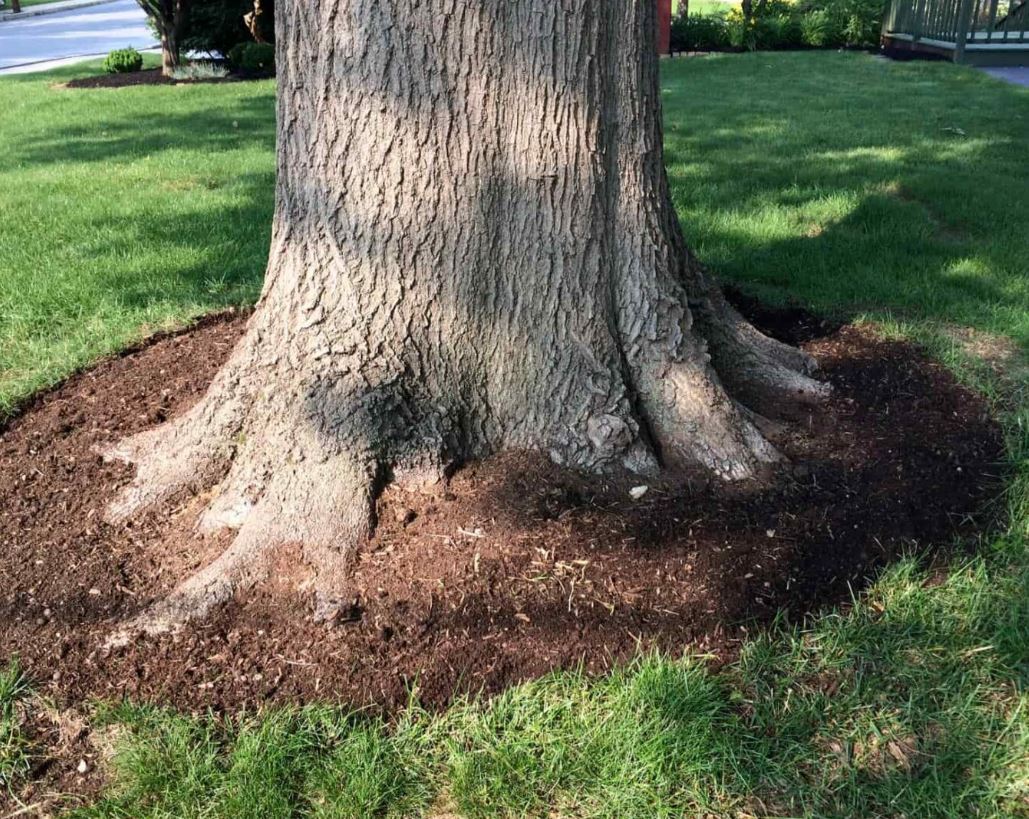
Applying a hardwood-based mulch is an easy way to help maintain soil moisture and regulate the temperature of the soil, which aids in protecting the roots. Apply 3-4” of mulch, it is best to extend out to the drip line. Please avoid the volcano effect, this can damage the trunk if the root flare (where
the main roots attach to the trunk) is not left exposed. As the mulch begins to break down it will provide organic matter that will feed the tree.
Should I fertilize my newly planted tree? Applying a root stimulator to your trees can be beneficial. Be sure to read the manufacturer’s recommendations.
Only prune when necessary. Avoid pruning healthy branches off during the stress periods in our area. The open wounds can attract unwanted pests and leave the trees more vulnerable to cankers and fungal diseases. Prune trees with a purpose- late winter is the best. The exception to this rule would be pruning of oak trees. Oak wilt has become a serious problem. Avoid pruning oaks from Valentine’s Day through mid-June and paint the wound on the tree to keep out any pests. Discard all branches if there is any concern of infection to stop the spread of disease. Contact a certified arborist when needed. Enjoy the shade tomorrow!
| |
|
Fall Vegetable Gardening
with Laura!
| | |
|
Hopefully, the weatherman is correct, and we will begin a downward trend on the temperature scale. Soil temperature is especially important when germinating leafy greens or seeds in the Brassica family. The ideal range for these seeds to germinate is 60-75 degrees, with 85 degrees being maximum soil temperature. You can start these seeds indoors in early September to transplant outside, or later in the month measure the soil temperature (a good digital meat thermometer is what I use). Brassicas withstand frost pretty well, so you have plenty of time to get those seeds germinated!
September
Seed Outdoors – Beans (pinto, bush), Beets, Broccoli, Brussels Sprouts, Cabbage, Carrots, Cauliflower, Greens (Collard, Mustard), Kale, Leeks, Lettuce, Onion, Parsnips, Peas, Radish, Spinach, Summer Squash, Swiss Chard, Turnips
Transplant –Broccoli, Brussels Sprouts, Cabbage, Cauliflower, Greens (Collard, Mustard), Kale, Leeks, Lettuce, Spinach, Summer Squash, Swiss Chard
Seed Indoors – Broccoli, Brussels Sprouts, Cabbage, Cauliflower, Greens (Collard, Mustard), Kale, Lettuce, Peas, Spinach, Swiss Chard
October
Seed Outdoors – Broccoli, Brussels Sprouts, Cabbage, Carrots, Cauliflower, Greens (Collard, Mustard), Kale, Leeks, Lettuce, Onion, Radish, Spinach, Swiss Chard, Turnips
Transplant – Broccoli, Brussels Sprouts, Cabbage, Carrots, Cauliflower, Greens (Collard, Mustard), Kale, Leeks, Lettuce, Spinach, Swiss Chard
November
Transplant – Broccoli, Brussels Sprouts, Cabbage, Carrots, Cauliflower, Greens (Collard, Mustard), Kale, Lettuce, Spinach, Swiss Chard
Herbs
If you have read the last few newsletters, I have been highlighting some lesser-known herbs. I’d like to continue that series, with the most expensive spice in the world. Do I have your attention? Good! Let’s talk about Saffron!
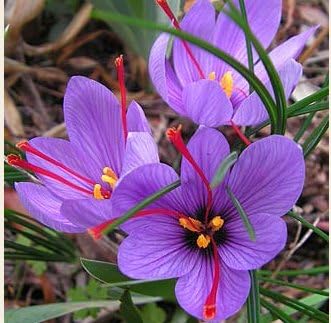
Saffron spice is the bright red stigma at the center of the Saffron Crocus Flower (Crocus sativus). As there are only 3 stigmas per flower, it takes many many flowers to supply the world with Saffron. In addition, the flowers’ stigmas don’t last long, and Saffron stigmas are so delicate that they must be harvested and dried by hand making the crop very labor intensive. These factors all contribute to Saffron being the most prized and expensive spice in the world, sometimes worth more than its weight in gold!
But did you know Saffron will grow in Texas? This fall I will be growing Saffron, if you want to join me I’d like to share my research and hear from you if you do too! Saffron bulbs generally must be ordered and are shipping now to our growing zone (I ordered mine from American Meadows). In our zone/frost date, bulbs need to be planted by the end of September at the latest (6-8 weeks before first frost). You can plant in ground, raised beds or even in pots! Crocus do not like very moist soil or heavy clay, they need lots of sunlight and very good drainage. Crocus plants are small, only 4-6 inches tall at maturity, and produce 1 flower per bulb. For a very full display you can plant as many as 12 bulbs per square foot! You’ll plant bulbs 2 inches deep, pointy side up, and water thoroughly afterward to remove air pockets. If the soil is poor, you can add bone meal at planting.
Bulbs will bloom in 6-8 weeks but can take longer or arrive in as little as 4 weeks. Keep a watchful eye, because as soon as the flowers open, you need to be ready to harvest those stigmas! Grab some tweezers and delicately remove the 3 bright red stigmas from the center of the flower while the flower is fresh. The stigmas can be used while fresh, or you can dry them for later use. To dry, spread the stigmas on a paper towel where they don’t touch, and leave in a warm dry place out of direct sunlight for a few days. Once dry, store in airtight containers in a cool dark place.
Note that only the stigmas are edible. Do NOT consume any other part of the plant, as crocuses are toxic. This is also why buying these bulbs from a reputable nursery is important, as only Saffron Crocus produces an edible part. After the foliage has completely died back, the bulbs are dormant until next fall and can be gently dug up if needed. During the dormancy period, reduce watering to no more than once every 15 days to reduce fungi growth. As a native to the mediterranean and middle east, it is the increase in watering that breaks the dormancy cycle for blooming. Happy growing!
| |
 | |
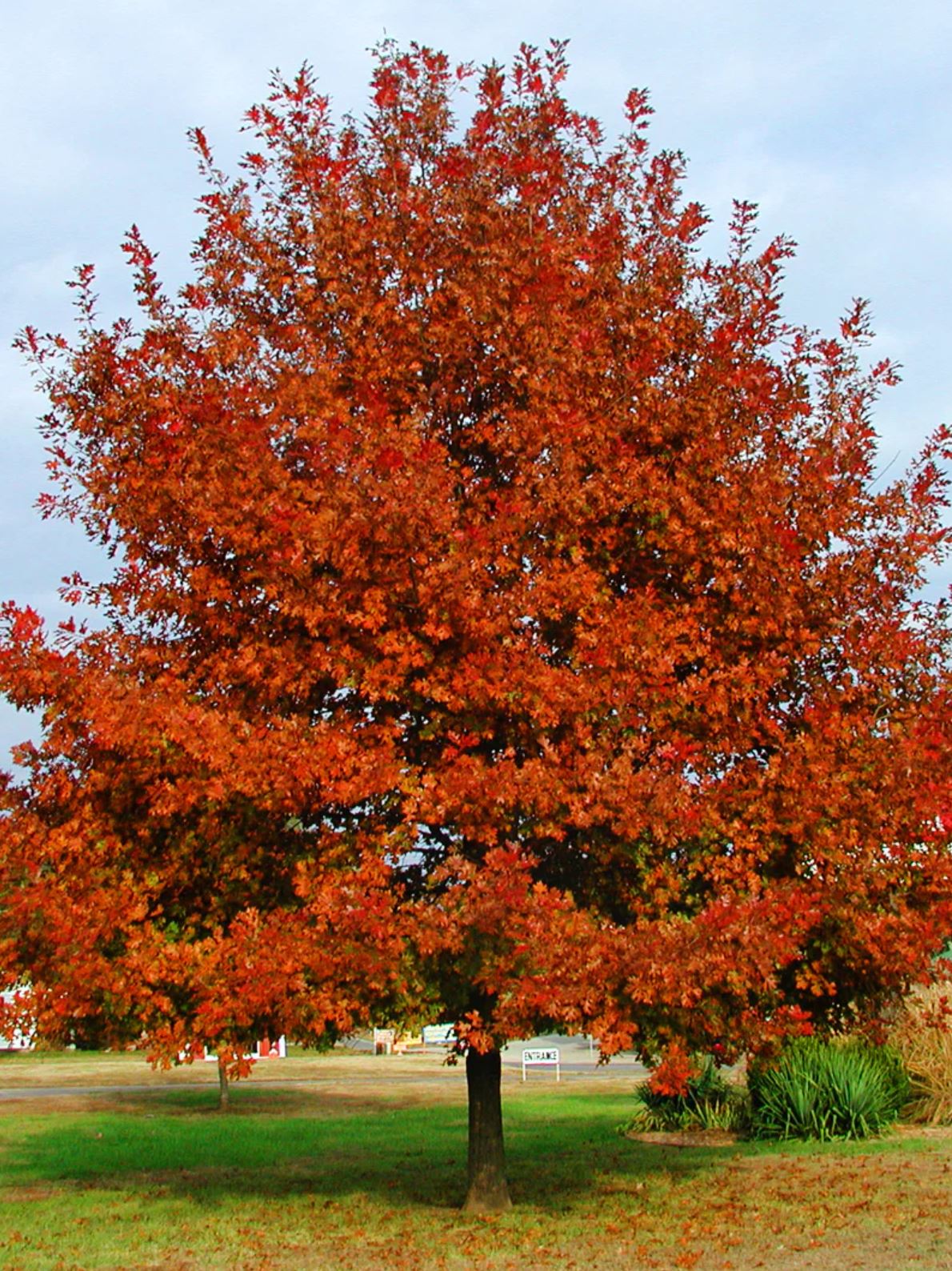
Shumi, Shuuummi…the breeze gently sang to the old mother oak tree. Shumi’s leaves rustled a soft hello in return as she lifted her branches to the late summer sun and soaked up the warm rays. Shumi is a Shumard Oak and is the largest and oldest tree in the neighborhood. She towers 50-feet tall, and her canopy shades the beautiful gardens below her and the many animals and insects who dwell amongst them.
For forty years, Shumi has seen the summers pass into falls and felt the winters as they ran their course. She has joyously celebrated spring when her new leaves emerge, and her young acorns start to grow strong. Over these years, she has made many friends and provided shelter for many families. Bird nests are neatly hidden amongst her sheltering branches. And Shumi recalls, just this summer, the family of blue jays whose fledglings flittered about the treetop as they found the strength in their wings and then launched into the blue sky above. It was the same with the robins, and the doves, and many others. Squirrels have happily cavorted in her branches all summer as they collect acorns, their favorite food. Shumi gladly shares with them as there are plenty of acorns for the squirrels, and the birds, and all the animals who eat them. Some acorns will drop to the soft, moist soil, and one day, become young oak trees. For acorns house the seeds of the old mother oak, and once they fall and snuggle deeply into the soil, or perhaps are buried there by a busy squirrel, they will develop roots and sprout from the ground as young seedlings.
Shummmi. Shhhhummi! There is a sense of urgency in the breeze’s call now. And Shumi knows why. Since she has felt the seasons pass for forty years, she recognizes the coming of fall. The days fade into darkness sooner, and the breeze becomes chillier. And today, the breeze is reminding her that it is almost time: time to shed her acorns; time to prepare for the cold winter.
As the days shorten, and there is less sunlight, Shumi dons her glorious autumn attire. The green fades from her leaves, and they turn the bright colors of gold, red, and orange. And soon, these beautiful leaves will begin to drift to the ground, and Shumi will store the nutrients she needs for the winter in her branches. She will also drop many of her acorns. Some will be food for the animals who seek shelter amongst her branches, while others will sprout oak seedlings in the spring.
So, summer has passed, and fall will too. Winter will come, and Shumi will settle in and dream of the blue jays, the robins, and the doves. She will think of the squirrels scurrying under her broad canopy. And she will wait patiently for spring.
Learning Questions
What kind of tree is Shumi?
Why is Shumi special to birds and animals?
Why do Shumi’s leaves change color in the fall?
Try these Crafty Ideas!
| |
Five Minutes to Dandelion | | |
|
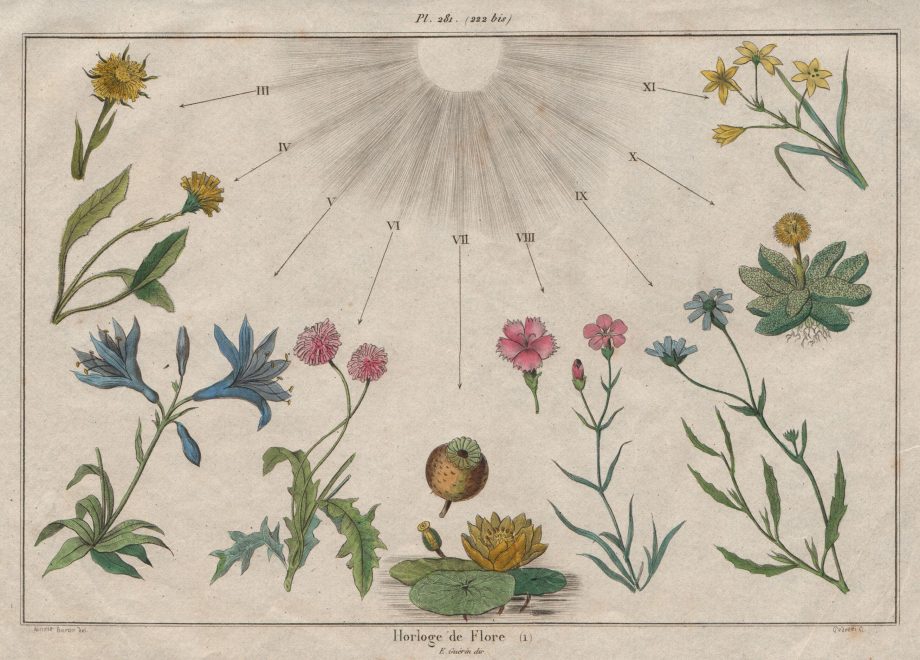
In 1751 the Swedish botanist, Carolus Linnaeus, proposed a concept called the horologium florae (flower clock). Doctor Linnaeus thought it was possible to build a 12-hour clock out of planted flora. Certain flowers have a particularly strong circadian rhythm and open and close their petals at the same time every day. Linnaeus created a list of flowers that exhibited this quality and organized them to mark the passing of the hours. He published his ideas in Philosophia Botanica, and listed as many as 46 plants, sometimes known as “dial flowers”, that could be used in the making of a flower clock garden. Many of the plants are what we might politely call wildflowers if not weeds. Due to varying conditions such as weather, seasonal changes, and differences in daylight based on latitude, Linnaeus never successfully completed a flower clock, but the idea has been attempted by several botanical gardens with mixed success.
| | |
|
|
The Extension Master Gardener program is focused on educating and providing research-based horticultural information to the community. This summer we spent time with Rockwall's youth, adult and senior populations:
Ask a Master Gardener Hotline & Library Help Desk
Lakeshore and AvilaCare Assisted Living and Memory Care
Homeschool Worm Compost Class
Rockwall Farmers Market
Homeschool Pollinator Class
Water Conservation Program
Culinary Herbs Program
Soar Summer Camp
Let's Grow Pumpkins Youth Library Class
| |
| Fall is the optimal time to plant trees in North Texas. | | | |
In our last issue we asked how much water is needed each week to maintain North Texas lawns during the summer. The answer is 1 inch of water per week is all that is needed to maintain our summer lawns. 45% of survey takes answered correctly! Learn more here. | |
|
Master SNAPS!
Photos from Rockwall County Extension Master Gardeners
| |
|
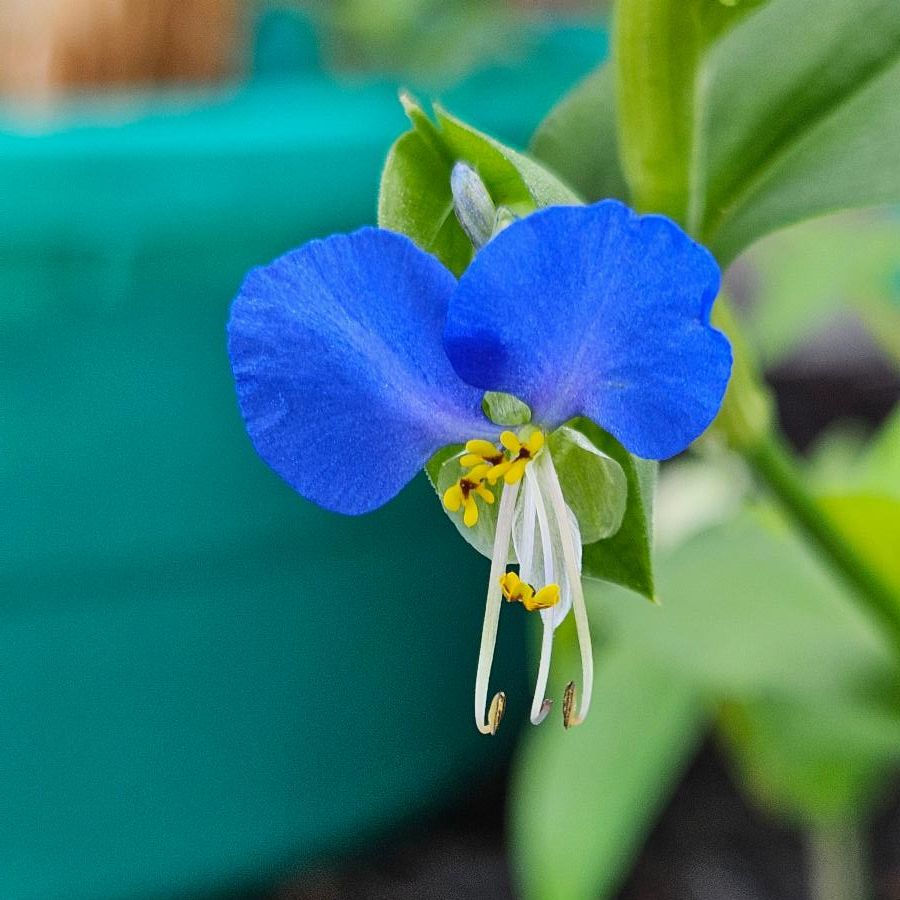
Asiatic Dayflower, aka Spiderwort.
-Viveca D.
| |
|
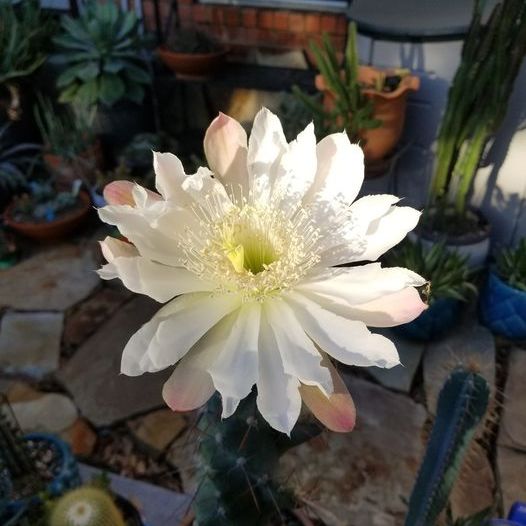
Night blooming cactus:
Cereus forbesii 'Spiralis'
(Spiral Peruvian Apple)
-Randy C.
| |
|
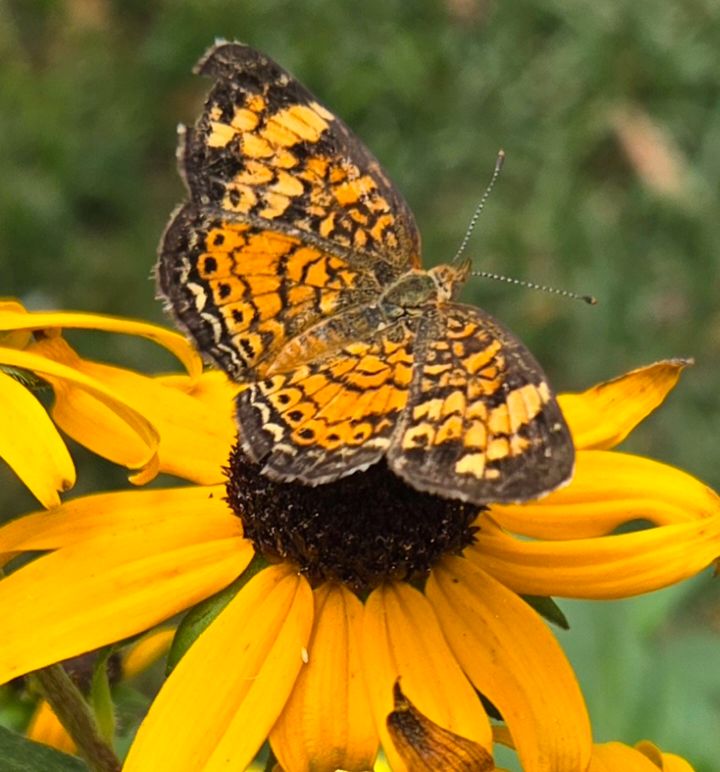
Crescent butterfly.
- Melissa M.
| |
Please take our short survey to help improve our educational outreach. | |
EnviroSmart is published by: Rockwall County Master Gardener Association part of Texas A&M AgriLife Extension Service, the Texas A&M University System. The information given herein is for education purposes only. Reference to commercial products or trade names is made with the understanding that no discrimination is intended and no endorsement by Texas A&M AgriLife Extension is implied. | | |
|
Todd Williams - County Extension Agent
Ag/ Natural Resources
972-204-7660
tk-williams@tamu.edu
Texas A&M AgriLife Extension provides equal opportunities in its programs and employment to all persons, regardless of race, color, sex, religion, national origin, disability, age, genetic information, veteran status, sexual orientation or gender identity. The Texas A&M University System, U.S. Department of Agriculture, and the County of Commissioners Courts of Texas Cooperating.
| | | | |