IT'S THE HEALTHY LIVING ISSUE
March is Nutrition Month and this year the theme
is 'Unlock the Potential of Food'.

For those living with celiac disease, literature shows that a gluten-free diet (GFD) is often lower in fibre, vitamins and minerals and higher in fat, sugar and salt. Read more to find out how to maximize your nutritional benefits.
Make every bite count
Pre-packed foods are common on the GFD and tend to be higher in salt, fat and sugar. Here are some tips to ensure that each bite gives you the best nutrient bang for your buck!

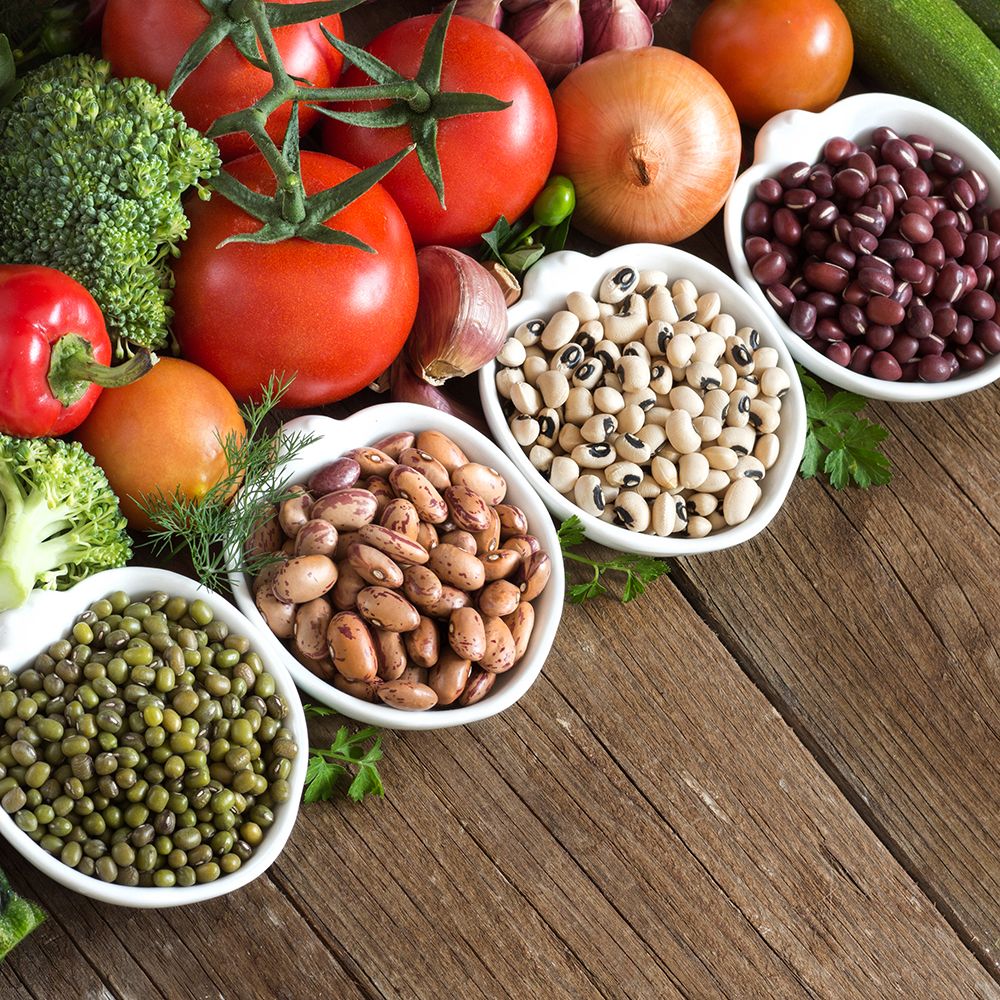
  1. Choose protein foods that come from plants every day. Plant-based proteins provide more fibre and less saturated fat that other types of protein.
  2. Eat whole foods and avoid highly processed foods. By consuming a whole foods diet, you will get more nutrients and fibre with each bite.
  3. Choose dark green leafy vegetables every day. Dark green leafy vegetables can help you get enough folate and calcium
  4. Eat orange vegetables a few times per week. Orange vegetables can help you get enough vitamin A.
  5. Choose whole grains, not refined grains. Consuming a diet rich in whole grains that are higher in fibre can help lower your risk for stroke, colon cancer, heart disease and type 2 diabetes.
Fibre benefits
The GFD is often low in fibre. Getting enough fibre is important.
How much fibre do I need?
Adults aged 19-50 require between 25-38g of fibre, females and males respectfully. Children and older adults require lower levels.

What is fibre?
Dietary fibre is the part of plant foods that your body cannot digest or absorb. Fiber comes in two forms, soluble and insoluble.

Where do I find fibre in a GFD?
Fibre is found in fruits and vegetables, whole grains, legumes, nuts and seeds. There are plenty of fibre options available on a GFD. Aim for 50% of your plate to be fruits and veg, and choose plant based proteins more often, like lentils and chickpeas.

How does fibre benefit my overall health?
Eating foods high in fibre can help promote a healthy digestive system and lower your risk for colon cancer. In addition, a diet with adequate fibre intake lowers your risk for heart disease and type 2 diabetes. It can also help to manage diverticulosis and constipation.

Check out this short video on fibre!
Fats explained
Research tells us that the GFD is high in fat. Fats are important, but they are not all created equally. Choosing foods that contain healthy fats instead of those high in saturated fats can help lower your risk of heart disease.
Unsaturated fats
This type of fat is considered beneficial, as it can lower blood cholesterol levels. Unsaturated fats are found in plant items and fatty fish.

Tip: Choose foods high in omega-3 fats, such as salmon, flaxseed and walnuts.
Saturated fats
This type of fat contributes to an increased risk of heart disease and is primarily found in meat, lard, tropical oils and dairy products.

Tip: Choose white meat poultry, rather than dark meat. Avoid eating the skin.
Trans fats
This type of fat is found in some animal products and can be industrially produced. Trans fats increase your risk for heart disease.

Tip: Reduce consumption of commercially deep fried food items.
To learn more about living a healthy gluten-free life click HERE
Sponsored by GoGo Quinoa
Getting Started on the GF Diet

This free webinar has been developed for newly diagnosed Canadians with celiac disease or gluten sensitivity who want to build their confidence in managing their own disease or that of a family member or friend. It’s an interactive session so bring your questions!

Upcoming sessions:
March 6, 7pm ET
April 16th, 4pm ET
May 17th, 7pm ET
June 19th, 7pm ET
Better Living Gluten Free is a bi-monthly electronic publication of Celiac Canada.
Copyright 2023 © Celiac Canada
If you have any questions, please contact info@celiac.ca 

The contents of Better Living Gluten Free (BLGF) are provided in good faith, for information purposes only, and using the most current information available subject to amendment and should not be used as a substitute for the advice of a qualified health professional. The Professional Advisory Board of Celiac Canada (the “CCA”) has not reviewed the contents of BLGF. Use of the information is at your own risk. The CCA does not endorse any product referenced in BLGF. To the fullest extent permitted by law, the CCA, its local Chapters and all persons involved in compiling this publication disclaim any responsibility for, and make no representations or warranties regarding, the information provided. In no event will the CCA, its Chapters, or those persons involved in compiling this publication be liable for any damages of any kind resulting from the use of the information. Please review the CCA’s disclaimer policy on its website at https://www.celiac.ca/privacy-policy/