|
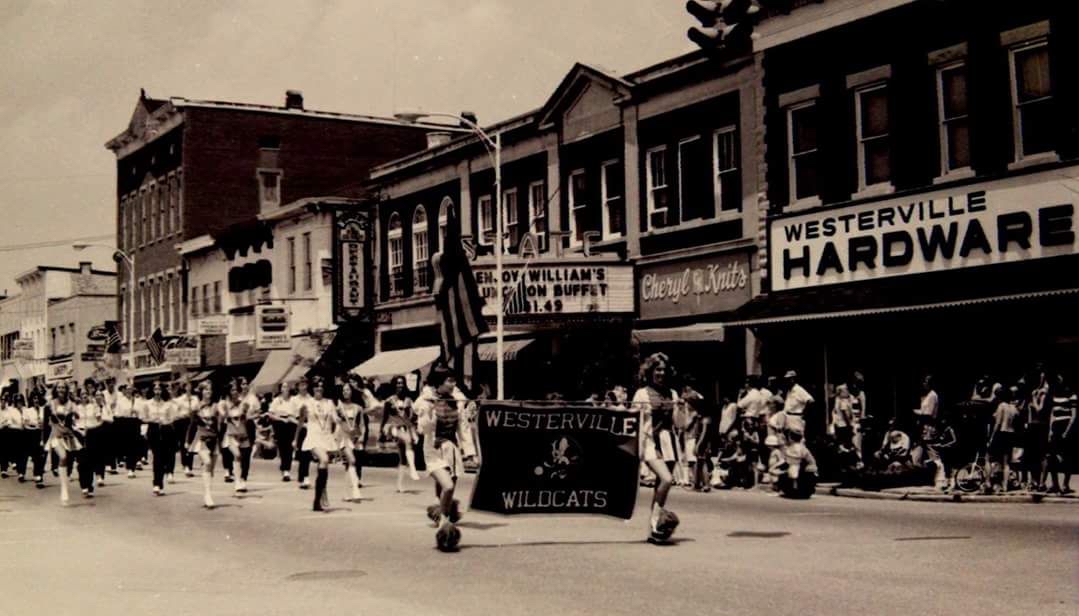
If you grew up in Westerville around 1970, State Street was more than simply the main road through town. In many ways, State Street was Westerville.
Take a trip back in your memory for a moment.
Long before GPS, cell phones and shopping on the Internet, State Street was where much of everyday life happened. It was where you went to shop, grab something to eat, see a movie, meet friends—or sometimes just drive around with nowhere in particular to go.
For teenagers, having a driver’s license suddenly made Westerville seem like a much bigger place. A car, a few dollars for gas and a couple of friends were often all you needed for an evening’s entertainment.
Uptown Westerville
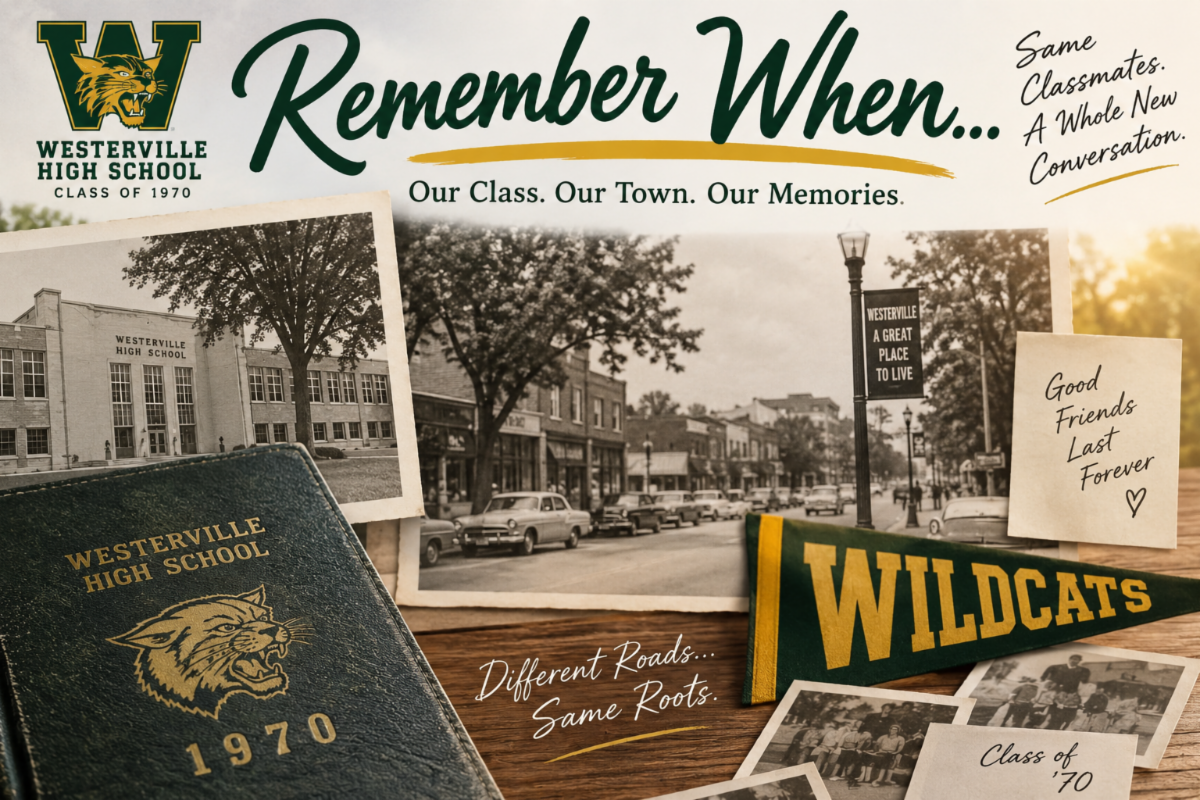
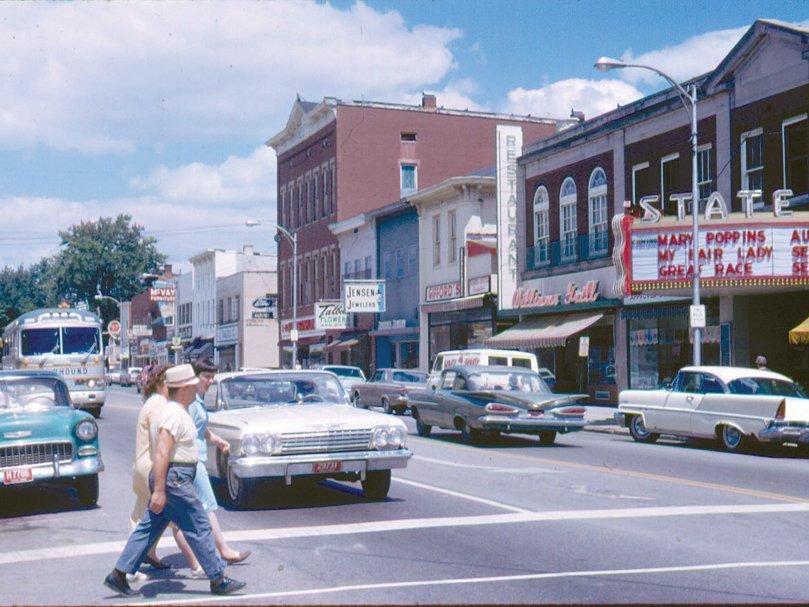
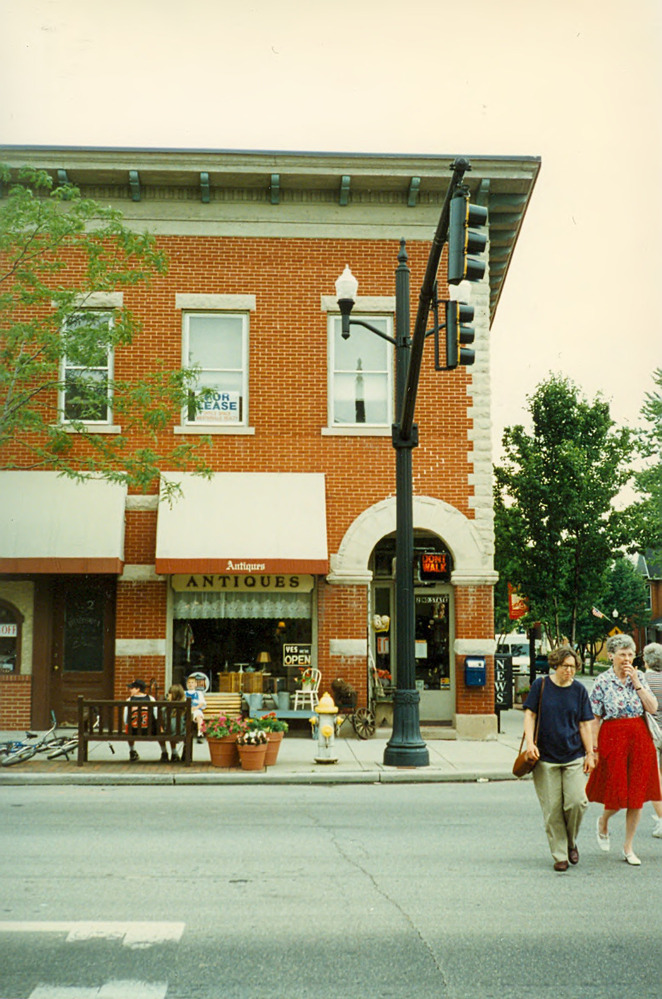
Heading along State Street brought you through the heart of Uptown. The buildings stood close to the sidewalk, businesses occupied their familiar storefronts, and there was a good chance that when you walked down the street you would see somebody you knew.
That wasn’t surprising. Westerville was still a relatively small community.
The population had been only 7,011 when Westerville officially became a city in 1961. By 1970, however, it had grown to 12,530 residents. New homes and subdivisions were appearing, and the enormous residential growth that would transform Westerville during the 1970s and 1980s was just beginning.
Those of us who were teenagers at the time probably weren’t paying much attention to population statistics. To us, it was simply home.
Remember the State Theatre?
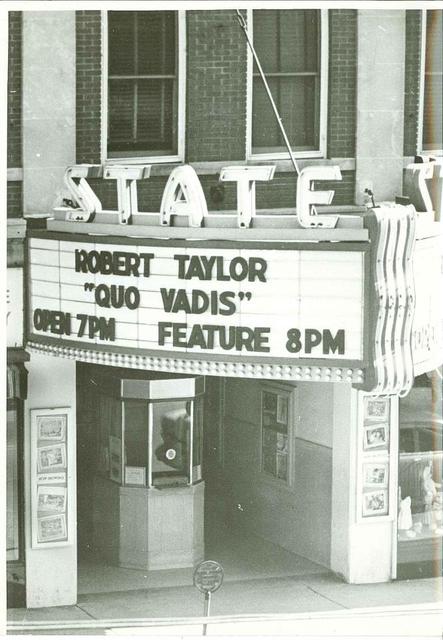
One of the most recognizable sights along State Street was the marquee of the State Theatre at 8 North State Street.
The theater had opened in 1927 and entertained generations of Westerville residents. It began during the silent-film era, later made the transition to talking pictures and remained a Westerville landmark for decades.
And in 1970, you could still go there to see a movie.
Think about that for a moment. Before multiplex theaters with a dozen screens, streaming movies at home and hundreds of television channels, a trip to the local movie theater really was an event.
The State Theatre would finally close in 1974, but for those of us who grew up in Westerville, that marquee remains one of those images that can instantly take you back.
The Road Through Town
State Street also carried considerably more history than most of us probably realized.
It was part of the old 3-C Highway—the route connecting Cleveland, Columbus and Cincinnati. Before the interstate highway system changed the way people traveled through Ohio, State Street helped carry travelers right through the center of Westerville.
By the 1960s and ’70s, things were changing. The automobile had become central to American life, Interstate 270 was reshaping travel around Columbus, and development was beginning to spread south along State Street. Much of the South State Street corridor familiar to later generations developed during this period.
Westerville was changing from a small town into a growing Columbus suburb.
We were growing up at almost exactly the same time.
The Westerville We Remember
Of course, memories of State Street aren’t really about roads and buildings.
They’re about people.
They’re about getting together with friends after school. Friday nights. First cars. First dates. Stopping somewhere for something to eat. Going to the movies. Driving around because you had a driver’s license and, quite frankly, driving around was something to do.
Maybe you remember sitting at a traffic light and recognizing the car next to you.
Maybe you remember walking into a store and knowing the person behind the counter.
Or maybe you remember your parents telling you exactly what time you were supposed to be home—and discovering that being five minutes late was apparently a much bigger offense in 1970 than you had anticipated.
Those are the things that don’t appear in history books.
A Town About to Change
Looking back, 1970 was something of a dividing line for Westerville.
The small community many of us had known as children was beginning to disappear. Housing construction accelerated throughout the 1970s. Westerville North High School would open in 1975, giving the community a second high school. By 1980, Westerville’s population would be approaching 23,000.
But in 1970, much of the old Westerville was still there.
State Street remained its backbone.
More than half a century has now passed. Businesses have come and gone. Buildings have changed. Traffic has certainly changed. And the Westerville of today is considerably larger than the town we knew.
But memories have a funny way of preserving a place.
So take one more imaginary drive down State Street.
Turn the radio on. Roll down the window. You’re 17 or 18 years old again. Somewhere ahead of you is a car filled with people you know, and you have absolutely no idea where you’ll all be fifty years from now.
For the moment, it doesn’t matter.
It’s 1970, you’re in Westerville, and the whole world is still ahead of you.
|