|
Cancer News Digest, January 2026
Visit our website
CFC #11967
| |
"Eat Real Food? Yes, but Some Real Food Can Kill You!"
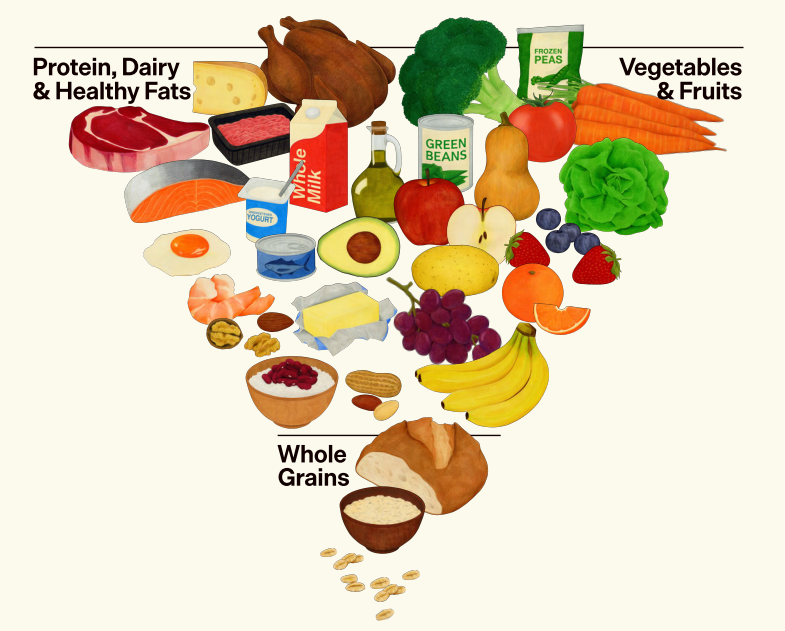
In a new commentary for The Well News, CPTF President and Founder Dr. Diana Zuckerman warns that while the government’s new dietary guide contains some helpful information, the accompanying new food pyramid illustration offers advice that could actually be deadly.
This upside-down pyramid graphic suggests steak should be consumed as frequently as broccoli, tomatoes, and carrots (also on the top of the drawing) and more often than the foods placed lower on the pyramid, such as salmon, apples, oranges, avocados, and bananas. This contradicts overwhelming research evidence that frequent red meat consumption results in shorter lifespans, increased cancer rates, and heart disease, whereas fruits and vegetables help people live longer and healthier lives.
The commentary provides the example of the proven benefits of the Mediterranean diet, which emphasizes olive oil and other plant-based fats, fish, and limited red meat to live longer. Read the commentary to understand why following this new pyramid's advice instead of scientific evidence could harm your health
She also criticized the dietary guidelines' major shift in alcohol advice, completely removing the specific daily limits that Americans have followed for years. Previously, the government defined "moderate" drinking as up to one drink a day for women and two for men, and recommended not exceeding those levels. Even moderate alcohol consumption increases the chances of developing several types of cancer. The 2026 guidelines instead recommend vaguely to "consume less alcohol for better health," without specifying exactly what a safe amount looks like for the average person. Dr. Oz praised the value of alcohol as a "social lubricant." Unfortunately, many "social drinkers" are unaware that they are drinking more than is healthy.
Read Dr. Zuckerman's commentary in The Well News here.
| |
Want To Live Forever?
The “longevity” industry is selling the unproven promise of longer, healthier lives, and it isn't cheap. At a major conference in Las Vegas, clinics and influencers promoted therapies like ozone blood infusions, NAD+ drips, hyperbaric oxygen chambers, and expensive dietary supplements. However, none of these treatments has been proven to slow aging or prevent disease.
Investment in longevity companies has increased, and hundreds of clinics across the U.S. are charging customers thousands of dollars per visit. Because the FDA does not classify aging as a disease, it does not require evidence that these products are safe or effective. This allows clinics to sell experimental therapies with few limits.
This lack of evidence puts patients at risk. Personal stories can be misleading and should not replace real science. Dr. Zuckerman told The Washington Post why so many people are fooled: "You’ve spent all this money, you want to feel some benefit has accrued, so you really believe that you feel better,” adding that “there are costs for all these things,” even when benefits are uncertain. As friends of the White House push to loosen rules around experimental treatments, patient and consumer advocates say stronger evidence and clearer protections are needed to keep people safe.
Read The Washington Post article about these products here.
| We're Speaking Out For You |
Our Testimony to FDA on ZYN
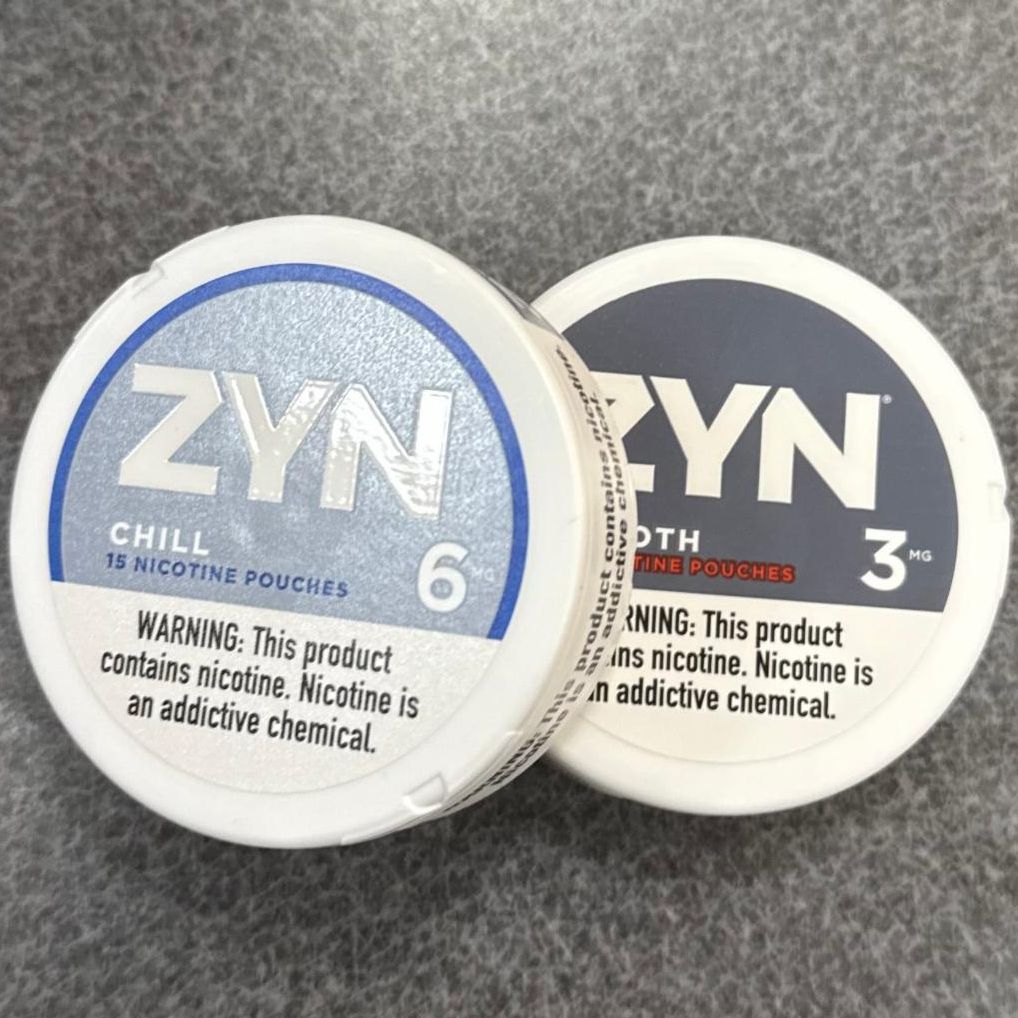
CPTF’s Postdoctoral Fellow Dr. Akashleena Mallick testified before the FDA to oppose the "modified risk" authorization for ZYN nicotine pouches, explaining that the product fails to demonstrate a clear benefit to public health. Her testimony highlighted a critical gap between theTobacco company's claims of "modified risk" and medical reality: there are currently no long-term data proving ZYN reduces the risk of cancer or heart disease for U.S. residents overall compared to smoking. The nicotine makes ZYN as addictive as smoking, and many ZYN users also smoke.
The FDA regulates whether a tobacco or nicotine product can claim to be safer than cigarettes. Companies use that claim to increase sales. Here's why this claim for ZYN would endanger youth safety: Dr. Mallick cited research showing that even without the "modified risk" claim, half a million middle and high school students have used ZYN in the last month. In addition, data from U.S. Poison Control Centers show there was a 760% rise in pediatric nicotine pouch ingestions over just three years, with most cases involving children under the age of five.
With aggressive marketing tactics that target children and teens with concert tickets and other rewards, Dr. Mallick urged the FDA to reject the authorization, noting that these products (like Juul before them) are fueling a new nicotine epidemic rather than helping smokers quit.
Read her testimony on the CPTF website here.
|
Vaccine Panel Chair Says "Right to Refuse" Outweighs Public Health
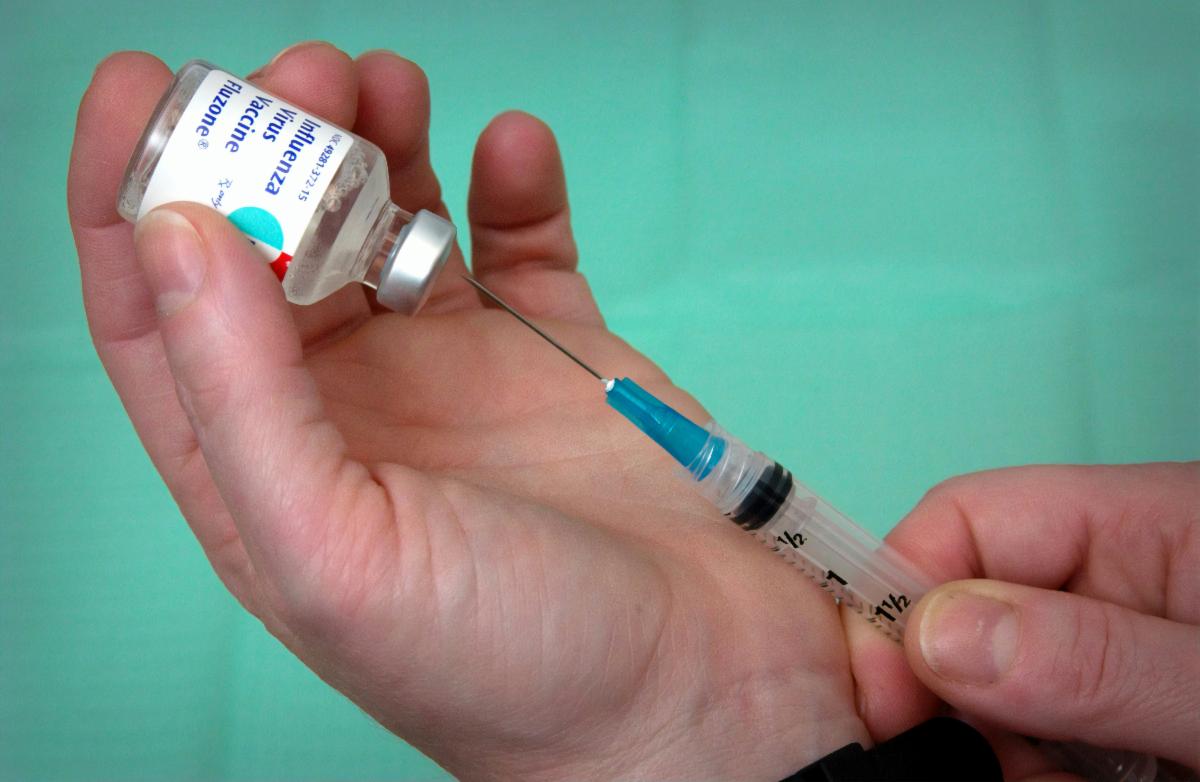
Dr. Kirk Milhoan, the Chair of the U.S. Advisory Committee on Immunization Practices (ACIP), recently told a podcaster that all vaccines—including the polio vaccine and the HPV vaccine to prevent cancer—should be optional because a person's right to refuse a vaccine should outweigh any concerns about illness or death from infectious diseases.
This view dangerously expands what was originally a progressive concept of medical care known as "shared decision-making." This framework was designed to assist patients in making difficult medical personal decisions about whether a treatment was worthwhile for them, weighing potential side effects against likely benefits. Expanding this concept to include vaccines is dangerous because the decision to refuse a vaccine for an infectious disease affects all of us, not just the person making the choice. Fewer vaccinated children and adults can be especially dangerous for cancer patients with weakened immune systems. That's why having all patients rely on experts' guidelines is so important.
Listen to Dr. Milhoan on the "Why Should I Trust You?" podcast here.
|
Will Health Programs Shut Down This Weekend Because of ICE Killings in Minneapolis?
Senate Democrats are ready to speed up the passage of 5 appropriations bills to avoid a shutdown of the National Cancer Institute and other health agencies, but will not support the funding for the Department of Homeland Security until changes are made.
Twelve appropriations bills that provide money to keep 12 government agencies running. Six already passed, but the remaining 6 agencies will shut down if their bills are not passed by January 30: Health/Education/Labor, Defense, Homeland Security, Transportation/Housing, State Department, and Financial Services.
The Senate needs 60 votes to pass these 6 bills, which requires Democrats and Republicans. Democrats have refused support for the Homeland Security agencies because of the killings and other violent actions of ICE in Minnesota and other States.
The House of Representatives already passed all 6 bills and recessed for the week, but Democrats in the Senate promised to block them unless the Homeland Security (DHS) funding is removed or revised. Revising the DHS funding bill this week is probably not feasible since the House is away. If the Senate passes the 5 other bills, it would pay for almost all government services—including cancer research and other important health programs—and prevent a government shutdown. ICE would still be funded because of extra funding passed by the Republicans in Congress last year.
Read more in THE HILL article here.
|
Having Trouble Getting Sleep?
Many Americans, and especially cancer patients and their family members, don't get as much sleep as they need. Our new web article gives easy-to-use advice that will help you whether you have trouble sleeping most nights or only occasionally. Sleeping pills are rarely a good choice, because on average they only add a few more minutes of sleep, they often leave you groggy in the morning, and they have long-term risks that can include memory problems and eventually developing dementia.
Fortunately, there are many things you can easily do to help you fall asleep and stay asleep. Did you know that what you eat can determine how you sleep? One study of more than 400 women found that those following a healthy, Mediterranean-style diet had 30% fewer sleep problems. Research also found that women who take longer to fall asleep consume over 400 more calories per day, particularly from sugar and saturated fats.
Our article explains which foods can help you get better sleep, other habits that can help you sleep and those that will keep you awake, timing your exercise, and how to quiet an active mind that is keeping you awake.
Read our new article here.
| | |
Check us out!
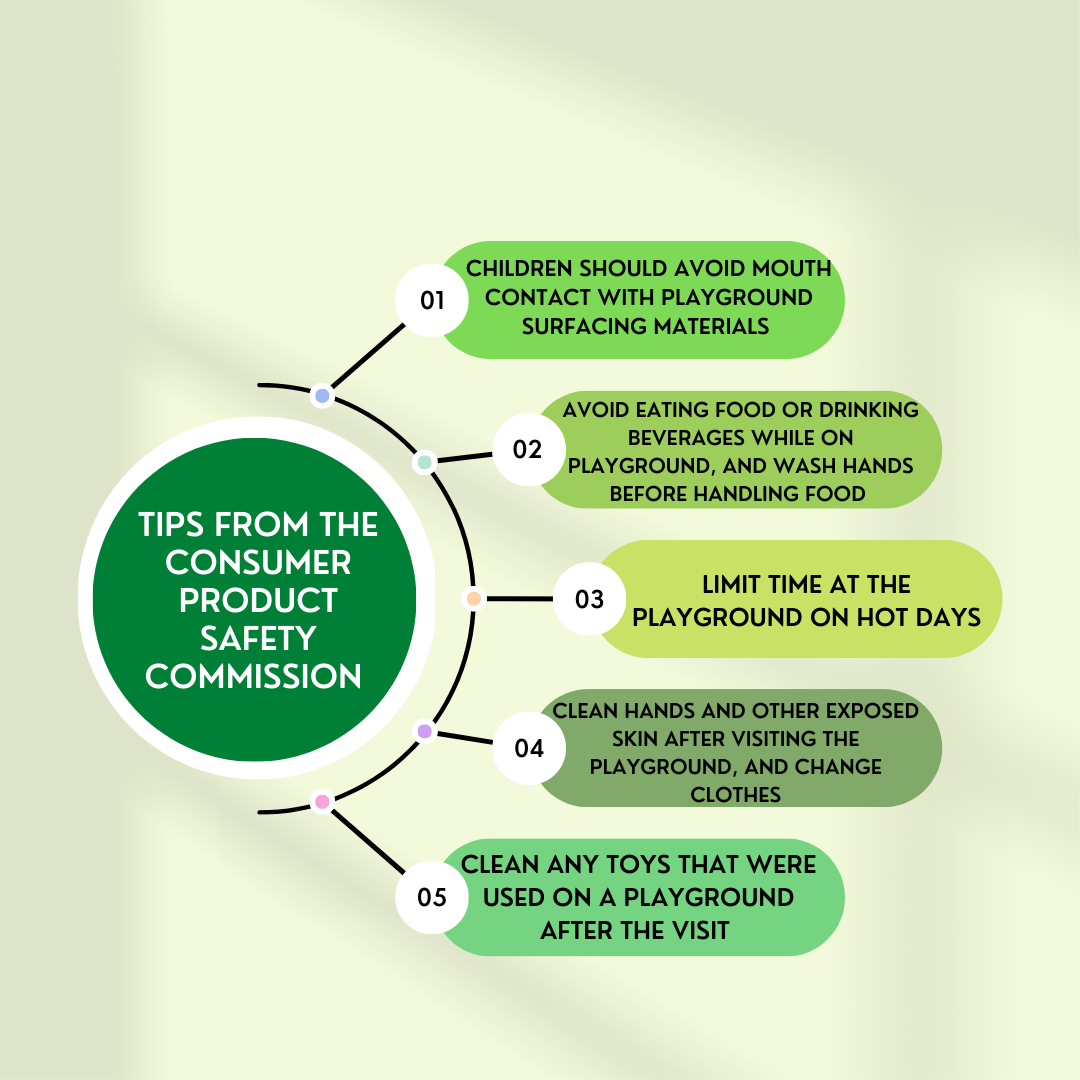
Did you know that artificial turf, rubber playground surfaces, and rubber mulch contain chemicals that can cause attention problems, obesity, early puberty, asthma, and cancer? Are your children or grandchildren getting exposed when they play? Follow us @safe.to.play
| Our main Instagram account and Threads provide free information about new medical research, programs, and policies to help health experts, patients, and the public improve the health of individuals and communities. Follow us @healthresearch4u | |
| Connect With Us on Our Other Social Media! | | |
Your Contribution Can Make a Difference
We do not accept any funding from drug companies, device companies, chemical companies, or other sources that could influence our work and compromise our integrity. That's why so many people turn to us when they need help. Donations of any size are greatly appreciated (and tax deductible.)
Please consider giving to the Cancer Prevention and Treatment Fund online or by mail to the address below.
| |
To sign up for these monthly updates, click here.
| |
Cancer Prevention and Treatment Fund | 1001 Connecticut Ave NW, Suite 1100
CFC# 11967
| | | | |