Capitol Update: Quick highlights of health care issues discussed during the first week of the 2026 Florida Legislative Session.
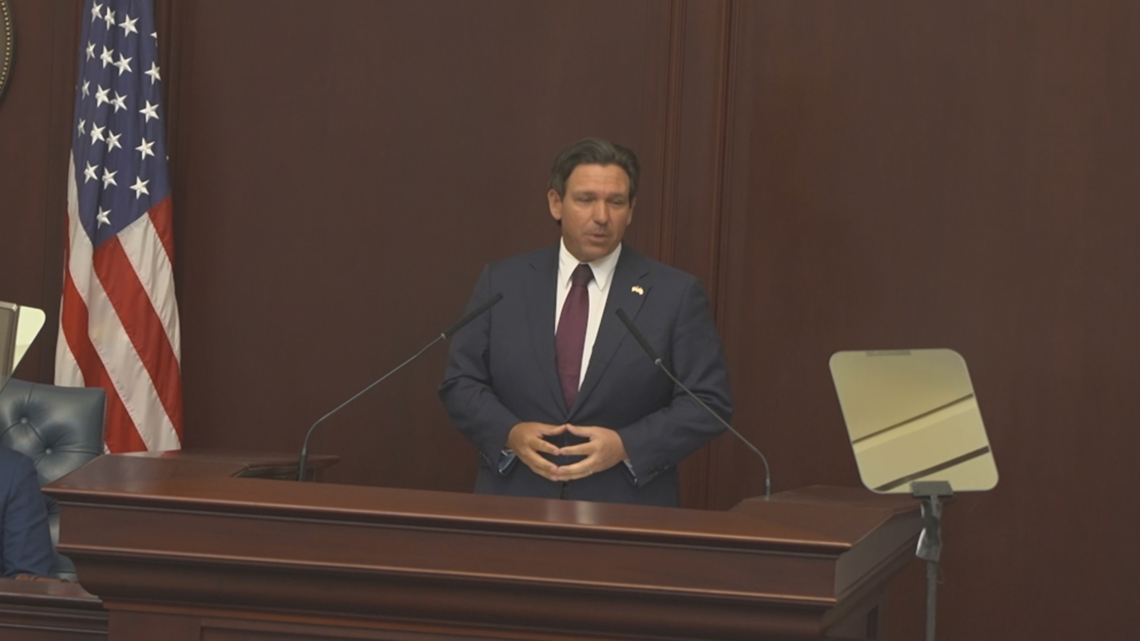
Note: Tuesday marked opening day, with the State of the State address by the Governor and opening remarks by the Speaker and Senate President, setting the tone of each Chamber's priorities.
More details below in NEWS section.
➡️The following bills received successful passage in one Chamber: HOUSE
Note bills would still need successful passage in Senate
Strengthen nursing education program accountability by revising application and reporting requirements, imposing stricter standards for approval and compliance, and removing certain accreditation extensions.
Removes the statutory bar preventing adult children and parents of an adult child from recovering damages in medical negligence wrongful death cases (pain & suffering/non-economic damages).
Expand wrongful death actions to include unborn children while limiting liability for mothers and healthcare providers and specifying recoverable damages for parents.
Adding parents of an unborn child as survivors and defining 'unborn child.'
Prohibits wrongful death actions against the mother or health care providers for lawful care provided in compliance with the applicable standard of care.
Raises sovereign immunity caps in multiple phases, reaching as high as $600,000 per individual claim and $1.2 million per incident after October 1, 2031.
Shortens from 3 years to 18 months the timeframe for presenting tort claims to an agency and reduces the statute of limitations for negligence suits from 4 years to 2 years.
➡️The following bills received successful passage in one Chamber: SENATE
Note bills would still need successful passage in House
The bill addresses rural Florida and specific to health care it expands Florida Reimbursement Assistance for Medical Education Program (FRAME). The FRAME program offers student loan reimbursement to various health care practitioners to offset their loans and educational expenses to entice them to practice in underserved locations where there are practitioner shortages.
SB 250 allows doctors who are board certified in emergency medicine and employed or under contract with a rural hospital or a rural emergency hospital to participate in the FRAME program.
➡️The following bills received successful passage in COMMITTEE this week
Establish new prescription drug reference pricing standards to lower costs and restrict insurance formulary changes.
Creates the Prescription Reduction Incentives and Competition Enhancement Act, requiring the Agency for Health Care Administration to contract with an entity to designate source countries and set reference prices for prescribed drugs based on international data.
Requires pharmacies to charge cash-paying customers no more than the established reference price for prescribed medications and compels drug manufacturers to report their international pricing data or face fines and potential permit suspension.
Prohibits pharmacy benefit managers (PBMs) from favoring affiliated manufacturers’ drugs when interchangeable generics or biosimilars are available, and disallows reimbursement practices that pay certain pharmacies less than affiliated ones.
Caps health insurer reimbursements at the reference price and directs any resulting savings to reduce premiums and cost sharing for consumers, with required annual reporting of compliance and financial impact.
Limits mid-year removal or reclassification of drugs in insurance and HMO formularies, ensuring stable coverage for enrollees except in narrow circumstances such as recalls or over-the-counter transitions.
Expand criminal penalties and authorize civil actions against health care practitioners who provide or support prohibited sex-reassignment prescriptions or procedures for minors.