November 27, 2023


Tomorrow is Giving Tuesday, a global day of generosity, and an opportunity to make a positive impact on the lives of farmworkers and their families. 


As the holiday season approaches, we may notice that many traditions are centered around sharing food with friends, family, and loved ones. This year as memories of the early COVID-19 pandemic food shortages slowly fade, we might take time to ask ourselves “where does my food come from?”


We are connected to those who grow our food. During the pandemic, our most basic needs came into sharp focus as much of the world sheltered in place while essential workers put themselves (and their families) at risk for the benefit of the rest. Farmworkers were among those labeled ‘essential workers’ who continued to labor each day despite personal risk, to put food on our tables.


For 25 years, the CRVFHP and our Partner Agencies have worked tirelessly to provide access to quality, community-based care for farmworkers and their families in the Connecticut River Valley and beyond. However, we need the support and generosity of individuals like you to reach our goals.


Please consider donating to the CRVFHP this Giving Tuesday. Your contribution, no matter the size, will go a long way in helping us continue our vital work.


We are incredibly grateful for your support and belief in our mission. Together, we can make a difference.

DONATE


Impact of Environmental Events on Farmworker Communities

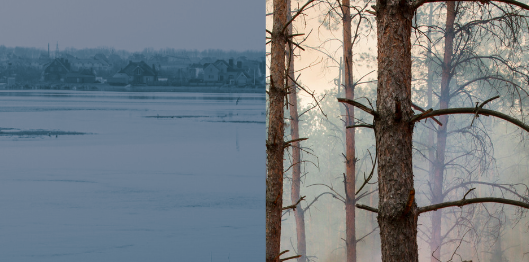
This summer, states in the Northeast grappled with a unique and concerning challenge – the convergence of wildfire smoke and flooding, both of which have significantly impacted farms and communities in Connecticut and Massachusetts. As climate change reshapes our environment, understanding and addressing these dual threats becomes increasingly important. 


Wildfire Smoke and its Toll on Agriculture

While the West has long been associated with devastating wildfires, the Northeast is now experiencing our own share of this crisis. This year, parts of Connecticut and Massachusetts witnessed the effects of wildfire smoke containing harmful pollutants, including particulate matter and toxic gases. These pollutants can drift for miles and settle on crops, contaminating them. This has potential health implications for consumers and the workers who tend to these crops. Exposure can lead to respiratory and cardiovascular issues, especially for those spending prolonged hours outdoors. 


Flooding, A Growing Concern 

Flooding, too, has become more frequent in the region due to changing weather patterns. Farms are especially vulnerable to the devastating effects of flooding, as they are often in low-lying areas near rivers or streams. Flood waters can erode soil, destroy crops, and damage infrastructure like irrigation systems and barns. Flooded fields can become breeding grounds for waterborne diseases that threaten crops and farmworkers. These disasters also impact productivity, reducing profits and can result in wage losses for farmworkers.


Farmworkers, The Unsung Heroes

Amid these challenges, it's crucial to recognize the resilience of farmworkers who continue to work tirelessly to ensure a stable food supply. These unsung heroes often work in harsh conditions, facing both immediate risks from smoke inhalation and long-term health issues due to repeated exposure. 


Efforts are underway to address these issues. Some farm owners are adopting advanced irrigation techniques to mitigate the impacts of drought and flood, while also exploring ways to protect crops from the damaging effects of wildfire smoke.


Our Response

We, and our Partner Agencies, work closely with farm owners, and farmworkers to address these challenges through ongoing communication, outreach, health education, emergency preparedness efforts, provision of PPE and supplies, and increasing access to primary care services. Raising awareness about the health risks and resources is a crucial part of our work. With the effects of climate change growing, this is sure to be an issue that will require increased attention and a strategic response for the foreseeable future.

Grateful for Valley's Agricultural Workers

by Jeanne Allen, CRVFHP Advisory Council Member -

A Letter to the Editor, Daily Hampshire Gazette; Click here to read.

Volunteer Inspires Us to "Make a Difference Through Small Actions"

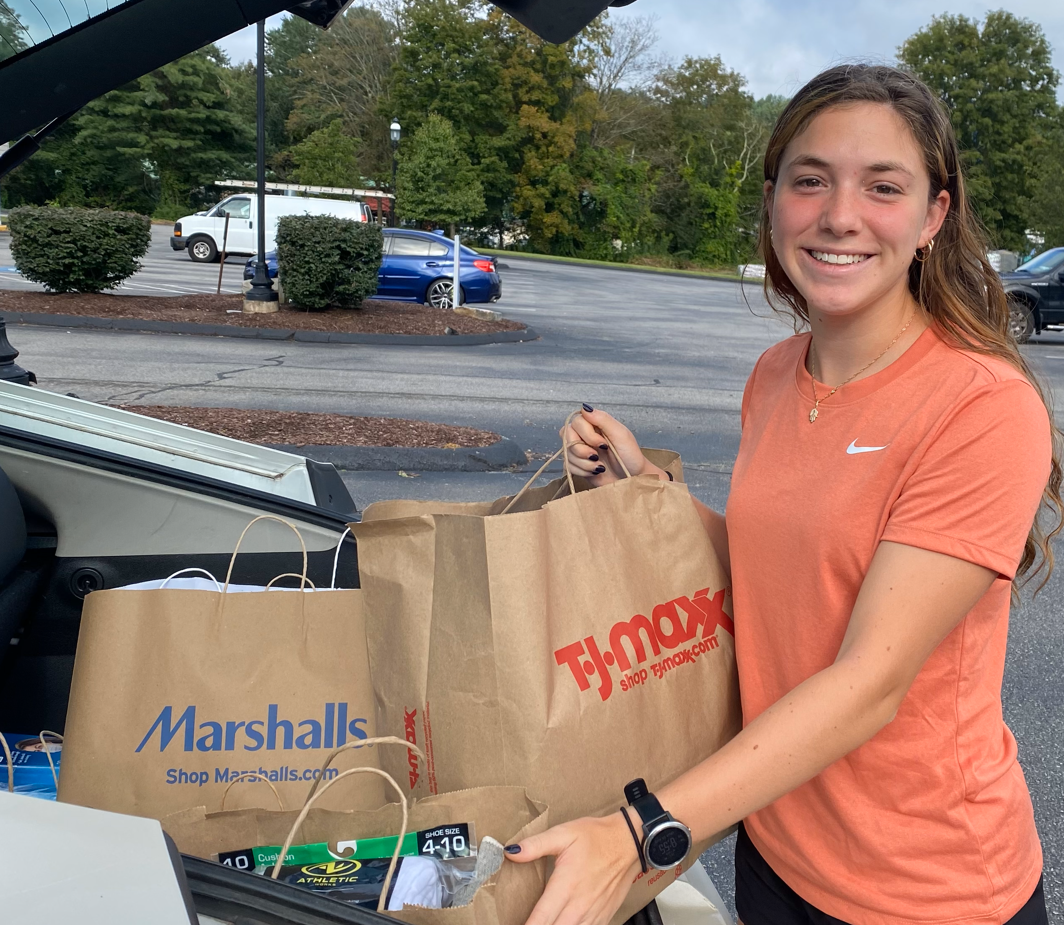
We are thrilled to share the incredible contributions of Kaila Lujambio, a volunteer dedicated to serving farmworker communities since 2019. When the COVID-19 pandemic started, Kaila recognized the significance of the work and personal sacrifices made by essential workers, including farmworkers and health care professionals. She acted quickly to express appreciation and raise awareness by leading a group of students to make care packages with PPE and handmade thank you cards. Now a Junior at UConn, majoring in Allied Health and on the pre-dental track, Kaila continues to make a positive impact by organizing annual drives to collect donated toiletries and dental supplies for farmworkers. She founded the Crafting Care Club, which aims to spread positivity and appreciation to farmworkers. The club is dedicated to educating others on how they can make a difference through small actions. Kaila continues to lead by example in that regard. This holiday season and every day, we are thankful for Kaila and all of our wonderful volunteers, interns, and other generous individuals who contribute to our mission in unique and varied ways.


Featured Resources

Bridging the Gap, Health Network


Do you have patients migrating within the United States or returning to their home countries? Health Network is Migrant Clinicians Network's award-winning, highly cost-effective virtual case management program that helps migrants with ongoing health needs find care at their next destination.


Click here to learn more.

Relief & Recovery on the Frontlines of Disaster


This rapid response toolkit from The National Partnership for New Americans (NPNA) has information for immigrant and refugee organizations responding to extreme weather.


Click here for the toolkit.


In Case You Missed It:

PUMP for Nursing Mothers Act: The Fair Labor Standards Act (FLSA) requires employers to provide reasonable break time for nursing employees for one year after the child's birth. Employees are entitled to a place (other than a bathroom) to pump at work, that is shielded from view and free from intrusion from coworkers and the public. English and Spanish information and resources are available here.


Connecticut River Valley Farmworker Health Program
 
 
Program Assistance & Suggestion Line:
(844) 227-8347 (Toll-free)