|
|
Taking the Lead in Advocating for the Civil Rights of Individuals with Disabilities in Dutchess County
|
|
Winter 2021\Newsletter of Taconic Resources for Independence, Inc. (TRI)
|
|
A Welcome Message From TRI's Executive Director
Lisa Tarricone
|
Dear Friends, Colleagues and Supporters of TRI,
Welcome to the debut issue of TRIathlon! There’s a lot going on here at Taconic Resources for Independence (TRI) and this newsletter will not only keep you up to date on our current programing, but also provide you with information on TRI’s community events and workshops, feature articles of interest related to living with a disability, and links to resources to empower you to live as independently as possible. TRIathlon will be published as a quarterly newsletter, and we will keep you posted with updates in-between!
Before we step into 2021 with anticipation and excitement for our plans for the upcoming year, I would like to reflect a bit on this past year and what we were able to accomplish, despite the unforeseen challenges thrust upon us by the COVID pandemic. TRI’s dedicated staff of advocates stepped up to this challenge by...
As Dutchess County’s leading disability rights organization, TRI serves as a prominent voice to represent the needs of our local disability community. Are you experiencing access barriers in your community? Are there issues of interest that you would like to read about in TRIathlon? We want to hear from you, so please drop us a line at: tri@taconicresources.org or call 845.452.3913.
From all of us at TRI, wishing you and yours a healthful, productive and joyful new year!
Lisa Tarricone
Executive Director
|
To Check out TRI Programs and Services Click on the Links Below
|
|
TRI Events
SSI//SSDI While Working
Plan ahead! Don’t risk an overpayment from Social Security! Understand how you can earn more income without risking your benefits.
|
Prevent Type 2 Diabetes: Lower the risk of developing diabetes while improving your health
Attend this year long virtual series meeting Mondays at 5:00- 6:00pm starting February 1, 2021. Learn how to change your lifestyle to include eating healthy, adding physical activity and dealing with stress. If you have been diagnosed with prediabetes, and don’t change your lifestyle you may develop type 2 diabetes within 5 years. Do something about it now! Fill out the eligibility questionnaire and registration by Clicking Here.
|
Advocacy Updates
You can't be billed for Sign Language Interpreter Fees
According to ADA section 28 C.F.R. § 36.301(c) “A public accommodation may not impose a surcharge on a particular individual with a disability or any group of individuals with disabilities to cover the costs of measures such as the provision of auxiliary aids, barrier removal, alternatives to barrier removal, and reasonable modifications...
|
New Application Period Now Open for State Rent Relief Program
Low-income residents affected by COVID-19 pandemic eligible under expanded criteria.
For more information:
Apply by February 1, 2021
|
|
|
|
TRI Program Highlight...
Mid-Hudson Interpreter Service (MHIS)
|
|
Our Mid-Hudson Interpreter Service (MHIS) |
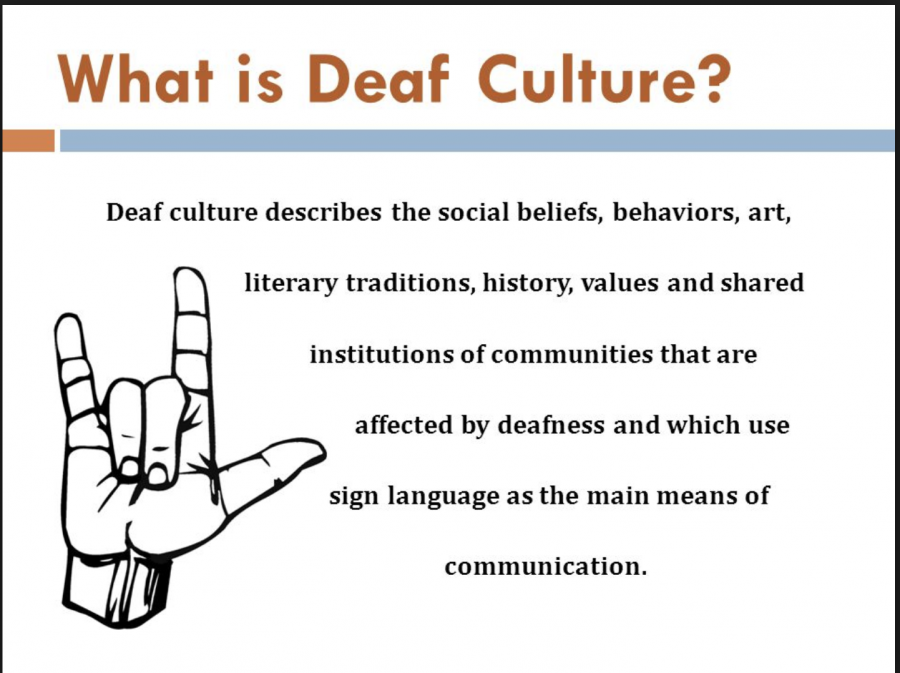
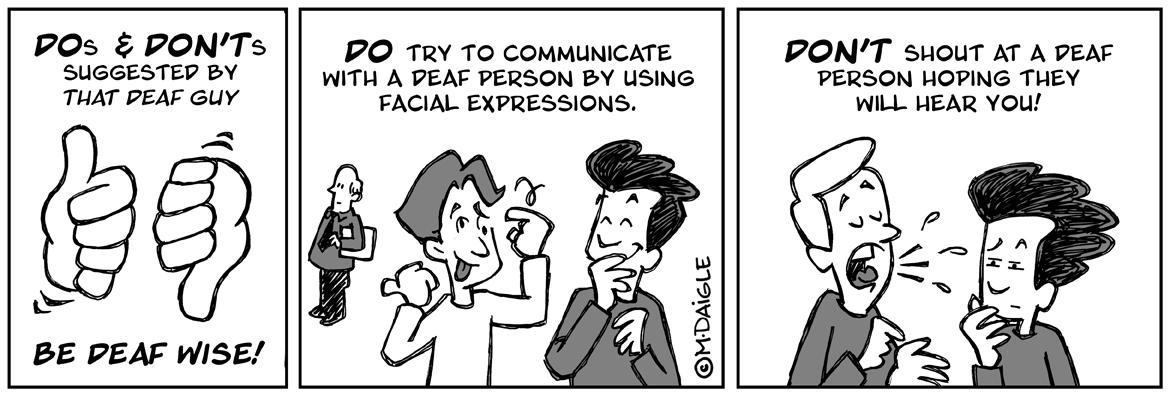
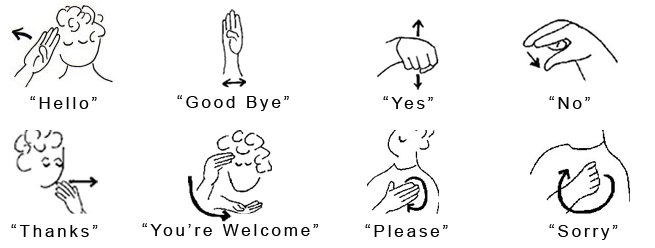
The Mid-Hudson Interpreter Service (MHIS) is a program of Taconic Resources for Independence, Inc. (TRI). TRI/MHIS was founded in 1989 by Mary E. Wambach, the first Deaf Executive Director of TRI. Since our founding, MHIS has a proud 30-year history of coordinating interpreting services for, and working directly with, the Deaf/Hard of Hearing (Deaf/HH) community of the Mid-Hudson Valley. MHIS in addition to interpreter coordination services, provides advocacy support for Deaf/HH individuals in an effort to educate businesses and entities about accessible communication guidelines for the Deaf/HH community under the Americans with Disabilities Act (ADA), as well as to assist and guide Deaf individuals when accessing services and supports through various community entities. MHIS Deaf/HH advocates work closely with medical providers, emergency responders, schools, courts, and other entities in our community to educate them not only about their responsibilities under the ADA, but also about Deaf culture and how to respectfully work with Deaf/HH individuals. Additionally, MHIS also directly hires Deaf adults from within our community to teach hearing families with Deaf children American Sign Language (ASL) in an effort to preserve ASL and Deaf culture and to also eradicate occurrences of language deprivation and Deaf isolation in hearing families with Deaf children. Families from this program have received Smoke/Fire alarms for the Deaf/HH children in the household. Click here for more on MHIS
|
|
“I have learned more in 45 minutes with Jeanine than I did from my audiologist and doctors over the years.”
-Quote from consumer new to hearing loss
|
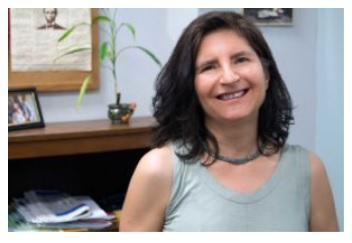
Jeanine Byrnes, MHIS Program Director |
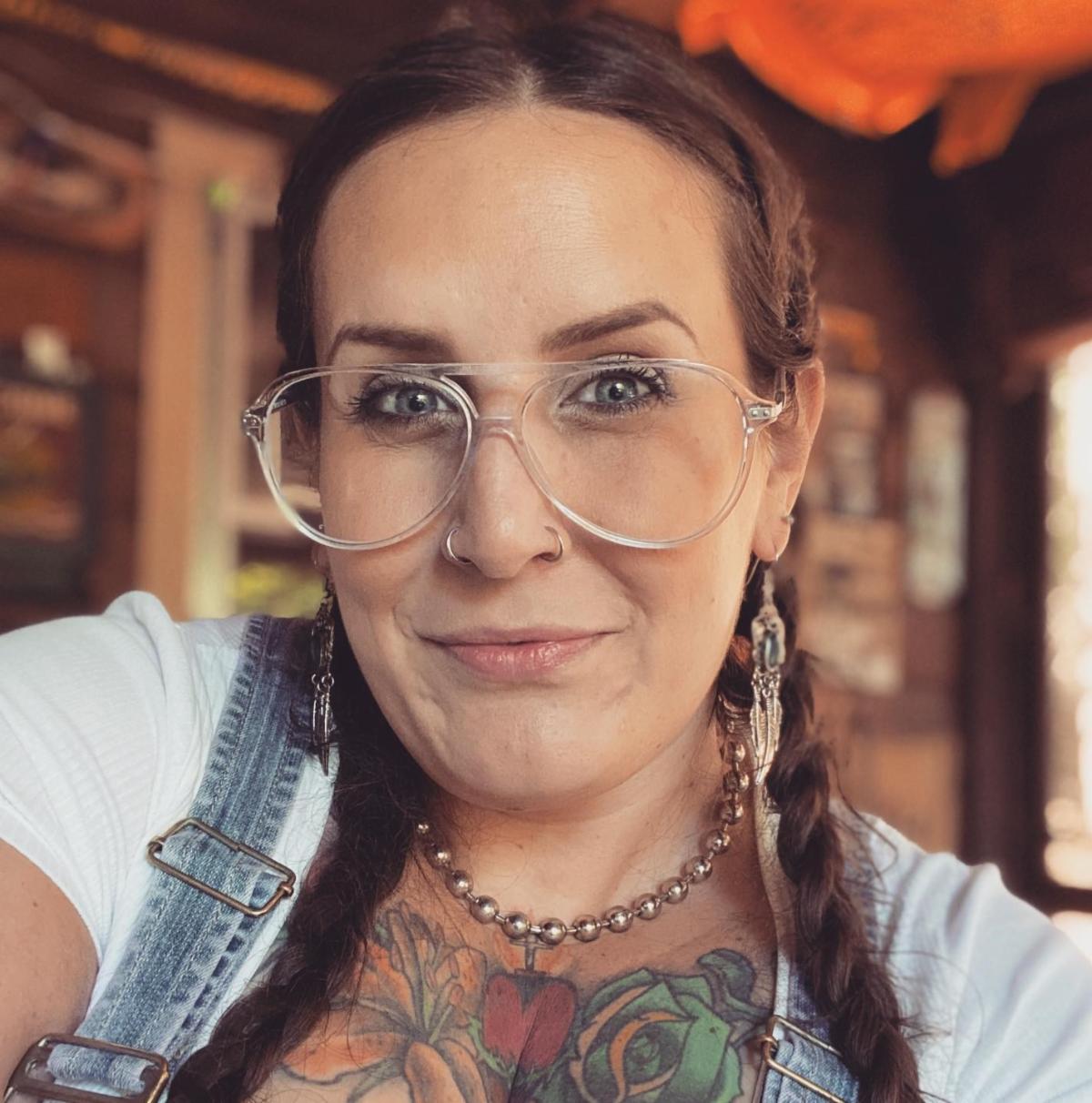
Jeanine has been with the TRI/MHIS program since 1996 starting as a 10-hour per week advocate for the Deaf/Hard of Hearing (Deaf/HH) community. Her understanding of Deaf culture is due to her own personal experience from birth: she was born with hearing loss as a result of her mother contracting German Measles. Her community advocacy has resulted in...
|
Licia Valleau, MHIS Billing and Contracts Manager |
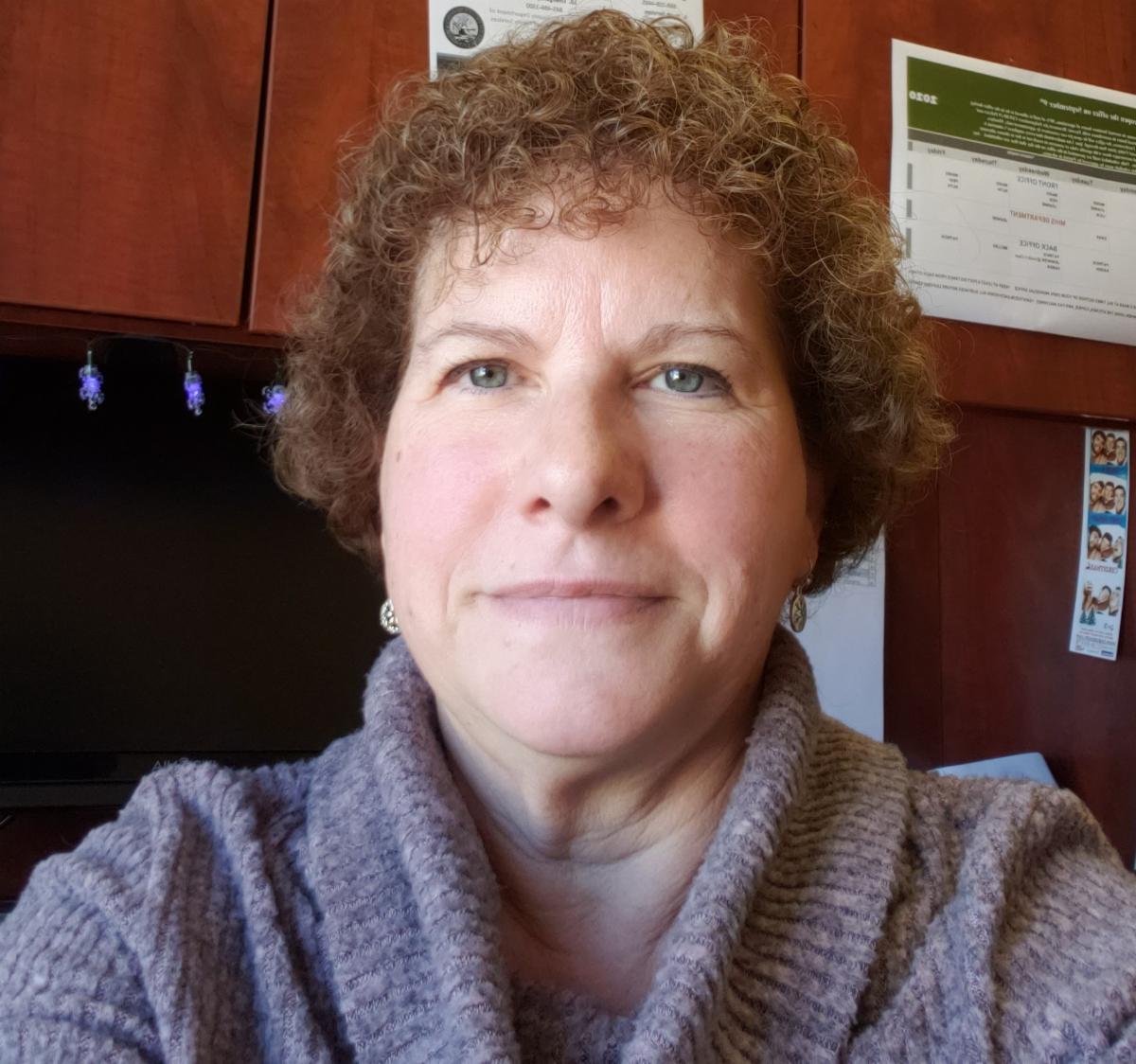
Licia Valleau has been with TRI since 2010, starting as the Billing Coordinator for MHIS. She brought with her 13 years of prior experience as an Office Manager and Bookkeeper for another sign language agency. A short time after joining TRI, she also acquired the duty of the MHIS Contract Manager and assists our Financial Director. |
Dana Steele, MHIS Interpreter Coordinator |
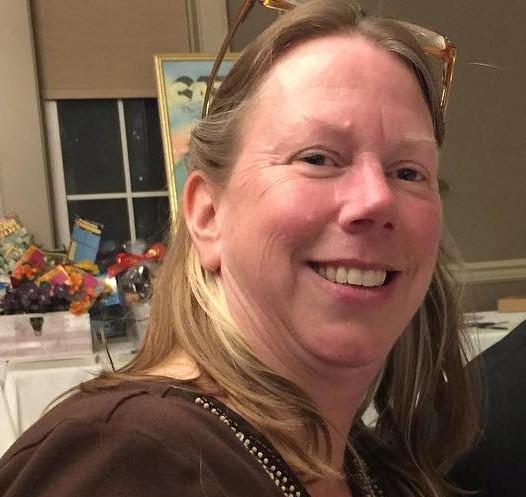
Dana Steele joined TRI in 2012 as the Interpreter Coordinator for the Mid-Hudson Interpreter Service Program. As a CODA (Child of Deaf Adults) Dana grew-up within the Hudson Valley’s Deaf community and has a unique connection to the community that she currently serves. As a result she is deeply dedicated to ensuring that effective communication is available and provided to all who request it. |
|
|
|
|
Films in ASL
There are so many hearing movies out there that the Deaf/HH community use Closed Captioning in order to know what is being said. There are movies made all in American Sign Language (ASL)) for the Deaf/HH community that are captioned for the hearing. Why not see what it is like to watch a film in ASL and you read the captions? One movie Jeanine suggests is “Legend of the Mountain Man” rated PG, which is available to borrow in the Mid-Hudson Library System and at MHIS.
|
|
TRI Investigates COVID 19 Disproportionate Impact on the Education of Students with Disabilities
By Grace Whited, Vassar College Intern
|
|
|
|
How has COVID-19 impacted special education? |
The pandemic has forced many schools to alter individualized education programs (IEPs) to accommodate distance learning and online classes. Teachers are saying that they are burdened with more paperwork requirements and must dedicate less time to their students. The switch to online classes has also caused many challenges...
|
|
What emotional and social support resources are available for parents and students?
The Arlington Central School District has created a Family Wellness Resource guide which consists of resources for managing anxiety, managing screen time, addressing social isolation, and maintaining health habits. Two helpful resources that they offer are the PBS Kids for Parents activities for social skills and emotions and self-awareness. It is important that children know how to cope with and express their feelings during this time, particularly since these changes induce anxiety and ...
What types of support are schools expected to provide parents and students?
In September 2020, Dutchess County Executive Marc Molinaro announced that the County has allocated $197,000 for a COVID-19 Childcare Relief Scholarship which would allow parents to work, look for work, or attend college. Scholarships will be awarded beginning October 1, 2020 through the end of the academic year by a random selection process to eligible families with school-aged children. The Childcare Relief Scholarship will cover 75% of tuition for each child, and families with children...
What options are available for schools and families to access technology?
Two school districts in Dutchess County have successfully implemented a 1-to-1 model of technology distribution. This is how they did it:
The Arlington Central School District was able to provide Chromebooks to all students who needed them as well as purchase hotspots for homeless students. The school was able to notify parents and families...
|
|
Post Election Highlights/Follow-Up |
|
TRI Joins Efforts to Add Accessible Voting Site |
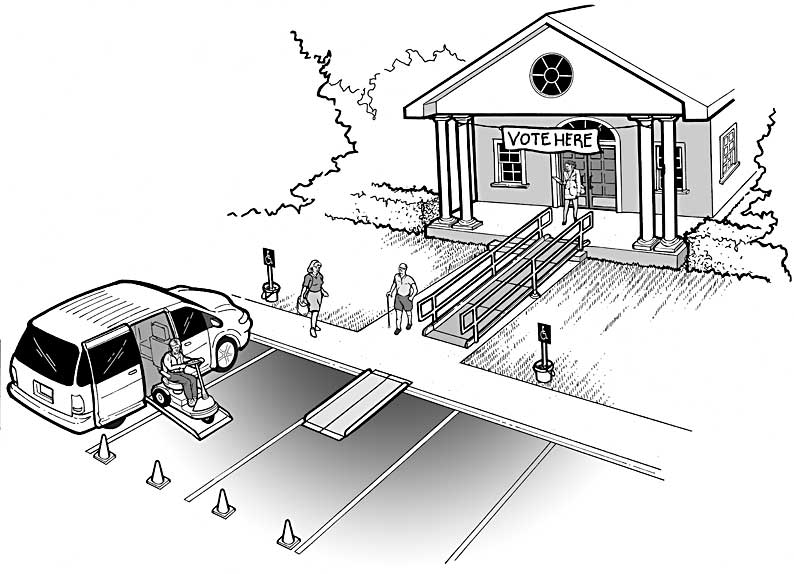
Taconic Resources for Independence, Inc. joined forces with other disability advocacy groups to put pressure on the county to relocate a polling place that was not fully accessible. The Andrew Goodman Foundation (AGF) and Bard College won the lawsuit against the Dutchess County Board of Elections to relocate an inaccessible polling site to the Bard College campus. The original site for the 5th Legislative District, the Episcopal Church of St. John the Evangelist in Red Hook, NY, violates several of the Americans With Disabilities Act (ADA) regulations and is too small to accommodate voters in a way that will permit social distancing. Although the NY Supreme Court originally turned down the lawsuit and ruled that it was too late to change the location, The Supreme Court Judge reversed her decision and approved the opening of a voting site at Bard College. The voting site at Bard, in the Bertelsmann Campus Center, was open to all District 5 voters from 6:00 AM to 9:00 PM on Tuesday, November 3rd. The existing voting site at the Church was also open for the election. |
|
Tell Us about Your Voter Experience
|
Improving accessibility for voters with disabilities requires an understanding of what kinds of barriers are being encountered and where they are present to determine appropriate and effective measures for removing those barriers. To better focus our advocacy efforts, please let TRI know about your experience voting by filling out the following survey.
|
|
|
Community Leaders to Watch:
John Rossi
|
|
|
|
Village Trustee Demands Investigation to Ensure Compliance with ADA
|
|
"One of the most important lessons I learned is the fact the ADA is a civil rights law and all of us, particularly those in local government, cannot become the inclusive communities we aspire to be without fully considering the needs of everyone.”
-John Rossi, Rhinebeck Village Trustee
|
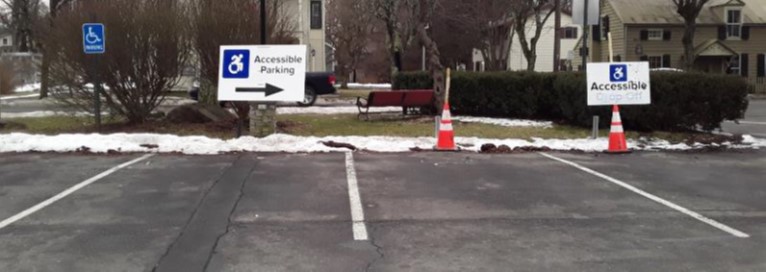
In November, 2019, the Village of Rhinebeck Mayor and Board voted 3 to 1 to have Electronic Vehicle (EV) Charging Stations installed in the Village’s municipal parking lot. To make room for the new charging stations the Village elected to relocate existing accessible, parking spaces reserved for persons with disabilities in the municipal lot. In a February, 2020 interview with Spectrum News, the Village asserted that the relocation of the accessible spaces was needed to allow EV owners easy access to the village commercial center while their vehicles recharged.
As the installation of the new charging stations steadily progressed, Trustee John Rossi’s attention was drawn to a different section of the parking lot; specifically, the spaces that would now be used to serve the needs of persons with disabilities. In the Spectrum News article, Rossi stated: “In January of 2020, I was not well versed in Title III of the American Disabilities Act (ADA) but I knew what was in place (see image) was, simply stated, not right.” Rossi invested time reading up on the ADA and reached out to State and Federal agencies for guidance. Based on his findings, Rossi stated: “It seemed very likely the Village was in violation of the ADA.” Rossi pushed the topic to the forefront of two public Village Board meetings (February 2020 and March 2020) and insisted the project be reviewed by outside engineers familiar with the ADA. The engineer’s report (public record) identified specific items in violation of the ADA which required corrective action. Now TRI will be joining John in ensuring these access issues are addressed.
Thank you for advocating for the rights of people with disabilities, John!
|
|
|
|
From all of us at TRI, Wishing You and Yours a Healthful, Productive and Joyful New Year! |
|
|
|
Advocacy Inclusion Independence |
|
Taconic Resources for Independence, Inc.
82 Washington Street, Suite 214
Poughkeepsie, NY 12601
(845) 452-3913 TEL
(845) 485-3196 FAX
(845) 345-8416 Video Phone for Deaf/Hard of Hearing
(845) 485-1110 TTY
|
|
|
|
|
|
|
|