The American Society of Interventional Pain Physicians has submitted a formal letter to Greg Murphy, MD, sponsor of H.R. 8163, the Provider Reimbursement Stability Act, expressing strong support for the legislation.
In the letter, ASIPP highlights ongoing concerns related to physician reimbursement and patient access to care, including:
-
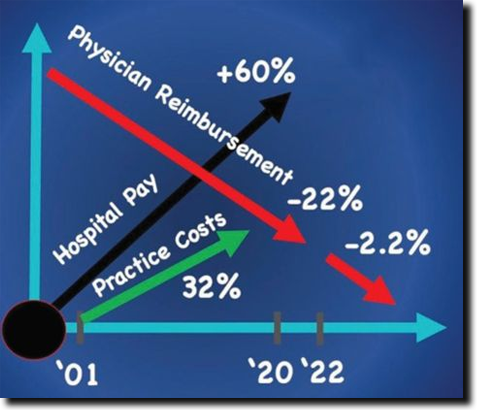
Declining reimbursement: Physician payment has decreased by 33% since 2001 when adjusted for inflation, with additional 2% sequestration cuts each year and looming 4% PAYGO cuts each year based on the Congressional Budget Office report.
-
Rising practice costs: Medical inflation has significantly outpaced general inflation, with healthcare costs increasing by 121.3% compared to 86.1% for consumer goods and services. Practice costs have increased 56% from 2001 to 2025, while reimbursement has declined 33% overall and 41% for interventional pain physicians, with supply costs rising 78%.
-
Access to care challenges: Current Medicare reimbursement policies are contributing to the closure of community-based practices, which is reducing patient access to high-quality interventional pain management services—particularly in the ambulatory surgery center (ASC) setting.
ASIPP emphasizes that H.R. 8163 would help stabilize physician reimbursement by modernizing Medicare payment policies, including increasing the budget neutrality threshold, indexing it to the Medicare Economic Index (MEI), and ensuring more frequent updates to practice expense inputs used in RVU calculations.
The letter underscores the importance of supporting independent physician practices to ensure continued access to high-quality, evidence-based pain care.
Click here to read the full letter.
| |
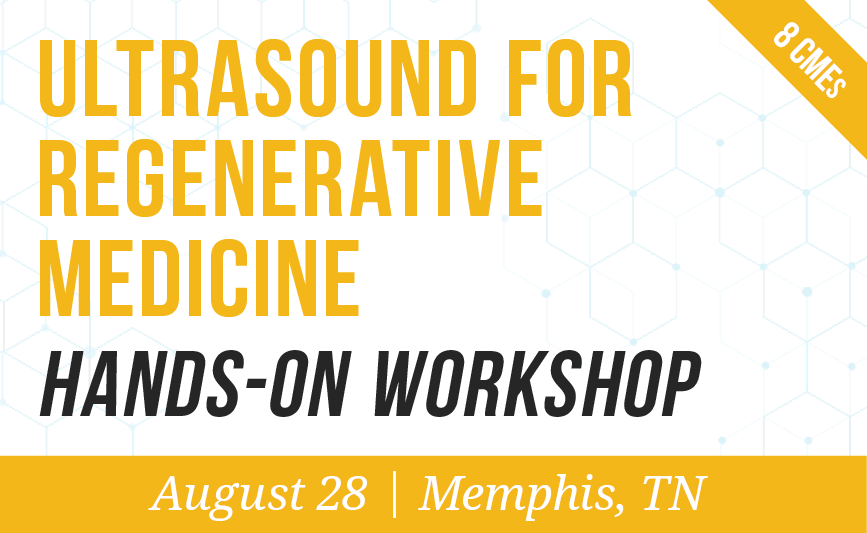
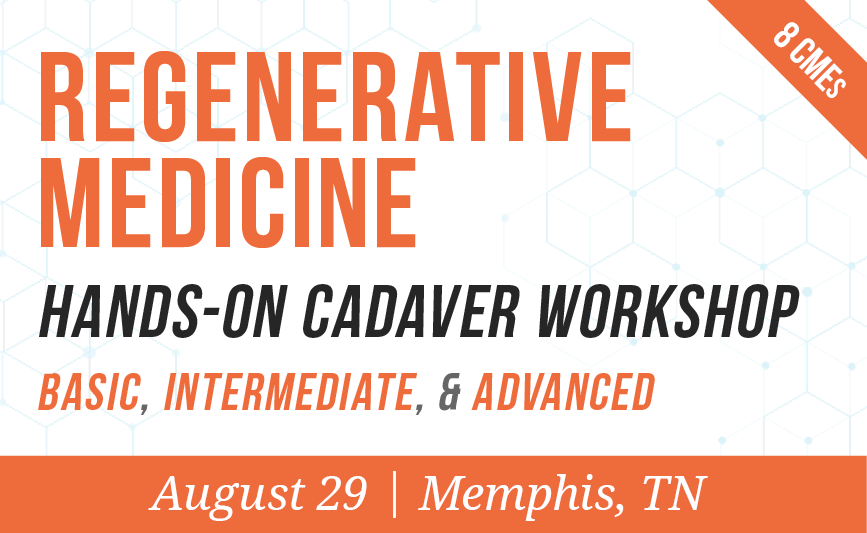
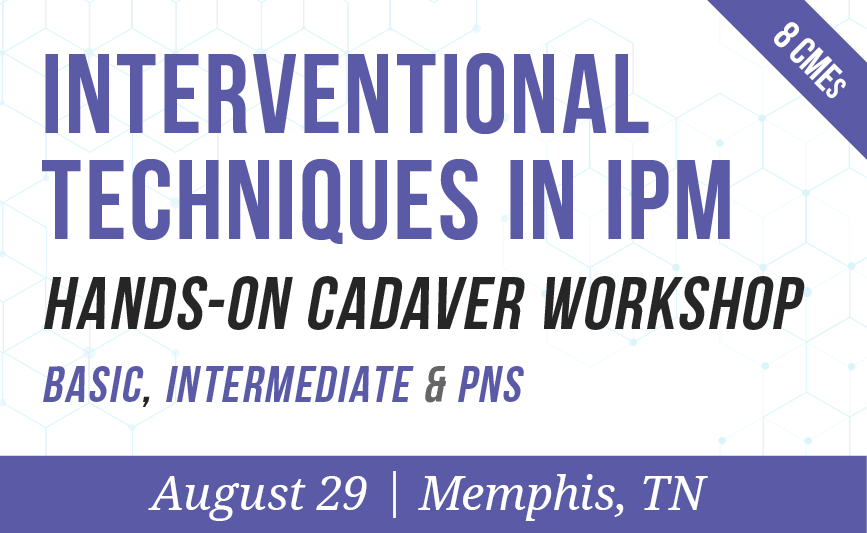
Register Today for these
Upcoming ASIPP Workshops
| | |
Our current model of healthcare was conceived in the late 1960s and launched during the Nixon administration as a not-for-profit, managed care system. Wealthy entrepreneurs saw an opportunity to make a fortune and by the Clinton administration, U.S. healthcare was managed by for-profit companies.
The exceptions were the VA system, Medicare and Medicaid.
The argument used for turning healthcare into a for-profit industry centered around competition. For-profit health insurers insisted that competition would foster innovations in health and keep rising prices in check.
So how has that worked out?
According to the World Health Organization (WHO), the United States ranks first in health expenditures by almost twice as much per capita as the next closest country (Switzerland). But in terms of outcomes, we rank 37th overall out of 191 countries surveyed. That ranking is by far the lowest of the 11 most advanced industrialized nations and doesn’t fare well against many third world nations.
Click here to read the full article.
| | |
Apply now for one of the following dates:
May 23 & June 27, 2026
Four (4) hour virtual exam
- ABIPP Path – Combined CCPM/ CSM Exam
For those with subspecialty in Pain Medicine
Two (2) hour virtual exam
- ABIPP Competency Exam in IPM
For those without primary board certification
Two (2) hour virtual exam
- ABIPP Competency Exam in Regenerative Medicine
Two (2) hour virtual exam
- Controlled Substance Management Competency Exam
Two (2) hour virtual exam
- Documentation, Coding, Compliance, Practice Management Competency Exam
Two (2) hour virtual exam
August 28, 2026
- ABIPP Part II Practical Examination
Topics that will be covered:
Caudal epidural injections; Lumbar interlaminar epidural injections; Lumbar/sacral transforaminal epidural injections; Cervical epidural injections; Thoracic epidural injections; Lumbar/sacral medial branch and L5 dorsal ramus blocks; Cervical medial branch blocks; Thoracic medial branch blocks; Lumbar/sacral facet joint nerve radiofrequency neurolysis; Cervical medial branch radiofrequency neurolysis; Thoracic medial branch radiofrequency neurolysis; Sacroiliac joint injections; Cervical sympathetic blocks; Lumbar paravertebral sympathetic blocks; Intercostal nerve blocks; Lumbar discography; Celiac plexus blocks (not Splancnic nerve blocks); Percutaneous epidural adhesiolysis; Spinal cord stimulation lead placement
| |
But executives countered that their own costs are increasing
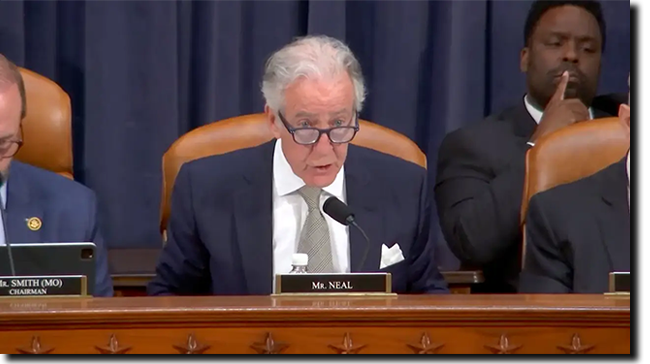
Are health system executives mostly worried about income and profits, or are they just struggling to serve patients amid increasing costs and inadequate insurance reimbursement? House Ways & Means Committee members appeared to be of two minds on the subject at a hearing Tuesday.
"Our communities are better off with hospitals in them, but large health systems have taken advantage of that reality," Committee Chair Rep. Jason Smith (R-Mo.) said in his opening statement. "The corporatization of American hospitals means that our local hospitals and physicians have been replaced by mega corporations that put quarterly earnings over quality care and grow larger simply for the sake of growing larger. Hospitals with more than 100 beds have a higher profit margin than Delta Airlines, Target, or Disney."
But Rep. Richard Neal (D-Mass), the committee's ranking member, offered a different take. "Last year, we warned for months that [Republicans'] trillion-dollar tax cut bill was going to harm the American healthcare system," he said in his opening remarks. "They refused to acknowledge the questions that we raised. They ripped coverage from 15 million people and pushed hundreds of hospitals to the brink, and then they complain about the problem after it's their tax bill that's going to lead to these massive cuts."
Click here to read the full article.
| | |
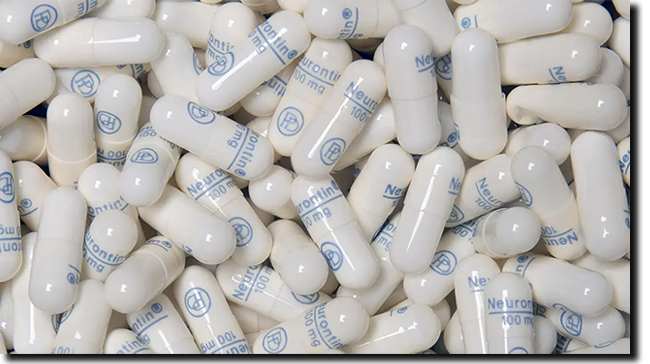
Gabapentinoids like gabapentin and pregabalin are associated with an increased risk for poisoning, with the highest risk occurring around treatment initiation and when combined with benzodiazepines or opioids.
In a large UK study of nearly 17,000 primary care patients, those who had co-initiation of gabapentinoids and benzodiazepines showed double the risk for hospitalization due to drug poisoning within the first month, whereas those with concomitant opioid use showed a 30% increased risk compared with those who took neither medication.
“Prescription rates for gabapentinoids have been increasing rapidly in recent years as they are seen as a safe alternative to opioid,” lead author Kenneth Man, PhD, of the University College London School of Pharmacy, London, England, said in a news release.
Click here to read the full article.
| |
ASIPP is pleased to announce the launch of the Regenerative and Longevity Medicine Section!
This section reflects the growing importance of regenerative and longevity medicine—fields dedicated to restoring health, enhancing vitality, and extending the healthy years of life. From stem cell therapies and tissue engineering to gene therapy and orthobiologics, these disciplines are transforming the way we approach pain management and age-related decline.
Section membership offers:
- Access to ASIPP’s physician database and future data registry
- Opportunities for certification and continuing education
- Section-exclusive resources and updates
No additional cost for ASIPP members!
| | |
ASIPP is proud to launch our Resident and Fellow Mentorship Program. This initiative is designed to connect trainees with experienced pain physicians to foster professional growth, provide guidance, and strengthen the future of our specialty.
Each mentor would be paired with one to two trainees, but can take more if interested. Trainees will be responsible for initiating introductions and arranging at least one to two video calls per year. These sessions will provide opportunities for mentees to seek advice on clinical decision-making, career planning, research opportunities, and professional development.
We believe that your experience, expertise, and insight can have a lasting impact on the next generation of pain physicians. By volunteering as a mentor, you will play a critical role in shaping the future of our field and ensuring that ASIPP continues to cultivate excellence in interventional pain medicine.
If you are interested in serving as a mentor, please confirm your participation by filling out the appropriate form below.
| |
By extending survival, GLP-1 agents may expand the dementia risk period for diabetes patients
Adults whose type 2 diabetes was treated with GLP-1 receptor agonists were more likely to develop cognitive impairment over 10 years than their counterparts not treated with GLP-1 agents, a propensity-matched retrospective study of nearly 65,000 patients suggested.
Durable cognitive impairment -- defined as vascular dementia, Alzheimer's disease, or mild cognitive impairment -- occurred twice as frequently in diabetes patients who used GLP-1 drugs (2.6% vs 1.3%, HR 2.74, P<0.0001), but mortality risk was lower with the drugs (3.9% vs 8.2%, HR 0.68, P<0.0001), according to Isaac Thorman, ScM, an epidemiology researcher at the Johns Hopkins University School of Medicine and a third-year medical student at New York Medical College in Valhalla, and colleagues.
On a compound outcome that assessed both cognitive impairment and mortality, there was no significant difference between GLP-1 receptor agonist users and non-users (6.1% vs 9.1%, HR 0.98, P=0.39), Thorman reported at a late-breaking science session at the American Academy of Neurology annual meeting in Chicago.
Click here to read the full article.
| | |
The Opportunity:
- Well-established group seeking an interventional pain physician with pain fellowship training
- Comprehensive interventional pain management program with physicians, nurse practitioners, and two Ambulatory Surgery Centers
- Established interventional pain management practice with strong clinical and research focus
- High-volume practice that is ethical and fully legally compliant
- Research and publication opportunities available
- Early and generous partnership opportunities in both the practice and ASC
| |  | |
The Community:
- Excellent quality of life in a county of more than 60,000 residents, with a regional drawing area exceeding 200,000
- High standard of living with abundant recreational and social opportunities
- Strong public school system and a private parochial elementary school
- Convenient location: approximately 2.5 hours to Nashville and St. Louis; 3 hours to Memphis, Louisville, and Lexington
- Daily one-hour flights to major international hubs, including Chicago O’Hare and Houston, TX
| | Please email Cindy Jackson at cindy@thepainmd.com with your current CV to schedule an interview or to learn more about this practice. | | | |
We're excited to let you know that the new ASIPP Community, hosted by DocMatter, is now live!
The ASIPP Community on DocMatter will serve as a place for members to collaborate around clinical and research topics to advance the care of their interventional pain patients.
Click here to be a part of the conversation!
| | |
Pain Medicine Case Reports (PMCR) and Editor-in-Chief Alaa Abd-Elsayed, MD, PhD would like to invite you to submit case reports and case series to the PMCR journal. Your article will be published free of charge.
Open access journals are freely available online for immediate worldwide open access to the full text of published articles. There is no subscription fee for open access journals. Open access journals are no different from traditional subscription-based journals: they undergo the same peer review and quality control as any other scholarly journal.
Interested in becoming a member of the PMCR Editorial Board?
Editorial board members are asked to review 2-6 manuscripts per year. Please submit your most up-to-date CV to sgold@asipp.org for consideration.
For more information or to submit your articles, click here.
| | |
We are excited to announce that Pain Medicine Case Reports (PMCR) journal (eISSN 2768-5152) has been accepted for inclusion in MEDLINE and PubMed, the prestigious bibliographic database of the U.S. National Library of Medicine. PMCR, a companion publication to the prestigious Pain Physician journal by ASIPP, joins its counterpart in achieving indexing in both MEDLINE and PubMed, marking ASIPP’s dual presence in these renowned databases.
The inclusion of PMCR journal in MEDLINE signifies a higher level of selectivity, as MEDLINE consists of the top 5,200 biomedical journals. This indexing also means that articles from PMCR will be searchable using NLM Medical Subject Headings (MeSH terms) and other metadata.
The selection for MEDLINE follows a rigorous evaluation process by reviewers from the Literature Selection Technical Review Committee (LSTRC). According to their criteria, the scientific quality of a journal’s content is the primary factor considered for indexing.
We extend our congratulations to the Pain Medicine Case Reports Editor-in-Chief, Deputy Editor-in-Chief, Journal Team, and Editorial Board for this achievement, which underscores the significance and excellence of this esteemed journal.
| | | | |
|
ASIPP is in collaboration with Curi Medical Liability Program
Since this malpractice insurance program officially launched in November 2018, ASIPP has signed up hundreds of providers with an average savings of 30%. This is professional liability insurance tailored to our specialty and will stand up for us and defend our practices.
Curi is a full-service advisory firm that serves physicians and their practices. Their valued advice is grounded in your priorities and elevated in your outcomes. They are driven by a deep understanding of your specific circumstances in medicine, business, and life. To read a few important points to keep in mind about the program, including discounts, administrative defense, cyber coverage, aggressive claims handling, and complimentary risk management CME activities, visit our website.
| | |
IMPORTANT UPDATE
SPR is happy to announce an important update regarding Humana Medicare Advantage. As of May 1, Humana is now recognizing SPRINT as a PNS therapy. Previously, SPRINT was categorized as PNT (Percutaneous Nerve Stimulation), which allowed denials on the grounds that the therapy fell outside the NCD.
Additional details are as follows:
Payer: Humana Medicare Advantage (click here to view policy)
Policy Title: Peripheral Nerve Stimulators
Policy changes: SPRINT no longer misclassified as PNT and is now appropriately classified as PNS. Humana is applying the Noridian Medicare LCD criteria to ALL PNS devices – Including SPRINT PNS!
Effective Date: 5/1/2025
Click here to view a PDF of the official policy update.
| | |
|
Group Purchasing Organization Offer Better Pricing and Creates Added Value
ASIPP has formed a partnership with Henry Schein and PedsPal, a national GPO that has a successful history of negotiating better prices on medical supplies and creating value-added services for independent physicians. Working with MedAssets, PedsPal provides excellent pricing on products like contrast media that alleviate some of the financial pressures you experience today.
Learn More
For updated information concerning tariffs on products, click here.
| | |
|
ASIPP, Fedora Healthcare Solutions Partnership
ASIPP offers our members the benefit of a unique revenue cycle management/ billing service.
We have received a tremendous amount of interest in the ASIPP billing and coding program.
Click here to learn more about the negotiated rate for practices and more!
| | |
Like and Follow ASIPP® on Facebook, X, LinkedIn,
and YouTube for the most up-to-date news
related to you, your practice, and your patients!
| | | | |