Native HIV/AIDS Awareness Day

Native HIV/AIDS Awareness Day highlights the importance of addressing HIV prevention, testing and treatment in American Indian and Alaska Native communities. Native populations continue to face unique barriers to HIV care, including limited access to healthcare, stigma and geographic isolation.


We recognize the need for culturally responsive care, community education and expanded resources to ensure Native communities have the support they need to prevent HIV and live healthy lives.


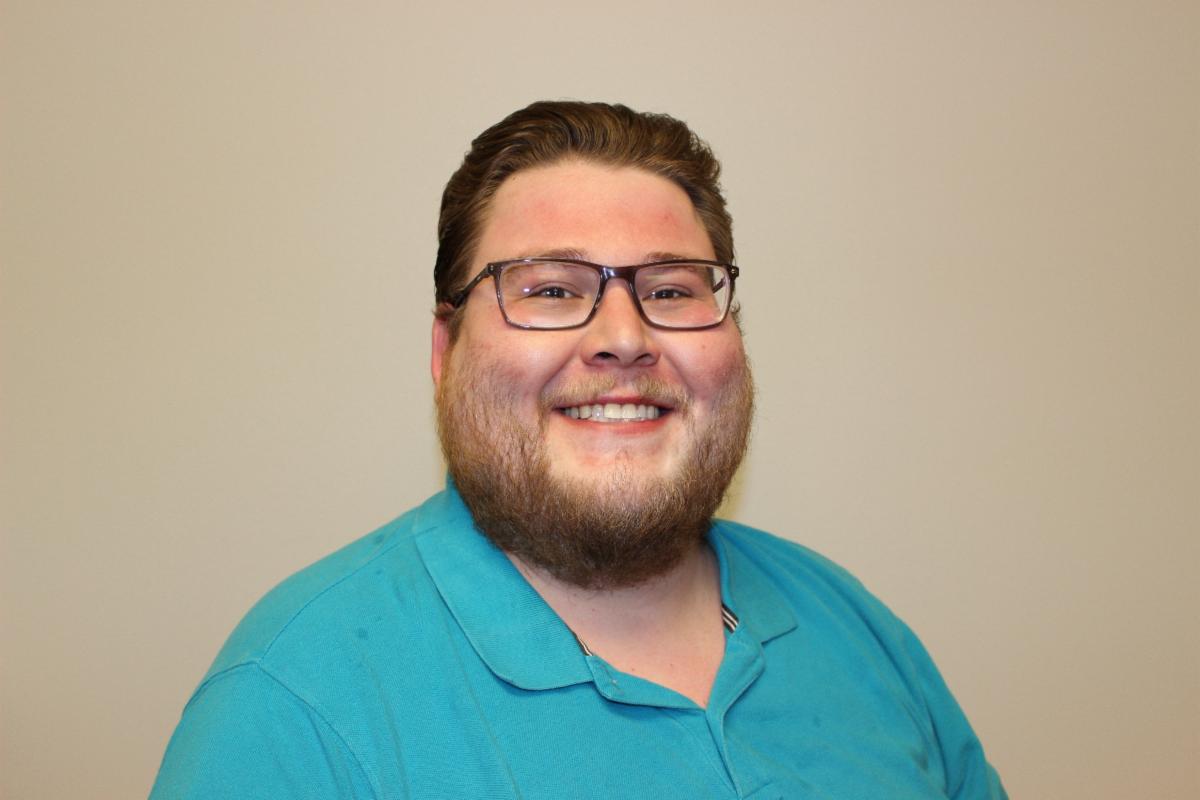
ANAC members Mary Rattler-Laducer and Garrett Schofield shares why this day is important to them and their work.

Mary Rattler-Laducer, BSN, RN, ACRN (She/Her/Hers)

HIV RN Case Manager working within the Indian Health Service

DNP in Leadership student at the University of Minnesota Collaborative member of the National Academy of Medicine’s Building Trust in Health Science Through Community Partnership and Lived Experience Action Collaborative

Years as an ANAC member: 2

LinkedIn


What does Native HIV/AIDS Awareness Day mean to you?

As an enrolled tribal member of the Blackfeet Nation and an HIV RN Case Manager, Native HIV/AIDS Awareness Day holds profound personal and professional significance for me. It symbolizes survival, visibility, and cultural sovereignty, creating space to amplify Native voices amid historical medical mistrust and ongoing health inequities.


This day intersects with my daily work providing trauma-informed, culturally competent care to American Indian and Alaska Native patients, where I witness resilience and cultural strengths, higher HIV diagnosis rates, and barriers like stigma and rural access issues.


In my role, Native HIV/AIDS Awareness Day fulfills my passion for equity by promoting education and treatment tailored to Indigenous needs. It uplifts stories of thriving American Indigenous people living with HIV, normalizing care and fostering trust.


This day calls us to embrace culturally rooted solutions, such as ceremony and traditional wellness practices, that weave HIV care into the fabric of Indigenous resilience and self-determination. For me, it inspires a hopeful path forward, grounded in our collective strengths and shared journey toward wholeness.

Garrett J. Schofield, BSN, RN, ACRN (He, Him, His)

Ambulatory Registered Nurse, Trinity Health Grand Rapids - McAuley Clinic

Years as an ANAC member: 1

Local ANAC Chapter: Michigan


What does Native American HIV Awareness Day mean to you?

This day is not only a time for me to reflect on myself as a Native American man, but also a time as somebody living with HIV and working every day in healthcare to support others in our community that are affected by it. In Native Culture, we carry strong traditions of caring deeply for one another in our roots. Our communities have survived through resilience, connection, and healing. I have carried these values and teachings into my career, and believe they add a deeper connection to my relationship with patients. I hope that by being visible, compassionate, and honest, I can help to reduce stigma in the overall community.


Why did you join the fight to end HIV/AIDS?

March of 2016, I was diagnosed with HIV during a routine screening. At the time, I remember thinking my world was over. I was in my second semester of my freshman year at university, 18 years old, and all alone with no family around. I thought my dreams of becoming a nurse were over... That is, until I met with my treatment team. I have never met a more welcoming group in my life, and I have never been made to feel ashamed of anything. It doesn't matter what I brought to the table, they met me where I was and did me one better. A few years later, after starting my career, my HIV provider reached out to me and encouraged me to apply to the clinic. I was a little skeptical at first, mainly due to being a patient of the office, but I will forever be grateful that she did. Being able to look at the newly diagnosed young adults, and getting to say, "I was you", is a unique perspective that allows me to deeper connect with them. Getting to help better the

lives of so many people and seeing the real-world differences. I can't imagine being in any other specialty!


What words of wisdom might you pass on to those entering the field?

Never underestimate the power of compassion as medicine. Medications treat the virus, but kindness, respect, and actively listening are just as important to lift someone's spirit. Build trust and safety, and remember to treat patients as human beings, not just a condition.

 
Association of Nurses in AIDS Care | 800.260.6780 | anac@anacnet.org | nursesinaidscare.org
Facebook  Twitter  Linkedin  Instagram