News and information to help journalists serve the public and stay safe.
|
|
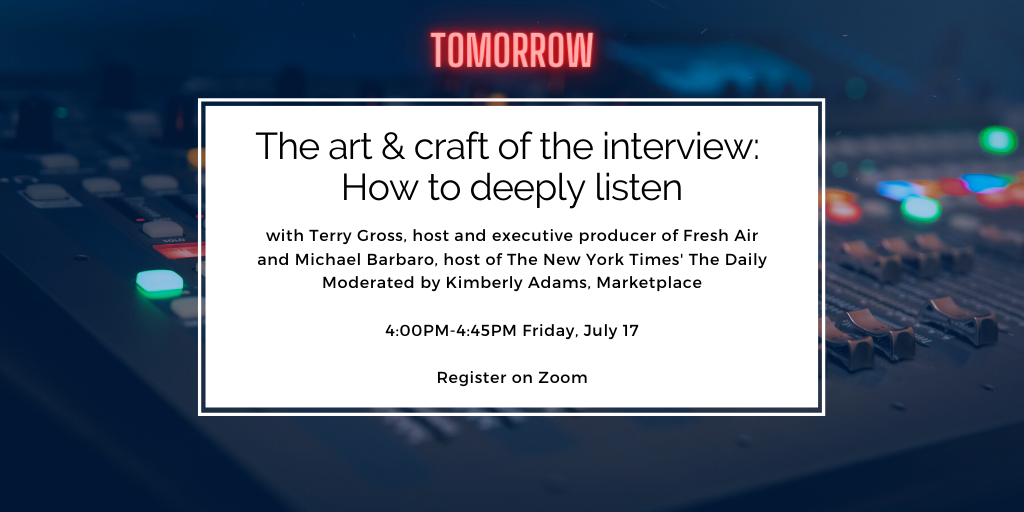
The coronavirus pandemic has forced journalists to collect their stories from afar. Conducting an in-person interview is near impossible. On the telephone or on a video call, the ability to pay attention is crucial. Do you listen, or do you wait to ask? The National Press Club Journalism Institute has invited two of the best interviewers in journalism —
Terry Gross
and
Michael Barbaro
— for a discussion about the challenges and opportunities of interviewing now. Marketplace correspondent
Kimberly Adams
will moderate.
|
|
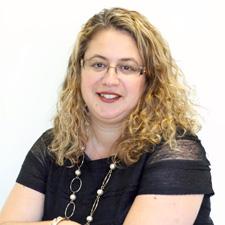
Suzanne Alcantara is assistant dean of Student Affairs at USC Annenberg School for Communication and Journalism
|
|
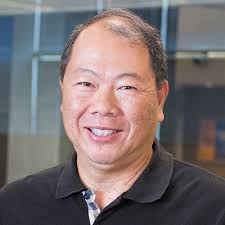
Michael Wong is director of career services at Walter Cronkite School of Journalism and Mass Communication
|
|
Are you using LinkedIn to your professional advantage? Career experts weigh in on standing out online in a competitive job market.
Suzanne Alcantara
, assistant dean of Student Affairs at USC Annenberg School for Communication and Journalism
: LinkedIn is a very powerful part of your job-searching toolkit, and everyone should be using it. Make sure your profile is robust and tells a compelling story about your experiences and skills. Follow companies that you are interested in on LinkedIn, as many of them post jobs and also share insightful industry news. You can also join targeted groups based on your professional interests.
Michael Wong
, director of career services at Walter Cronkite School of Journalism and Mass Communication
: A job seeker can stand out by showcasing quality work produced during the pandemic. What good stories did you find? What innovative technique or tool did you use to tell that story? How resourceful were you when producing this content? Showing samples of content produced during this extraordinary time will show a hiring manager that you can adjust, adapt and overcome challenges to get the job done.
LinkedIn is a fantastic resource for networking, research and learning about best practices. Not only can you market yourself through this platform, but you can connect with alumni, hiring managers and other professionals in the field. There are dozens of tips on how to maximize your profile on LinkedIn, and a quick online search will reap many helpful ideas.
Additional tips
: Check out University of Oregon professor Damian Radcliffe’s “
10 tips for setting up your LinkedIn profile
.” Also, LinkedIn announced a
webinar for journalists
that will cover: how to locate sources, how to build readerships and an overview of recent trends.
Apply today
to join on Sept. 17. Following the webinar, participants will receive information on how to upgrade their accounts.
|
|
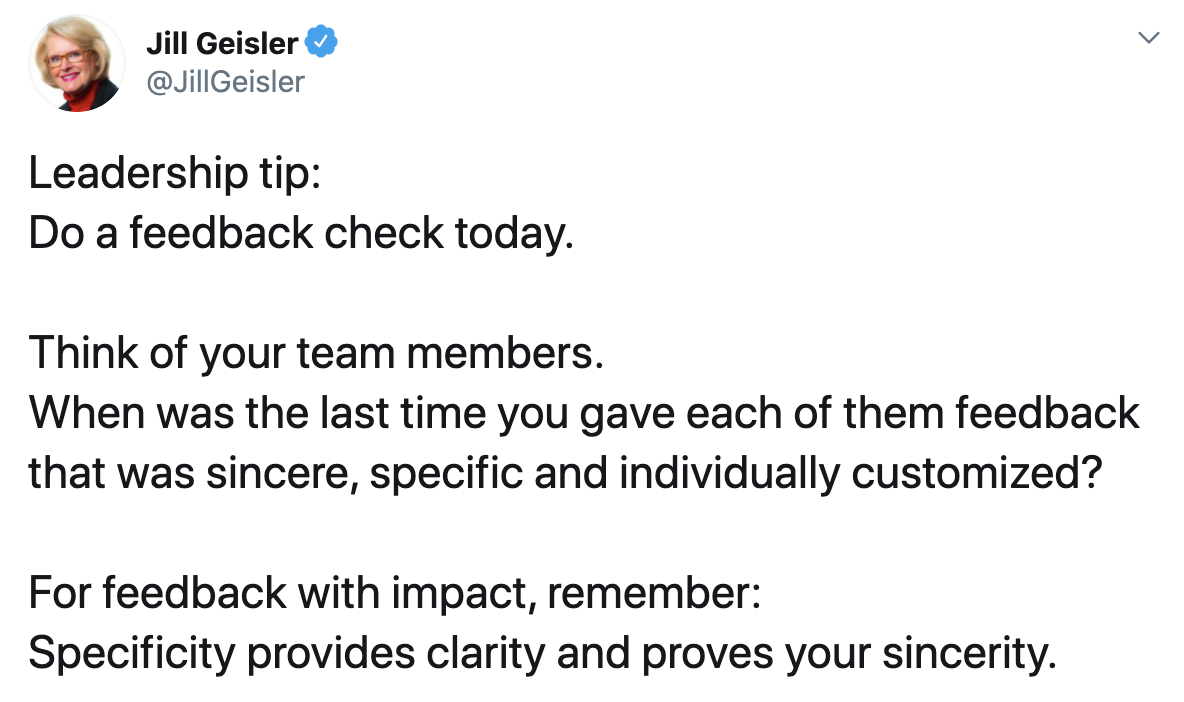
These days, managers are dealing with dueling goals – one that says “Lead the bigger picture for your team,” while another says “Deliver detailed feedback.” It’s easier to juggle those goals when a crisis isn’t creating a tsunami of stories.
And
don’t forget your editors
. It would be easy to dismiss feedback as a luxury right now, as something strong, smart people should just forego. But when they’re doing so much extra under such tough conditions, let’s not give up on the one free incentive that need not be in short supply. We just need to re-tool the supply chain.
Advice from
Jill Geisler
, Bill Plante Chair in Leadership & Media Integrity, Loyola University Chicago, Freedom Forum Fellow in Women’s Leadership
|
|
|
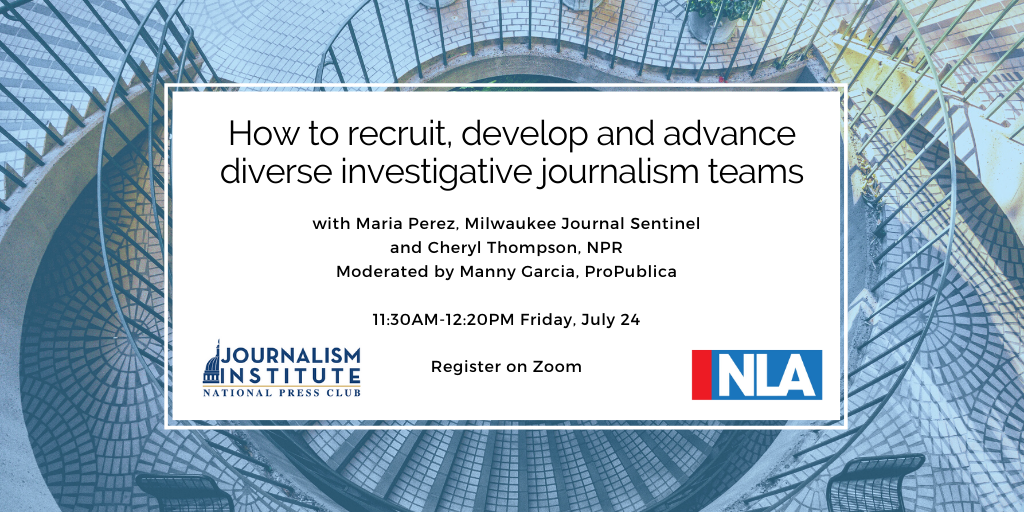
Journalists prize investigative work for the impact it has: unearthing risk and damage, holding the powerful to account, changing laws and changing lives. But investigative journalism jobs have long been the province of veteran reporters, usually white and male. As newsrooms commit to diversifying their teams, investigative journalists can better reflect underserved communities that have traditionally been harmed by systemic problems yet to be exposed.
Join moderator
Manny Garcia
, senior editor for the ProPublica-Texas Tribune Investigative Initiative;
Maria Perez
, investigative reporter at the Milwaukee Journal Sentinel; and
Cheryl Thompson
, investigative correspondent for NPR and president of the Investigative Reporters and Editors association, for this program from the
News Leaders Association
and Journalism Institute.
|
|
Sorry, social media. Self-care is
not all face masks
, big wine glasses, yoga pants or scented candles.
Here are some no-cost, high-yield methods to improve your self-care. The most important thing? Trying methods for each until you find what works for you.
- Set boundaries and articulate them. That can ease stress as it comes to work hours, when you’ll respond to email, or other assumed expectations.
- Eliminate toxicity. Step away from conversations - or people - that tap too much of your energy.
- Stake out your support group. Having a small, trusted group of colleagues, friends or family to explore and reflect on emotions with can elevate your daily experiences.
- Listen to your body. When you are tired, rest. When you are hungry, eat. When your muscles are stiff or aching, get moving. And when you need a break, take one.
How you apply self-care techniques is unique to your needs and comfort. And yes, that may be in yoga pants.
|
|
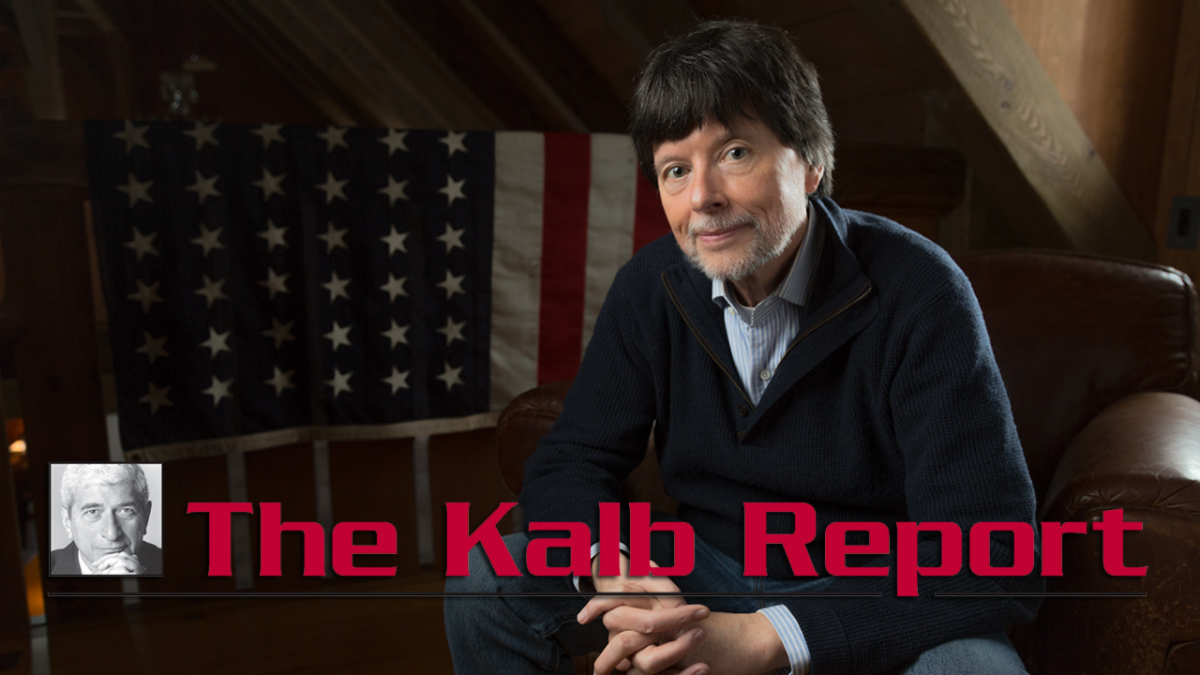
Emmy-Award winning documentarian Ken Burns is known for illuminating American life through renowned films, including “The Civil War,” “Jazz,” “The Statue of Liberty,” and “Baseball.” By chronicling seminal moments in our country’s past, he has provided context and perspective on many of the unprecedented cultural, political and racial challenges we face today.
Join moderator Marvin Kalb in a conversation with Burns
on
July 27 at 1 p.m. EDT
. Kalb and Burns will discuss whether our nation is at a societal inflection point and how much time must pass to reflect objectively on this tumultuous year. “The Kalb Report - One for the History Books: A Conversation with Ken Burns on a Turbulent 2020” marks the second forum in
the 26th season of The Kalb Report series
.
|
|
This newsletter is written & edited by the National Press Club Journalism Institute staff: Beth Francesco, Holly Butcher Grant, Jim Kuhnhenn, and Julie Moos.
Send us your questions and suggestions
for topics to cover.
|
|
|
|
|
|
|