As we enter the month of December, this newsletter focuses on respiratory conditions and the impacts of pesticides upon patients – which may be applied in facilities to combat common Winter pest woes.
|
|
|
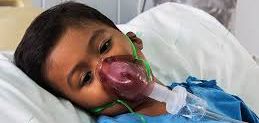
We are already seeing the predictable uptick in ER visits and hospitalizations for COVID-19, flu, RSV, and related asthma and COPD complications in many facilities. Our focus on respiratory health is a timely reminder of the critical importance of maintaining a safe and healthy environment for all, especially those living with acute and chronic respiratory conditions.
This edition will address the connection between pesticides and pest management to these serious respiratory illnesses.
Remember, at the first sign of a pest problem, go to our many fact sheets, sample policies and guidance, articles, and video library to learn the non-toxic options you can use to stop infestation while protecting patient and staff health. The Project's IPM Toolkit is available online. Contact Sean at sean@mdpestnet.org or call 301-664-4374 for additional support.
– Sean Lynch
IPM in Health Care Facilities Project Director
|
|
Connecting the Dots: Understanding the Relationship Between Illnesses, Asthma,
COPD and Pesticides
|
|
Asthma and chronic obstructive pulmonary disease (COPD) are two respiratory conditions that affect millions of individuals in the United States. While these conditions have unique characteristics, they share certain similarities, and understanding their connections can shed light on the impact of environmental factors, including from exposure to pesticides.
Pesticides, due to their inhalation risks, can irritate airways, worsening asthma, and COPD. Some pesticides, notably those containing "forever chemicals" called PFAS, even elevate cancer risks. These risks reinforce the need for effective prioritized integrated pest management (IPM) in healthcare facilities. A prioritized IPM program, where least-toxic pesticides are only considered as a last resort, safeguards patients and staff while reducing pesticide exposures that can be particularly critical for those with respiratory conditions.
Ongoing vigilance, regular inspections, and strategic pest prevention and pest management are key ways to maintain a healthy environment. Tailored treatments and monitoring biomarkers help manage asthma and COPD, while a prioritized IPM program focused on non-chemical prevention and intervention minimizes environmental triggers exacerbating these conditions. As research delves further into the links between respiratory diseases and environmental factors, one thing remains clear: our commitment to safe and effective pest management practices in healthcare facilities is essential for everyone's well-being, particularly those with respiratory conditions.
|
|
Healthcare Safety First:
Defined Prioritized Integrated Pest Management (IPM) is
Non-Negotiable
|
|
|
In both schools and healthcare facilities, children and patients, especially those with respiratory conditions, are at increased risk due to pesticide exposure. The American Academy of Pediatrics highlights the grave health risks, including pediatric cancers and cognitive issues, associated with early-life pesticide exposure. The dangers escalate with the presence of PFAS forever chemicals, found in some pesticides, which can also lead to elevated risks including high cholesterol (even in children), breast, kidney and liver cancer.
Implementing a prioritized IPM program not only safeguards patients and staff from pesticide exposure but also aligns with the broader mission of healthcare facilities to provide safe and healthy environments. The most recent annual Maryland Hospital Patient Safety Program report from the Office of Healthcare Quality identifies missed and delayed diagnoses as the number one patient safety concern, which the use of pesticides can affect. In the realm of healthcare, where the paramount objective is patient well-being, IPM isn't merely a choice, it emerges as a compelling responsibility. As Dr. Donald Berwick, a former administrator for Medicare and Medicaid Services and the founding CEO of the Institute for Healthcare Improvement, aptly stated in a recent article in the Washington Post on the subject, "Unless the [hospital's] board of trustees are attending to safety as their highest priority, you will lose traction." In healthcare, maintaining that traction is not just a prerogative; it is non-negotiable.
|
|
IPM Action: December's Facility Solutions
As we move from Autumn to Winter, the season change brings unique pest challenges. Our program provides you with practical tips and strategies to help you handle pests that could exacerbate COPD symptoms. Discover how to maintain a clean, pest-free healthcare facility for patients' well-being.
Scheduled Ventilation Checks: Regularly inspect and maintain the ventilation systems in your facility. Ensure they are working efficiently, providing clean fresh air.
Mice and Rats: The drop in temperature drives rodents indoors. Install door sweeps on exterior doors and ensure all windows are sealed tightly. Door sweeps have been found to stop 65% of rodent infestations. Set up mechanical traps in areas with high activity, and regularly check them. Use peppermint essential oils sprays which repel rodents.
Cockroaches: Cockroaches seek warmth, making kitchen and utility areas attractive. Seal any cracks in walls, floors, and around pipes. Employ sticky traps in dark corners and along baseboards. Monitor these traps weekly and adjust placement as needed.
|
|
|
|
Joe Griffin had a 16-year tenure at Sheppard Pratt and a total of 35+ years of Senior Level Facility Support Operations experience. Joe is a consultant to the IPM in Health Care Facilities Project. |
|
EVS Directors have their hands full, so we tend to rely on our contracted pest and land care vendors. That's why it's critical to remember:
Your vendors work for YOU and under YOUR guidelines to provide a safe facility environment, without adverse harm from pesticides.
|
|
A lesson learned the "Arachnid Way" |
During a recent inspection, I found that spiders had made themselves comfortable in a warmer home inside a facility as it was getting cooler outside. Unfortunately, I underestimated the possibility of a spider bite. That changed when one of these elusive critters bit me while I was inspecting a supply closet. Luckily, it wasn't a harmful spider, but it served as a reminder of the urgency of ensuring a prioritized IPM program in healthcare facilities is maintained. This experience underlined the vital need to protect your staff and patients from spiders and other potential pest-related risks. |
|
|
|
|
Prevent spider infestations by addressing areas where they may already be lurking |
Frequent Inspections: Regularly examine all areas of your facility, paying close attention to storage spaces, corners, and utility rooms. If you spot signs of spider activity, such as webs or egg sacs, timely action can prevent infestations from growing.
Seal Entry Points: Spiders can sneak in through tiny cracks and gaps in windows, doors, and walls. Ensure these potential entry points are effectively sealed. This simple measure can significantly reduce the chances of spiders setting up camp in your facility.
Web Removal and Cleaning: Establish a cleaning routine that includes the removal of spider webs and egg sacs. Regular cleaning discourages spiders from taking residence.
Stay pest-free and stay safe!
|
|
Bed bugs
are often transported by patients and present a common challenge for facilities.
In the battle against these pests, Steri-fab is a widely used pesticide.
However, the concerning aspect is
Steri-fab's half-life
– it can persist in the environment,
posing a threat to patients long after it has been applied.
|
|
With half-lives ranging from one hour to a full day, Steri-fab's active ingredients linger in the air and on surfaces. The significance of this is striking, particularly when we consider Steri-fab's known association with various respiratory health risks. It contains permethrin, an endocrine-disrupting pesticide linked to serious respiratory issues. Permethrin is also associated with cancers, neurotoxicity, and harm to vital organs like the kidneys and liver. Synthetic pyrethroid pesticides are concerningly linked to respiratory conditions and exacerbate asthma and COPD.
Steri-fab, often considered a solution to one problem, may inadvertently contribute to another serious one. In this edition, as we focus on raising awareness of respiratory health, we must ensure the environment within healthcare facilities is as pure as the intentions of the caregivers who work within them.
|
|
Your safety is our top priority!
If you're looking to implement a prioritized IPM program in your facility, we're here to lighten the load. We offer pro bono services to help you transition to safer, effective, pest management strategies a. We believe in prioritizing non-chemical pest prevention and intervention and only using the least toxic pesticides as a last resort.
|
|
|
We would love to learn if you’re implementing these practices
Please contact Sean Lynch, Project Director of the IPM in Healthcare Facilities project, and let us know. We periodically highlight facilities that are using these best practices!
- A proactive, monitoring approach minimizes the presence and damage from pests while saving costly maintenance.
- Taking needed housekeeping and maintenance actions identified by the vendor and/or staff monitoring prevents unnecessary exposure to patients, staff, and visitors with only the least-toxic pesticides considered as a last resort.
- Targets specific pest harborage, entryways, and attractants to minimize pests and pesticides.
- Prioritized IPM has other facility benefits, like improved energy efficiency from sealing door openings, cracks, and other openings.
- Addressing pest attractants, like water leaks, improves maintenance and saves water.
- Educates and engages the entire staff to understand their role in an IPM program and promotes a proactive mindset, making your facility a clean and safe place to work, visit, and use as a patient.
Contact Sean to see how you can benefit from our pro bono services regarding your implementation of a prioritized IPM program!
|
|
Schedule a Free Green Team Virtual Presentation |
Invite us to provide your Green Team with a free virtual presentation addressing recent developments that can impact your facility's pest management practices.
Your Green Team is the central institutional committee responsible for identifying and implementing sustainability initiatives that reduce the environmental impacts of day-to-day operations.
|
|
|
Protecting the population you serve, and your staff, from both pests and pesticides, is a critical aspect of reducing environmental impacts.
We can help! Some topics we address in our Green Teams presentation and Q&A:
- Ensuring the sustainability of your pest management program
- How your IPM Policy is crucial to the health of patients and staff
- Safer alternatives to pesticides and pesticide-registered disinfectants
- Recent research on widely used pesticides that impact healthcare
- Pesticides that weaken immune systems and vaccine effectiveness, i.e. COVID-19
- Current Maryland-banned pesticides that your facility needs to be aware of
|
|
What's in Your Disinfectant? |
|
Check your disinfectants for risk level
Some regularly used disinfectants in facilities are actually registered pesticides that can deplete a patient’s immune system and harm respiratory function – both of concern during our ongoing pandemic. Use the SaferDisinfectant.org website to see if what your facility uses is an “increased risk” or “safer” product.
Go to the SaferDisinfectants.org website's The List page and search your products by name, using your browser search keys, "Command + F" on Macs and "Control + F" on PCs. Type in the name to see if it has an increased risk or is a safer choice. View the Safer Choice list and sort by use site and need for better product choices.
|
|
The IPM in Health Care Facilities Project promotes safer pest and weed management best practices that are effective and protect the public and environment. Exposure to harmful pesticides can cause or exacerbate the very issues for which patients/residents are being treated. Especially during the challenging pandemic, we kept you updated on important news and research related to COVID-19 issues — from least toxic disinfectants to pesticides that do/do not exacerbate coronavirus symptoms. We support your efforts to ensure a protected and toxic-free environment for your facility and those you serve —
and ALL our IPM in Health Care Facilities Project services are FREE.
|
|
|
|
For information and help,
contact us!
|
call 301-664-4374
Our services are always free.
|
|
|
|
|
|
|