This Women’s History Month, learn more about the origins of formal early childhood education and women’s unique role in it – as well as the historic forces that caused them to be so devalued.  
Quotable & Notable
“The childcare system was fragile before COVID ever hit... We had low wages for workers. We had very scarce supply in many locations. It’s extremely expensive for parents. And all of those fundamentals haven’t changed because we treat childcare much more like a gym than we do a public school or a fire department or a library. It’s pay to play.” 
Fact of the Week
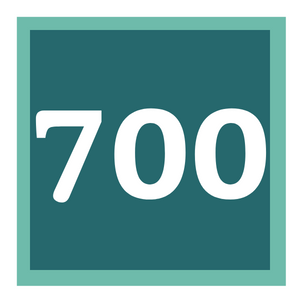
This article from the 74 Million highlights that it has been 700 days (at the time of publication) since more than half the nation’s schools closed in the first pandemic lockdown. The article also examines the effects on children in schools over the last two years.
Policy Radar
State 
Ohio is using federal relief funds to create or expand school-based health centers throughout the state ($25.9 million) and $4 million in state funding for lead pipe replacement programs. 
 
Ohio lawmakers are looking to permanently end the retention requirement under the state’s third-grade reading guarantee policy. It was temporarily paused by another piece of legislation; HB 497 would make it permanent.  
• • • • • • •
Federal 
Cleveland.com describes efforts being made by Sens. Mitt Romney and Sherrod Brown (Ohio) to make the recently expired federal child tax credits a more permanent policy fixture. Before its expiration in December, the credit is estimated to have helped 1.4 million Ohio families and 2.3 million Ohio children and has been lauded as an important anti-poverty strategy. 
 
In his recent State of the Union address, President Biden highlighted students’ growing mental health needs and learning loss and underscored the importance of quality child care and pre-K. Here is some good coverage of the speech, through those lenses: 
Beyond the Buckeye State
In Hawaii, the average salary for a child care worker is $27,840, just above the national average, despite the extremely high cost of living in the state. This article details Hawaii’s efforts to improve child care access and to increase the pay of child care workers through proposed legislation. One proposal would create a pilot program to increase the hourly pay of 5% of the state’s child care workers; another would seek to enroll all 3- and 4-year-old children in Hawaii in a preschool program by December 2032. 
 
The governor of New Mexico recently signed four education-related bills. Among them are measures to increase teacher and counselor salary minimums by $10,000 and add $100 million to a teacher pension fund. 
What We're Reading
Here’s a refresher about evidence showing the childhood mental health toll created by war, as well as the link between parents’ stress and childhood well-being. 
 
This Brookings blog shares findings from an upcoming book about the need to diversity the teaching workforce. The authors say that the influx of federal pandemic funds provides a great opportunity to focus on diversifying the profession, and link to evidence about a representative profession matters so immensely. 
 
A white paper from Columbus’ Southside Early Learning Center shares findings from a soccer & literacy pilot program. 
 
This article asks the pressing question: what happens when federal child care stabilization funds run out in a few years? It also outlines a few examples of the ways states are laying groundwork now for initiatives to support and enhance the industry after the final stabilization dollars dry up in 2024.
This edition written by: Jamie O'Leary and Caitlin Lennon
• • • • • • •
If you like this newsletter, forward to a friend! Subscribe here.
• • • • • • •