Have you registered for this
HANDS-ON CADAVER WORKSHOP?
You won't want to miss this opportunity!
|
|
Laxmaiah Manchikanti, MD, Nebojsa Nick Knezevic, MD, PhD, Emilija Knezevic, Rachana Pasupuleti, BS, Alan D. Kaye, MD, PhD, Mahendra Sanapati, MD, and Joshua A. Hirsch, MD
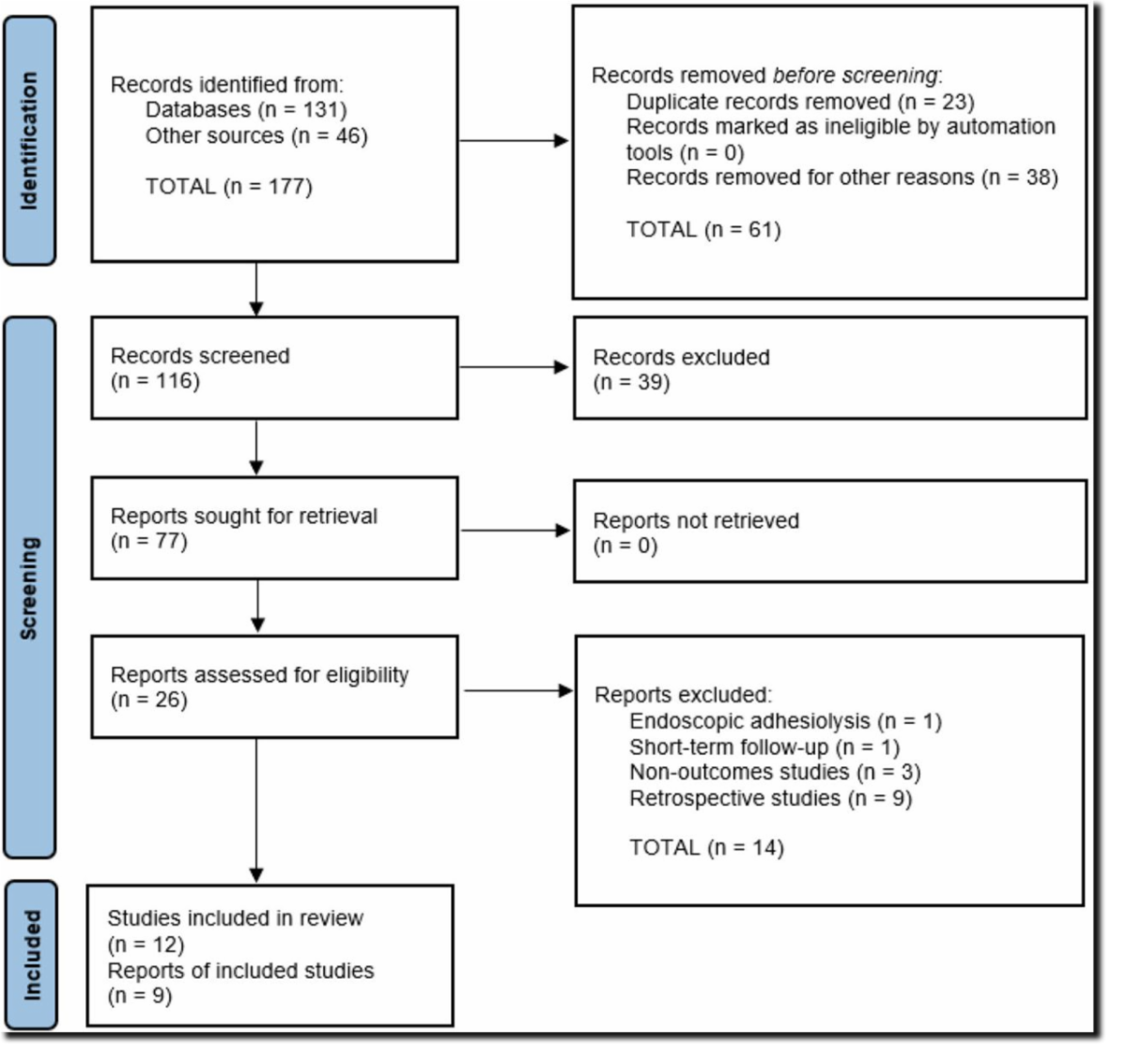
Chronic refractory low back and lower extremity pain recalcitrant to conservative management and epidural injections secondary to postsurgery syndrome, spinal stenosis, and disc herniation are sometimes managed with percutaneous adhesiolysis. Consequently, this systematic review and meta-analysis was undertaken to assess the efficacy of percutaneous adhesiolysis in managing low back and lower extremity pain.
|
|
The lab is now full but it's not too late to register for the 2-day symposium, June 9-10! |
|
HOTEL
RESERVATIONS
WYNN AND ENCORE
LAS VEGAS
3131 Las Vegas Blvd. South
Las Vegas, NV 89109
Phone: (702) 770-7000 | Toll Free: 888-320-7123 | Fax: (702) 770-1500
If you have trouble reserving a room, contact Karen Avery at kavery@asipp.org with questions or concerns.
|
|
Health systems must eliminate unnecessary uses of QACs
Antimicrobial resistance remains a pressing public health concern and a leading cause of death around the world. Treating infections with antibiotics is a decision made by the healthcare provider after carefully considering the benefits and risks of treatment. However, healthcare providers may not think as carefully about the benefit-risk trade-offs when using antimicrobial products liberally to disinfect high-traffic surfaces such as door handles and exam tables. Like their pharmaceutical counterparts, antimicrobial disinfectants can also come with "side effects" and may be contributing to the rise of superbugs.
Antimicrobial disinfectants serve a critical public health purpose: to decrease the spread of disease. But, as we know with antibiotics, there is a downside to overusing products. Not only can antimicrobials such as quaternary ammonium compounds (known as QACs or quats) contribute to antimicrobial resistance, the evidence of harm to human health from exposure to QACs is increasing. The COVID-19 pandemic magnified the use of disinfectants and alcohol-based sanitizers in healthcare and non-healthcare settings. On top of the overzealous use of wipes, sprays, and cleaning solutions, the pandemic has also boosted the relatively new trend of putting antimicrobials on nonporous items and in durable goods (pillows, socks, furniture, airplane brochures).
A recent scientific review of QACs (co-authored by one of us -- Amina Salamova, PhD, MS), presents evidence of suspected or known adverse health outcomes from human and laboratory animal research. These include dermal and respiratory effects, developmental and reproductive toxicity, and disruption of metabolic function associated with exposure to QACs. In addition, the review demonstrates that concentrations of QACs in the environment are already approaching levels known to be toxic to aquatic organisms and they are now detected in human blood and breast milk.
|
|
The deadline for Abstract submission is June 2.
|
|
|
Action is needed to prevent a looming physician shortage
In a recent column, David Nash, founding dean emeritus and the Dr. Raymond C. and Doris N. Grandon Professor of Health Policy at the Jefferson College of Population Health, wrote about the decline of traditional primary care delivery in the U.S. He focused on the disruptive changes we're seeing in primary care delivery models – chiefly the emergence of integrated care organizations and the increasing "Big Box Store" presence in the healthcare sector. This month, he'll take a deeper dive into what many see as a far more serious problem - the accelerating shortage of primary care providers nationwide.
The health of our population is heavily dependent on having sufficient numbers and types of physicians. Unfortunately, the long-predicted physician shortage is the current reality and, since it takes a minimum of 7 years (4 years of medical school and 3 years of residency) to adequately educate and train a physician, we are well behind the eight ball.
Last year, the Association of American Medical Colleges issued a stunning report on "The Complexities of Physician Supply and Demand: Projections From 2019 to 2034," which assessed the capacity of the U.S. physician workforce. The authors projected that physician demand will continue to grow faster than supply, resulting in a shortage of 37,000 to 120,000 physicians by 2034. Of particular concern, the report estimated a primary care physician shortage of 17,800 to 48,000 by that same year.
|
|
Doctors in Perth have been ordered not to use AI bot technology, with authorities concerned about patient confidentiality.
In an email obtained by the ABC, Perth's South Metropolitan Health Service (SMHS), which spans five hospitals, said some staff had been using software, such as ChatGPT, to write medical notes which were then being uploaded to patient record systems.
"Crucially, at this stage, there is no assurance of patient confidentiality when using AI bot technology, such as ChatGPT, nor do we fully understand the security risks," the email from SMHS chief executive, Paul Forden said.
"For this reason, the use of AI technology, including ChatGPT, for work-related activity that includes any patient or potentially sensitive health service information must cease immediately."
Since the directive, the service has clarified that only one doctor used the AI tool to generate a patient discharge summary and there had been no breach of patient confidential information.
|
|
Virtual
ABIPP Part I; ABIPP Path - Combined DCCPM/CSM virtual exam; ABIPP Competency Exam in IPM; ABIPP Competency Exam in Regenerative Medicine
Memphis, TN
ABIPP Part II - Practical Portion; ABIPP Competency Exam - Practical Portion; ABIPP Regenerative Medicine Competency Exam - Practical Portion
|
|
Devin Bair, a 42-year-old Pennsylvania resident, had used opioids on-and-off for years, but she never experienced anything like xylazine. She first took it without knowing two years ago when it infiltrated her dealer’s supply, and she unknowingly became addicted to it. Xylazine, a veterinary tranquilizer that isn’t meant for use in humans, is an increasingly common adulterant pervading the U.S. illicit drug supply, but little is known about its effects on the human body or how to treat the intense withdrawal symptoms it causes.
Xylazine has taken a stronghold in Philadelphia, a city at the forefront of addiction crisis and care. A 2021 study conducted by the city’s public health department found traces of it in more than 90% of samples of dope—a mix of different illicit drugs. It’s unclear exactly how many people in Philadelphia are using xylazine, but in 2021, at least 434 fatal overdoses there involved xylazine. How lethal and dangerous xylazine is remains a mystery, and as puzzled health care providers struggle, fear grows that the crisis will escalate in other parts of the U.S. The Biden Administration deemed xylazine-laced fentanyl an “emerging threat” in April and asked Congress for $11 million to combat it.
Infamous for causing severe flesh wounds that can require amputation, xylazine isn’t approved for human consumption but also isn’t a controlled substance, which means it isn’t regulated by the U.S. government. The Drug Enforcement Agency (DEA) has seized xylazine-fentanyl dope in at least 48 states and warned in November 2022 that many people don’t realize they’re taking it.
|
|
Without it, you are doing your students a disservice
Five years ago, my 21-year-old son Bradley died of psychiatric drug interactions, after years of battling anxiety, depression, and an eating disorder. In most respects, Bradley was very much like many kids you know. He was funny, smart, and talented, constantly making people laugh with goofy impersonations, and starring in school plays and musicals. We—me, my husband, and Bradley’s siblings—deeply supported him in his challenges with mental health. He had access to the best healthcare available. But despite his privilege, we couldn’t save him.
At the time of his death, Bradley was taking a cocktail of medications prescribed by respected doctors. Bradley died unexpectedly in his sleep because of a practice called polypharmacy—the layering of multiple medications on top of one another, often without regard to what other doctors have already prescribed or the potential interactions between the drugs.
Psychiatrists are prescribing medications more frequently than ever before. In 2017, the year Bradley died, over 70,000 people died from some kind of drug overdose, including both illegal and prescription drugs. That number increased to over 100,000 in 2021. Medication was necessary in Bradley’s treatment, but too many medicines, in the wrong combination, cost him his life.
|
|
The government must do more to prevent violence against healthcare workers
Earlier this month, a CDC employee was shot and killed at a medical facility in Atlanta, and four others were wounded. In June 2022, two doctors, a receptionist, and a visitor were killed in a Tulsa, Oklahoma medical building, and in October of that same year, two healthcare workers were shot and killed in the maternity unit of a hospital in Dallas.
These are the cases that make the news. However, violence and abusive threats against healthcare workers are nearly daily occurrences. Of all workplace violence, 73% occurs against healthcare workers. Every year, 13% of nurses suffer physical assaults, and 38.8% of nurses experience non-physical violence such as verbal threats, abuse, and sexual harassment.
Emergency department (ED) providers are particularly vulnerable. Federal legislation such as the Emergency Medical Treatment and Labor Act (EMTALA) requires that every patient who presents to a Medicare-participating ED receive a medical screening exam and stabilization of emergency medical conditions. These laws do not provide exceptions for patients who are violent, or who make physical or sexual threats against healthcare staff. An August 2022 survey showed that 55% of emergency medicine physicians, including one of us, have been personally assaulted while at work, and nearly 80% have witnessed an assault on a colleague.
|
|
- ASIPP Members Only Site Information - |
|
-
To log in for the first time you will need to click “forgot password” at the bottom of the login window.
- Check your email and then log in as directed.
-
If you have problems logging into your account, click here.
|
|
Studies on differences in style of practice yield strong clues
BY RON HARMAN KING, MS, JD
A new analysis of lawsuits against doctors yields both surprising and anticipated results. According to the American Medical Association, nearly one-third, or 31.2%, of U.S. physicians reported they had been sued.
I find such a high rate at least mildly surprising, given the common sentiment among medical malpractice attorneys that winnable cases against physicians are extremely few and far between.
Not so surprising to me is that two-thirds of civil liability claims are dropped, dismissed, or withdrawn without a finding of fault. Moreover, when a suit goes all the way to a jury, the defendant doc statistically has nearly a 90% chance of winning, according to the AMA.
|
|
Pain Medicine Case Reports (PMCR) and Editor-in-Chief Alaa Abd-Elsayed, MD, PhD would like to invite you to submit case reports and case series to the PMCR journal. Your article will be published free of charge.
Open access journals are freely available online for immediate worldwide open access to the full text of published articles. There is no subscription fee for open access journals. Open access journals are no different from traditional subscription-based journals: they undergo the same peer-review and quality control as any other scholarly journal.
Interested in becoming a member of the PMCR Editorial Board?
Editorial board members are asked to review 2-6 manuscripts per year. Please submit your most up-to-date CV to sgold@asipp.org for consideration.
For more information or to submit your articles, click here.
|
|
| CASE REPORT |
Longjam Darendrajit Singh, MD, Dhruv Jain, MD, Heena Garg, MD, Jay Prakash Thakur, MD, Gaurav Gomez, MD, and Jyotsna Punj, MD
Abstract
BACKGROUND: Pharmacological treatment alone is found inadequate for patients of fibromyalgia (FM) syndrome. For prolonged pain relief, either injections of lidocaine or botulinum toxin A were previously injected at tender points of FM with varied results.
CASE REPORT: We present a case where a mixture of lidocaine and botulinum A was injected at tender points in a young woman patient with FM, which resulted in immediate and extended pain relief with improvement in quality of life.
CONCLUSIONS: Mixture of lidocaine and botulinum toxin injections at tender points in FM may provide immediate and long-lasting pain relief.
KEY WORDS: Fibromyalgia, lidocaine, botulinum, injection
|
|
| RANDOMIZED CONTROL TRIAL |
Dongxu Zhou, MSc, Fan Liu, MSc, Fei Jiang, MSc, Xihong Ye, MD, PhD, Xingrui Gong, MD, PhD, and Mazhong Zhang, MD, PhD
Abstract
BACKGROUND: Postoperative pain and anxiety affect patients’ recovery and increase the family burden. S-ketamine presents analgesic effects and anti-depressive effects in clinics. The effect of a sub-anesthesia dose of S-ketamine on postoperative pain and anxiety remains to be clarified.
OBJECTIVES: This study aimed to evaluate the analgesic and anxiolytic effects of a sub-anesthesia dose of S-ketamine on postoperative pain and anxiety and explored the risk factors for postoperative pain in patients receiving breast or thyroid surgery under general anesthesia.
STUDY DESIGN: A randomized, double-blind, controlled trial.
SETTING: A university hospital.
METHODS: One hundred twenty patients receiving breast or thyroid surgery, stratified by surgery type, were randomized to S-ketamine and control groups in a 1:1 ratio. S-ketamine (0.3 mg/kg) or an equal volume of normal saline was administrated after anesthesia induction. Visual analog scale (VAS) of pain and self-rating anxiety scale (SAS) were tested before surgery and on postoperative day 1, 2, and 3. VAS and SAS score between the 2 groups were compared, and the risk factors for postoperative moderate to severe pain were explored with logistic regression analysis.
RESULTS: Intraoperative S-ketamine decreased VAS and SAS scores on postoperative day 1, 2, and 3 (P < 0.05, 2-way ANOVA for repeated measurements followed by Bonferroni post-analysis). Subgroup analysis showed S-ketamine decreased VAS and SAS scores both in breast surgery and thyroid surgery patients on postoperative day 1, 2, and 3. Logistic regression identified S-ketamine and regular exercise are protective factors, and anxiety before surgery is a risk factor for postoperative moderate to severe pain (P < 0.05).
LIMITATIONS: The anxiety score in our study is not so high, which may under-evaluate the anxiolytic effect of S-ketamine. However, S-ketamine decreased the SAS scores postoperatively in our study.
CONCLUSIONS: Intraoperative sub-anesthesia dose of S-ketamine reduces postoperative pain and anxiety intensity. Anxiety before surgery is a risk factor, and S-ketamine and regular exercise are protective factors for postoperative pain.
The study was registered at www.chictr.org.cn with the number: ChiCTR2200060928.
KEY WORDS: S-ketamine, pain, anxiety, breast, thyroid
|
|
| RANDOMIZED TRIAL |
JiHee Hong, MD, PhD, Ji Hoon Park, MD, PhD, and Jin Woo Shim, MD
Abstract
BACKGROUND: The erector spinae plane block (ESPB) is a less invasive, safer, and technically easier procedure compared to the conventional neuraxial technique. Although the ESPB is a favored and easy technique compared to neuraxial block, there is no study with a large number of patients describing the exact spread level of injected local anesthetics.
OBJECTIVES: The purpose of this study was to identify ESPB spread in the craniocaudal direction and the incidence of spread into the epidural space, psoas muscle, and intravascular system.
STUDY DESIGN: Prospective design.
SETTING: A tertiary university hospital, pain clinic.
METHODS: Right- or left-sided ESPBs (170 at L4) with fluoroscopy subsequent to ultrasound guidance due to acute or subacute low back pain were included. In this study, 10 mL (ESPB 10 mL group, contrast medium 5 mL) or 20 mL (ESPB 20 mL group, contrast medium 7 mL) of a local anesthetic mixture was injected. After confirming a successful interfascial plane spreading under ultrasound guidance, the remaining local anesthetic was injected under fluoroscopic guidance. The spread level of ESPB in the craniocaudal direction and the occurrence of injectate into the epidural space or psoas muscle was assessed using the saved fluoroscopic images. These images were compared between the ESPB 10 mL and ESPB 20 mL groups. Also, the presence or absence of intravascular injection during ESPB was assessed and compared between the ESPB 10 mL and ESPB 20 mL groups.
RESULTS: The ESPB 20 mL group had a more extensive caudal distribution of contrast medium than the ESPB 10 mL group. Also, the total number of lumbar vertebral segments was significantly higher in the ESPB 20 mL group than that of the ESPB 10 mL group (1.7 ± 0.4 vs 2.1 ± 0.4, P < 0.001). Among all injections performed in this study, epidural, psoas muscle, and intravascular injections occurred in 2.9%, 5.9%, and 12.9%, respectively.
LIMITATIONS: Only the craniocaudal direction was evaluated without evaluating the spread pattern in the medial to lateral direction.
CONCLUSION: The ESPB 20 mL group showed a more extensive distribution of contrast medium than that of the ESPB 10 mL group. Inadvertent injections into the epidural space, psoas muscle, and intravascular system were observed. Among them, intravascular system injections were found to be the most common (12.9%).
KEY WORDS: Erector spinae plane block, spread level, psoas muscle, intravascular injection
|
|
ASIPP is now in collaboration with Curi Medical Liability Program
Since this malpractice insurance program officially launched in November 2018, ASIPP has signed up hundreds of providers with an average savings of 30%. This is professional liability insurance tailored to our specialty and will stand up for us and defend our practices.
Curi is a full-service advisory firm that serves physicians and their practices. Their valued advice is grounded in your priorities and elevated in your outcomes. They are driven by a deep understanding of your specific circumstances in medicine, business, and life. To read a few important points to keep in mind about the program, including discounts, administrative defense, cyber coverage, aggressive claims handling, and complimentary risk management CME activities, visit our website.
|
|
ASIPP® has formed a partnership with Henry Schein and PedsPal, a national GPO that has a successful history of negotiating better prices on medical supplies and creating value-added services for independent physicians. Working with MedAssets, PedsPal provides excellent pricing on products like contrast media that alleviate some of the financial pressures you experience today.
|
|
ASIPP® is now offering our members the benefit of a unique revenue cycle management/ billing service.
We have received a tremendous amount of interest in the ASIPP® billing and coding program.
Click here to learn more about the negotiated rate for practices and more!
|
|
|
up-to-date news related to you, your practice, and your patients!
|
|
|
|
|
|
|