Volume 10, Issue 1 │January 9, 2026 | | | |
License renewals are now OPEN!
The Illinois Department of Financial and Professional Regulation (IDFPR) has officially opened the renewal cycle. If you’re ready to renew your license, please click the link below to log in and access resources on renewing through IDFPR.
| | |
Do you provide home visits? Eye exams in Spanish? Aviation vision? Update your doctor profile today!
Every week patients use the doctor lookup feature on the IOA/AOA website or call the IOA looking for an OD in their area. Oftentimes they are looking for services such as home visits or optometrists who speak a certain language. Update your IOA/AOA profile so patients can easily find you by logging into your profile at the link below.
| |
Third Party Committee Update: 2026 Medicare Allowables now available!
The IOA Third Party Committee has updated the list of 2026 Medicare allowables for Illinois, available for download below. They can be downloaded in Microsoft Excel or Adobe PDF format. For a list of localities and the counties included, please reference the chart below.
Medicare Allowables:
Locality 12 - Excel or PDF
Locality 15 - Excel or PDF
Locality 16 - Excel or PDF
Locality 99 - Excel or PDF
Locality & County Information
12: Bond, Calhoun, Clinton, Jersey, Macoupin, Madison, Monroe, Montgomery, Randolph, St. Clair, Washington
15: DuPage, Kane, Lake, Will
16: Cook
99: All other counties
| |
|
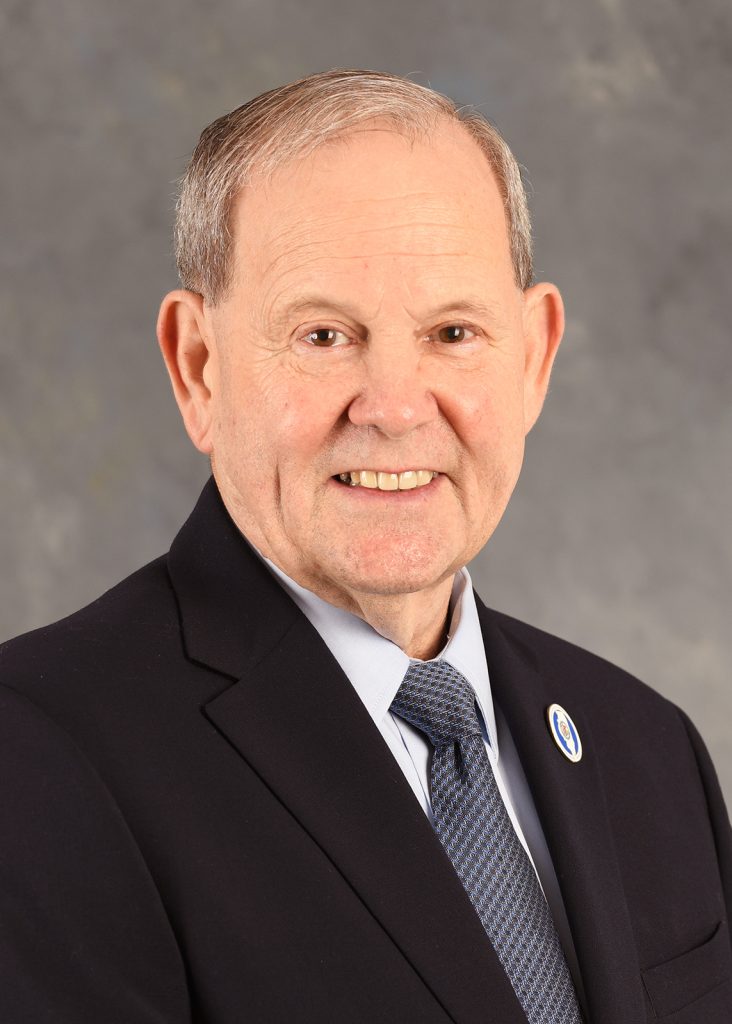
Please join the Southern Illinois Optometric Society and the IOA in supporting State Rep Paul Jacobs, O.D., in his race for the Illinois Senate!
An IOA member from Carlinville, IL, Rep Jacobs is currently running for the Illinois Senate in the 59th district to replace retiring Senator Dale Fowler. Join your fellow optometrists in supporting the ONLY optometrist in the Illinois General Assembly. Your contribution will help support the campaign for State Rep. Paul Jacobs, O.D. as he runs for the Illinois Senate.
Contributions may be made to the campaign via check.
About Rep. Paul Jacobs, O.D.
Representative Paul Jacobs has been an optometrist for over 45 years, practicing in several communities throughout Southern Illinois. He currently serves in the 118th district as the elected representative for all of Alexander, Pulaski, and Union Counties and portions of Jackson and Williamson Counties. Some of his committee assignments include Appropriations-Higher Education, Cybersecurity, Data Analytics, & IT, Health Care Licenses, Higher Education, Veterans' Affairs, and Higher Ed-Degree Conferral.
Dr. Jacobs has been a strong advocate for the Illinois Optometric Association, supporting their efforts to enable optometrists to practice to the full scope of their license in VA hospitals, ensuring that our nation's veterans receive essential eye care.
Representative Jacobs also sponsored SB764, known as the Vision Care Plan Regulation Act, which introduced reforms to ensure fairness and transparency in contracts with vision plans. A key provision of this legislation prohibits vision care plans from limiting an eye care provider's freedom to choose their suppliers, materials, or labs, or from requiring them to purchase materials from a source owned by the entity that issued the vision care plan. SB764 also mandates that eye care providers post a notice to patients if they do not accept the fee schedule set by the insurer for vision plans.
| License renewals are just around the corner, sign up to attend the IOA Winter CE Series. Each session offers 6 tested hours, registration is still open! | |
January 25, 2026
Location: Thelma Keller Convention Center // Effingham, IL
Speaker: Larissa Krenk, OD & Anna Bedwell, OD
Course: "From Normal to Urgent: Mastering Retinal Imaging and Medical Emergencies"
February 22, 2026
Location: Westin Chicago Northwest // Itasca, IL
Speaker: James Fanelli, OD
Course: "Oral Medications with Real Life Considerations, Maximizing Your OCT Utilization in Glaucoma, The Papilledema vs PseudoPapilledema Conundrum: Using Your OCT to Make the Call"
March 1, 2026
Location: Tinley Park Convention Center // Tinley Park, IL
Speaker: Jeffry Gerson, OD
Course: "Retina in Focus: Systemic Connections, Diabetes Care, and AMD Nutrition for Today’s Optometrist"
| | January is National Glaucoma Awareness Month! | | |
Here are some ways to spread awareness during Glaucoma Awareness Month:
- Share educational posts throughout January highlighting that glaucoma often has no early symptoms.
- Encourage patients to schedule annual comprehensive eye exams, especially those at higher risk.
- Display glaucoma awareness posters and brochures in your office.
- Talk with patients about glaucoma risk factors during routine visits.
- Use your practice social media, website, and emails to share glaucoma facts and prevention tips.
- Partner with local community organizations or senior centers to share educational materials.
- Remind patients that early detection can help preserve vision.
| | |
2026 Dues Contest! 📣 Win A FREE Annual Meeting registration
This year, the 2026 dues contest will be related to making your dues payment via Zelle. Zelle is a direct and fast way to send and receive money that will reduce transaction costs to the Association. Details on making your dues payment via Zelle will be located in your invoice mailing and emails
Pay membership dues in full by 1/31/2026 via Zelle and be entered into a drawing to win FREE registration to the 2025 IOA Annual Meeting in Springfield, Illinois! This includes your registration for the meeting and all CE testing fees associated with your registration but does not include hotel reservations.
If you are planning on retiring before the end of 2025 or in 2026, please reach out to discuss membership options.
Click below if you would like to pay your dues online.
| |
Win a $100 Gift Card!
The IOA is gathering insights to strengthen optometry across Illinois. Please fill out the anonymous survey & upon completion you will receive a link for your chance to win a $100 gift card!
| | | |
MEMBER BENEFIT: FREE On-Demand CE!
Don't forget! The IOA offers FREE On-Demand CE, as part of your membership you gain access to a variety of free continuing education courses. Courses for the 2024-2026 licensing cycle are now available on the On-Demand CE platform. ODs can take all 18 regular hours of CE online through the On-Demand CE Series.
As an Illinois licensed CE provider, all courses taken through IOA will count for an Illinois license renewal.
| | The Eyes on Tomorrow Fund, previously known as the Legislative Equity Fund, is a dedicated resource created by and for optometrists to support the Illinois Optometric Association’s (IOA) state-level advocacy efforts. This fund directly empowers optometry’s fight for scope expansion, the regulation of Vision Benefits Managers (VBMs), and other legislative battles crucial to protecting the profession and ensuring patient care. Unlike political action committees (PACs), this fund is not used to support candidates but instead provides critical resources for advancing optometry in Illinois. | | |
The PAC (Political Action Committee) is a group organized to promote its members' views on selected issues, usually through raising money that is contributed to the campaign funds of candidates who support the group's position to keep our friends in office. Now more than ever, we need strong, principled leaders who will fight for equal rights, and access to essential services —Will you pitch in today to help us protect our profession and the patients we serve?
Contributions to the IOA PAC can be made as a One-Time Donation or as Recurring Monthly Donation and deducted automatically from donor's bank account or charged to their credit card. Selecting to contribute a set amount on a monthly basis is a painless and effortless way to contribute to and support the IOA PAC. Contributions to the IOA PAC fund are not deductible for federal income tax purposes.
| | |
|
We want to hear from YOU!
Do you have a business question or a dilemma we can answer for you? Others may have the same inquiry. Ask away! We will answer your question in an upcoming issue.
(Don't worry, we won't include your name.)
| | |
Eye care practitioners should report all violations of the FCLCA, including instances in which contact lens sellers fail to comply with the prescription verification provisions of the law.
| | |
Filing a complaint? Use the resources below to get started.
If you believe a health insurance company is violating the Vision Care Plan Regulation Act, please file a complaint with the Illinois Department of Insurance by following the link below. If appropriate, please also encourage your patients to file a complaint. Doing so is what drives the Department of Insurance to take action against insurance companies who aren’t following the law. File a complaint with the Department of Insurance at the link below.
Vision Plans & Insurance Companies:
Dept of Insurance Complaint Submission - How to File a Complaint
Office of the Illinois Attorney General - File a Complaint
Report illegal and unsafe contact lens sales to the FDA & FTC:
Fairness to Contact Lens Consumers Act compliance and safety | AOA
IDFPR:
IDFPR | File a Complaint
Medicaid Managed Care Complaint Portal:
Managed Care Provider Resolution Portal | HFS
| | |
Federal Court Sides with Illinois, Blocks Defunding of Medical, Public Health Research
Health News Illinois | By Ryan Voyles
January 5, 2025
A federal appeals court sided with Illinois and colleagues this week to block the Trump administration from cutting research grant funds by the National Institutes of Health.
The U.S. Court of Appeals for the 1st Circuit affirmed a lower court’s ruling that prevents the implementation of a policy that caps reimbursement for administrative staff and facility costs for grants awarded by NIH. The cap sought to limit funding for “indirect costs” to 15 percent of grants.
Illinois Attorney General Kwame Raoul filed the lawsuit last year with 21 other Democratic attorneys general, who argued the policy violates federal law, specifically a Congressional directive passed in 2017 when President Donald Trump moved to make similar cuts to research reimbursements.
“This win protects the efforts of Illinois universities and research institutions to achieve breakthrough discoveries with lifesaving medical research,” Raoul said in a statement. “I commend the court for stopping the administration from attempting, yet again, to cut essential funding, and I will continue to work with my colleagues to ensure the law is upheld.”
Among the organizations that receive funds are $67 million annually for the University of Illinois System and $4.5 million for other public universities in the Southern Illinois University System.
NIH, which did not return a request for comment, previously said it spent over $35 billion in the 2023 fiscal year on nearly 50,000 grants to more than 300,000 researchers at more than 2,500 universities, medical schools and other research institutions in the U.S. Of that, about $9 billion went for indirect costs.
| |
IDPH Urges Flu Shots, Other Preventive Measures as Influenza Rates Climb Statewide
IDPH | Press Release
January 5, 2025
Influenza climbs to “Very High” levels in state; COVID-19 also on the rise
SPRINGFIELD – The Illinois Department of Public Health (IDPH) is urging residents to take precautions against the spread of influenza (flu) and other seasonal respiratory illnesses, as rates continue to climb across the state. Flu activity in the state has climbed to “Very High” in recent days, the most severe of five categories of respiratory illness activity, as defined by the U.S. Centers for Disease Control and Prevention (CDC). In addition, COVID-19 rates have climbed to “Moderate” levels in Illinois. These trends are similar to what is being seen across the nation.
Illinois is also reporting its first influenza death in a child this season. Nationally, there have been nine pediatric deaths due to influenza this season. During the 2024/2025 season, Illinois reported 12 pediatric deaths from influenza, 6 from RSV and 3 from COVID.
Data on seasonal respiratory illnesses across the state is available at IDPH’s Seasonal Respiratory Illness Dashboard, which is updated weekly.
“Illinois is facing a significant winter surge in seasonal respiratory illnesses with flu activity at very high levels,” said IDPH Director Dr. Sameer Vohra. “Vaccinations remain the most effective tool to prevent severe illness from flu, COVID-19, and RSV. Simple steps like covering coughs and sneezes, washing hands regularly, staying home when sick if you are able, and improving ventilation are also critical to preventing further spread. If you develop symptoms, it is important to get evaluated and treated early in your illness, especially if you are 65 years or older, are a young child under the age of 2 years, are pregnant, have chronic conditions, or care for someone at risk. IDPH is monitoring the situation closely and working with our partners in public health and healthcare to protect Illinois families across the state.”
According to IDPH’s Illinois Vaccination Coverage Dashboards, 21.9% of Illinoisans have received their flu shot this season, while only 6.8% have received COVID-19 immunization. Speak to your provider, pharmacist, or local health department for information on how you can obtain vaccines for yourself and loved ones. You can also find out more about vaccine availability in your area via the state’s vaccine locator dashboard.
While anyone can potentially become seriously ill from seasonal respiratory illnesses, the most susceptible are the very young, very old, pregnant individuals, and those who are immunocompromised or have other underlying health conditions.
IDPH recommends the following steps to reduce your risk of contracting or spreading seasonal respiratory illness:
- Get immunized. With flu season usually peaking between December and February, and lasting until May, it’s not too late to get your flu shot and other immunizations, such as for COVID-19 and RSV (for those who are eligible). For more information on respiratory illness vaccines, view IDPH’s immunization guidelines.
- Wash your hands frequently with soap and water - it is one of the most effective ways to reduce spread of illness. Alcohol-based hand sanitizers are also effective if soap and water are not available.
- Stay home when you are ill, if able, and wear a mask if not.
- Cover coughs and sneezes. Wearing a mask when ill will further help prevent viral spread. An N95 or comparable mask offers the best protection.
- Minimize close contact with sick people.
- Antiviral treatments can minimize symptoms and speed up recovery when started quickly after symptoms emerge. Antiviral treatments for flu are most effective when given within 48 hours of starting to feel illFor COVID-19, treatment must be started within 5 to 7 days after symptoms appear. Older adults, young children and those who are pregnant or have certain underlying conditions are at risk for complications and should contact a healthcare provider to be assessed for the need for treatment as soon as possible.
You can learn more about infectious respiratory illnesses and best practices to prevent their spread on the IDPH website at Infectious Respiratory Disease.
| | |
State Officials Urge Residents to Stay Informed Ahead of Medicaid Cuts, Changes
Health News Illinois | By Ryan Voyles
January 5, 2025
As the Illinois Medicaid program prepares for significant changes and cuts, state and Chicago area officials on Tuesday urged residents to stay informed.
“We want Cook County residents to know that if you qualified for Medicaid yesterday, you still qualify for it today,” Aaron Galeener, the chief administrative officer of Cook County Health’s CountyCare, said during a press conference in Chicago. “We will share information about any changes to your eligibility or new requirements to keep your coverage. Enrollees should renew their Medicaid plan as they have in the past, schedule primary and preventive care and fill their prescriptions.”
The Department of Healthcare and Family Services has estimated that between 270,000 and 500,000 Illinoisans are expected to lose Medicaid coverage due to the work requirement set to go into effect next year, many due to the administrative burden.
Agency Director Elizabeth Whitehorn said Tuesday that they will “continue to fight to protect coverage, minimize harm and champion care for all Illinoisans.”
“Medicaid is a lifeline for the millions of customers we serve across the state, and the new federal cuts and requirements will very likely drive up the uninsured rate, exacerbate disparities and lead to poorer health outcomes,” she said.
Cook County Health CEO Dr. Erik Mikaitis said Medicaid enrollment had already begun to decline nationally, falling 7.6 percent last year. Last September, 15,600 fewer Cook County residents were enrolled in Medicaid than in July.
While they will continue to provide charity care and help residents with their coverage, Mikaitis said there is only so much they can do with the pending changes to the Medicaid program.
We continue to reiterate that we will do as much as we can for as long as we can, but our resources are finite,” he said. “There may come a time when tough choices have to be made.”
| |
New Law Protects Workers Who Document Violence Using Work Devices
IDOL | Press Release
January 5, 2025
SPRINGFIELD – The Illinois Department of Labor (IDOL) is reminding employers and employees about a new amendment, Public Act 104-0171, to the Victims’ Economic Security and Safety Act (VESSA) which clarify that employees may use an employer-provided device to document or record evidence of violence affecting themselves and or their family.
The amendment ensures that workers who use a business-owned device—such as a computer, tablet, or cellphone—to record or preserve evidence related to domestic violence, sexual violence, or stalking are protected under VESSA and may not be disciplined or retaliated against for that use.
“This change recognizes the realities that victims of violence face during moments of crisis,” said IDOL Director Jane Flanagan. “No one should have to choose between their safety and their job when documenting violence against themselves or their family.”
For Employees
• Clarified Protections: Employees may use an employer-provided device to record or preserve evidence related to violence covered under VESSA and employers are required to grant the employee access to any photographs, recordings, or other digital documentation of violence on that device.
• Anti-Retaliation Safeguards: Employers may not retaliate against employees for exercising their rights under VESSA.
• Continued Leave and Accommodation Rights: The amendment does not change existing rights to VESSA leave or reasonable workplace accommodations for covered employees who are victims of a crime of violence, including domestic violence, sexual violence, or gender violence.
For Employers
• Policy Review: Employers should review their workplace technology and VESSA policies to ensure that they are consistent and reflect the updated law.
• Compliance Obligations: Employers must ensure that supervisors and HR staff understand employee protections related to device use during VESSA-covered incidents.
• Risk Reduction: Clear policies and staff training can help prevent unlawful discipline or retaliation.
Public Act 104-0171 took effect January 1, 2026.
The Leave Rights Division, which administers VESSA, the Paid Leave for All Workers Act, the Child Extended Bereavement Leave Act, the Employee Sick Leave Act, and the Family Bereavement Leave Act, can be reached at DOL.LeaveRights@illinois.gov and at (312) 793-2600.
|
Illinois Awarded $193 Million to Expand Healthcare Access in Rural Areas
HFS| Press Release
December 31, 2025
Amid federal budget cuts to rural healthcare, Illinois will steward funds to support the state’s rural healthcare infrastructure and drive sustainable change in underserved rural communities
Illinois has been awarded $193,418,216 million per year for five years through the $50 billion federal Rural Healthcare Transformation Program (RHTP) fund, which will be utilized to expand equitable access to healthcare and to eliminate barriers to care that many residents of rural communities face. All 50 states applied for the RHTP funding, and a total of $10 billion will be available each year over five years, beginning in fiscal year 2026.
While this funding will provide support to improve healthcare access in rural Illinois communities, it will be far from enough to counteract the cuts imposed to the Medicaid program through various provisions in the Trump Administration’s budget bill. According to an estimate from KFF, the Trump Administration's budget bill is expected to cut $137 billion from rural healthcare providers nationally, nearly three times the $50 billion allocated in the fund.
The Illinois Department of Healthcare and Family Services (HFS), in strategic partnership with its sister agencies and interested parties, utilized the federal Centers for Medicare & Medicaid’s (CMS) five strategic goals from the RHTP Notice of Funding Opportunity (NOFO), to develop a comprehensive plan to strengthen Illinois’ rural healthcare system for the future. The plan outlines a vision built on three key categories of initiatives designed to incentivize health system transformation and create regional partnerships, increase the use of technology and mobile health services, and expand the rural healthcare workforce within the state.
Specifically, Illinois’ application supports the following:
• Transforming Rural Healthcare Delivery: Incentivize hospital and health provider transformation initiatives, including the establishment of regional health care partnerships, service line transformation, population health management, and value-based care.
• Overcoming Geographic Barriers of Care: Create opportunities for individuals in rural settings to receive appropriate access to services, including specialty care, while remaining in their communities through the deployment of mobile and telehealth services and by strengthening emergency response systems.
• Building a Resilient Rural Healthcare Workforce: Address urgent gaps in the rural healthcare workforce by offering access to scholarship, training, apprenticeship, and incentive programs through the state’s university and community college systems and in partnership with rural healthcare employers across the state.
Roughly 1.9 million people, or 15% of Illinois’ population, live in rural areas of the state. RHTP funding will be directed to entities that serve these individuals in rural census tracts across Illinois. Eighty-five counties, or more than two thirds of the counties in the state, include these types of census tracts as designated by the federal Health Resources and Services Administration (HRSA). Within this framework, particular attention will be paid to sub-populations, such as individuals living with chronic disease and those with mental health conditions.
Each initiative category has been informed by significant engagement with the rural health provider community. During the application process, HFS consulted with six key stakeholder groups to identify challenges and shape proposed initiatives. Engagement spanned nine state agencies, over 20 provider associations, as well as discussions with rural hospitals, community health centers, CMHCs, universities and community colleges, legislators, and vendors.
Value-based payment initiatives, hospital transformation grants, and practice transformation through team-based care will all be tools to strengthen hospital and provider partnerships. Infrastructure investments in emergency medical services, mobile health, and mobile crisis units will help overcome geographic barriers that can affect rural residents’ ability to access to care. Further, foundational investments like scholarships, university program expansion, expansion of community college programming, and regional training and certification programs will assist with the construction of a resilient rural workforce.
The goal of this funding distribution is to work towards improving health outcomes for all Illinois residents. Individuals living in rural areas often face worse health outcomes due to structural barriers that prevent them from being able to access the critical healthcare services they need. These communities have higher rates of many conditions including hypertension, diabetes, and infant and maternal mortality rates.
| |
AOA Makes Progress to Soften the Impact of Federal Student Loan Changes
The passage of the One Big Beautiful Bill Act heralded a series of changes for Federal Student Aid recipients, including one that could spur a seismic shift in access to optometry education. New federal student loan limits for the academic year 2026-2027 will make costly health care degrees even more unattainable for some.
The legislation imposes strict lending caps on federally subsidized graduate loans: $20,500 annually and $100,000 in aggregate for programs not considered ‘professional programs.’ Professional programs have a double limit: $50,000 per year and $200,000 over the lifetime of a graduate program for degrees in medicine, law, dentistry, and divinity. However, in many cases, even this allowance may still be insufficient.
Other changes include the elimination of the Graduate PLUS Loan Program effective July 1, 2026, and the introduction of two new loan repayment plans, while existing income-based and standard repayment plans are sunsetted.
The AOA advocated for the inclusion of optometry as a professional degree, warning Congress that lowering limits would make optometry schools out of reach for many—and succeeded. Despite their triumph and optometry’s inclusion, many may still not be able to afford their education without costly and, at times, predatory private loans.
Reforms target excessive debt but harm prospective students
Despite this win, AOA leadership is concerned about the far-reaching consequences of restricted access to educational funding. AOA President Jacquie M. Bowen, O.D., says education affordability will have an even larger impact in the future.
“While we appreciate that Congress recognized optometry as a professional program eligible for higher loan limits, these new federal student loan caps still raise serious concerns about affordability,” Dr. Bowen says. “Limiting how future doctors of optometry can finance not only tuition, but also living expenses, clinical equipment and board examinations risks shrinking the pipeline of providers at a time when our nation already faces significant eye care access challenges.”
This care gap is more than an affordability issue for optometry students. Ophthalmology students will face the same limitations, despite a longer and more expensive training program. With even higher costs, this change may discourage ophthalmology students, leading to a larger provider shortage in the future.
Additionally, an aging population and a commensurate demand for services for age-related eye conditions contribute to dire concerns over the public’s access to essential eye care in the future, says Richard Edlow, O.D., noted Eyeconomist author and industry lecturer. Dr. Edlow points to the results of a 2024 study by economists, “Seeing is believing: The effect of optometrist scope of practice expansion,” to augment his argument that optometry is an answer to the care gap. In the study, researchers found that, at three junctures in time, when scope expanded for optometrists, eye health rose in the U.S. As it expanded state-by-state, vision impairment fell by 12%. This decline bodes well for greater scope expansion in the future: “These findings have important implications on ongoing policy debates on scope of practice expansions of optometrists and other health care practitioners to meet the rapidly growing demand for medical services given the limited supply of physicians.”
AOA urges continuing advocacy
While the One Big Beautiful Bill Act is already law, there are still opportunities to advocate for adjustments. AOA-member students and doctors can start reaching out to their lawmakers on this issue starting Jan. 1, 2026, through the AOA Action Center.
|
Golden Opportunity Award: Applications are Open
Application Overview
The committee responsible for evaluating the Golden Opportunity Award is committed to a thorough and equitable assessment process that considers a diverse range of factors. Application questions have been crafted to gather comprehensive insights into applicants' personal achievements, challenges and future goals. Financial questions are designed to understand the unique financial context of each applicant, enabling the committee to make informed decisions that align with the programs goal of providing golden opportunities to those who will benefit most.
Application Timeline
Friday, October 17, 2025 - Applications Open
Monday, January 26, 2026 - Applications Close
April 2026 – Finalists selected
May 2026 – Finalists present to the awards committee in person or virtual
June 2026 – Awards announced at Optometry’s Meeting in Phoenix, Arizona
| |
Greenland Sharks May Hold Secret to Visual Preservation
— Investigators presented genomic, transcriptomic, histological and functional evidence that the Greenland shark retains an intact visual system well-adapted for life in dim light.
Optometry Times | By Lynda Charters
December 11, 2025
The University of California Irvine issued a press release in which they describe identifying a DNA mechanism that enables Greenland sharks to maintain their vision over centuries.
Dorota Skowronska-Krawczyk, PhD, who is UC Irvine associate professor of physiology and biophysics and associate professor, Ophthalmology, School of Medicine, and coauthors Walter Salzburger and Lily G. Fogg, from the University of Basel, Switzerland, have just published their findings about a DNA repair mechanism in these sharks in Nature Communications.1The research suggests that this mechanism “enables these sharks – some of which live for 400 years –– to maintain their vision over centuries with no signs of retinal degeneration and that they are well adapted to extreme low-light conditions,” according to the press release.
The authors commented, “The absence of obvious signs of retinal degeneration is remarkable given that even in healthy aging, vertebrate retinas (including those of humans) undergo progressive photoreceptor loss and DNA damage over time.2 For example, at published rates of age-related rod loss (approximately 0.2–0.6% per year), a human living to 400 years of age would be expected to lose over 50–90% of their rod photoreceptors.3-5”
In their publication, the authors explained that “Due to its extreme lifespan, harsh environmental conditions, and prevalent corneal parasitisation, the Greenland shark has previously been thought to have impaired or degenerated vision.”
What they found, however, was quite the opposite in that the animal’s visual system was intact and well-adapted to a dim light environment.
The investigators presented genomic, transcriptomic, histological and functional evidence that the Greenland shark retains an intact visual system well-adapted for life in dim light.
They reported, “Histology and in vitro opsin expression revealed visual adaptations typical of deep-sea species, including densely packed, elongated rods and a short-wavelength shift in rod visual pigment sensitivity compared to shallow-water sharks. In situ hybridisation confirmed the presence of essential visual cell types: rods, Müller glia, and bipolar, amacrine, and ganglion cells. Moreover, despite being over a century old, the examined specimens showed no obvious signs of retinal degeneration.”
The researchers also found that the rods were intact and robustly expressed, while the cones were “pseudogenized” and/or no longer expressed.
Importantly, they described finding “robust expression of DNA repair-associated genes in the retina, which may help support long-term maintenance of retinal integrity over the Greenland shark’s extreme lifespan.”
Coauthor Tom noted, “We can learn so much about vision and longevity from long-lived species like the Greenland shark, so having the funds to do research like this is very important.”
For Skowronska-Krawczyk, the study findings may facilitate the discovery of new ways to prevent age-related vision loss as well as eliminate diseases like macular degeneration and glaucoma. In addition, the findings may lead to more questions about how vision evolves, the mechanisms that help keep tissues alive and healthy for many years, and how to apply this knowledge to humans, she pointed out.
| | |
Cost of Health Care Most Urgent Problem, Says 29% of Poll Respondents
Women in Optometry | By Staff
December 23, 2025
The percentage of Americans worried that cost is the “most urgent health problem” in the U.S. rose from 23% a year ago to 29% this year, according to a Gallup Poll released in December 2025. The organization says that is highest level recorded since 2004. The highest level recorded by the polling organization was 30% in 1992.
Access is the biggest concern for 17% of respondents. Eight percent said obesity is the biggest health care concern.
LOW SATISFACTION RATINGS
In addition, only 16% of respondents said that they were satisfied with the cost of health care, down from 19% the year before. The high-water mark for this measurement was 30% in the first year of he pandemic.
However, fully 57% said that they are satisfied with their own health care costs. The authors of the report on the Gallup organization’s website says that similarly, respondents tended to few their own health care coverage as excellent or good. However, only 24$ rate health care coverage nationally at the excellent or good level.
A SYSTEM IN TROUBLE
More than two-thirds of the respondents said there are significant problems in the health care system:
- 23% said it is in a “state of crisis”
- 47% said it has “major problems”
- 26% said it has “minor” problems
- 3% said it is free of problems
| | |
Check out the newest IOA classifieds here!
Northern IL:
Small Private Practice in Morris, IL Seeking PT Optometrist (Read more)
Great FT or PT Opportunity at Primary Eyecare Center in Rockford, IL (Read more)
Part Time OD Needed at Private Practice in Schaumburg, IL (Read more)
Optometrist – Full Time - Private Practice - Yorkville, IL (Read more)
Optometrist Opportunity — Lake Zurich & Grayslake, IL (Read more)
Optometrist Needed in Western Suburbs (Read more)
Full-Time Optometrist Needed at Geneva Eye Clinic in Geneva, IL (Read more)
On-Site OD Needed with Illinois Department of Corrections (Read more)
Optometrist Opportunity in Riverwoods, IL (Read more)
Central IL:
On-Site Opportunity with IL Dept of Corrections (Read more)
Excellent Opportunity for Optometrist, Central IL (Read more)
Southern IL:
OD Needed in Greater STL Area & Throughout Southern IL (Read more)
On-Site Opportunity with IL Dept of Corrections (Read more)
Out of State:
Pediatric OD Needed in West Des Moines, IA (Read more)
OD Needed in Waukesha, WI (Read more)
Pediatric Optometrist Needed in West Des Moines, Iowa (Read more)
OD Needed in Jackson Michigan (Read more)
| | THANK YOU TO OUR INDUSTRY PARTNERS! | |
Illinois Optometric Association
217-525-8012
| | | | | |