A Newsletter for Adoptive Parents of Color |
|
Featured Article | Search for New APCC Director | Upcoming Events
|
|
Responding to an Adopted Child’s Fears During the Pandemic
by Kirstin Nelson
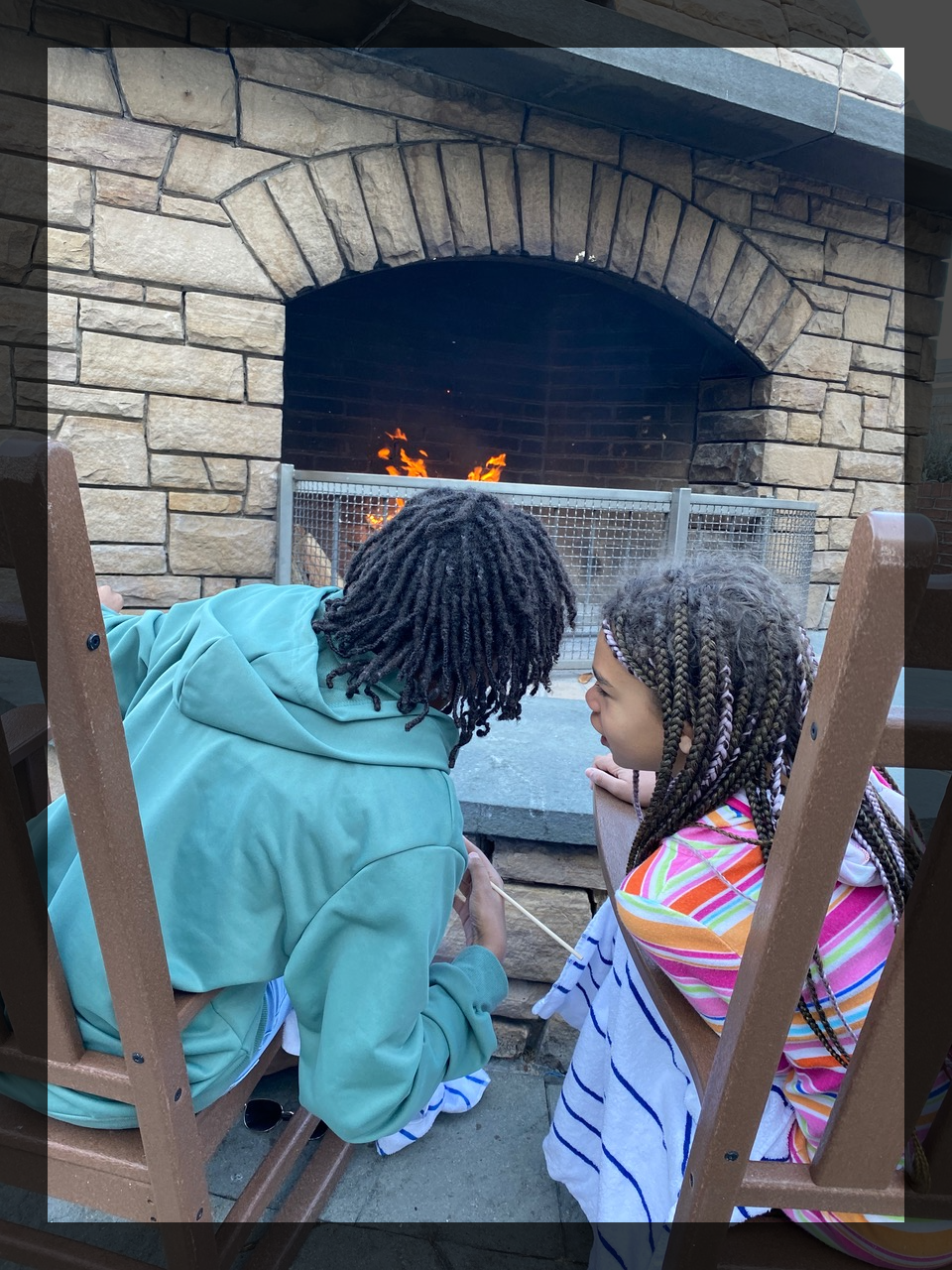
Spring 2022: My daughter's school held a field day for the first time since 2019, kids are having birthday parties, and we attended an outdoor festival and potluck this past weekend. Our lives are starting to feel more open. We are beginning to re-engage in activities and relationships. But what does that mean for adopted kids and their families? During the height of shelter-in-place orders and social distancing, some adopted children struggled with fear and uncertainty during time away from regular school routines and visits with birth family. Others flourished in the increased time spent with parents and siblings. During the pandemic, I noticed a heightened sense of anxiety and fear for my 9-year-old daughter, who has very little information about her birth family. She needed more reassurance and had more questions about her first family, often focusing on minute details of their lives.
Early in the pandemic, my daughter worried that her birth family might get COVID or lose their jobs. Or maybe they were first responders and at high risk. We have limited communication with her first family (by their preference), so we couldn't provide details that would reassure her about their health and well-being. She wondered if they were working, and what her brother was doing when schools were shut down. Did they have enough food? Did they have toilet paper? Which grocery stores were in their neighborhood? Would her brother fall behind with his grades? We encouraged her to talk about her concerns and emotions. While we didn't have many answers, we talked about how people were working to minimize risk and stay healthy. When vaccines became available, she wondered if they got vaccinated. She hoped they would remember to show up for both shots, not just one. As she asked about an endless string of possibilities that I had no answers for, I tried to focus on two things.
Why were specific small details meaningful to her, even if they seemed insignificant to me? And what emotions was she feeling? Focusing on these two things helped me slow down and listen more carefully. Most of her concerns seemed to be tied to her fear of loss, abandonment, and the unknown. These feelings are common for many adoptees, but many adoptive parents noticed the pandemic heightened them. So, I focused my efforts on reassuring her that we were there for her, we loved her, and, although we didn't have much information, we were open to talking about her concerns at any time.
As we engage in more activities and get back to a “new normal," I see her regaining confidence and ease. She is expressing less concern about her first family’s possible struggles. She does continue to ask for more access to and communication with them, which we continue to work toward.
We are looking forward to a summer filled with swimming, visiting friends and family... and Pact Camp East! And we will continue to talk frequently and openly about her birth family and embrace her big and little curiosities about them.
How will you help your children re-engage with friends and family this summer? And, if you noticed heightened anxiety and concern over the past two years, how will you help them regain a sense of security?
|
|
Kirstin Nelson is a transracial adoptee and an adoptive parent. She grew up in racial isolation in rural Nebraska and has spent her adult years forming her cultural and racial identity. She has been in reunion with her first mother for over 20 years. Kirstin is a law librarian for the federal government and adjunct law professor.
|
|
Help us find the New APCC Director |
|
DIRECTOR OF PACT’S ADOPTIVE PARENTS OF COLOR COLLABORATIVE (APCC)
POSITION SUMMARY
Pact, an Adoption Alliance, is actively recruiting a Program Director for our Adoptive Parents of Color Collaborative (APCC), to coordinate and grow our national network of adoptive families led by BIPOC parents. We are looking for a leader with a deep understanding of child welfare and adoption, ideally a BIPOC adoption-constellation member. We are looking for a leader who will build coalitions with a diverse group of individuals, someone who has the skills to engage and network on a national level and design innovative programs that serve underserved communities. This position reports directly to Pact’s Executive Director. Remote work options available.
RESPONSIBILITIES
Building on more than five years of program growth, this is an opportunity to build a national network of coordinated communities that share an ethical, honesty-based, anti-racist approach to adoption.
· Engage and build relationships with diverse groups at national level, including both community members and professionals/organizations
· Build and support programs that serve families both within and outside of the Bay Area (both in-person and virtual) for a broad set of family types and with children of all age ranges
· Hold space for gender- and queer-inclusive community (and other underserved communities)
· Develop & coordinate special events to increase membership and participation in APCC activities
· This job requires travel to Pact Family Camp sites (travel, room and board included), 5 days for each. Camps occur in July and August, one in California and one in Georgia.
SKILLS, ABILITIES & EXPERIENCE
Our ideal candidate will have strong demonstrated interpersonal and organizational skills, and knowledge and/or experience of adoption. Ideally they can lead educational forums on the intersections of adoption, race and identity. Applicants of color with experience supporting parents and children with developmentally-appropriate programming are encouraged to apply. Clearance of mandatory State/Federal fingerprinting and licensing requirements is required.
|
|
Upcoming Support Groups
Registration for all events closes at 11:59 pm PT the night prior to each event
|
|
The adoptive parents of color support calls provide a safe space to connect and share experiences.These groups are intended to meet the needs of people of color who have built their families through domestic adoption, kinship adoption, international adoption, foster care, same race and transracial/interracial adoption. |
|
Registration for the local gathering closes at 4 pm, PT on May 10 |
|
Upcoming Webinars led by Pact, an Adoption Alliance |
|
Blended Families - a Conversation
Date: May 18th
Time: 11 am - 12:30 pm PT, 2 - 3:30 pm ET
|
|
Talking with Children about Race - a Developmental Approach
featuring Malaika Parker
Date: June 8th
Time: 11 am - 12:30 pm PT, 2 - 3:30 pm ET
|
|
Help Spread The Word About APCC |
|
Who we are:
The Adoptive Parents of Color Collaborative
|
|
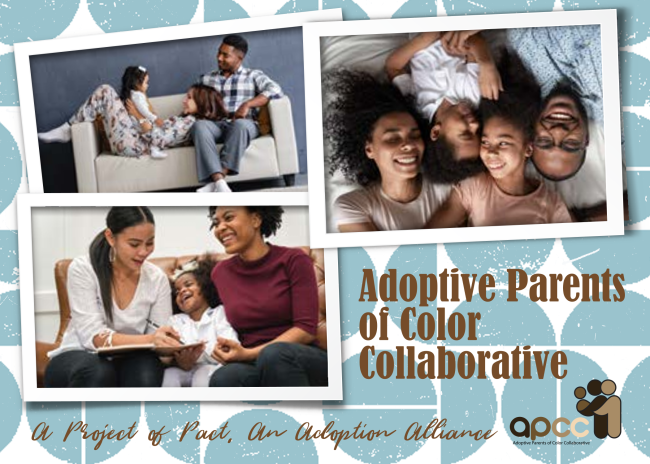
The Adoptive Parents of Color Collaborative (APCC), a project of Pact, an adoption alliance, is working to uplift the voices, values, and experience of adoptive parents of color.
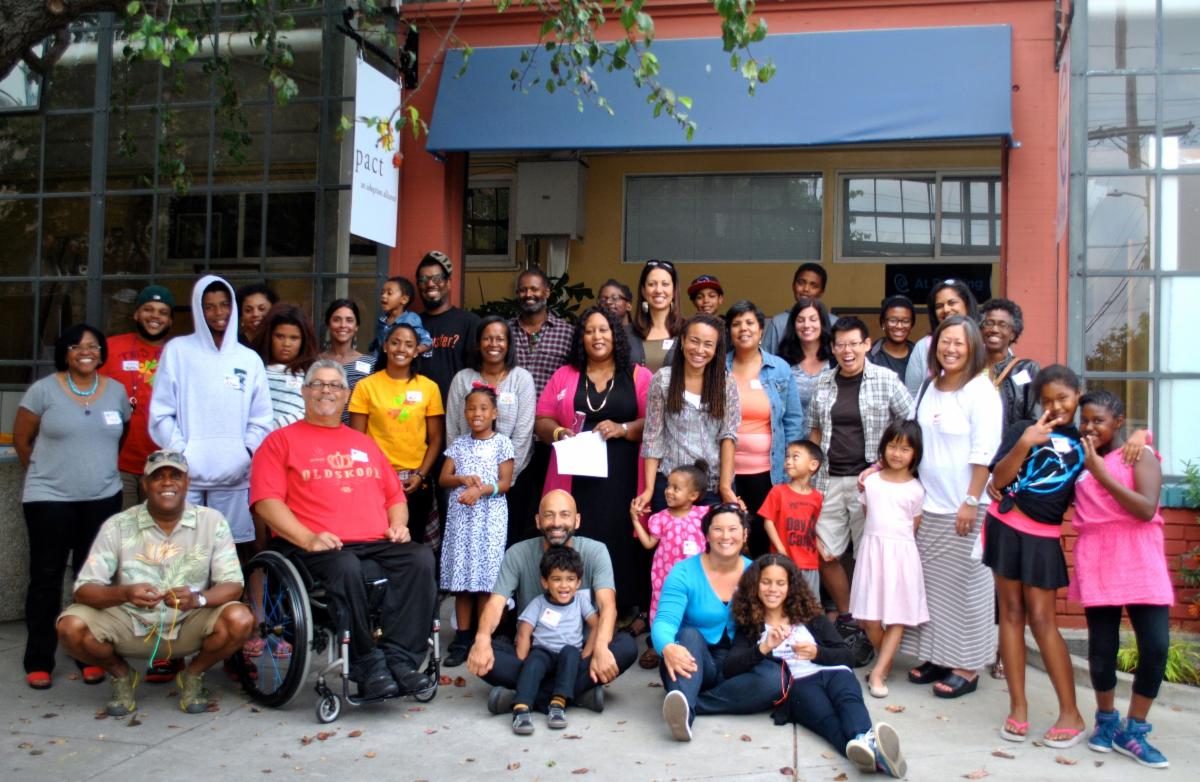
We are creating spaces for adoptive parents of color to build community, receive and provide peer support, and participate in educational activities with other families that reflect their experiences within adoption. Children and families thrive when they are part of a larger community that reflects their unique experiences. Talking about adoption, birth families, and loss is critical to the well-being of adopted children, yet there are very few resources that specifically support the experiences of parents of color and their children. The limited mention of adoptive parents of color often relegates them to a secondary position relative to white transracial adopters. In conversations about transracial adoption, the answer to many questions is “Well, if that child was with a family of color…,” as if same-race adoptive families don’t face any challenges. Or families of color are framed as doing some kind of charity work, encouraged to “step up for children of color.” The dominant culture of adoption is one that supports and uplifts the stories of White parents who are parenting across racial lines. This narrative perpetuates the idea of a white savior while pivoting the majority of support and resources to those white transracial parents. In reality, the majority of adoptive/foster/kinship placements are with people of color. Lack of acknowledgement of this reality leaves adoptive parents of color without community as well as vital and specific opportunities for relevant education.
|
|
Pact, an Adoption Alliance
5515 Doyle Street, Suite 1
Emeryville, CA 94608
510-243-9460
|
|
|
|
|
|
|