|
JNIM's Mahmoud Barry Threatens Oil Companies for Their Support for the Malian Forces
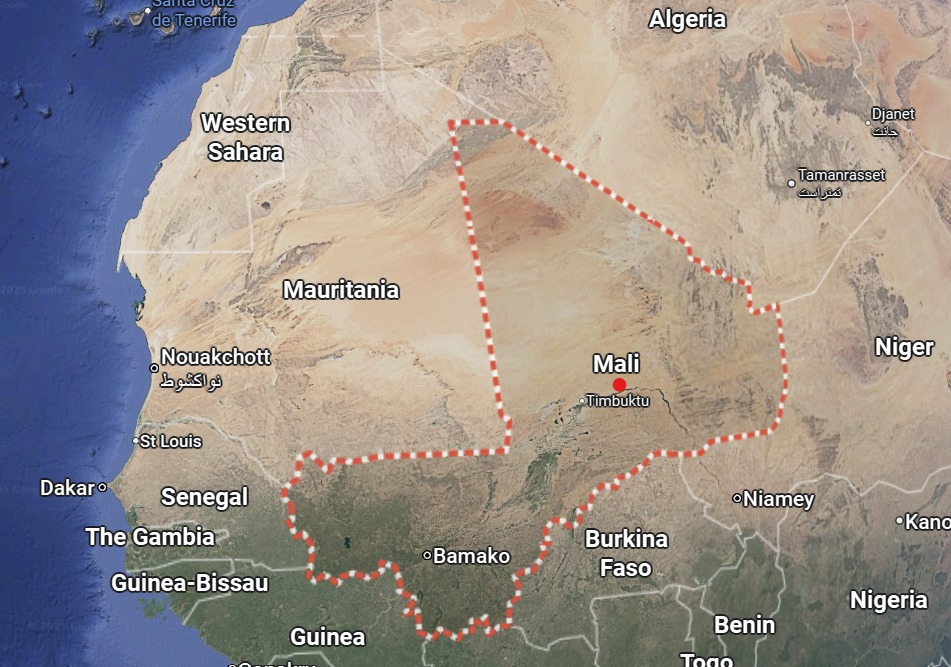
On 11 December 2025, Abou Yahya, also known as Mahmoud Barry, a prominent figure within Jama’at Nusrat al-Islam wa al-Muslimin (JNIM), released an audio message on social media, issuing explicit threats against oil companies operating in Mali. In his statement, Barry accused these companies of direct complicity with the Malian Armed Forces (FAMA), claiming they had provided material and logistical support during the country’s ongoing fuel crisis. As a result, he warned that JNIM militants would henceforth target their infrastructure, supply chains, and personnel. Barry emphasised that JNIM had already identified the companies and their operators, framing them as legitimate military targets due to their alleged collaboration with the state.
This threat marks a significant escalation in JNIM’s rhetoric and operational focus. Oil and fuel companies are critical lifelines for Mali’s economy and military logistics, and attacking them would not only inflict financial damage but also severely undermine FAMA’s operational capacity. The Malian junta had recently praised these companies for stabilising fuel supplies, portraying the sector as a pillar of resilience amid JNIM’s sustained sabotage campaign. Barry’s message appears designed to punish this alignment and deter further cooperation with the government.
The warning also fits a broader pattern of JNIM coercion. In July 2025, Barry publicly declared that JNIM would impose a blockade on Kayes and Nioro du Sahel, accusing local communities of supporting the Malian military. Such statements underscore JNIM’s strategy of using economic strangulation and population control to weaken state authority while exploiting localised grievances to assert influence.
Despite assurances from Malian authorities that the fuel crisis was easing, the situation on the ground paints a different picture. On 6 December 2025, just days before Barry’s message, JNIM fighters launched a major attack on a convoy of 200 fuel tankers guarded by heavily armed escorts. The militants succeeded in destroying 25 trucks, demonstrating both their capability and intent to continue disrupting critical supply routes. TRAC highlights that this incident reveals the fragility of Mali’s fuel infrastructure and contradicts official claims that the crisis has been contained.
Taken together, Barry’s threats and the recent large-scale convoy attack indicate that the fuel crisis is far from over. Rather than stabilising, Mali’s energy sector appears increasingly vulnerable, and the country risks sliding deeper into economic destabilisation and potential systemic collapse. JNIM’s shift toward explicitly targeting oil companies marks a dangerous new phase in the conflict, one that could have cascading consequences for civilian livelihoods, military operations, and regional stability.
| | | TRAC Incident Report: Al-Shabaab Suicide Bomber Targets a Gathering of Somali Militia Members, Killing 18 & Injuring 27, at Na’an’a Military Base, Mogadishu, Somalia | | |
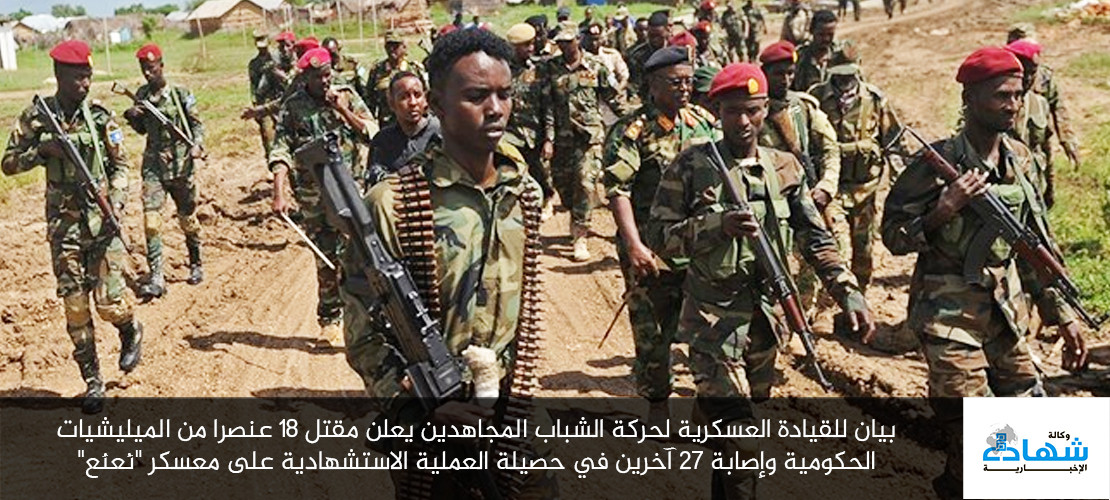
On 10 December 2025, a suicide bomber from Al-Shabaab’s Istishhadi (suicide) unit carried out a major attack at the Naana Military Base on the western outskirts of Mogadishu, Somalia. The base was hosting a large gathering of Somali government-aligned militia fighters, including officers and commanders from several districts, assembling to coordinate upcoming operations against Al-Shabaab-controlled territories. The bomber detonated his explosive vest in the midst of this formation, killing at least 18 militia members and injuring 27 others.
The strike was timed to hit the militia ranks while they were in parade formation and preparing for deployment. Al-Shabaab presented the attack as a pre-emptive strike to disrupt what it described as a “major offensive” that local government forces and militias were allegedly planning against the group in the surroundings of Mogadishu.
Naana Base is a key staging point for mobilising government-loyal clan militias, which have become central to Somalia’s counter-insurgency operations under the “popular uprising” model. By striking these forces at their point of assembly, Al-Shabaab sought not only to cause mass casualties but also to undermine morale, disrupt force generation, and discourage future mobilisation.
It is worth noting that al-Shabaab is known for executing complex, high-impact attacks, particularly against strategic or symbolic targets. This assault fits within that pattern and serves as another reminder of the group’s adaptability and resilience. Back in October 2025, al-Shabaab militants carried out a complex assault targeting the Godka Jilicow Prison in Mogadishu. In April 2025, al-Shabaab carried out an attack on the Presidential Palace in Mogadishu during a counter-terrorism meeting, marking the third direct attempt on the Somali president’s life in less than a month.
| | TRAC Incident Report: Ansar al-Sharia in Yemen (ASY / AQAP / AQY) Encourages Muslims to Spread Jihad-Related Content on Instagram, Yemen | | |
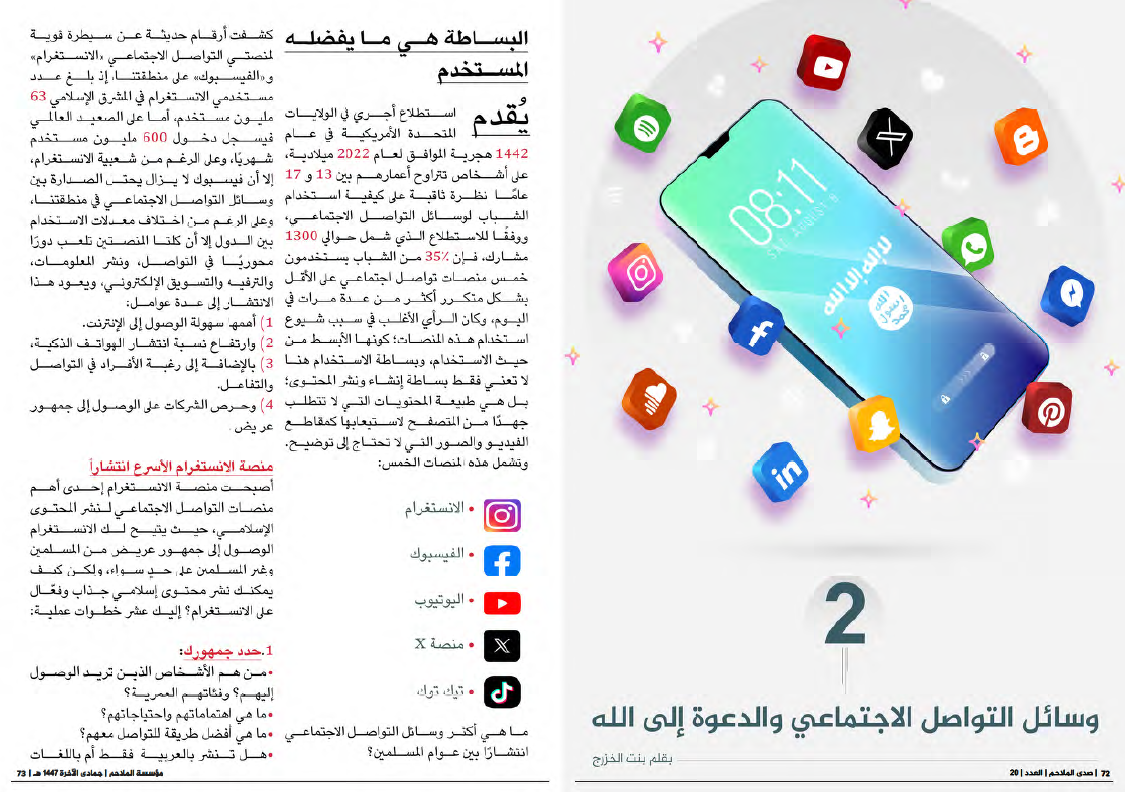
On 03 December 2025, Ansar al-Sharia in Yemen (ASY), the media-facing brand of Al-Qaeda in the Arabian Peninsula (AQAP / AQY), released Issue #20 of its online periodical Echoes of Epics via its propaganda arm, Al-Malahem Media, headquartered in Yemen. The 45-page publication continues AQAP’s long-running effort to modernise its outreach and adapt its narratives to the evolving digital environment.
A central feature of this issue is an article explicitly urging Muslims, particularly youths, to propagate jihadist ideology across social media platforms in support of AQAP’s cause. Notably, the group identifies Instagram as the most effective platform for spreading extremist content, describing it as easy to operate, visually appealing, and particularly well-suited for targeting specific audiences through its algorithmic tools and content-sharing features. AQAP’s recommendation of Instagram over other platforms such as Facebook, YouTube, X (formerly Twitter), and TikTok underscores the organisation’s attempt to exploit spaces where younger users are highly active and where visual propaganda can circulate rapidly with minimal friction.
The article opens by acknowledging the ubiquity of social media in young people's lives globally, framing this digital presence as a strategic opportunity for AQAP supporters to influence and recruit online. By positioning youth engagement with technology as a gateway to ideological dissemination, AQAP signals a deliberate shift toward digitally native recruitment and propaganda tactics, an approach designed to bypass traditional barriers, leverage anonymity, and maximise reach.
To facilitate this strategy, the article provides step-by-step guidance on how sympathisers can produce, package, and distribute jihadist messaging online. This includes instructions on content creation, optimisation for visibility, and methods for avoiding takedowns or detection by platform moderation systems. The magazine’s emphasis on grassroots online activism reflects AQAP’s broader attempt to decentralise its propaganda machine, empowering individual followers to act as micro-nodes in the organisation’s broader information ecosystem.
| | TRAC Incident Report: Nigerian Police Discover Organ-Harvesting Syndicate Operating Out of a Hotel in Owerri–Aba Road, Ngor Okpala, Nigeria | | |
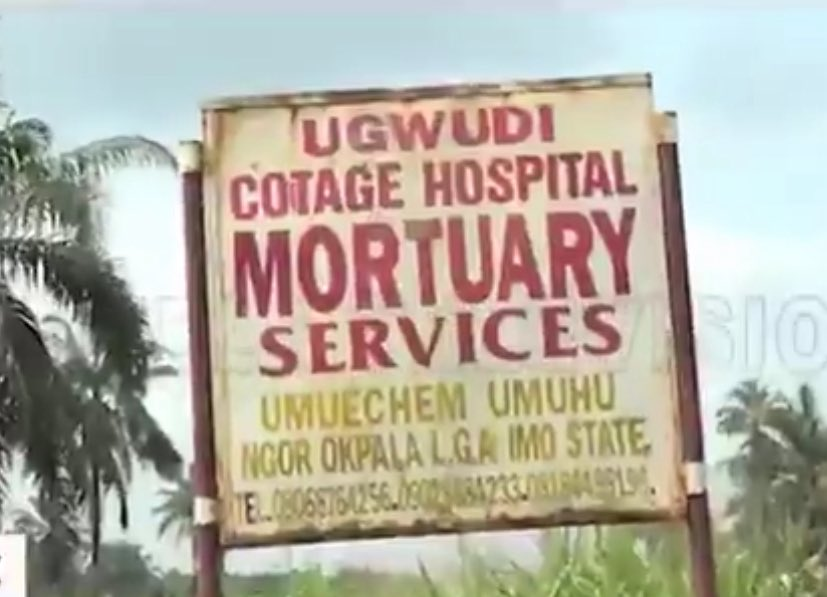
On 06 December 2025, police in Ngor Okpala uncovered a hotel and an adjoining mortuary that had been covertly operating as a hub for kidnapping, ransom collection, and organ harvesting. The discovery exposed a sophisticated criminal network that blended conventional kidnapping-for-ransom operations with the far more disturbing trade in human organs. This illicit market has grown increasingly dangerous across parts of Nigeria.
Organ-harvesting syndicates typically prey on the most vulnerable segments of society: the poor, the unemployed, migrants, and individuals without strong social support systems. These groups are often deceived with promises of employment, medical aid, or travel opportunities. Others are abducted outright. Once in captivity, victims may be trafficked through clandestine networks where their organs are extracted and sold on the black market. In some cases, organs are procured not for transplant logistics but for ritualistic or money-ritual practices, where occult groups or criminal cults place a premium on “fresh” body parts believed to hold spiritual power. The high demand for these organs creates a gruesome financial incentive for kidnappers to expand their activities beyond ransom collection.
At the same time, Nigeria’s legitimate organ donation and transplantation system remains heavily regulated, underdeveloped, and chronically unable to meet demand. This structural shortage widens the gap exploited by illegal networks, supplying organs to desperate buyers or criminal ritual markets. The Ngor Okpala case highlights the disturbing reality that victims are increasingly treated as commodities. When a ransom is not paid quickly enough, abductees may be sold to organ-harvesting syndicates, effectively turning human lives into disposable assets in a brutal underground economy.
| | TRAC Incident Report: Canadian Authorities List the Online Satanic Group ‘764’ and the Neo-Nazi ‘Maniac Murder Cult (MKY/MKU)’ as Terrorist Entities, Canada | | (Video) La Mayiza (CDS/MZ) Sicarios Use Weaponized Drone to Target Members of the Los Chapitos (CDS/CH) & Jalisco New Generation Cartel (CJNG) Special Forces Union (FEU) Alliance in Sinaloa, Mexico | | (Poster / Right Wing Extremist) Neo-Nazi Telegram Channel Shares Stochastic Poster: “Go Racist or Go Extinct” | | | | |