|
|
Because Digestive Health Matters |
International Foundation for Gastrointestinal Disorders February 2023 eNewsletter |
|
|
Greetings!
People who suffer from rare digestive disorders or any chronic illness face daily challenges that often significantly impact their lives. Yet, even when faced with adversity, many persevere and overcome these obstacles each day.
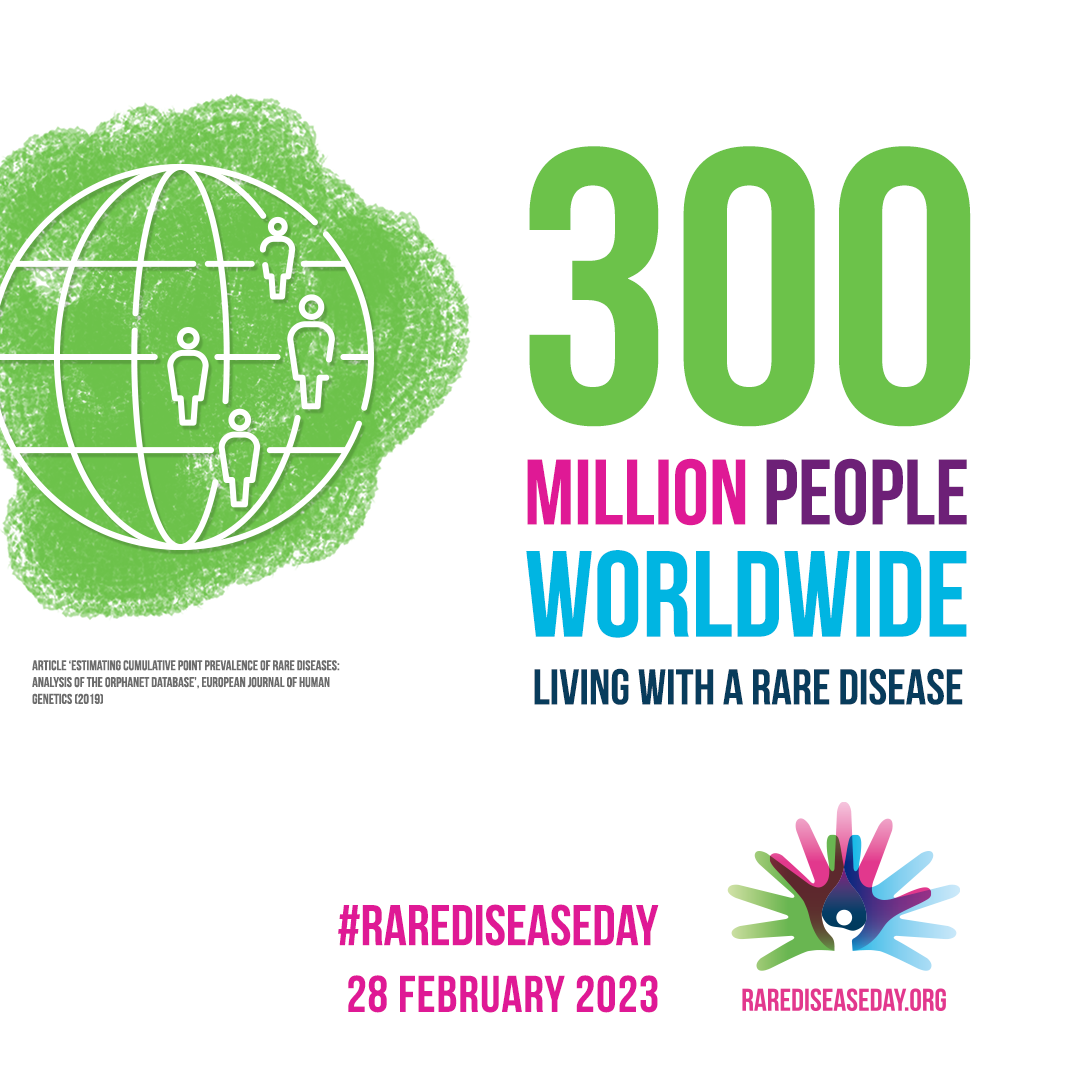
Around 5% of the world's population lives with some type of a rare disease. Raising awareness about rare diseases helps bring attention to the unmet needs of those who live with these illnesses and help generate change by policymakers. Each year, Rare Disease Day is recognized on the last day of February to express the uniqueness of these conditions and inspire others to take action within their community.
On February 28th, you can help raise awareness by joining us, the rare disease community, and millions of people worldwide on social media using the hashtags #RareDiseaseDay and #ShowYourStripes.
|
|
|
|
This year's Rare Disease Day is acknowledged on Tuesday, February 28th.
The National Institute of Health (NIH) defines a disease as rare if it affects less than 200,000 people in the United States. About 30 million people in the United States alone have a rare disease.
The NIH has identified over 7,000 rare diseases, some of which are documented as affecting the digestive tract. Symptoms associated with a rare disease and a chronic gastrointestinal disorder can be debilitating and life-altering.
Click the button below to learn more about what rare diseases are and how you can help raise awareness.
|
|
|
|
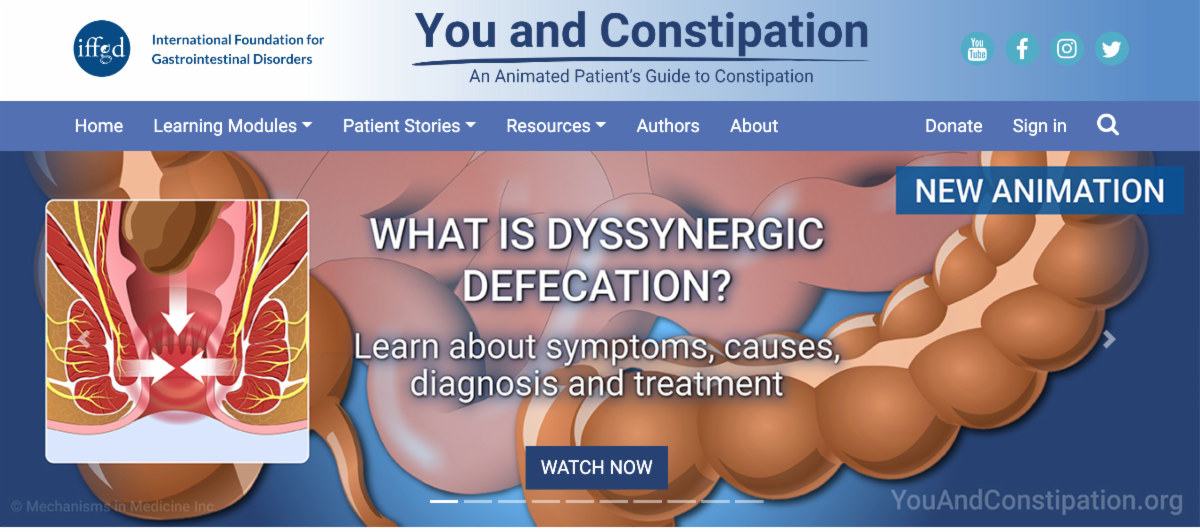
Our You and Constipation website has been recently updated to include several new learning modules:
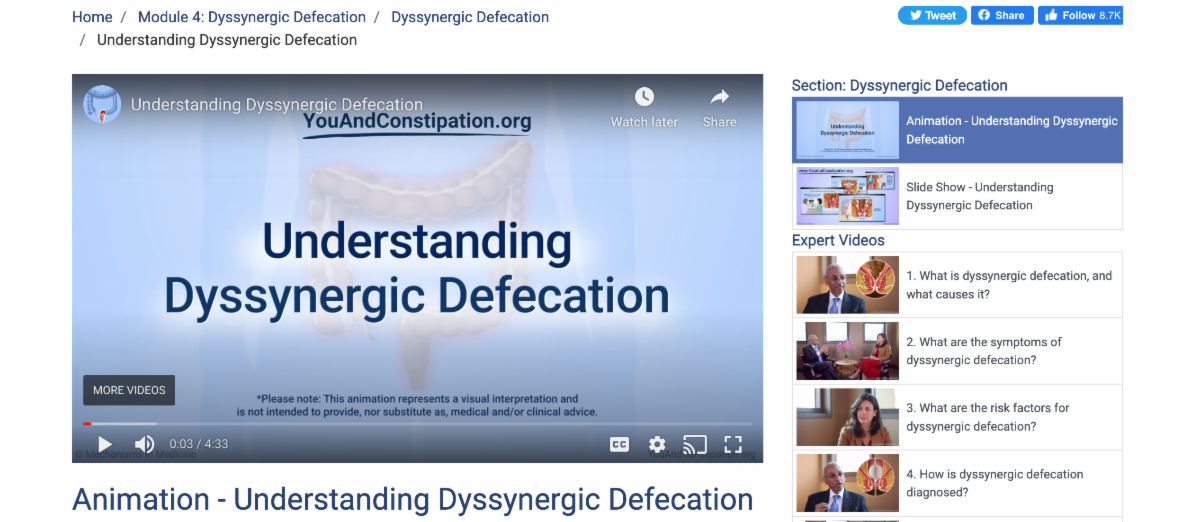
- New Animation on Understanding Dyssynergic Defecation
- New Expert Video Interviews on Advances in Constipation (IBS-C, Chronic Constipation, Opioid-Induced Constipation, and Dyssynergic Defecation).
Click here to start learning. |
|
|
Feeding Tube Awareness Week is observed from February 6th to 10th this year.
This campaign was first created in 2011 by the Feeding Tube Awareness Foundation. Thanks to their efforts, the awareness week is officially acknowledged on the National Health Observances calendar each year during the second week of February. Advocates are encouraged to use this time to promote the positive benefits of feeding tubes as life-saving medical interventions and fight the stigma surrounding them.
We encourage those with feeding tubes, parents, friends, and caregivers to share how living with a feeding tube has impacted their life.
Click below to learn how you can help raise awareness about feeding tubes.
|
|
You’ve probably noticed an increase in the range of gluten-free foods available on the market. While the gluten-free diet has become quite popular in recent years, this diet isn’t just a fad for some people.
Celiac disease is an autoimmune disorder in which the body reacts to gluten by attacking the lining of the small intestine. When the lining is damaged, the body cannot get the nutrients it needs.
Over time, those with celiac can develop an array of different issues. It can cause anemia, infertility, weak and brittle bones, an itchy skin rash called dermatitis herpetiformis, or other health problems.
Click the button for more information on Celiac disease
|
|
IFFGD’s 2023 Education and Advocacy Event is a complementary event to educate the community about access to health care and treatment and how to best advocate for yourself in the medical field. This event will be held on April 16-17, 2023.
The educational program is designed to help attendees learn more about how to receive the health care they need and deserve. Learn about topics like legislation improving patient access to care, how to contact your legislator through social media/email, how to connect with your legislators through a personal story, and information about your representatives and what they stand for.
Due to COVID-19 protocols, the space will be limited to 50 guests. If you cannot attend this year's in-person event, you will also be able to submit a personal story which will be hand delivered by IFFGD staff to Congressional Representatives on the Hill on April 17th. If you are interested in sharing your story, click here to get started. We are asking that all stories be submitted no later than Monday, April 10, 2023.
Click here to view the event page for more information and to RSVP. |
|
IFFGD President Selected for FDA’s Patient Engagement Collaborative |
IFFGD is excited to announce the selection of president, Ceciel Rooker, as one of eight new members of the Food and Drug Administration's (FDA) Patient Engagement Collaborative.
The Patient Engagement Collaborative (PEC) is a group of patient organizations and individual representatives who discuss how to achieve more meaningful patient engagement in medical product development and other regulatory discussions at the FDA.
The PEC brings together organizations and individuals representing academia, clinical investigators, government and regulatory agencies, industry, institutional review boards, patient advocacy groups and others to develop evidence-based solutions to clinical research challenges.
Ms. Rooker was one of the eight new representatives selected from 75 applications received in response to a Federal Register notice published in September 2022. It is a great honor for IFFGD and a real chance to make our voices heard through engagement with the FDA in a meaningful way. This is an accomplishment for the entire IFFGD team and the GI community that we serve.
We appreciate the FDA’s commitment to patient engagement and to understanding the needs of those that they are serving in the community. We are thrilled to be able to support them in their initiative.
Click the button below to learn more about the work the PEC is doing.
|
|
Hirschsprung's Disease is a rare condition that people are born with. This disease causes a lack of nerve cell bodies in a segment of the bowel which interferes with the coordinated squeezing action that normally moves intestinal contents forward.
Symptoms tend to appear within a few days of birth but can also present into childhood or adulthood. One of the primary symptoms with a newborn can be the lack of a bowel movement within the first 48 hours of birth.
Other symptoms can include vomiting and abdominal distention, or chronic constipation. Some less common symptoms include diarrhea and fever. With an older child, symptoms might include small watery stools, diarrhea, and a lack of appetite.
Diagnosing Hirschsprung's typically involves a combination of barium x-rays and a rectal biopsy. In some situations, a rectal manometry might also be performed to test pressure changes within the colon and the rectum.
Click the button below to learn more.
|
|
Clinical trials and research studies help to improve our understanding of the underlying mechanisms of diseases and advance the development of new and better treatment options. By participating in a study, you can help further the advancement of research and learn more about your condition.
Here are 3 studies currently recruiting participants:
|
|
Cerebral Cortical Influences on Autonomic Function |
|
Patient and Clinician User Needs for Psychometric Questionnaires in Body Surface Gastric Mapping- Interview Study Protocol |
|
A Study to Evaluate Etrasimod Treatment in Adolescents with Ulcerative Colitis |
|
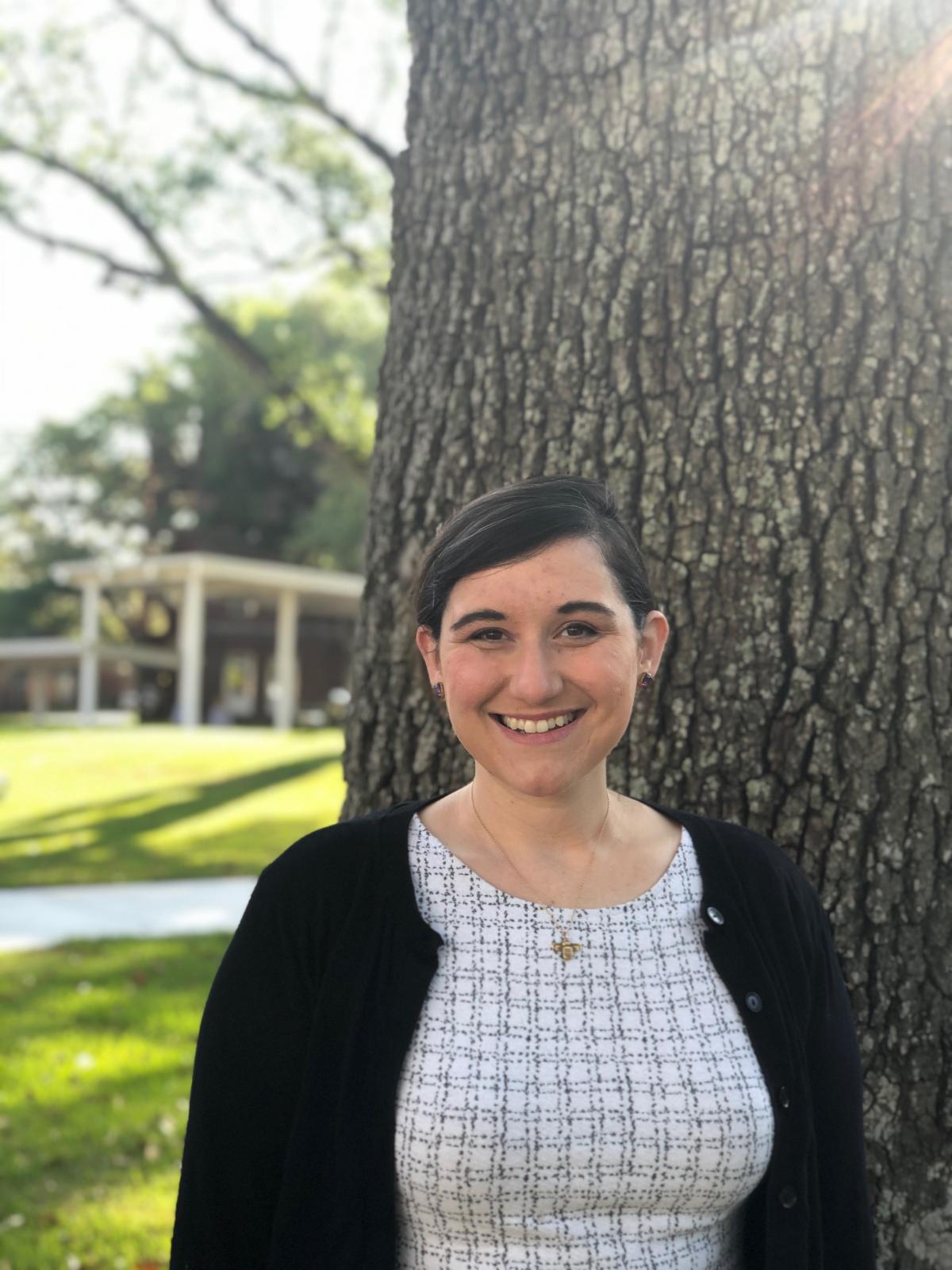
Amanda Glinky, MD, MS is an adjunct Assistant Professor of Clinical Medicine in the Department of Pediatric Gastroenterology, Hepatology and Nutrition at Louisiana State University Health Sciences Center, serving Children’s Hospital New Orleans. She graduated from Louisiana State University and Tulane University prior to her medical training at Louisiana State University Health Sciences Center New Orleans and Children’s Hospital New Orleans. |
|
|
Her clinical interests include health-related quality of life in patients with organic gastrointestinal conditions as well as disorders of the gut-brain interaction. Her research in fellowship involved health related quality of life and sleep in patients with inflammatory bowel disease. She continues to mentor fellows in sleep-related GI research. Dr. Glinky has recently begun to use clinical hypnosis in the treatment of her patients and will be reopening a clinic for Pain Associated Disability Syndrome (PADS) at Children’s Hospital New Orleans in the spring of 2023. She is also currently the co-director of the Intestinal Rehabilitation Clinic at Children’s Hospital New Orleans. |
|
IFFGD is a nonprofit organization. We rely on donor support to fund research and to provide reliable information and support to those affected by chronic gastrointestinal disorders.
|
|
|
|
|
|
|