NJ MAT Centers of Excellence Newsletter |
|
Friday, August 13th, 2021 | Issue #29 |
|
|
|
Experts Question Viral Video of San Diego Deputy’s Fentanyl Encounter |
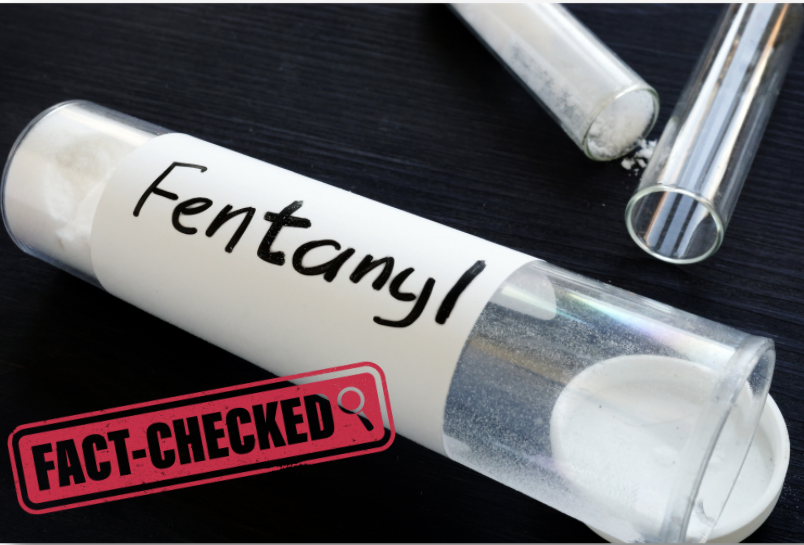
You may have recently seen a recent video about a San Diego patrol deputy who was shown to be passively exposed to fentanyl while processing drugs during an arrest and subsequently collapsed. Unfortunately, the video perpetuates the myth that passive exposure to fentanyl, including fentanyl suspended in air can lead to overdose death. The American College of Medical Toxicology published a position statement back in 2017, stating that “incidental dermal absorption is unlikely to cause opioid toxicity” and that “for opioid toxicity to occur, the drug must enter the blood and brain from the environment. Toxicity cannot occur from simply being in proximity to the drug.” Appropriate dissemination of accurate, scientific information is needed to ensure that we do not further stigmatize people who use drugs, especially in times where help is needed. Click here to learn about fentanyl, written by the Drug Policy Alliance. Please see an article below looking at a qualitative study looking at perceived occupational risk of fentanyl exposure amongst those working in law enforcement.
|
|
|
|
|
Next MAT Lunch Hour - Topic TBD |
Join us and the Camden Coalition of Healthcare Providers for the next monthly MAT Lunch Hour to network, collaborate, and discuss. We will send an announcement on a future date with the next topic.
Next Forum: Wednesday, August 25th from 12:00 - 1:00 PM
|
|
|
|
|
PCSS Clinical Roundtable: Addiction Medicine from Primary Care to FQHCs and Back (with COVID Discussion) |
The goal of the PCSS Clinical Roundtable is to support interactions among addiction experts and health professionals. This discussion is designed to promote interactivity through an informal "round table" conversation. Attendees will be given the opportunity to speak directly with the presenter to ask questions and discuss issues.
This event will take place on Wednesday, August 25th from 12:00 - 1:00 PM
|
|
|
|
|
ECHO: Concurrent Stimulant Use Disorder Management in Patients with OUD |
If you missed any of the previous MAT or continuous quality improvement ECHO sessions, they are posted on our Northern COE Website webinar archive. Please note that you are only able to receive CE credits by attending LIVE ECHO sessions.
The next Project ECHO session is on Friday, September 10th from 12 - 1pm
This ECHO will discuss how to manage concurrent stimulant use disorder with OUD. Free CEs are provided and all are welcome! Please note that you are only able to receive CE credits by attending LIVE ECHO sessions.
Do you have a patient or client you would like to present to the panel to receive recommendations and suggestions for management? Please click here to email your question(s) or scenario(s).
|
|
|
|
|
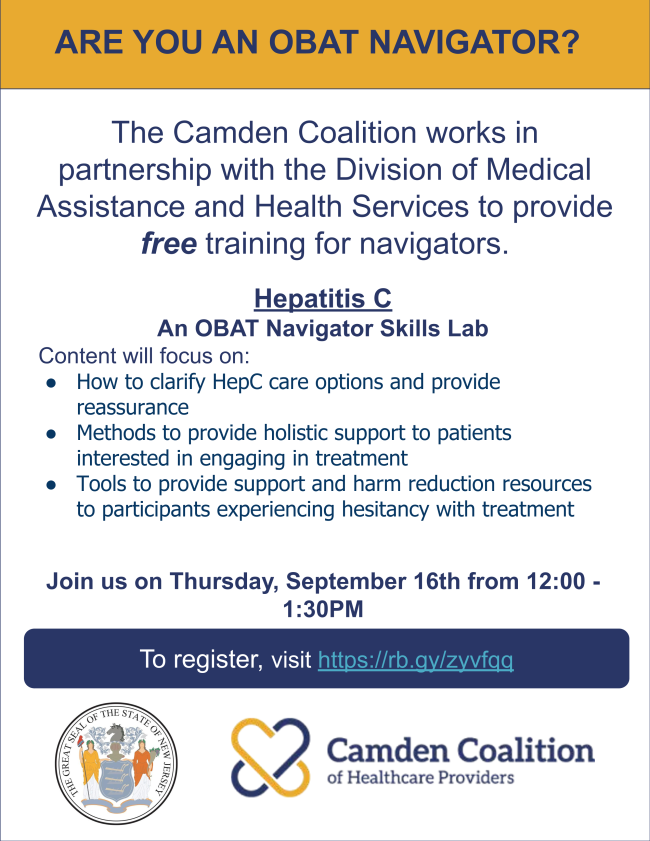
Hepatitis-C OBAT Skills Lab |
The Camden Coalition will be working with the Division of Medical Assistance and Health Services to provide free training for OBAT navigators. Some topics discussed will be how to clarify HepC care options and provide reassurance, methods to provide holistic support to patients, tools to provide support, and harm reduction resources.
This event will take place on Thursday, September 16th from 12:00 - 1:30 PM
|
|
|
|
|
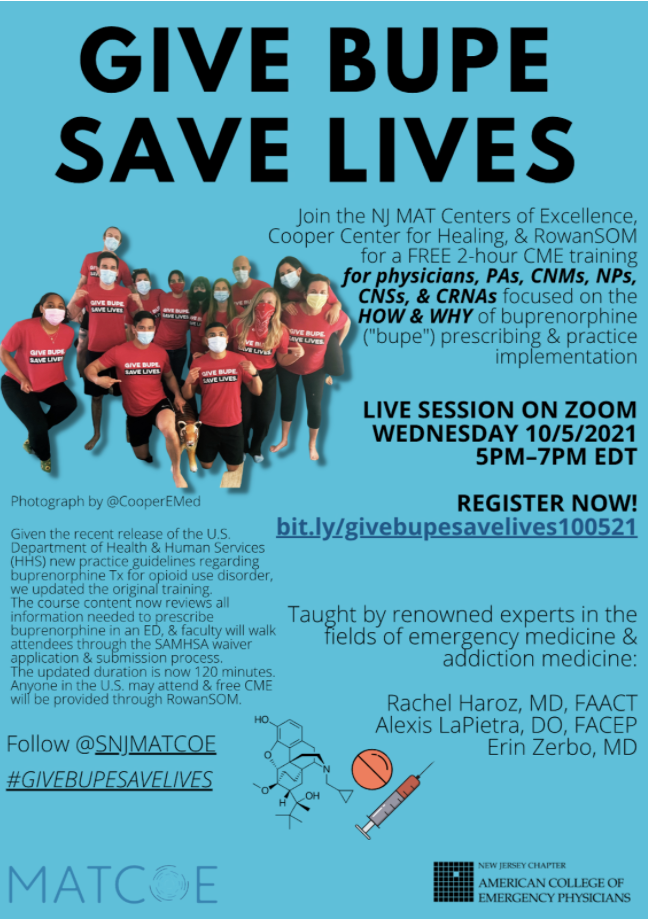
Buprenorphine Virtual Training |
If you have not been able to join the NJ MAT Centers of Excellence for a free two-hour CME training focused on the how and why of buprenorphine prescribing and practice implementation, here is your next opportunity. Given the recent release of HHS’ new practice guidelines regarding buprenorphine treatment for opioid use disorder, the course content now reviews all information needed to prescribe in the ED and provides clinical justification for the use of MOUD that can be applied in all settings. Faculty will also walk attendees through the SAMHSA waiver application and submission process to treat up to 30 patients.
Join us for the next training on Tuesday, October 5th from 12:00 - 1:00 PM
|
|
|
|
|
Lack of Access to Medications for Opioid Use Disorder in Federal Prisons |
Despite the passing of the First Step Act in 2018, which required the federal prisons to expand access to MOUD and provided millions of dollars for implementation, only a very small proportion of eligible patients are receiving MOUD (<2%), according to the article by the Marshall Project . Much of this is related to the need for a “cultural shift” amongst the federal agency and the support of leadership and employees to understand the change necessary. |
|
|
|
|
Perceived Occupational Risk of Fentanyl Exposure Among Law Enforcement |
This is a qualitative study of 23 law enforcement leaders and officers seeking to learn about their knowledge and fear on fentanyl exposure. It found that all officers were concerned about exposure to fentanyl and their risk of an overdose. Disseminating appropriate information through the right means, such as training during the initial recruit academy and in-service trainings, to target education of law enforcement is crucial. |
|
|
|
|
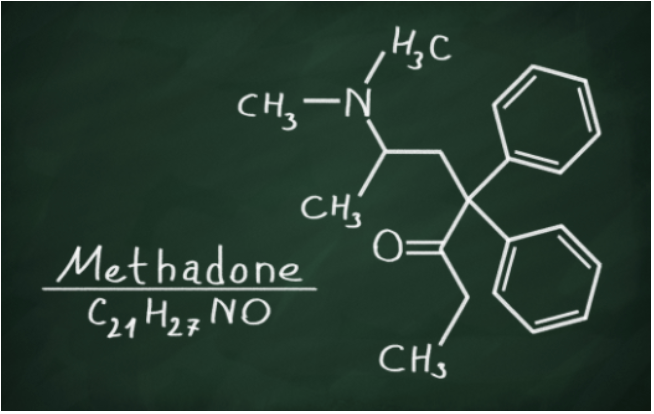
Office-Based Methadone Treatment for Opioid Use Disorder and Pharmacy Dispensing: A Scoping Review |
This is a scoping review of studies that reviewed outcomes of treating patients with methadone in the office-based setting, mostly patients who were already maintained. Eighteen studies were identified, which included six controlled trials, eight observational studies, and four articles reviewing pharmacy dispensing of methadone. The studies, while limited, found that treatment retention and the amount of illicit drug use were similar compared to traditional routes of receiving methadone, and outcomes associated with quality of life improved. The article states that more research is necessary for those starting on methadone in the office-based setting, as well as a comprehensive review of current methadone regulations. |
|
|
|
|
Contingency Management for Patients Receiving Medication for Opioid Use Disorder: A Systematic Review and Meta-Analysis |
This is a systematic review and meta-analysis of 74 randomized clinical trials of over 10,000 adults receiving MOUD with psychostimulant use that looked at the efficacy of contingency management at end-of-treatment assessments on stimulant use, polysubstance use, illicit opioid use, cigarette smoking, therapy attendance, and medication adherence. The study also combined abstinence and treatment adherence as an outcome across all trials. It found that the mean effect sizes of 4 of the 6 outcomes were in at least the medium range (stimulants, illicit opioid use, cigarette use, and medication adherence), along with abstinence and treatment adherence. Therefore, contingency management can and should be widely adopted to treat the many clinical issues among patients who are taking MOUD with psychostimulant use. |
|
|
|
|
Association Between Dynamic Dose Increases of Buprenorphine for Treatment of Opioid Use Disorder and Risk of Relapse |
This is a secondary analysis of the buprenorphine arm of an open-label randomized clinical trial
(X:BOT study) comparing buprenorphine with XR-NTX. Specifically, it looked at “dynamic dose” increases vs. “static dosing” in which patients’ buprenorphine doses are adjusted in response to relapse. The outcome was relapse to regular opioid use during the 24 weeks of outpatient treatment. Using a hypothetical intervention in which the dose would be increased after opioid use during the first 12 week of treatment, the study finds that increasing buprenorphine in response to recent opioid use would lower the risk of relapse by 19% with a number needed to treat to prevent a single relapse of 6. Although this was a secondary analysis and because the original trial was not powered to determine the effect of increased doses, it does show that a prospective, randomized superiority trial to explore the strategy of “dynamic dosing” would be useful to confirm these results.
|
|
|
|
|
NJMATCOE Emergency Department Buprenorphine Bridge Materials |
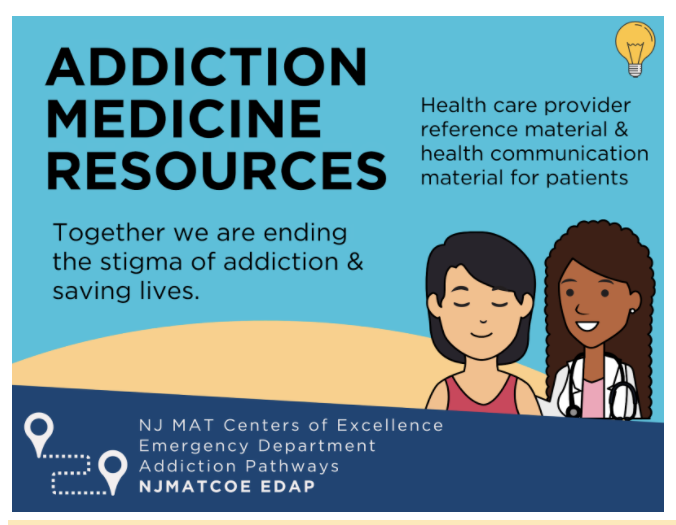
Southern NJ MAT Center of Excellence physician leader Dr. Rachel Haroz, Division Head of Toxicology and Addiction Medicine at Cooper University Health Care and Addiction Medicine Director at Salem Medical Center, recently launched a new ED Bridge program titled SMC EDAP (Salem Medical Center Emergency Department Addiction Pathways). Working together, Dr. Haroz and Southern NJ MAT Center of Excellence Content Manager Patricia Fortunato developed and designed a compendium of prescriber education and patient health communication materials.
The content has been well-received among providers in the field; thus, an iteration of the materials has been developed to serve as a statewide and national prototype: NJMATCOE EDAP (NJ MAT Centers of Excellence Emergency Department Addiction Pathways)
For clinical mentoring requests regarding ED Bridge programmatic implementation, please contact Dr. Rachel Haroz at haroz-rachel@cooperhealth.edu
|
|
|
|
|
NJMATCOE Hotline Provider Flyer: Now Available Via Text Message! |
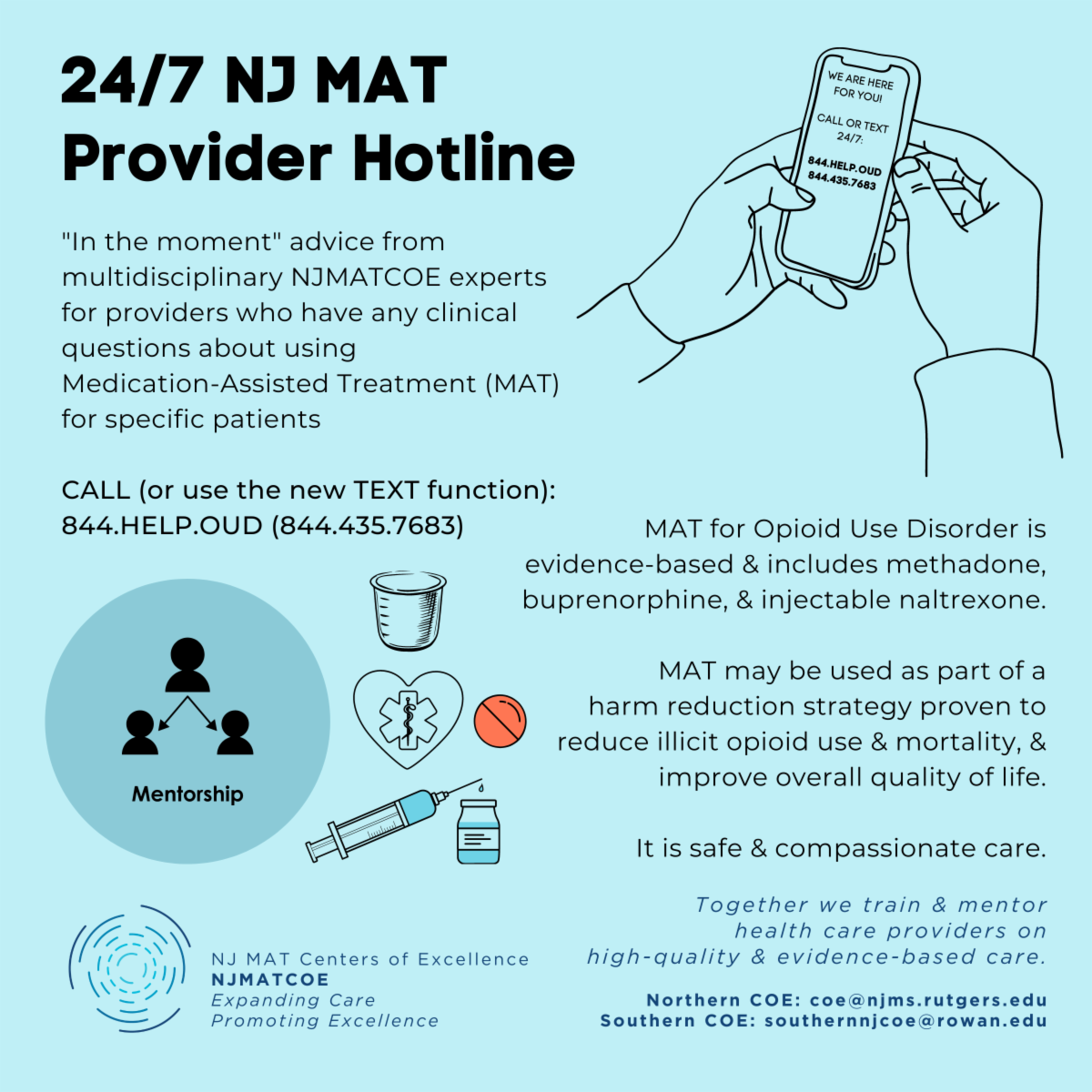
Please utilize our Hotline for “in the moment” advice from multidisciplinary NJ MAT Centers of Excellence experts for providers who have any clinical questions about using Medication for Addiction Treatment for specific patients.
Call or use the new text function: 844.HELP.OUD (844.435.7683)
|
|
|
24/7 MAT Provider Hotline: 844-HELP OUD (844-435-7683)
|
|
|
|
|
|
|