News and information to help journalists serve the public and stay safe.
|
|
NBC News cameraman dies from COVID-19
|
NBC News cameraman Mike Herron has died
after contracting the coronavirus. Colleagues, such as NBC News correspondent Tom Winter, mourned him on Twitter. “You don't know him, but you've seen his work countless times. He had a terrific sense of humor, he was a very hard worker, he was a very kind co-worker,” Winter said. NBC News correspondent Kristen
Dahlgren described Herron
as “a sweet, sweet man.” Network reporter Chris Pollone said, “
Mike Herron had the Herculean task of making me look good
, and sadly
this is the best picture I ever took of him
. Clearly, he was a lot better at his job than I am at mine.” MSNBC anchor Katy Tur said, “
Mike was [a] great soul
. Funny and kind. This virus is cruel.”
|
|
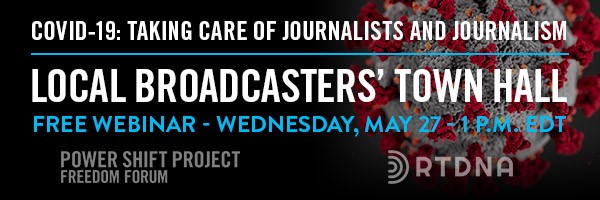
The conversation will describe how to consistently collect and select compelling details that evoke emotion and help convey the impact of coronavirus on people’s lives. Learn to identify the moments that compel readers toward a story’s purpose, and hear how to connect the reporting & writing process with our collective ability to understand what this pandemic means.
|
|
The Navajo Nation has one of the
highest rates
of confirmed coronavirus cases per capita in the U.S. And the numbers
continue to rise
so rapidly that the international humanitarian organization Doctors Without Borders has
dispatched a team
on American soil — a rare moment in its history.
We reached out to the
Navajo Times
, a weekly paper based on the Navajo Nation in Arizona, for a look at how their reporting is helping the community stay safe and informed during this crisis.
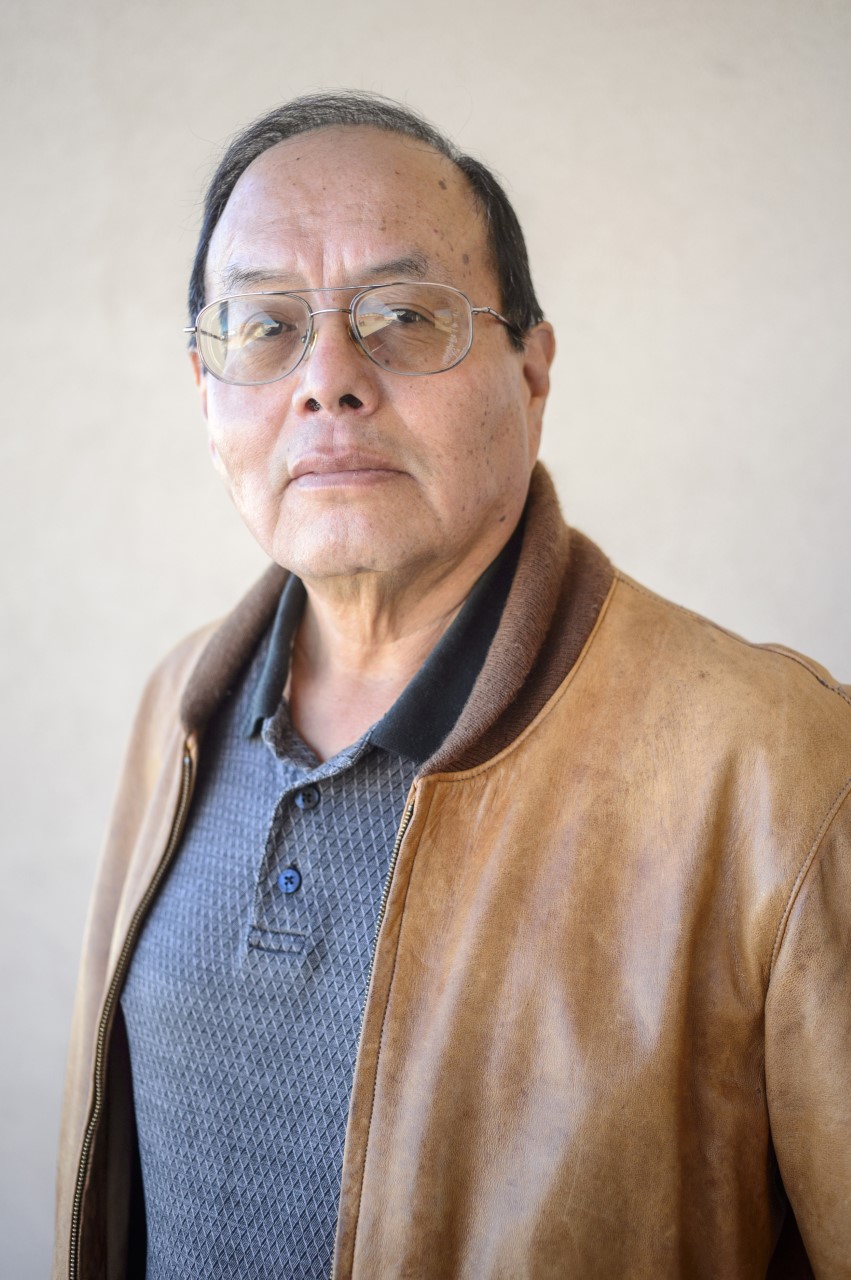
“The staff is doing an excellent job of covering our leaders and getting the views of the people,” said editor
Duane Beyal
.
How is the Navajo Times covering the coronavirus impact within the community? Are there larger trends you are seeing from the reporting?
Beyal: From the beginning (approximately March 5), our reporters have covered leaders in Window Rock and traveled to communities where coronavirus fears produced plans to deal with the pandemic. Our reporters, like
Krista Allen
, who covers the Western Agency, interviewed families and individuals afflicted with the disease. As editor, I am proud of my staff’s coverage since then.
A larger trend is that we are used to this – victims of yet another monster, although this one is a virus and not the U.S. government. The virus simply underlines the lower level our society lives in, with lack of running water and other developments that are taken for granted by most Americans.
Another trend is the re-emergence of the spirit of the people. We have seen this type of challenge before and we are still here, existing. We can win again.
|
|
Advice from
Jill Geisler
, Bill Plante Chair in Leadership & Media Integrity, Loyola University Chicago, Freedom Forum Fellow in Women’s Leadership
|
|
|
The National Press Club Journalism Institute is spotlighting
the next generation of journalists
, students graduating from college or Master’s programs this spring into
a challenging job market
, in hopes they’ll meet future bosses and colleagues here who will reach out and support them in building journalism’s future together.
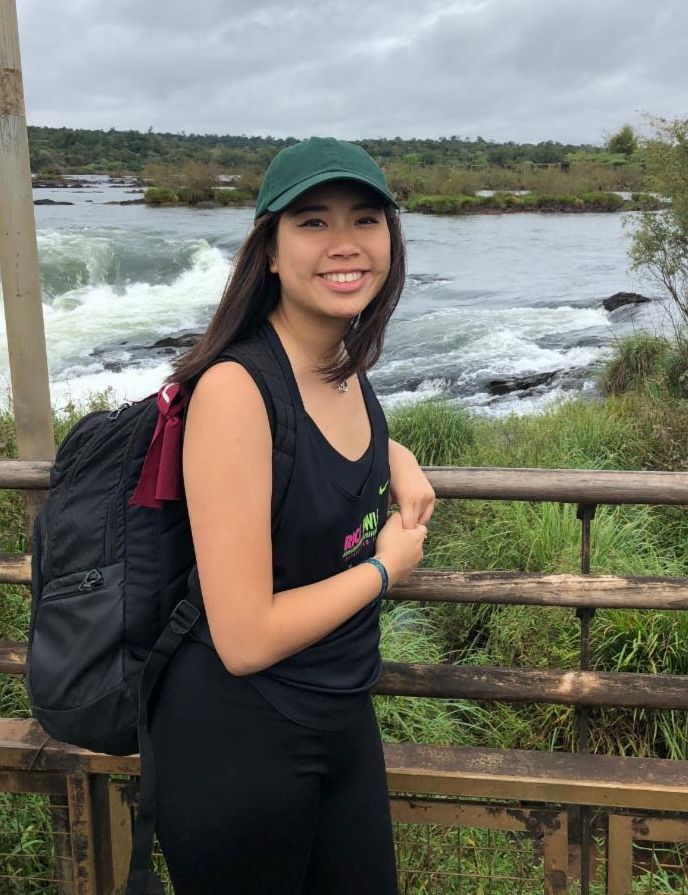
School
: Rice University
Location
: Houston, Texas
Fellow
: Woodson Research Center
What's been your best moment in journalism?
This last fall, my editor Christina and I took on a project to highlight
the voices of sexual assault survivors on campus
. I had undertaken a similar journey before, but that time it was an in-depth news piece looking at the reporting structures in place for sexual assault. For that article a year before, I had put out a Google Form asking for students who were interested in talking to me for the story. It received one reply. This time, we took a different approach and offered varying degrees of anonymity completely based on the interviewees' own comfort level. We received 58 responses. I believe that we created trust between ourselves and the student body, and I believe that we used that trust well, to amplify the silenced voices of survivors across campus. In publishing the piece, we painted a portrait of what everyday sexual assault looks like - not in dark alleys or between complete strangers, but widespread and widely ranging.
What's the wackiest story you've worked on?
Two community DJ's (not students) quit KTRU, our campus radio station, after a dispute between KTRU management and well-established Houston rapper Joseph McVey, whose stage name is Z-Ro, and Charles Adams, who co-hosts a radio show with McVey called “Big Angry & Z-Ro." Student DJs were concerned about comments Z-Ro allegedly made about a domestic assault charge against him and threatened to quit if his interview aired. However, Z-Ro and Big Angry were not informed of this until they showed up for the interview in question. Accusations of misogyny and racism flew around the room, and
Big Angry indeed got big angry
.
|
|
You’ve cleaned out your closets. Now what?
|
If your spring cleaning has turned into a May mess, you’re not alone.
More time at home during the COVID-19 pandemic allowed many to confront the volume of stuff they had around the house. Decluttering your space can
help with mood and anxiety
, and donating unwanted items can
contribute to your happiness
— a win-win during challenging times.
But bags of clothing or household goods are stacking up. Nonprofits that assist in turning surpluses into supplies for those in need have shuttered or been operating at limited capacity during the pandemic. Many have
shifted to asking for financial contributions
rather than physical goods.
Until stay-at-home restrictions ease, here’s what you can do with your unwanted but still usable items:
- If you have the space to store bags or boxes, prepare your goods to donate once restrictions end.
- Goods like personal care items — even unopened sample sizes — might be needed at local shelters.
- Join an online network that allows you to donate items to individuals in need. Freecycle.org or trashnothing.com allow you to post or peruse items available for free.
- Consider selling goods through mail-in online consignment shops like Buffalo Exchange, ThredUp or Poshmark, then donating your earnings to a charity of your choice. Some, like ThredUp, make the donation for you.
- Use contactless pickup or drop-off methods to sell goods using tools like Facebook Marketplace, OfferUp or letgo, then donate the funds to your charity of choice. This, of course, depends on your comfort level.
- The number of those in need across the U.S. will grow. Stay in contact with local donation centers to ensure your generosity reaches those who need it most.
|
|
This newsletter is written & edited by the National Press Club Journalism Institute staff: Beth Francesco, Holly Butcher Grant, Jim Kuhnhenn, and Julie Moos.
Send us your questions and suggestions
for topics to cover.
|
|
|
|
|
|
|