|
|
School Wellness Weekly
April 11, 2022
|
|
Recognizing National Youth HIV/AIDS Awareness Day and STD Awareness Week |
|
- how they impact our lives
- reducing STD-related stigma, fear, and discrimination
- ensuring people have the tools and knowledge to prevent, test for, and treat STDs
We remain committed to ensuring that all students in every community have access to age-appropriate, medically accurate health information through standards-based Health Education instruction (opens in new window). As part of Health Education in New York City public schools:
- students in grades K-6 must receive five HIV/AIDS lessons per year;
- students in grades 7-12 must receive six HIV/AIDS lessons per year.
In 2020, 4.3% of all HIV diagnoses in NYC were for youth ages 0-19.* While effective treatment now exists to reduce the risk of both acquiring and transmitting HIV, there is more work to be done to make sure our young people are aware of their rights to access information about and testing for HIV and other STIs. Learn more about New York minors’ right to healthcare (opens in new window), and share the link with young people you know.
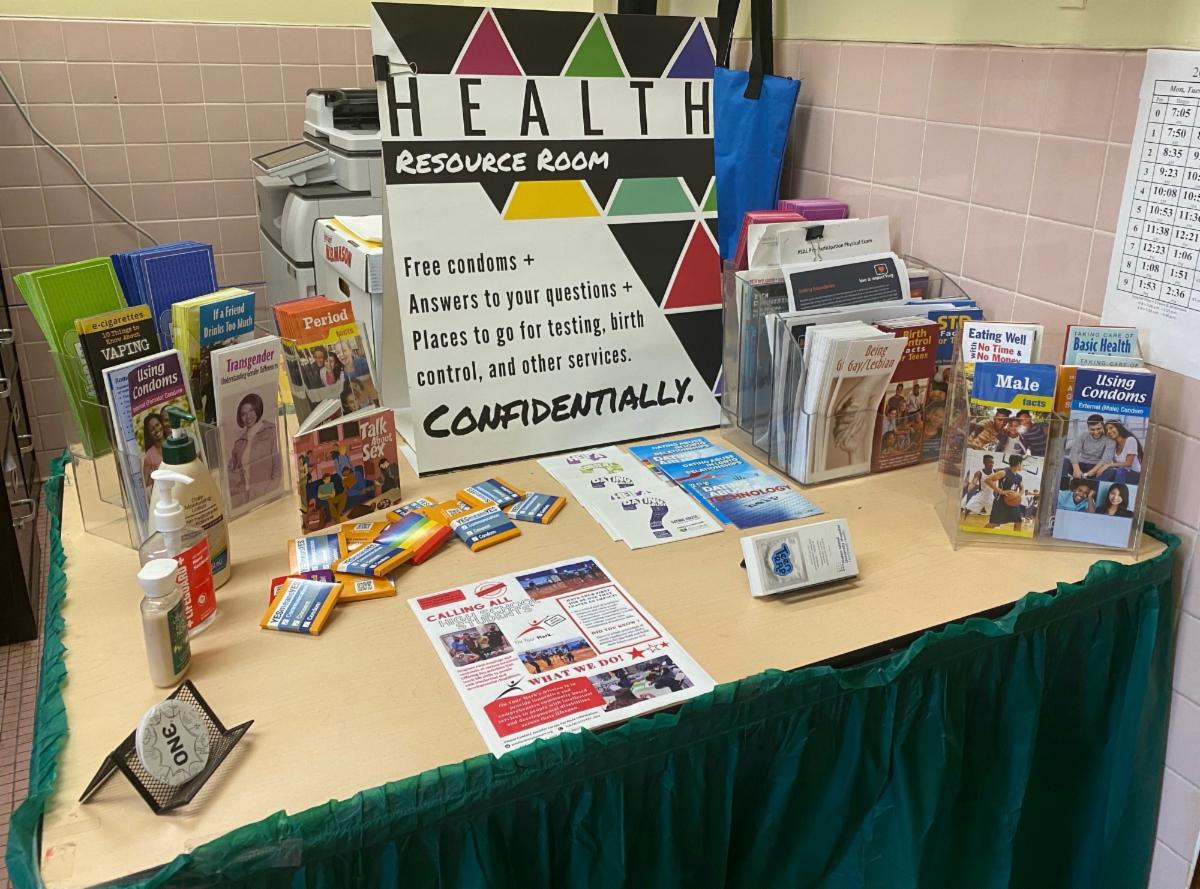
The DOE is committed to reducing the prevalence of HIV and STDs in our student population, and the DOE’s Condom Availability Program (CAP) (opens in new window) is a central component of that effort. As part of that program, students in grades 9-12 can go to their school’s Health Resource Room to request information about HIV/AIDS and other reproductive and sexual health topics, free condoms and other resources, and referrals to local health clinics and services.
Check out our school highlight in this issue featuring two schools that are committed to their students’ sexual health by embracing an inclusive, welcoming CAP. Plus, a spotlight on how schools continued to receive CAP training from the Office of School Wellness Programs during the start of the pandemic. Continue reading for additional resources to support NYHAAD and STD Awareness Week.
Photo: Table with Health Resource Room poster, pamphlets, and other sexual health information for high school students. Photo courtesy of Laura Bilotti, Ralph R. McKee Career and Technical Education High School.
|
|
|
|
An Inclusive CAP Thrives at Ralph R. McKee Career and Technical Education High School in Staten Island, 31R600
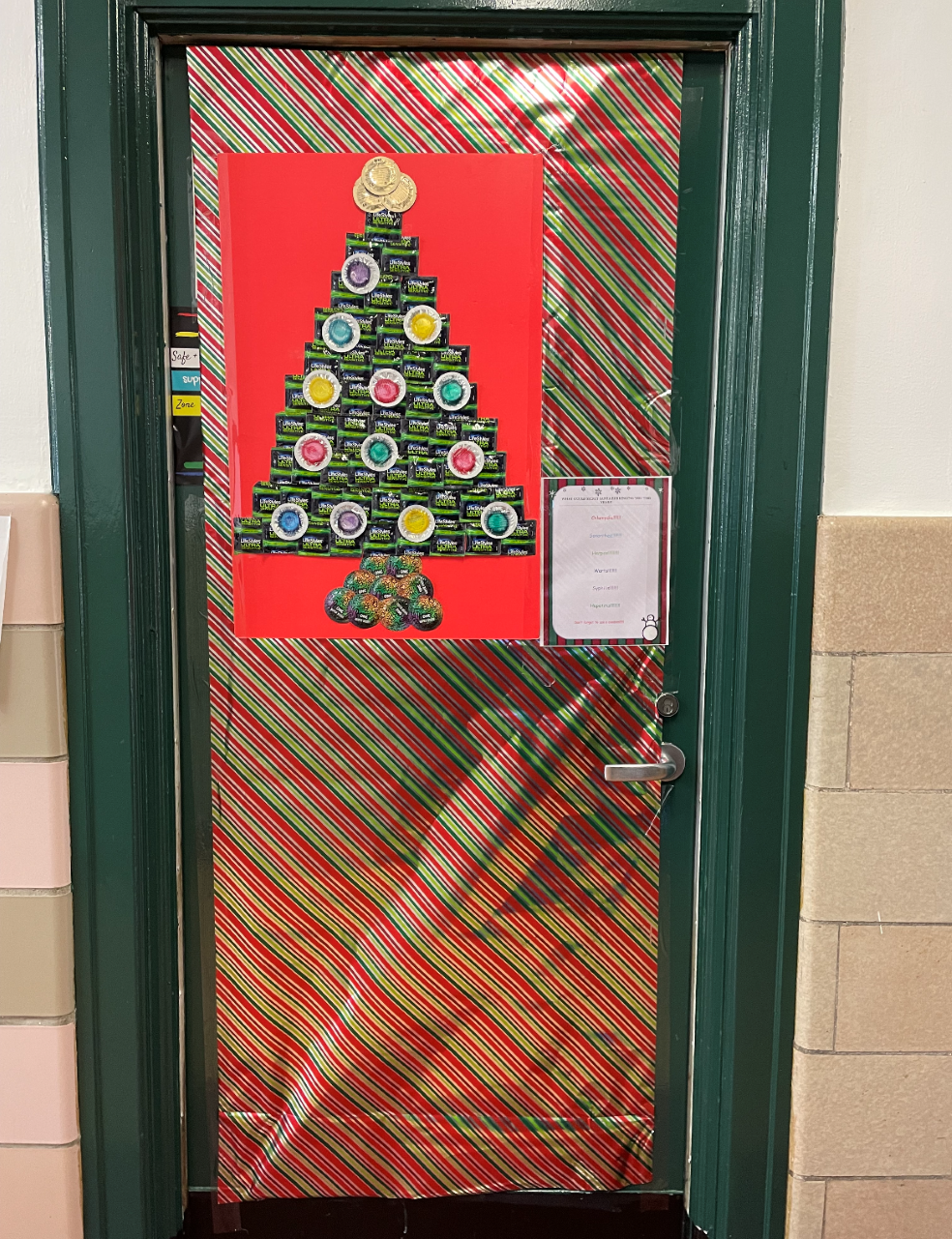
Laura Bilotti, School Health Aide and CAP-trained staff member at Ralph R. McKee Career and Technical Education High School in Staten Island, oversees the school’s Health Resource Room. Laura shares that all students—inclusive of gender identity, sexuality, and ethnicity—are welcome, and believes that her role in managing the Health Resource Room is vital to the sexual health of students. This past winter, the school held a holiday door contest when students decorated classroom doors with messages encouraging students to use condoms.
|
|
When we asked Laura for some words of wisdom to share with DOE staff starting a CAP, she responded, “Availability: keep your door open; accessibility: be easy to approach; acceptability: welcome all students.”
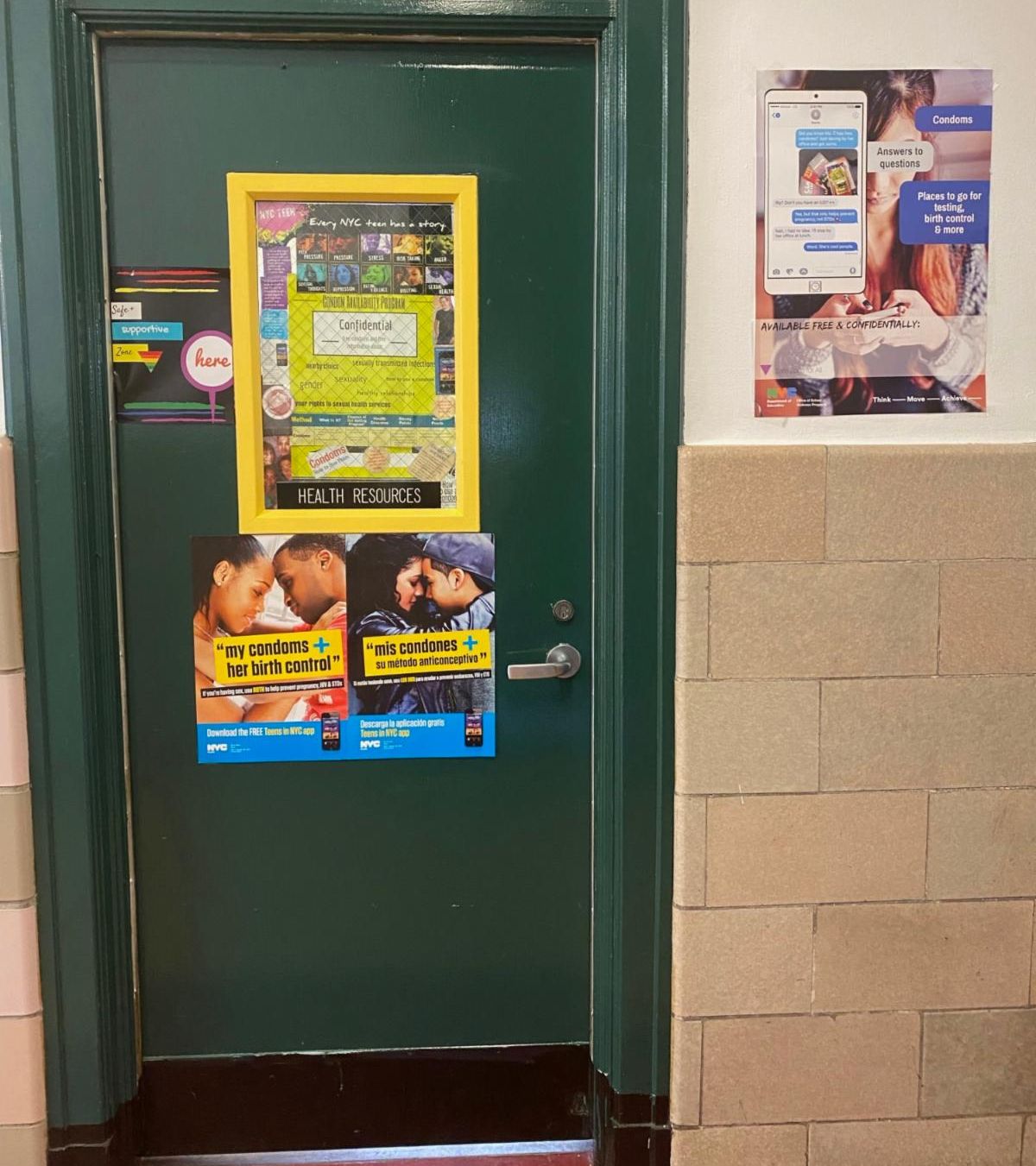
Photo (top left): Classroom door with posters promoting the Health Resource Room and condoms. Photo (bottom right): Classroom door covered in holiday wrapping paper with condom wrappers arranged on a picture of a Christmas tree. Photo courtesy of Laura Bilotti, Ralph R. McKee Career and Technical Education High School.
|
|
CAP at the Center of Sustaining a Healthy, Inclusive Community at ELLIS in the Bronx, 10X397
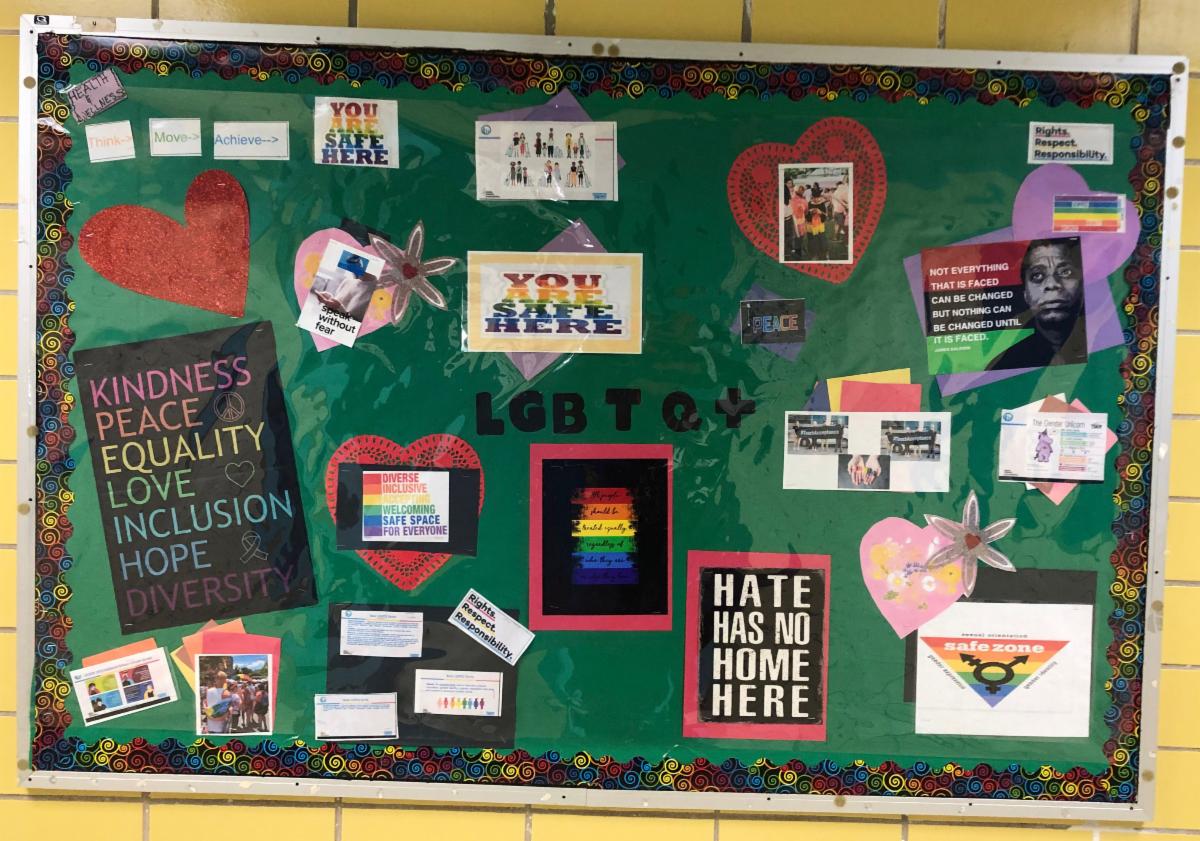
Denise Cooper, CAP-trained staff and Health Education teacher at English Language Learners and International Support Preparatory Academy (ELLIS) in the Bronx, embraces what it means to be an inclusive and a trusted adult for LGBTQ+ students. She ensures that the school sends out the mandatory CAP notification letters to parents, that students and staff are aware of the school’s gender-neutral bathrooms, and much more. Even with a challenging school year to navigate, Denise credits the CAP training that she received from Office of School Wellness Programs content specialists with helping her learn more about inclusivity, acceptance, and vital HIV/AIDS information. The training sessions gave Denise the tools needed to have informed, supportive conversations with students around gender identity. Denise and the CAP staff aren’t working alone at ELLIS. With support from the School Wellness Council, the school created LGBTQ+ bulletin boards to educate students and staff and sustain a safe, welcoming environment for LGBTQ+ students and staff.
Photo: Bulletin board with LGBTQ-affirming messages and posters. Photo courtesy of Denise Cooper, English Language Learners and International Support Preparatory Academy.
|
|
Did you know? High schools must have at least two DOE staff trained in CAP. High school Health Resource Rooms must be safe, supportive, inclusive spaces for all students.
Meeting the Needs of Schools at the Start of the Pandemic: With the COVID-19 pandemic and subsequent school closures in 2020, the Office of School Wellness Programs paused delivering in-person CAP training to school staff. However, school staff began to request guidance and training on how to make health referrals remotely, which prompted the Office of School Wellness Programs to create two new resources:
-
“Guidance for Operating a Blended Condom Availability Program” document: Provided recommendations for operating a blended (in-person and/or virtual) CAP at high schools to ensure students have continued access to free condoms, health information, and referrals to health services no matter their location. Note: Shared with CAP staff up until the start of the 2021-2022 school year as schools reopened to full, in-person learning.
-
“Helping Students Access Health Services” webinar: Provided training to school staff on how to make referrals in a blended setting (staff were not considered “CAP-trained” afterward). Note: Replaced by the three-part virtual CAP webinar series.
School staff continued to request to be fully CAP-trained as the fall 2020 school year progressed. In response, the Office of School Wellness Programs created the three-part virtual CAP webinar series and offered it to schools twice in Spring 2021. During this time, 45 school staff successfully completed the webinar series and became CAP-trained staff—strengthening their skills around providing condom demonstrations, answering challenging questions, and providing effective health referrals. By creating this virtual CAP webinar series to meet the needs of schools during a very challenging time, the Office of School Wellness Programs expanded access for approximately 16,800 students to quality sexual health services, accurate sexual health information, and free condoms in their school buildings and communities.
|
|
Teachers: Use the Health Education Instructional Toolkits Now and Throughout the Year
National Youth HIV/AIDS Awareness Day Resources
STD Awareness Week Resources
STD Awareness Week started Sunday, April 10, and ends this Saturday, April 16. CDC estimates (opens in new window) that about 20 percent of the U.S. population—approximately one in five people in the U.S.—had an STD on any given day in 2018. Preliminary 2020 data (opens in new window) indicate that reported STDs in the U.S. dropped as clinics and healthcare offices closed during the pandemic, then resurged when they reopened. Check out the following resources that can be used in your school community to increase STD awareness and testing:
|
|
Building the Wellness Community |
|
Teen Opportunity: Apply Now for the Catch My Breath Youth Advisory Board
Share with grades 6-12 students: Applications are now being accepted for the CATCH My Breath Youth Advisory Board, a national volunteer opportunity for teens interested in advocating for and inspiring their peers to commit to a vape-free lifestyle. Visit the CATCH website (opens in new window) for more information. Application deadline: Friday, April 15, 2022.
Free “Linking Families Together” Workshop on Sexual and Reproductive Health
Teens ages 13 to 19 and their supportive adults are invited to join a two-part, live webinar hosted by NYC Teens Connection on Wednesday, April 27 and Thursday, April 28 from 6:00 p.m. to 8:30 p.m., to increase knowledge around adolescent sexual and reproductive health. These LiFT (Linking Families Together) workshops are designed to support parents/guardians in:
- starting open, honest, and supportive conversations with their young people about sexual and reproductive health
- keeping the lines of communication open
- accessing additional support and resources
Gender Equity and Racial Justice Youth Summit
Join A Call to Men and Youth ACT! (opens in new window)—in partnership with the Mayor’s Office To End Domestic & Gender-based Violence, the Youth Leadership Council, and the DOE—for a two-day conference on Thursday, April 28 and Friday, April 29, for young people committed to making change in their communities around gender and racial justice. Smaller workshops and a panel discussion will encourage peer knowledge sharing. The summit seeks to honor, unify, and empower youth to be advocates for healthy relationships and gender equity. Questions? Email Director of Youth Initiatives Josué Argüelles at josue@acalltomen.org (opens in email window).
Tomorrow, April 12: April is Earth Month Activities!
Join the DOE’s Office of Sustainability events tomorrow, April 12 to celebrate April as Earth Month. Register for any of the following virtual sessions:
-
1:00 p.m. to 2:00 p.m., Science Explorations for Special Education (opens in new window): Educators from D75 and non-D75 schools will learn how to build a community that connects sustainability to special education and how to incorporate digital media into hands-on classroom investigations. (1 CTLE credit is available for this session).
Summer Youth Employment Program Applications Now Open for New Yorkers Ages 14 to 24
Cash Prizes for Students: Speaking Up About Mental Health Nationwide Essay Contest
- resilience and ending stigma
- improving communication among peers and adults, and more.
|
|
|
|
|
|
|