May 2024
NBGA Newsletter Vol. 3, #5
| |
|
Hello and welcome to the May 2024 NBGA e-newsletter!
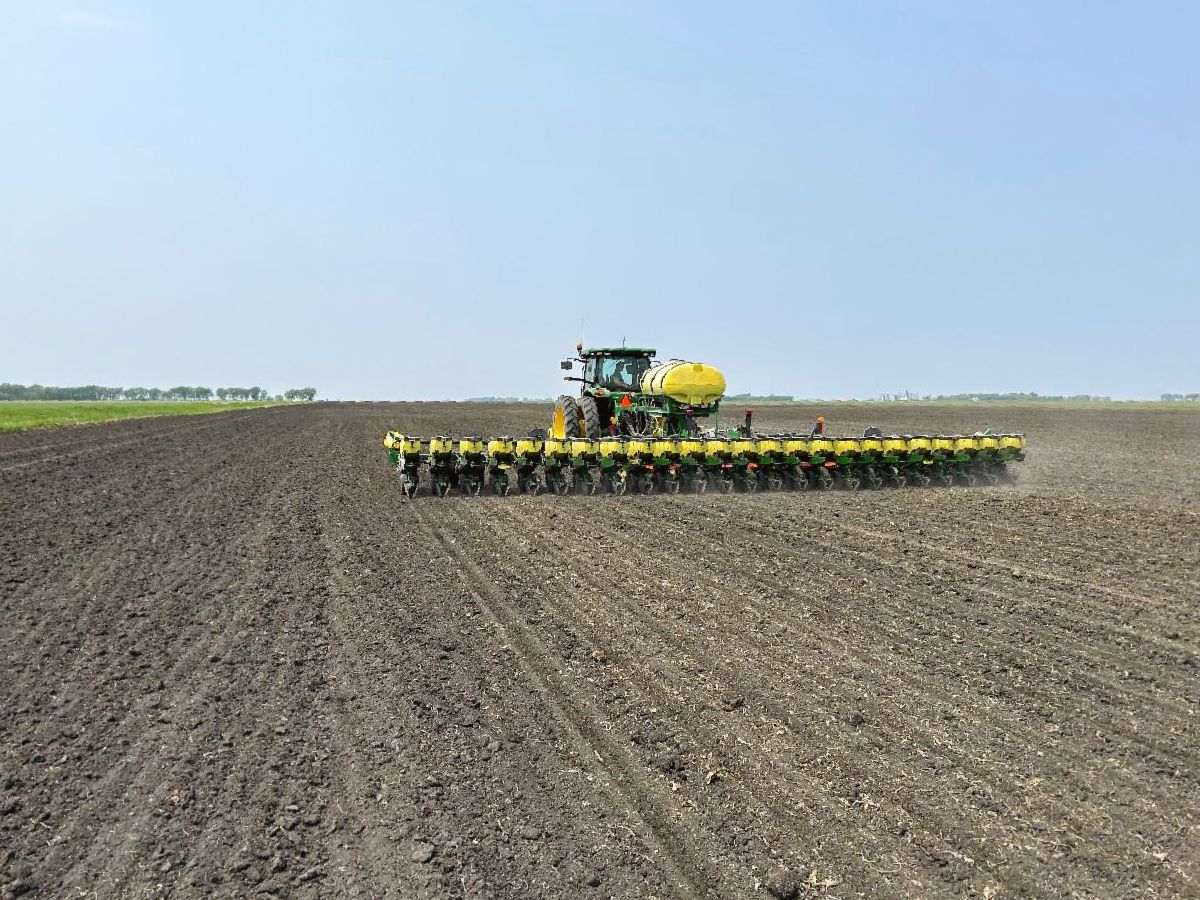
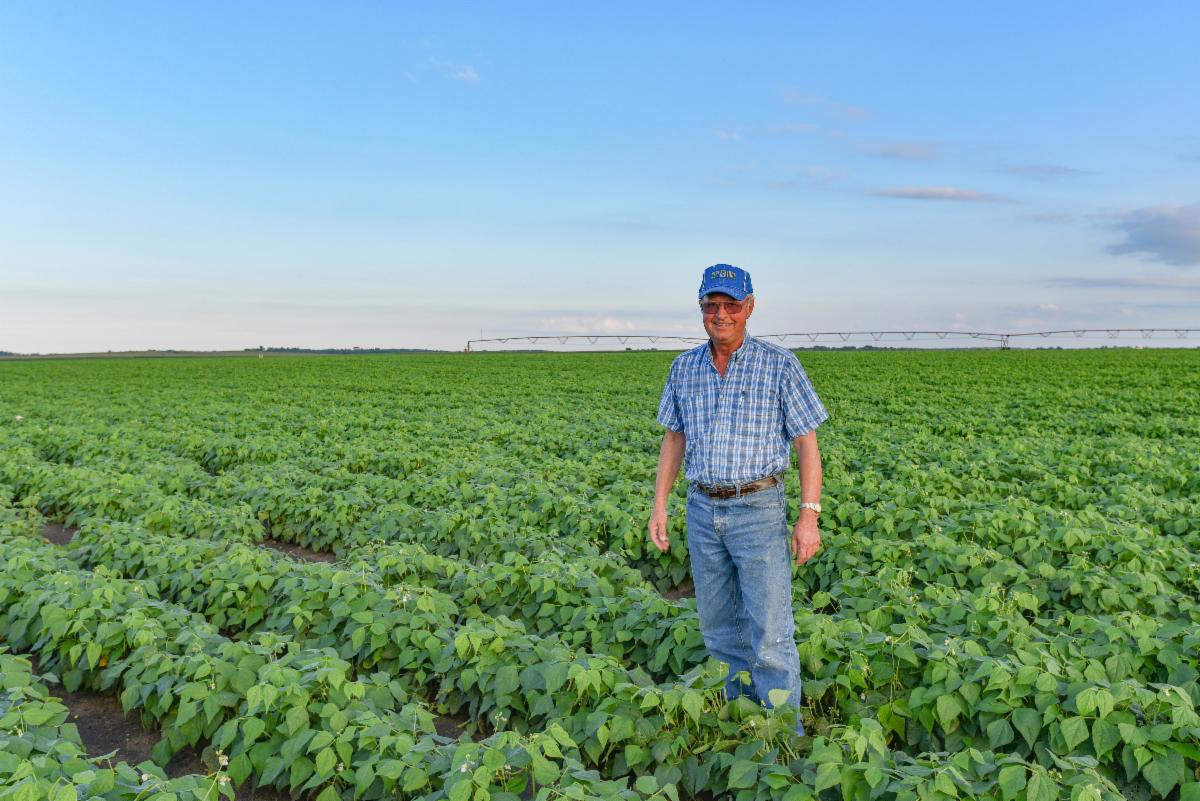
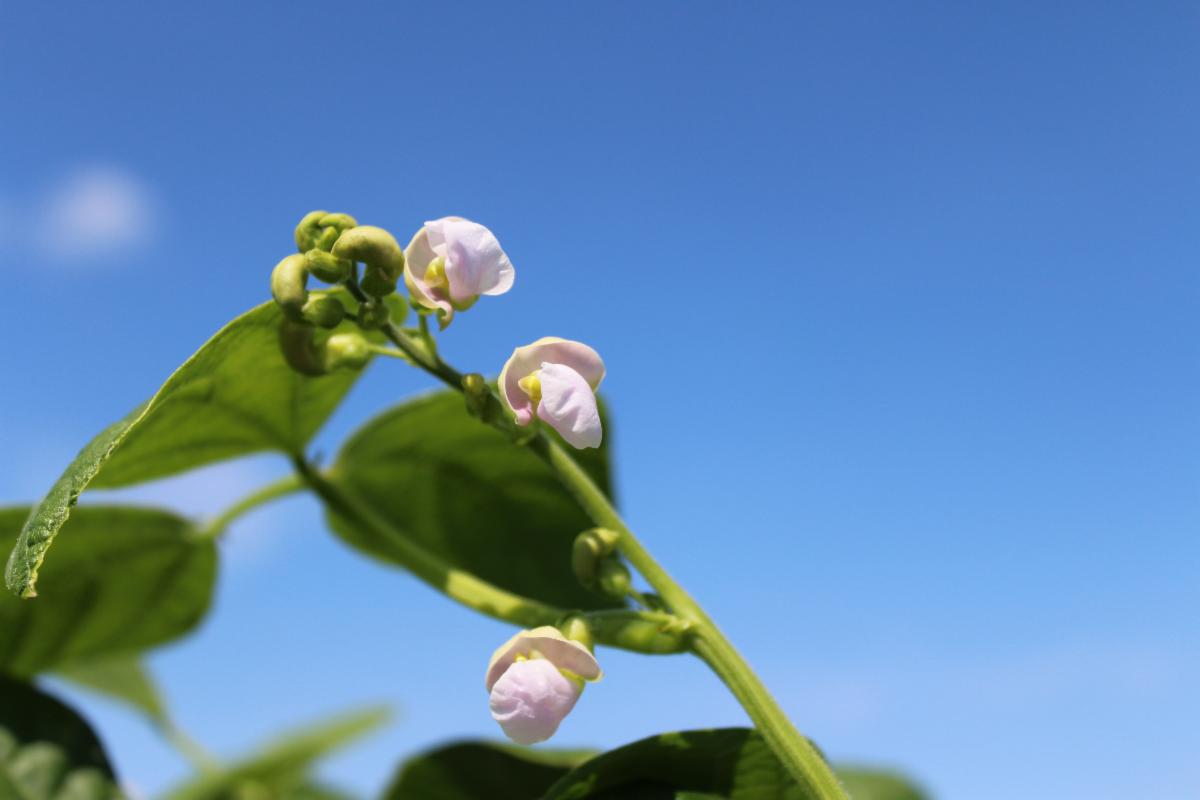
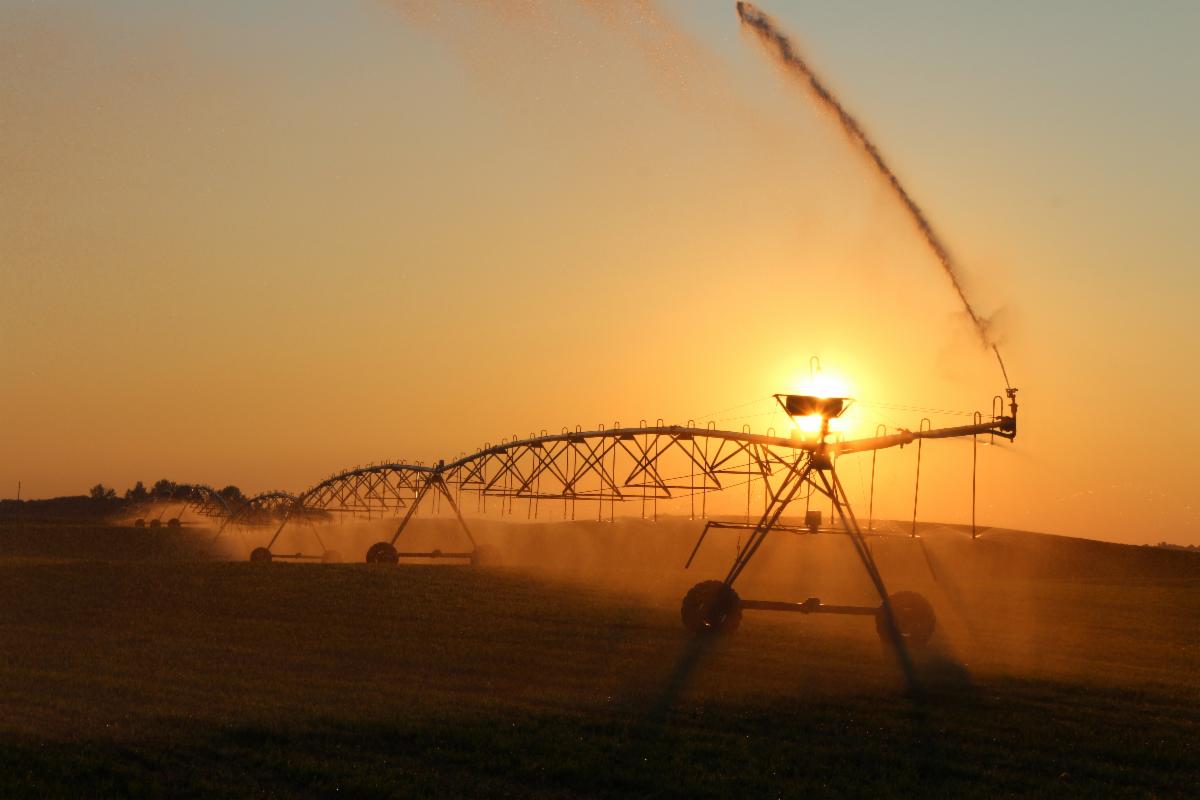
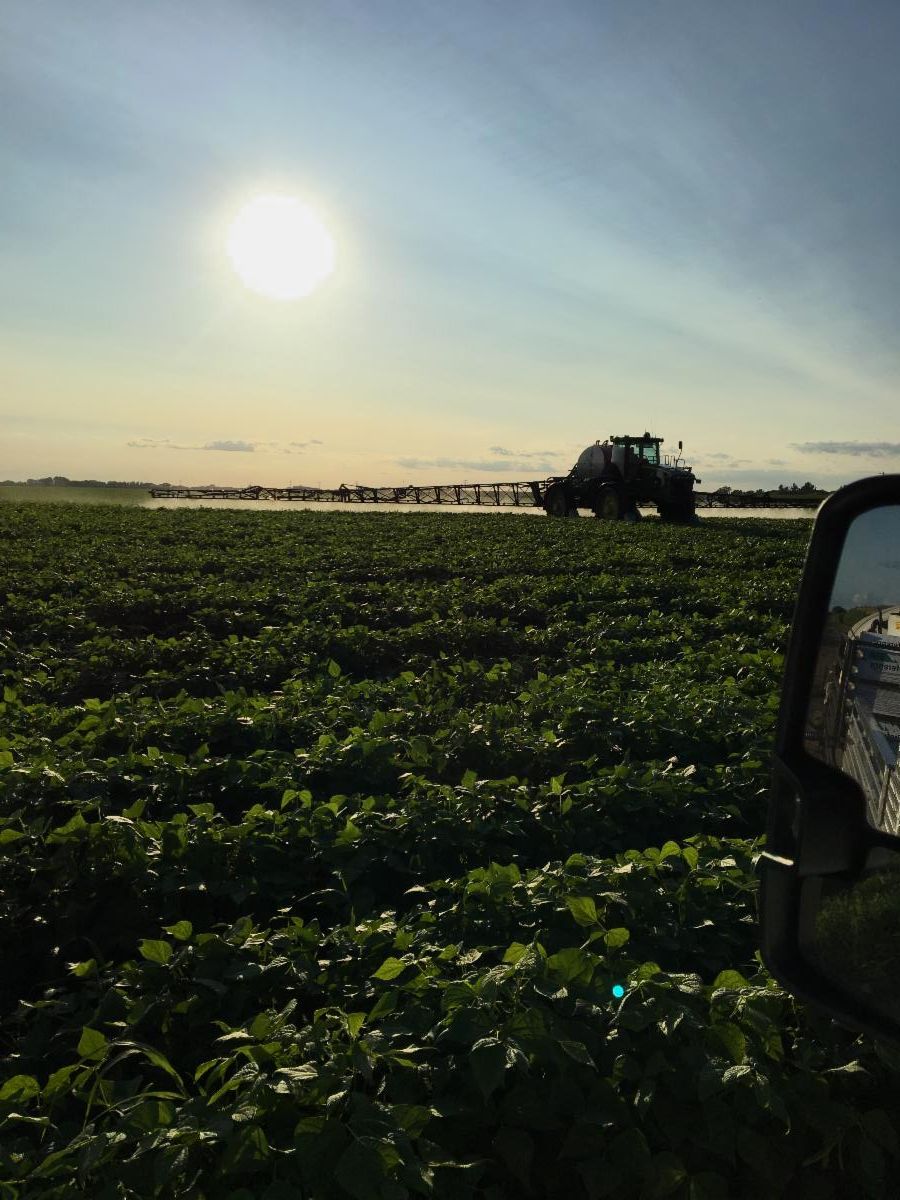
Planting season is here, and NBGA wants to wish all of our growers a safe and productive season. NBGA President Eric Jorgenson shared the following message for fellow growers: "On behalf of both the Minnesota and North Dakota Councils and NBGA, I wish you all a safe, successful spring. Your work in the fields is the very foundation of our entire dry bean industry. NBGA thanks you for your continued support - and for choosing to grow dry beans."
| |
Photo courtesy of Eric Samuelson, Crookston, MN - 2023 | |
|
May 2024 Newsletter Table of Contents:
- Bean Poll
- NBGA's LinkedIn
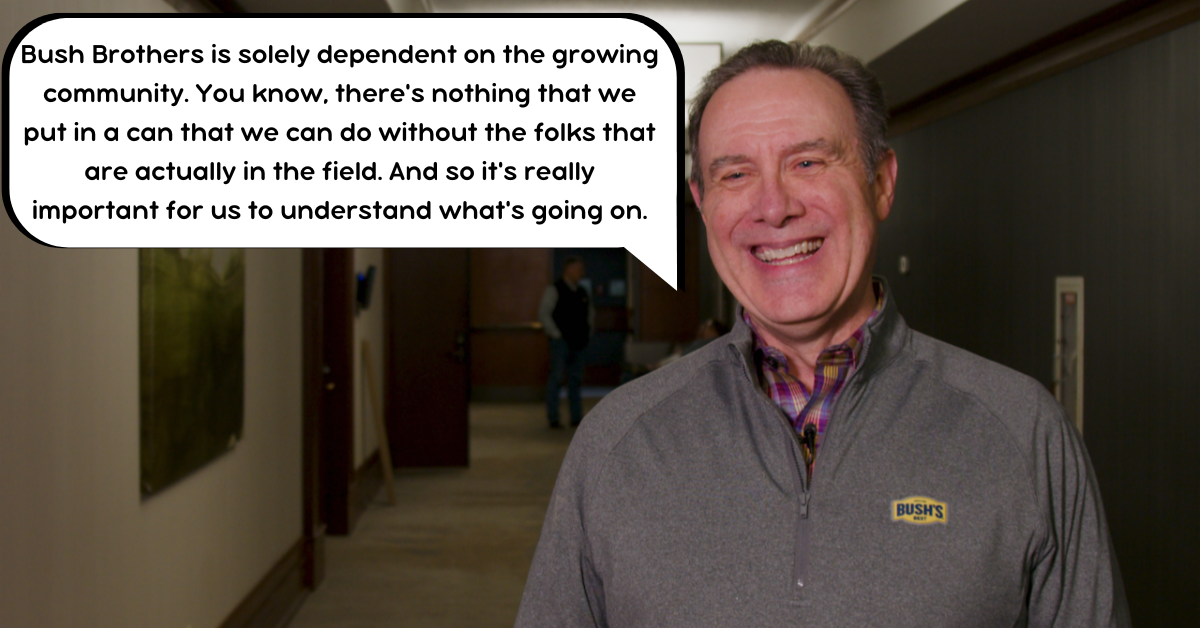
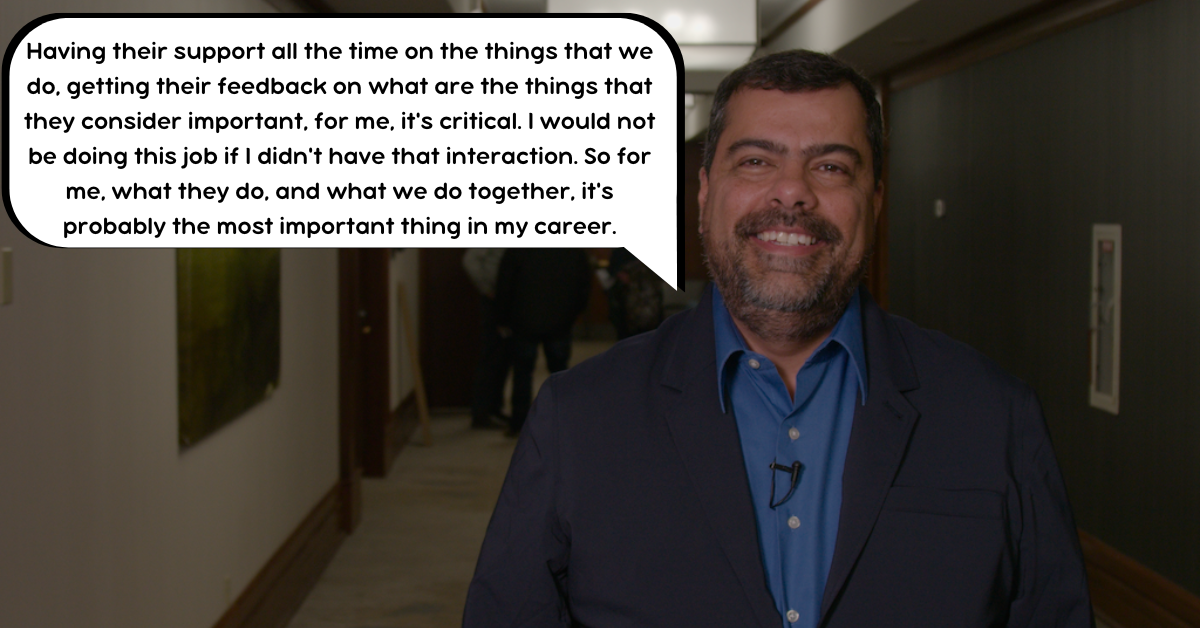
- Bean Day Interviews
- NBGA Member Profile
- Thanking Mark Dombeck for His Service
- USDA Weekly Dry Bean Market Review
- NBGA Partners with a Chef
- Bean Institute: Dry and Canned Beans
- Bean Nutrition Corner
- Northarvest in the News and on the Move
-
Northarvest BeanGrower: Spring 2024
- US Dry Bean Council Updates
- The Dry Bean Scene
| |
|
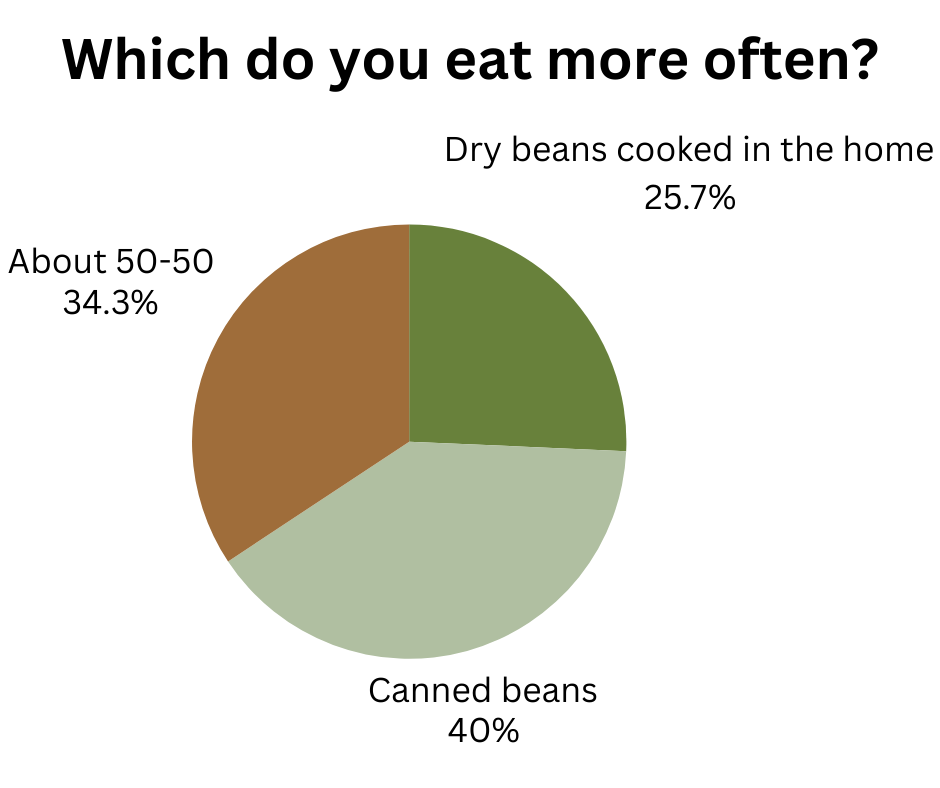
In our April 2024 newsletter poll, we asked you which of three choices you eat more often: 1.) dry beans cooked in the home; 2.) canned beans; or 3.) about 50-50. Below, you can see the breakdown of responses for newsletter subscribers who voted. Canned beans was the most common response, followed by an approximately 50-50 mix of canned beans and dry beans cooked in the home.
This newsletter, we are sharing some helpful information from the Bean Institute about dry and canned beans. Additionally, we will provide more details about the recent study published about how those who eat more beans (both canned and/or dry cooked in the home) have improved nutrition and diet quality. This study was supported by the Coalition for the Advancement of Pulses. Find more information in the Nutrition Corner section of the newsletter.
| |
For our May 2024 poll, please click the button below to vote in this month's poll and indicate which type(s) of beans you will be growing this year. We will reveal the percentages of each response received in next month's newsletter. | |
|
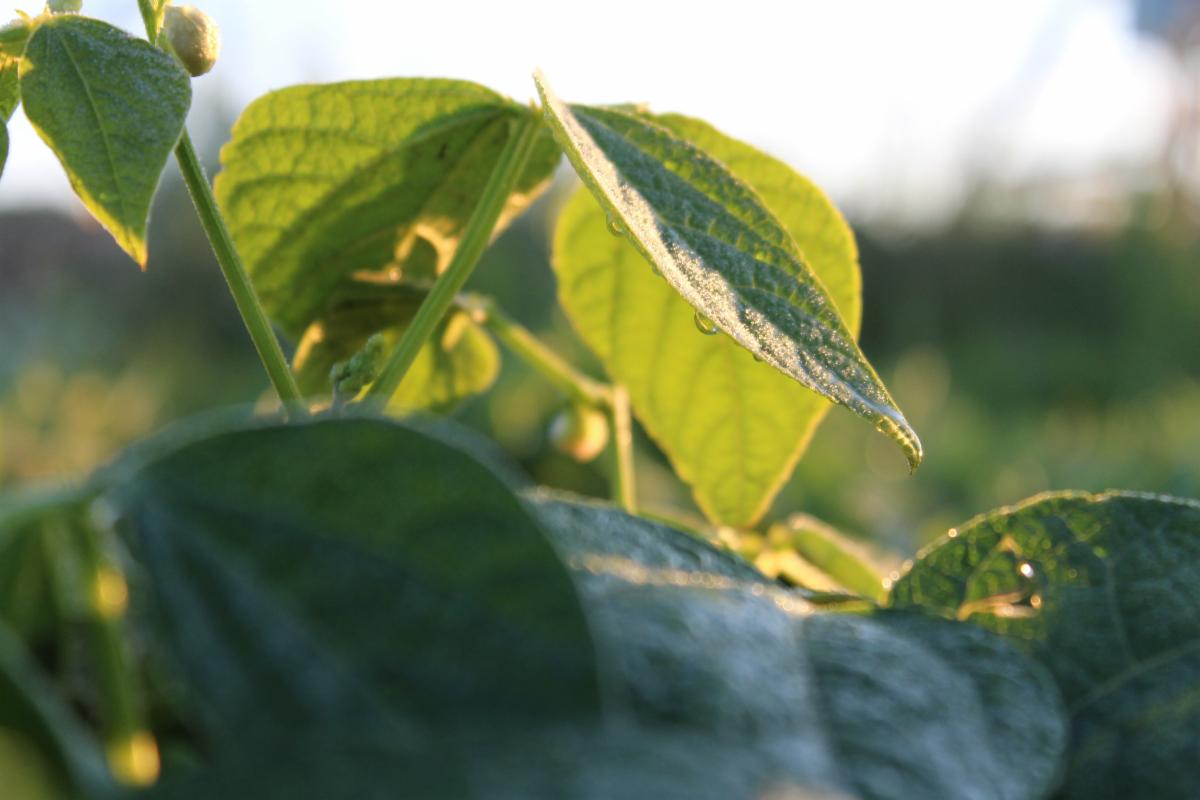
REMINDER: Please share your photos from 2024's bean planting season!
This will help us better share the full story of beans grown in the Northarvest region, as seen through the eyes of growers. Northarvest would love to share the images taken by our growers via LinkedIn and social media platforms, as well as right here in this newsletter; photo credit & shout-outs will happily be provided.
Please email photos to jed@northarvestbean.org (and don't forget to tell us who is sending them and where they are farming).
Thank you for contributing & helping NBGA shine a little more spotlight on bean growers!
| |
|
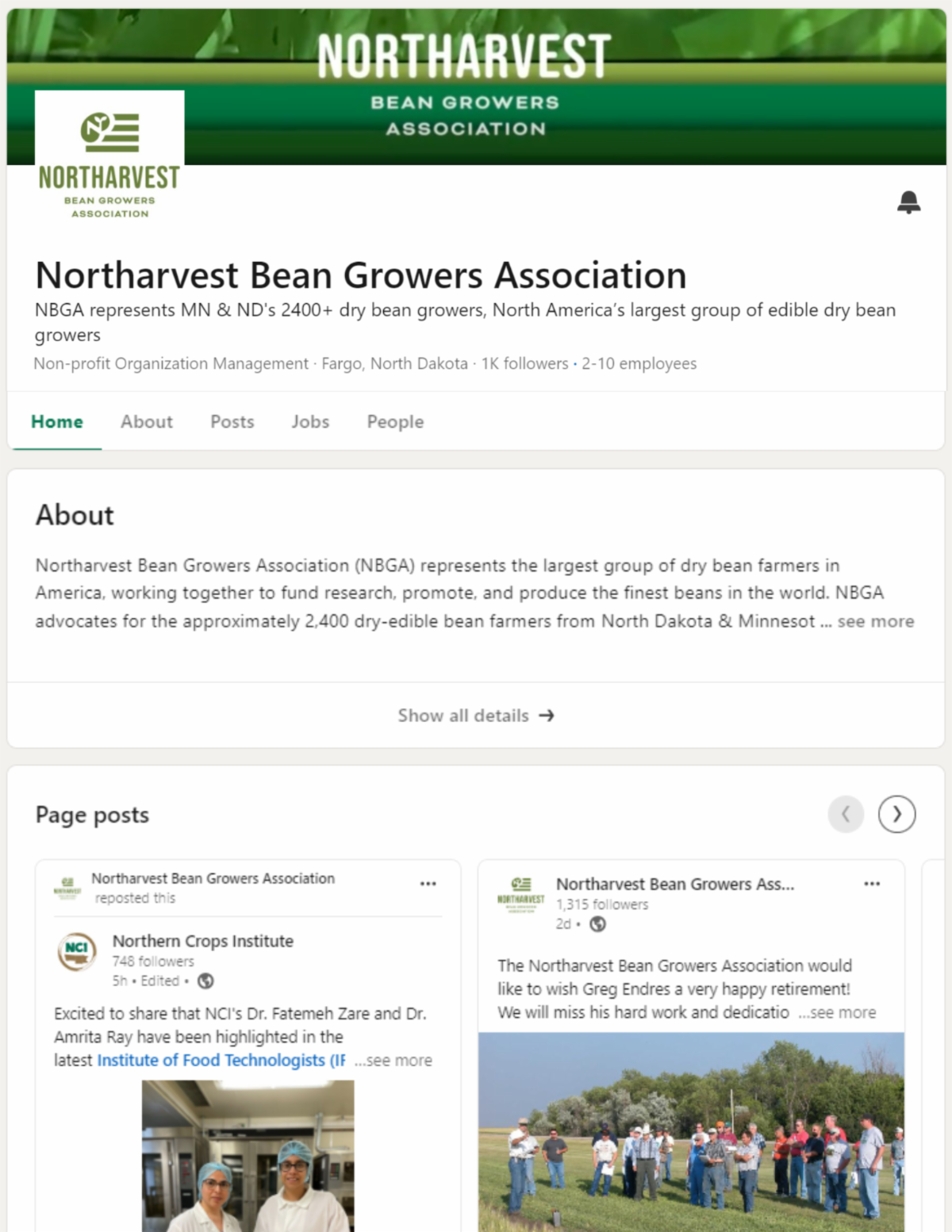
Have you visited our LinkedIn page yet? LinkedIn is a key platform to have a presence, to better connect with the industry and professionals with shared interests and goals, and to help build credibility. Via LinkedIn, we can expand our network while also staying up to date with the latest industry news, through following relevant companies, organizations, and individuals.
On the NBGA LinkedIn page, you can find information such as a description of NBGA and its mission, posts with updates about our industry, activities and research supported by NBGA, and more. Our page has over 1,300 followers, who also sometimes repost our content to help amplify the message. Below, you can see a screenshot of our profile.
Visit the NBGA LinkedIn page at https://www.linkedin.com/company/nbga/ to see more!
| |
NBGA Member Profile
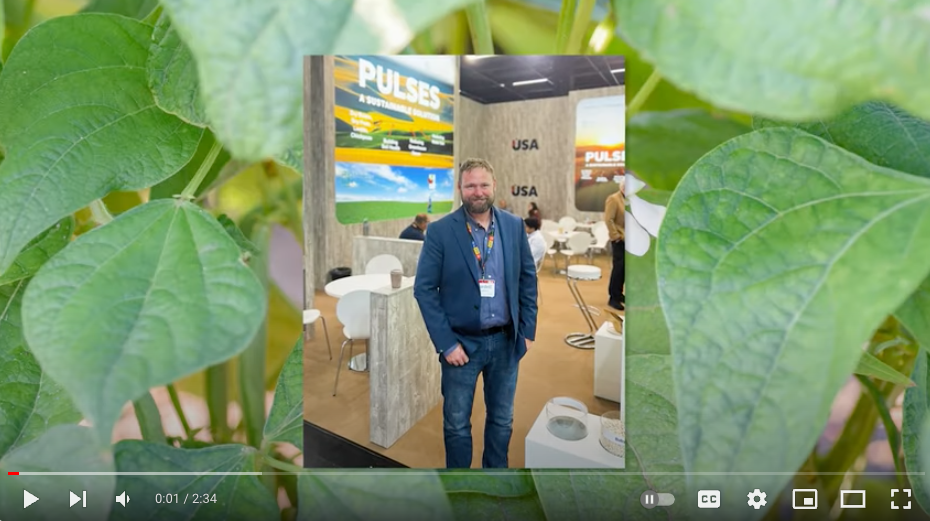
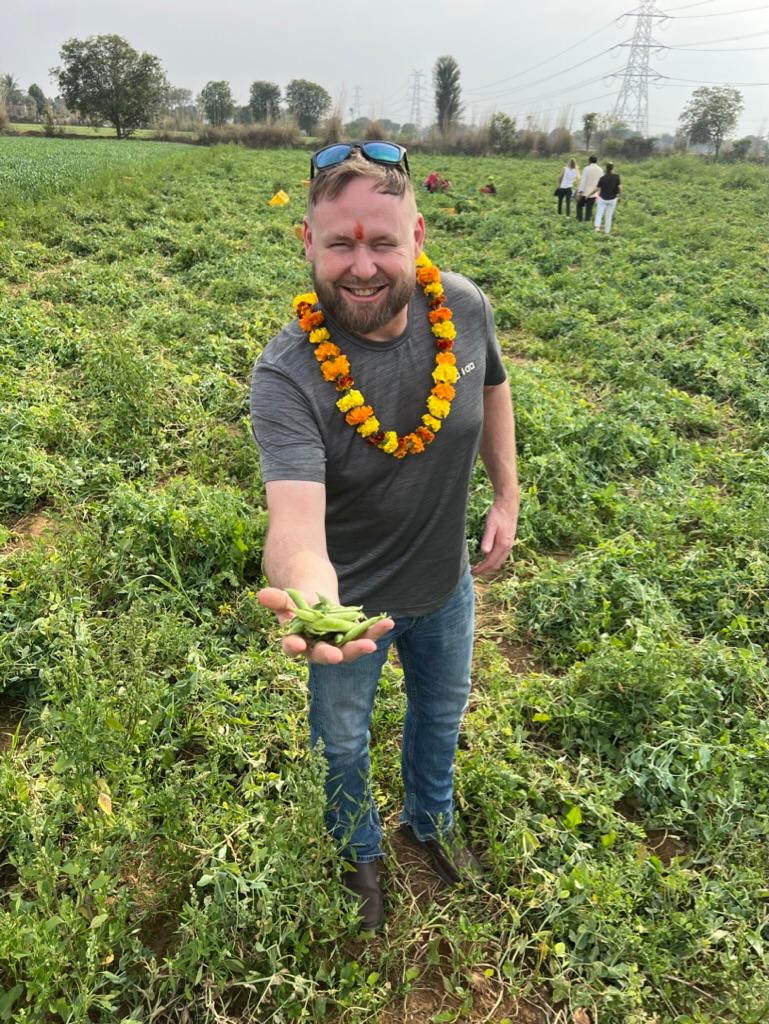
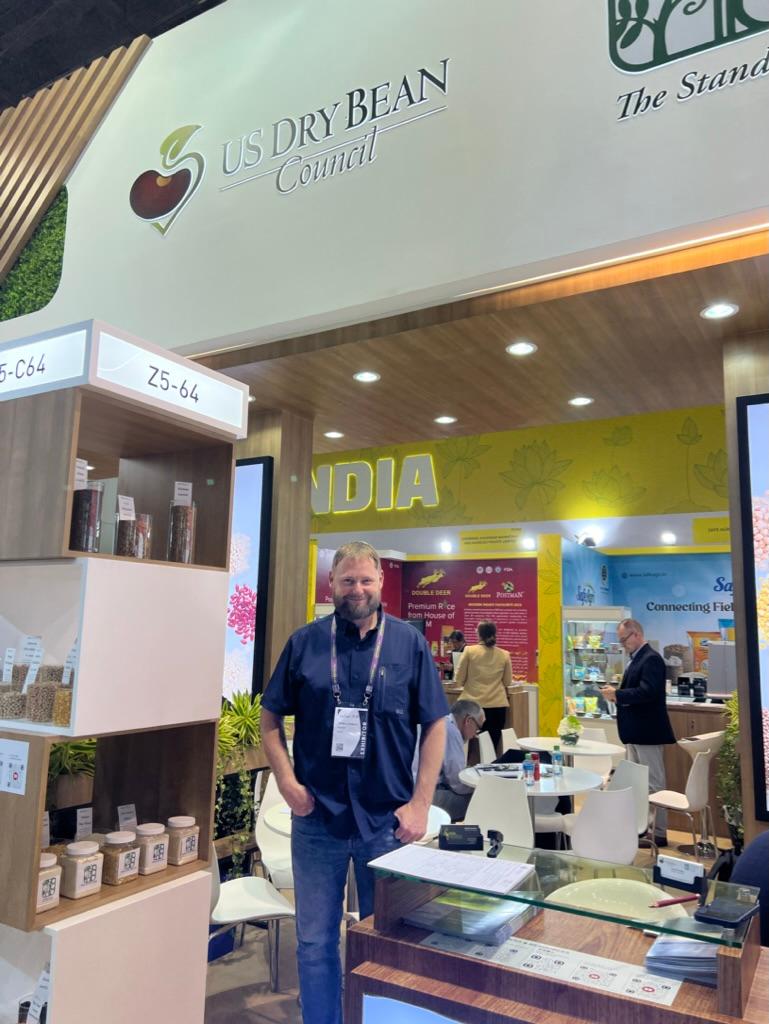
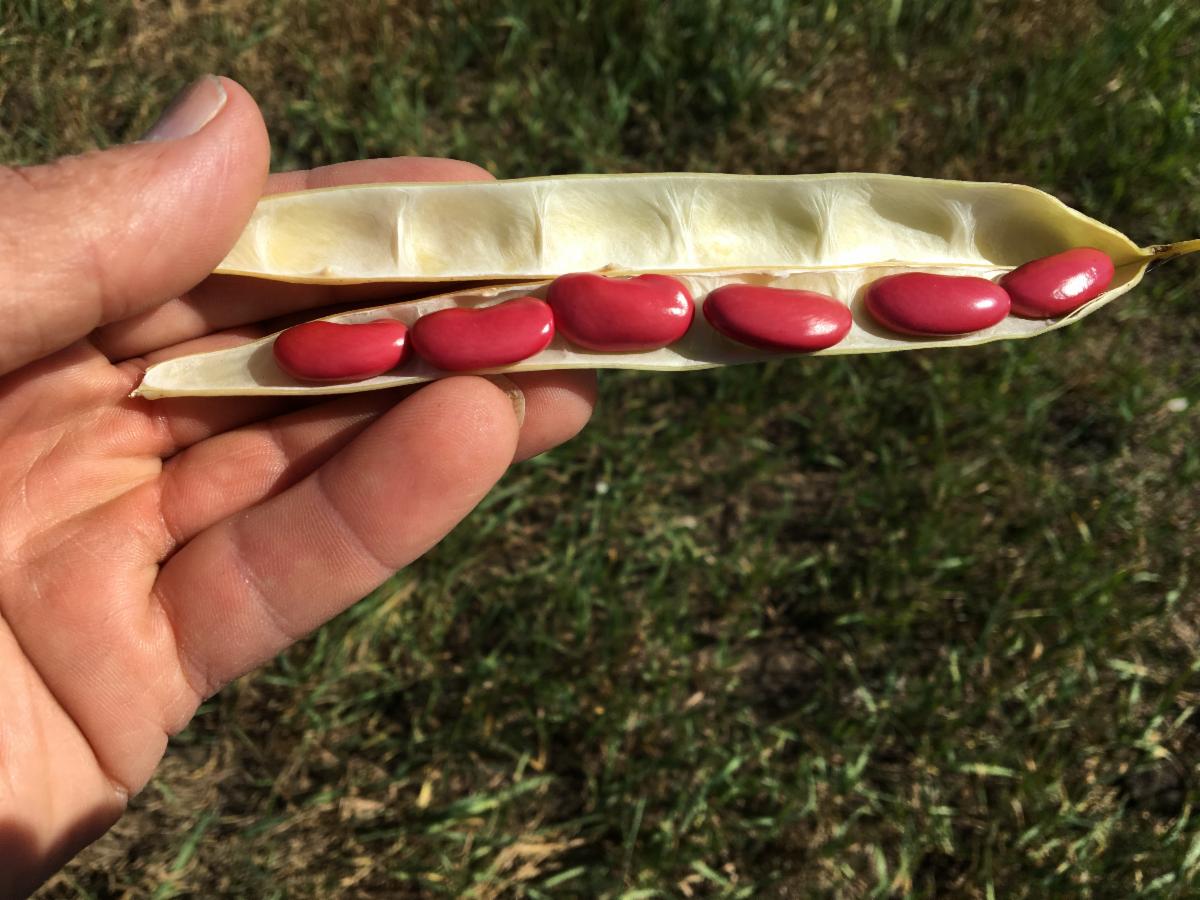
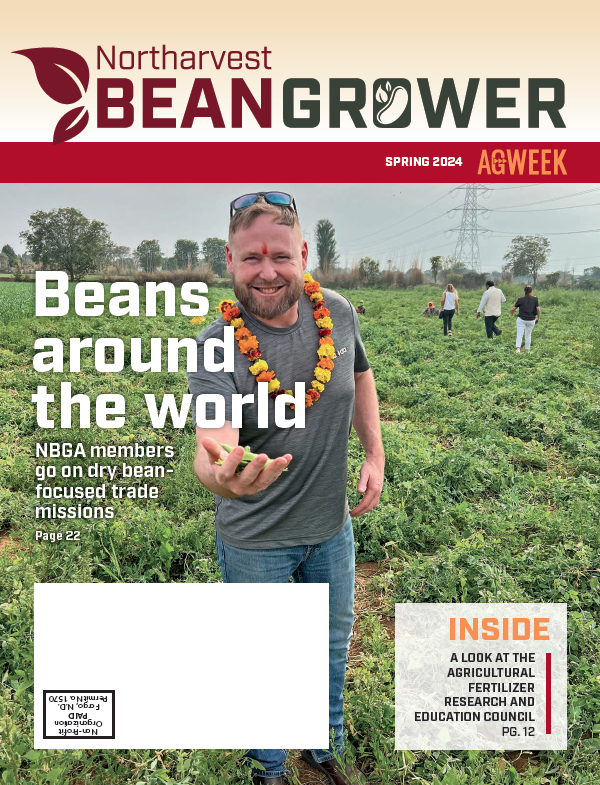
May's NBGA Member profile is Cordell Huebsch. Cordell is an NBGA Director (District 8) and also an Officer, serving as Secretary. A 4th Generation Farmer, Cordell and his family run Otter Berry Farm near Perham, Minnesota. He grows predominantly dark red kidney beans in his dry bean acreage.
In addition to helping with educational outreach events and frequently representing his fellow growers and the dry bean industry on international trade missions, Huebsch sits on three Committees for Northarvest Bean Growers Association: the Marketing & Communications, Education & Sponsorship, and Leadership Committees.
| |
|
Back in our March 2024 newsletter, we shared Cordell's write-up about his recent travels to New Delhi, India to attend the Global Pulse Confederation's annual conference, Pulses24. In addition, he also wrote impressions of attending the world's largest food expo, Gulfood in Dubai. (You can also read more about his trip in the Spring 2024 issue of the BeanGrower right here.)
NBGA would like to thank Cordell for being such an active advocate for the dry bean industry.
| |
Thanking Mark Dombeck for His Service | |
|
The Northarvest Bean Growers Association would like to thank Minnesota Dry Bean Research & Promotion Council member Mark Dombeck for his long-time leadership as he served his final spring meeting in April!
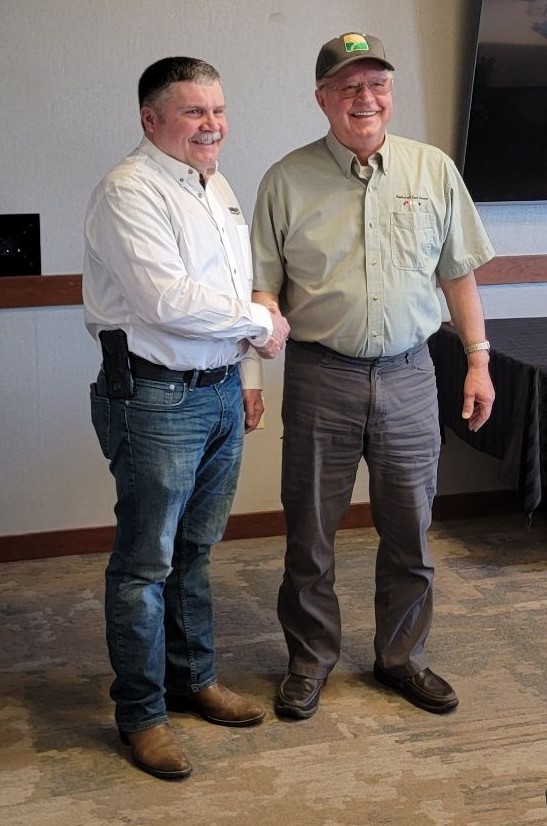
In the photo, NBGA President Eric Jorgenson (pictured, left) congratulates Mark Dombeck (right) for his service to Northarvest farmers.
NBGA President Jorgenson shared the following when asked about Mark: "Mark is legitimately a tremendous wealth of knowledge - a real mainstay of Northarvest and a source of stability on the board during his time serving us growers. His recall, attention to detail, and willingness to travel around the world for his fellow Northarvest growers really can't be overstated. I just can't say enough good about him. All of Northarvest would like to thank Mark for his dedication to the dry bean industry during the many years he served - We were lucky to have him!"
Dombeck just recently stepped down, having served on the Minnesota Dry Bean Research & Promotion Council for 30 years. An active NBGA Member since 1994, Mark has spent significant time serving on several Committees during his time, most recently the Research and Education & Sponsorship Committees.
| 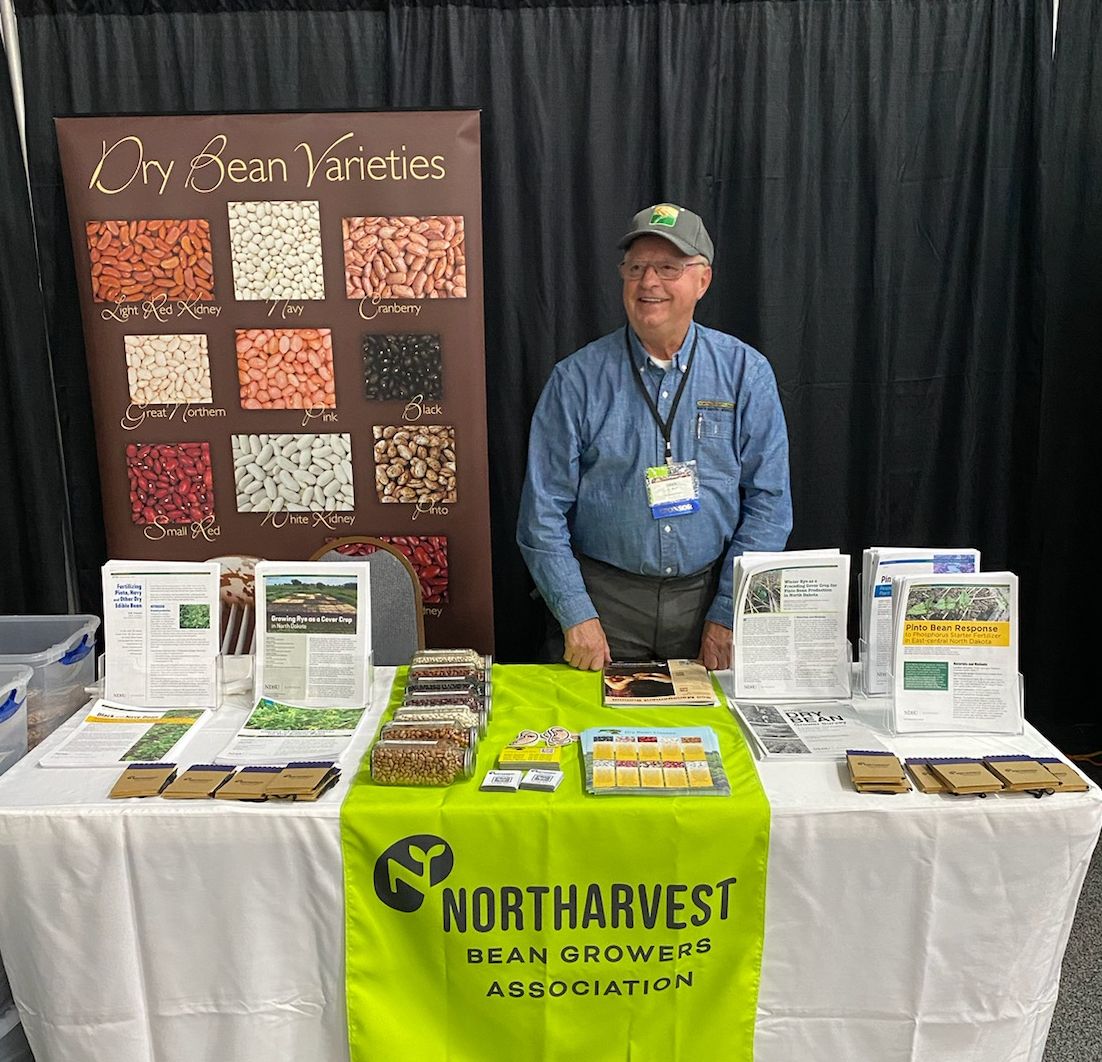 | |
Reflections from Mark Dombeck | |
Chelsea Didinger (A Legume a Day), talked to Mark Dombeck and asked him to reflect upon his time serving with Northarvest and the Minnesota Dry Bean Research & Promotion Council. Below, you can see his responses. | |
|
What is one thing you are proud of accomplishing during your time serving with Northarvest?
Mark has had NDSU field plots on his farm for the last 12 to 14 years. He said, "It's been interesting seeing the varieties develop, and grow, and have more disease resistance built into them. Our goal is to come up with - through genetics - disease-resistant plants. Rather than using more chemicals, we're looking at what we can do to come up with a healthier plant that has more resistance to our disease issues that we have."
| |
|
You sometimes talk about the impressive nutritional profile of beans. What is it about bean nutrition that stands out to you, that you want people to know?
"Beans fit well into a proper, well-balanced diet because of the fiber and protein."
| |
|
What has been an unexpected or interesting trend or development in bean research over the last several decades?
Mark is interested in bean genetics. "We have the slow darkening pinto. That was unheard of 10 years ago. And that's a big plus for marketing, especially into the Caribbean regions, where beans will darken much sooner there because of the humidity and heat." He also spoke about direct harvest, "We get a better quality bean because we can harvest them faster with direct harvest." Direct harvest is when the beans are harvested in a single pass with a combine, as opposed to one pass to undercut and windrow, and another pass to combine.
Another big change he has seen has been on the processing side. He explained that everything used to be put into 100-lb bags. These days, many processors work with 2,000-lb totes that are handled with equipment, which has made things more efficient. He commented that some processors still use the 100-lb bags, depending on where they are shipping beans, in order to meet the needs of their export markets.
| |
|
What about an unexpected or interesting trend or development on the consumer side over the last several decades?
Mark commented that Northarvest has worked with the Culinary Institute of America, and he has attended several of the conventions. He appreciated "how they are working with corporate chefs and trying to get beans into everyday diets." Mark also observed that black beans have been getting a lot of attention in national media.
| |
|
What is one thing you would like to see in the future for beans?
"The number one thing is to keep increasing consumption. On the production side, we've gotten so we can produce whatever the market is demanding. I would like to see more beans used in everyday diets, because it's a really good, healthy part of the diet."
| |
|
Mark grows light and dark red kidney beans on his farm. We asked him about his favorite kidney bean recipes.
Mark enjoys kidney beans in chili. He says, "I always put a lot of extra beans in my chili." He also likes to eat them in salads.
| |
|
What would you say to growers considering becoming more involved with NBGA?
Mark says that becoming more involved provides a great opportunity to learn more about many topics, like bean genetics and how beans go into our food chain. He also recommends reading the BeanGrower to learn about all of the research and other activities. "Everything is published in there. If [you] have some interest, read the magazine cover to cover, and see if that is what your interests are."
| |
|
Do you have any other comments?
"It's been a wonderful experience being on the Research and Promotion Council, and great people to work with!" Mark says that beans are "a good product to be working with."
| |
|
NBGA and its members would once again like to thank Mark for his significant efforts on behalf of his fellow farmers and the dry bean industry.
Have you seen our NBGA Member Profile video on Mark, yet? You can watch that here.
| |
One thing people may not know about Mark is that he's a bit of a shutterbug and has shared countless excellent photos from his farm over the last few years - here are some of our favorites. | |
|
Below, you can find links to the most recent USDA Weekly Dry Bean Market Reviews. Click on the date to see the report.
-
May 7, 2024: "Compared to last week: Trade remained light with mostly steady bid prices. According to the Crop Progress Report May 5, 2024, Dry Edible Beans are 3% planted in Minnesota, 12% in Montana, 56% in Washington, 1% in North Dakota, and 41% in Idaho. Dry Edible Peas are 27% planted in North Dakota, 49% in Montana, 62% in Washington, and 72% in Idaho."
-
April 30, 2024: "Compared to last week: Trade remained light with mostly steady bid prices. According to the Crop Progress Report April 28, 2024, Dry Edible Beans are 1% planted in Minnesota, 8% in Montana, 48% in Washington, and 32% in Idaho. Dry Edible Peas are 10% planted in North Dakota, 26% in Montana, 42% in Washington, and 56% in Idaho."
-
April 23, 2024: "Compared to last week: Trade remained light with mostly steady bid prices. According to the Prospective Plantings Report March 28, 2024, Dry Edible Bean area planted is 1,316,000 acres and the Chickpea area planted is 429,000 acres and the Lentil area planted is 762,000 acres and the Dry Edible Pea area planted is 974,000 acres."
-
April 16, 2024: "Compared to last week: Trade remained light with mostly steady bid prices."
-
April 9, 2024: "Compared to last week: Trade remained light with mostly steady bid prices."
| |
NBGA Partners with a Chef | |
|
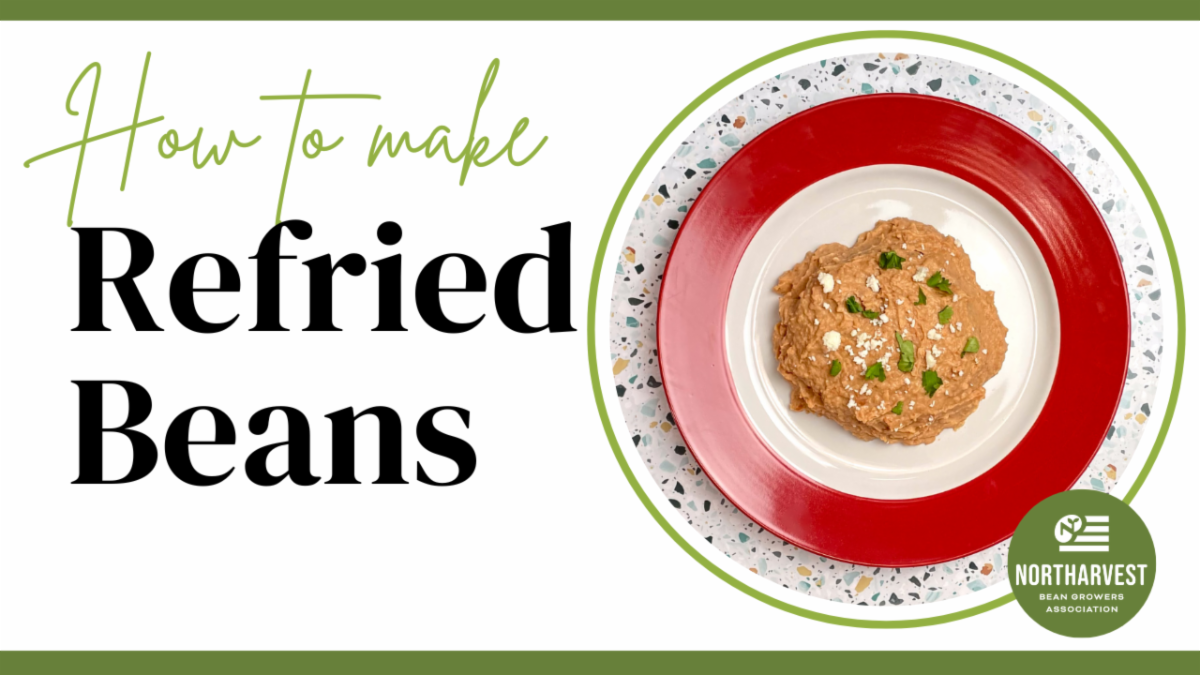
This month, NBGA is excited to release the next recipe video in this series: Refried Beans!
Refried Beans are a classic for a reason - they are delicious, simple to make, and can be used in a wide variety of dishes. For example, you can add them to burritos, tacos, or tostadas, use them as a base for dips, add them to casseroles, add toppings like in the photo below topped with a bit of queso fresco and some cilantro, or simply enjoy them as is.
This third video in our recipe series is scheduled to premiere on Thursday, May 16th at 7 pm central time. Recipe ingredients and cooking instructions are ready and waiting in the video description for when it goes live. It will be available on our YouTube channel page, linked by clicking the photo below. NBGA appreciates the efforts of all involved and we hope you enjoy it!
And remember - if you make this or any of the recipes we share, please send us photos and let us know how you like them!
An ongoing project, the NBGA and the Bean Institute will continue to promote these videos to a wide audience of consumers, registered dietitians, and others.
|  | |
Bean Institute: Dry and Canned Beans | |
A common question about beans is: Which is better, dry beans or canned beans? In their post about dry vs. canned beans, the Bean Institute highlights a few key points:
- When it comes to cost, cooking with dry beans can help save money.
- For convenience, cooking with canned beans is a good way to save time.
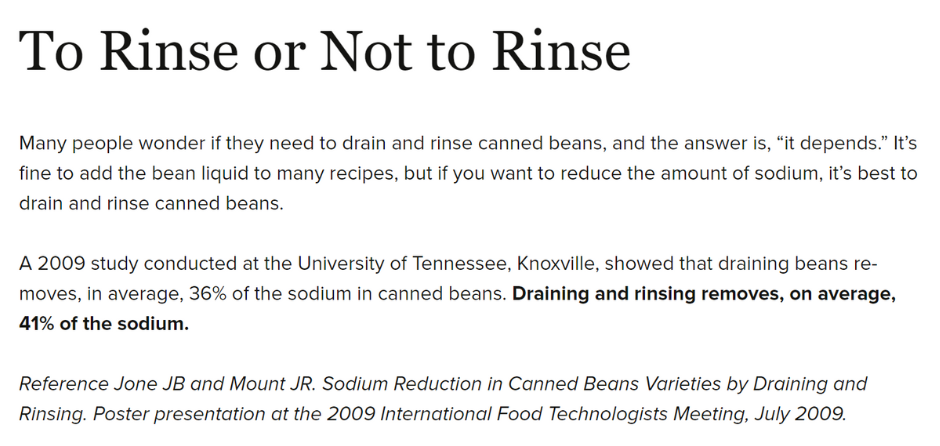
- A benefit of dry beans is that you can control the sodium level. Alternatively, you can also buy low or no-sodium canned beans, or you can choose to drain and rinse the canned beans. This has been shown to reduce the sodium level, as explained in the screenshot below of the Bean Institute's post To Rinse or Not to Rinse.
| |
|
The Bean Institute Spotlights NBGA
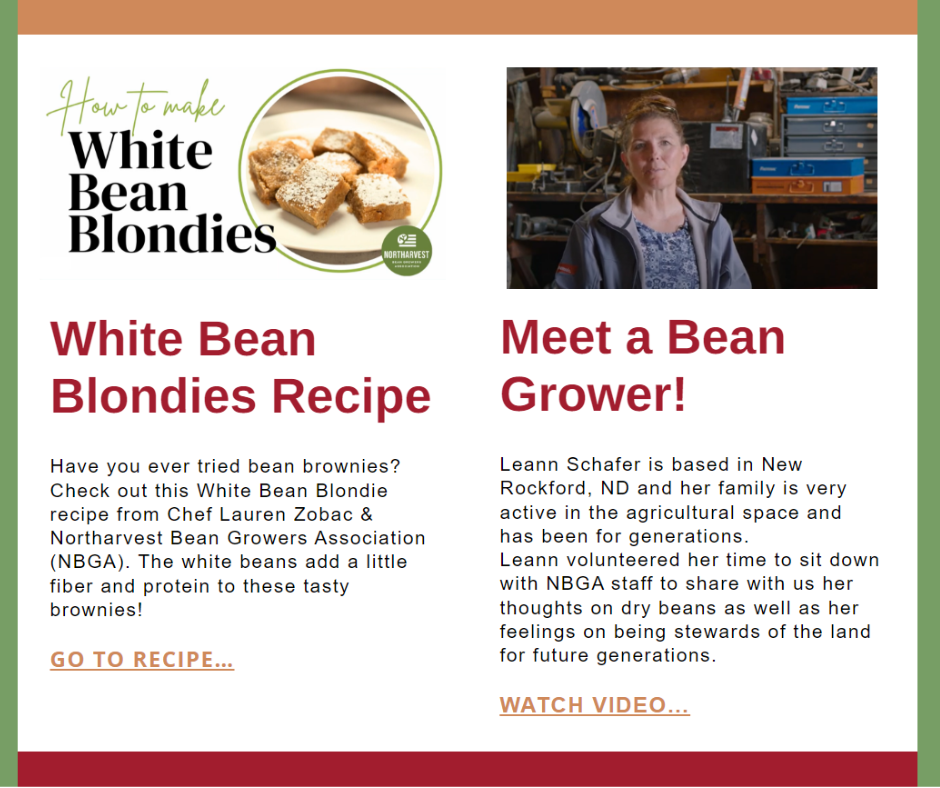
The screenshot below shows part of the April 2024 Bean Institute newsletter. In it, the Bean Institute shared Chef Lauren Zobac's White Bean Blondie recipe. They also highlighted Leann Schafer's NBGA member profile video.
The Bean Institute's newsletter helps spread the word about the important role that NBGA growers play in providing food not only for our region, but also in feeding the world. Showcasing grower videos like this allows growers to share about what they do in their own words, so that subscribers can learn more about what it means to grow beans. Plus, it inspires people with new, exciting, and tasty ways to enjoy beans more regularly.
| |
|
Beans for Memorial Day
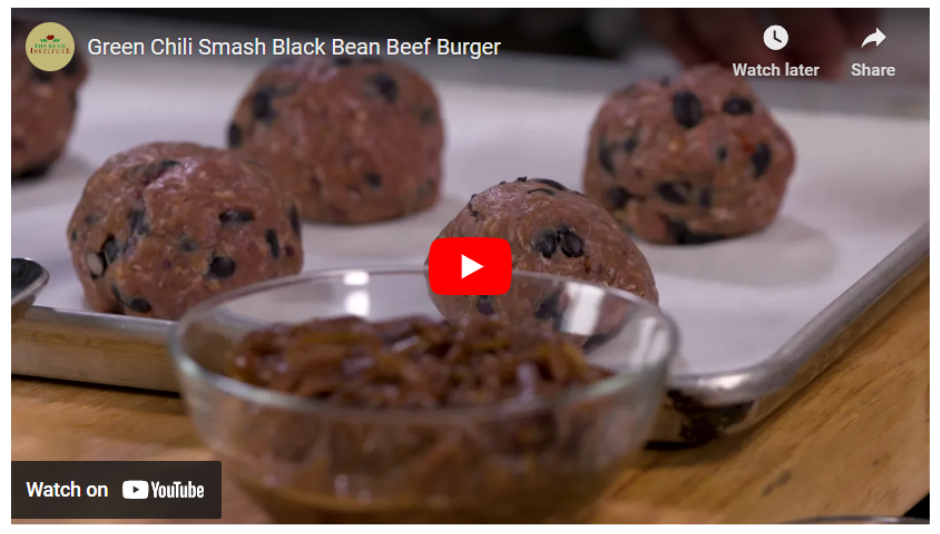
In their May newsletter, the Bean Institute shared an idea for a delicious burger to make for Memorial Day, a Green Chili Smash Black Bean Beef Burger. They write, "Not only does swapping some of the beef with beans reduce the amount of saturated fat and cholesterol, the beans add fiber and give the burgers a perfectly juicy texture."
Click on the image below to watch Chef Toni Sakaguchi at the Culinary Institute of America make the recipe.
| | |
|
Are you looking for more helpful and fun bean information and some bean recipe inspiration? Subscribe to the Bean Institute's newsletter: The Bean Bulletin.
➡️ Sign up by clicking here!
| | |
Beans Improve Nutrient Intake & Diet Quality | |
|
In our April 2024 newsletter, we shared an exciting development from the Coalition for the Advancement of Pulses (CAP): the publication of a key research article in a peer-reviewed science journal called Nutrition Journal. This research provided support of the benefits that higher bean consumption can offer for nutrient intake and diet quality. Indeed, this is the type of evidence that the Dietary Guidelines Advisory Committee relies upon when determining consumption recommendations.
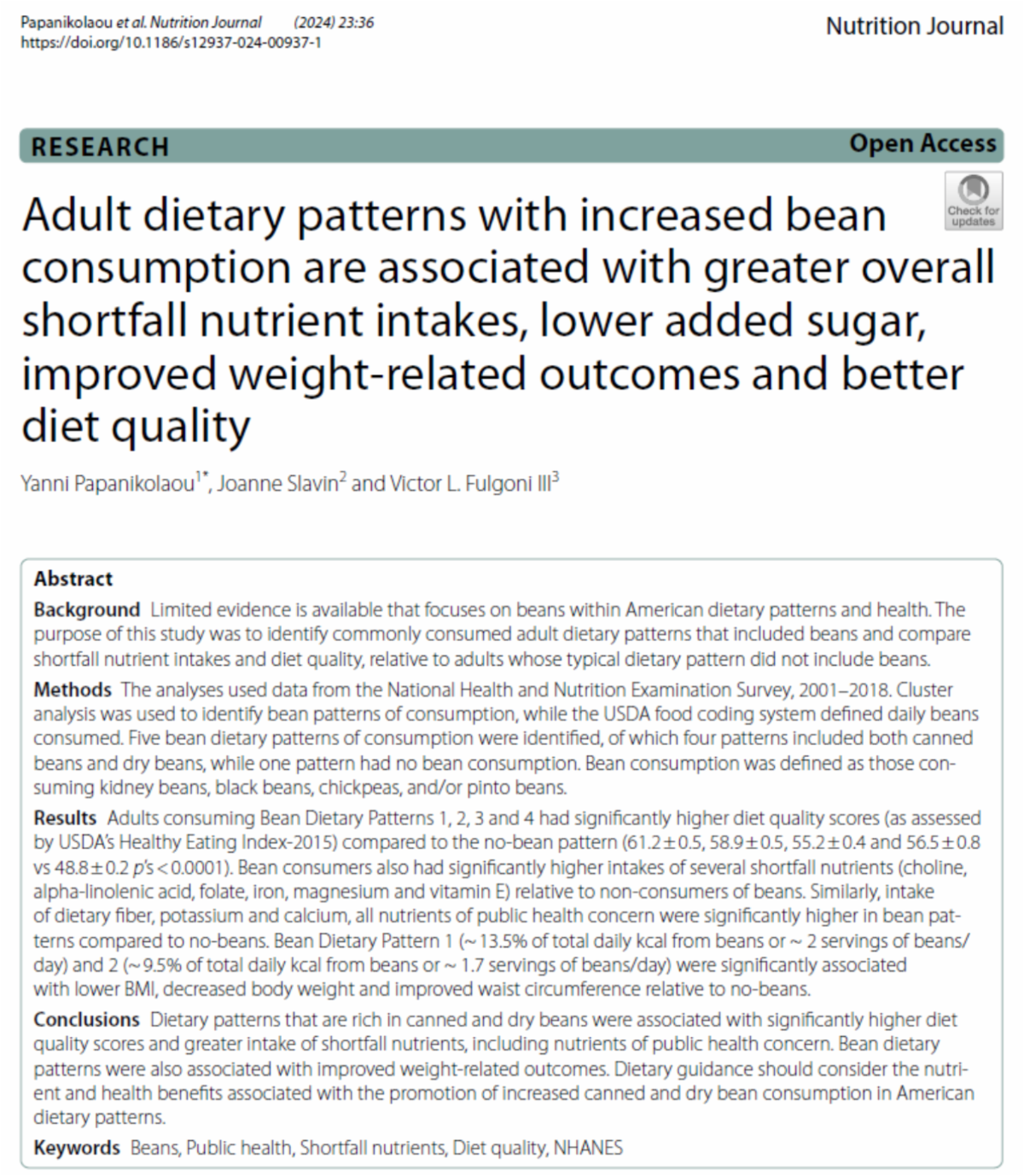
Authors Papanikolaou, Slavin, and Fulgoni titled their article, Adult dietary patterns with increased bean consumption are associated with greater overall shortfall nutrient intakes, lower added sugar, improved weight‑related outcomes and better diet quality. The article abstract is shown below.
| |
|
What did the researchers do?
The researchers used data from the National Health and Nutrition Examination Survey (NHANES, which is used in these types of studies). They grouped people into five different dietary patterns based on bean consumption: four patterns included dry and canned beans, and one dietary pattern had no bean consumption. Due to the nature of the data, bean consumption was defined as people eating pinto, black, kidney (red and white), and/or garbanzo beans (i.e., chickpeas). The Healthy Eating Index (HEI) was utilized to evaluate diet quality, as this tool assesses alignment to recommendations in the Dietary Guidelines for Americans and is frequently used in this type of study.
What did the study find?
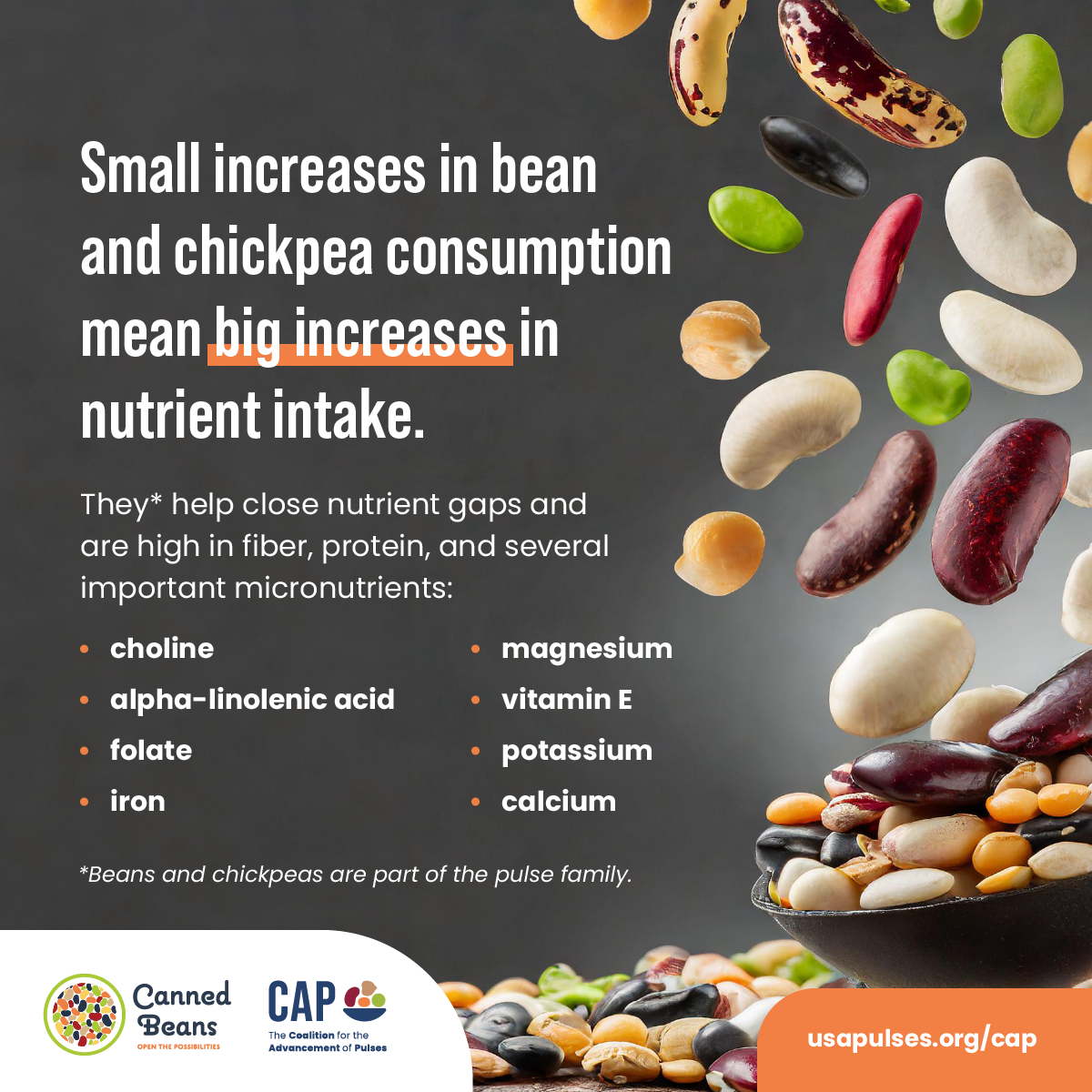
The researchers found that eating beans - canned and/or dry - can help improve intake of "shortfall nutrients", which are nutrients that are commonly under-consumed, resulting in associated health concerns. The graphic below lists some of the nutrients for which eating beans may help close nutrient gaps, such as potassium, folate, iron, and choline.
| |
Graphic from the Coalition for the Advancement of Pulses | |
|
The study also found higher diet quality scores associated with bean consumption. The authors write, "The current work consistently showed that all bean inclusive
dietary patterns were associated with higher diet quality scores relative to non-bean consumption, as much as 25% higher."
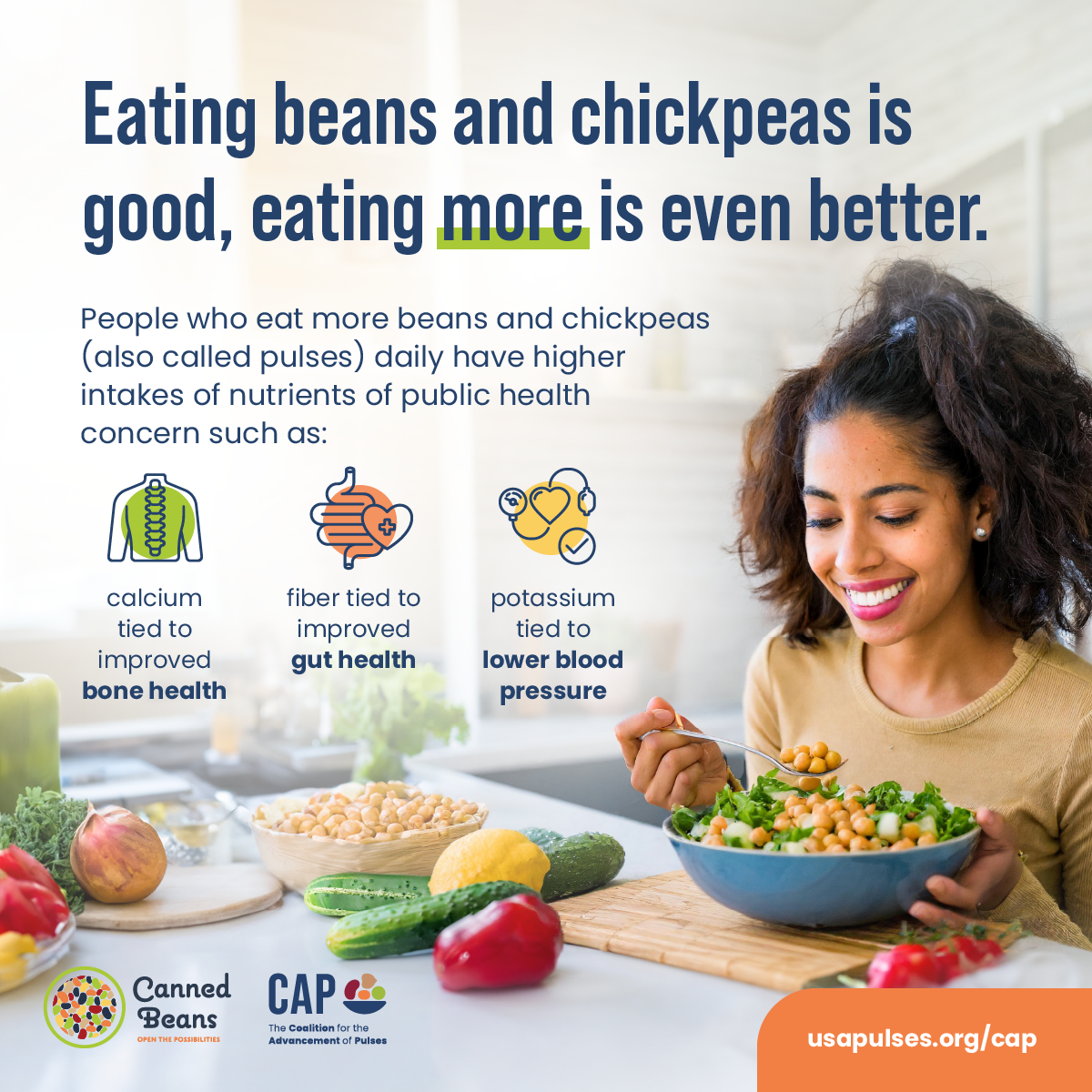
Improvements in diet quality and intake of key nutrients is tied to numerous positive health outcomes, as is shown in the graphic below. For example, in the United States there is a dietary fiber gap, with over 90% of Americans not meeting the recommendation for dietary fiber intake. In the dietary patterns that included beans, intake of dietary fiber was significantly elevated. Fiber is associated with a wide array of health benefits, including chronic disease (e.g., colorectal cancer) prevention, and the promotion of gut health and a healthy weight.
One other key study finding related to weight-related outcomes. Compared to the dietary pattern with no beans, two of the four dietary patterns with beans "demonstrated significantly lower BMI [body mass index], reduced body weight, and smaller waist circumference."
The authors state, "The avoidance of beans within dietary patterns may exacerbate current nutrient shortfalls and may even lead to nutrient and public health consequences in adults." Therefore, they encourage increased consumption of beans.
| |
Graphic from the Coalition for the Advancement of Pulses | |
Moral of the story? Eating beans as part of our regular diets may help improve nutrient intake, diet quality, and weight-related outcomes. | |
|
In addition to preparing for bean planting season, Northarvest members have been busy promoting beans both near and far.
Midwest Dry Bean Coalition 2024 Officers
The Midwest Dry Bean Coalition was established to advocate for dry beans and identify better markets. The inaugural officer team has been elected:
- President: John Berthold, Green Valley Bean Company President
- Vice President: Dylan Karley, General Manager of Johnstown Bean Company and North Central Commodities, bean grower, and North Central Bean Dealers Association Delegate to the US Dry Bean Council
- Secretary & Treasurer: Jacob Faugstad, Secretary of the MN Dry Bean Research & Promotion Council (District 1) and Northarvest bean grower
- Grower at Large: Tony Richards, NBGA (District 4) Director; Treasurer
- Dealer at Large: Dan Fuglesten, General Manager Central Valley Bean Company
AgWeek wrote an article about the officers, which you can read in the BeanGrower Spring 2024 issue. In it, they quote John Berthold: “Our primary goal is to expand the usage and demand for beans grown in our region. Food banks, school nutrition programs, things like that. Just trying to increase awareness of beans in our region.”
| |
|
Midwest Dry Bean Coalition in Washington DC
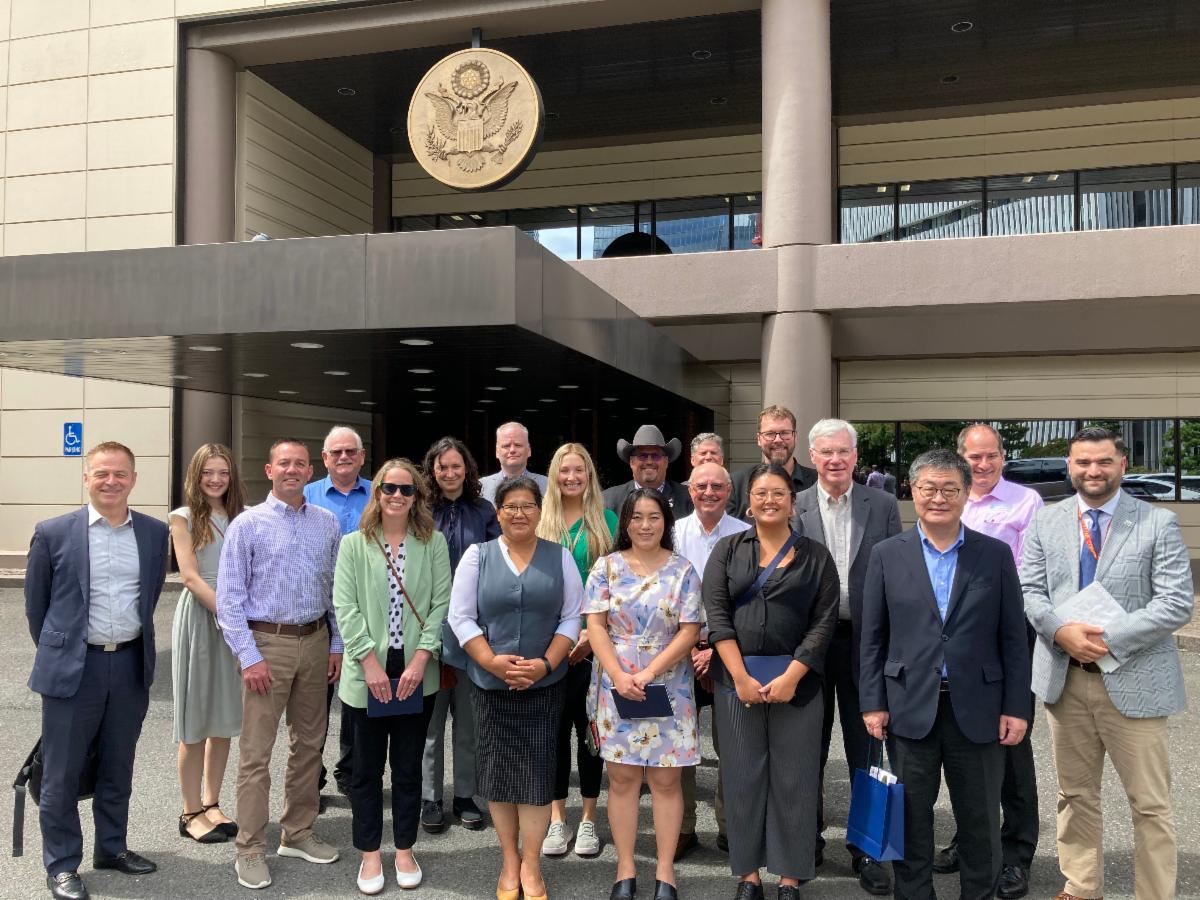
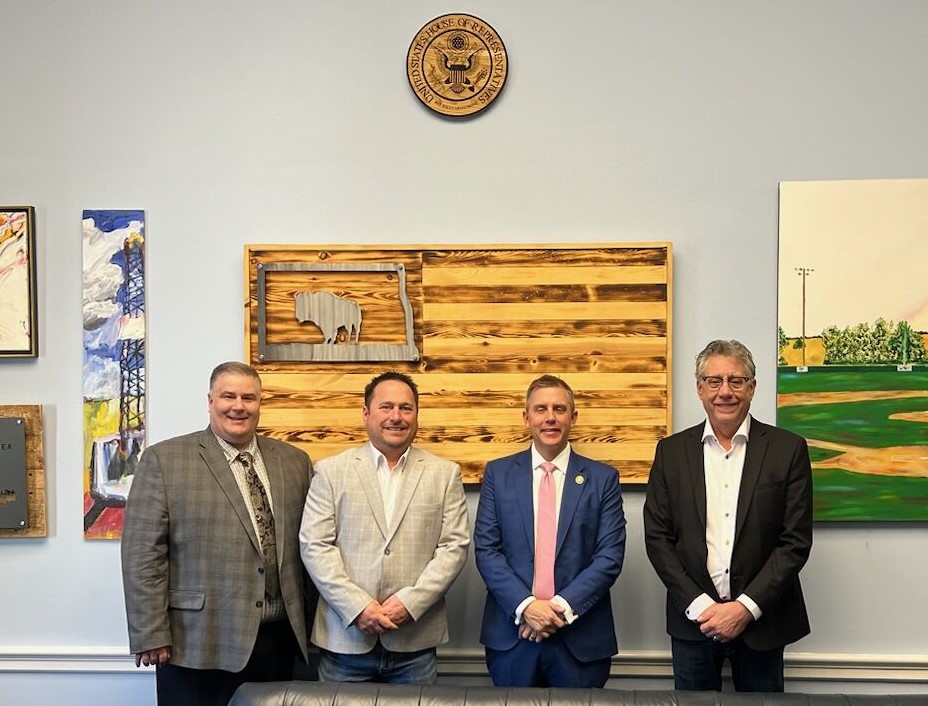
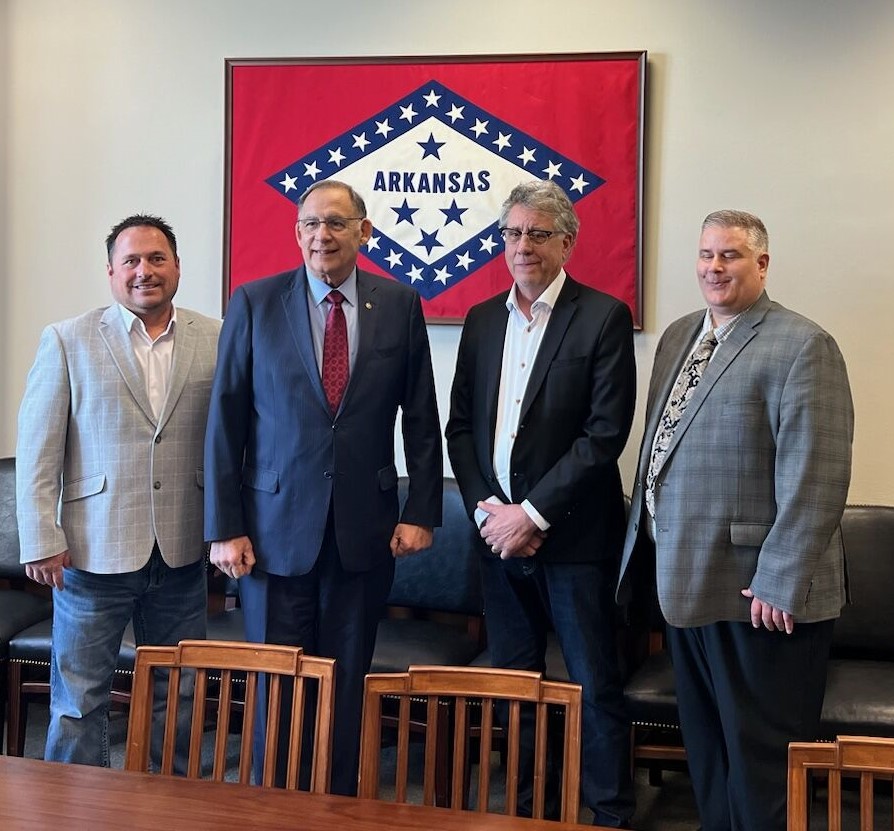
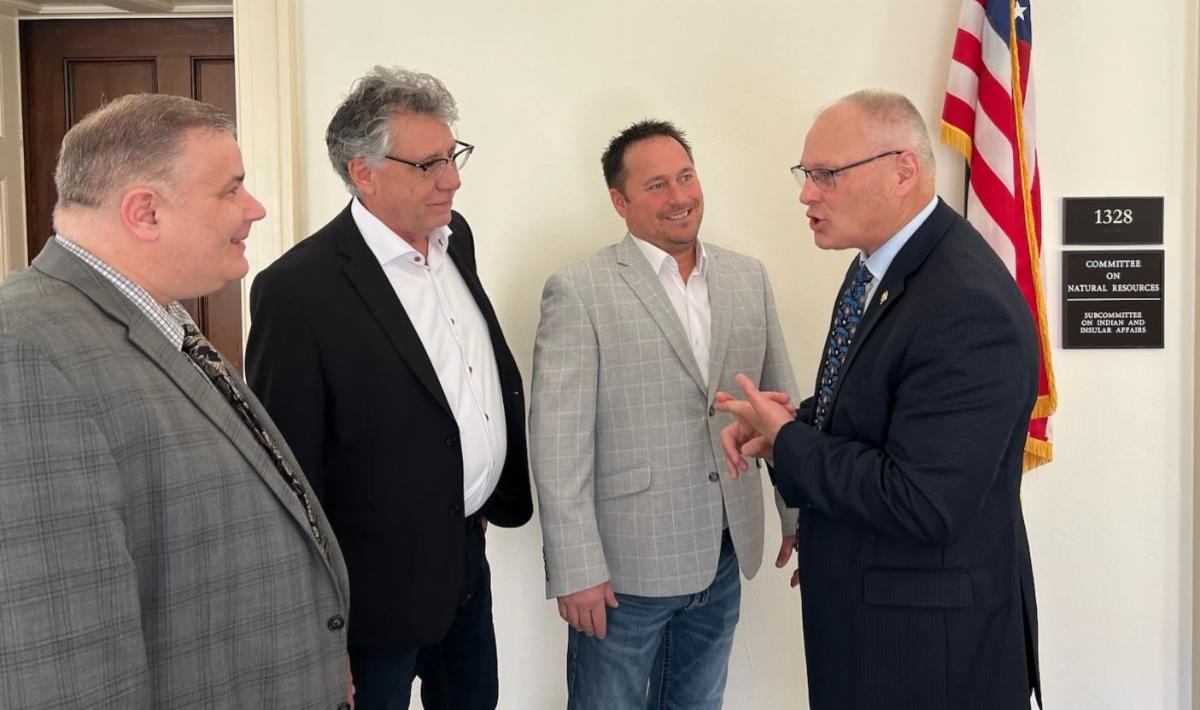
In mid-April, the Midwest Dry Bean Coalition (MDBC) was busy in Washington DC advocating for dry beans during agency and Hill visits. David Scholand of Central Valley Bean Co-op, Pat King of P.W. Montgomery, and NBGA Executive Director Mitch Coulter had meetings with several federal representatives and senators. Coulter explains that one of the goals of the MDBC is to promote, "a bean domestic purchase program that would allow us to take the peaks and valleys out of the volatile bean market." During the trip, they met with agency staff with USDA-AMS, USAID, and the World Food Programme to work towards this goal.
Another purpose of the trip was to discuss the dry bean revenue crop insurance program. "We know we are not in-line with other commodities in the region and with some research data we hope to present a case to gain equality with other regional commodities," Coulter shares. Accordingly, the MDBC has put in a research request to the Federal Crop Insurance Services: 1. taking a look at claim charts for bean classes, to help update this information; and 2. investigating premiums being paid by dry bean growers to make sure we are competitive with regional crops.
| |
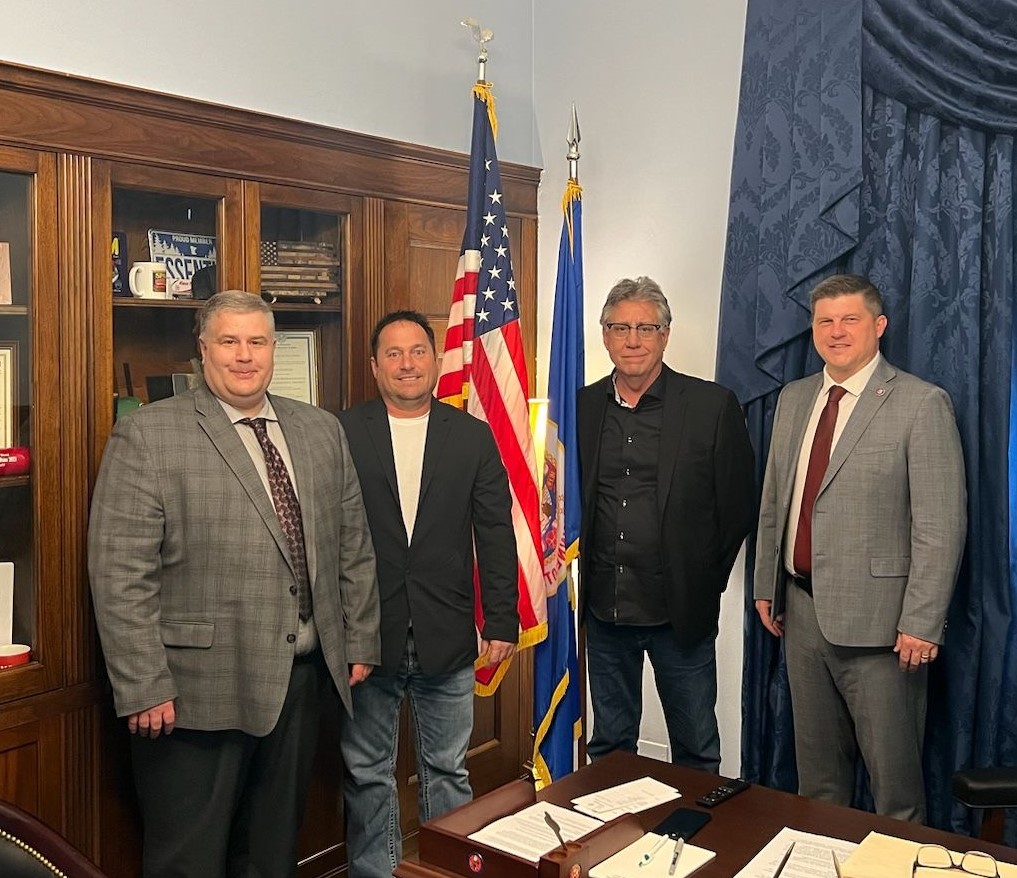
L to R: Mitch Coulter, David Scholand, Pat King, and Congressman Brad Finstad | |
Meeting with Congressman Kelly Armstrong | |
Meeting with Senator John Boozman | |
Talking about the importance of dry beans with Congressman Pete Stauber | |
Beans in Food Aid
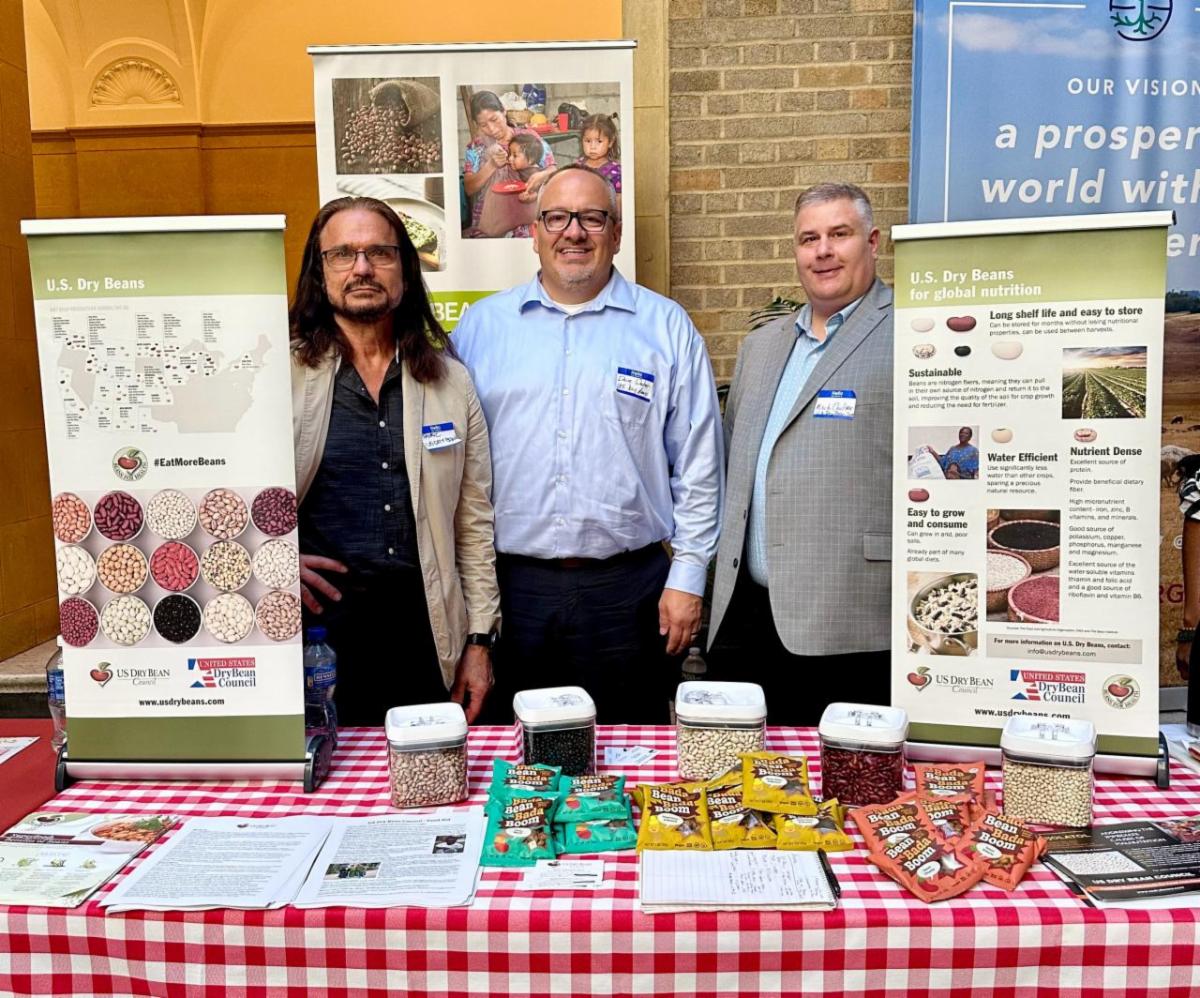
Mitch Coulter, NBGA Executive Director, traveled to Washington DC with the US Dry Bean Council along with Thoric Cederstrom, Pat King, Dave Weber, and Joe Cramer. The main reason for the trip was food aid. Coulter and Cramer met with the staff of Senator Debbie Stabenow (Senate Agriculture Committee Chair) to talk about crop insurance and the bean purchase program. Beans can play an important role in providing nutrient-dense, high-quality, sustainable food to countries in need around the world.
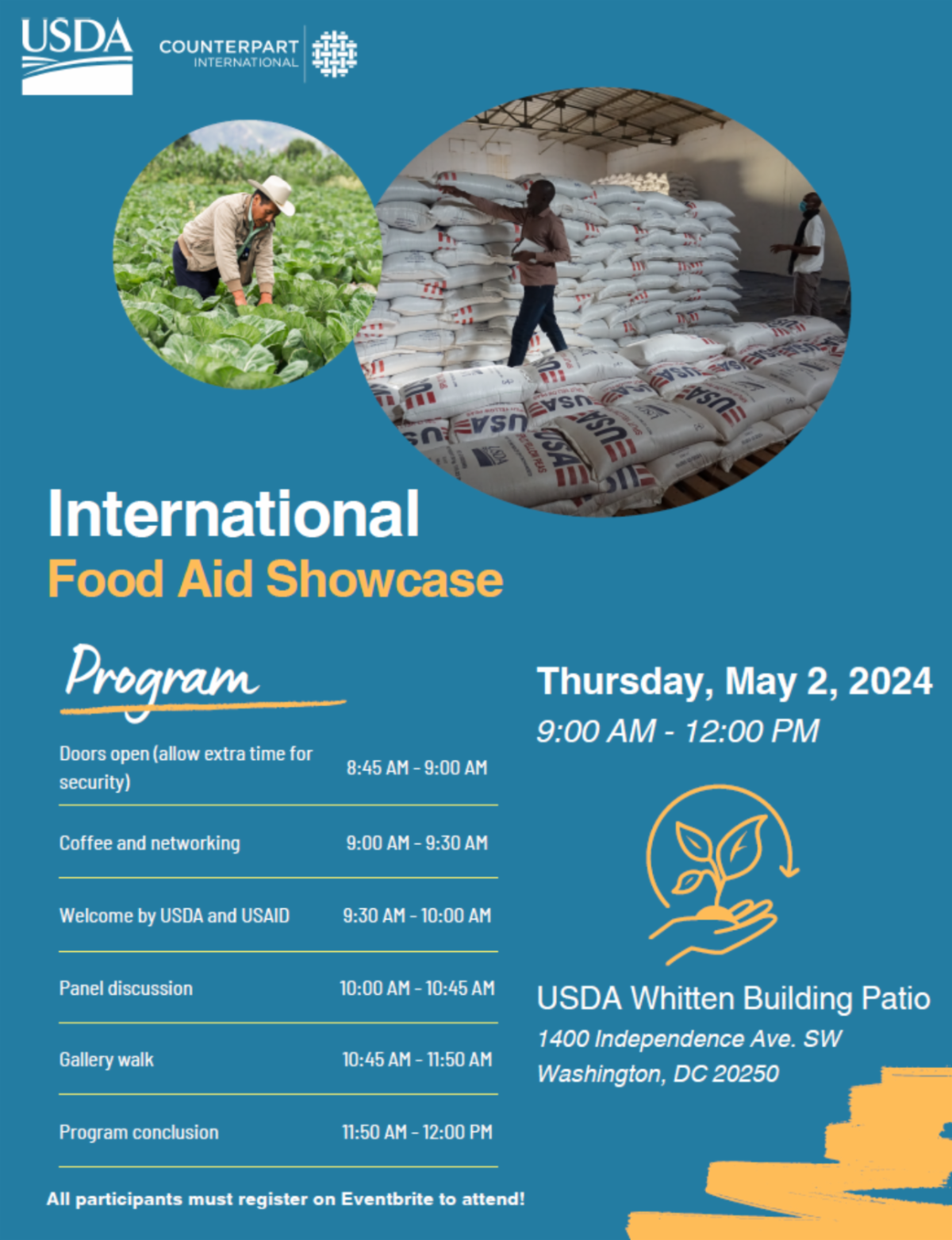
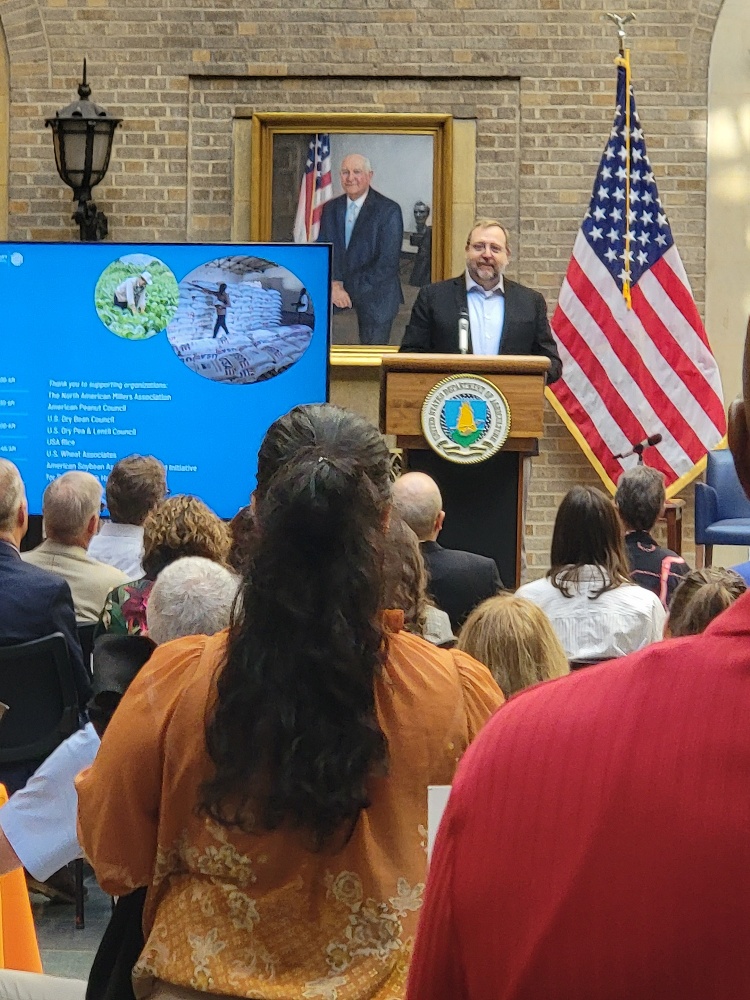
International Food Aid Showcase in DC
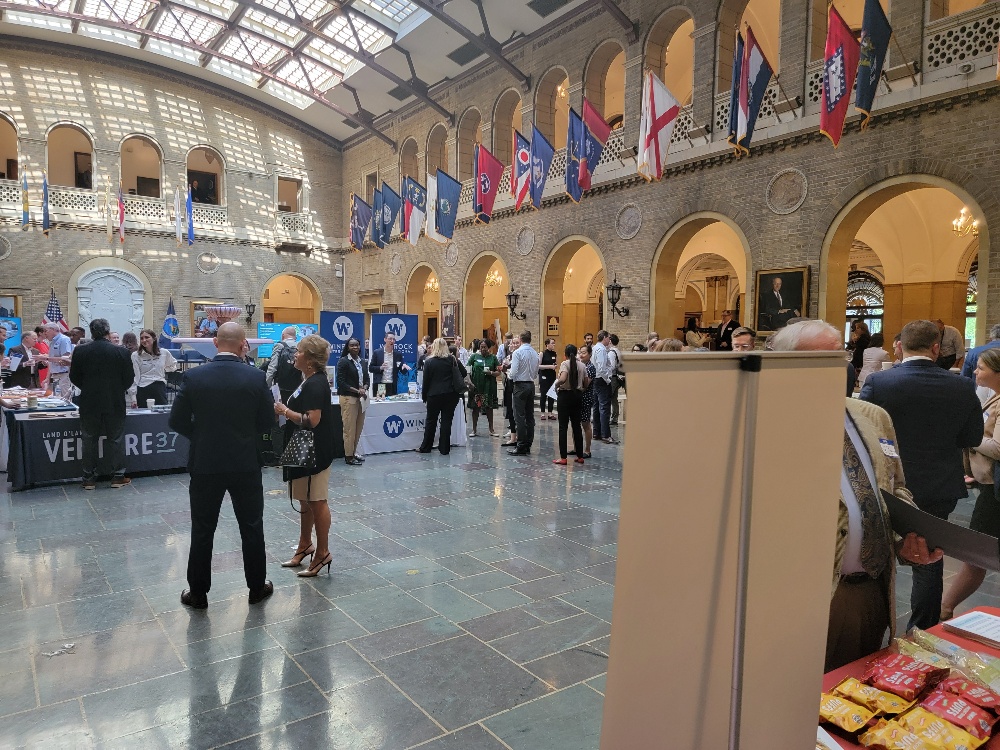
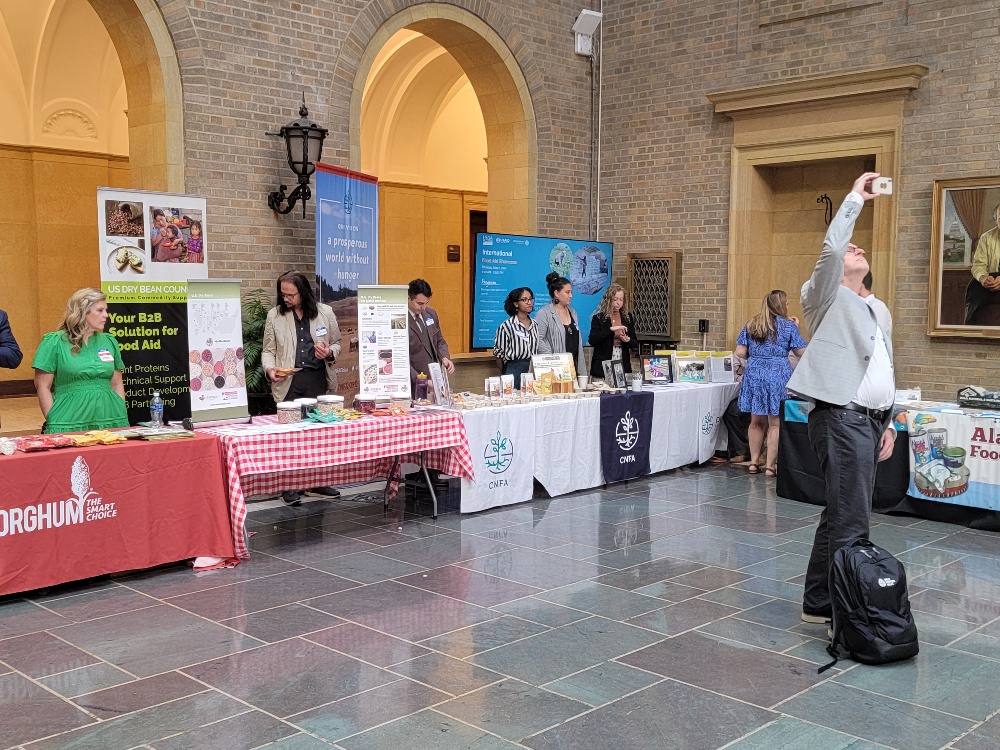
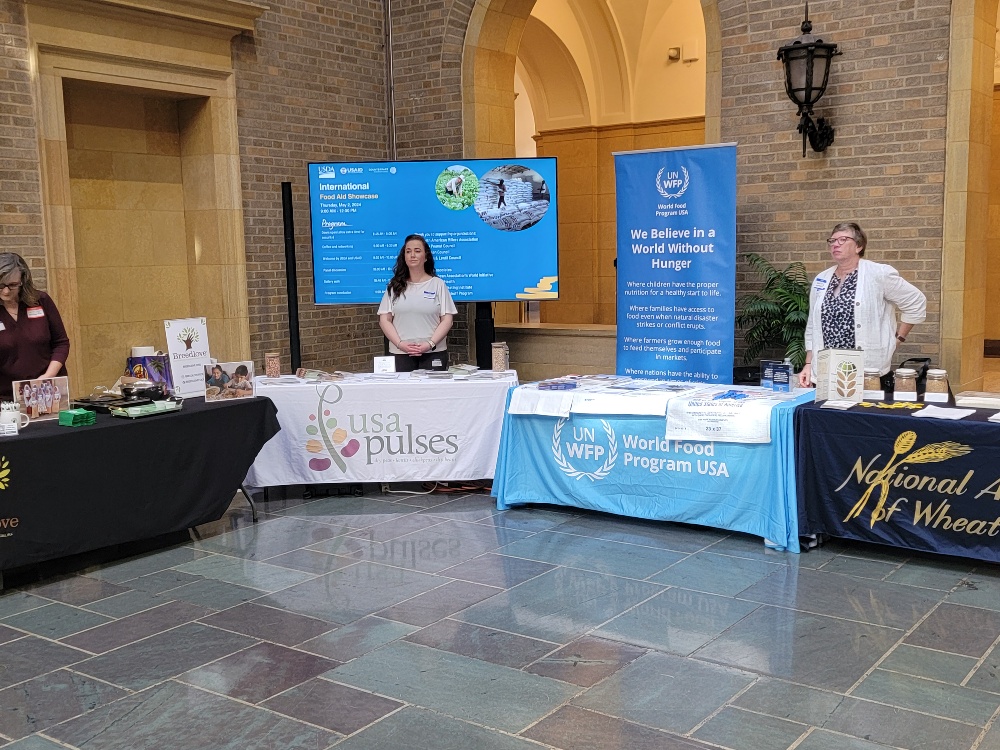
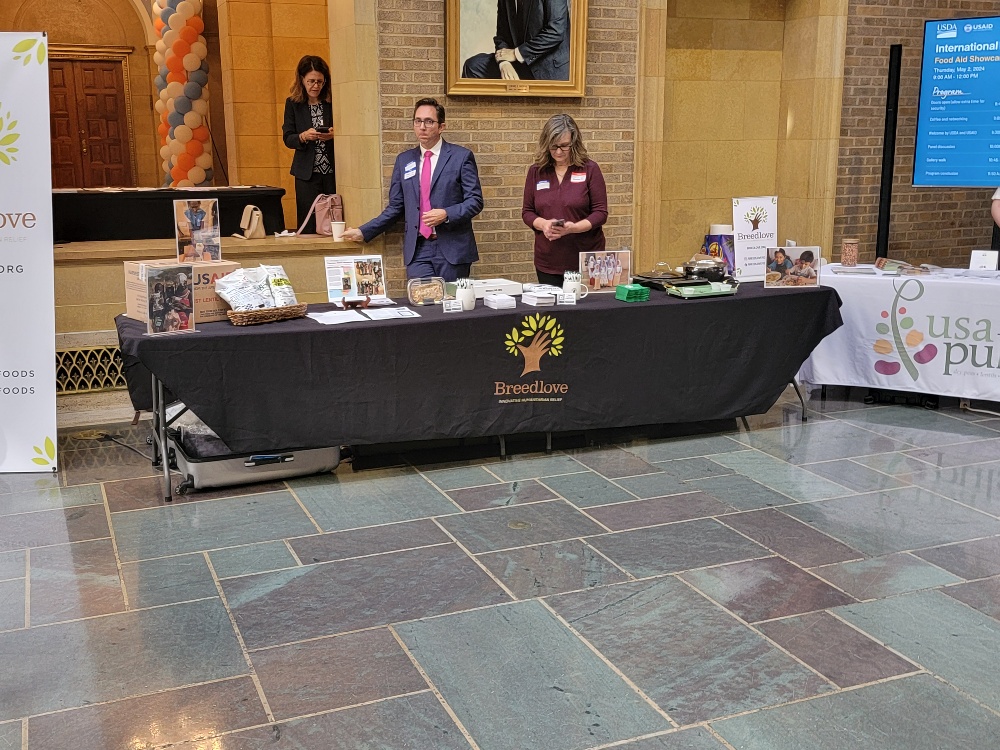
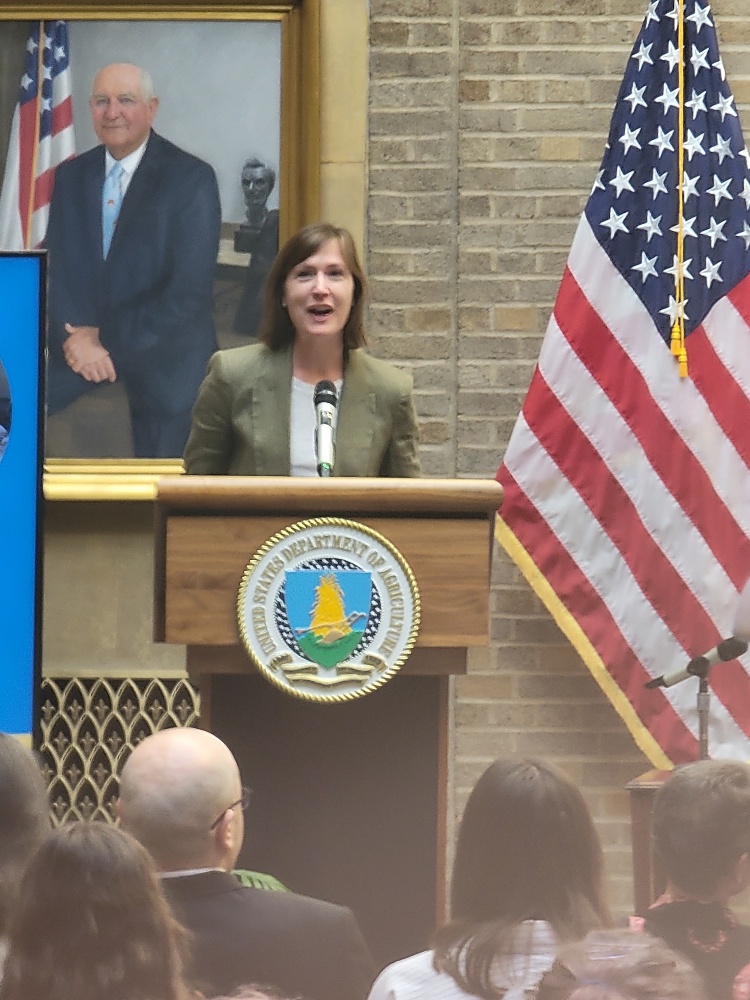
While Coulter and others were in DC, USDA held the 2024 International Food Aid Showcase in Washington DC. Coulter shares: "This was an opportunity for USDBC to interact with the Private Voluntary Organizations (PVO), the Non-Governmental Organizations (NGO), and Agency staff for USDA. The show was well attended and lots of great relationships were built. The USDBC hosted an evening social for stakeholder partners. Thoric, Dave, and Pat also made an additional visit to World Food Programme and discussed hosting their staff in the Midwest during harvest. Conversations about going out to their field staff also were discussed. It was a very successful trip."
| | | |
L to R: Thoric Cederstrom (USDBC), Dave Weber (New Alliance, Nebraska), Mitch Coulter (NBGA) | |
The flyer for the Food Aid Showcase | |
A view from the 2024 USDA International Food Aid Showcase floor | |
CNFA (Cultivating New Frontiers in Agriculture) and Global Food Aid Program Booths | |
USA Pulses & World Food Program USA Booths | |
Matt Nims, Deputy Assistant to the Administrator of USAID's Bureau for Humanitarian Assistance (BHA) | |
Bill Miller, CEO Breedlove Humanitarian Aid, Michelle Logan Marketing & program specialist | |
Anne Knapke, Deputy Chief of Staff - Office of the Secretary,USDA | |
|
Emergency Food Assistance Press Release
The timing of the Showcase aligned well with an April 18th press release: USDA, USAID Deploy $1 Billion for Emergency Food Assistance. In the announcement, they write:
The U.S. Department of Agriculture and the U.S. Agency for International Development will deploy $1 billion in Commodity Credit Corporation funding to purchase U.S.-grown commodities to provide emergency food assistance to people in need throughout the world.
“America’s farmers are the most productive and efficient in the world, and we rely on them to supply safe and nutritious food not only to our nation, but to the global community,” Secretary Vilsack said. “...The United States produces more commodities than are consumed, and therefore has the opportunity to partner with USAID and extend this food to those in our global community who are struggling.”
“During this time of staggering global hunger, America is extending a hand to hungry communities around the world – and American farmers are crucial to that effort,” said Administrator Power. “USAID is honored to collaborate with USDA to purchase, ship and distribute our surplus food supplies to people in urgent need across the globe.”
The initial tranche of approximately $950 million will be used to purchase, ship, and distribute pinto beans, navy beans, and kidney beans, among other US commodities such as wheat, rice, cornmeal, and dry peas.
| | | |
|
Kids Healthy Cooking Competition
NBGA is a proud sponsor of the 4th Annual Kids Healthy Cooking Competition, hosted by Family Wellness in Fargo. In their website announcement about the competition, Family Wellness states:
Selected finalists will be invited to a live healthy cooking competition for a 1 hour match against other finalists on Saturday, May 18. All participants will be provided with a pantry of items to cook with and will need to incorporate healthy produce items in their dish. Each participant will receive virtual training prior to the event so they can practice their skills. Dish creations will be judged by area chefs and community leaders. All Jr. Chefs will be recognized and the winner will be announced at the Family Wellness Food & Fitness FUN-Raiser on Thursday, June13.
NBGA looks forward to seeing what these 4th and 5th grade students create with beans!
| | | |
|
2024 Dry Bean Acreage Forecast
NBGA Executive Director Mitch Coulter spoke with AgWeek about the dry bean acreage forecast for 2024. AgWeek writes, "Total U.S. dry bean acreage is estimated to rise to 1.3 million in 2024, a 12% increase over 2023." North Dakota is estimated to have the greatest acreage increase among bean-growing states. Overall, North Dakota is projected to grow 90,000 acres more than last year, and Minnesota 30,000 more. The increase is not expected to weigh on the market. Mitch Coulter told AgWeek, "I think we’re in good shape. We’ve had higher than this before."
You can listen to Mitch and Frayne Olson, NDSU Extension Crops Economist, talk about expected acreage with the Red River Farm Network. Episodes are linked to in the Dry Bean Scene section of this newsletter.
|
|
|
USDBC Trade Mission to Italy
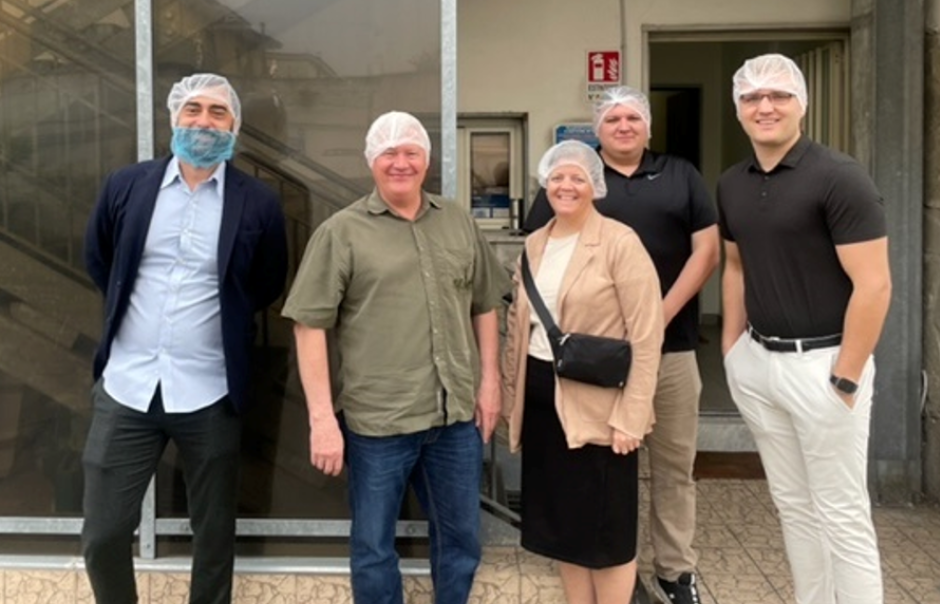
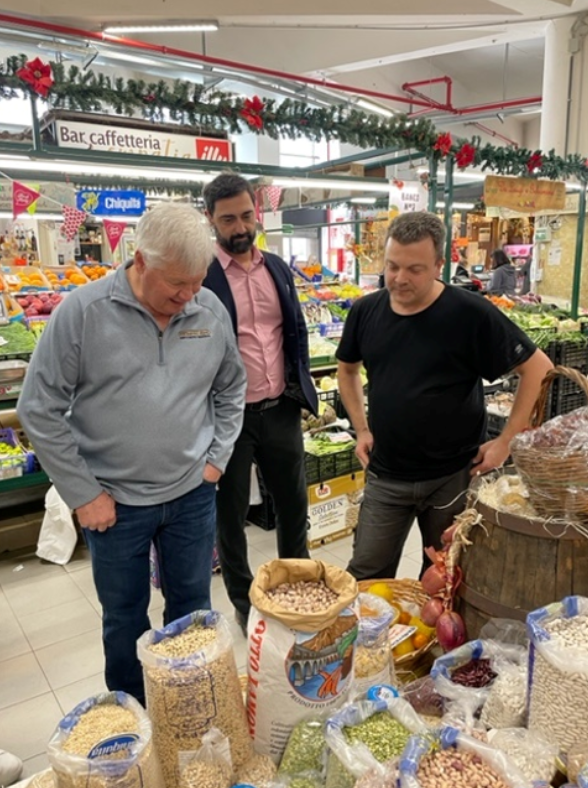
Earlier this year, Kevin Regan (USDBC Delegate and NDDBC Treasurer) represented Northarvest Bean Growers Association on the US Dry Bean Council's Italy trade mission. The purpose of the trip was to visit key customers in southern Italy, where a large percentage of the pulse processing and canning in Europe occurs. The team also met with the World Food Programme (WFP) at their Rome Headquarters. Thank you for joining the trade mission, Kevin!
| |
L to R: Roman Kutnowski (Chippewa Valley Bean), Kevin Regan (NBGA), Echo Hacker (Bonanza Bean), Austin Chandonnet (Bayside Best Beans), Chase Voelker (Michigan Bean Commission) | |
Kevin observing what pulses are available in local markets, during a retail tour | |
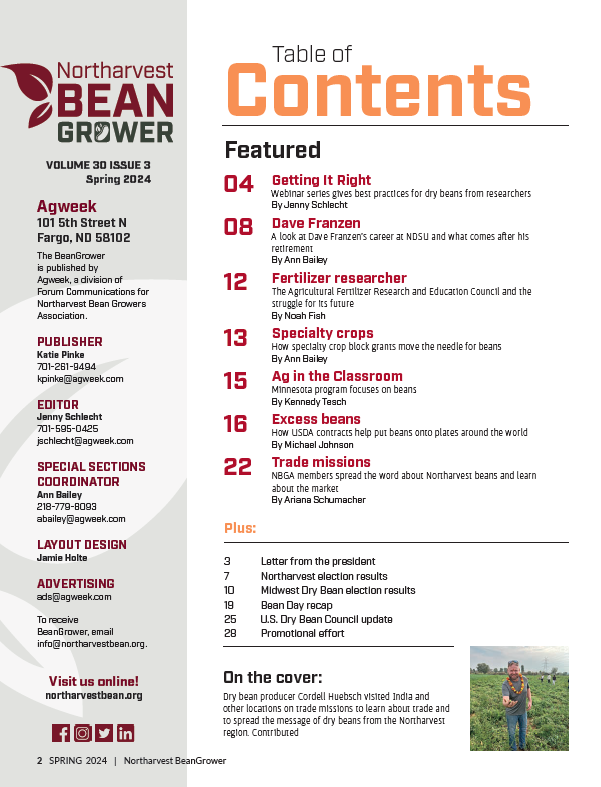
Northarvest BeanGrower: Spring 2024 Issue | |
|
A Federal Register Notice from USDA’s Agricultural Marketing Service (AMS) asked for public commentary on the addition of bioengineered (BE) dry beans to their list. The list is a publication of all bioengineered foods as it pertains to the National Bioengineered Food Disclosure Standard.
USDBC pushed back emphatically to not have dry beans added to this list. The Council consulted members and also worked with USA Pulses and the Global Pulse Confederation to settle on an approach. They all submitted similar statements.
The USDBC letter begins: "On behalf of the US Dry Bean industry, I am responding to your request for input on additions to or subtractions from the List of Bioengineered Foods (List) as it pertains to the National Bioengineered Food Disclosure Standard (Standard). Specifically we are requesting no change to the list regarding Dry Edible Beans (Event—EMB-PVØ51) and Cowpeas (Event—AAT709A). We are asking that neither designation is included in the list."
You can view USDBC's final submission on the proposal to include BE beans on the AMS list here. It includes the full letter and a non-GMO statement from the Bean Improvement Cooperative (BIC).
| | |
|
BeanCon24 Recordings Live
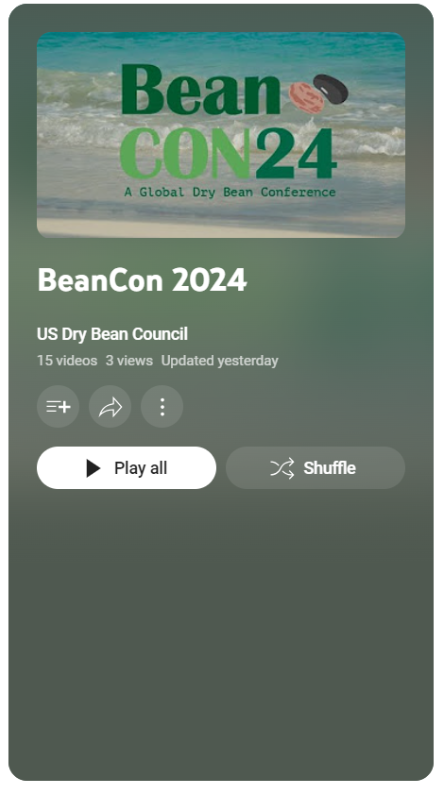
BeanCon24 sessions were recorded. You can now watch the recordings on USDBC's YouTube channel. Click here to access the playlist, or on the image below.
| | |
|
BeanCon 2024 Playlist Contents |
- BeanCon24 Event Overview
- Welcome Remarks
- Keynote: The Why Behind Today's Food Trends
- The Challenge Ahead, Change Makers and the Pathways They Create to Increased Consumption
- Take the Pledge: Get Those Beans on Menus, in Products and on Shelves
- Global Production Overview
- Be the Change, Global Advocates for Change
- Food as Medicine, How Beans Make Us Healthier
- Marketplace: Hot Bean Trends, New Innovations
- Closing Keynote: Inspire and Take Action
- Beans Make Our Planet Better and Our Future Brighter
- Beanspiration with Chef Andrew Zimmern
- New Product Development with Bean Ingredients
- Reaching Millennial and Gen Z Consumers via Social Media
- Beans Is How Stakeholder Gathering
| | |
|
The Dry Bean Scene is sponsored, in part, by NBGA. Click on the links below to listen to the most recent episodes.
-
➡️ May 10, 2024: USDA Foreign Ag Service Administrator Daniel Whitley highlights opportunities for exporting high-value specialty crops, like dry edible beans. He discusses how a rapid expansion of the middle class in certain regions around the world can result in new income going towards food choices that improve diet.
-
➡️ April 26, 2024: When this interview was recorded, it was still a few weeks until dry bean planting season would begin. Dylan Karley, Johnstown Bean Company General Manager, shares about the importance of being prepared, and tips to ensure the dry bean crop gets off to a good start.
-
➡️ April 22, 2024: NDSU Extension Plant Pathologist Michael Wunsch talks about how the decision to restrict chlorothalonil use could impact dry bean production, due to challenges with disease management.
-
➡️ April 15, 2024: NDSU Extension Crops Economist Frayne Olson states that dry bean acres are expected to increase in 2024 and be higher than the last few years. Dry bean prices have been holding up, and beans are expected to find a good supply/demand balance this year.
-
➡️ April 7, 2024: Mitch Coulter, NBGA Executive Director, talks about expected dry bean acreage in 2024. He shares that in our region, around 120,000 more acres are expected to be planted when compared to last year. Coulter thinks that dealers have done a good job of making sure that beans are neither over- nor undersupplied.
| |
Do you know someone who would enjoy Northarvest News? Forward to a fellow bean grower, family, and friends so they can sign up and be in the NBGA know, too! | | |
Thank you for reading. We'll see you next month - and the 2nd Tuesday of every month - with more news and updates. NBGA wishes you a good rest of May, and we look forward to sharing more information in June. | | |
|
4844 Rocking Horse Circle S, Suite 2
Fargo, ND 58103 • info@northarvestbean.org
www.northarvestbean.org
| | | | | |