pqcnc banner

clOUDi 3.0 updates newsletter


November 8, 2023

In the Literature...

Perinatal Depression: Challenges and Opportunities

Perinatal depression (PND) is a major depressive episode during pregnancy or within 4 weeks after childbirth up to a year. This study discusses the prevalence and risk factors for PND, as well as its health consequences for mothers and children, the reasons for its underreporting and undertreatment, the evidence for different screening instruments and different treatment options, and the existing supportive policies to address this disorder in the United States.


Postpartum Depression Screening and Collaborative Management

  • Perinatal mood disorders can have short- and long-term effects for all members of the family.
  • Screening for perinatal mood disorders should occur at least once during the postpartum period for all patients and more frequently if risk factors are present.
  • Treatment options should include collaborative care models, family-focused interventions, therapy, and pharmacologic management if indicated.


Screening for perinatal depression

  • Screening in isolation will have no beneficial effect and must be part of an integrated, well-resourced process with clear pathways to diagnostic assessment and effective accessible treatment for those diagnosed with depression.
  • Screening is best conducted in the context of broader psychosocial factors with consideration given to common co-morbid conditions (e.g. anxiety).
  • Providing women with prior notification of the screening and assessment process will increase its acceptability.
  • Systematic follow up of all positive screening results with the offer of a diagnostic stage procedure is imperative.
  • Sufficient training for health professionals in screening and wider psychosocial assessment is essential.


Sepsis in Obstetric Care now enrolling teams...

After months of work and multiple virtual meetings by our Sepsis in Obstetric Care Expert Team, we are proud to announce that work is complete (AIM/Mission statement, action plan, key driver diagram, metrics and prework) and we are prepared for launch of our Sepsis in Obstetric Care Initiative in January at our January Kickoff.


What is needed now is you and your hospital and a commitment to address the challenge that is infection in obstetric care.


Maternal death due to sepsis is fortunately relatively low, but it is reported as 11.7% of maternal mortality cases in North Carolina, and it should be lower.


This is our chance!


Please consider and discuss with your perinatal and hospital leaders the opportunity you have to reduce maternal deaths and morbidity from sepsis in your hospital. Join us on this path as we continue the mission to make North Carolina the best place to give birth and be born!


Learn More  (and register your team)
 

Care of the Late Preterm Infant Initiative now enrolling teams....


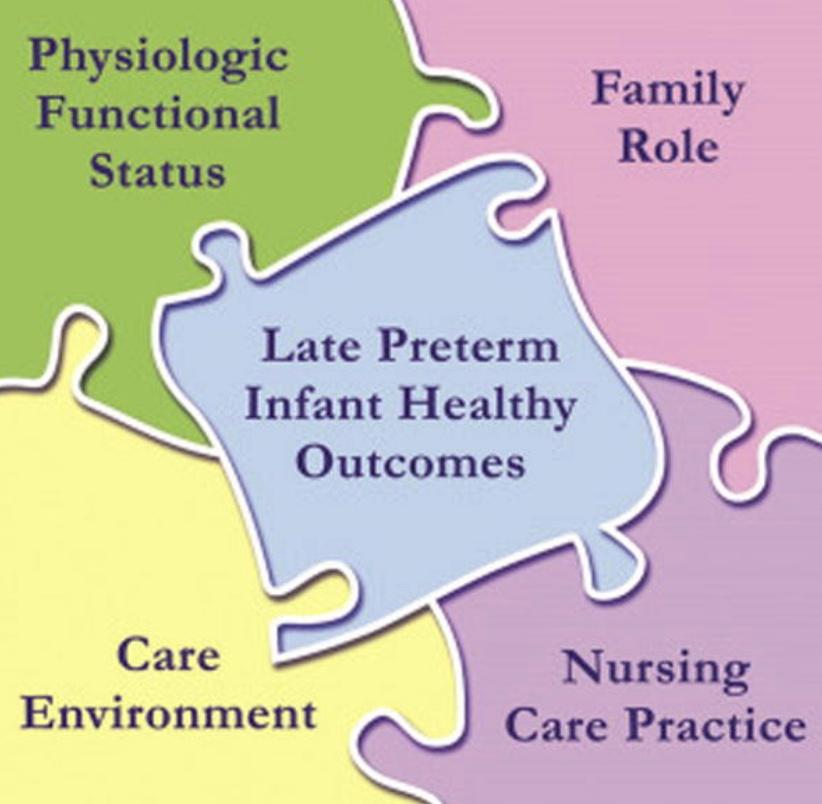
In January 2024, PQCNC will be kicking off an initiative to improve the care and outcomes for the late preterm infant population. In 2022, North Carolina saw over 7,500 infants born between 35-36 weeks gestation. This initiative will provide an opportunity to ensure you have an evidence based care pathway for this population as we collectively work to reduce readmissions of these infants.


Over the last few months, the expert team has worked to develop the charter, action plan/driver diagram and data collection elements for this initiative. Please take a moment to review these items as you discuss the opportunity to improve care for these infants.


This is all hands on deck! Every delivery hospital in North Carolina cares for late preterm infants and now is the chance to improve the care that is provided.


Please consider joining us on our journey…..

Learn more (and register your team)
 
Contact me!
Keith M Cochran
984-974-7871

'Unoffice' hours - click here to schedule a Zoom meeting