|
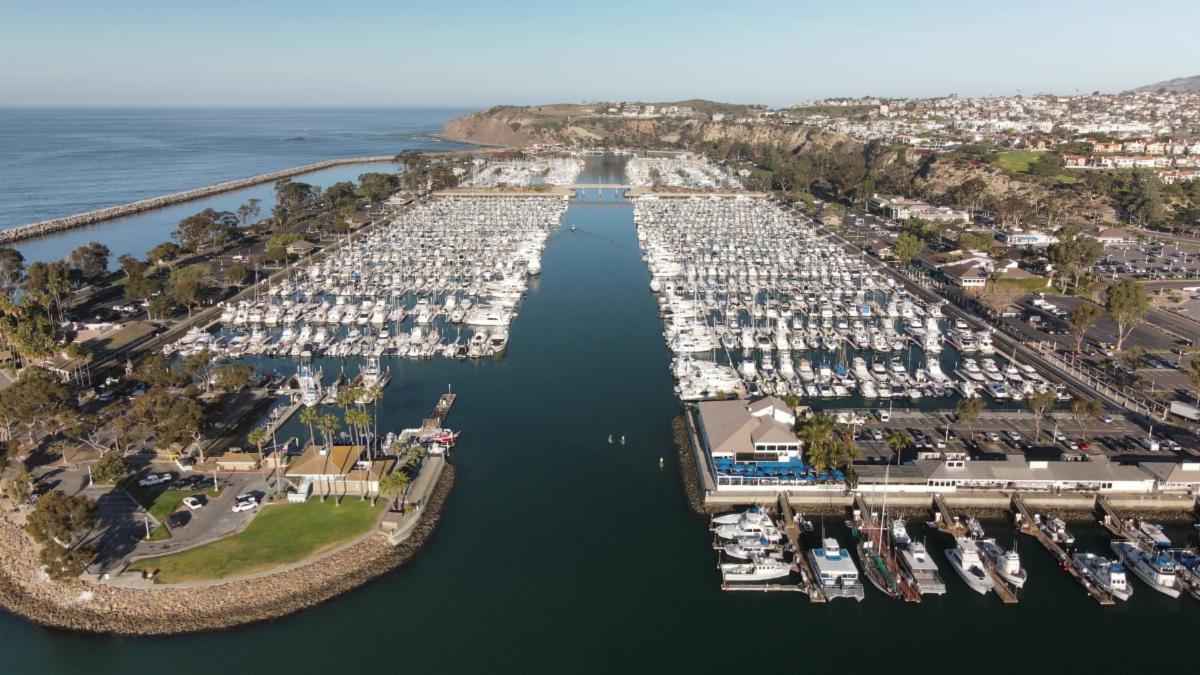
The Dana Point Boaters Association is the champion of recreational boating and the jewel that is
Dana Point Harbor.
| |
May 8, 2026
The Best of Boating Begins Here
| | |
Welcome to this month’s newsletter, where we celebrate the many reasons life in Dana Point Harbor continues to inspire those who spend time on the water. The boating experience offers more than movement from one place to another—it invites connection, awareness, and a deeper appreciation for the moments that often go unnoticed.
In this issue, we share three features that reflect the spirit of our harbor community. First, enjoy a thoughtful look at the quiet connections that bring boaters together. Next, take a lighthearted turn through the curious language of boating in Lost in Translation. Finally, we proudly recognize longtime sailor and former Commodore Steve White as our latest Boater of the Month—a man whose lifelong love of the water reflects the spirit of Dana Point boating at its best.
Thank you for reading, supporting, and helping keep our harbor community strong.
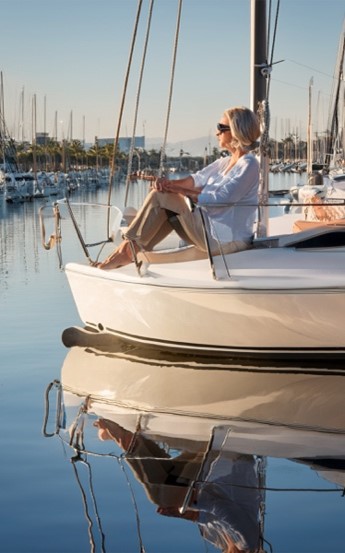
| | The Unspoken Camaraderie of Boaters | | |
A quiet understanding moves among those who spend time on the water.
No introduction required. No explanation necessary.
It appears in a simple wave as you pass another vessel. A nod at the dock. A line offered without request. These small gestures may seem ordinary, yet they carry something deeper—an unspoken connection within the boating community.
Out on the water, differences fade. Titles, professions, and daily concerns soften within open space and moving tides. What remains becomes a shared appreciation for the experience itself—the rhythm of the harbor, the pull of the horizon, and the respect that naturally develops between those who understand both.
You notice it when someone takes a moment to help guide a boat into a slip. You feel it when a fellow boater slows their pace to give you room. You recognize it in the quiet acknowledgment that we all play a part in creating a safe and welcoming environment on the water.
This camaraderie requires no structure or recognition. It lives through action.
And perhaps that gives it such meaning.
In a world that often feels hurried and divided, the boating community offers something refreshingly simple: a shared space where consideration, awareness, and mutual respect arise naturally.
No announcement. No measurement.
Yet it remains present for those who notice.
The simplest moments often leave the strongest impressions. A steady breeze, a helping hand, a shared understanding—these shape the experience in ways that linger long after the lines tie off. The Dana Point Boaters Association remains committed to supporting boaters and welcomes your concerns, ideas, and perspectives. The most meaningful moments often arrive with a harbor breeze.
“If liberty means anything at all, it means the right to tell people what they do not want to hear.” — George Orwell
| |
|
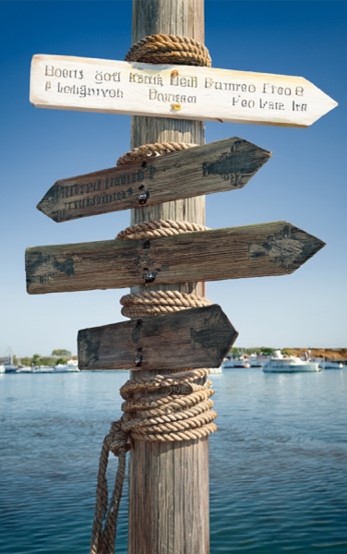
Lost in Translation: The Curious Language of Boaters
By Victoria Winters
| |
Spend a little time around boats, and you quickly discover that everyday English often gets left at the dock. The bathroom becomes the head, the kitchen becomes the galley, the floor becomes the sole, and ropes suddenly answer to several different names. Add centuries of maritime tradition, borrowed expressions, and habits passed from captain to crew, and no wonder newcomers sometimes feel a bit lost in translation.
Take the word rope. On land, simply put, a rope means rope. On a boat, however, many ropes become lines the moment duty calls. A dock line secures the vessel. A halyard raises a sail. A sheet trims a sail. A painter ties off a dinghy. To experienced boaters, these names add clarity. To beginners, they can sound like an entirely different language.
Now for the grand old favorite pair that no boating vocabulary lesson escapes for long: port and starboard. Why not simply say "left" and "right"? Because those directions shift with every turn of the body. A captain needs language anchored to the vessel, not the person speaking. Port and starboard solve the problem elegantly, naming the boat’s sides with certainty no matter who stands at the helm. When facing forward, port marks the left side, while starboard marks the right.
Starboard reaches back more than a thousand years to Old English, born from the steering oar once mounted on the vessel’s right side. Port, however, arrived much later, gaining favor in the 1800s as a replacement for the wonderfully old-fashioned larboard—a term now largely lost to time. Larboard shared one unfortunate flaw: in wind, fog, and shouted commands, it sounded far too much like starboard. To avoid confusion when clarity mattered most, port took its place and never looked back.
Even the term “head” has a backstory. On old sailing ships, the toilet area occupied space near the bow, or head, where passing seawater handled the cleanup with brisk efficiency. Comfort likely varied with the weather. Yet the name survived long after indoor plumbing came aboard, reminding us that some traditions refuse to flush away.
Some boating terms sound elegant. Aft points toward the stern, while forward points toward the bow. Others sound wonderfully solid, such as bulkhead (a wall or partition) and hatch (an opening with a cover). Once learned, these words soon feel second nature.
Of course, not everything in boating language follows strict logic. Different regions, boating styles, and traditions may favor different terms. One captain says line, another says rope. One sailor says fender, another says bumper. In boating, history and habit often share the helm.
That colorful vocabulary adds to what makes life on the water special. These words connect today’s boaters with centuries of seafaring tradition, practical wisdom, and a touch of humor. The next time someone invites you to step aboard, grab the dock lines, and head aft, take heart—you have entered the language of boaters.
| Boater of the Month – Steve White | |
Some boaters discover the water later in life. Others seem destined for it from the very beginning. For Steve White, boating began early and grew into a lifelong passion that now spans more than six decades.
Raised in Canandaigua, New York, in the beautiful Finger Lakes region, Steve developed a natural connection to the water at a young age. A competitive swimmer from age eight through college, he spent much of his youth in and around the water, building both confidence and respect for it long before sailing entered the picture.
That turning point came during college when Steve joined a class trip that would launch a lifelong love of sailing. When classmates asked Steve to teach them snorkeling in a pool, he chose a different classroom—flying to St. Vincent to board a 39-foot sloop bound for Grenada. The two-week voyage continued to Grenada and back, earning course credit along the way. More importantly, it introduced Steve to open-water sailing, and he was hooked from that moment on.
Steve has now spent the past 19 years in Dana Point Harbor, a place he considers himself fortunate to call home port. He describes Dana Point as a uniquely ideal harbor, especially for sailors, praising the ease of entering and leaving under sail. For those who appreciate time on the water, that accessibility matters.
When asked what he enjoys most about harbor life, Steve’s answer came quickly: the people. Over the years, he has built many friendships with like-minded boaters who share a love for the sea, camaraderie, and the boating lifestyle.
Steve also values his yacht club membership, where he previously served as Commodore. For him, a club offers relaxation, enjoyment, and good food—but most importantly, it remains a place separate from business. There, he unwinds and enjoys the company of fellow boaters.
His boat, appropriately named PriVaSea, hints at that philosophy. While the name brings a smile, it also reflects Steve’s appreciation for keeping life balanced and preserving boating as a source of peace and enjoyment.
For new boaters, Steve offers practical advice shaped by years of experience:
“Whatever you buy, purchase under what you think you can afford, because roughly 10% of the cost of the boat each year will go toward upkeep and repairs. Buy less, be safe, and enjoy more.”
Those words reflect the mindset of someone who understands that boating rewards good judgment, steady expectations, and time well spent on the water.
Though his photo may suggest a serious man, those who know Steve describe something more complete: a serious sailor who knows the value of a little PriVaSea.
The Dana Point Boaters Association proudly recognizes Steve White as our Boater of the Month—a lifelong waterman whose experience, friendship, and love of sailing continue to enrich our harbor community.
| | |
Thank you for reading and for helping keep Dana Point Harbor more than a marina—it remains a true boating community. We invite all boaters to support that mission by becoming a member of the Dana Point Boaters Association, renewing your membership, or making a donation to strengthen our advocacy and community efforts.
We also welcome your comments, suggestions, boating questions, and ideas for future newsletters. Your voice matters, and your participation helps us better serve Dana Point boaters.
Until next month, may life’s best returns continue to arrive with a harbor breeze.
Warm regards,
Dana Point Boaters Association
“Equal rights for all, special privileges for none.” — Thomas Jefferson
| | In the meantime, please continue to submit your comments on slip rate increases and other subjects by Click Here. | | |
JOIN THE DPBA
Membership in the Dana Point Boaters Association. Your generous membership donation and support will help fund our vision and mission. All membership donations go to support the DPBA. Your personal information is always kept private from outside sources. Click here to join.
Remember, 100% of all donations, including membership donations, help support our efforts to protect affordable recreational boating in Dana Point Harbor.
| | | |
All donations are private, and your identity will never be shared
Your Dana Point Boaters Association Directors, Advisors, and Advocacy Members Thanks You For Your Support!
| | | | |