Greetings Everyone!
We have just returned from Buenos Aires and Iguazu falls in northern Argentina. I have updated the website and photo gallery page if you would like to see parts of the tour.
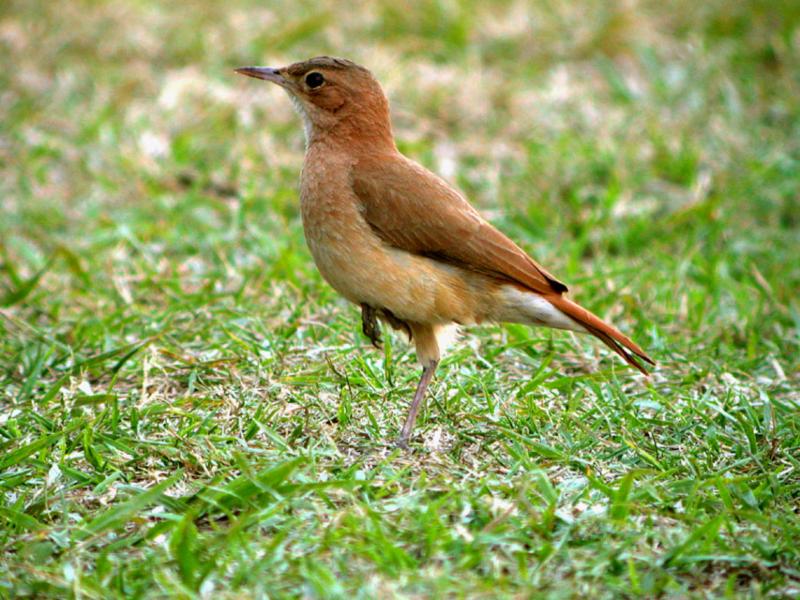
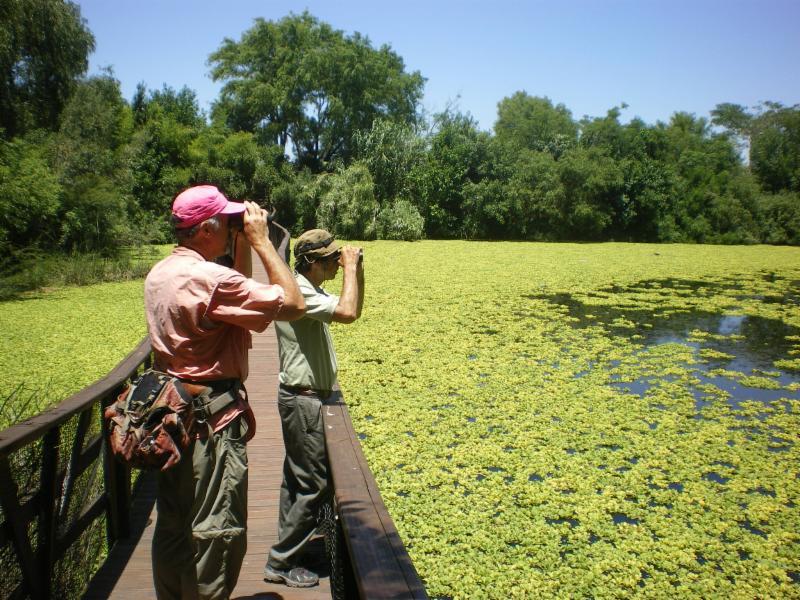
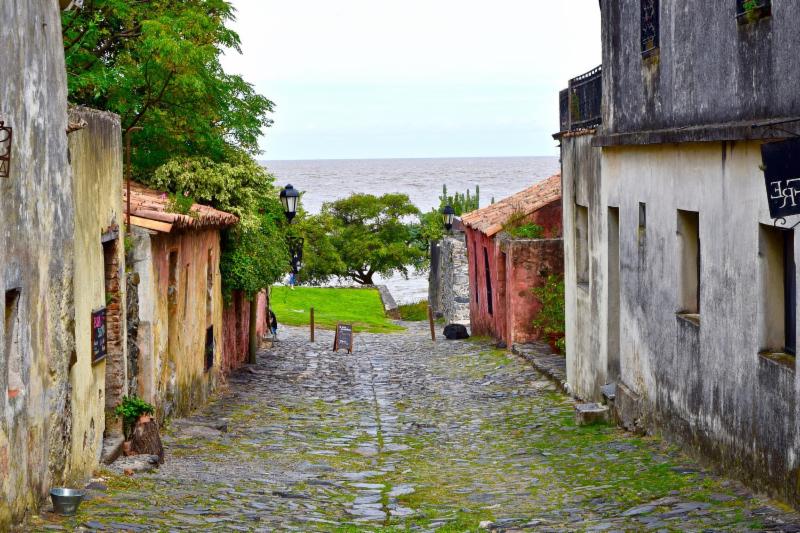
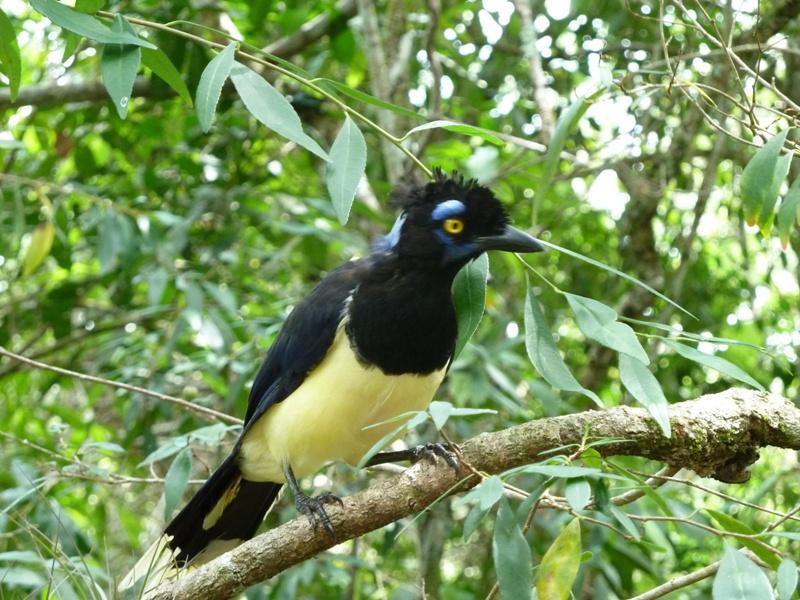
Our trip to Northern Argentina is one of our most mellow and relaxing trips and on the next trip we will visit Buenos Aires, Uruguay, Misiones province of Argentina, Iguazu Falls, Brazil and Paraguay. Argentina is a wonderful country to visit. Iguazu Falls and the surrounding jungle is an amazing paradise for birds, wildlife, butterflies and flowering plants. Check the website for photos from
Iguazu
Our trip to Southern Argentina travels all the way to Tierra del Fuego and the "Ends of the Earth", where you will find penguins and other amazing birds, wildlife and glacier capped mountains. We will spend a few days in Ushuaia, which is only 500 miles from the tip of Antarctica. Check the website for photos from
Tierra del Fuego
.
Our trips to Argentina are "on demand", meaning that we don't put them on the schedule until it is requested. And the first people to request a tour get to choose the dates, based on our availability. So, when do you want to go? You can choose either a 10-day trip to the north to visit Iguazu or a 10-day trip to the south to Tierra del Fuego. Or, you can combined the tours and travel the length of Argentina from the north in Misiones to the southern most point in Tierra del Fuego for a total of 19 amazing days!
The name Argentina means "made of silver" in
Italian
. Spanish explorers arrived in the early 1500's and Buenos Aires was initially founded in 1536 by Pedro de Mendoza. Argentina has a population of 36.2 million and the capital city of Buenos Aires with 15.6 million in the metro area is nearly half of the total population. Buenos Aires means “good air” or “fair winds” in Spanish.
Argentina is a country of extreme and abundant diversity. Argentina's highest mountain is Aconcagua 22,831 feet and is the highest peak in the western hemisphere. The lowest point is Laguna del Carbón at -344 feet and is the lowest point in the western hemispheres. The north–south distance is 2,300 miles and the climate varies greatly; ranging from subtropical in the north to polar in the south. The weather is affected by the extreme changes in elevation, longitude and the warm Brazil ocean current and the cold Falklands current. Iguazu Falls includes 275 individual falls, making it the largest waterfall grouping in the world. It is a must see for everyone.
Argentina belongs to one of the largest ecosystems in the world with the greatest bio-diversity. Here are the stats: 15 continental life zones, 3 oceanic life zones including the Antarctic region, 9,372 vascular plant species, 1,052 bird species, 375 mammal species, 338 reptile species and 162 amphibian species. Argentina has 30 national parks helping to protect and preserve these habits and ecosystems for all life.
Buenos Aires is famous for the Tango, a musical genre and accompanying dance. The golden age of the Tango was from 1930 to mid-1950s and still today it is one of Argentina's international cultural symbols. Our last evening event in Buenos Aires will be to visit a Tango show.
You can find the itinerary with more details here:
You can find the list of birds that we have seen on this tour here:
What time of year to visit?
Iguazu: You can visit the north anytime of year for birds and wildlife.
Tierra del Fuego: The south definitely has a winter and summer season.