June 2026 Newsletter

From Seedlings to Summer Gardens


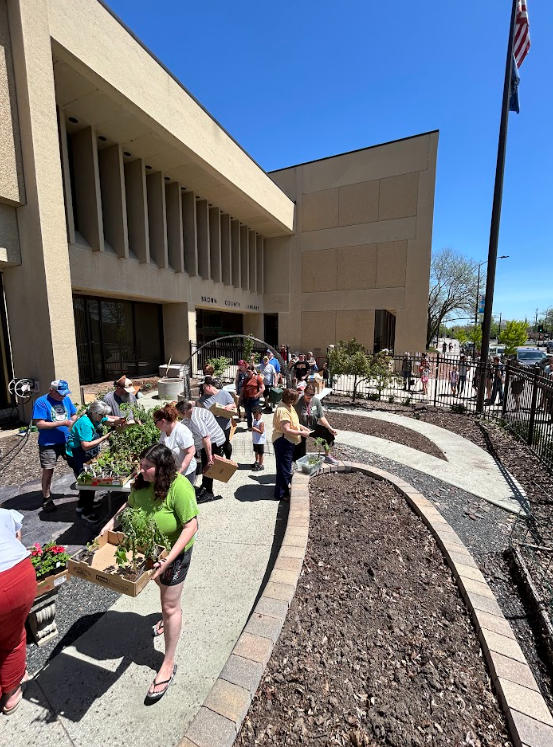
A heartfelt thank you to everyone who participated in this year's Seedling Swap! Whether you donated plants, volunteered, or found a few new treasures to take home, your participation helped make the event another wonderful success. We hope the seedlings you brought home are settling into their new gardens and will provide you with a season full of beauty, pollinators, and harvests.


As summer arrives, we are excited for our upcoming Bumble Bees, Butterflies & Friends event. This free, family-friendly program will bring together organizations dedicated to native pollinators and the plants that support them. Join us on June 27 from 10:30 a.m. to noon at the Brown County Central Library to learn how you can help pollinators thrive in your own backyard.


Learn from the Bumble Bee Brigade how to photograph and submit bumblebee sightings to Bumble Bee Watch to help monitor local bumblebee populations. Hear from the Monarch Club of Green Bay about the best plants to support monarchs through every stage of their life cycle. Discover how pollination works through a hands-on game led by Maria Otto of the Green Bay Conservation Corps.

Click here to see all the wonderful groups participating in this educational celebration of native plants and pollinators.


Pollinators need more than flowers—they need healthy habitats, nesting sites, and connected landscapes. We hope you'll join us as we explore simple ways each of us can help create a more pollinator-friendly community, one garden at a time.


Submitted by Melissa, N.E.W. Master Gardener

Xerces Society Local Impact


We are especially excited to welcome a local representative from the Xerces Society for Invertebrate Conservation to this year's Bumble Bees, Butterflies & Friends event.


The Xerces Society is an international nonprofit organization dedicated to protecting invertebrates and their habitats through science-based conservation, education, advocacy, and community engagement. Its name (pronounced ZER-sees) honors the Xerces blue butterfly, the first butterfly known to have gone extinct in North America as a result of human activity. The species disappeared after development destroyed its dune habitat in the San Francisco area and was declared extinct by the 1940s.


Today, the Xerces Society works with scientists, land managers, farmers, educators, policymakers, and community members to conserve pollinators and other beneficial insects. One of its most impactful initiatives is the Pollinator Habitat Kit Program, which provides native plants and resources to individuals and organizations working to create and restore pollinator habitat. These kits are made up of carefully selected, regionally appropriate native plants designed to support shovel-ready habitat projects.


One of our very own Seed Stewards, Jamie Leisch of JTL Farm, recently received more than 700 native plants through this program and is working to establish new pollinator habitat in our community.


Click here to watch Jamie's story. He shares how he discovered the Xerces Pollinator Habitat Kit Program, what inspired him to participate, and how creating habitat for pollinators has positively impacted both the farm and his family's quality of life.


Submitted by Melissa, N.E.W. Master Gardener

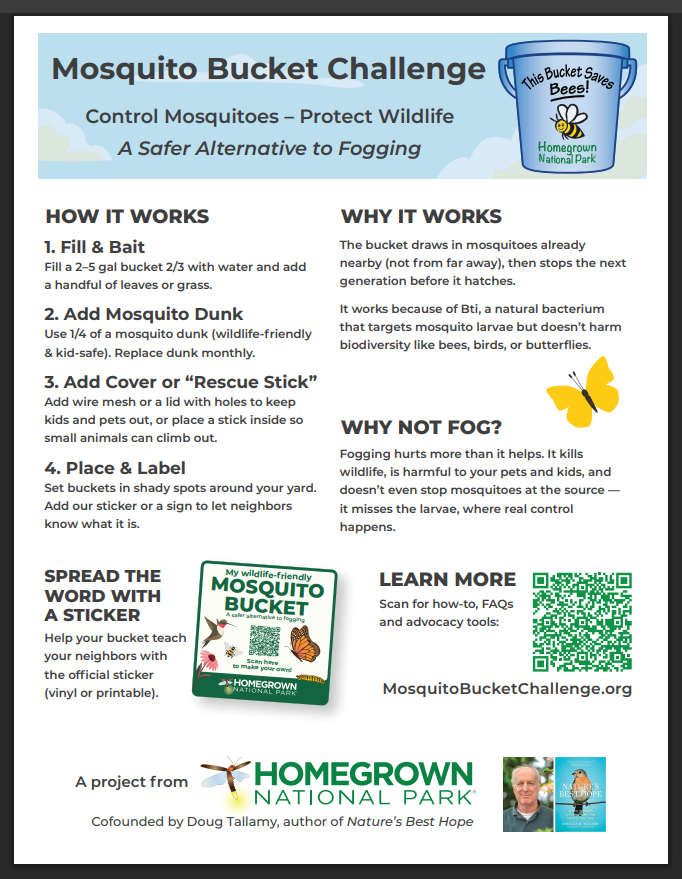
Join Us for the Mosquito Bucket Challenge


Small changes in how we manage mosquitoes can make a big difference for the pollinators and beneficial insects our ecosystems depend on.

Submitted by Melissa, N.E.W. Master Gardener

Book Review 


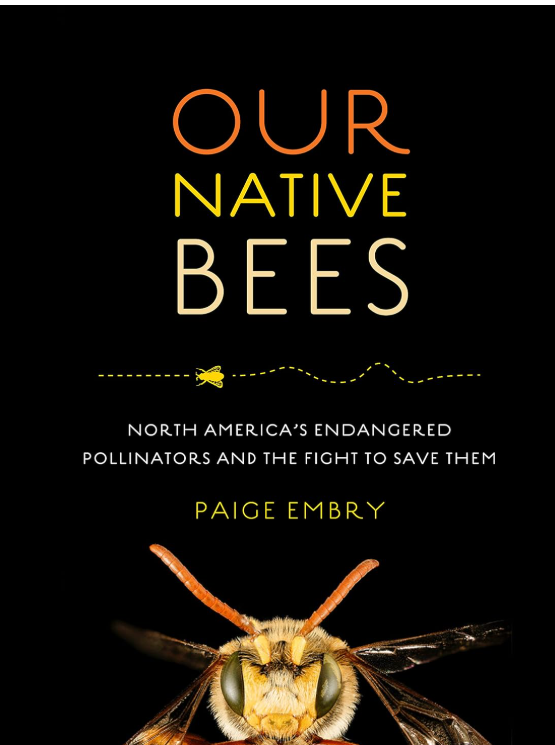
Our native bees : North America's endangered pollinators and the fight to save them 

by Embry, Paige

format: book


Our Native Bees is the result of Paige Embry's yearlong quest to learn more about the forgotten, yet fundamental, native bees of North America. Honey bees get all the press, but the story of North America's native bees-- an endangered species essential to our ecosystems and food supplies-- is just as crucial. Embry explores the importance of native bees and focuses on why they play a key role in gardening and agriculture. She goes on a bee hunt with the world expert on the likely extinct Franklin's bumble bee; raises blue orchard bees in her refrigerator, and learns about an organization that turns the out-of-play areas in golf courses into pollinator habitats. -- adapted from jacket.


Review originally from Brown County Library website.

One Seed, One Community:

It's finally time to plant!


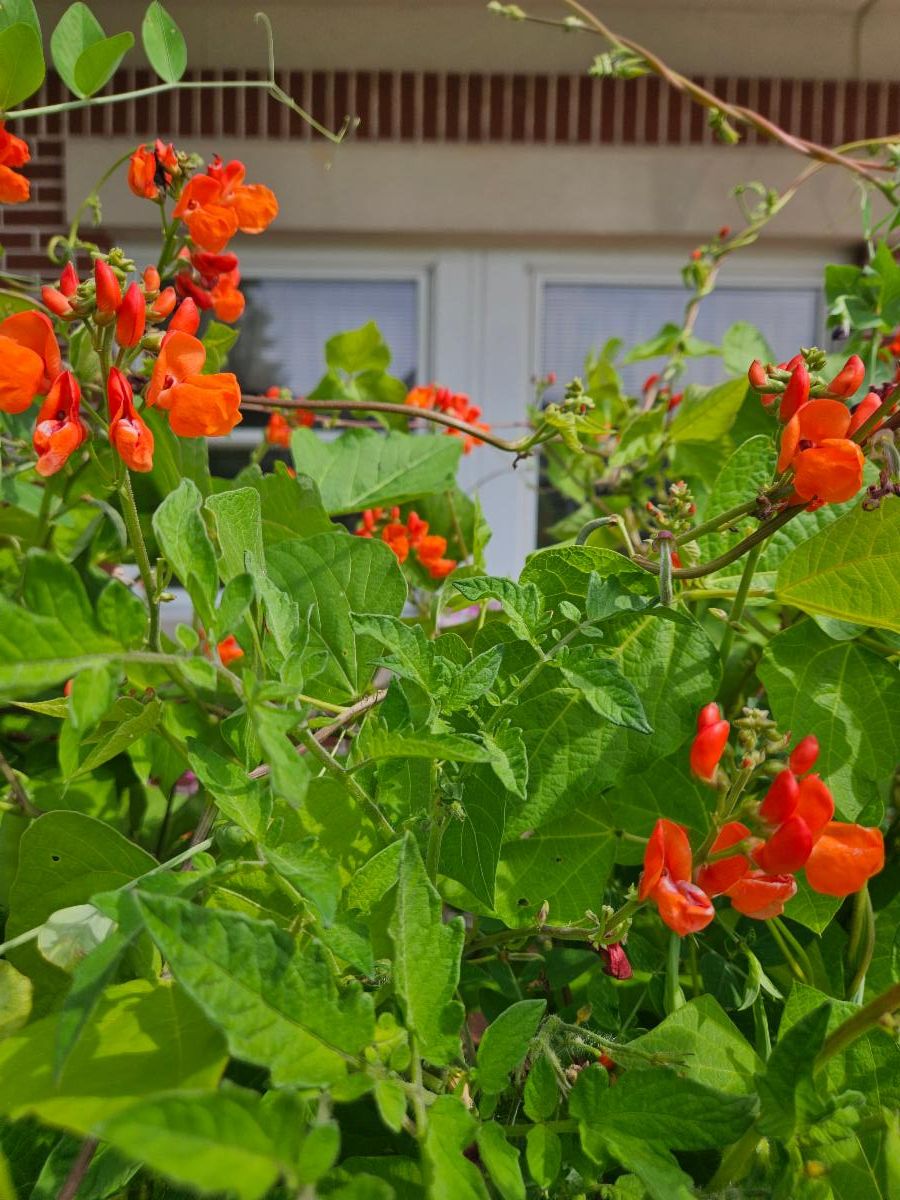
June has arrived, and for those of us in growing zone 5a, that means it is officially time to plant beans. To help you get started, here are some simple steps to ensure your Scarlet Runner Beans grow healthy and strong:


  1. Select the Right Location: Choose a sunny spot in your garden where your beans can bask in at least 6-8 hours of sunlight daily. Beans thrive in well-drained soil, so make sure your chosen area meets these requirements.
  2. Prepare the Soil: Before planting, work the soil by loosening it with a garden fork. Incorporate organic matter like compost to enrich the soil and enhance its ability to retain moisture.
  3. Plant the Seeds: Space the bean seeds about 3 inches apart, in rows that are 18-24 inches apart. Plant the seeds approximately 1 inch deep. Water them thoroughly after planting to kickstart the germination process.


Remember, these are pole type beans, which means they need support as they grow. You can create a simple trellis using materials like bamboo poles or wooden stakes and string.


  • Set Up the Trellis: Place the trellis in the ground before the beans start to sprout to avoid disturbing the roots later on.
  • Guide the Vines: As the plants grow, gently guide the vines towards the trellis to encourage upward growth. This not only saves space but also increases air circulation, reducing the risk of disease.


Happy planting, and enjoy the beautiful red flowers this bean vine provides.


Submitted by Peggy, N.E.W. Master Gardener

Calendar of Local Garden Related Events:


June 2, 9:30am - 10:30am (free for members, $ for non members)

Guided Tree Walks

Green Bay Botanical Garden, 2600 Larsen Rd


June 3, 6:30pm - 7:30pm (free)

Managing Your Landscape With Pollinators in Mind

Virtual, Melinda Meyers


June 4, 5:30pm - 7:30pm (free)

Grassroots in the Garden Growing Community: Weed Identification

Seymour Park, 330 South Oakland Ave, Green Bay


June 9, noon - 1pm (free)

Orchids 101

Virtual, University of Minn


June 9, 1:30pm - 3pm ($)

Amazing Insects of Wisconsin

Green Bay Botanical Garden, 2600 Larsen Rd


June 9, 16, 23 & 30, 6pm - 7pm (free)

The Whole Wheat Story Series

June 9: Seeds of Culture: How Wheat Shaped our History

June 16: Know Your Wheat: Choosing the Right Grain for Every Use

June 23: Wheat and Wellness: Understanding its Nutritional Power

June 30: From Seed to Table: The Art of Cooking with Wheat 

Brown County Central Library, 515 Pine St, Green Bay


June 17, 6:30pm – 7:30pm (free)

Ask Your Gardening Question: LIVE

Virtual, UW Extension


June 18, 8am - ? (free)

Pollinator Corridor Planting Days

Marquette Park and Fort Howard Park


June 24, 5:30pm - 7:30pm (free)

Grassroots in the Garden Growing Community: Berry & Cherry Harvesting

Seymour Park, 330 South Oakland Ave, Green Bay


June 24, 6:30pm – 8:30pm (free)

Plant Diseases in History

Virtual, UW Extension


June 25, 8am - ? (free)

Pollinator Corridor Planting Days

Sullivan Park


June 27, 10:30am - noon (free)

Bumble Bees, Butterflies & Friends: A Pollinator Week Celebration

Brown County Central Library, 515 Pine St, Green Bay


July 7, 9:30am - 10:30am (free for members, $ for non members)

Guided Tree Walks

Green Bay Botanical Garden, 2600 Larsen Rd


July 9, 8am - ? (free)

Pollinator Corridor Planting Days

John Muir Park


July 15, 1:30pm - 2:30pm (free)

Ask Your Gardening Question: LIVE

Virtual, UW Extension


July 18, 9am - 3pm ($)

4th Annual Garden Walk by The Gardeners Club of Green Bay

Allouez, DePere and Green Bay


July 21, 5:30pm - 7:30pm (free)

Grassroots in the Garden Growing Community: Medicinal Plant Workshop

Seymour Park, 330 South Oakland Ave, Green Bay


July 21, 6pm - 7:30pm (free)

Saving Seeds: Why and How

Brown County Central Library, 515 Pine St, Green Bay


July 22, 6pm - 8pm ($)

Intro to Foraging in an Urban Environment

Green Bay Botanical Garden, 2600 Larsen Rd


July 22, 6:30pm - 8:30pm (free)

2026 PDDC Plant Disease Talks - Evil Twins: Plant Disease Look-Alikes

Virtual, UW Extension


July 29, 6pm - 7pm (free)

Tour of the nonpublic spaces and test gardens at GBBG with Mark Konlock, Director of Horticulture

A Gardeners Club of Green Bay Meeting

2600 Larsen Rd, Green Bay


July 29, 5pm - 7pm (free)

Locktender Open House

100 William St, De Pere 

(walk along the trail until you get to the Locktender House)

Growing Chives from Seed in Wisconsin


Chives (Allium schoenoprasum) are a hardy perennial herb well suited to Wisconsin gardens. Once established, they return each year, offering both culinary harvests and early-season support for pollinators.


Chives can be started indoors 4–6 weeks before the last frost date or direct sown outdoors as soon as the soil can be worked in early spring. Because light aids germination, seeds should be surface sown and gently pressed into the soil or covered with only a very thin layer.


Transplant seedlings outdoors after the risk of hard frost has passed, typically mid to late May in Wisconsin. Chives grow best in full sun but will tolerate partial shade and prefer well-drained soil. Space plants about 8–12 inches apart to accommodate their clumping habit.


Once established, chives are very low-maintenance. Water during dry periods and divide clumps every few years to maintain productivity. Flowers may be removed to encourage more leaf growth or left in place to support pollinators—the blossoms are also edible.


If allowed to flower fully, chives will produce seed heads that can be collected once dry, usually in June or early July in Wisconsin. Like other alliums, chive seed is short-lived and is best used within a year for good germination.


Submitted by Melissa, N.E.W. Master Gardener

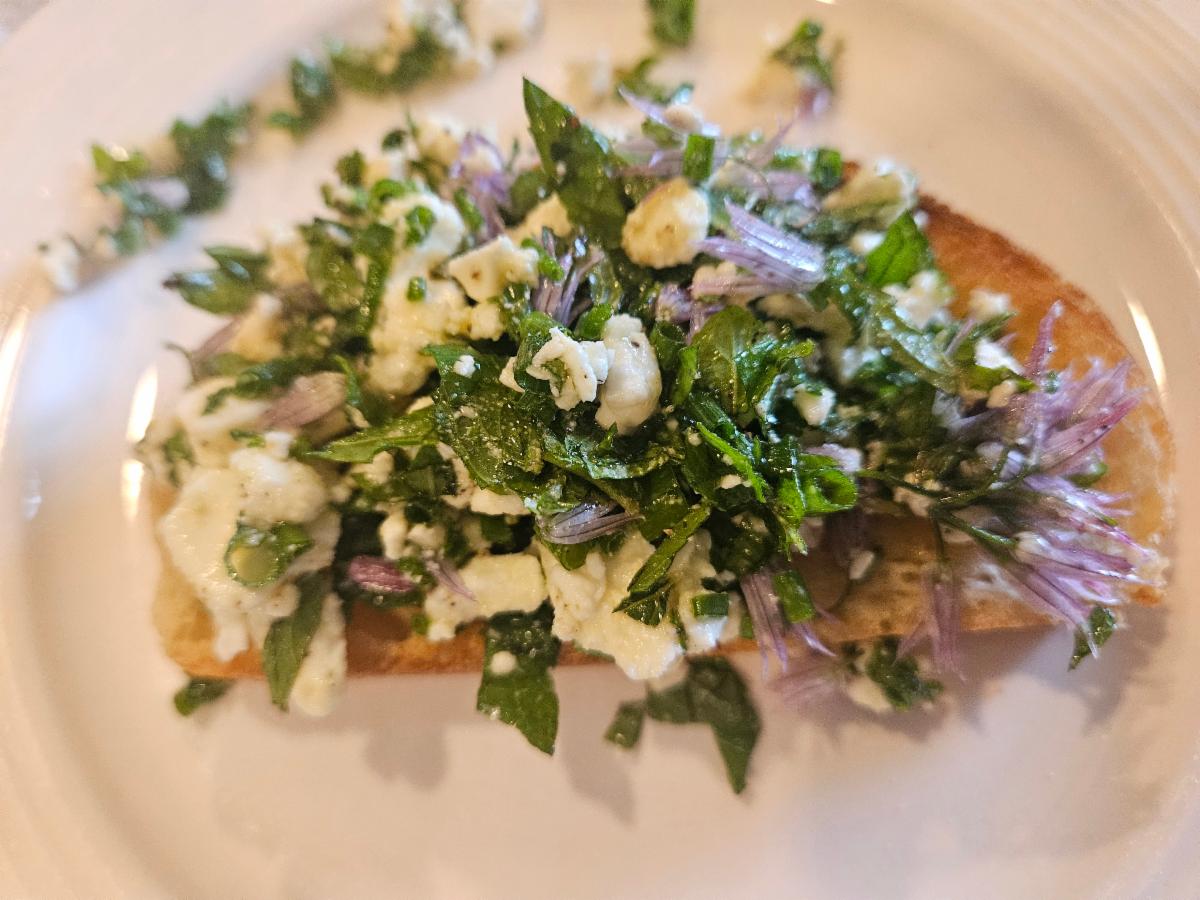
Mind and Chive Blossom Bruschetta


Ingredients:

¼ cup fresh chive blossoms (use the tiny purple florets)

4 oz crumbled feta cheese

½ cup chopped fresh mint leaves

¼ cup minced chives

1-2 TBSP olive oil

Salt and pepper to taste

Sliced baguette


Instructions:

  1. Combine chive blossoms, feta, mint, chives and enough olive oil to make the mixture moist and come together. Add salt and pepper to taste.
  2. Toast bread if you like.
  3. Put the mixture on the bread, drizzle with a little more olive oil and enjoy!


Note: This mixture was also really good on top of pork chops!


Recipe modified from Recipes from the Herbalist’s Kitchen by Brittany Wood Nickerson


Submitted by Melissa, N.E.W. Master Gardener

Support the BCSL!


We are entirely supported by grants, donations and volunteers! If you are interested, there are many ways to support the BCSL. 


*You can become a Seed Steward and support the library by growing out seeds from our core list to donate. We will accept seed donations by anyone who would like to donate, seeds can be dropped off at the STEM center or at the Central library. 


*You can volunteer to sort and pack seeds. Opportunities will be posted on the New Leaf Foods Calendar of Events and included in our newsletters.


*You can make a monetary donation through our Fiscal Agent, New Leaf Foods. Click here to donate.


*You can visit our Amazon Wish List, which has basic packing supplies that we utilize for preparing our seeds for distribution. Click here to access the wishlist.

This newsletter is brought to you by: 

With assistance from AI technology


Disclaimer:

Although brand names of products are mentioned in this newsletter, NEWMG and BCL do not endorse any particular brands. These mentions reflect individual experiences and should not be interpreted as endorsements or recommendations.