|
Tell us about your research project and why it is important to you.
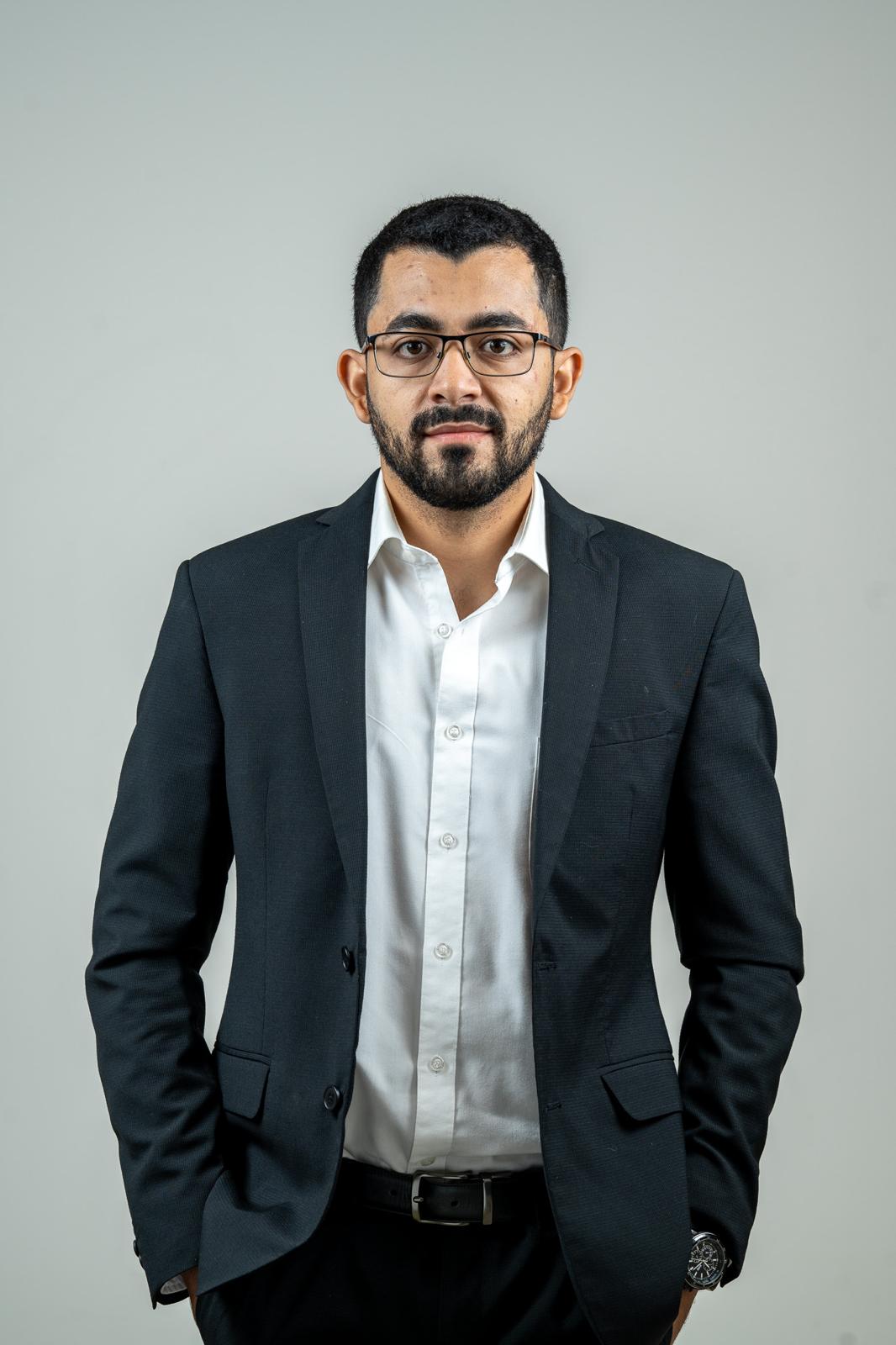
My research project focuses on the development of new methodologies and techniques for structural analysis. It is particularly centered on the estimation of forces in collector beams in earthquake-resistant systems, as well as the accurate determination of the seismic response of structures to natural events.
This project is important to me because Mexico is a country with high seismic activity. I was in my second year of college when the September 19, 2017, earthquake struck, severely impacting Mexico City. Witnessing the loss of human lives and the destruction of structures that, in theory, should have been designed to withstand such events made me realize the seriousness of the flaws in earthquake-resistant design. Since then, I have been committed to improving current methodologies to move toward more resilient infrastructure, both in Mexico and internationally.
Have you presented or published your research anywhere? Tell us about the experience.
I have not yet had the opportunity to present my research outside of the university setting. However, I have presented in different classes before professors who have encouraged me to continue exploring the topic in greater depth. I am currently working on two scientific articles, each with a different methodology, with the expectation of publishing or presenting them at conferences soon.
What would you say is something interesting about your area of study that most people don't know?
Most people do not realize the importance of structural design or the impact that small details have on the safety of a building. In Mexico, it is common for people to underestimate the significance of a well-designed structure: one that is truly capable of withstanding the loads induced by natural events such as earthquakes. All elements and materials within a structure have a specific function, and the proper design of all of them is key to ensuring structural integrity.
Tell us about your academic or professional collaborations with Mexico.
So far, I have not had any formal academic collaborations with institutions in Mexico. This has not been due to a lack of interest, but because after completing my bachelor's degree I concentrated on my work, without knowing for certain whether I would continue studying or focus exclusively on industry.
I really started focusing on research when I arrived in the United States, and since then, I have not had direct contact with Mexican researchers in my field. However, I would love to establish links that contribute to the development of knowledge focused on solving national problems and contributing to the development of communities in Mexico.
Professionally, I did have a significant experience in Mexico: I worked for five years in a structural design company, participating in large-scale projects and acquiring knowledge that today strengthens my academic vision.
What attracted you to Texas and The University of Texas at Arlington?
I chose this institution because I knew about its academic prestige and the opportunities it offered to specialize in structural engineering. I also knew that I would have the chance to work with top-level professors, such as Dr. Juan Antonio Balderrama, who has been an exceptional mentor, both academically and personally.
UT Arlington has provided me with all the tools I have needed, not only in terms of material resources, but also with the human support necessary to continue my research.
What have been some good things you didn't expect from Texas or UT Arlington?
I was pleasantly surprised by how warm everyone was, both on and off campus. I have also really enjoyed the cultural diversity and the many opportunities for personal and professional growth. The experience has turned out to be much more enriching than I imagined.
Honestly, I really appreciate the proximity to Mexico. I am happy to find little pieces of my country here, which fill me with nostalgia and allow me to keep very meaningful memories alive.
What have been the biggest challenges of studying at UT Arlington and living in the United States?
The financial aspect was one of the most difficult issues. Living in a country where the cost of living is higher was a considerable burden. Paying for tuition, health insurance, and my personal expenses without external support was complicated.
Additionally, being far from my family has undoubtedly been one of the hardest challenges. Not being able to share important moments, support them in difficult situations, or simply spend time with them daily creates a constant feeling of nostalgia. Sometimes the emotional distance feels heavier than the physical distance, but it has also strengthened my character and motivated me to move forward with greater determination.
Finally, adapting to a second language was another significant challenge. However, with time and a lot of effort, I have managed to improve my command of English, which has given me more confidence to continue.
How has the support of ConTex and Secihti impacted you?
The support from ConTex and Secihti has been key to continuing my education. As I mentioned, the financial aspect was always a constant concern. Thanks to this support, I can now focus fully on my research without the fear of facing financial hardship. Their support has made a huge difference in my academic and personal development.
What kind of work do you hope to do in the future, and how do you hope your research will benefit people in the U.S. and Mexico?
I firmly believe in the exchange of knowledge generated through international experiences. This type of collaboration is essential to improve the sustainability of Mexico's development and increase the competitiveness of its professionals.
After completing my studies, I plan to return to Mexico and maintain active links with colleagues in the United States in order to:
1. Participate in engineering associations and regulatory committees where I can directly influence decisions that impact society.
2. Organize seminars and conferences to share research results with industry and academia.
3. Provide technical advice to public and private institutions on the implementation of new structural technologies.
4. Continue teaching to train new generations of engineers.
5. Apply the knowledge I acquired in the design and development of structural projects in the public and private sectors.
What advice would you give to other Mexican students considering studying in Texas?
I would tell them not to be afraid to step outside their comfort zone. Opportunities are out there, but you must be persistent and willing to face challenges. Texas offers a wide variety of resources, mentors, and unique experiences.
If you feel afraid, don't let it paralyze you; use it as motivation. Learn from your mistakes, seek support when you need it, and never lose sight of your goals. The impact of your work can go far beyond the personal realm: it can transform entire communities.
|