Responsive Urban Environments: Developing a Model for Low-Carbon Cities Around the World
By Eugenia Victoria Ellis, AIA, Professor
|
|
At the end of this summer, students traveled to Lecco, Italy for the Responsive Urban Environments (RUE) Intensive Course Abroad (ICA) where they developed low-carbon strategies for the neighborhood adjacent to Porto Genova, Milan’s historic train station and gateway to the coastal city of Genova. Similar to Philadelphia’s 30
th
Street Station, Porto Genova can be characterized by its rail yards, adjacent commercial district, proximity to water, the nearby underserved community, and its potential to revitalize a significant area of Milan.
Part of a teaching and research collaboration with Architectural Engineering faculty at the Politecnico di Milano, the RUE goal is to develop strategies for low-energy, sustainable cities that could be implemented worldwide. Developing sustainable urban strategies is critical to ensure a low-carbon future for our planet. The proportion of the world’s population living in cities has steadily increased over the past century from 14% in the year 1900 to 50% in 2007. While more people are living in cities than in the country-side today, an estimated 70 percent of people are expected to be urbanites by the year 2050 – which is why RUE research is so imperative today.
The course this past summer was the third ICA to pair Drexel students from across the university with students from the Politecnico di Milano to develop low-carbon urban engineering solutions for the built environ-ment. For the first year, students designed Responsive Façades, building envelope solutions that responded to the natural environment due to solar radiation and natural ventilation. For the past two years, students developed solutions for Porto Genova that ranged from building bridges to connect the neighborhoods divided by the rail yards, designing indoor agriculture facilities, harnessing energy, reusing materials, managing stormwater, re-thinking transportation, and greening urban public space. Last year, the student projects were presented publicly at the Venice Biennale.
While in Italy, students visited Philadelphia’s sister-city, Milan, to learn about their regeneration efforts. In 2018, they met with Milan’s Chamber of Commerce to learn about the City’s plans for the future. This year, RUE students presented their work to Milan’s Rotary Club, who together with the Philadelphia Rotary Club, will be sponsoring a competition for students to develop RUE strategies for each of the cities. While in Milan, students visited both significant historic areas and areas of revitalization. For example, we toured the construction site of the environmentally responsive and techno-logically complex new architecture campus in Milan for PoliMi designed by Renzo Piano. The project is partially submerged below ground and is topped with an accessible terrace. The structures of the entire complex take on a low profile and are surrounded by a forest of over 130 trees. Also included in the students’ travels have been the Italian cities of Florence, Venice, Como, Bellagio, Varenna, and Bergamo.
Together with colleagues from PoliMi, the Department of Civil, Architectural, and Environmental Engineering organized a RUE Workshop last April where they laid the groundwork for our collaboration through presentations from both schools that demon-strated the work that is being done in both cities. Later in 2020, we can look forward to a book on the RUE projects that were developed by the students together with RUE faculty research, which will be co-edited by Professor of Architectural Engineering Eugenia Victoria Ellis and PoliMi Associate Professor Giuliana Iannaccone.
|
|
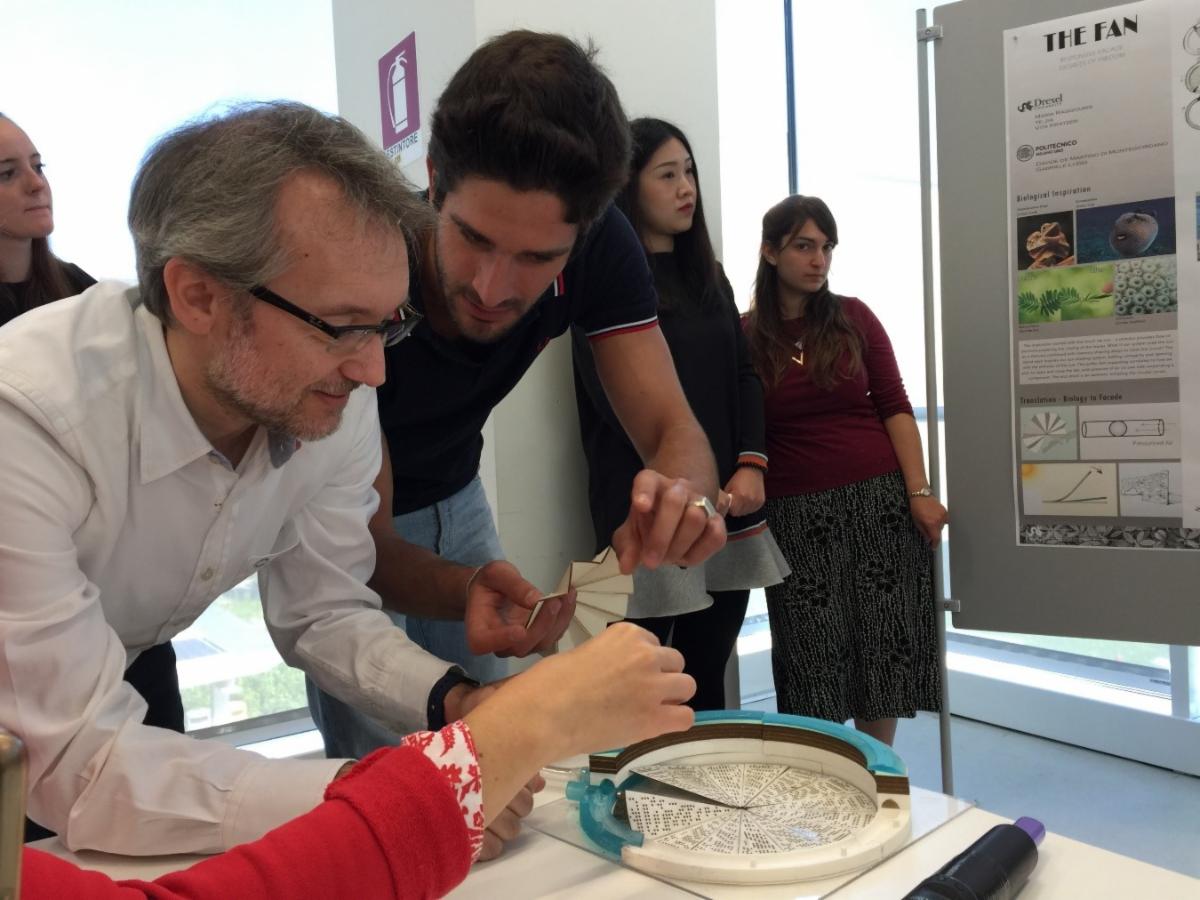
In the first picture, Politecnico di Milano Professor Gabriele Masera offers a critique to students in the 2017 class.
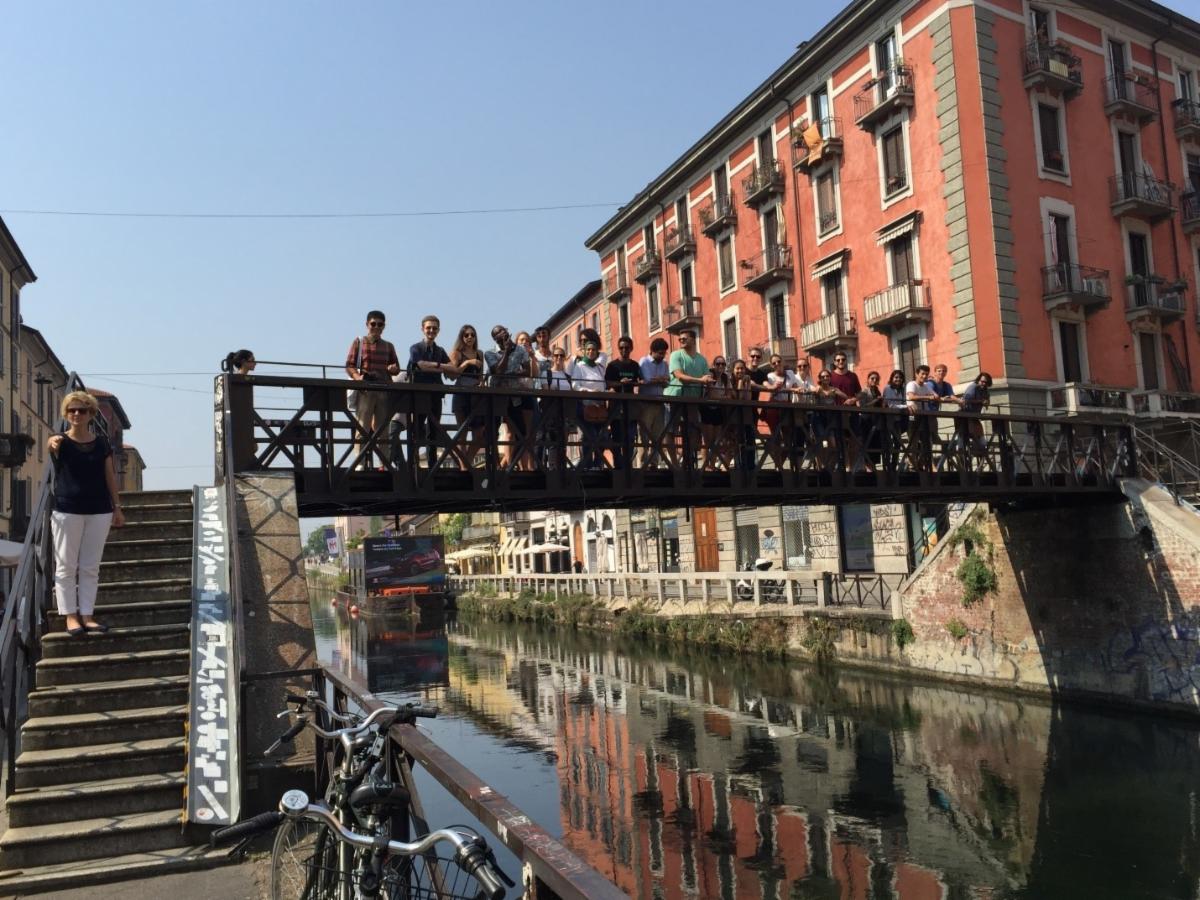
The second picture shows the 2018 student group on the bridge across from the Nevigli at Porto Genova.
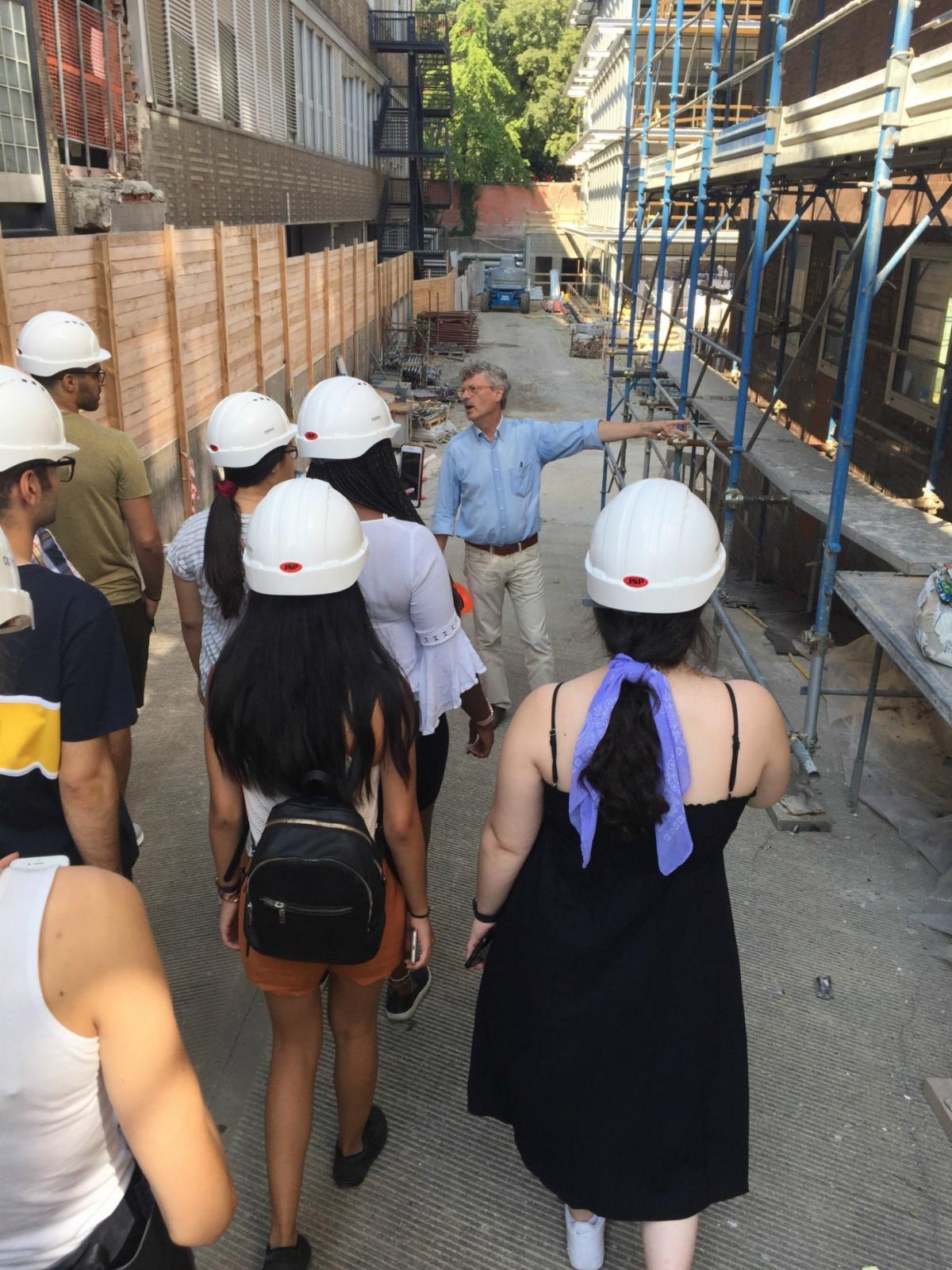
Picture number three shows the 2019 students at a RUE construction site of new architecture by Renzo Piano at the Politecnico di Milano.
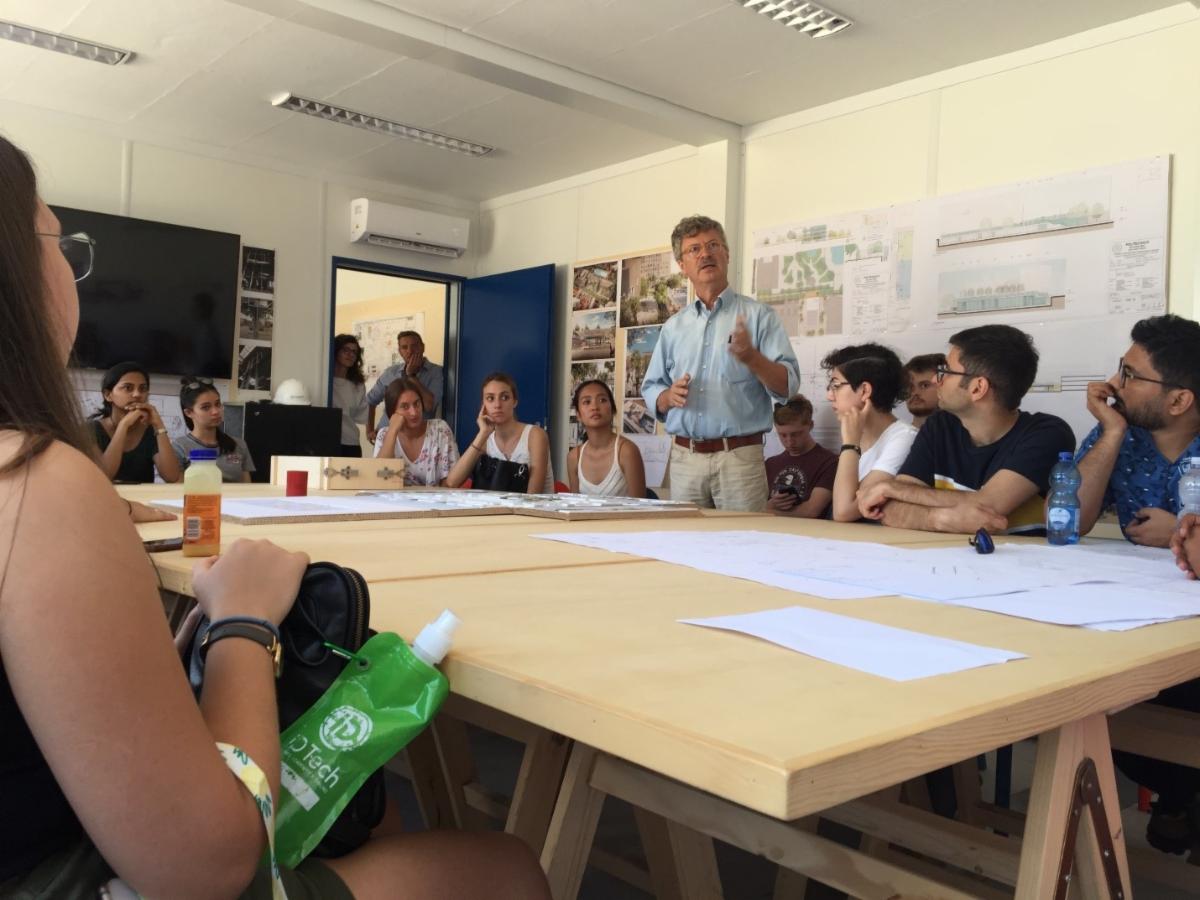
In the fourth picture, the project manager for the RUE construction site at the Politecnico di Milano explains innovative, low-energy building strategies of the Renzo Piano project to the 2019 class.
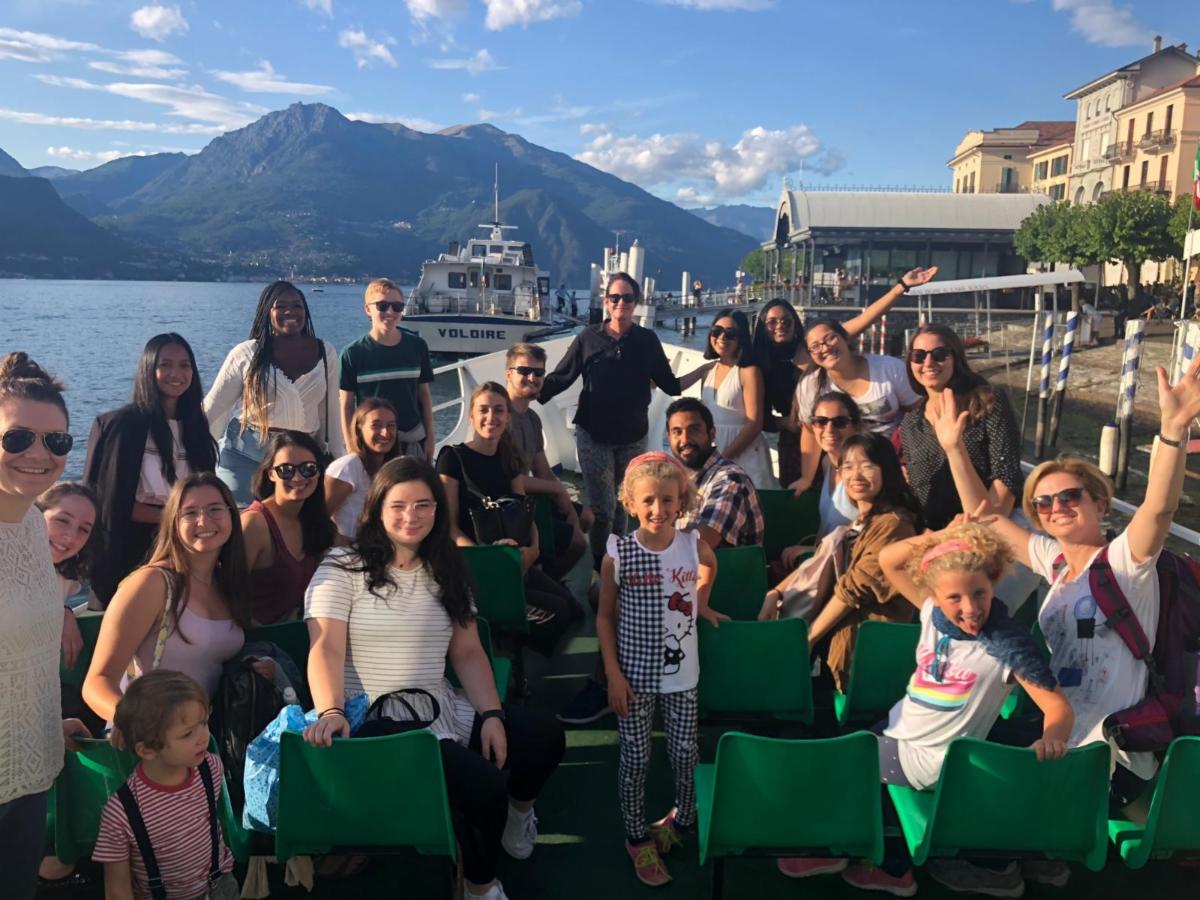
The last picture shows the 2019 students on Lake Como, Italy.
|
|
|
|
CAEE Hires New Faculty Member, Dr. Miguel Pando
|
CAEE welcomes Associate Professor Miguel Pando. Miguel has over 16 years of experience as a tenure-track/tenured faculty in geotechnical engineering. His research involves soil-structure interaction, mitigation of natural hazards, and sustainable geomaterials. Since 2010, he was an associate professor in the Civil and Environmental Engineering Department at the University of North Carolina at Charlotte. Prior to that, he was a faculty member in the Civil Engineering Department at the University of Puerto Rico at Mayaguez. His appointment began on Sept. 1, 2019.
|
|
|
|
 |
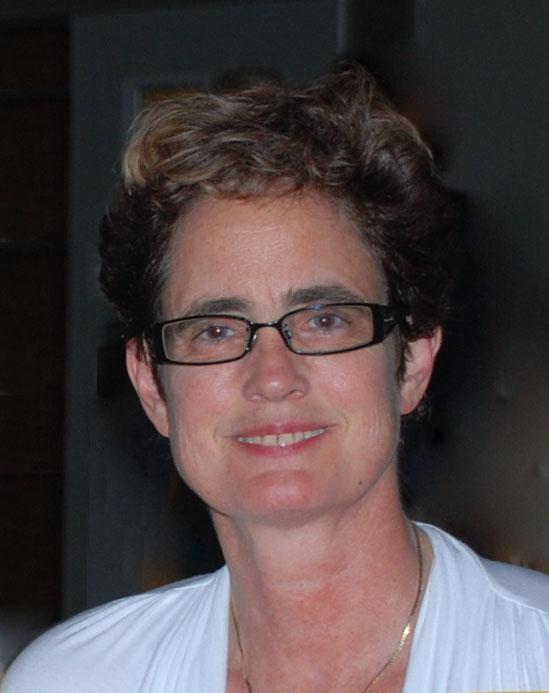
On September 1, 2019, Dr. Eugenia Victoria, Ellis, AIA, was promoted to Professor of Architectural Engineering. Dr. Ellis' research focuses on natural and electric light sources and effects on biological rhythms and health outcomes, (eco)logical strategies for smart, sustainable buildings of the nexus of health, energy and technology.
|
|
|
|
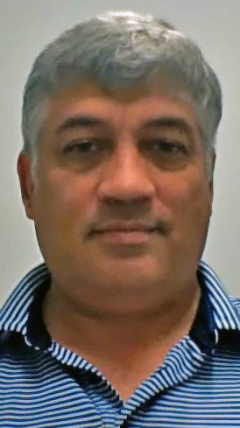
On September 1, 2019, Dr. Franco Montalto was promoted to Professor of Environmental Engineering. Dr. Montalto's research focuses on effects of built infrastructure on societal water needs, ecohydrologic patterns and processes, ecological restoration, green design and water interventions.
|
|
|
|
|
Dr. Michael Ryan has been promoted to Associate Teaching Professor of Environmental Engineering. Dr. Ryan's interests include microbial source tracking, quantitative microbial risk assessment, molecular microbial biology, environmental statistics, and engineering economics.
|
|
|
|
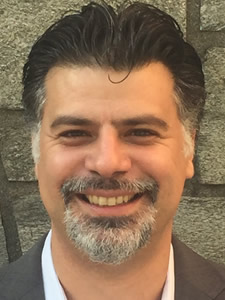
On September 1, 2019, Dr. Chris Sales was promoted to Associate Professor of Environmental Engineering. Dr. Sales' research focuses on environmental microbiology and biotechnology, biodegradation of environmental contaminants, microbial processes for energy, and resource recovery from waste.
|
|
|
|
CAEE Seniors Design Relief for Panama City
By Wendy Plump, CoE Staff Writer
|
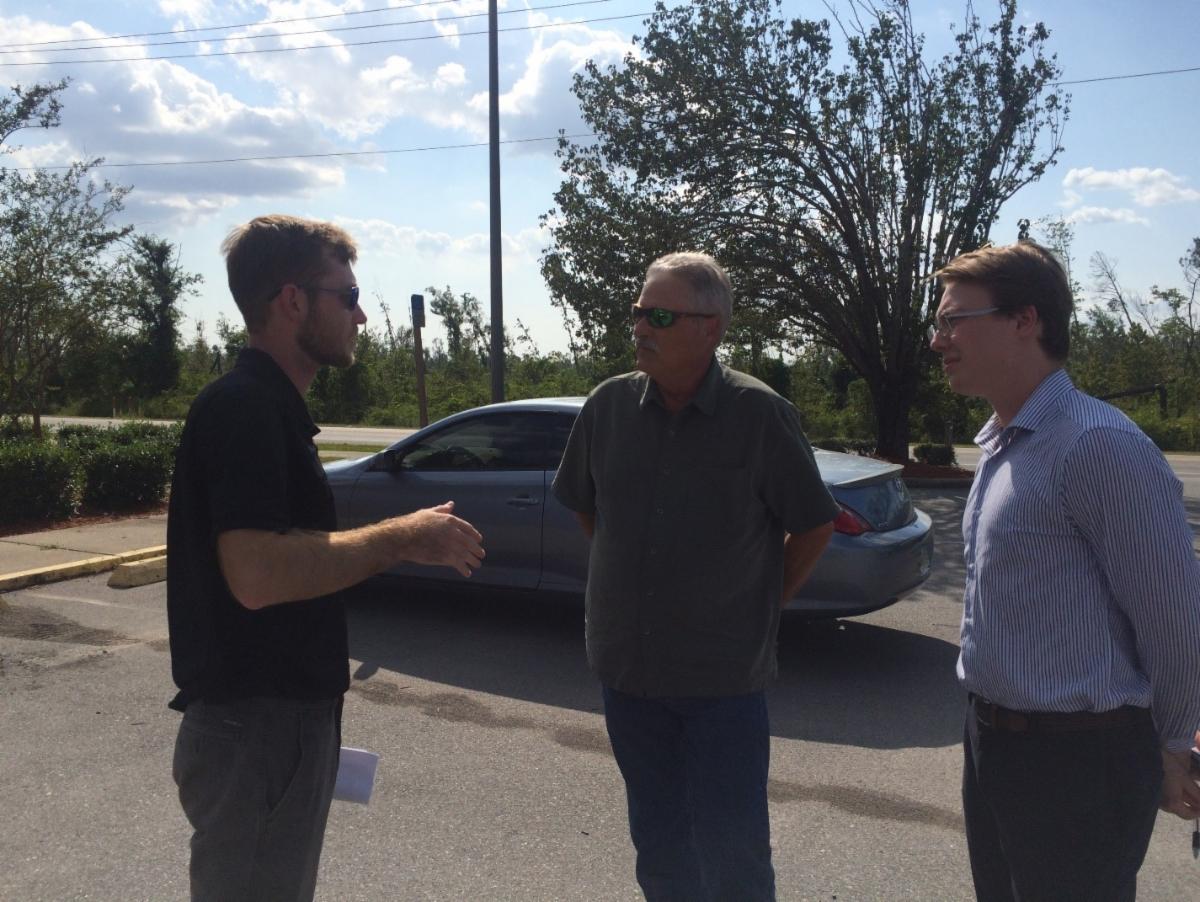
When Hurricane Michael slammed into the Florida panhandle a year ago—the third-most intensive Atlantic Hurricane ever to make landfall in the contiguous US—90% of Panama City’s residences and businesses were damaged. Home to the Tyndall Air Force Base and a mostly rural, farming population, the region is still recovering.
|
|
|
|
|
Student Awards
Connor McCafferty
(pictured left), a PhD student in civil engineering, was selected as a recipient of the $5,000 Geosynthetic Institute Award for the 2019-2020 academic year for his research on e
nhancing filtration efficiency of a stacked geotextile tube system using geocomposites.
|
|
PhD environmental engineering candidate
Dienye Tolofari
(pictured right), under the advisement of Dr. Patrick Gurian, was selected as a recipient of the SRA Dose-Response Specialty Group (DRSG) Student Merit Award. Her abstract, "Risk assessment framework as a tool to quantify changes in building plumbing systems in terms of disability adjusted life years" was selected as a winner in the 2019 competition. The award includes a $350 travel award and a $500 merit award to be presented at the SRA Annual Meeting in Virginia.
|
|
|
|
|
|
|