THE ISLAND GARDENER
November ~ 2026
| | |
|
- Leadership Smoothie
- Garden Club Program
- What's Coming into Bloom
- Cultivating Friendships
- Embrace the Seasonal Rhythm
- Gardener-Speak
- Rainy Day Reads
- Reflecting on Fall Activities
- Discovering Local and Global Gardens
- Ms. Gardenia - Out of the Shed, Into the World
- Meeting Door Prizes and Member Raffle
- Made You Smile
- Membership - Join Us This!
| | |
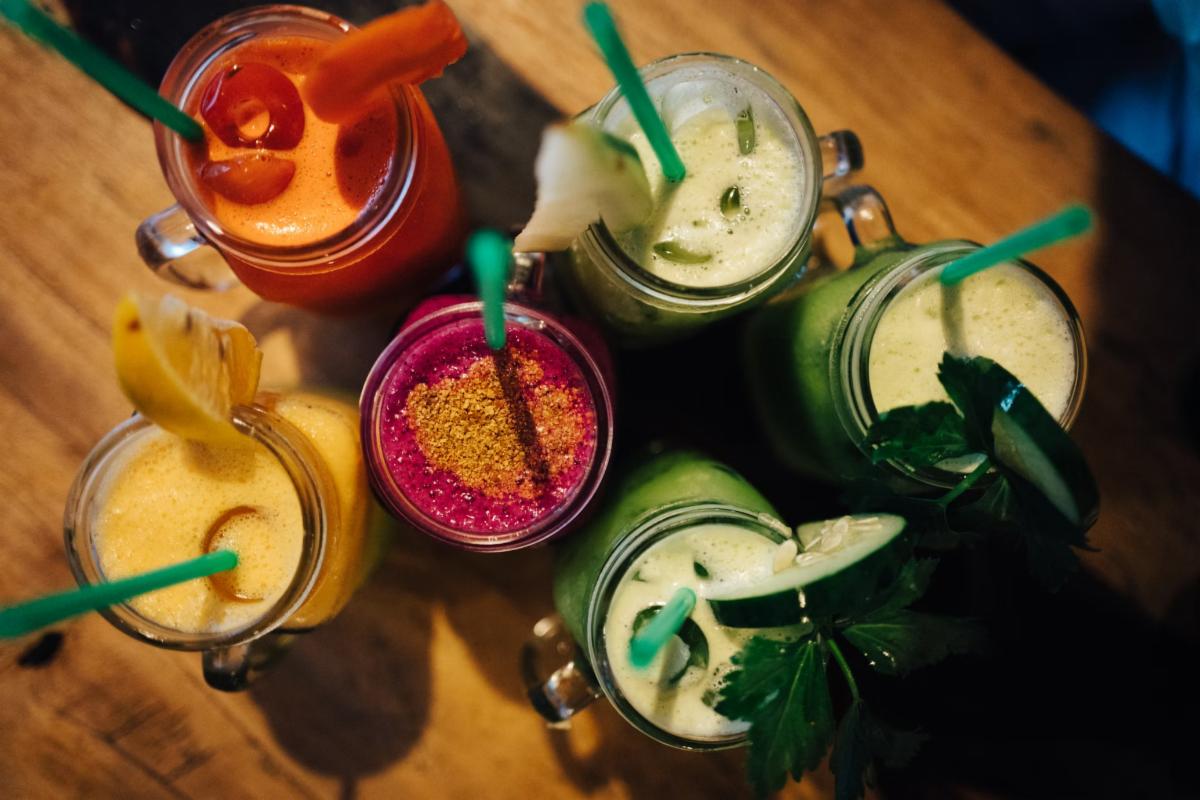
Welcome to another flavorful smoothie! You'll hear not only from the presidents but also other leaders within the club. They'll share their personal stories, values, perspectives or updates. We don't know what to expect but like a smoothie, these messages will be a delicious concoction of random ingredients that surprisingly work together. We hope you find these articles to be satisfying, healthy and rejuvenating. We hope to be that positive element that boosts your mood! Are you ready? Grab your favorite morning beverage and settle in for some delightful reading!
| | |
A message from Perri Gibbons, a super volunteer involved in just about every aspect of the club...
Giving Thanks for 20 OIGC Years
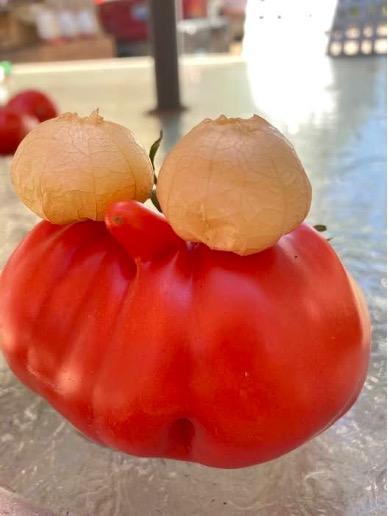
| | When I moved to Orcas twenty years ago, the first thing I got was a mailbox key. The second was a library card. And the third was membership to the Garden Club. Relocating from Indiana proved a vastly different growing environment, from frigid winters with hot and humid summers, to a maritime climate. Then, too, my interests had evolved from mostly flower beds to a three thousand square foot food-based garden. | |  | My daughters, grandson, and I at the 2026 OIGC Garden Club Tour. | | | Garden 2018 - Kohlrabi? Parsnips? Kale? Never heard of them, much less have any idea how to grow them. | | | Surprise! First time growing tomatillos. | | | Planting with my intern 2018. | | |
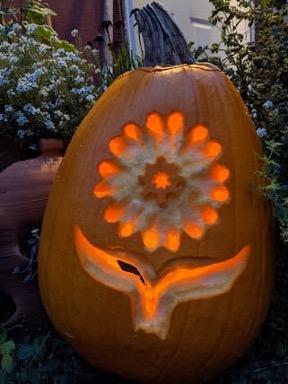
Thank goodness for my education through the garden club. Presentations were a tremendous help and I always learned something, even those I wasn’t sure I’d like. Jesssi Bloom on permaculture, Cass Turnbull on pruning, Debby Hatch on tomatoes… and, oh my, I do love my tomatoes. | | | A bonus has been the additional activities I’ve been able to share with my grandkids because of the Garden Club. We’ve cleaned mason bee tubes together, shared a mushroom growing log and made pressed flower bookmarks because I attended those workshops. | | My pumpkin carved with the OIGC emblem 2021. | | | |
In 2010, I reached out to learn about joining the OIGC Board. Betsy Louton was the outgoing Secretary, and I asked her what exactly happened at meetings. When she said, “we have fun!” I admitted to being a bit skeptical. Betsy was right. Serving in and out of different positions on the Board has been an enriching and delightful experience.
I’ve served under ten presidents and although their style has been different, it’s empowering to see strong leadership at work. Their guidance has directed the club toward the inclusive, community-oriented club we have today.
| | | So, I’m thankful to the OIGC for the education, experience, and support enabling me to be a better gardener. Even more, I value the friendships and connections made in a passionate group united by a common mission. Joining the OIGC is one of the best decisions I’ve made on Orcas. Perri | | Garden Club Program ~ October 21st | | |
Orcas Island Garden Club
presents
Linda Ann Vorobik
Why Plant Names Change: Botanical Nomenclature, Biology, and the Beauty of Plants
at the Orcas Center and via zoom
Presentation starts at 10:00 am
REMEMBER TO BRING SOMETHING FOR THE SHARING TABLE
| |
| |
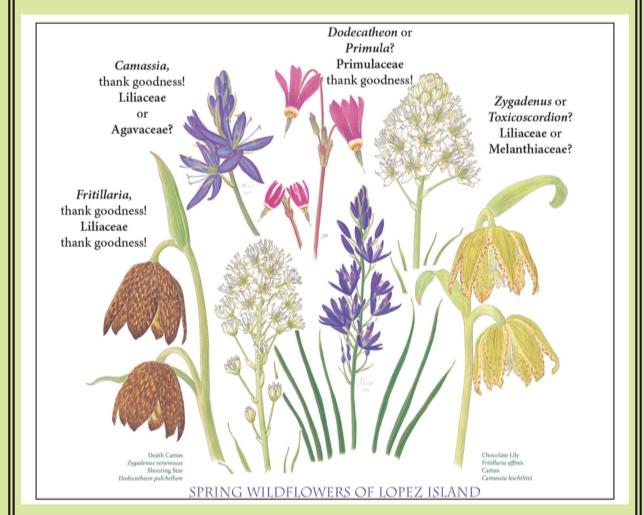
In this presentation, Linda Ann includes beautiful landscapes, wildflower closeups, and botanical watercolors of the plants and from the places that Linda has encountered throughout the west. She uses this imagery as a way to weave through the less enchanting story of how plants are named, and why the names change.
The Program will start at 10:00 am at the Orcas Center but come early for socializing and snacks at 9:30 am.
| |
- November 12: Library 'Adopt a Garden' Work Party (if weather allows)
- November 13: OIGC Bookclub - Fire Weather by John Vailant
- November 16: Orcas Center Memorial Garden Work Party (if weather allows)
- December 5: Sustainable Home Vegetable Gardening Workshop
- December 9: Program ~ Creating Natural Dyes from Your Garden ~ Katey Rissi
Join us for these and many other exciting events!
The latest info and more details can be found on our Club Calendar!
| | |
OIGC Book Club - Join Us!
Friday, November 13th at 2 pm at the Orcas Library
The OIGC Book Club will be meeting this Friday, in the Community Room at the library to discuss Pulitzer Prize finalist “Fire Weather” by John Vaillant.
The book focuses on a catastrophic 2016 fire in Fort McMurray, Alberta and how climate change is impacting the current rash of extreme wildfires globally.
| | |
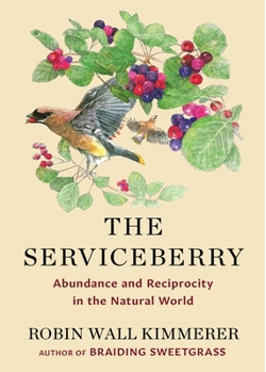
For those of you who like to get ahead with your reading, we’ll be reading Robin Wall Kimmerer’s “The Serviceberry” on Monday, January 11th at 11am. As she explains, "serviceberries show us another model, one based upon reciprocity, where wealth comes from the quality of your relationships, not from the illusion of self-sufficiency."
If anyone is interested in being included in the book club emails, or has any questions, please reach out directly to adrienne.ewalker@yahoo.com!
| | |
Two Community Gardens - Upcoming Work Parties
Ready to get your hands dirty and make a real difference? Want to garden but don't have a garden bed at home? New to Orcas and trying to figure out how to navigate our unique microclimates, rocky soil and local deer? Come participate at a work party!
Jenny and Jessica need your help getting our community spaces ready for the season. We have two incredible locations to choose from.
- Nov 12 - Library from 10 - 12
- Nov 16 - Orcas Center from 10 - 12
Whether you are a seasoned green thumb or have never held a trowel, your time and energy will help our community space thrive. It’s a fantastic way to enjoy the fresh air, learn a few new gardening skills, and meet new friends.
What You Should Bring:
Sturdy, closed-toe shoes, gloves and your favorite gardening tools. Don't forget a water bottle and your community spirit!
Contact oigc376@gmail.com for more info!
CHECK THE CLUB CALENDAR OFTEN FOR UPCOMING WORK PARTIES AT EACH GARDEN
| | Jenny Pederson, Garden Lead for the Orcas Center Memorial Garden | Jessica Heilman, Garden Lead for the Garden Club Library Garden | | |
|
Sustainable Home Vegetable Gardening
in the San Juan Islands Workshop
Saturday, December 5th from 9 am - 1 pm at the Orcas Fire Station
We are excited to announce a new class on Sustainable Home Vegetable Gardening in the San Juan Islands led by knowledgeable local gardeners along with regional experts who understand what it takes to be successful.
| Did you know that growing their own food is the number #1 requested learning topic of our garden club members? | |
For the 2026-2027 growing season, this fundamentals class focuses on “Sustainable Home Vegetable Gardening in the SJI”, where you will learn how to grow healthy, nutritious food using organic and regenerative practices tailored to our islands’ climate.
The workshop is a combination of classroom learning and practical hands-on activities and ends with a potluck to share your favorite garden vegetable dishes.
| |
During the first workshop, we start by defining “sustainable” vegetable gardening, then cover garden and irrigation design, soil health and why it matters, planting schedules and what grows here in the SJI.
The second workshop, planned for February, gets you ready for planting season by discussing seeds and seed starting, transplanting, companion planting, natural fertilizers, pest and weed management, and harvesting early season crops.
| After participating in these workshops, you will feel more confident in your gardening skills, understand how to grow delicious and nutritious food here in the SJI, and do so without the use of chemicals. All while meeting a like-minded community who will be a part of your gardening journey! | | Special thanks to our curriculum builders, class coordinators and their generous commitment ~ Michael Readey, Hillary Willis and Kristi Fountain for creating a fun and informative class for members & the community. This course is offered by the Orcas Island Garden Club and is in collaboration with the SJI Master Gardeners. | | |
Meet Rachel Factor & Jeremy Berglund
by Robin Sullivan
Rachel moved to the Seattle area in 2011, where she met Jeremy, a Washington native. Before settling on Orcas Island, the two spent nine years traveling full-time, visiting 72 countries and exploring more than 70,000 miles across the U.S., Canada, and Mexico in their 1988 Toyota RV.
| | One of their favorite travel stories involves a ten-month overland journey from Hong Kong to Amsterdam, including a cargo ship crossing of the Caspian Sea, which has no passenger ferries. What was meant to be a 24 hour crossing took 4 days. The ship was full of a cast of characters--Azeri teenagers, Turkish truck drivers, trains full of frozen American chicken, and one very lost Japanese tourist. They ran out of food, Rachel broke out in hives from chicken feather pillows in the cabins, and the single squat toilet aboard was always busy. A perfect example of Type 2 fun—miserable at the time, hilarious in retrospect! | | | Rachel and Jeremy pictured with new bestie, Robin | | | |
Since arriving on Orcas, they’ve discovered a love of gardening. Rachel once thought she had a black thumb, but after learning to grow food with Orcas Community Participatory Agriculture (OCPA), she and Jeremy grew their first vegetable in 2024. They’ve since built their own garden in Deer Harbor, learning along the way with plenty of help from the University of YouTube!
Their love of cooking led them to mushroom foraging about eight years ago, and they’ve been eager to learn more about growing food and finding wild mushrooms.
We’re delighted Rachel and Jeremy have joined the Garden Club. Their adventurous spirits and curiosity make them wonderful additions to our community!
| | Embrace the Seasonal Rhythm | | |
Sweet Success!
Project 'Sweet Tater'
by Perri Gibbons
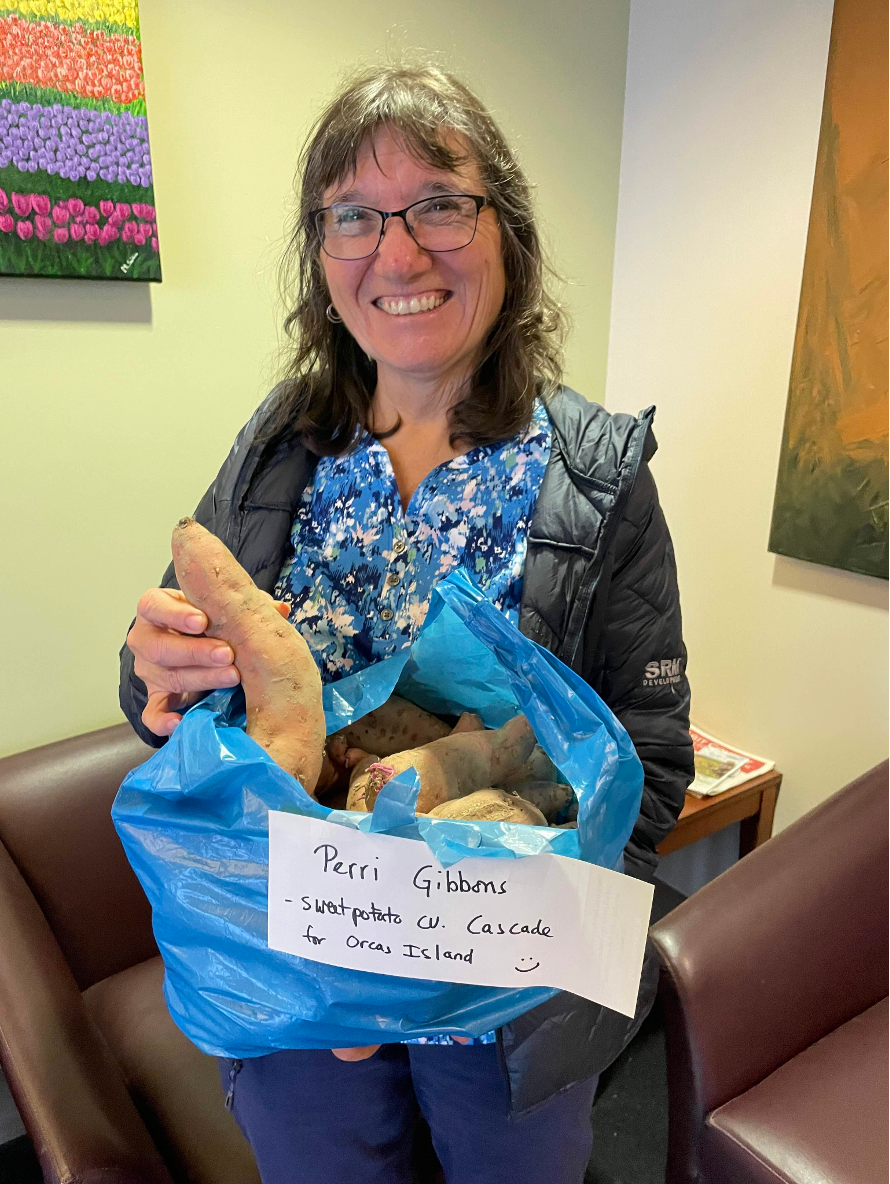
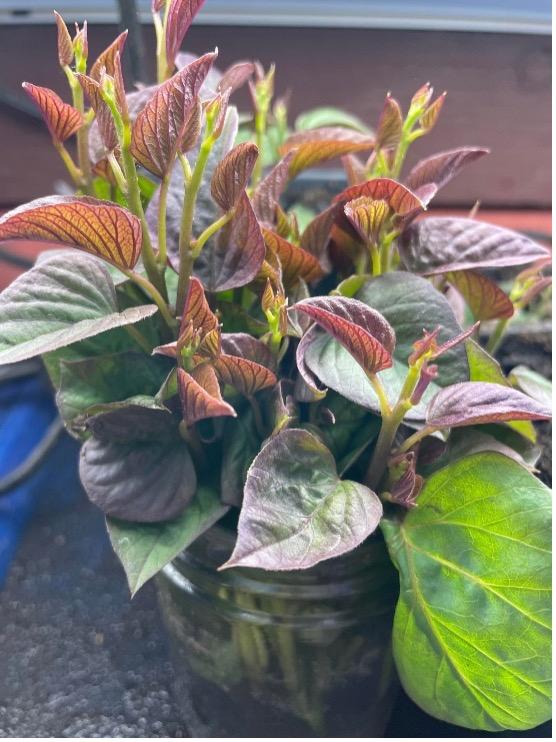
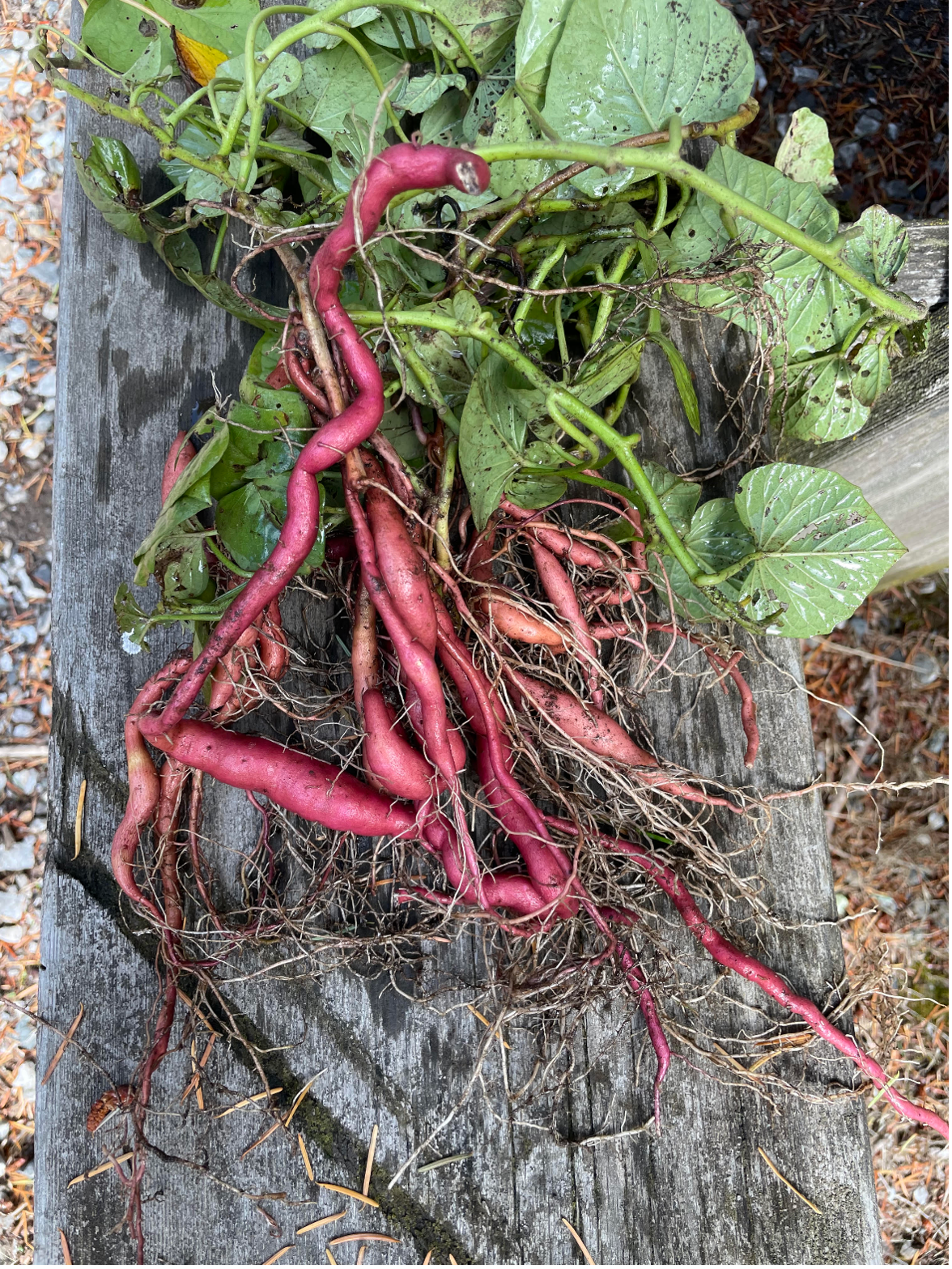
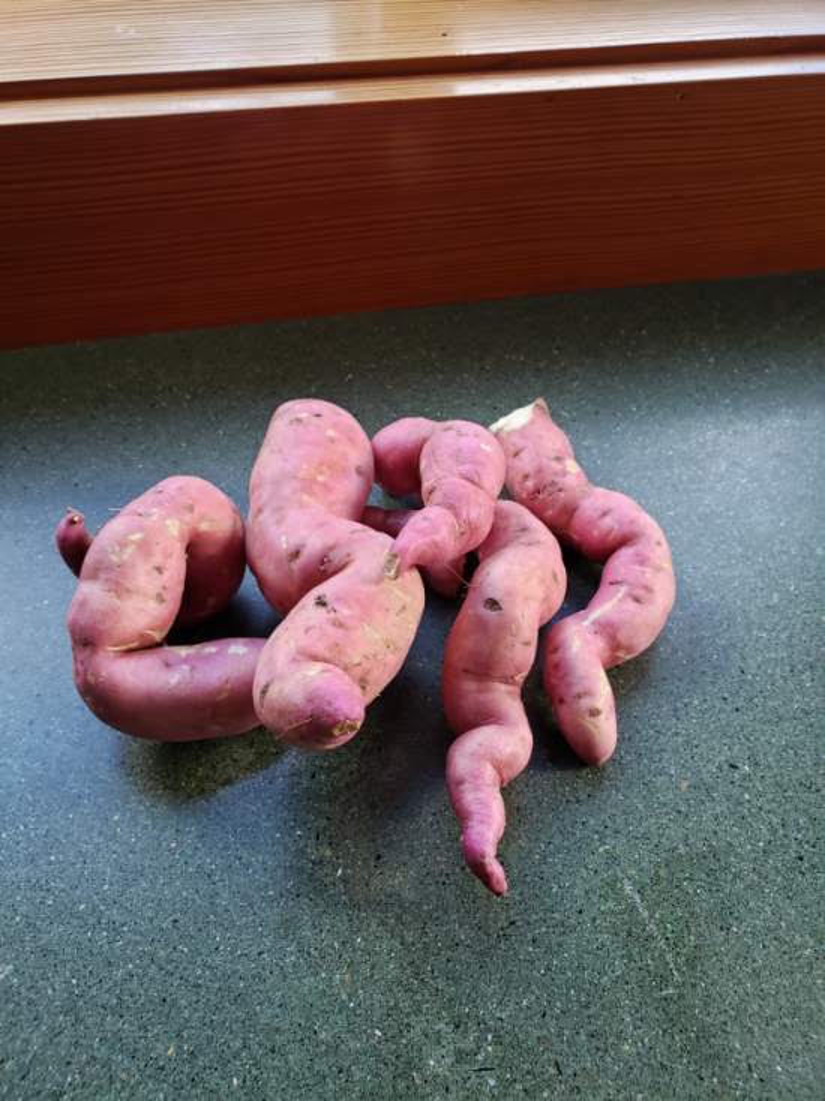
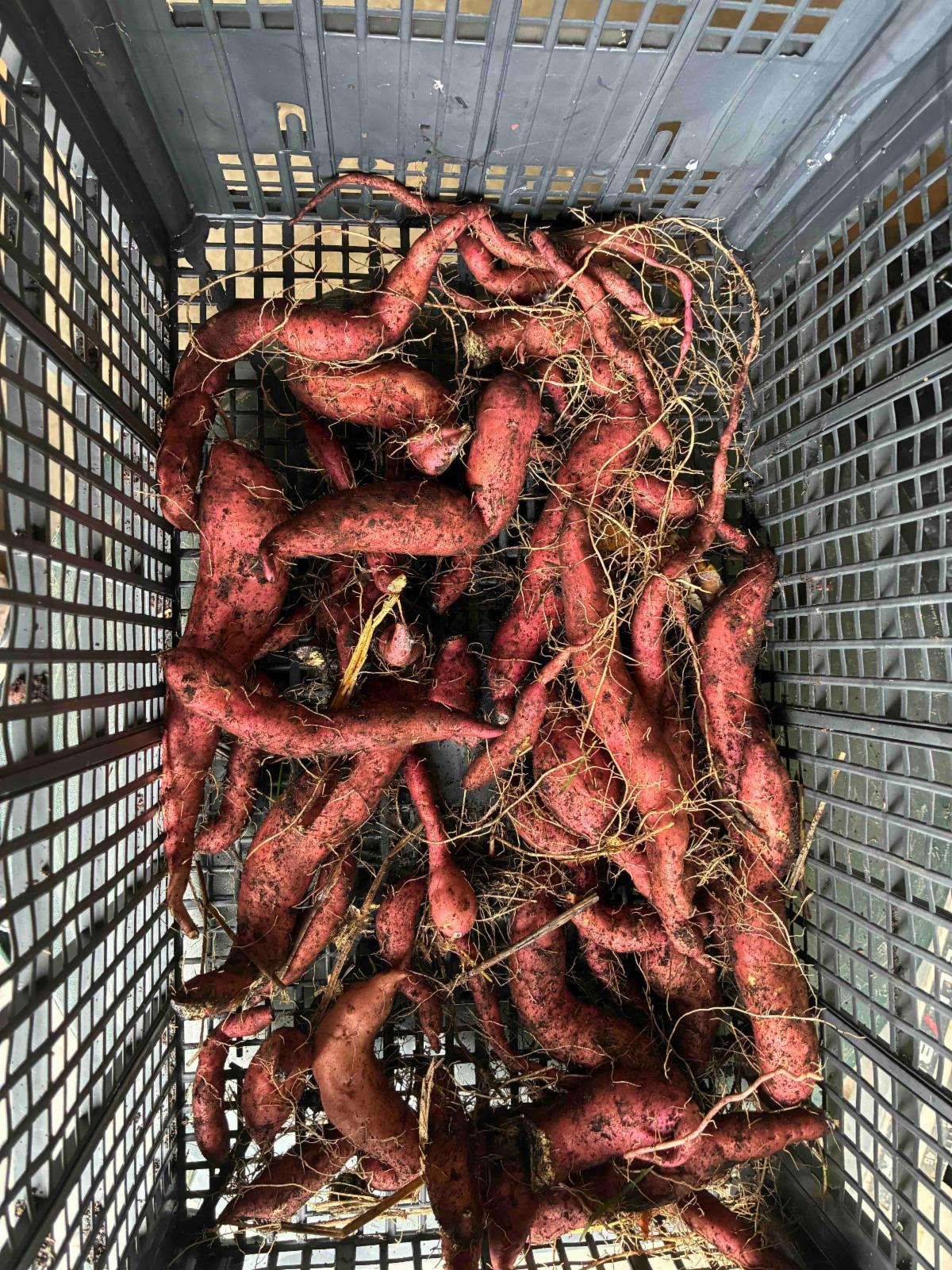
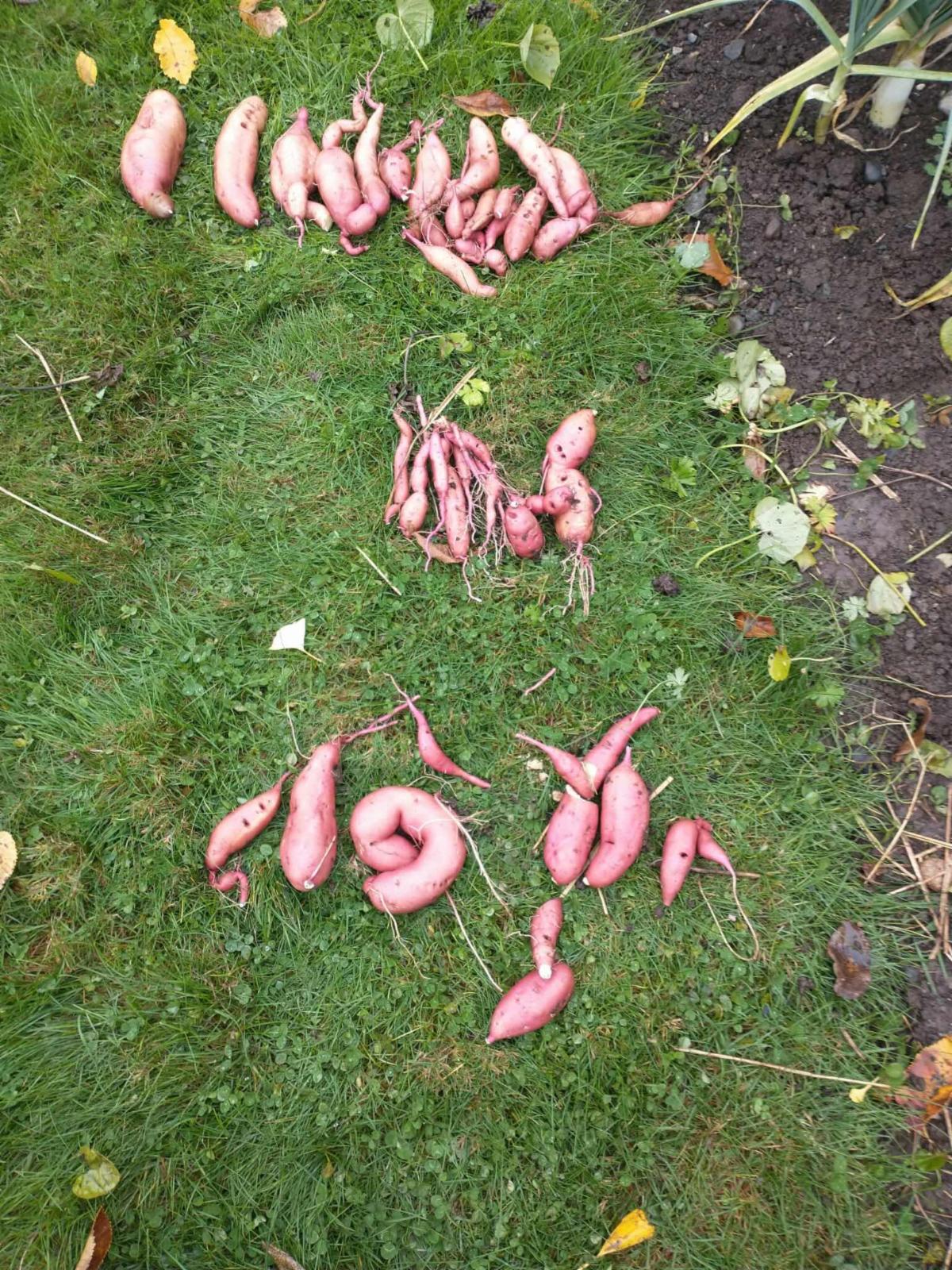
Way back in January, Carol Miles from the WSU Research Center gave a presentation on 'Planning Success in Your Home Vegetable Garden'. Her experience with sweetpotato production for northern climates captured the attention of several club members.
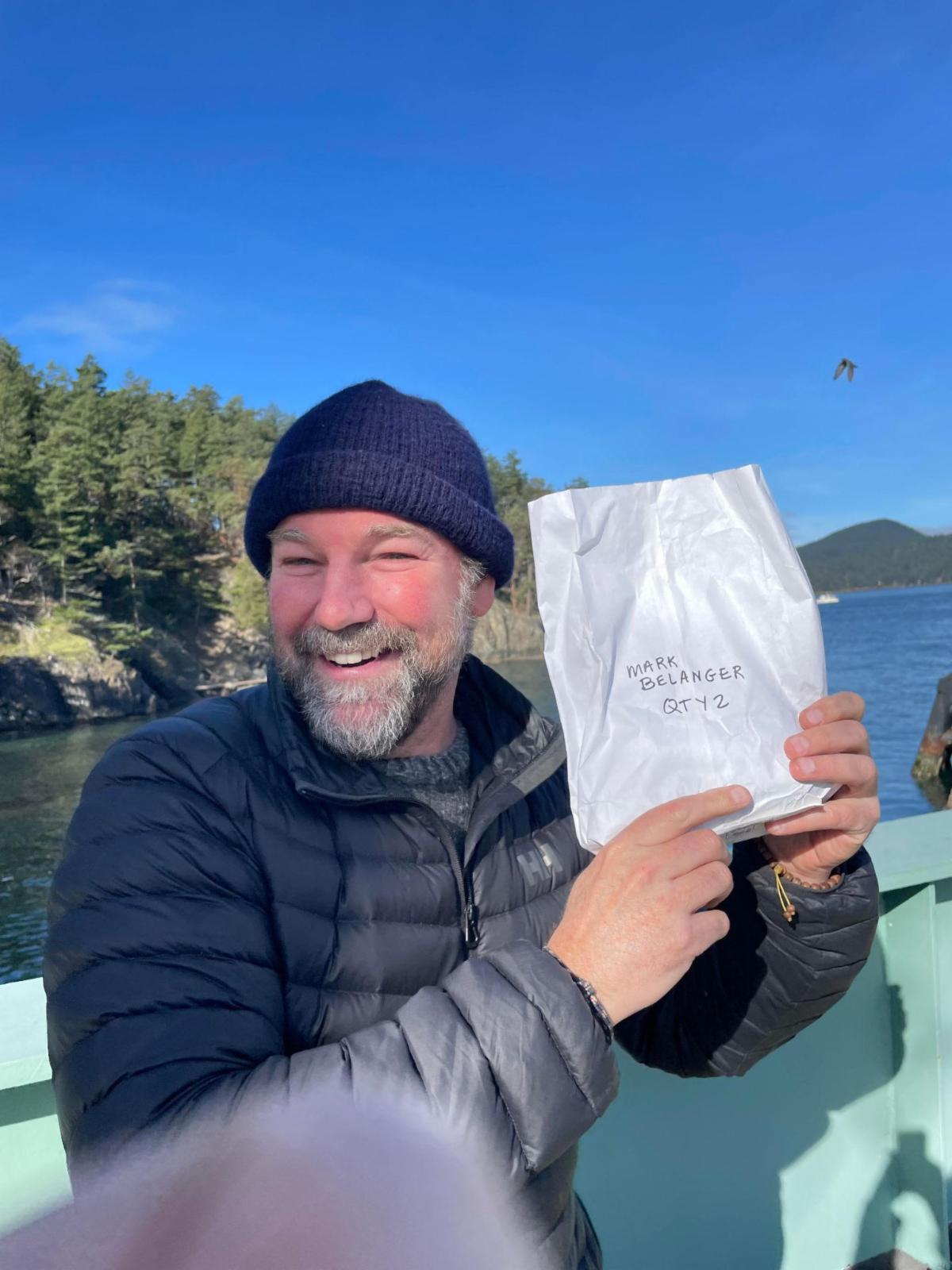
Carol offered the club a trial of Cascade roots, an early-maturing root with resistance to wireworm. A tater team was formed with members from Orcas, Shaw, and Lopez, commercial farmers and home gardeners!
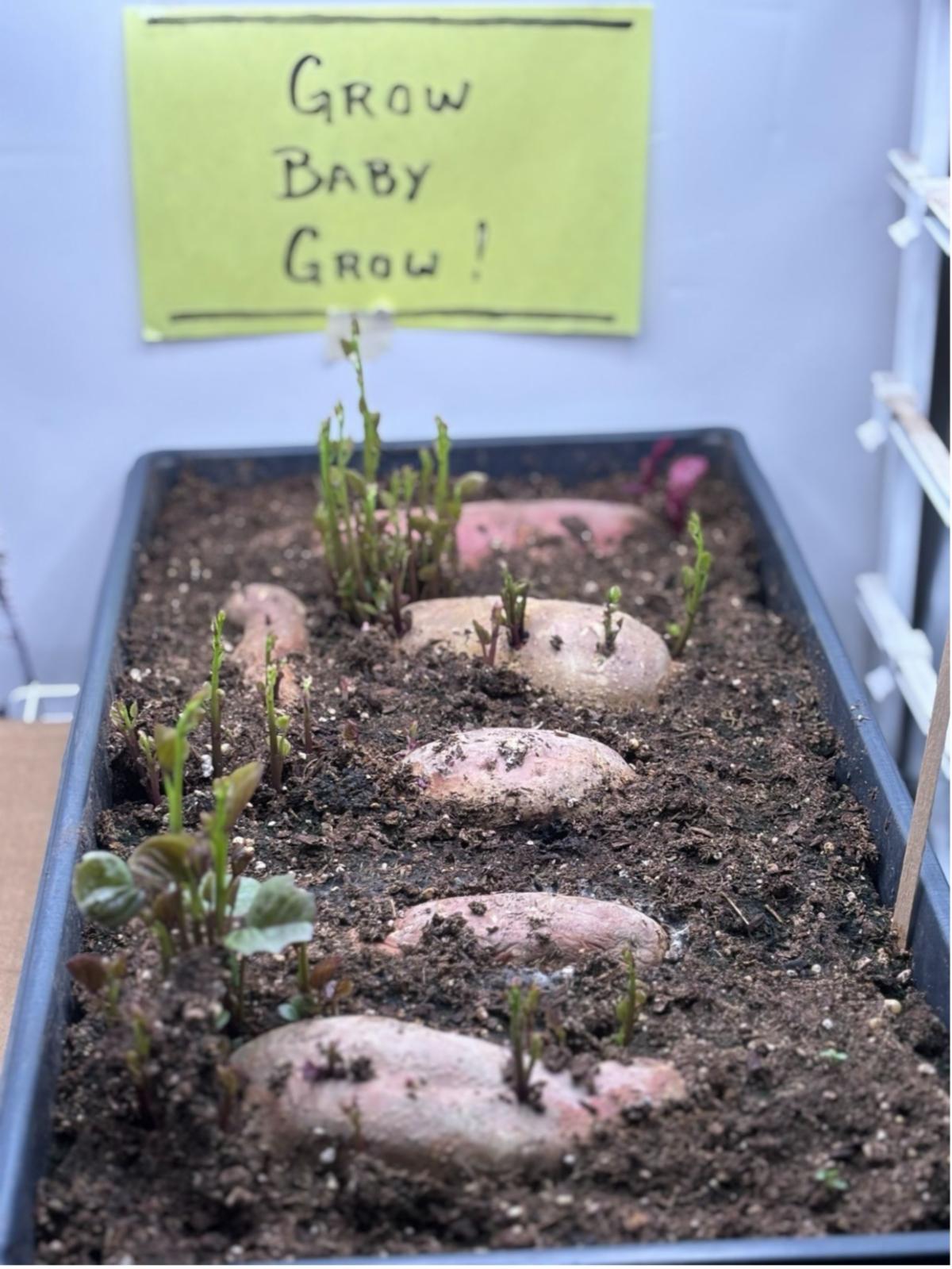
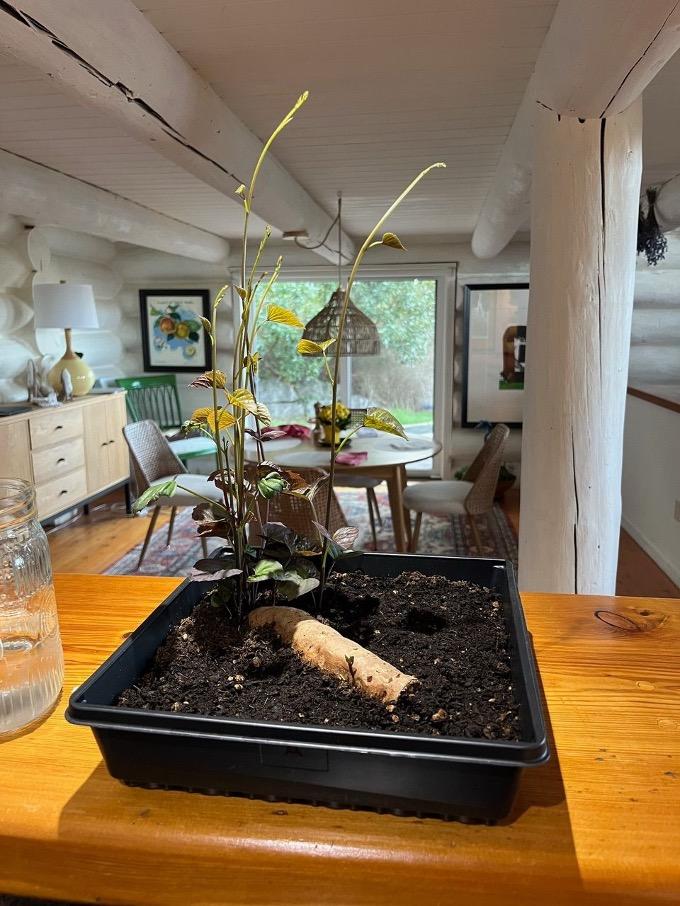
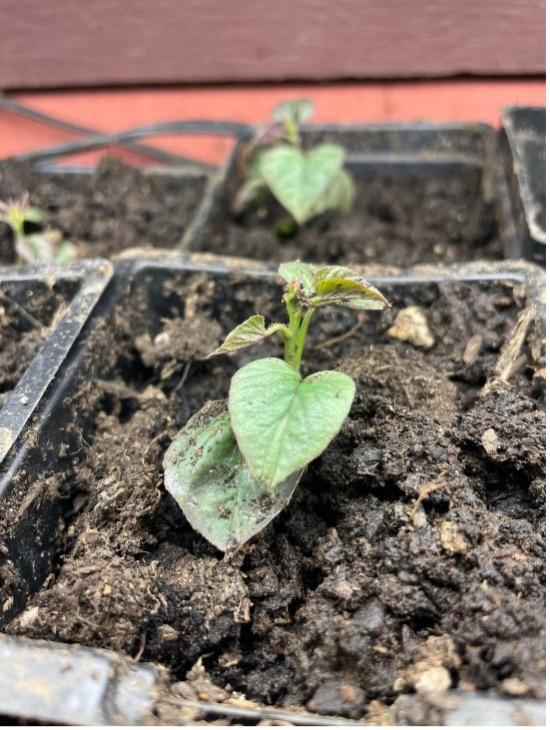
By February, roots were nestled in shallow trays. Check out our journey!
| | Mark Belanger, on Lopez, happy to receive his roots! | | | Andy Hiester posted a motivational poster for his root crew. | | | |
Emily Bronte
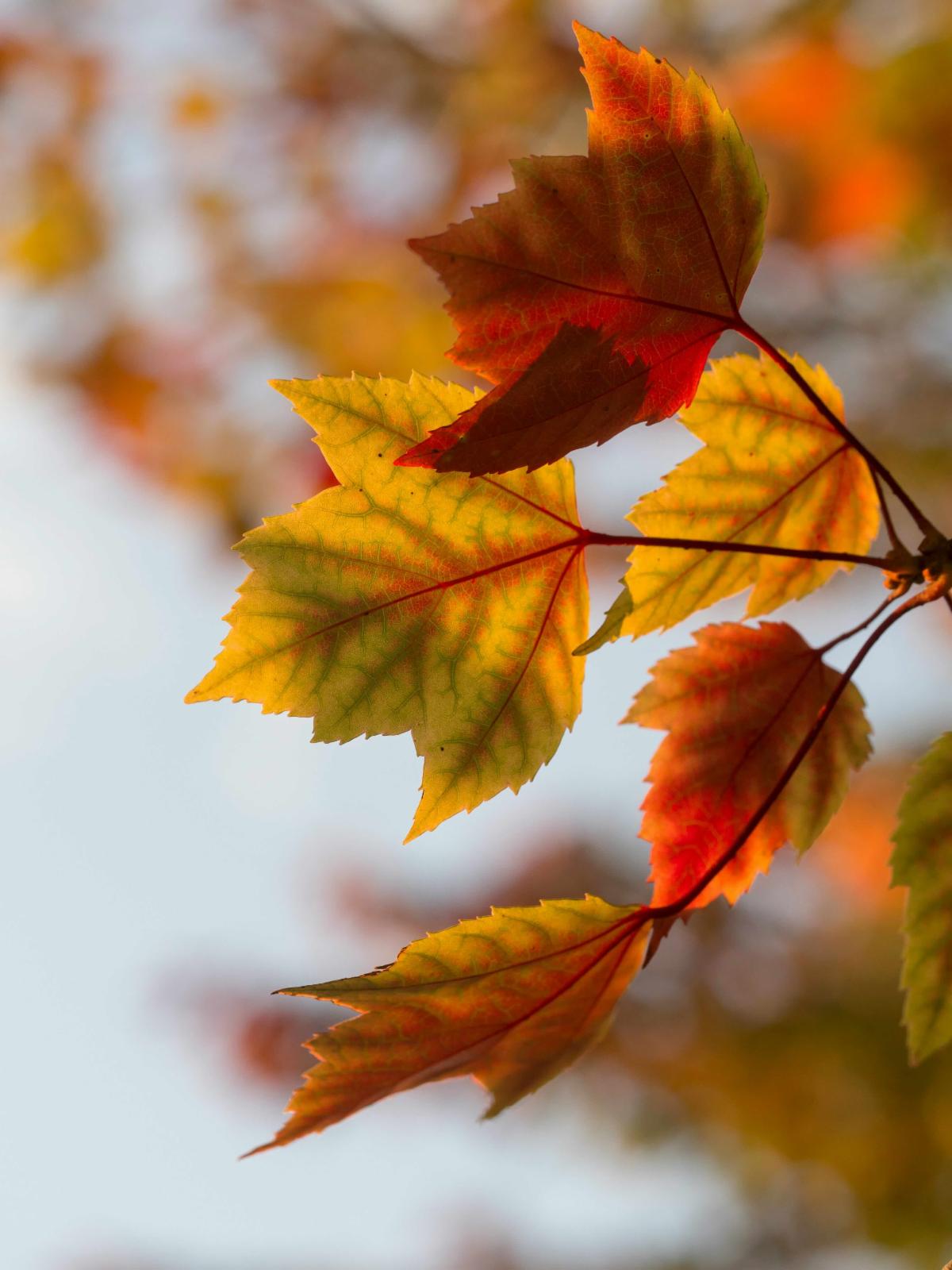
Fall leaves, fall; die, flowers away;
Lengthen night and shorten day;
Every leaf speaks bliss to me,
Fluttering from the autumn tree.
I shall smile when wreaths of snow
Blossom where the rose should grow;
I shall sing when night’s decay
Ushers in a drearier day.
Submitted By Mary Nash
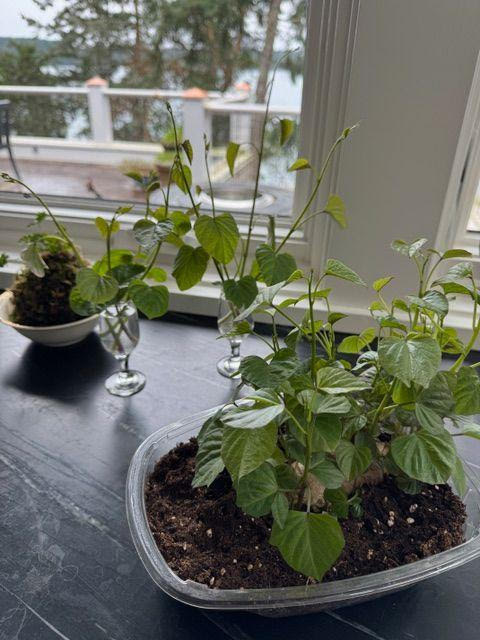
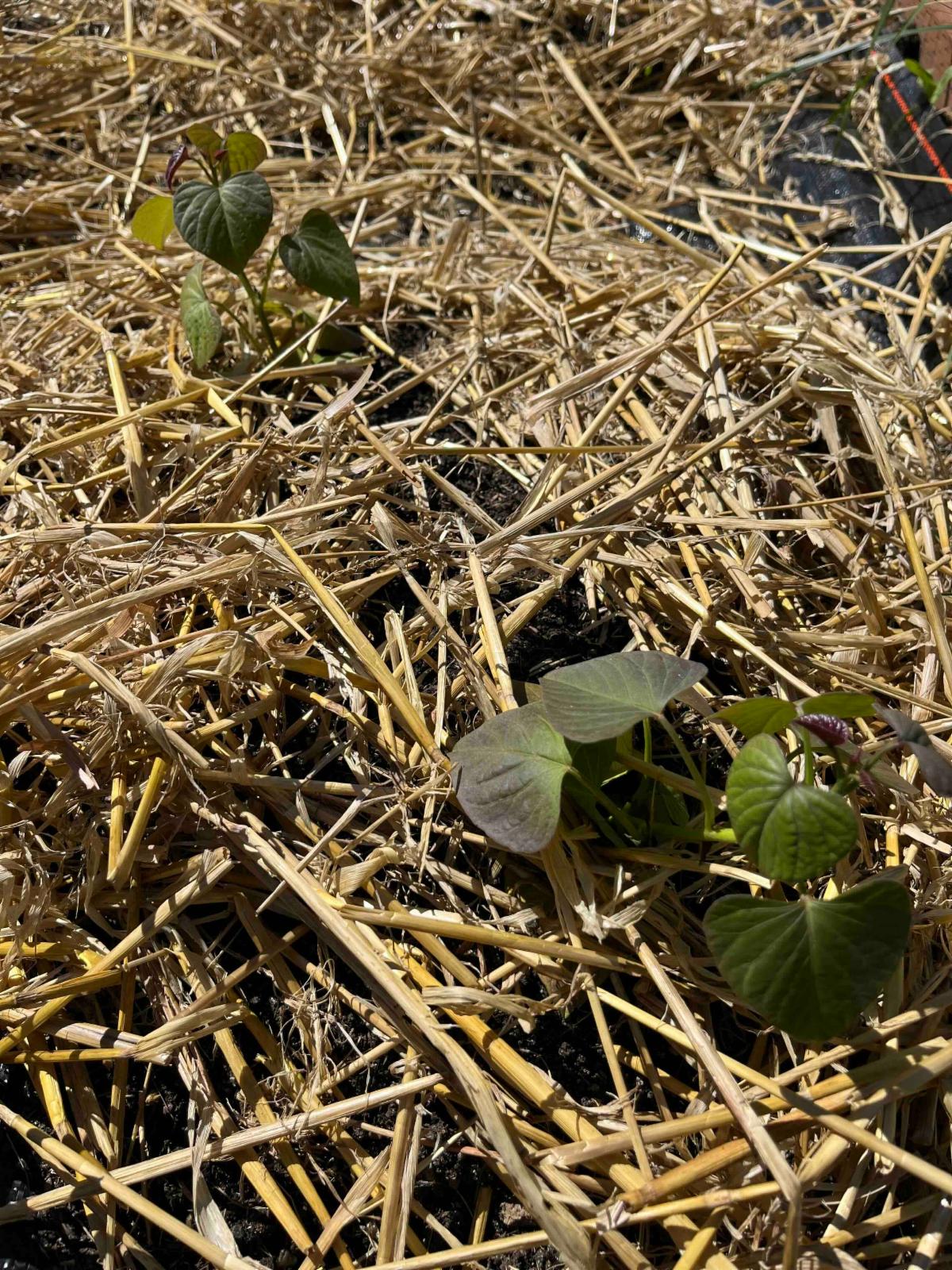
| | By March, the slips were taking off! | | Michael Readey’s slips are reaching for the sky | | | Jennifer Walsh's are looking quite elegant | | | By the end of March, I cut slips off and rooted them in soil and water. | | My crazy sweet potato root kept growing more slips! | | | We brought extra slips to the May meeting and were able to share with many more members | | | Jenny Pederson’s crop planted out, nestled in straw | | | Annette Richardson on Shaw tucked hers into pots | | | |
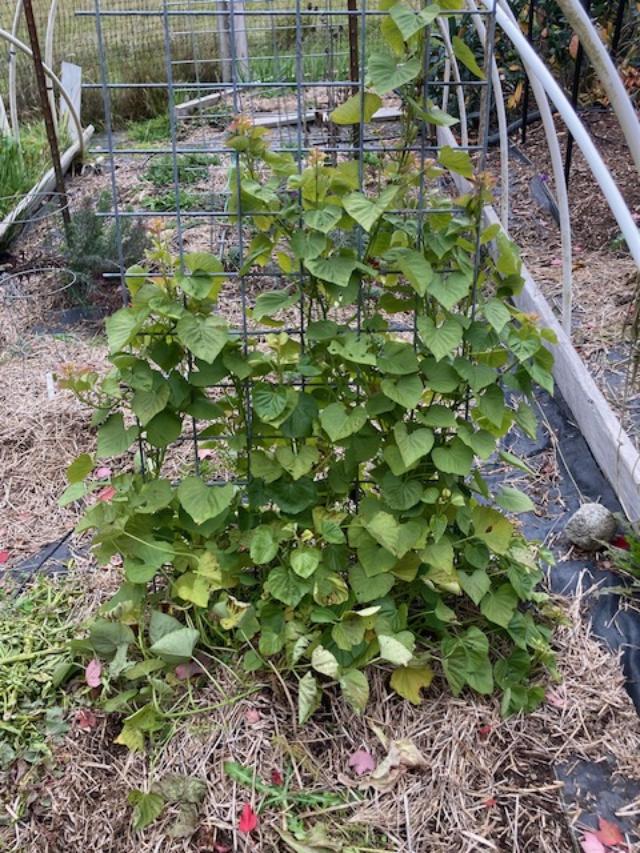
Nancy Schafer trained hers up a trellis
| | |
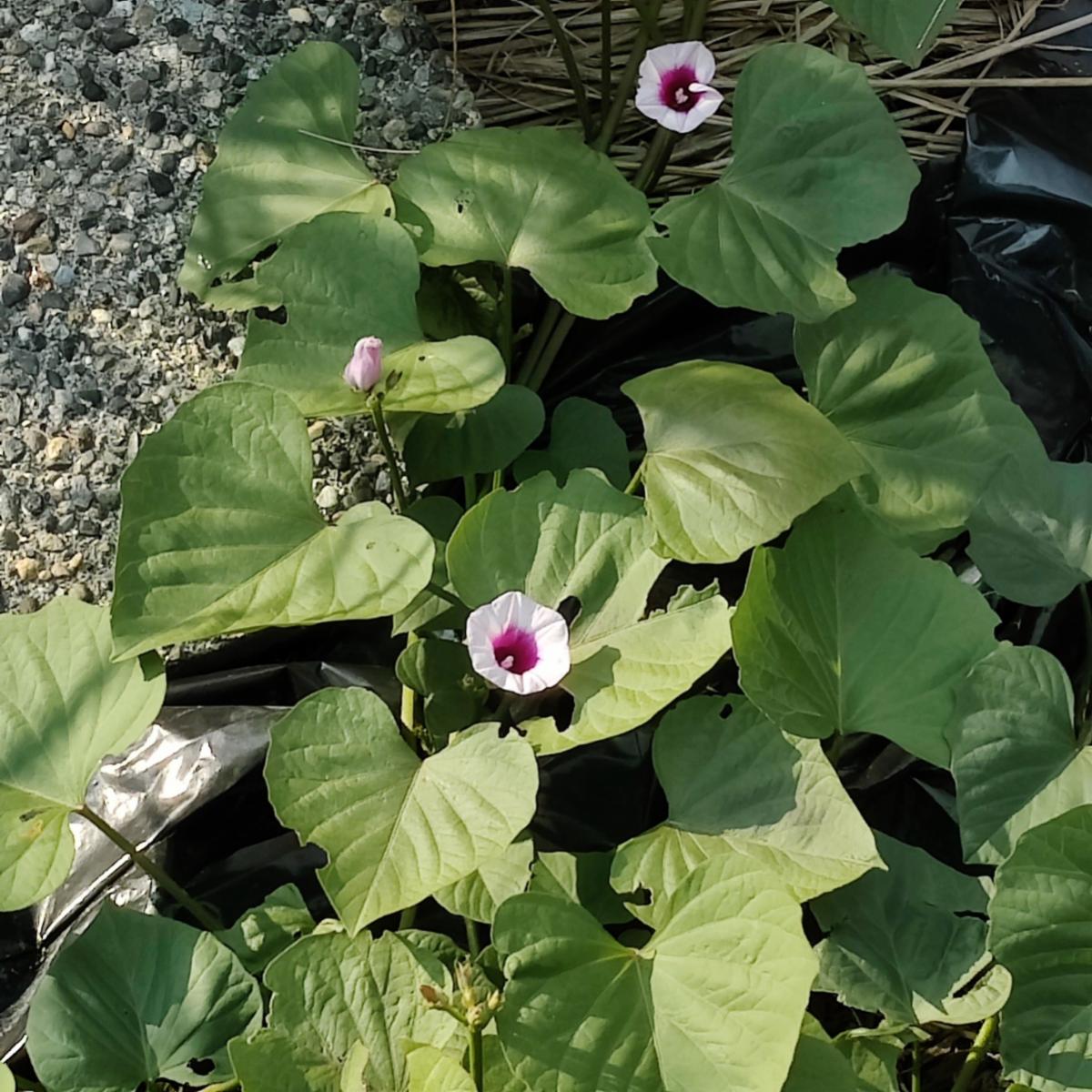
Ginger Moore's plant flowered! | | | Harvesting happened in late September through early November with widely varied results. | | | | | Nuna Malaspina’s crop was plump! | | | | | | It looks like Sidney Coffelts’ crop is sending us a coded message! | | | I like to try growing new food, but what made this experiment so special was sharing the experience with other novice growers. Most of us want to try again next year. I learned that it is possible to grow sweetpotatoes in the PNW and that there’s more to them than the marshmallowed casserole I grew up with. I think I’ll try a sweetpotato pie rather than pumpkin for Thanksgiving this year! | | |
Wild & Timely Recipes
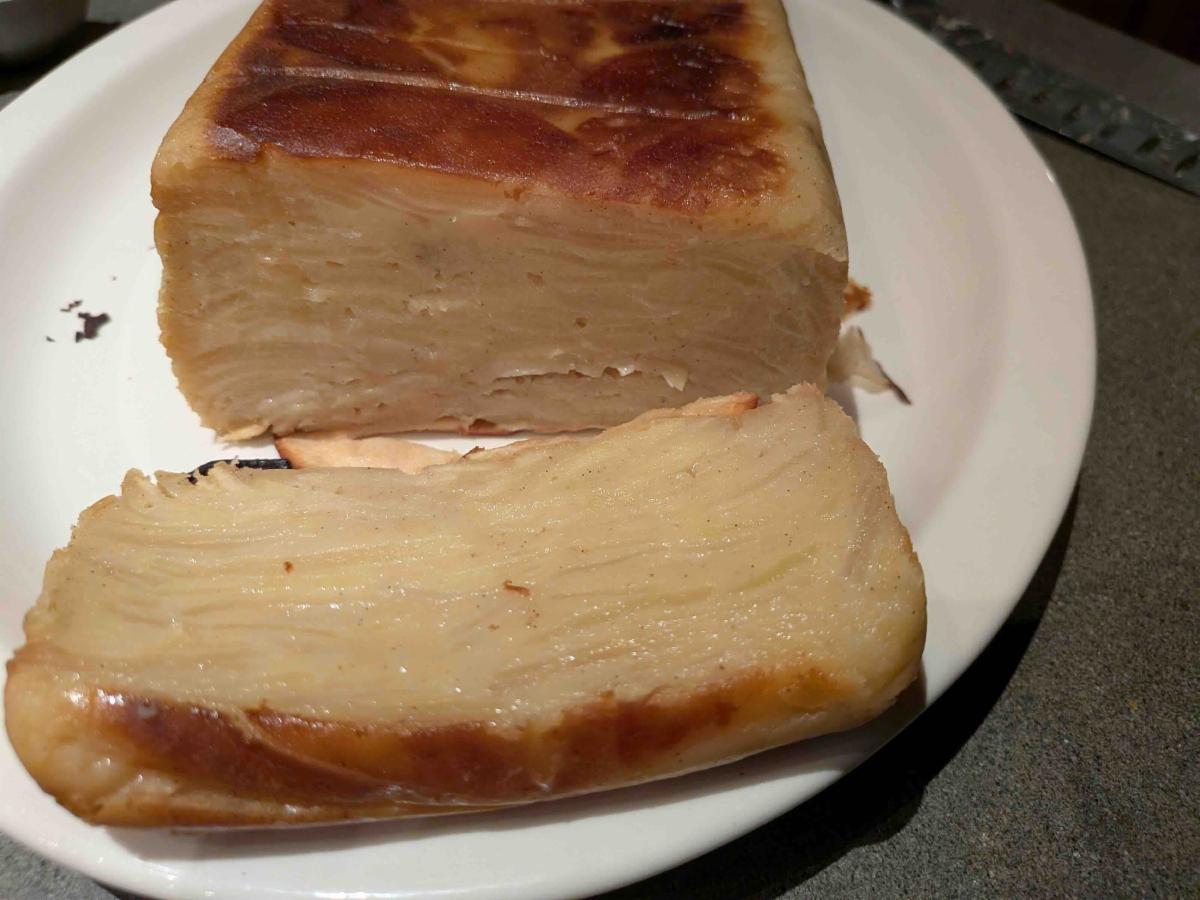
Invisible Apple Cake
by Rachel Factor
Welcome to this recipe series authored by Rachel Factor who is an avid forager on Orcas. Drawn to that natural world, she spends much of her time outdoors, hiking and foraging. When indoors, cooking and experimenting with new ingredients is a top priority! This month she'll be sharing her favorite apply cake recipe!
I don't know about you, but I've fully embraced baking season! I'm enjoying the dark evenings so that I can warm my kitchen with the oven on. Here's a different way to use apples that you may not have seen before. Personally, I got tired of the same old apple pie, apple crumble, and apple cobbler--and I still hadn't run out of apples. So here is an elegant and delicious dessert--Invisible Apple Cake.
| |
Ingredients
- 3lbs apples - peeled, cored, thinly sliced on a mandoline
- 1 lemon, juiced
- 2 tablespoons (30g) melted butter (vegan butter works too)
- 3 eggs (or 3/4 cup Just Egg to keep it vegan)
- 2 tablespoons vanilla extract (plus a whole vanilla bean pod if you're feeling fancy)
- 2/3 cup sugar
- 1/2 cup milk (of any kind)
- 2 teaspoon salt
- 1 cup all purpose flour
- Thinly slice apples on a mandoline at the thinnest setting. Add lemon juice to the apples as you cut to keep them from oxidizing.
- In a separate bowl, combine the sugar, eggs, melted butter, vanilla, milk, and salt, then whisk to combine.
- Add flour to the mixture until a thin batter forms, do not overmix.
- Coat apples in the batter, being careful not to break apart the apples, and making sure each slice is covered.
- Arrange the apples in a parchment-lined 5x13" loaf pan. Press down to fit them in and pour any remaining batter over the top.
- Bake at 350F for 70 minutes or until fully set, and a toothpick comes out clean from the middle.
Allow the cake to rest for at least 4 hours; preferably in the fridge overnight for best texture. Serve at room temperature.
| |
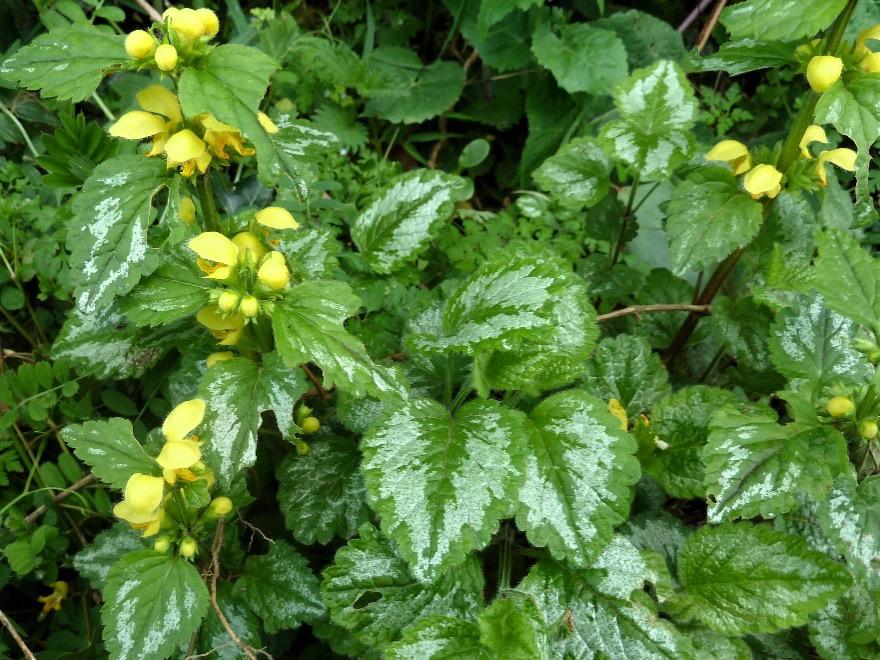
Backyard Villians - Yellow Archangel: A Devil of a Weed
by Kristin Tolle
Just in time for Halloween, this month’s devilish noxious weed is yellow archangel (Lamiastrum galeobdolon), also known as golden dead nettle. With hooded golden flowers and silvery leaves, it’s a looker—and it has been prized as a ground cover. But don’t be fooled: this “give an inch, take a mile” plant is a devil to eradicate, as I know from personal experience.
Unlike many weeds we’ve covered, yellow archangel isn’t toxic, so it can be pulled without gloves. The real problem is its deep roots and wildfire-like spread, it forms a dense mat that chokes out other vegetation. Don’t cut it down, because that encourages the roots to spread. Instead, plan to pull it year after year and with vigilance, eventually you will exhaust its root system.
Bag all plant parts and dispose of them in a sanitary landfill. Keep them out of and away from your composter: yellow archangel spreads through both rhizomes and seeds, so it can easily turn up where you don’t want it. Although the plant is susceptible to herbicides, herbicide treatment is less successful with a devil with so many means of propagation.
Despite being quarantined, yellow archangel was listed for sale when I checked Amazon and Home Depot’s websites. Buyer beware, because in Washington state, it is prohibited to transport, buy, sell, offer for sale, or distribute the plant or any of its parts.
I guess the devil is in the details.
| |
Foraged Seasonal Botanical Arrangements!
This month we have two featured homemade seasonal botanical arrangements along with a curated list of materials made with only items available in a backyard or by foraging. We hope this series inspires you to make arrangements year round for your home in creative ways! Contact oigcnewsletter@gmail.com if you'd like to submit your own playful design!
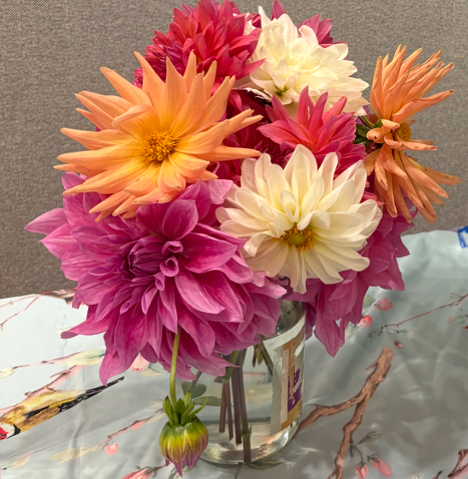
Nuna shared another bouquet from her cutting garden for the October meeting. It is a beautiful display of a variety of dahlias she found in her garden. Nuna Malaspina was kind enough to bring her bouquet to share at the October member meeting.
Designed and created by Nuna Malaspina
| |
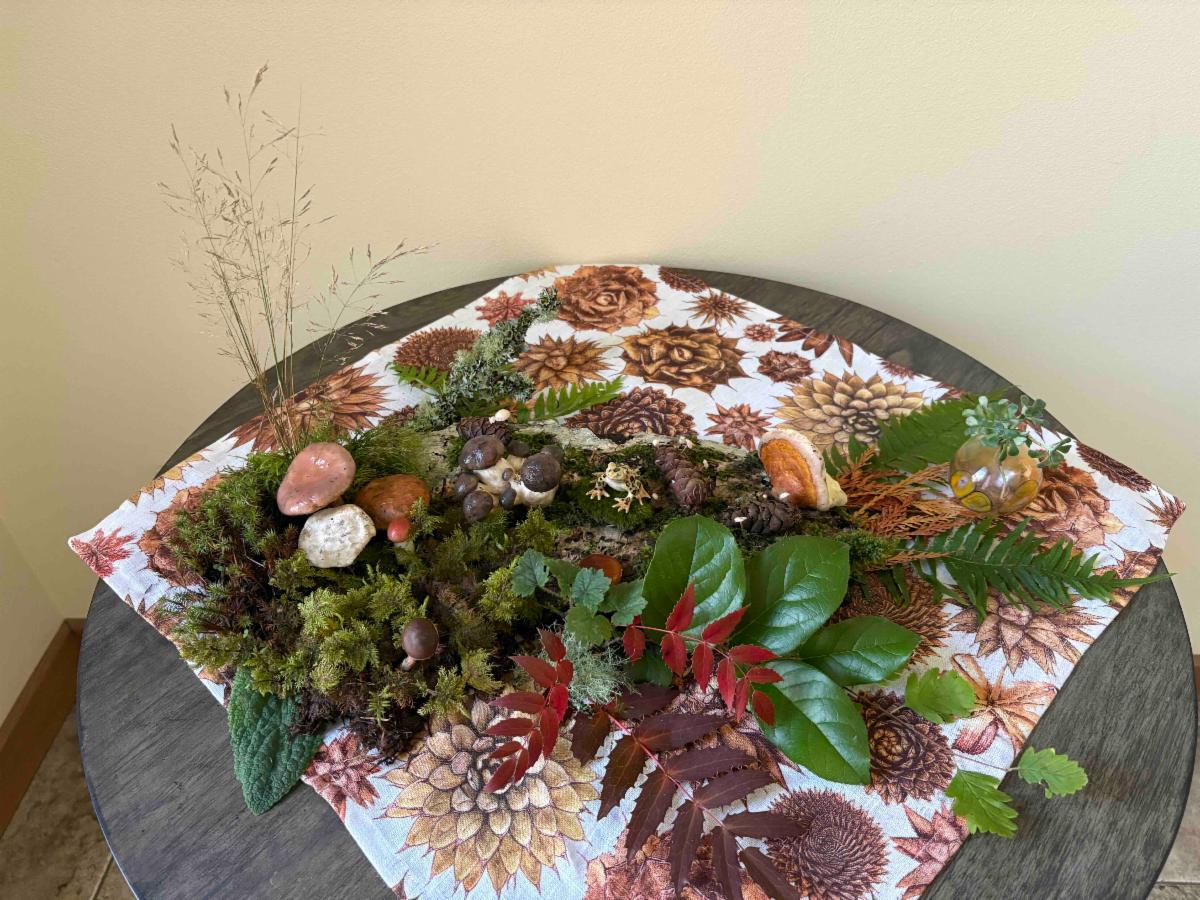
Our second seasonal arrangement comes from Laura Walker. She thought she would take advantage of the mushroom foraging walk with Rachel and Jeremy to collect some interesting botanicals to create something at home.
Lauras Material list includes:
- Various Mushrooms
- Brown Cedar Branchlets
- Salal Branch
- Native Sedum
- Oregon Grape
- Mosss
- Cones with Mini Mushrooms
- Ocean Spray Sprig
- Chicken Tail Mushroom
- Alder Bark Base
- And an Adorable Little Ceramic Frog
Designed and created by Laura Walker
| | |
Gardener-speak, is a series on common but often mysterious terms gardeners use to describe growing techniques.“Gardenerspeak” (or garden speak) refers to the specialized jargon, technical terms, and colloquial idioms used by gardening enthusiasts and horticulturists. While these terms help seasoned growers communicate efficiently, they can easily confuse beginners.
What is 'Double Digging?'
| | |
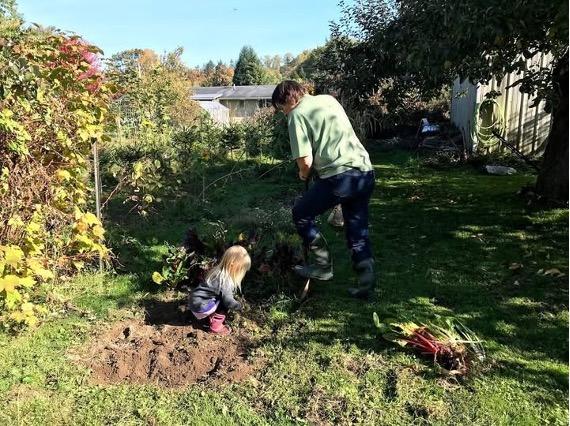
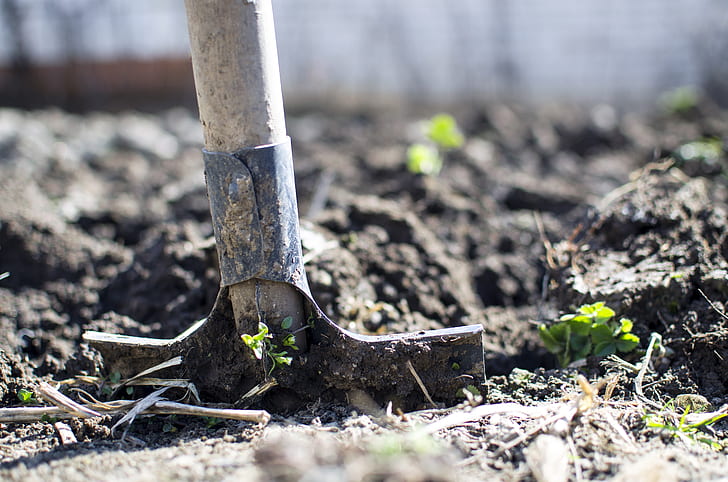
Do you remember double digging? I do, and not with particular fondness! The double digging method is a labor and time intensive soil cultivation technique that loosens the earth to a depth of two spades blades—about 2 feet. Originally used by 19th century French market gardeners and later popularized by biodynamic and intensive growing systems, it breaks up compacted subsoil and incorporates organic matter to help deep-rooted plants thrive.
| | |
Although many gardeners still use this method, more modern thinking tells gardeners to disturb the soil as little as possible during planting. Double digging can be detrimental to soil structure and destroy earthworm networks as well as possibly create hydrological issues.
Like most things, gardening changes. I feel fortunate that double digging was the method to use in my earlier years, when I had considerably more physical capabilities and energy for heavy digging than I do in these, my ''mature ‘years.
Submitted by Mary Nash
| | |
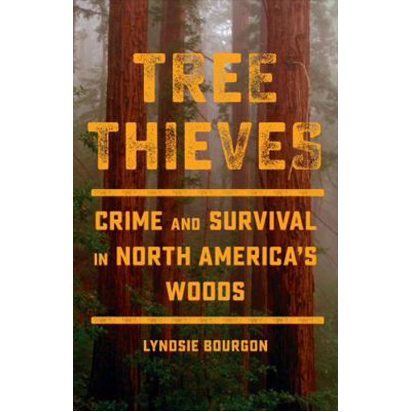
'Tree Thieves' by Lyndsie Bourgon ~ A Book Review
by Adrienne Walker
My love of trees started early - I grew up on a farm with a 50-acre maple sugar bush, and some of my favorite memories involve making maple syrup in the forest with my family every spring. So, when I read in “Tree Thieves” by Lyndsie Bourgon that “it’s estimated that $1B worth of wood is poached yearly” (pg 10) in North America, I was both shocked and angry.
As we now know, the loss of one tree affects its neighbors, but even worse is the loss of trees from old growth forests, including the California redwoods. There, poachers aren’t just taking lumber from the tree, but are often digging up the ligno-tuber – a burl-like protuberance at the root crown that “serves as both stress response and safeguard of genetic immortality for a redwood….there are some instances where forests, after being clear-cut, have grown anew thanks to the sprouts arising from ligno-tubers’. (pg 66) When they are stolen and turned into decorative bowls or furniture, that ancient tree is gone forever.
| |
“Trees are poems that the earth writes upon the sky.”
- Khalil Gibran, "Sand and Foam"
| |
All that being said, the author’s perspective is that many of the people around the world who are poaching trees have been forced into it by financial hardship. Some, like those who live around the California redwoods, grew up in towns largely existing because of the logging industry: “many of the jobs lost in the late 20th century were not replaced, or at least not with jobs that guaranteed stable, full-time work and a fair income.” (pg 108)
Enforcement is also a challenge: in the Amazon rainforest where trees are frequently clearcut for subsistence farming, a small number of enforcement agents are responsible for millions of acres with almost no roads or cell phone service. Even when they know trees are coming down it can take days, even weeks, to get to the location, by which time the poachers, and the trees, are long gone. This isn’t a feel-good book, but it is an interesting one, and available at the library.
Happy reading! Adrienne
| | For those interested in learning more about the book or in joining the book club, Adrienne welcomes inquiries and is happy to provide additional information directly. | | Reflecting on Fall Activities | | |
Winner Winner Chicken Dinner!
by Robin Sullivan
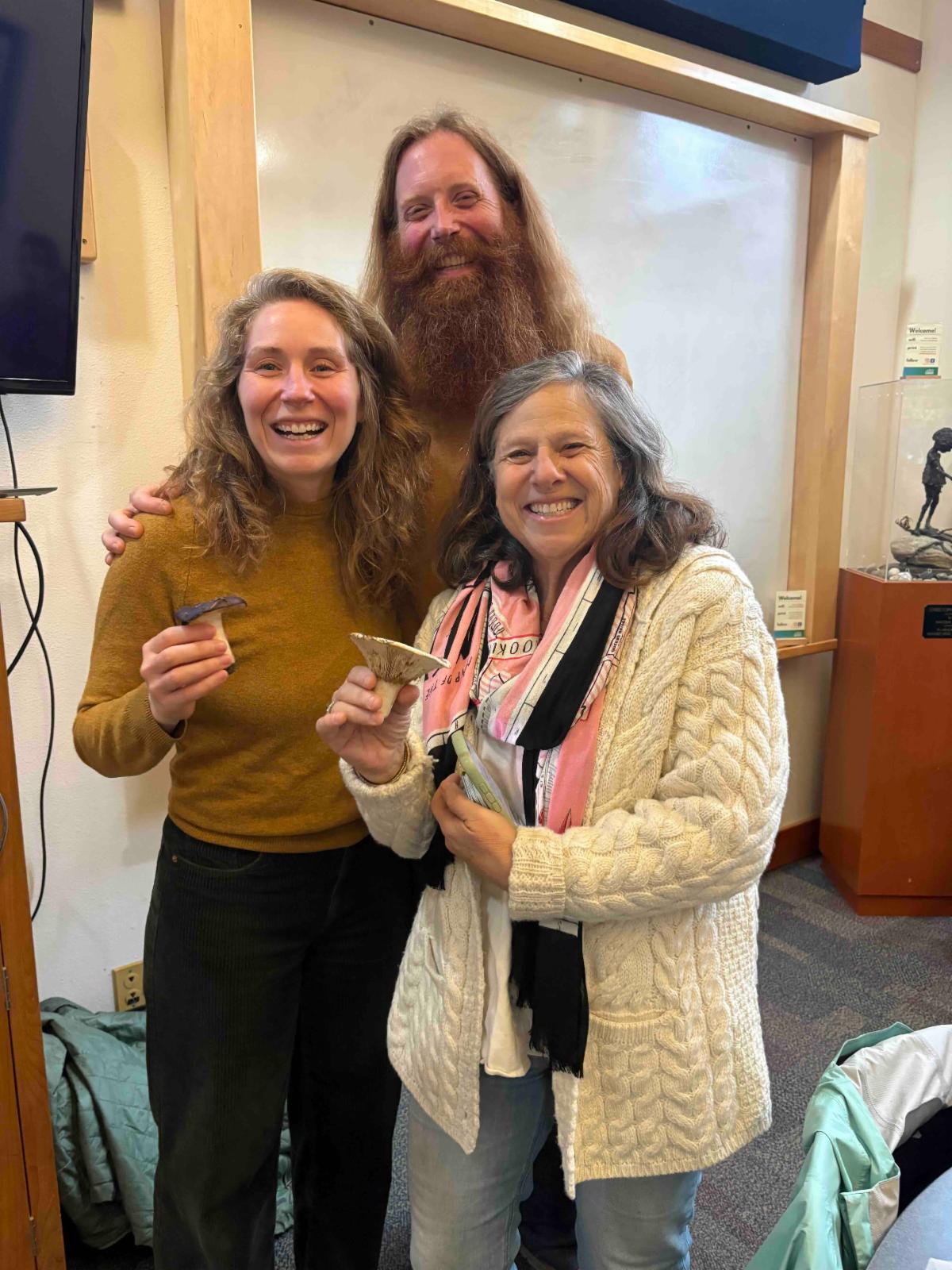
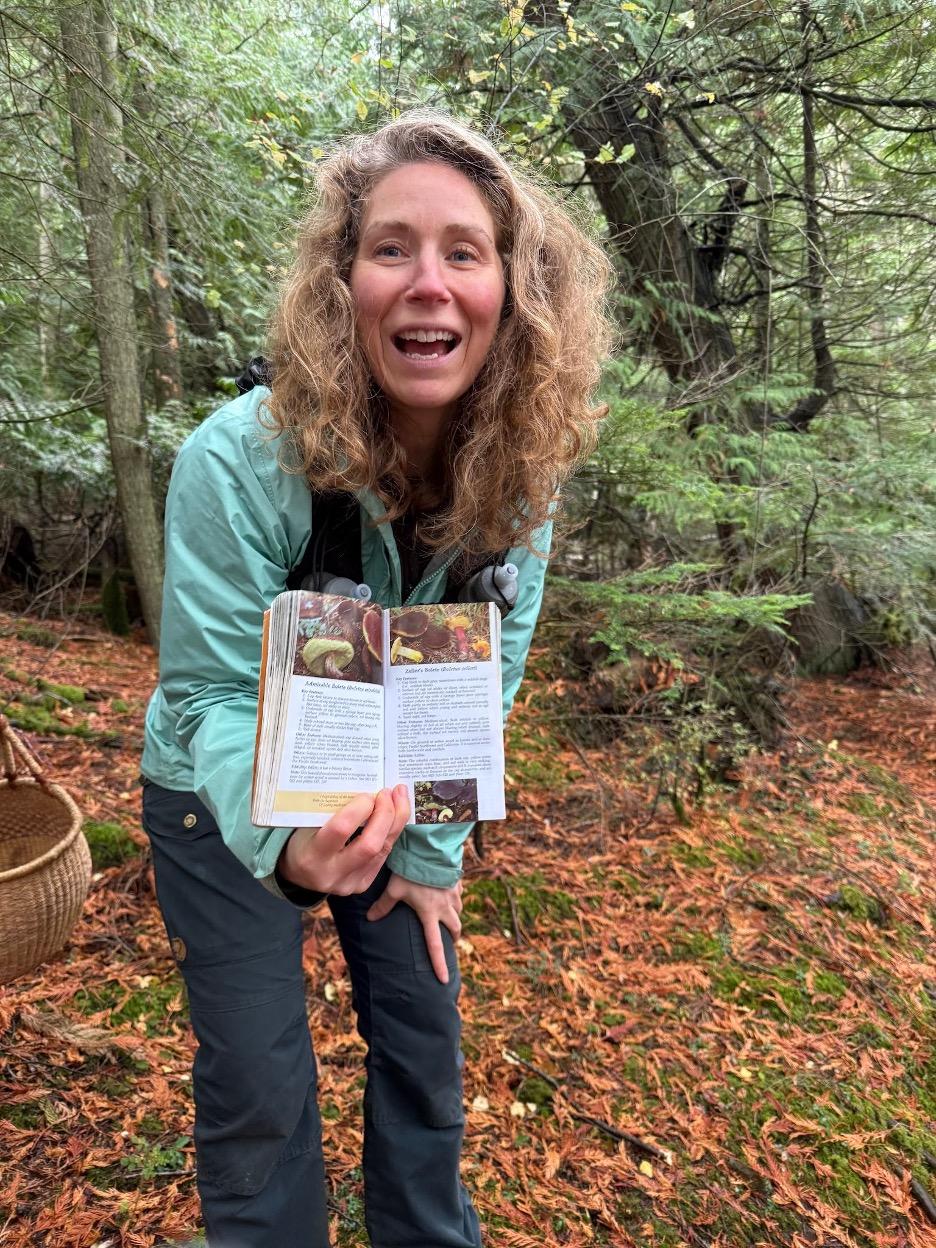
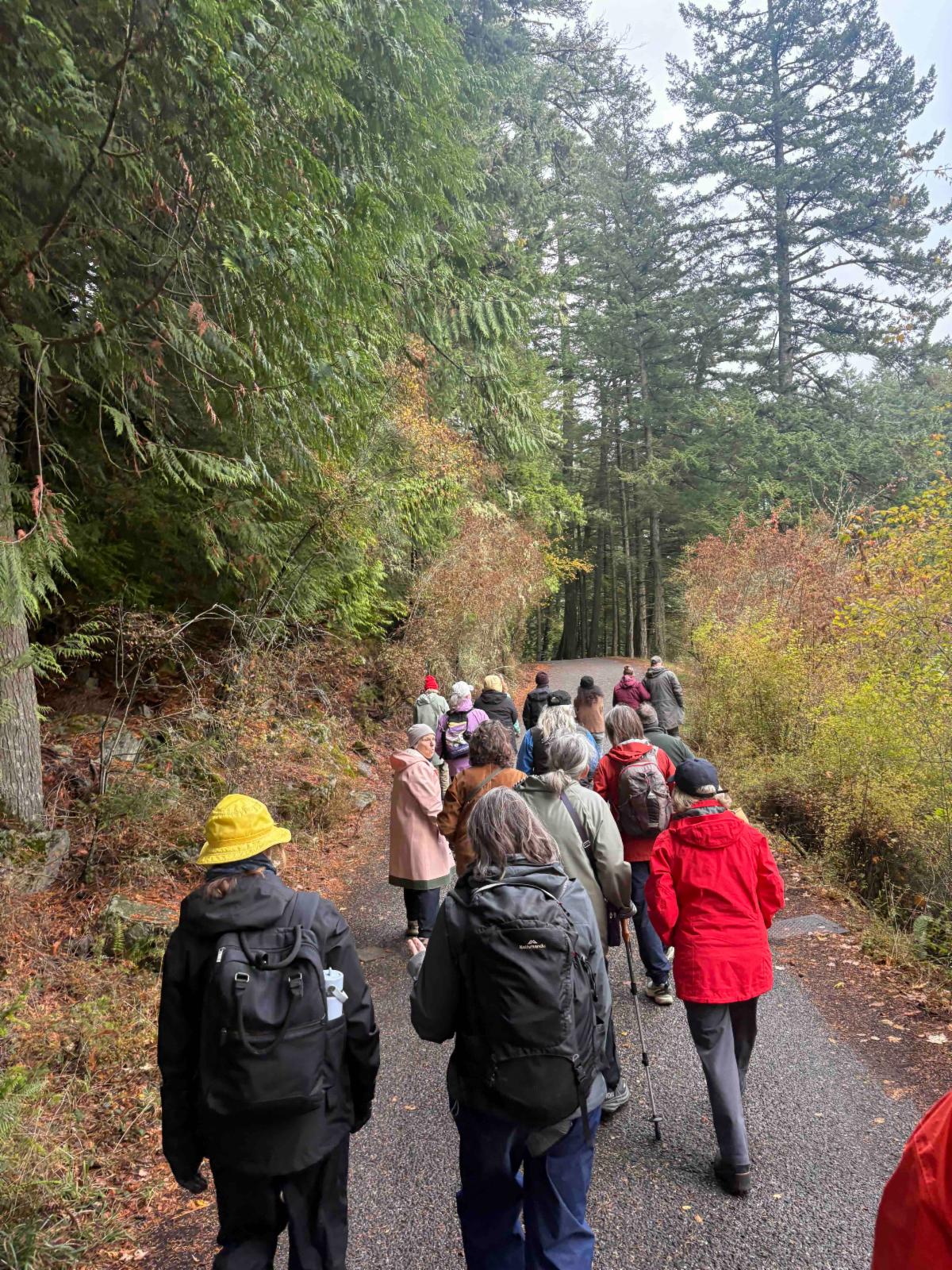
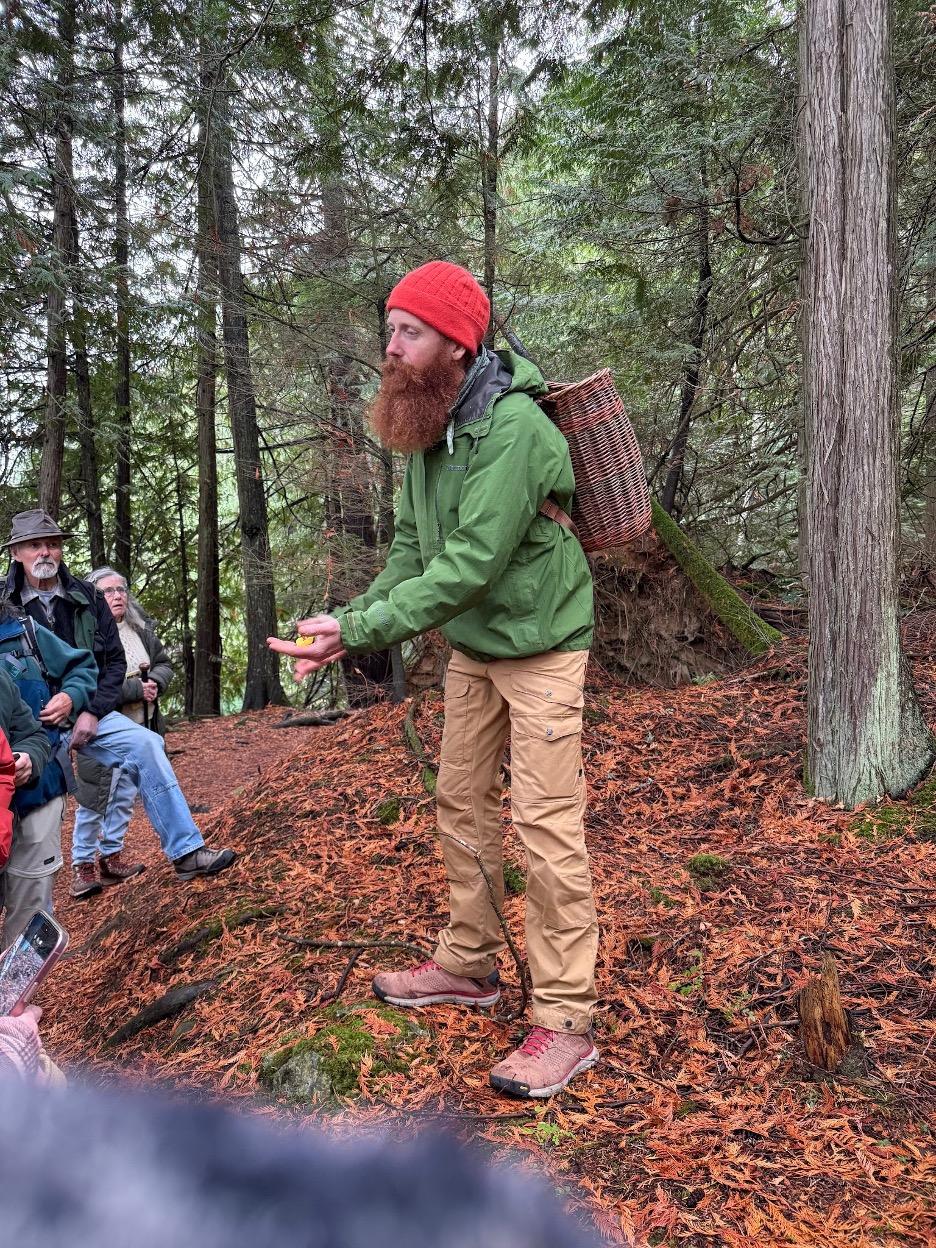
On October 24th, our Garden Club friends traded their garden gloves for walking shoes and headed into the woods for a treasure hunt focused on mushrooms! We were delighted to welcome Jeremy Berglund and Rachel Factor, who shared their enthusiasm for finding and identifying the many fascinating mushrooms that grow right here on Orcas Island.
Before setting off, we learned what to look for when identifying mushrooms, from their stems, gills, and caps to their colors and the places where they grow. We also learned an important lesson: simply touching a mushroom is not a cause for concern, but eating wild mushrooms requires great care. Some poisonous varieties look remarkably similar to edible ones, so proper identification by a knowledgeable expert is essential.
| |
We also learned that the mushroom we see above ground is actually the fruiting body of a much larger organism. Beneath the soil or within wood lies the mycelium, a network of fungal threads that makes up the main body of the fungus. Much like picking an apple doesn’t harm an apple tree, picking a mushroom generally doesn’t harm the mycelium. And as we carry mushrooms through the forest, they may release spores along the way, potentially helping the fungus disperse and reproduce.
| |
With our new found knowledge in hand, we headed to Mountain Lake and followed the trail toward Twin Lakes, keeping our eyes peeled for mushrooms along the way. We spotted a prized King Bolete, clusters of oyster mushrooms growing on fallen logs, and, as we continued along the trail, chanterelles that had everyone excited. We also found a dyer’s polypore and marveled at the wonderful variety of colors, shapes, and textures hidden among the trees. We even saw the bright, gelatinous, orange witch’s butter, with its unusual, almost gummy-bear-like texture. Along the trail, we met a fellow mushroom hunter who showed us a dinner plate-sized reishi he’d found near Mount Pickett! We pulled out our Artist’s Conk to compare the two woody polypore fungi. And one of the simple pleasures of the day? Tapping little puffballs and watching clouds of greenish-brown spores burst into the air!
| |
There was something wonderful about the whole adventure; the thrill of spotting a mushroom hiding beneath the leaves, the excitement of gathering around to examine and discuss a discovery, and the fun of learning from one another. Every bend in the trail held the possibility of another surprise. By the end of our hike, we had baskets full of fascinating finds, a little dinner and a new appreciation for the little wonders growing all around us.
A huge thank-you to Jeremy and Rachel for sharing their knowledge, and helping us uncover our forest’s hidden treasures. We’re especially delighted to welcome them as our newest Garden Club members. Be sure to visit our Cultivating Friendships page to learn a little more about them.
| | |
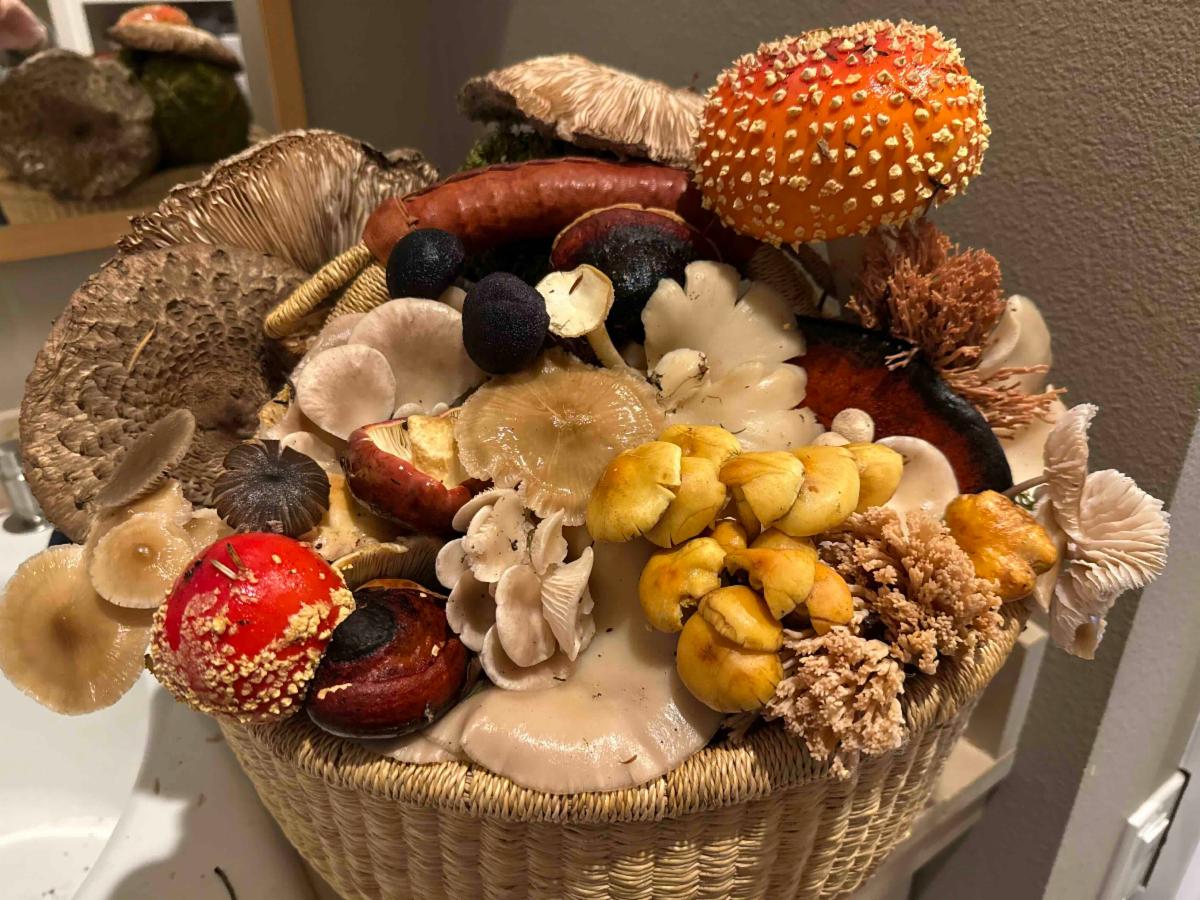
NOW FOR EVEN MORE FUN...A MUSHROOM QUIZ!
Think you can identify our mushroom treasures? Take a closer look at the basket and see how many you can name.
| | |
Starting at the top left, here’s a closer look at some of the fascinating fungi we found on our Orcas Island mushroom hunt.
-
Hawk’s Wing (Sarcodon imbricatus) — Look for its broad brown cap covered in coarse, overlapping scales, almost like shingles on a roof. Unlike most familiar mushrooms, it has small, tooth-like spines on the underside rather than gills or pores. It is commonly found on the forest floor in Pacific Northwest conifer forests, where it forms a mutually beneficial relationship with tree roots.
-
Fly Agaric (Amanita muscaria) — The striking red cap with white wart-like patches makes this one of the most recognizable mushrooms in the world. Beneath the cap are white gills, and the stem typically has a ring and a bulbous base with remnants of a cup-like structure. It grows in woodland habitats, particularly near birches and conifers, exchanging nutrients with the roots of its host trees. Despite its storybook appearance, it is poisonous.
-
Sulfur Tufts (Hypholoma fasciculare) — These small, bright yellow to sulfur-yellow mushrooms often grow in dense clusters on dead stumps, fallen logs, and decaying wood. Their caps may darken toward the center, while the crowded gills change from yellowish to gray-purple as the spores mature. They help break down dead wood and recycle nutrients back into the forest. They are poisonous and should never be eaten.
-
Coral Mushroom — The white, branching growth at the front right resembles miniature coral. Coral fungi have upright branches rather than the familiar cap-and-stem shape of many mushrooms. Depending on the species, they may grow on soil, among leaf litter, or on decaying wood.
-
Oyster Mushrooms (Pleurotus species) — At the front center, these mushrooms have broad, fan-shaped caps that often overlap in shelves on dead or dying wood. Their white to cream gills run down the short, off-center stem, sometimes almost to the point where the cap attaches to the log. Oyster mushrooms are decomposers, breaking down wood and helping return its nutrients to the ecosystem.
-
Shrimp Mushroom — Just to the left of the oyster mushrooms. This common name can refer to different fungi, so the exact identification matters. If ours is the shrimp russula (possibly Russula xerampelina), it typically has a reddish to wine-colored cap, pale gills, and a sturdy white stem that can develop yellow-brown staining. It is associated with tree roots in forest habitats and is noted for its distinctive seafood-like odor, particularly as it ages.
-
Artist’s Conk (Ganoderma applanatum) — The woody, shelf-like fungus just below the basket handle is a perennial polypore, meaning it can persist and grow over multiple seasons. It usually grows on dead or decaying hardwood and has a hard, brown upper surface with a pale underside full of tiny pores through which spores are released. Scratch the fresh white pore surface, and it darkens to brown, allowing artists to make lasting drawings on the fungus.
-
Violet Webcap (Cortinarius violaceus) — The dramatic purple mushrooms are particularly striking. This species has a dark violet, dry cap, deep violet gills, and a stout violet stem, sometimes with a slightly metallic sheen. It is found in older forests, including those of the Pacific Northwest, where it forms associations with tree roots.
| |
|
Mason and Leaf Cutter Bee Workshop
by Laura Walker
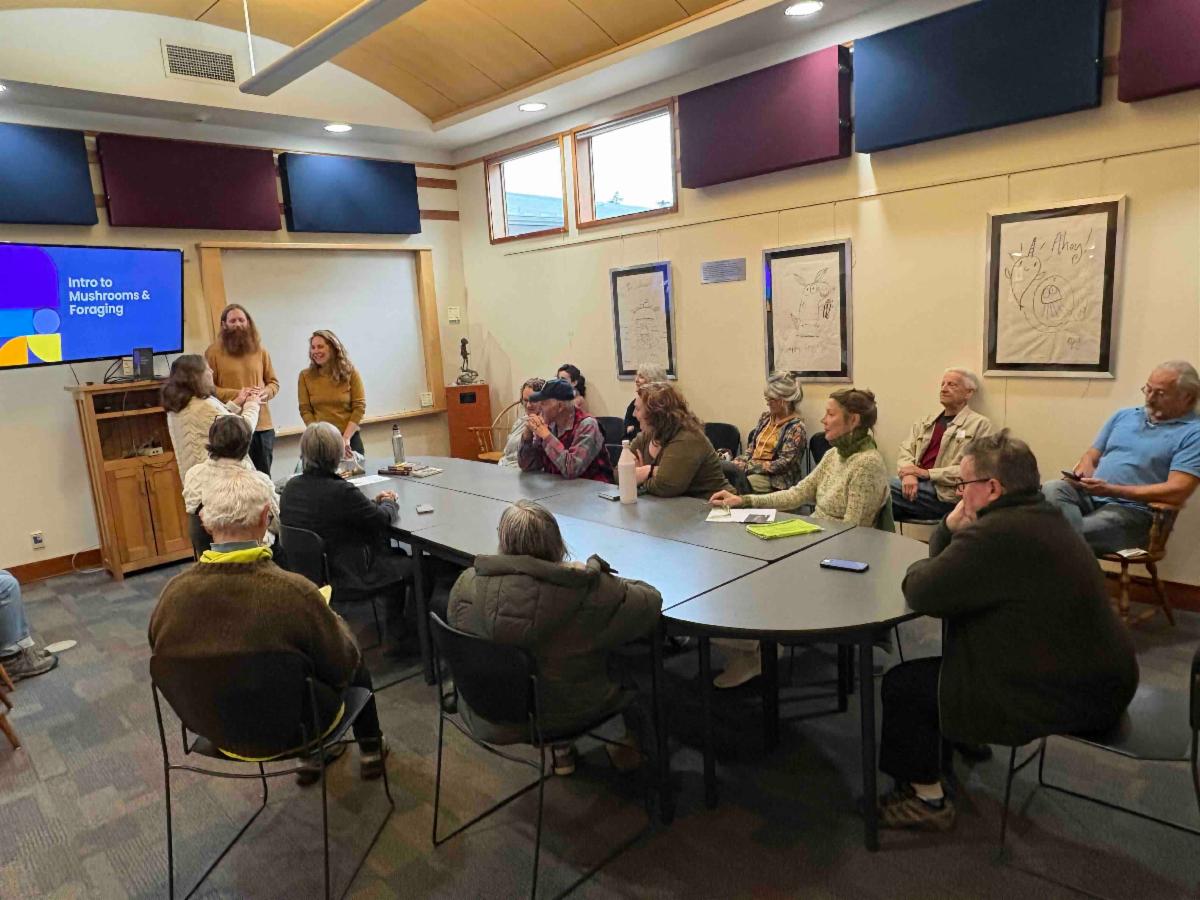
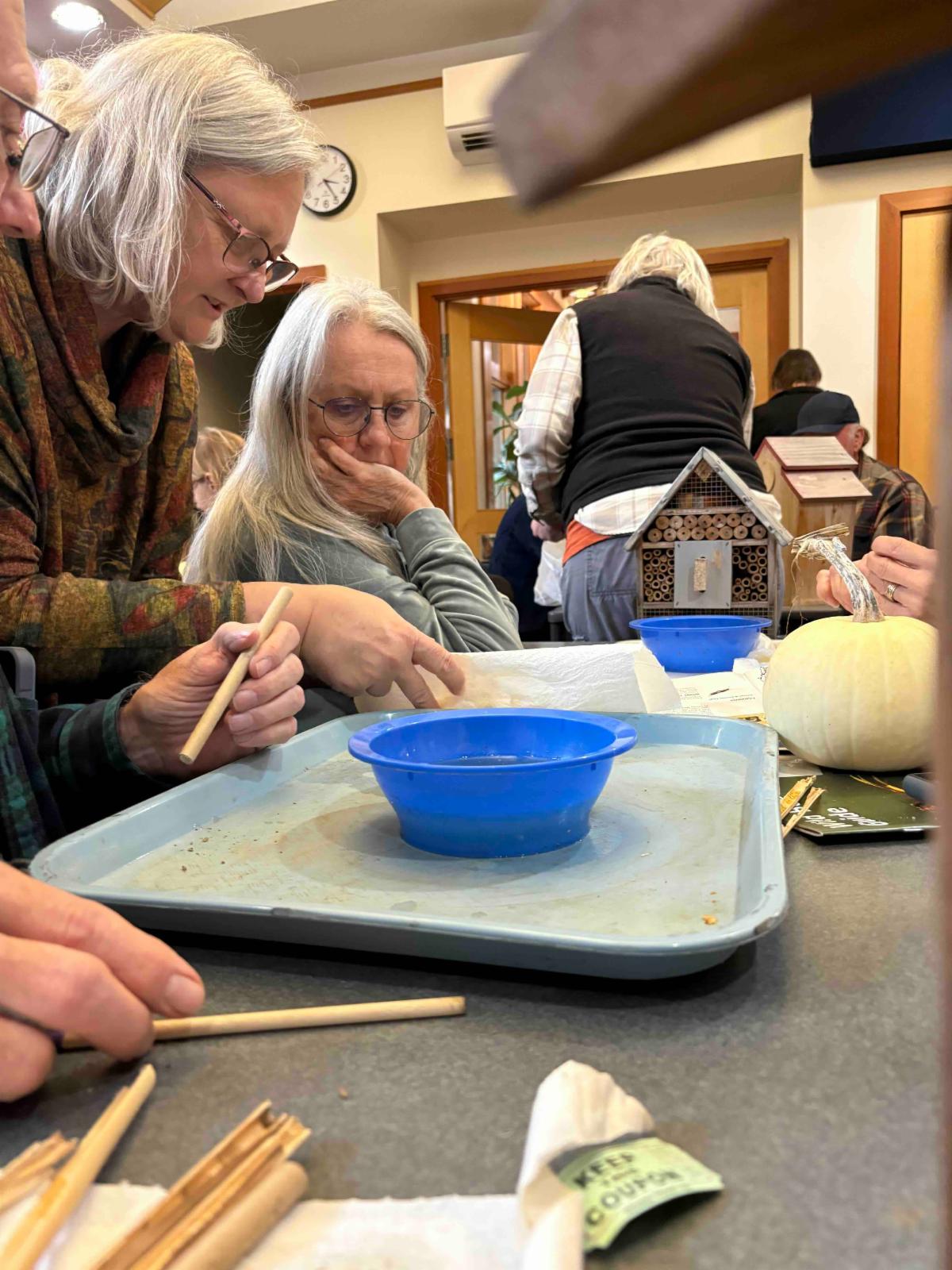
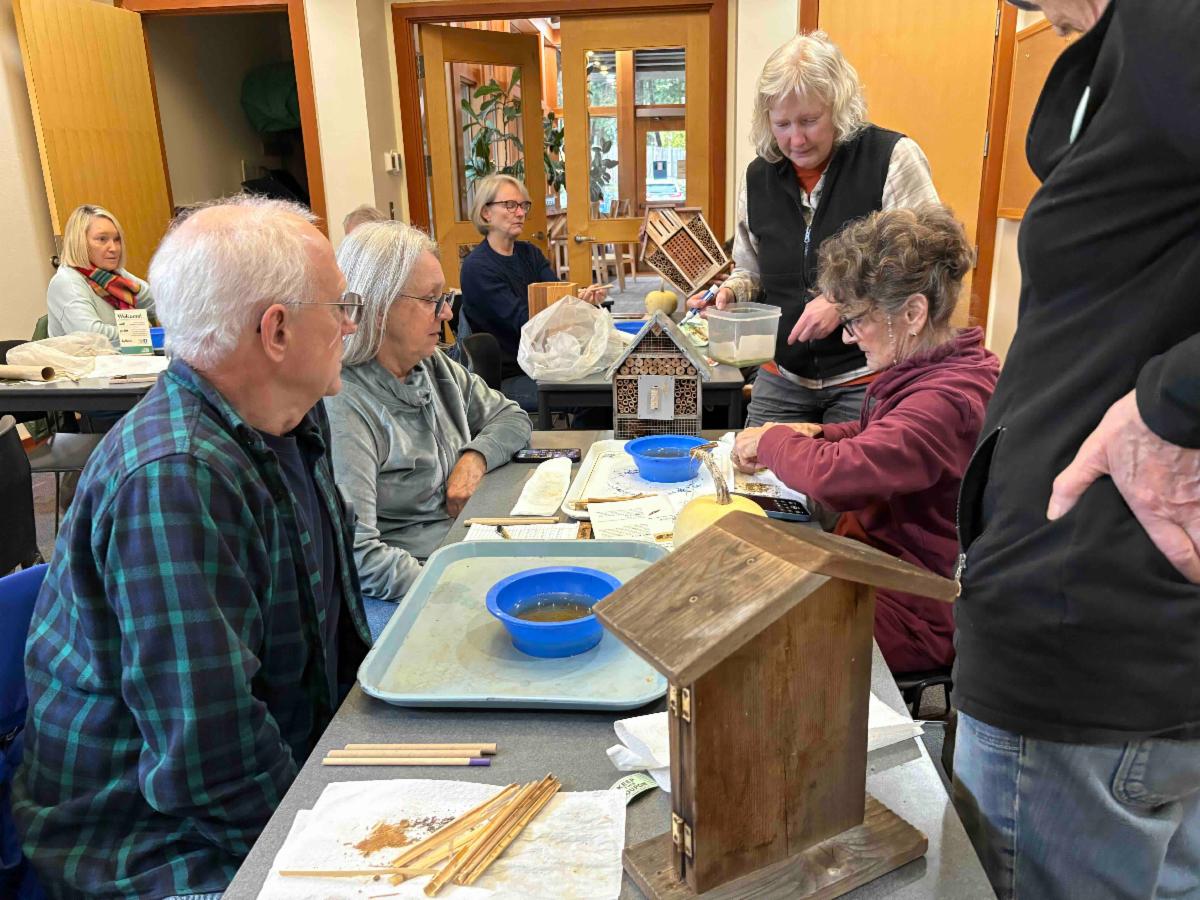
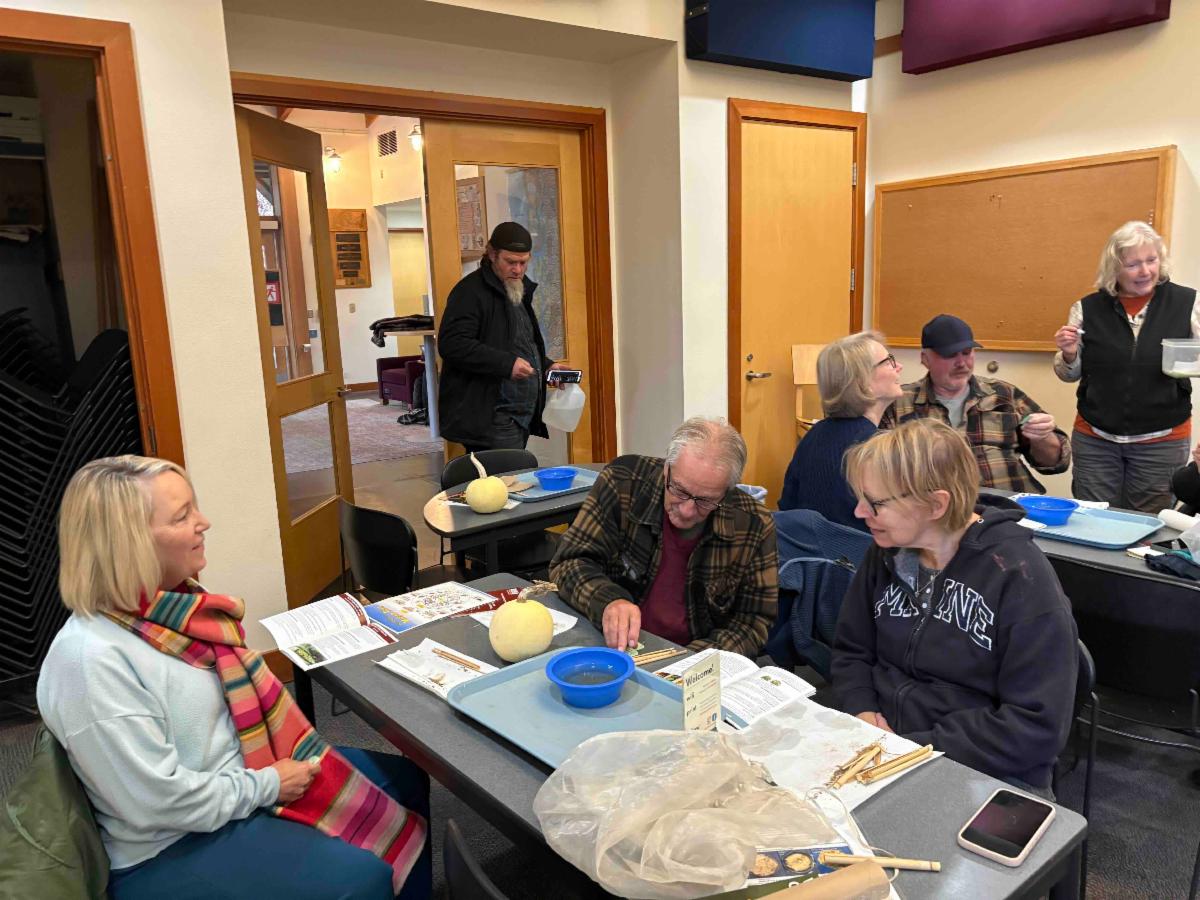
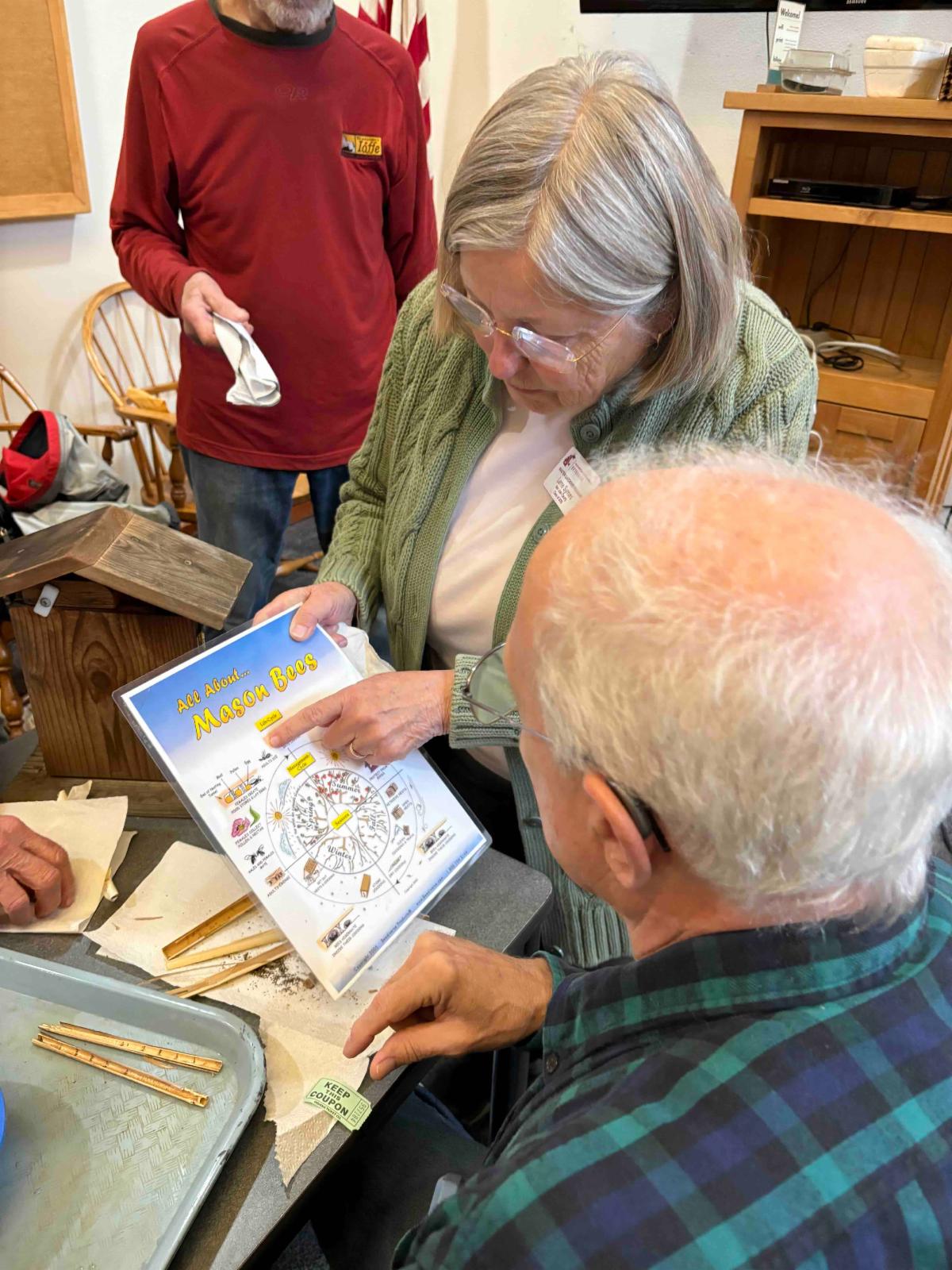
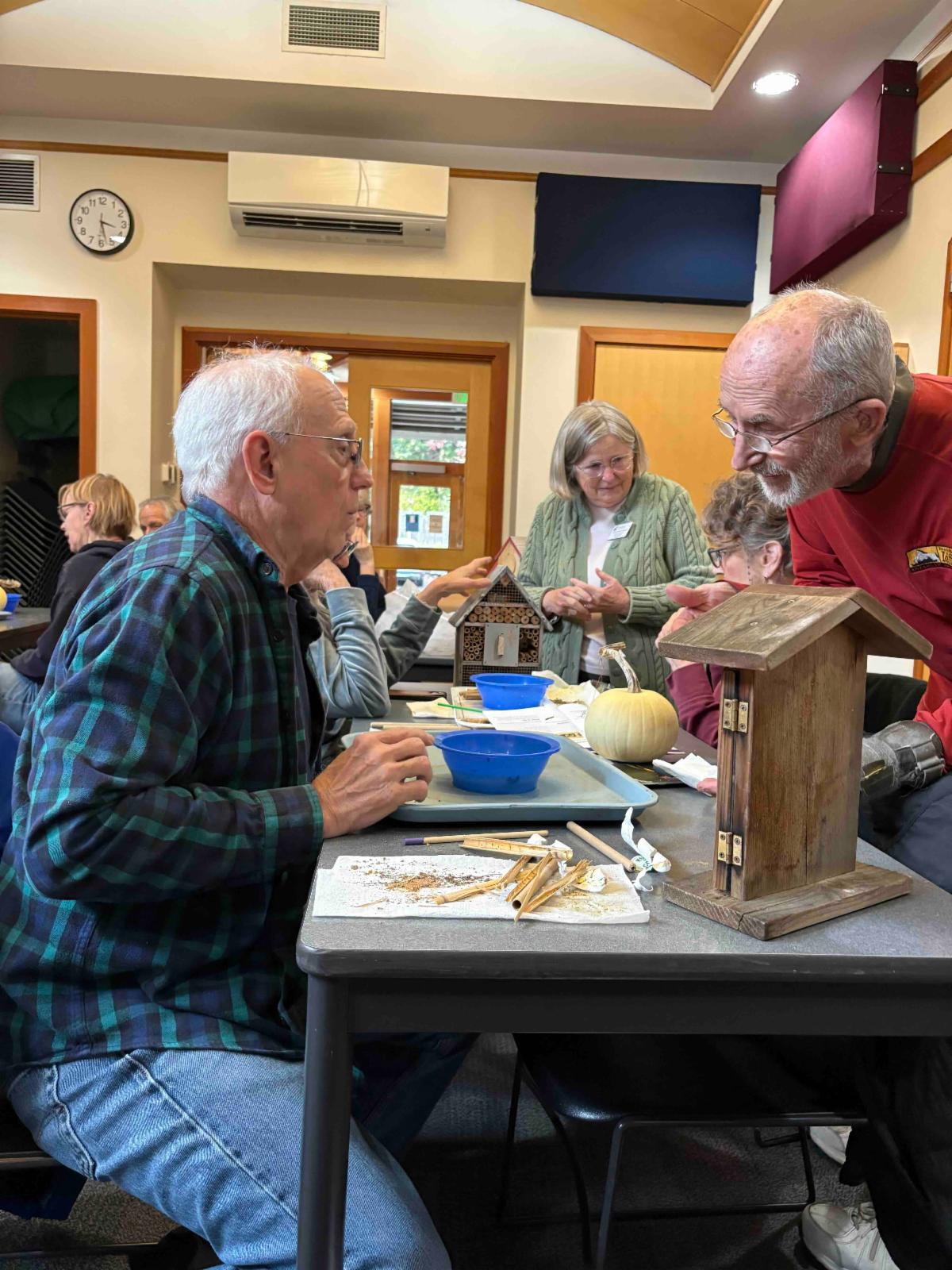
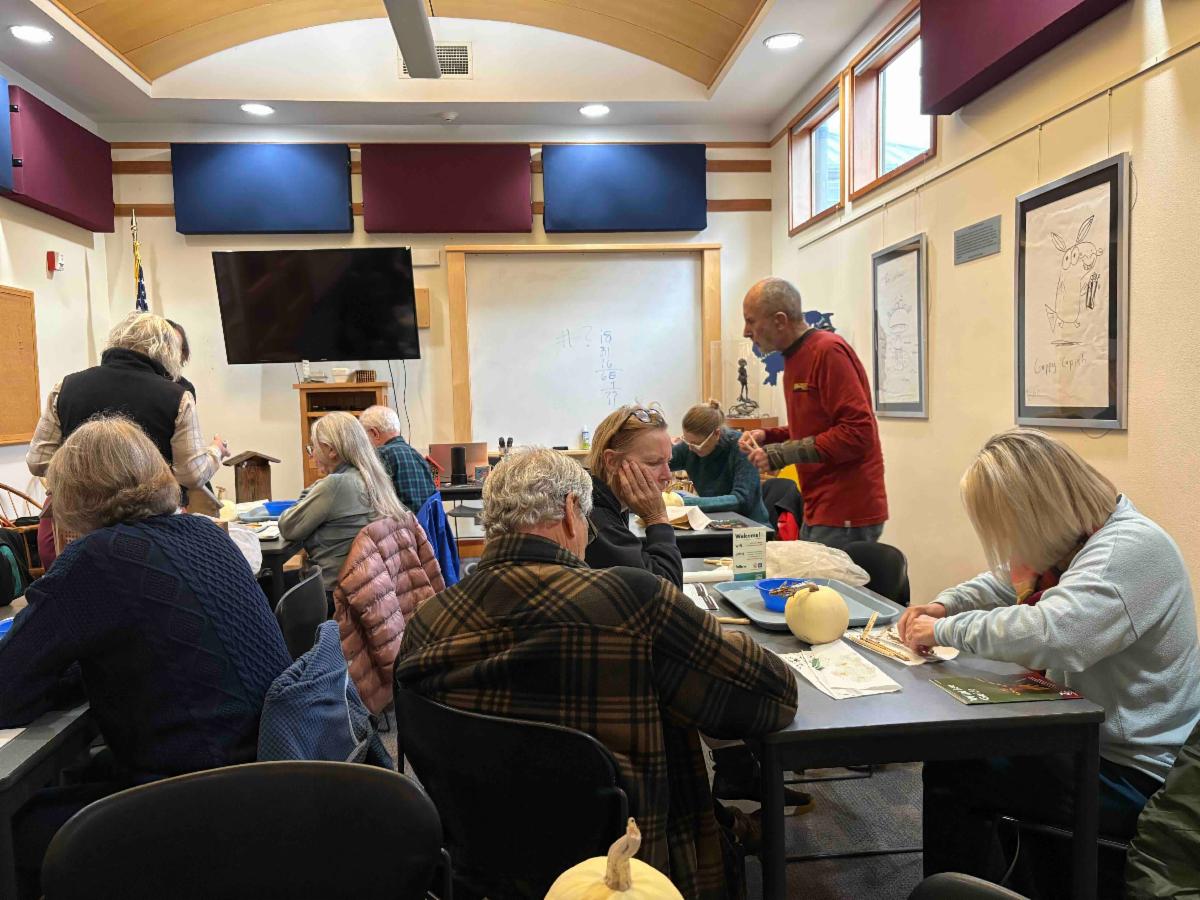
A room full of wannabe bee enthusiasts came together at the end of October for a roll up your sleeves, hands on workshop to help out the bees.
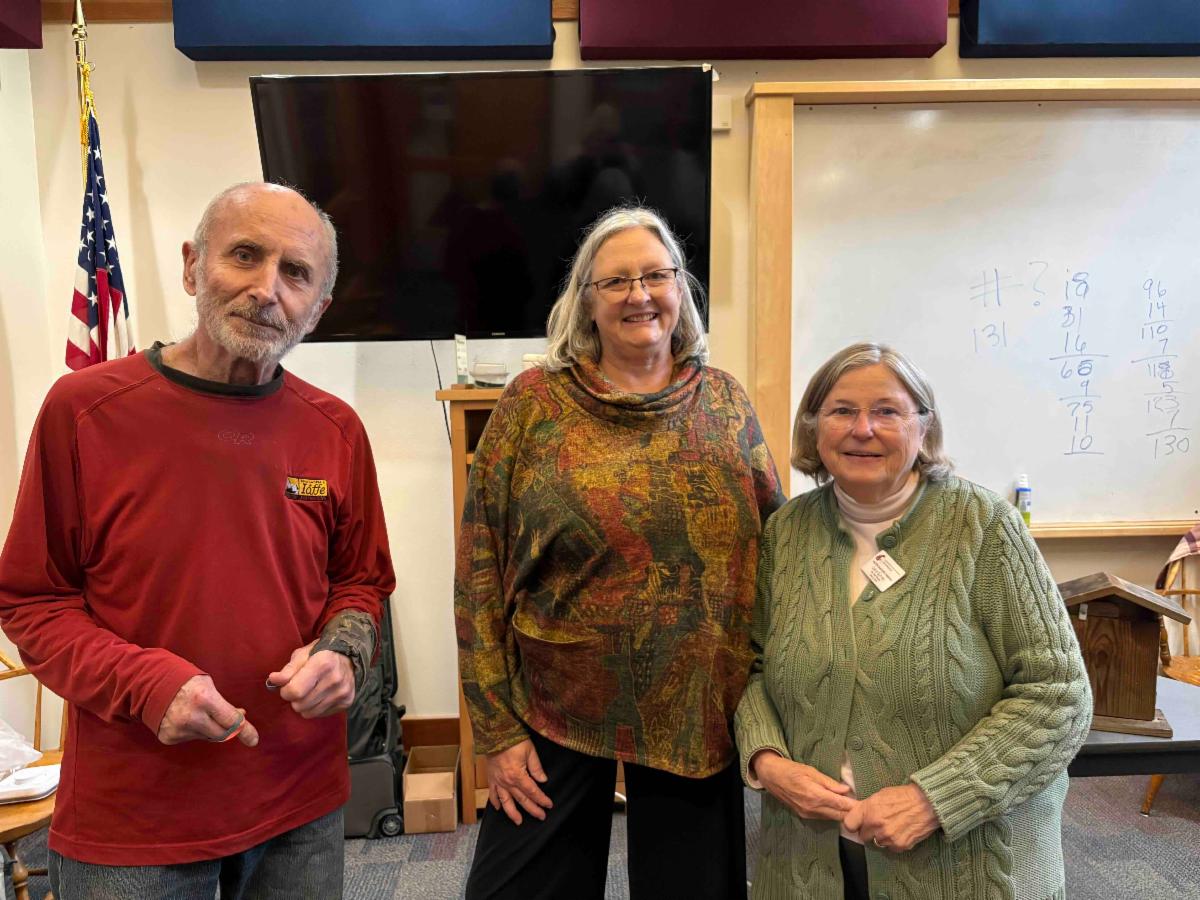
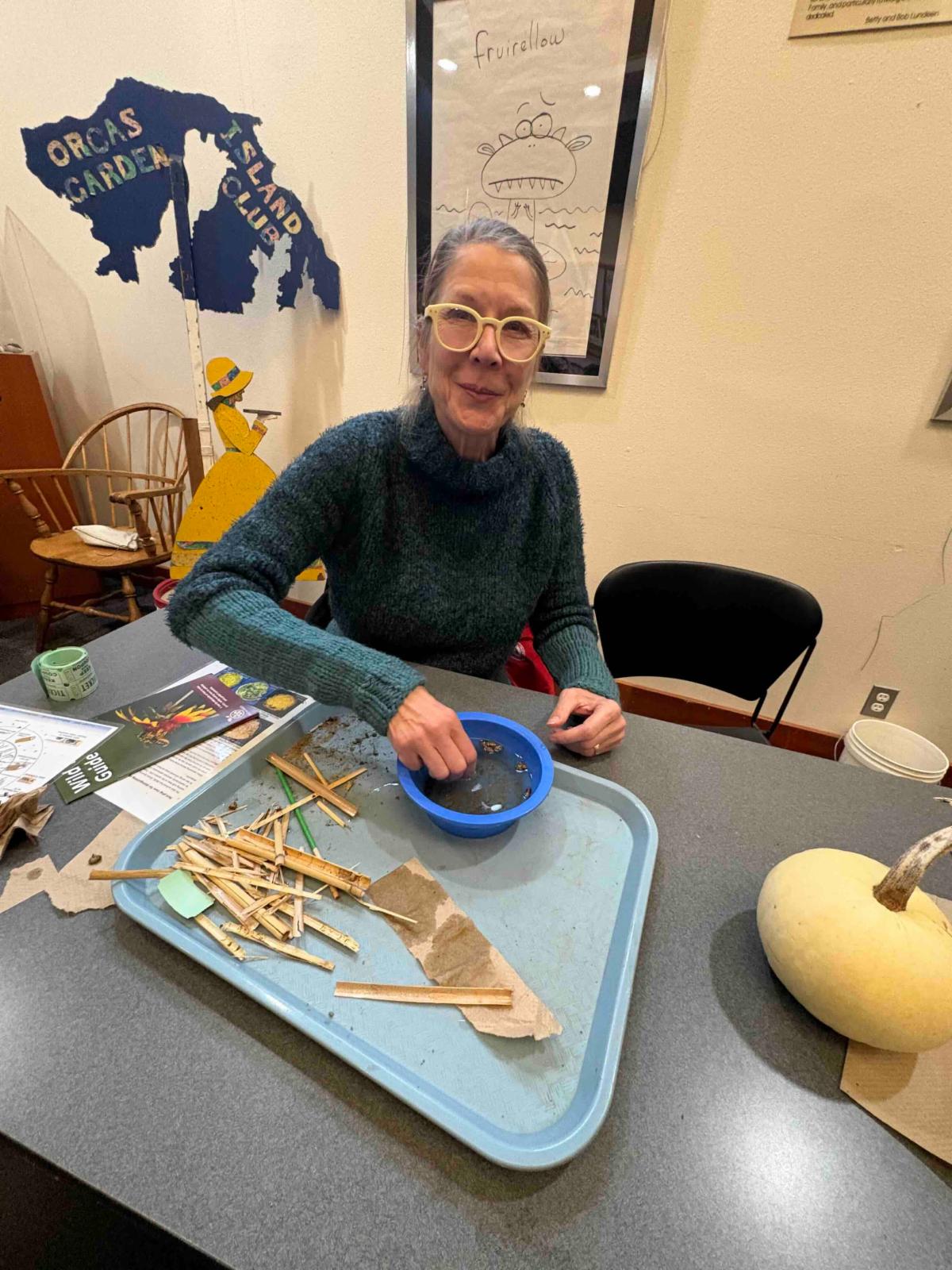
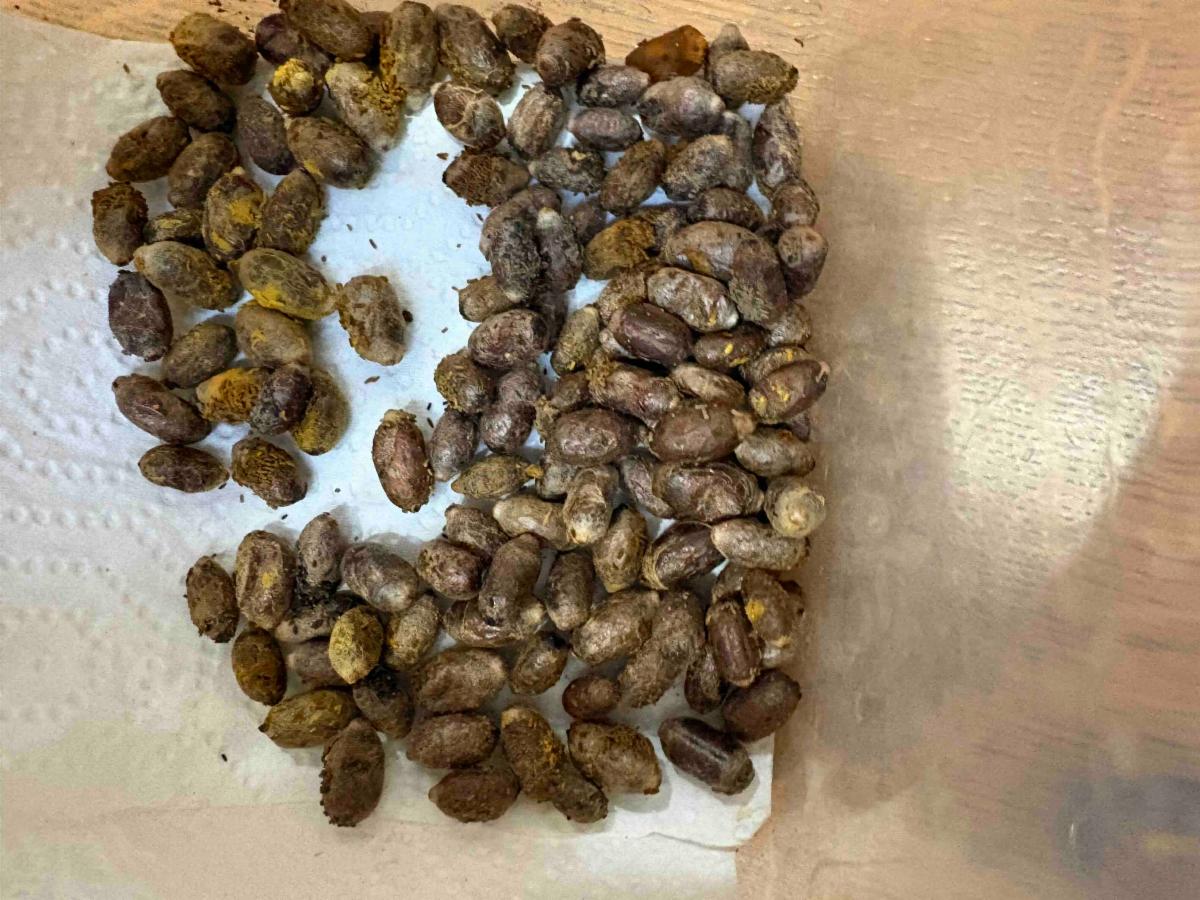
Together, we opened reeds, washed silk spun cocoons, dried them carefully and stored a whopping 131 bees. We even found alfalfa bees and some haired fingered mites!
| | |
In addition and thanks to master gardeners, Tony Suruda, Lene Symes and Sandi Burt, participants learned all about these marvelous creatures, their life cycles, their habits, their predators and how to protect them so they might help our gardens and the environment come next spring.
As evident from the pictures below, participants were very engaged and had lots of good questions. Everyone seemed to have a great time. After storage in a suitable environment, the cocoons will be placed out to hatch in April at the Orcas School Garden and at other sites. Sleep well bees!
'BEE' SURE TO CHECK OUT MS. GARDENIA'S ARTICLE BELOW TO SEE WHO WON THE BEE 'CABANA'!
| | |
“Of all seasons, Autumn offers the most to man,
and requires the least of him.”
- Hal Borland
| | Discovering Local and Global Gardens | | |
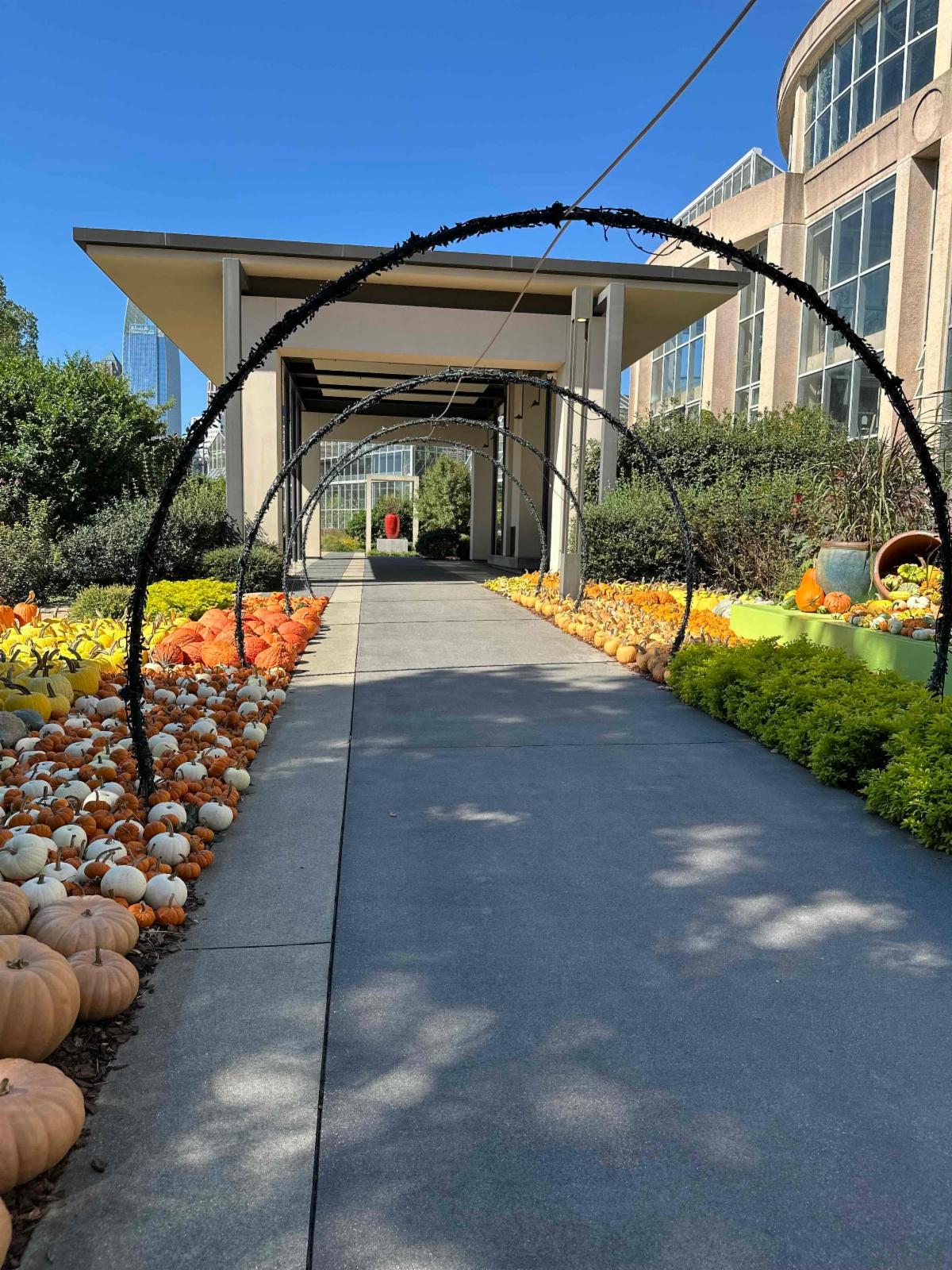
Atlanta Botanical Garden Fall Festival and Pumpkin Palooza
by Sandra Bonetti
In mid-October, Bruce (my husband) and I were in Atlanta, GA, to visit family and friends while enjoying the cooler temperatures of the beginning of fall.
We stayed in Midtown, a garden district near Atlanta’s downtown that is within walking distance of the Atlanta Botanical Garden in the historic Piedmont Park. We were lucky to visit the Botanical Garden when the Fall Festival was in full swing in celebration of the Garden’s 50th Anniversary.
| | | | |
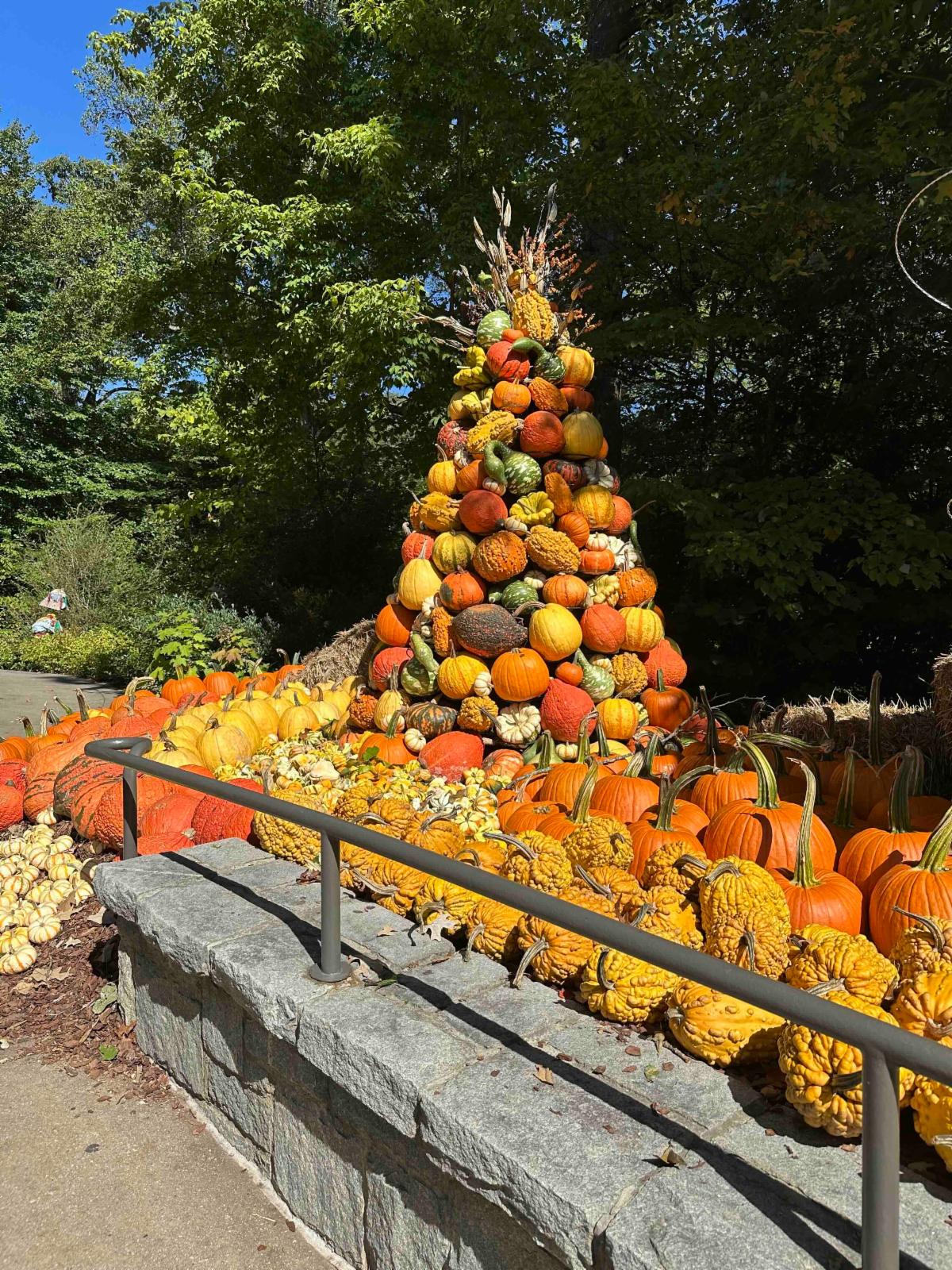
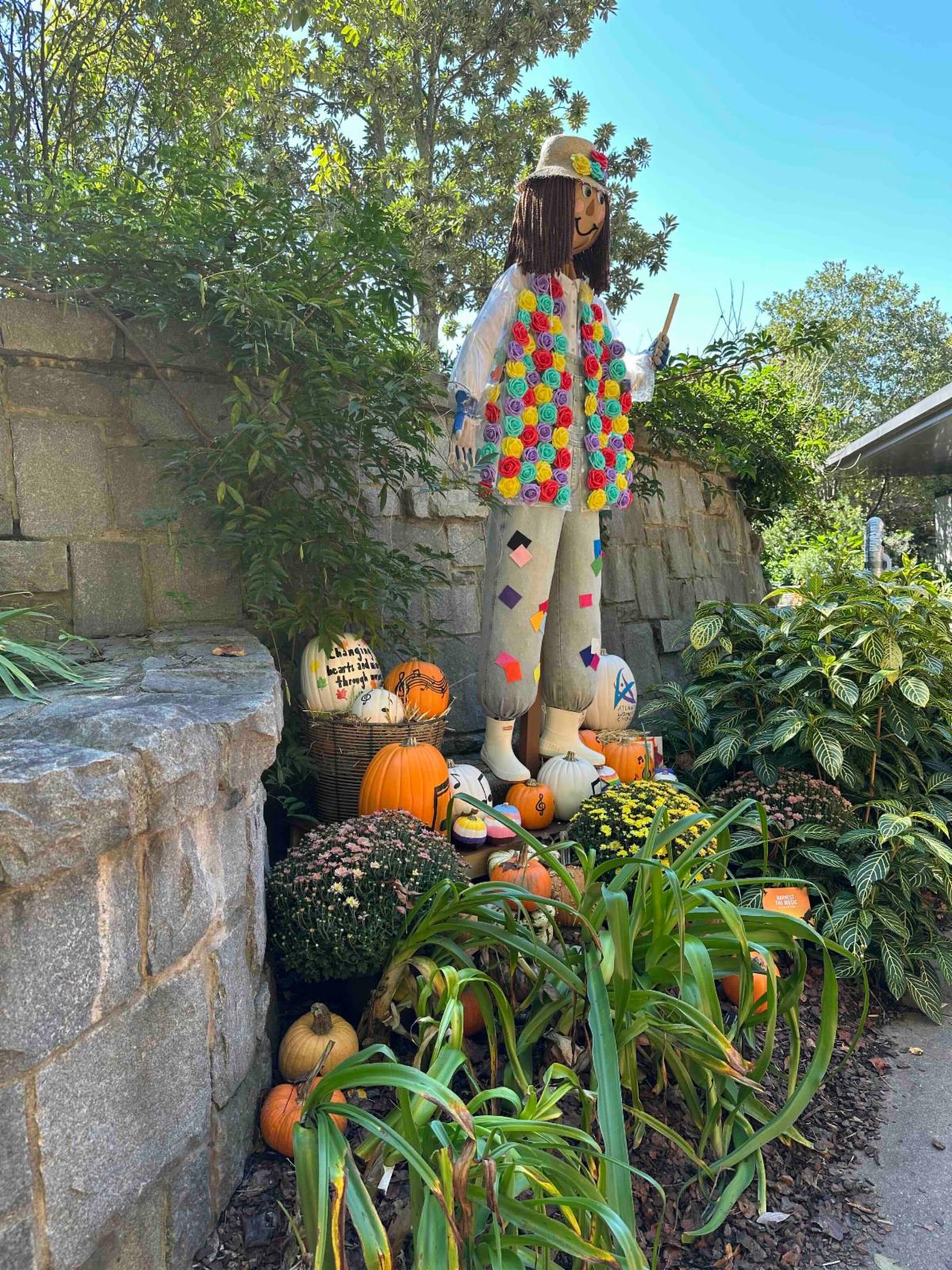
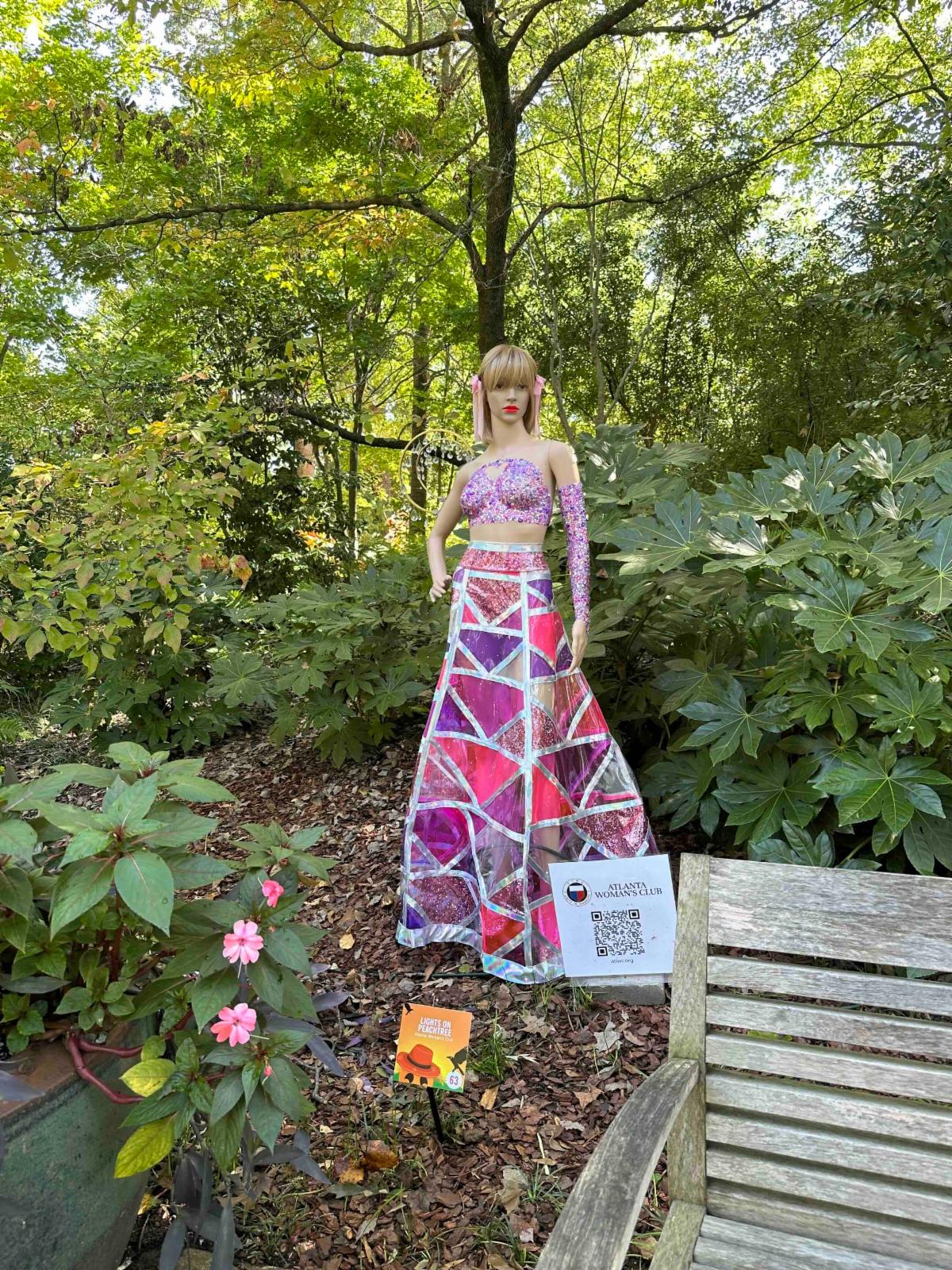
We were delighted by the Scarecrows in the Garden show held from October 1 to November 1. It showcased entries of “community-contributed” scarecrows and fall-themed “supersize arrangements” of pumpkins, gourds, and flowers that were placed in the beautiful backdrop of the gardens.
Entries were eligible for a variety of prizes and the Visitor’s Choice Award based on QR code scans by garden attendees.
We marveled at the Pumpkin Palooza, the massive, beautiful pumpkin tower near the entrance to the exhibit and the huge arrangements of 11,365 hand-placed pumpkins and gourds along the Garden’s Anne Cox Chambers Flower Walk.
We laughed as we noticed that one of the most popular stops in the garden was at a certain elegant celebrity scarecrow where many visitors took selfies.
| | | |
The month-long celebrations included weekend Fall Family Fun activities like pumpkin Play Doh, bowling and rock painting in the Children’s Garden and the Great Pumpkin-Carving Festival held on October 22nd.
For more about the Atlanta Botanical Garden see www.atlantabg.org
| | | |
|
A Season of Growth, Life, and a Little More Wildness ~ The Little Farm on Olga Road Update
by Carol Wetzel
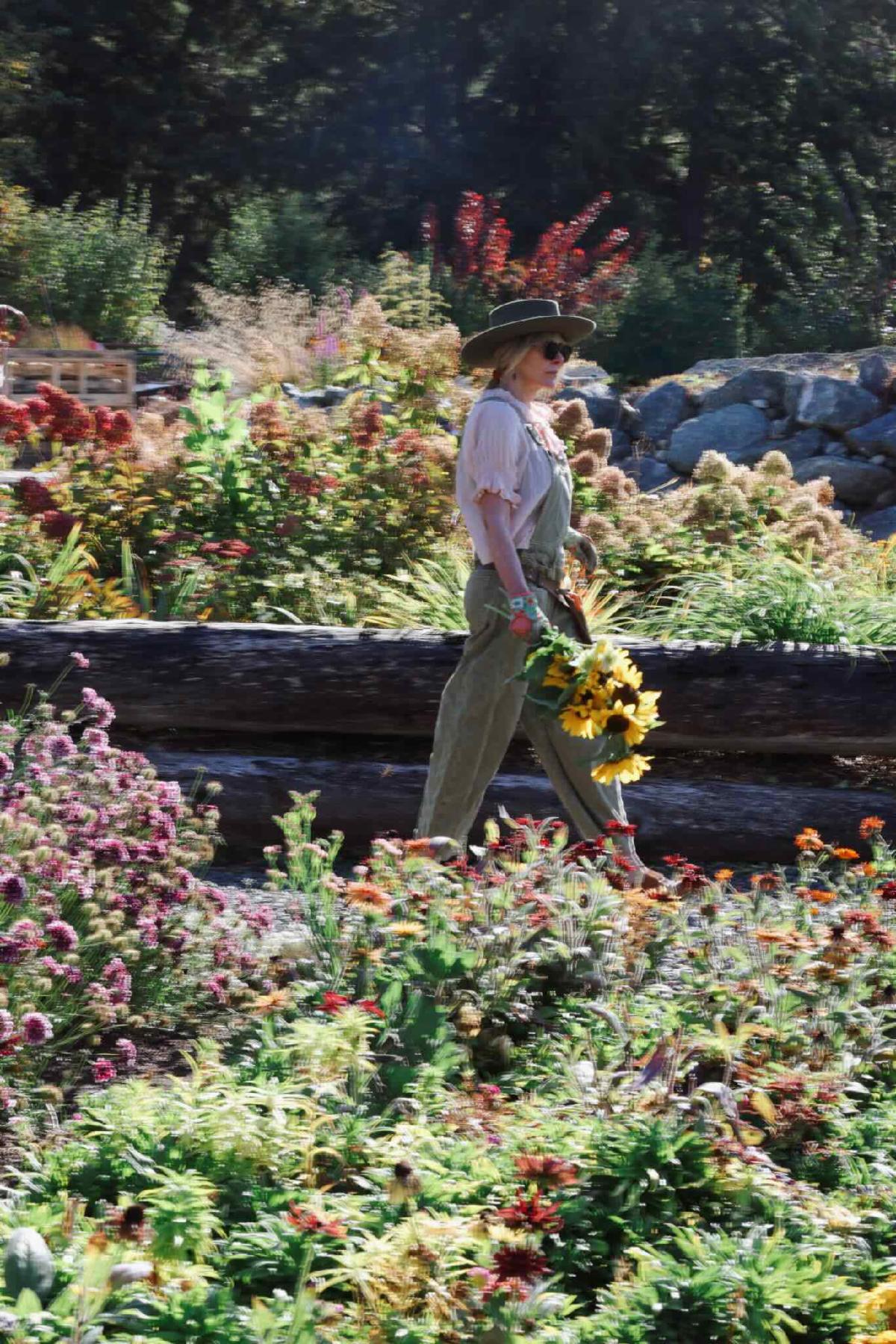
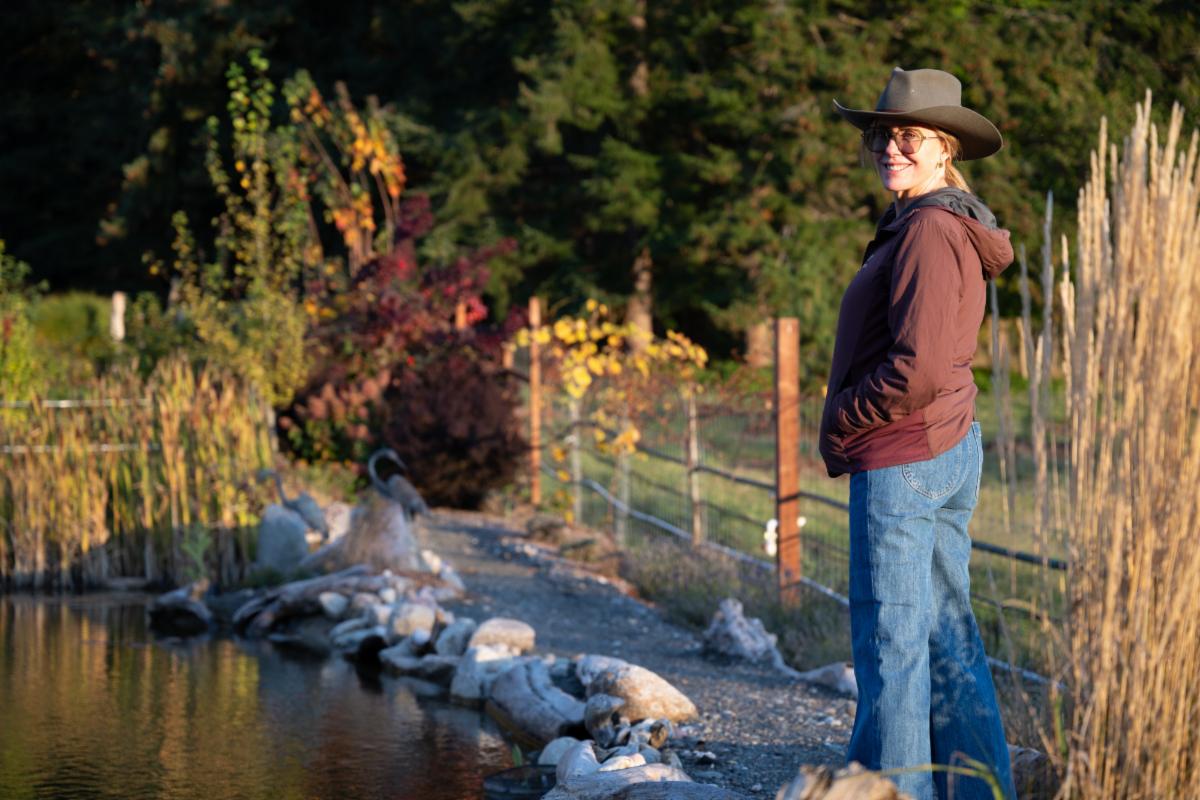
Another growing season has come and gone at The Little Farm on Olga Road, and as always, the garden continues to teach us that the best plans are the ones that leave room for a little surprise.
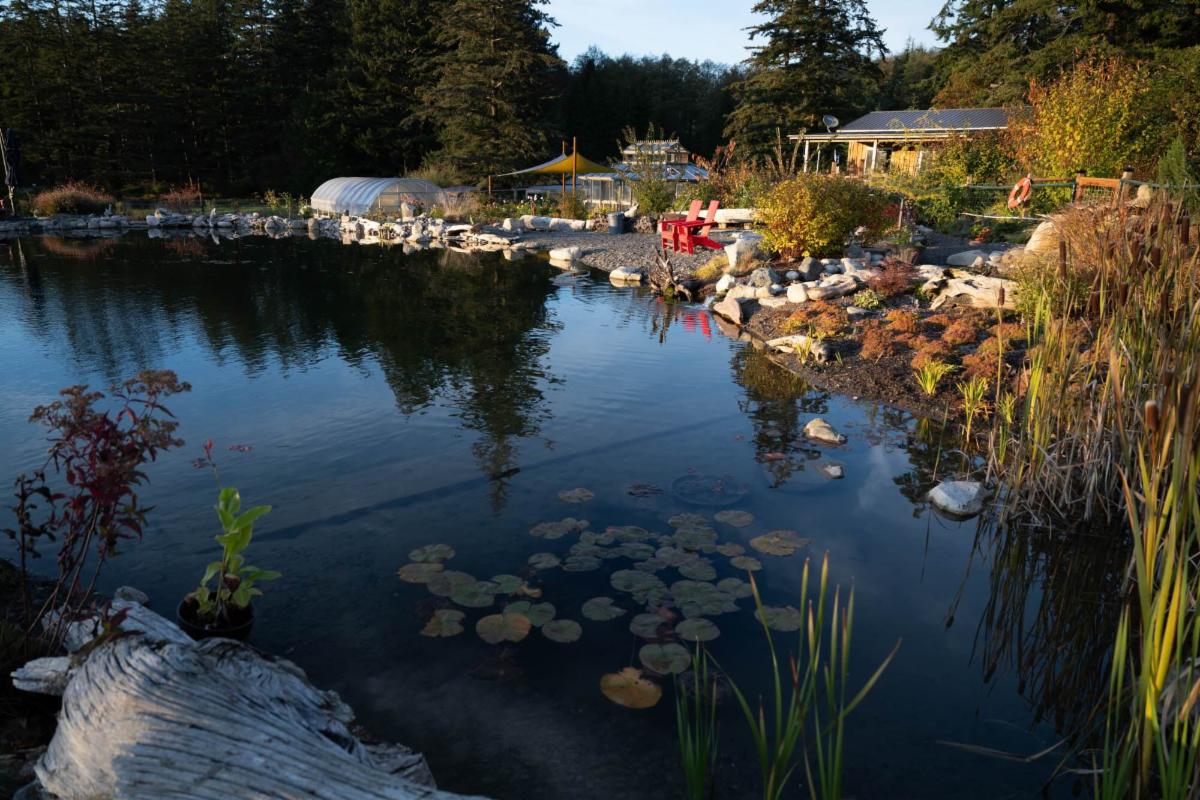
Our biggest project this fall has been planting a meandering flowering perennial garden using specialty varieties from Terra Nova out of Oregon. We’ve also transformed the pond’s edge with a stunning rockery that is as functional as it is beautiful, creating a protected haven among the stones for crawdads, snails, water snakes, minnows, and countless other little creatures that call the pond home.
| |
We've also introduced an assortment of aquatic plants, including pickerel rush, water cannas, sweet-flag, and several varieties of iris. They're planted in submerged bags to protect their roots from our koi, who are essentially the deer of the pond, happily devouring every tender new shoot. We're hoping the plants will establish themselves and create even more habitat. The lesson, once again: plants bring life.
| |
Elsewhere, our fruit trees and grapes are maturing and we're busy planting for next season with hardy annuals, a new rose garden, tulips, and ranunculus. My goal is to move even further away from traditional rows of single flower varieties and toward a more interplanted, naturalistic landscape where perennials, grasses, shrubs, and annuals mingle freely. Less order, perhaps, but more discovery, texture, and life.
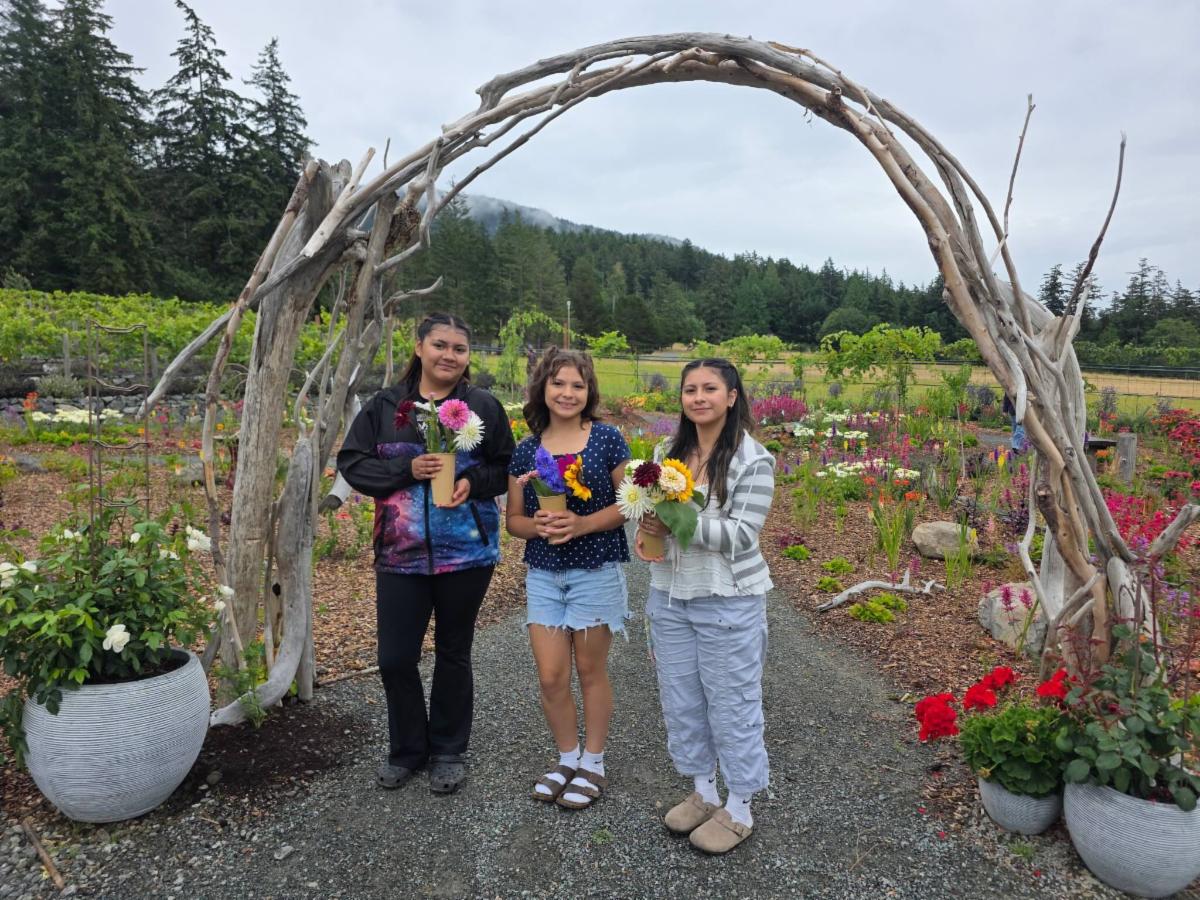
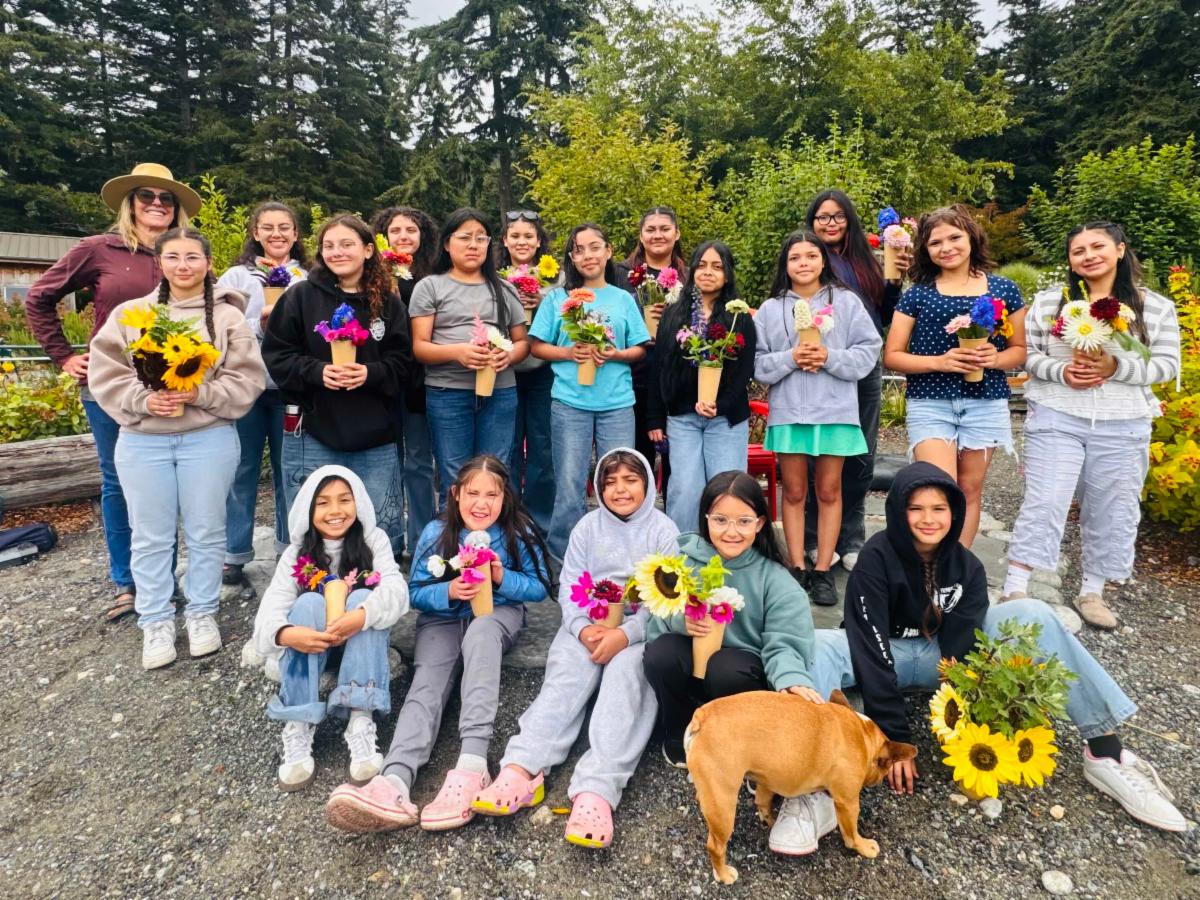
| This season we welcomed more than 2,000 visitors to the farm. They wandered the gardens, picked flowers, purchased bouquets, pottery, and Little Farm Soap Co. skincare, and celebrated weddings and special occasions with our farm-grown florals. Watching people discover the garden, often with genuine delight, has been one of the greatest rewards of this adventure. | | |
We're also delighted to see our new neighbors planting trees and creating additional habitat on what were once open hay fields. Bit by bit, our little corner of Orcas Island is becoming a richer landscape for birds, pollinators, wildlife, and people alike.
Ultimately, that's what this farm is about. Not simply growing beautiful flowers or creating pretty gardens, but making a place where life flourishes and people feel welcome.
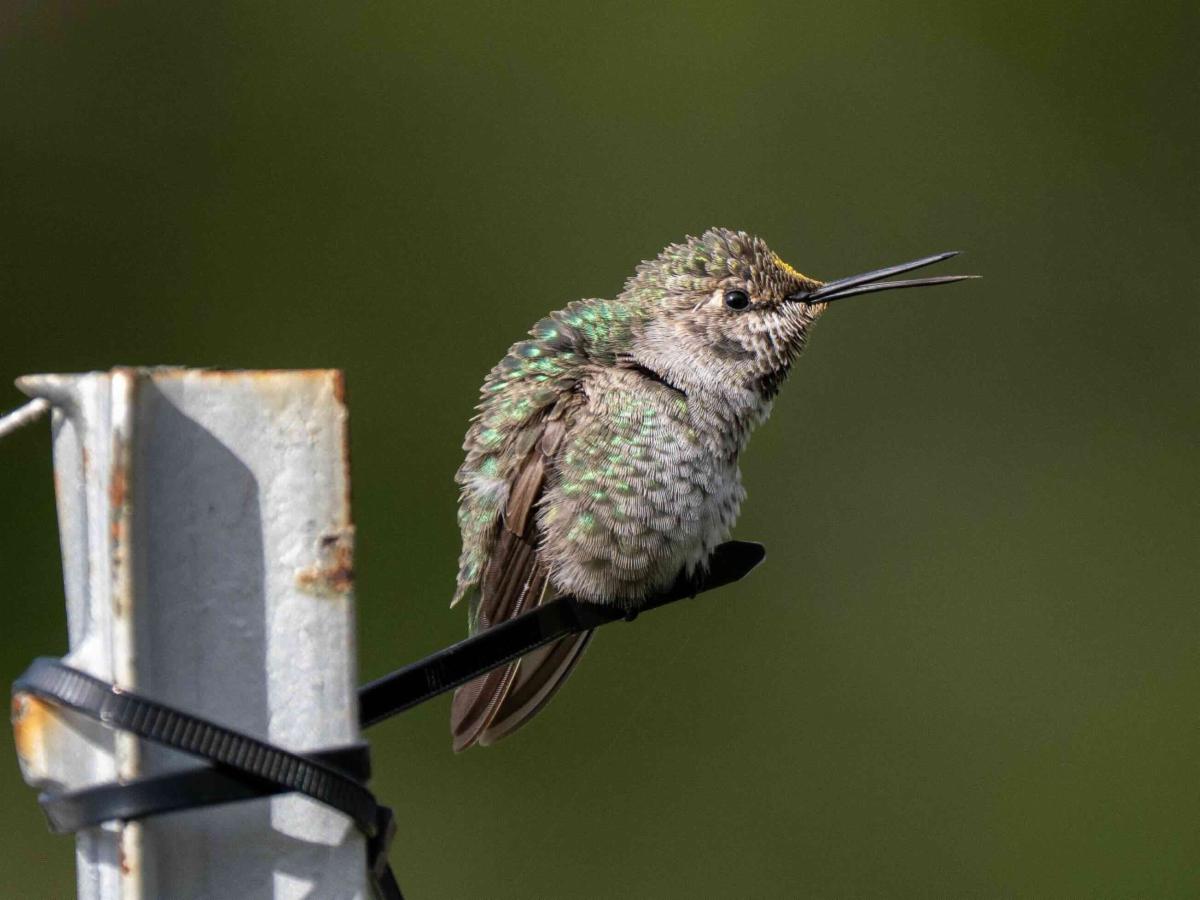
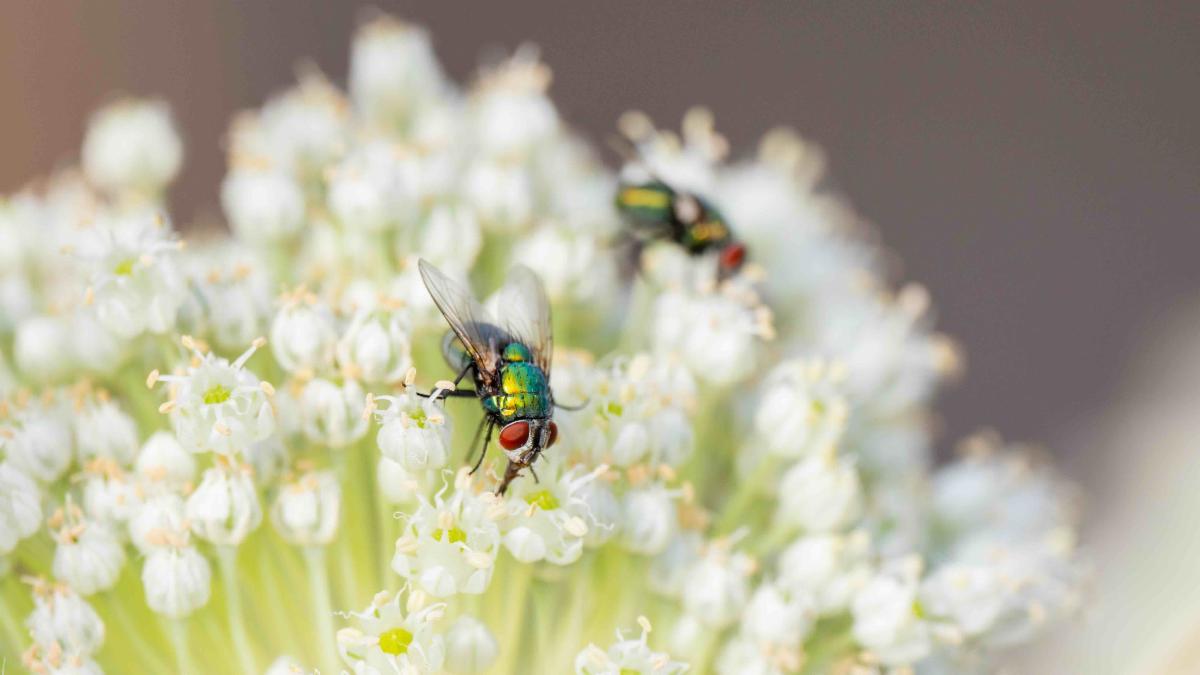
| | Photo Credit: Nature shots from a local photographer enthusiast, Steve Alboucq - he loves coming to the farm to shoot and kindly shares his photos with me. | | |
In a world that sometimes feels increasingly divided, I believe opening our gardens, our gates, and our lives to others is a small but meaningful act of generosity. Beauty is something we can share freely, and perhaps a little more empathy, compassion, and connection will grow alongside the flowers.
Here's to another season of growing things — and growing together. Carol
| | Ms. Gardenia - Out of the Shed, Into the World | | |
Attends a Mason Bee Workshop!
by Perri Gibbons
Ms. Gardenia buzzed over to the Library for the Mason bee workshop on October 30th.
She shares:
"My goodness, the Garden Club is lucky to have so many members who are also Master Gardeners! Led by the super, Tony Suruda, I learned there are three great reasons to support mason bees. They are EARLY (one of the first pollinators) EFFECTIVE (pollen carried all over their body, not just in leg baskets) and EASY (much less work than honeybees)".
Then, we got beesy! We harvested developing pupae out of their reeds and gave them a water bath to remove mud and parasites. The water doesn’t bother the silk wrapped cocoons… so intereSting!
| |
An up-close inspection, but no worries. Even active Mason Bees are unlikely to sting. It was a jelly good time for all, but Darcey Miller was the real queen for winning the door prize.
Ms. Gardenia plans to attend the Book Club meeting on November 13th 1:30 at the library. Come join her and her bookish garden friends reading Fire Weather. Contact Adrienne Walker for more information
Ms Gardenia is available for special engagements and appearances. To schedule, contact her representative, Perri GIbbons, at Orcaspear@gmail.com
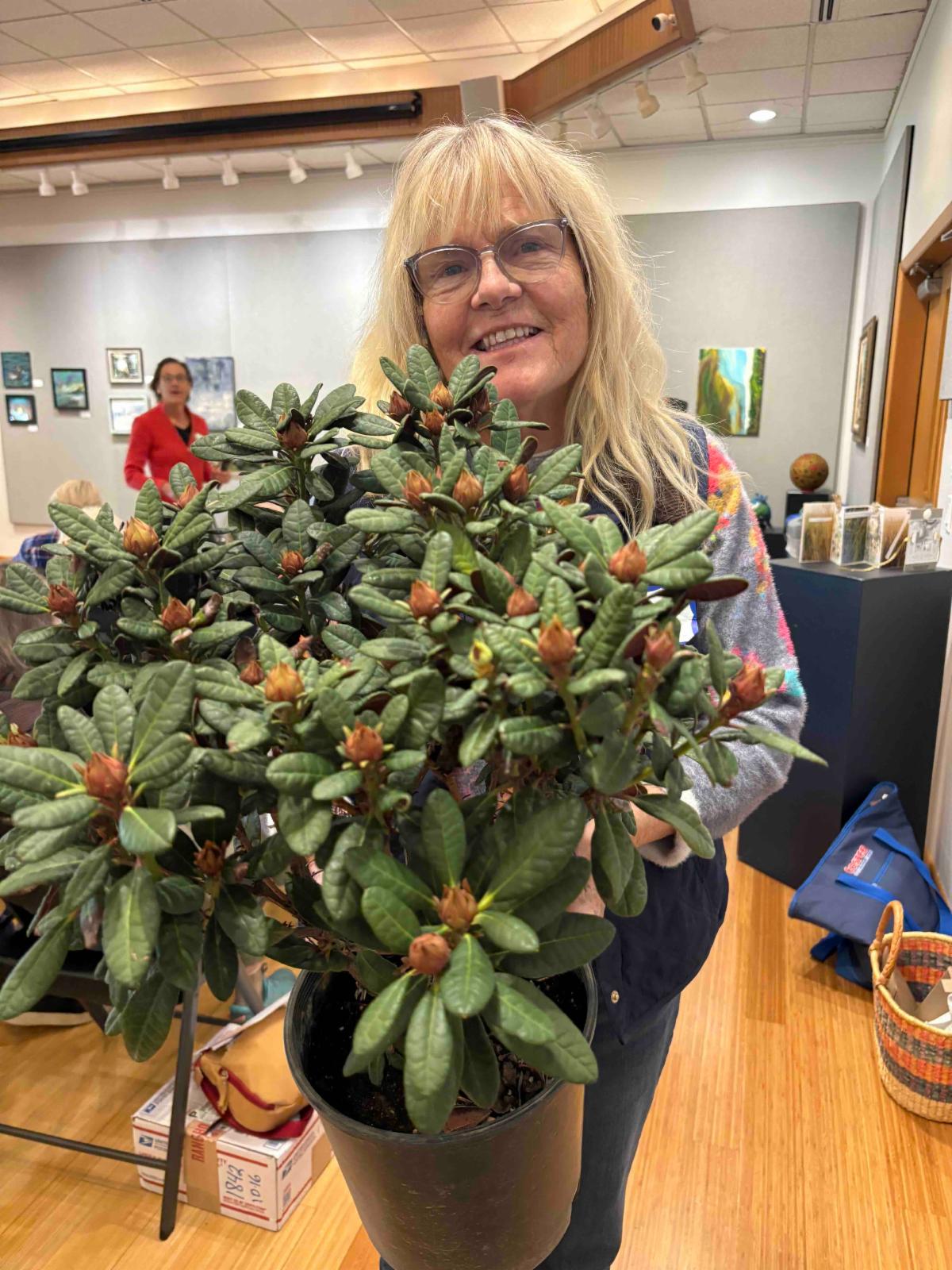
| | Meeting Door Prizes and Member Raffle | | At each monthly meeting, all members and guests joining us in person are entered for a chance to to win a door prize! | | Thank you Market Garden for your generous donation of the rhododendron plant! Browse their beautiful plant selection and visit Market Garden. | | |
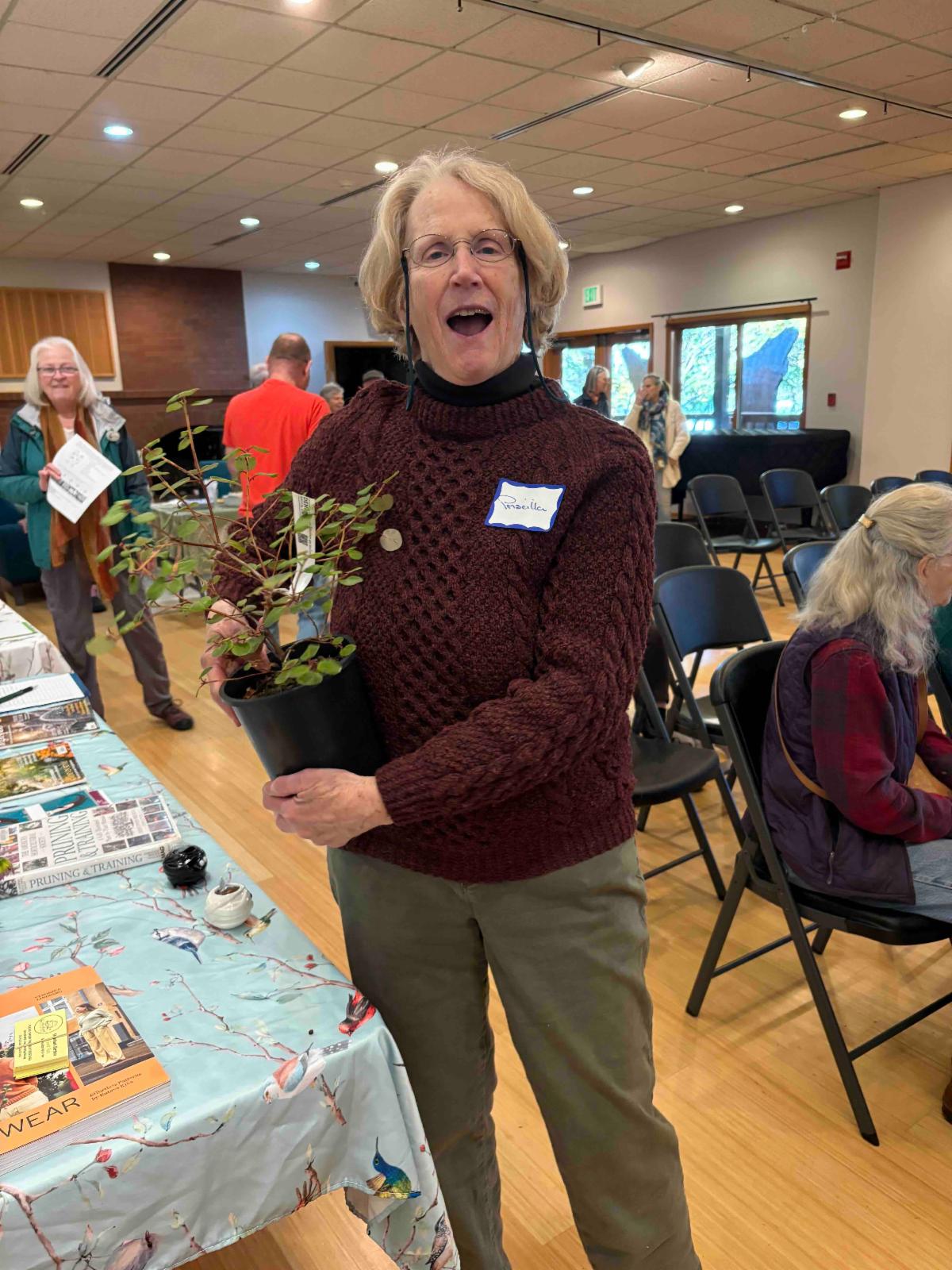
Thank you to Meerkerk Gardens for an educational and lively talk about all things Rhododendrons with an exciting offer to have us come visit as a group next year. They donated a beautiful plant for our door prize.
| | | Helena Rogers takes home a beauty | | Prescilla Prescott's surprise winning | | Did you know? We hold a special monthly Member-Only raffle? Winners are chosen at random from a list of current garden club members? Remember to renew or join the club to join in this fun contest! | | Congratulations to our November Member Only Raffle Winner: Nancy Stillger! | | |
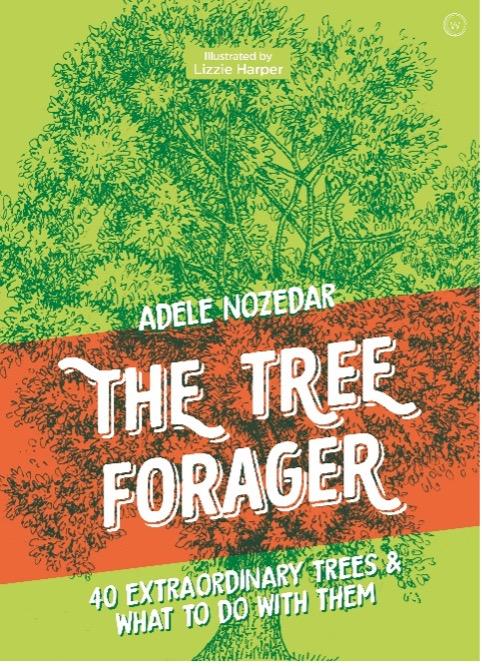
"The Tree Forager: 40 Extraordinary Trees & What to Do with Them" by Adele Nozedar
About the book: Aimed at tree lovers of all ages, this beautifully illustrated handbook is the first guide to foraging specifically from trees, looking at all the incredible things we can get and make from them, from food and remedies to toys, whistles and ink.
Book generously donated
by an unknown donator ~ Many thanks!
| | Playfully submitted by Carol Owens | | Membership - Join Us This Year! | | Now is the time to support one of your favorite non-profits! | | |
Membership Fees:
Individual: $25 / year
Couple: $35 / year
| | |
| This year, we have a few free memberships available to those in financial need. Please reach out to our membership and we would love to help you. | | | | |
Do you enjoy reading the monthly OIGC newsletter?
How can we make it even better?
We'd love to hear your feedback, comments and suggestions.
Thank you in advance!
| | |
PRESIDENTS: Robin Sullivan & Laura Walker
PRESIDENT ELECT: Michelle Zjhra
MEMBERSHIP: Karen Hiller & Perri Gibbons
GARDEN TOUR: Kristi Fountain, Laura Walker, Sally Hodson
| | | |
TREASURER: Tony Suruda
PROGRAMS: Jenny Pedersen
COMMUNICATIONS: Kristin Tolle
SECRETARY: Adrienne Walker
| | Please contact oigcnewsletter@gmail.com if you encounter any technical issues regarding accessing the newsletter. Thank you! | | | | |