|
Cancer News Digest, April 2025
Visit our website
CFC #11967
| |
Supreme court decision on candy-flavored vapes
This month, the Supreme Court unanimously backed the FDA ban on vape liquids that taste like fruit, candy, or dessert. Companies have been using sweet flavors like 'Iced Lemonade' and 'Jimmy the Juice Man Peachy Strawberry' to attract kids to their products, getting many young people hooked on nicotine. Studies show that kids who try these flavored vapes often end up vaping and smoking tobacco products for years to come. But, even for those who don't end up smoking, vaping can cause serious heart and lung damage. Long-term research is needed to determine if vaping causes cancer. The FDA was right to ban these products, and the Supreme Court correctly upheld it. This ruling is a big step forward in protecting our children from nicotine addiction.
Read more about the controversy and decision here.
|
Common environmental exposures linked to thyroid cancer
A new study suggests that two types of environmental pollution—fine particulate air pollution and outdoor light at night—may increase the risk of thyroid cancer in children and young adults. The air pollution, known as PM2.5, is made up of tiny particles from car exhaust, wildfires, and factories.
The study suggests that these exposures during early childhood years could cause the development of thyroid cancer later in life. These findings show the role environmental factors play in pediatric cancer dangers and the need for further research to help reduce such exposures. While thyroid cancer is still rare in young people, more and more cases are happening in recent years. Making changes to air quality and limiting nighttime light exposure could be important steps for prevention.
Read more here.
| |
FDA claims it will cut Advisory Committee conflicts
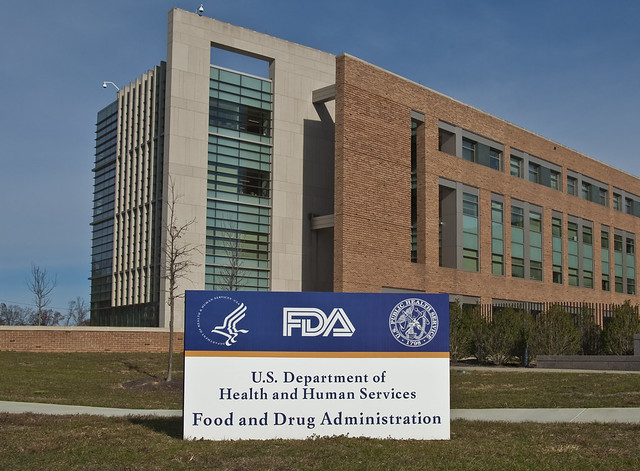
In a recent announcement, the FDA said it would exclude experts who are employed by FDA-regulated industries (such as pharmaceutical companies) from serving on FDA advisory committees. Advisory committees are made up of a group of outside experts that review data on the safety and effectiveness of medical products and help the FDA make decisions on whether to approve them. While their recommendations are not binding, advisory committees are expected to provide external perspectives to strengthen the quality and credibility of the FDA’s decisions.
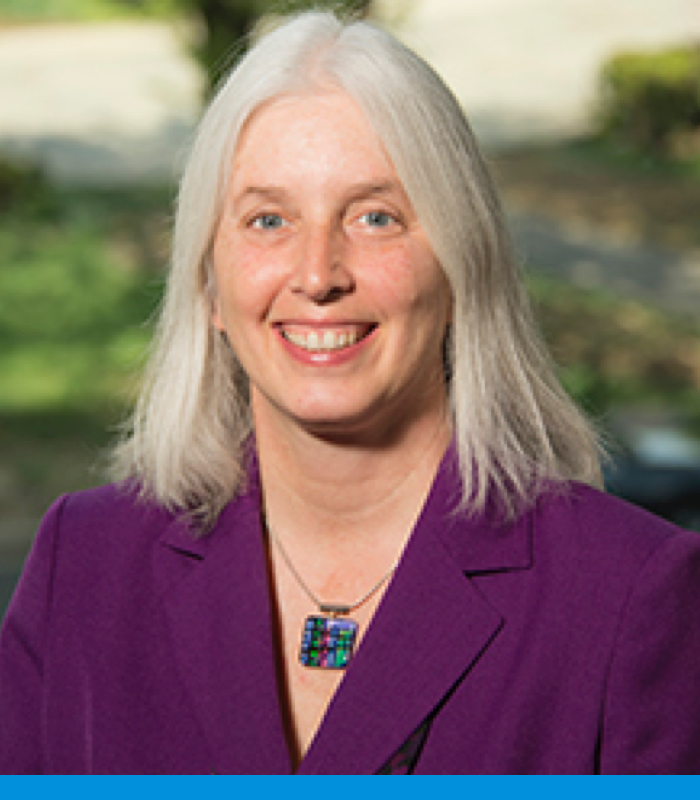
This new conflict of interest policy reflects FDA Commissioner Marty Makary’s goals to reduce industry influence at the agency. But is the policy really new? Industry representatives who serve on advisory committee panels have never been allowed to vote. Dr. Zuckerman told Inside Health Policy News that she would love to see less industry influence on advisory committees, but whether this recent announcement will do that is “just not clear.” She also explained that “the impact of the policy will depend on multiple factors not made clear in the announcement, including whether the FDA will also exclude from committees experts who have non-employment relationships with regulated companies.” While we remain optimistic that the commissioner will work to decrease industry influence at the FDA, this announcement is too vague to know what it means.
Read the article in Inside Health Policy News here.
| |
FDA cuts are "too much, too fast"
In the wake of the firing of thousands of health staff at FDA and other agencies, Dr. Diana Zuckerman told STAT News that RFK Jr's plans to cut 3,500 FDA staff will be "extremely disruptive and not productive" for at least a few years. Although it was announced that scientific reviewers' and inspectors' will not be fired, the agency needs staff to support the work of those reviewers and inspectors. Without them, patients will be harmed because drugs and devices will not be reviewed as quickly or as carefully.
Many of RFK's plans to Make America Healthy again, such as improving infant formula and removing toxic chemicals from food and food packaging, will require more staff, not fewer. Why were these cuts decided before the new FDA Commissioner was in place at the FDA and had the opportunity to decide what would be best for the agency and the public? Dr. Zuckerman noted that the major cuts and reorganization plans for HHS are "too much, too fast."
Read the article in STAT News here.
| |
International impact of FDA cuts
The impact of those FDA staff firings extends beyond our borders. Thanks to its resources and international influence, the FDA has historically collaborated with and served as an example for other nations. The disruption caused by cutting thousands of FDA employees could reduce both the quality and availability of information that other countries have relied upon. In an article published by Canadian media outlet CTV News, experts from Canada expressed concern that these cuts will delay recalls of unsafe medical products and other efforts that warn the public about problems with medical products that are already being sold. Dr. Zuckerman echoed those concerns and told CTV News "you can’t cut 20% of their staff and think it’s not going to have a tremendous impact." She also noted that monitoring the safety and effectiveness of cancer treatments and other medical products already on the market was already understaffed and would be weakened further. For FDA approval to continue to be the 'Gold Standard' for the world, the review process should be made stronger, not weaker. The impact of the chaos at the FDA will be felt in the U.S, Canada, and beyond.
Read the article in CTV News here.
| |
More praise and an internship in memory of Dr. Susan Wood
We join the public health and women’s health communities in celebrating the life and achievements of Dr. Susan Wood, who died of brain cancer in January. Susan’s career was dedicated to improving healthcare for everyone: working in the U.S. House of Representatives, as Policy Director for the Office of Women's Health at the U.S. Department of Health and Human Services, and as the FDA's Assistant Commissioner for Women’s Health from 2000-2005. In her obituary published in The Lancet, colleagues and friends reflected on Dr. Wood's life and legacy. CPTF president, Dr. Diana Zuckerman, commented that Dr. Wood emphasized “how important it was to have scientific standards that make sense and that safeguard people's health.” It’s especially important to note that her impressive work to improve the safety of medical products reflected her personal experience having a mother who took DES (a drug prescribed to pregnant women to prevent complications) while pregnant, and how that harmed Susan and her siblings, most of whom have now passed away from cancer.
We always admired how she dedicated her life's work to preventing harm to all patients. We will continue her inspiring legacy through our Susan Wood Internship on Women's Health, which we first started in her honor last summer.
Read more about Susan's legacy in The Lancet here. To make a tax-deductible donation to our Susan Wood Internship, please click here.
| |
We tell FDA: Make sure medical products approved for males and females have been found safe and effective for both!
CPTF recently posted a public comment in response to a request from the FDA for insights from the public regarding its guidance on sex differences in studies used as the basis for FDA approval. We strongly support most of the FDA’s proposed guidance to improve data on sex differences. However, we note that the agency has never required adequate representation of both sexes and so has failed to ensure that all drugs and devices approved for males and females are proven to have benefits that outweigh the risks for both males and females. We strongly urged that medical products should be tested on patients that represent who the product will be approved for. Therefore, if products are not adequately tested on a meaningful number of females and males, they should not be approved for both females and males. Since drug companies want to sell as many of their products as possible, that would provide the much-needed incentive for companies to test their products on sufficient numbers of males and females.
Read our comment here.
| |
We urge FDA to require more evidence on weight loss drugs
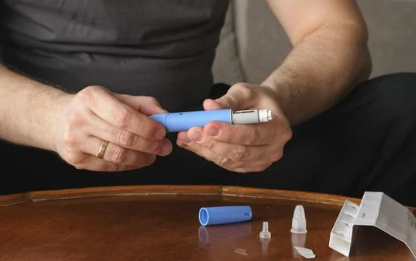
Obesity increases the chances of developing several types of cancer and can contribute to cancer recurrence after cancer treatment. We recently responded to FDA's request for comments on how to design studies of drugs intended to help adults and children with obesity or those who are overweight but have serious health problems. Although we agree with much of the FDA's draft guidance, we urged the FDA to require studies lasting 3 years rather than 1 year to ensure that the drugs are effective in attaining and maintaining weight loss over a longer period of time.
In our written public comment, we also recommended that the FDA require the research to include possible side effects and complications of long-term use or discontinued use; require that study participants (especially children) first try non-drug weight loss strategies before enrollment in a study of a weight loss drug, and more rigorously analyze why people drop out of the studies before they are completed. These changes are crucial to ensure that patients and clinicians have the evidence they need to make informed, safe, and effective decisions.
Read our comment here.
| |
Cervical cancer screening options!
Cervical cancer, which affects the cells lining the cervix, is usually diagnosed in women between 35 and 44. It’s one of the most preventable and treatable cancers if caught early through regular screening. Our recently updated article on cervical cancer screening reviews prevention and screening strategies.
Almost all cases of cervical cancer are linked to high-risk strains of the human papillomavirus (HPV). In addition to HPV, factors like smoking, poor dietary habits, multiple sexual partners, obesity, and even long-term birth control can increase the likelihood of getting cervical cancer. Preventing cancer is always better than having to cure it—and staying active and up to date with screening gives people the best chance to stay healthy.
There are three main screening methods to help detect and diagnose cervical cancer early when it is easy to treat; Pap smears, HPV tests, and a combination of both Pap smears and HPV tests (cotesting). The goal of all screening methods is to detect cervical cancer as early as possible while keeping the risks to women at a minimum.
The U.S. Preventive Services Task Force (USPSTF)—a group of health experts who set and regularly update screening guidelines—updated their cervical cancer screening recommendations in 2021. For women aged 21 to 29, they recommend a Pap smear every 3 years. For women between 30 and 65, all three options are considered equally acceptable. You may wonder why the experts have no preference for the different types of screening. It’s because research indicates that all these screening tests have advantages and disadvantages.
To learn more, read our updated article here.
| |
Check us out!
Did you know that artificial turf and rubber playground surfaces contain carcinogens? Are your children or grandchildren getting exposed when they play? Follow us @safe.to.play
| |
| |
Cancer Prevention and Treatment Fund
Facebook: @CancerPreventionAndTreatmentFund
LinkedIn: www.linkedin.com/showcase/cancer-prevention-&-treatment-fund/
| | | |
Your Contribution Can Make a Difference
We do not accept any funding from drug companies, device companies, chemical companies, or other sources that could influence our work and compromise our integrity. That's why so many people turn to us when they need help. Donations of any size are greatly appreciated (and tax deductible.)
Please consider giving to the Cancer Prevention and Treatment Fund online or by mail to the address below.
| |
To sign up for these monthly updates, click here.
| |
Cancer Prevention and Treatment Fund | 1001 Connecticut Ave NW, Suite 1100
CFC# 11967
| | | | |