|
Hello MSA Members and Supporters,
June has been another busy and productive month for the Miramichi Salmon Association.
Earlier this month, I had the opportunity to travel to Ottawa to appear as a witness before the House of Commons Standing Committee on Fisheries and Oceans (FOPO) as part of its study on predation by striped bass and seals in the Gulf of St. Lawrence. The purpose of the FOPO Committee is to examine issues affecting Canada's fisheries and oceans and to provide recommendations to the federal government on fisheries policy and management.
The Miramichi Salmon Association and the Atlantic Salmon Federation used this opportunity to highlight the increasingly severe imbalance that exists within the Miramichi ecosystem. In particular, we focused on the alarmingly low survival rates of out-migrating salmon smolts and the growing body of evidence suggesting that predation pressure is a significant contributor to these losses.
We also expressed our frustration with the lack of meaningful action by Fisheries and Oceans Canada to address the issue. While substantial efforts have been made to rebuild striped bass populations, very little has been done to provide similar recovery support for Atlantic salmon populations that continue to decline. It is our view that successful fisheries management requires a balanced ecosystem approach that considers the needs of all species.
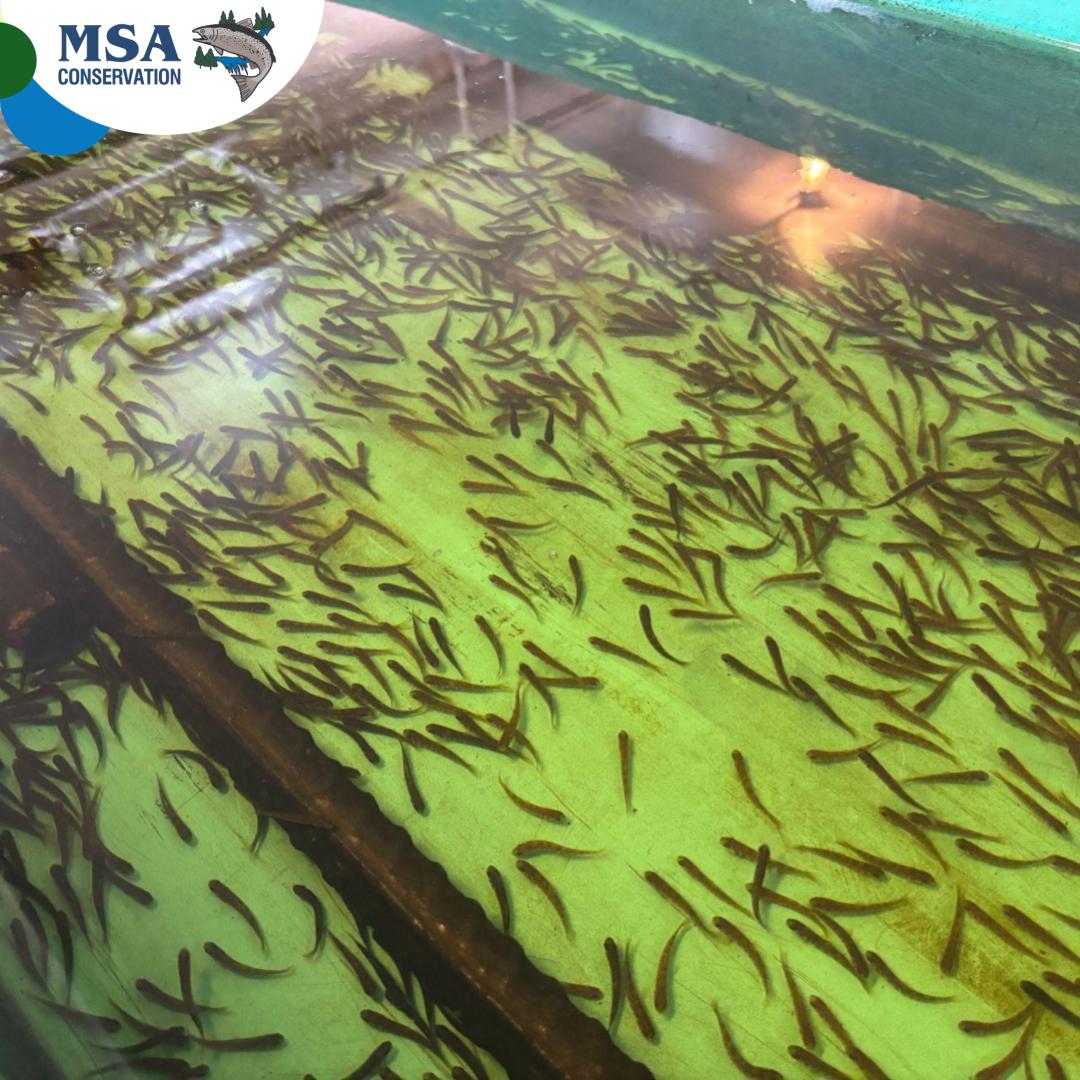
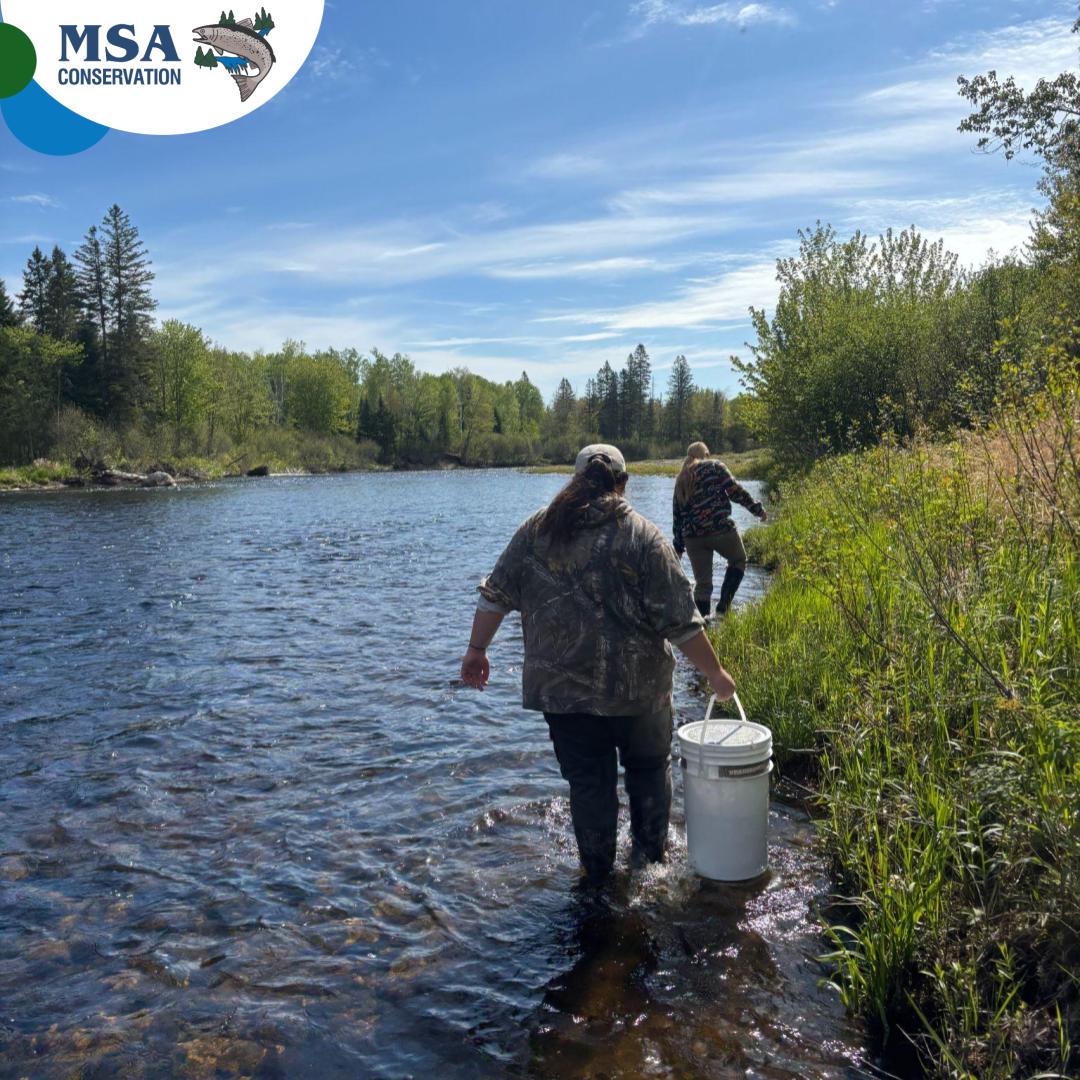
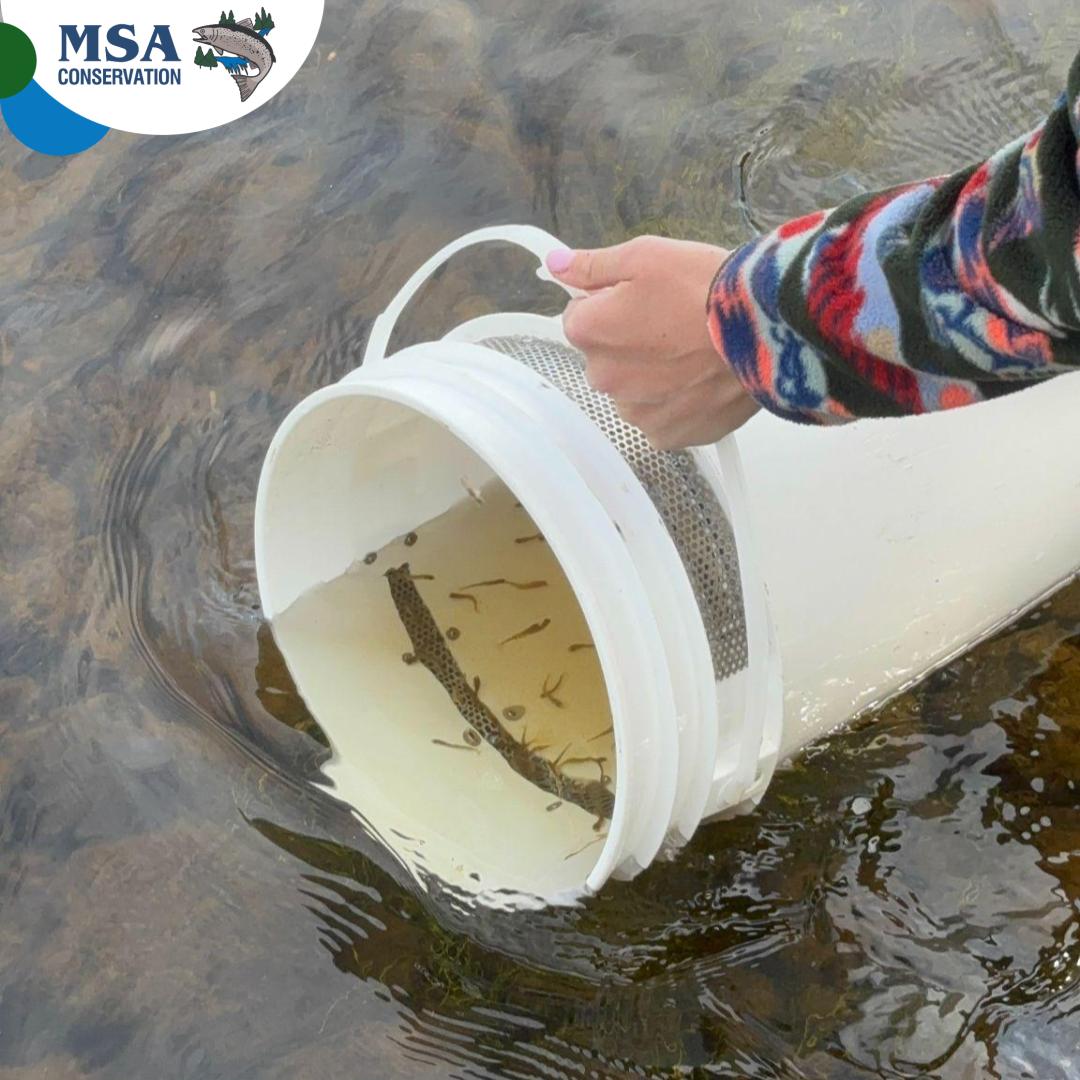
Back at home, I am pleased to report that our annual fry stocking program has now been completed for the season. Thousands of young salmon have been distributed throughout the watershed as part of our long-standing efforts to support salmon recovery in the Miramichi system.
In addition, the approximately 900 smolts that we collected this spring to be grown to adulthood as future broodstock are doing well in the hatchery. These fish represent an important investment in the future of our supplementation and conservation programs.
Our smolt wheel program has also wrapped up for another year, and the wheels have now been removed from the river. Lyndsay will begin the important process of compiling and analyzing this year's data, which will provide valuable insights into smolt abundance, migration timing, and long-term population trends in the watershed.
Our conservation team has been busy with our cold-water pool maintenance program. This initiative involves revisiting previous cold-water refuge restoration sites to ensure they are functioning as intended and continuing to provide critical thermal refuge habitat for salmon during periods of elevated summer water temperatures.
This time of year also provides an opportunity for us to take stock of our hatchery infrastructure and identify repairs, upgrades, and maintenance projects that need to be completed before another production cycle begins. Our hatchery has been supporting salmon conservation efforts for over 150 years, and maintaining this important facility remains a priority for the Association.
Finally, I would like to thank Paul Valeri for once again organizing and leading another successful First Cast event this past weekend. The event brought together a tremendous group of individuals interested in learning more about Atlantic salmon conservation and the art of fly fishing. First Cast continues to be an excellent introduction to our sport and our conservation mission, and it is encouraging to see so many new and returning participants each year.
As always, thank you to our members, volunteers, staff, and supporters for your continued commitment to the conservation and recovery of Miramichi Atlantic salmon.
|