August 17, 2020
Welcome to The Latest
Dear readers,

Thank you for being with us as we launched “Covering Coronavirus” five months ago. And thank you for helping us choose a new name for this newsletter as it has grown to cover your essential journalism headlines of the day, with practical tips for doing your job and taking care of yourself. Please continue to share your suggestions with us and, if you like the newsletter, consider forwarding it to others so they can subscribe, too. 

Thanks,

Julie Moos, Executive Director
Beth Francesco, Senior Director
Holly Butcher Grant, Learning Manager
Top stories
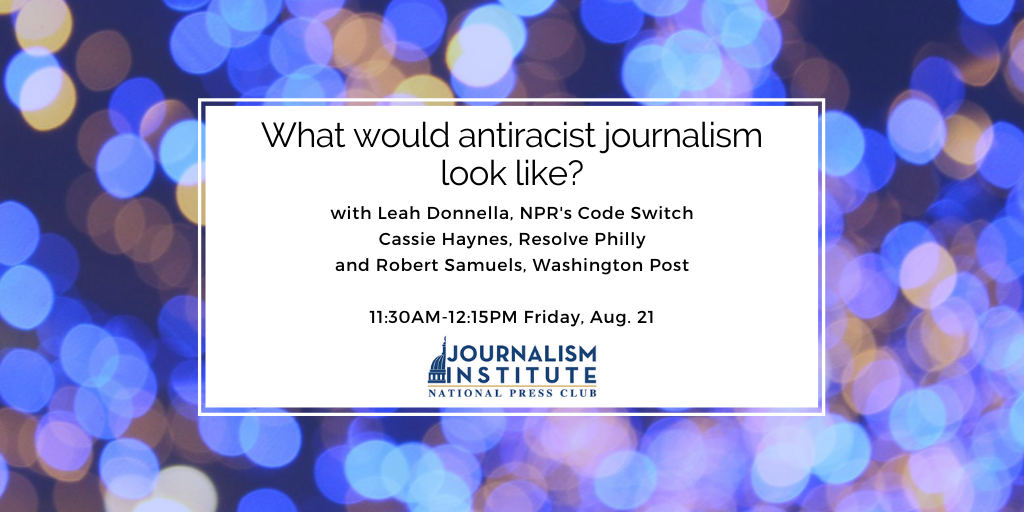
As racism and the treatment of people of color in and out of newsrooms has surged to the forefront of conversations, against the backdrop of a pandemic that disproportionately impacts people of color, journalists face many questions: When do ‘objectivity’ and ‘neutrality’ mask inequity? How do journalists move from covering protests to systemically telling stories that root out racist treatment in health care, education and other social spheres? And how can journalists practice antiracism in their everyday work?

Join us as Leah Donnella of NPR’s Code Switch, Cassie Haynes of Resolve Philly and Robert Samuels of The Washington Post discuss “What would antiracist journalism look like?”

Registration is open for this program, which will take place on Friday, Aug. 21, 2020.
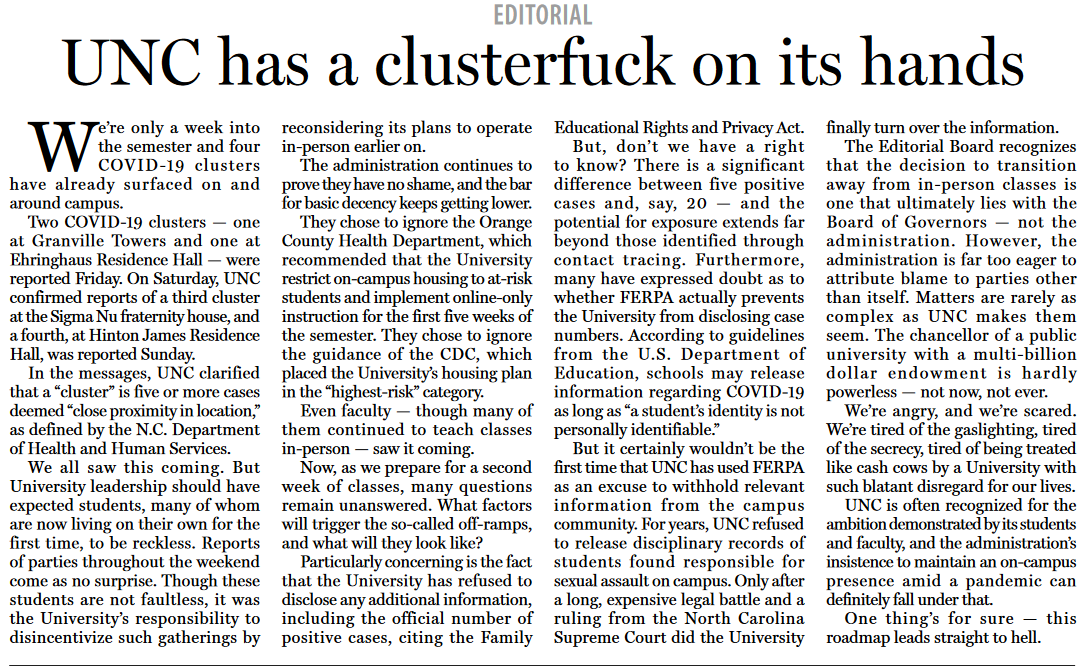
Editors at UNC-Chapel Hill's The Daily Tar Heel responded to multiple COVID-19 clusters on campus with an unprecedented editorial. The headline: UNC has a clusterfuck on its hands.

We emailed Anna Pogarcic, editor-in-chief of The DTH, to find out the story behind the unforgettable headline.

Since in-person classes began on August 10, coronavirus cases appeared in a residential hall, a fraternity house and private apartments. On Monday — one day after the editorial — UNC announced that all classes will transition to remote, effective Wednesday, August 19.

What prompted the ultimate decision to run this headline? Did you have any discussions or consultations about it?

Pogarcic: My opinion editor suggested it to me, and I thought it was the perfect way to describe what's happening. There were so many questions surrounding the announcement of the clusters this weekend, which wasn't helped by the University's lack of transparency about exact numbers, that we felt this editorial warranted something outside of our usual style. I mean, people's literal lives — our safety, our health — are at stake because of the decisions this institution and the UNC System are making.
 
I was unsure at first if it perhaps was too unprofessional, but it's not our job as journalists to sugarcoat what's going on.

What were some of the other contenders?

Pogarcic: Honestly, there weren't any others. It was kind of one of those magical moments where an idea comes to you. Paige Masten, our opinion editor, was working on the piece when she shouted the idea across the newsroom, and we were pretty much all on board immediately.

Was this the first time that the DTH has used profanity in a headline?

Pogarcic: As far as I know, we've never used profanity in a headline before, but we have used it in articles or other elements of our coverage.

How has the reaction been on campus from students and faculty? What about online?

Pogarcic: I've been overwhelmed by the reaction, and everything I've seen so far has been positive. We've heard from current students, alumni, faculty and other readers on social media congratulating us for holding the University accountable. This editorial has by far been our most popular piece today and in recent memory.
 
Can you share why the headline is different for the online version?
 
Pogarcic: The online and print headlines were always different. We've gotten a few questions about it, and I want to make it clear that we didn't change the online headline based on feedback. It's our paper's standard practice to have different headlines for print and online, and we thought we could switch it up for online by using a subhead instead.
 
What impact has this reporting had on donations to the Daily Tar Heel?
 
Pogarcic: We have gotten a few donations today based on the editorial and our other coverage from the weekend! I don't have specific numbers, but our General Manager Erica Perel sent the editing staff a note this morning with about 10 comments from our donors.
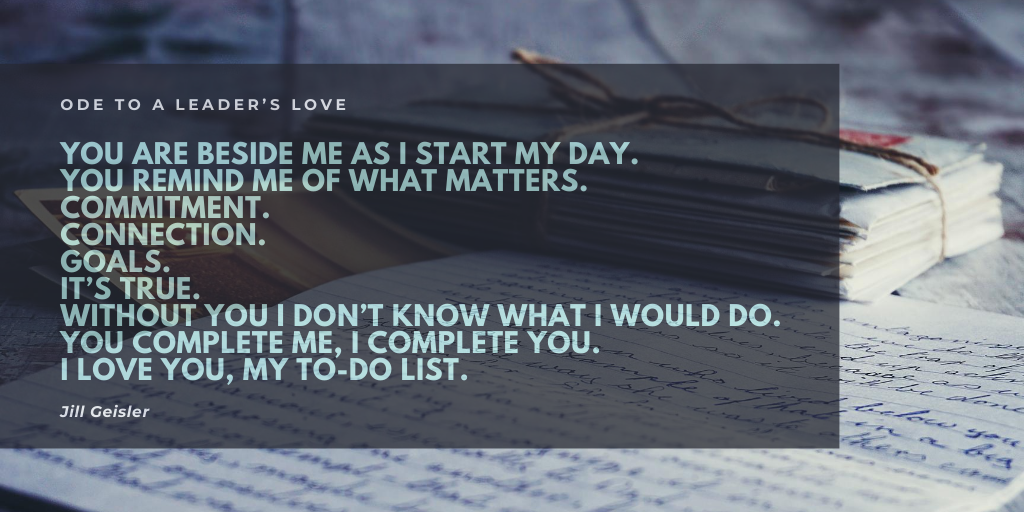
Advice from Jill Geisler, Bill Plante Chair in Leadership & Media Integrity, Loyola University Chicago, Freedom Forum Fellow in Women’s Leadership

Do you qualify as an ally? Join Jill for the next Freedom Forum Institute Power Shift Project program on August 20 at 1 p.m. EDT. Registration is now open.
The siren call of notifications cry for your attention nearly 24 hours a day. In the limited scope of our pandemic lives, their volume seems to be getting louder — zapping our emotional energy while adding to stress levels. 

Whether it’s keeping up with always-breaking news, the fear of missing out on family vacation photos, the desire to correct harmful misinformation, or envy over friends celebrating, well, anything right now — the emotional toll of watching the world from a distance can add up. 

Here’s how you can quiet the noise: 

  • Schedule a social media audit for each platform you use. Mute, pause or delete individuals or organizations that consistently zap your energy. Try using just one platform per day to avoid getting overwhelmed. 
  • Turn off digital notifications for periods of the day — while you exercise, sleep, eat or (when you’re able) work. Not receiving texts or email updates can let you focus on what’s in front of you. 
  • Give yourself permission to disengage and not respond.

Read on for more self-care tips, or share your own.
Resources
This newsletter is written & edited by the National Press Club Journalism Institute staff: Beth Francesco, Holly Butcher Grant, and Julie Moos. Send us your questions and suggestions for topics to cover.

Get this from a friend? Subscribe, and view the archives.