Ready for 2026 Fall Harvest! | | |
What a summer it has been for ACS! Our team has been busy in the field, on farms, and across the Northeast connecting with producers, partners, and the agricultural community.
Over the past several weeks, ACS was proud to sponsor and participate in both the Corn & Soybean Producers Summer Crop Field Day and Soil Health Day, while also joining producers and industry partners for the Dairy Conservation Forum at Coyne’s Farm. Our consultants have also been out sharing their expertise, facilitating workshops and meetings with farmers and agricultural partners in Vermont, Massachusetts, New York, and Connecticut. We recently traveled to Vermont as a team as well, spending time with clients, exploring opportunities for growth, and setting some BIG goals for ACS in 2027!
Of course, the growing season has not been without its challenges. Our scouts and consultants have been keeping a close eye on issues in the field, including corn rootworm pressure and other seasonal crop concerns. Overall, though, we continue to hear positive reports from our teams in the field as crops move toward harvest.
ACS is also playing an important role in a major national sustainability initiative. In collaboration with the Dairy One Soil Laboratory and other project partners, our team is helping support the implementation of environmentally responsible and agronomically sound practices across approximately 200 farms nationwide. It’s an exciting opportunity to combine our agronomic expertise, laboratory capabilities, technology, and on-farm services to make an impact well beyond our traditional service area.
There is a lot happening at ACS—and even more ahead. Thank you to our ACS team and our colleagues throughout Dairy One who continue to support this work. Most importantly, as another growing season moves toward its conclusion, we wish all of the farmers we serve a plentiful, successful, and safe harvest!
-Ben Weikert, Ph.D,
Director, Agricultural Consulting Services
| | ACS Section 180: Turning Farmland Improvements into Tax Savings | | |
Agricultural Consulting Services (ACS) offers a specialized Section 180 evaluation service designed to help farmers and agricultural landowners identify potential tax deductions associated with recently purchased farmland.
Under Section 180 of the Internal Revenue Code, qualifying expenditures related to soil and water conservation can potentially be deducted rather than capitalized over a longer period. When farmland is purchased, certain existing conservation improvements may represent significant value—and, when properly identified and documented, may create an opportunity for substantial tax savings.
ACS brings its expertise in agronomy, soils, GIS, conservation practices, and agricultural land management to the process. Our team evaluates the property, documents qualifying conservation assets and improvements, and develops the technical information needed for the landowner and their tax professional to evaluate a Section 180 deduction. This fits naturally with ACS's broader work helping farms manage soils, nutrients, conservation, and environmental planning.
For producers who have recently purchased farmland, the potential benefit can be significant. Farms already utilizing ACS's Section 180 service have reported strong value from the process.
Recently purchased farmland? There may be more value beneath your feet than you realize. Contact ACS to learn whether a Section 180 evaluation could be appropriate for your operation.
| | Welcome to the New Team Members! | | We have added new employees to our team, and you can learn more about them below. Be sure to say hi to them if you see them in the field. | | |
Cheryl Bruce
Senior Consultant
| |
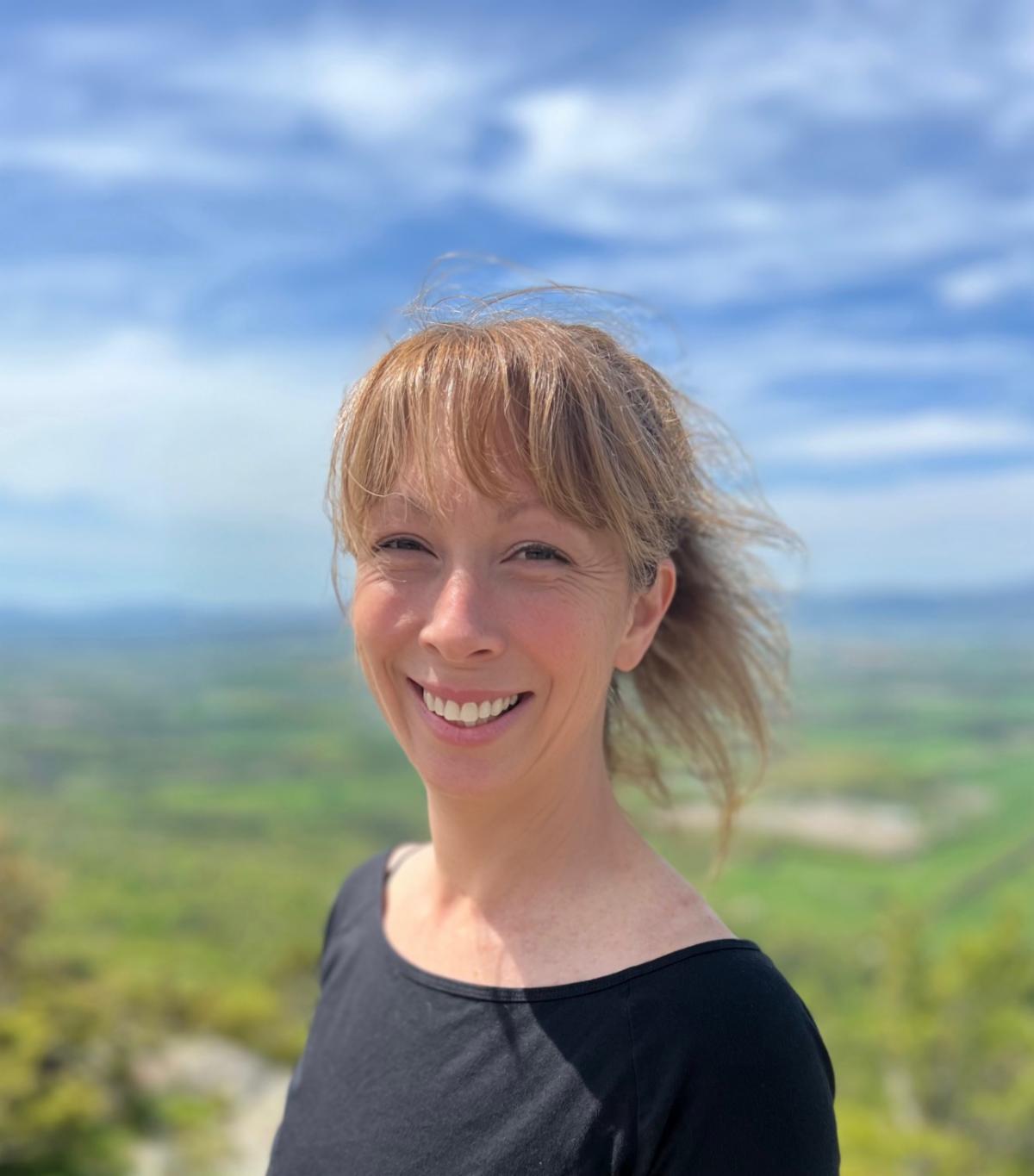
Before joining ACS, Cheryl had worked with farmers in providing agronomic and conservation practice support, helping to navigate state and federal regulatory requirements and cost-share programming, and assisting with farm business systems planning and big picture goal setting. Building relationships with farmers forms the foundation of her work.
She has a Master of Science degree in Plant and Soil Science from the University of Vermont and obtained a Bachelor of Science in Animal Science from the University of New Hampshire. Cheryl also holds a Certified Crop Adviser license and certificates from the Ranching for Profit program. Before joining ACS, she worked for 3 years at American Farmland Trust and 11 years with the University of Vermont Extension in Middlebury, VT. As importantly, she has an extensive background managing grazing herds and has provided relief milking services on multiple dairy farms.
Cheryl will be based in Vermont and support ACS services in that region. She joins Thomas Eaton, Senior Consultant, Darren Usinowicz, Senior Consultant, and others in serving farmers’ agronomic and environmental planning needs throughout New England.
| | |
Dr. Venancio Fernandez
Senior Consultant
| |
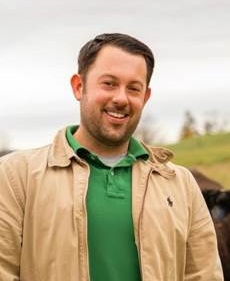
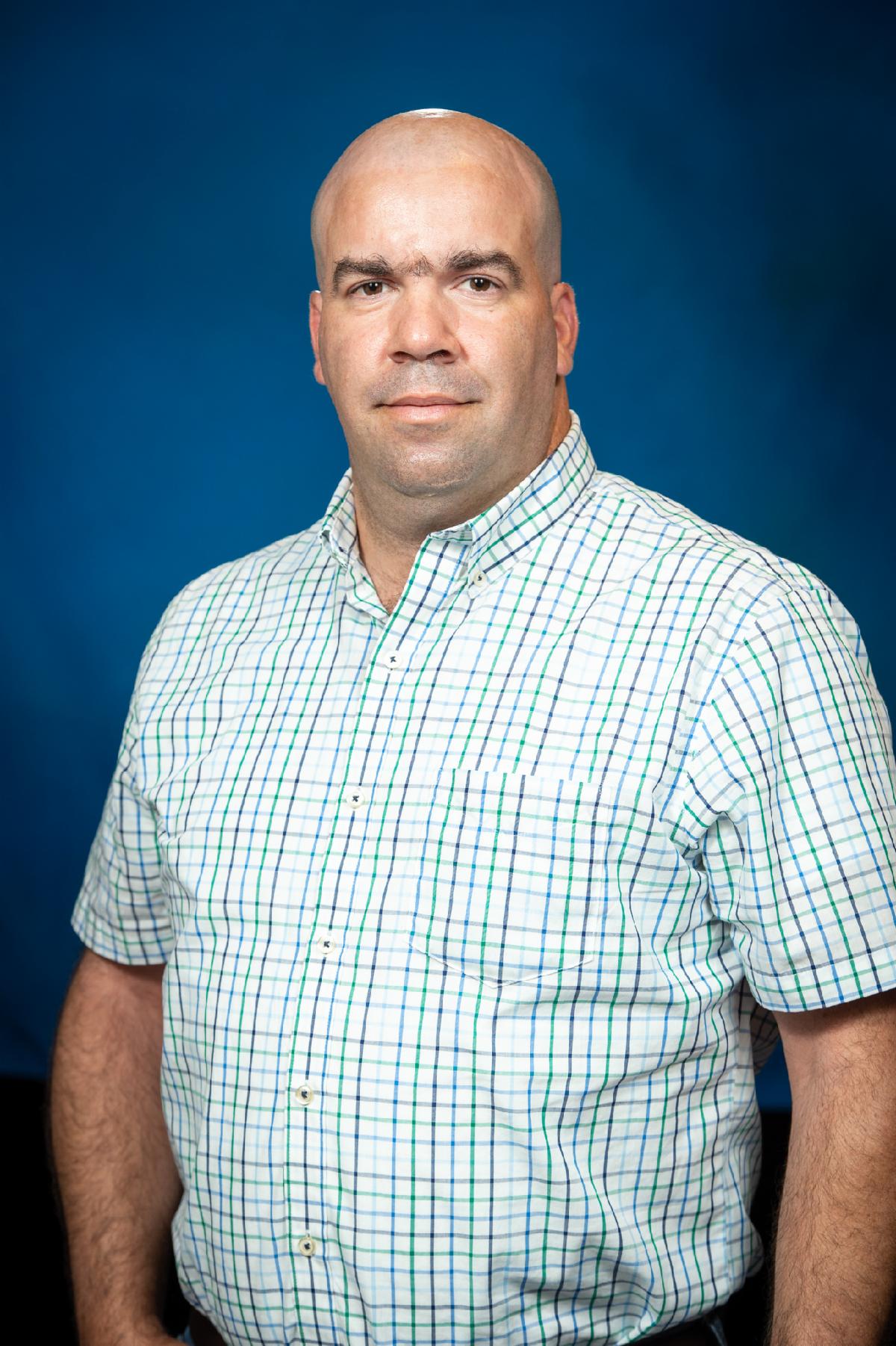
Dr. Fernandez has an extensive background in agronomy, agricultural research, and applied crop production for the ACS team. He earned his Ph.D. and M.S. in Agronomy from the University of Florida and holds a Bachelor of Science in Agriculture from Zamorano University in Honduras.
Throughout his career, Dr. Fernandez has combined scientific research with practical agricultural solutions, including more than eight years with Bayer and Monsanto, where he led agronomic research and technology development programs across New York and Pennsylvania. His expertise in weed science has also allowed him to collaborate closely with Cornell Cooperative Extension to develop and evaluate management strategies for controlling water hemp and other challenging weeds in row crop systems.
Having spent much of his professional career working with producers throughout Western New York and Pennsylvania, Dr. Fernandez has developed a strong appreciation for the region's diverse agricultural systems and the challenges facing its farming communities. He is deeply committed to supporting the long-term success of Western New York agriculture through science-based crop management strategies that improve farm profitability while protecting the natural resources that sustain the industry.
| | |
Jonathan McCall
Agronomy Technician
| |
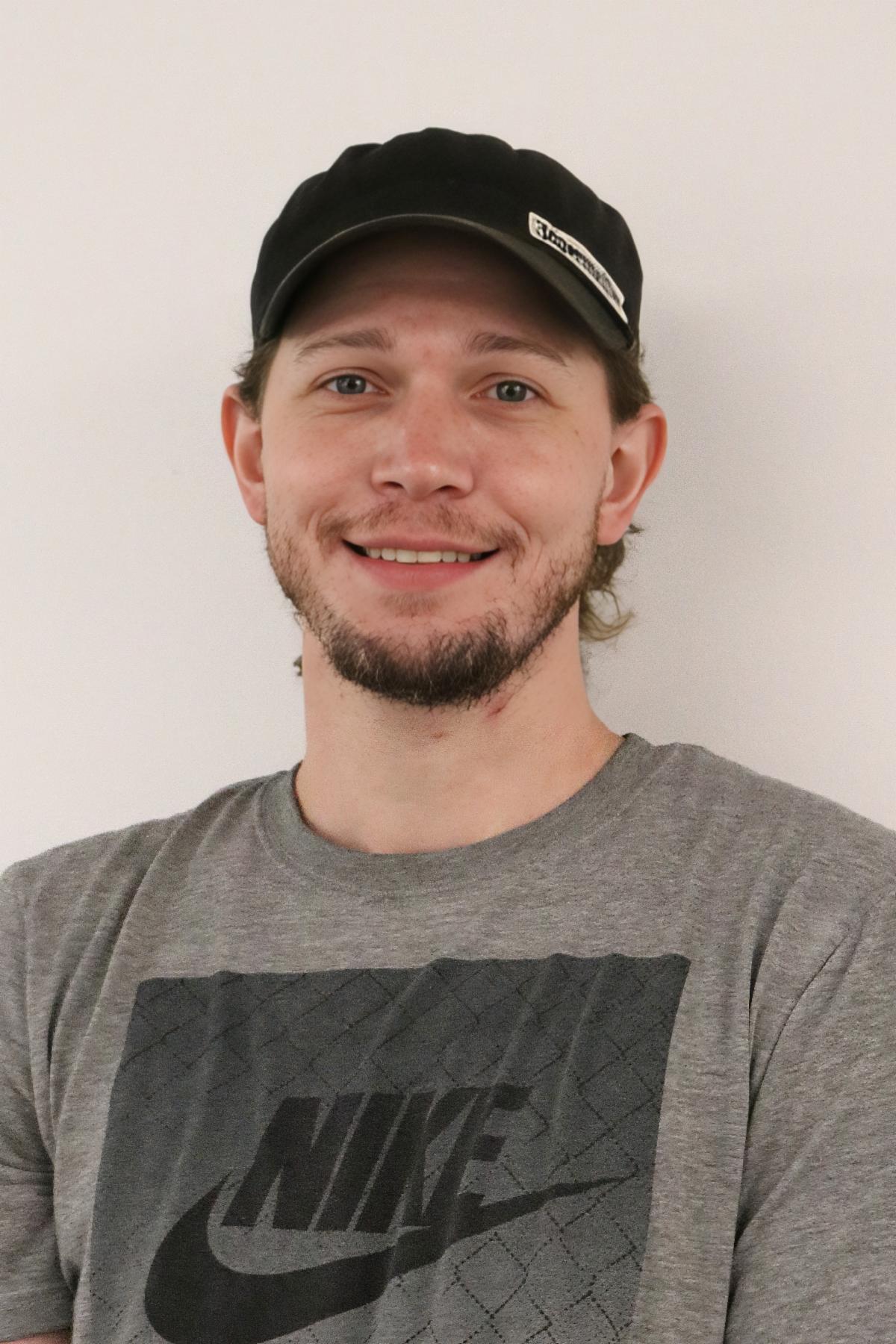
In regard to previous job experiences, I have done a wide variety of things, ranging from construction, food service, package handling, waste management, security, and more.
Some things that I personally enjoy are outdoor activities such as fishing, camping, any kind of walks or hikes in a nice scenic location, or alternatively, I enjoy a day inside playing video games, or enjoying a good movie, or spending time with my girlfriend, her kids, and our animals.
So far, my experience as a part of the ACS team has been pleasant to say the least. I have yet to have a negative interaction with a single person; everybody has been absolutely pleasant and helpful. The work itself is something I wake up and can actually look forward to, because what is there not to love about getting out in some fresh air in what is almost always a beautiful location? I enjoy the opportunity to be a part of the team and perform the duties that have been assigned to me. There is a nice balance of field work and office work to keep my week in a cycle where I am not overwhelmed by one or the other. It is a welcome change to my daily routines, and I appreciate having the ability to learn and do more!
| | |
Samantha Chapman
GIS Technician
| |
Previous Job Background:
- I worked for New Castle County Government (New Castle, DE) for almost 4 years as a GIS Technician (2018-2022)
- I have also helped my husband with his micro publishing business and built the website for my mother-in-law’s non-profit.
Education:
- I have my Bachelor’s Degree in Integrative Science Concentrating in Environmental Science and Renewable Energy from Harrisburg University of Science and Technology (2016 - Harrisburg, PA)
Things I do for fun:
- I have an almost 4-year-old daughter (September is her birthday) and a 4-year-old Bernedoodle, so we spend a lot of our time at parks and reading stories.
- I’m also a gardener and plant enthusiast.
What I hope to bring to ACS:
I hope to support ACS as part of the GIS Team with strong data stewardship and a systems thinking approach. My focus is on building and maintaining clean, reliable mapping data as Twine grows and for that data to help support all parts of our operation.
| | Vermont Farmers Meet to Discuss Strategies for Adapting to the Neonic Ban | |
By Cheryl Bruce, Senior Consultant
In late August, Agricultural Consulting Services collaborated with Vermont’s Champlain Valley Farmer Coalition for a film screening and farmer discussion on the phase-out of neonicotinoid seed treatments.
Both NY and VT have enacted legislation to ban the use of neonicotinoid (or neonic) seed treatments beginning January 1, 2029. This is not very far away, with only two growing seasons between now and then for farmers to adapt to this coming change.
The film, ‘Seeding Change: Farming Beyond Neonics’, produced by the One Hive Foundation, will be released in fall 2026 and will be screened throughout Vermont. It will later be made available on the foundation’s website (www.onehivefoundation.org). Considering the ban that is coming down the line, it seemed important that farmers who grow crops using these treatments would have the opportunity to see the film before its widespread release and share their thoughts.
ACS and CVFC were able to work with One Hive to host a farmer-only pre-release screening of the film followed by a discussion to assess next steps. The film highlights five commercial-scale crop farmers in Quebec and how they made the transition away from neonic-treated seed, which was banned in the province in 2019. Also featured is research being conducted by both Cornell’s IPM program and the University of Vermont Extension and the results the researchers are finding. Overall, according to the film, the research shows no yield difference between the neonic-treated seed and seed not coated with neonic treatments.
Facilitated discussion that followed asked farmers to share their initial reactions, their biggest fears, their best outcome, and incentive suggestions to move towards more field-scale trials. Overall, farmers were receptive to what was presented, but they voiced many valid logistical and economic concerns. “I am encouraged by the research results, the findings and experience of farmers in NY and QC,” said one farmer. “I still have questions.”
Conversation shifted towards potential risks and how to address them. Pest pressure, crop loss, seed cost, availability of untreated seed, and smaller planting windows when pest risks are lower. Can we figure all this out before 2029? One of the risks identified was, “Failing to adequately adapt and prepare.”
The consensus was that more field-scale trials are needed under various conditions (no-till versus tillage, tile-drained and un-tiled fields, early and late planting dates, and soil types, to name a few) to assess the best strategies moving forward.
Research on non-neonic treatments is underway with field trials in NY and VT. If you are interested in discussing what a transition away from neonic treatments looks like for your operation, please contact our office and we can point you to updated resources.
| | |
Development of Twine.Ag continues to move forward as ACS and MyFarms work to create a single platform connecting precision agronomy and environmental compliance from seed to feed.
Twine has already grown into a significant part of ACS operations. Today, the platform supports 343 users, nearly 32,000 fields, and more than 510,000 acres across multiple states. It provides a shared workspace for consultants and growers and supports services including soil sampling, fertility management, nutrient management planning, mapping, and prescription development.
Planning the Next Generation of Twine
This quarter, ACS hosted Chris Fennig, Managing Director of MyFarms, at Dairy One for an in-person strategic planning session focused on the future of Twine.Ag. ACS consultants, technicians, leadership, and other key users came together with MyFarms to review how Twine is being used today, discuss lessons learned from previous development efforts, and identify priorities for Generation 4 of Twine.Ag.
The discussion focused not only on improving existing functionality, but also on what the next generation of the platform should become. Priorities included more robust yield data visualization and analysis, improved field and zone management, enhanced soil and fertility tools, better integration of agronomic recommendations and records, expanded crop scouting capabilities, and development of a mobile experience for consultants, technicians, and growers.
This collaborative approach is important to Twine's development. The people using the platform in fields and on farms are helping shape its future alongside the development team, ensuring that new capabilities address real-world agronomic, environmental, and operational needs.
Recent Improvements
That feedback is already translating into improvements. New Year, Milestone, and Status filters make it easier to navigate increasingly large numbers of grower milestones while improving page responsiveness. Updates to manure application records now automatically filter Best Management Practice (BMP) options according to application method and timing, improving consistency and alignment with nutrient management planning workflows.
Environmental planning and mapping tools have also received considerable attention. Recent improvements include updated Vermont-specific setback requirements, better handling of small setback polygons, duplicate field protection, improved feature visibility, and significantly faster setback editing.
Behind these individual improvements is a much larger vision: reduce duplicate work, improve the quality of agronomic recommendations, strengthen regulatory confidence, and create scalable digital infrastructure for Dairy One and its customers.
Looking Ahead
Development will continue into 2027, with priorities including yield and EC zoning, expanded manure management capabilities, mobile integration, additional automation, and work management tools. Twine is also beginning an important transition from primarily an internal ACS platform toward a product with broader industry potential, with initial standalone sales activity and industry demonstrations already underway.
The continued investment in Twine reflects a larger commitment by ACS and Dairy One to build the tools our consultants and customers will need for the future. By bringing agronomic information, environmental planning, precision agriculture, and farm records together, Twine has the potential to make our teams more efficient while delivering even greater value to the farms we serve.
Twine.Ag: Two Strands. One Platform. Stronger Farms.
| | Updates from the Dairy One Forage & Soil Labs | | |
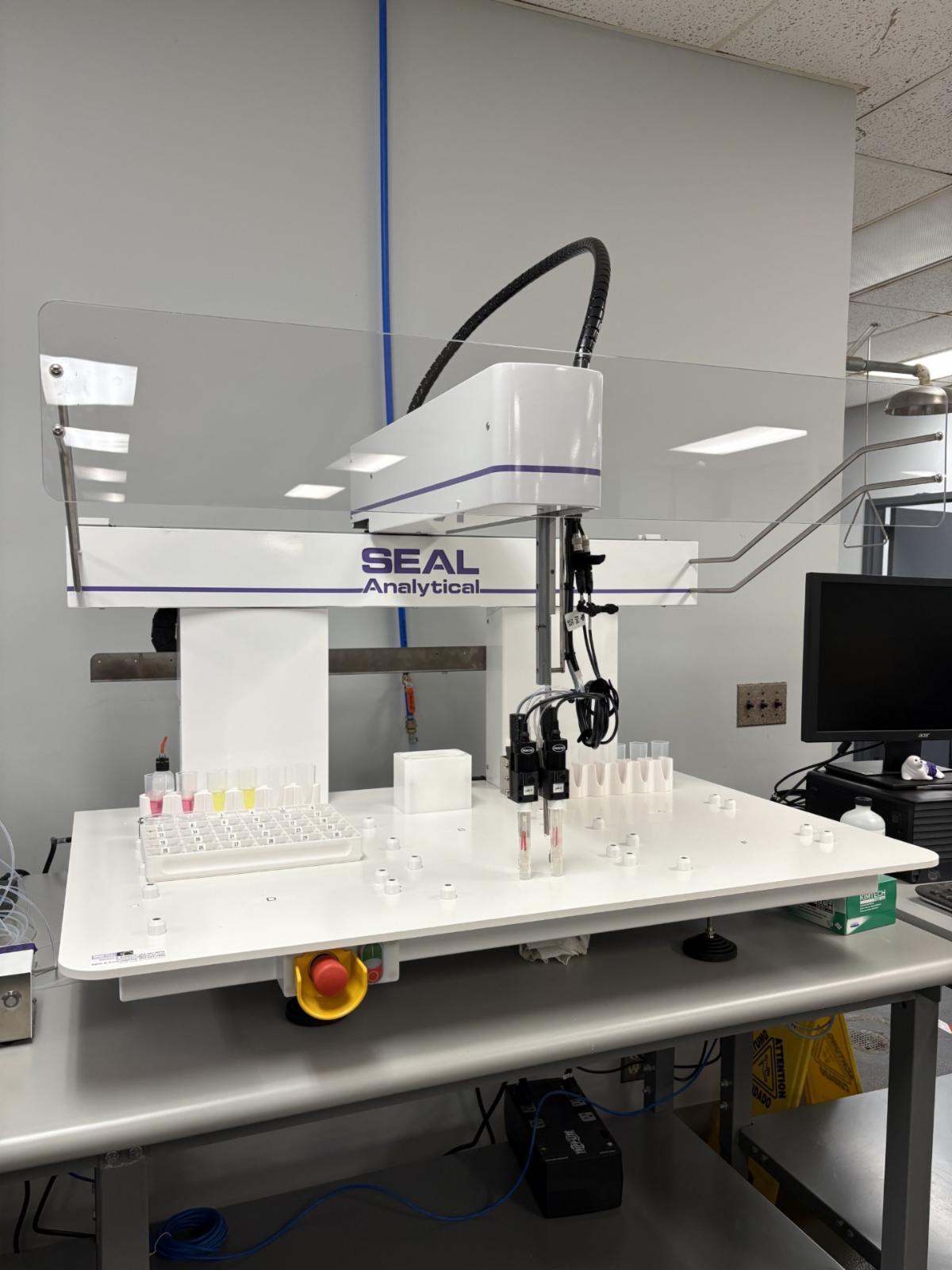
Dairy One is proud to present the newest member of the Soil Lab - the SEAL Analytical MiniLab pH robotic system! This advancement will significantly improve the efficiency, consistency, and throughput of soil pH analysis within our lab. Soil pH is one of the most frequently requested and fundamental soil tests performed here at Dairy One, making it an ideal candidate for automation. This new system can automatically add the appropriate volume of extractant to each soil sample, stir the suspension, allow the required equilibration time, calibrate the pH electrode using designated standards, perform the pH measurement, and incorporate the appropriate quality control procedures. The system can also be configured with additional automation features, including barcode reading, sample tracking, filtration, dilution, and integration with our laboratory information management system.
While an obvious benefit of the pH robot is a reduction in manual handling and processing of samples and thus a major time savings, this new system also offers improved consistency and data quality. Soil pH measurements can be influenced by variations in extraction volume, mixing, equilibration time, electrode handling, and measurement timing. A robotic platform applies the same programmed procedure to every sample, helping standardize these critical steps across technicians, days, and periods of high workload.
Overall, the SEAL pH robotic system represents an important investment in lab automation that we believe will increase efficiency, improve analytical consistency, reduce manual workload, and provide the capacity needed to process a growing volume of soil samples effectively and reliably. We can’t wait to try it out on your samples!
| Corn silage season is here! The Dairy One Forage Lab can test all forms of corn: kernels, silage, corn stalks, and ground feed. Check out a recent Improver Page about why it's beneficial to analyze your corn products. | |
| |
Now Hiring!
ACS is looking to build our team, so please spread the word! You can view all open positions at the link below.
We are an equal opportunity employer. There are many great benefits and training programs available to our staff.
Job Listings for ACS & Dairy One
| | | | |
Agricultural Consulting Services | 730 Warren Road, Ithaca NY 14850
Email: info@acscrops.com
| | | | |