Logo.png

Tennessee, 11/28/21: Corinth

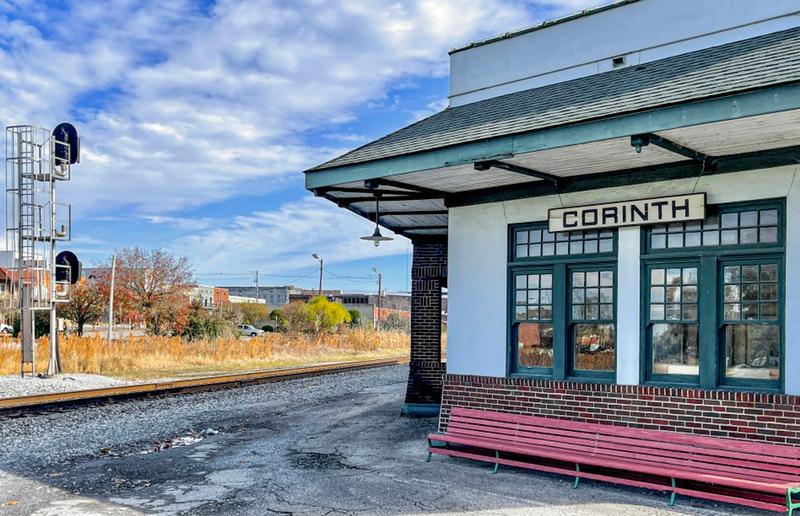
The strategic crossroads in Corinth, Mississippi, still exists and is still used.

Yowza!!!! When I opened up V-Jer’s door for the first time this morning, I almost choked. The foul order laying in wait for me suprise-attacked all my senses, not just my sense of smell.


I quickly realized that a paper mill that produces the brown craft paper used to make cardboard must be nearby. Mosinee, a town in Wisconsin, has a similar mill that pumps out the same stench. I then remembered that a couple of the reviews I had read months ago about this campground mentioned that if the wind is just right, the smell can be bad. This morning, the wind was just right.


We quickly drove off to Corinth to investigate the Corinth Civil War Visitor’s Center. Sure enough, just a few miles away from the campground, we drove by a huge papermill. Fortunately, the Visitor’s Center was awesome and the wind was blowing in the opposite direction of Corinth.

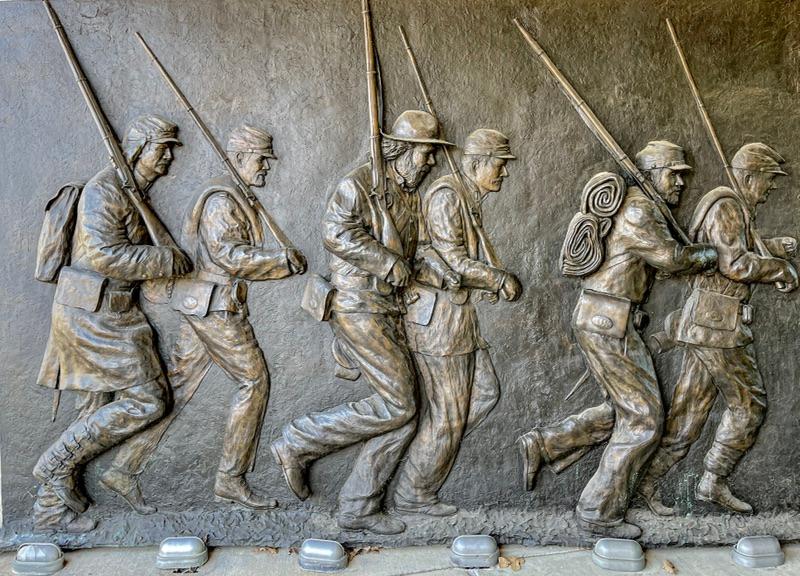
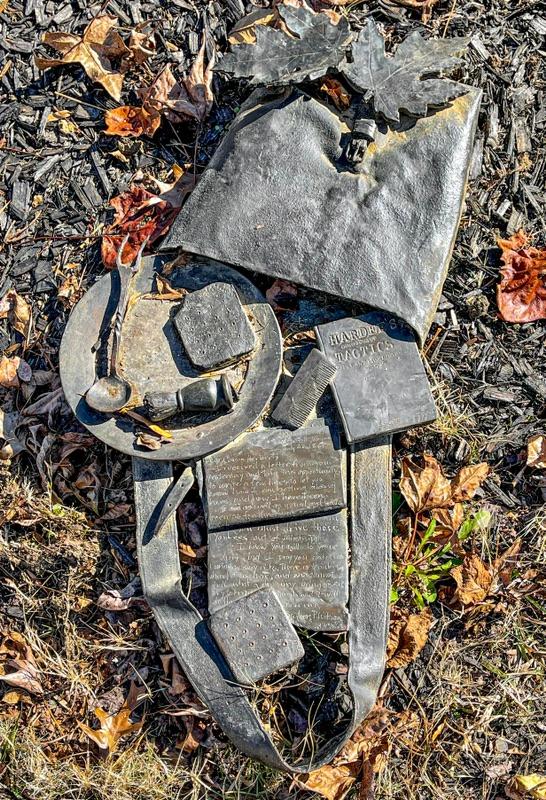
Relief art at the Visitor’s Center.

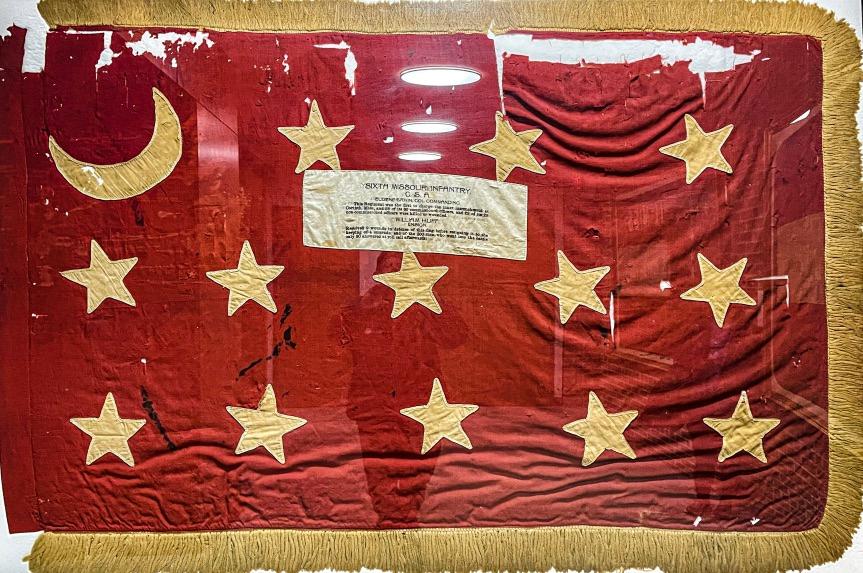
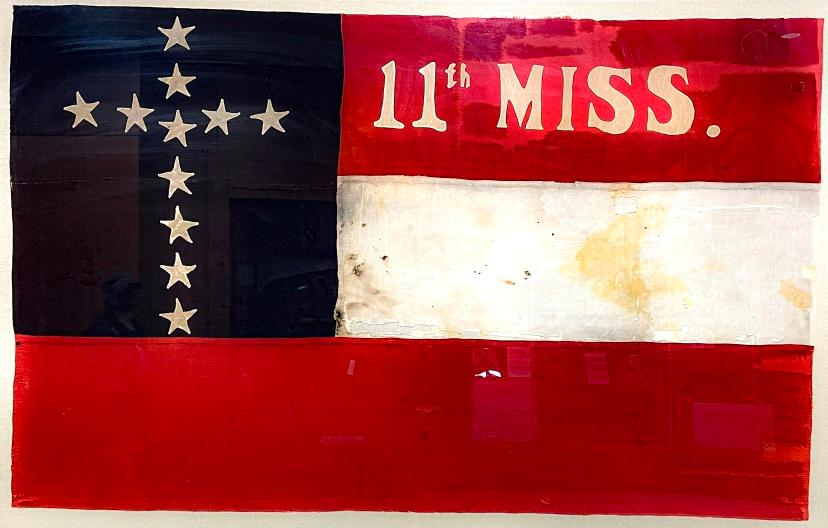
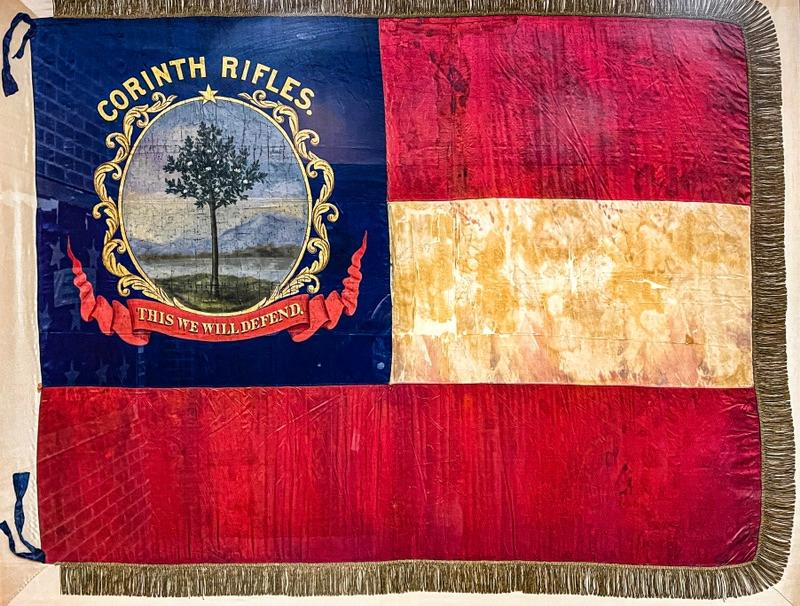
Unit battle flags. This is the flag of the Confederate Missouri 6th Infantry Regiment. Interestingly, there was also a Union Missouri 6th Infantry.

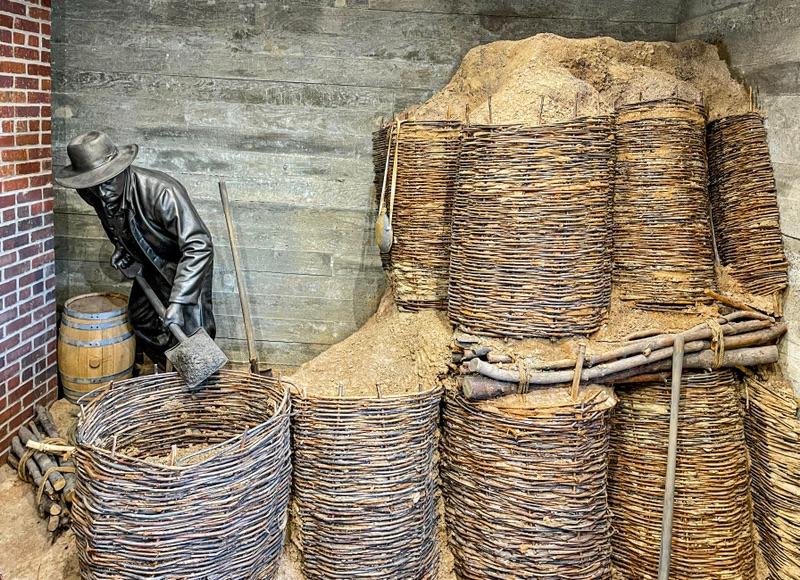
New tactics were developed during the Civil War, including “digging in” by building barriers and earthworks. In fact, by 1864 and 1865 trench warfare was invented. The extensive network of trenches built at the siege of Petersburg during the summer of 1864 became the forerunner for WW I.

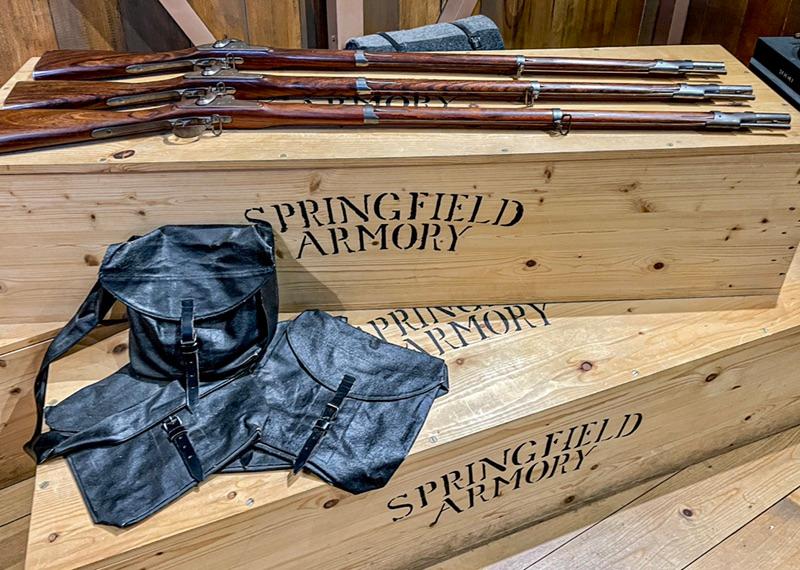
The Springfield Armory, located in Springfield, Massachusetts, was the principal manufacturer of guns for the Union.

Grant’s boss, General Henry Halleck, or Old Brains as was his nickname, was horrified over the bloodletting at Shiloh. He blamed Grant. He took direct command of the combined Army of the Tennessee and the Army of the Ohio for the rest of the Corinth Campaign.


Halleck, the overall commander of the entire Western theater, wrote military manuals and was considered to be a brilliant military mind. The problem was, the Civil War was a new brand of war that few military minds understood. The Civil War introduced the concept of “Total Warfare”.


This was due, in part, to technology. For instance, prior to the Civil War, the inside of gun barrels were smooth. The lead balls emerged from the barrel like a knuckleball thrown by a baseball pitcher. With no spin on the ball, it went off on its own trajectory. Accuracy was poor. Consequently, opposing armies had to march up very close to each other and shoot, reload, shoot, reload, shoot, until one side couldn’t take it, and either fled or surrendered. It usually didn’t take long for that to happen.


This close-quarter battle technique limited the amount that civilians were exposed to war. Armies had to carefully manuever to gain the best approach. Battlefields were usually in open fields. Battles were short-lived. It didn’t take long for one side to cry “Uncle”. It was all very gentlemanly. “Rifling” changed all that.


Rifling was a new technology introduced around the time of the Civil War. Spiraling grooves were etched into the inside of gun barrels. That put a spin on the lead ball that proved to keep the ball tracking straight and true. Suddenly, you could effectively shoot accurately for long distances. Marching in close to your enemy’s line in an open field was obsolete.


But, old military doctrine didn’t evolve as quickly as the technology. Slow plodding manuevers and frontal assaults were old tactics that were too often relied upon, usually with terrible results.


General Lee and General Grant were some of the first generals to recognize and grapple with the new realities. Armies had to be quick and mobile. You had to strike fast and with overpowering force. You fought to the bitter end over vast battlefields that were often in thickets, forests, and behind boulders. Battles lasted for days. Casualties skyrocketed. If civilian life got in the way, well, so be it.


Halleck was still “old school”. He amassed an army of 100,000 men. Then his slow plodding took two months for his force to march the 22 miles to Corinth. When he finally moved on the town, it had already been evacuated by Beauregard. This was partly due to the horrible sanitary conditions in the small town that couldn’t sustain Beauregard’s army, and the fact that he was outnumbered 2-to-1.


The real battle for Corinth occurred much later, October 3-5, 1862. By then, Beauregard had been replaced by Braxton Bragg. Bragg took the larger chunk of his army to Chattanooga where he planned to invade Kentucky. He left 26,000 troops with General Van Dorn in Mississippi. Van Dorn badly wanted to recapture Corinth.


On the Union side, Halleck went back to his administrative work. He left General Rosecrans and the Army of the Ohio in charge of Corinth’s defense. Grant was back in charge of the Army of the Tennessee and was eyeing up Vicksburg.


On October 3, 1862, Van Dorn launched his attack. After 3 days of intense fighting, Van Dorn was thoroughly repulsed. There was one unique aspect of the battle. It was one of the few Civil War fights that involved some house-to-house combat.


Between Van Dorn’s loss and Bragg’s ill-fated invasion of Kentucky, the South never recovered the offensive in the Western theater. Grant was free to begin his march on Vicksburg.

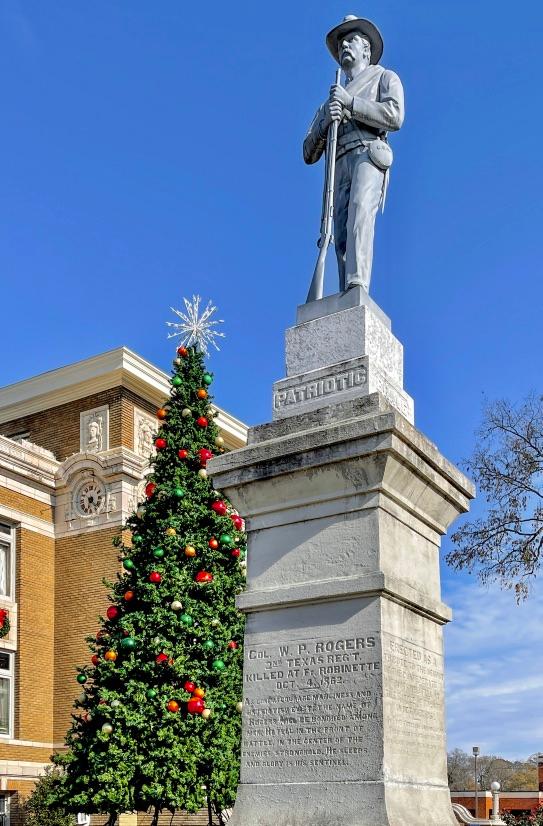
Colonel William P. Rogers of the 2nd Texas Regiment, is a very interesting story. He served in the Mexican War of 1848 in the regiment commanded by Jefferson Davis. Although Rogers served competently, he and Jefferson Davis did not get along. During the Civil War Rogers was commissioned as a Lieutenant Colonel and attached to the 2nd Texas Regiment. During the Battle of Shiloh, his regiment suffered casualties amounting to more than a third of its strength. Yet, Confederate General Hardee called the regiment a “bunch of cowards.” Rogers wanted to prove Hardee wrong. In the next few months, Rogers was not only promoted to full Colonel, but over 20 other regiment commanders petitioned Jefferson Davis to make Rogers a General. Davis, of course, refused. In the Battle of Corinth, on October 4, 1862, Rogers valiantly led his regiment into a fierce and murderous fire during the assault on the strong Union Battery Robinette. He was killed during the failed attempt. However, his bravery impressed Union General Rosecrans so much that he allowed Rogers to be the only Confederate to be buried with military honors.

These four strands of steel is why both sides fought so hard to control Corinth.

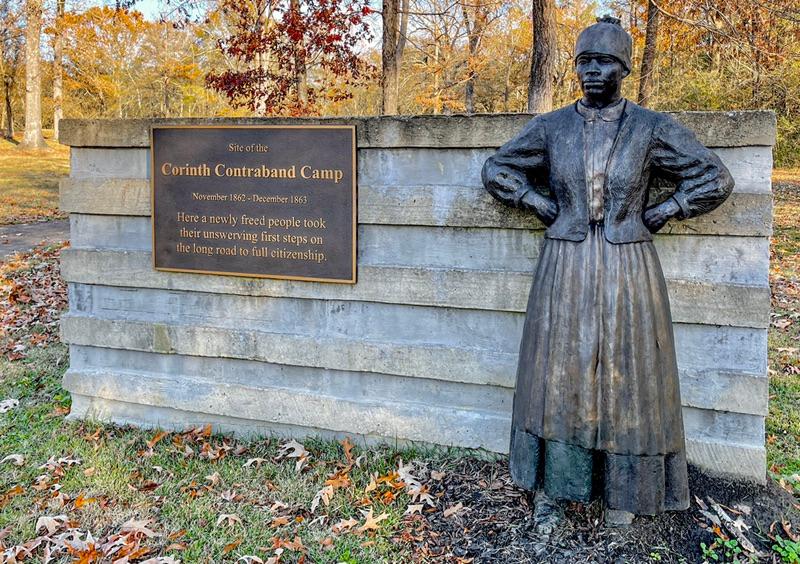
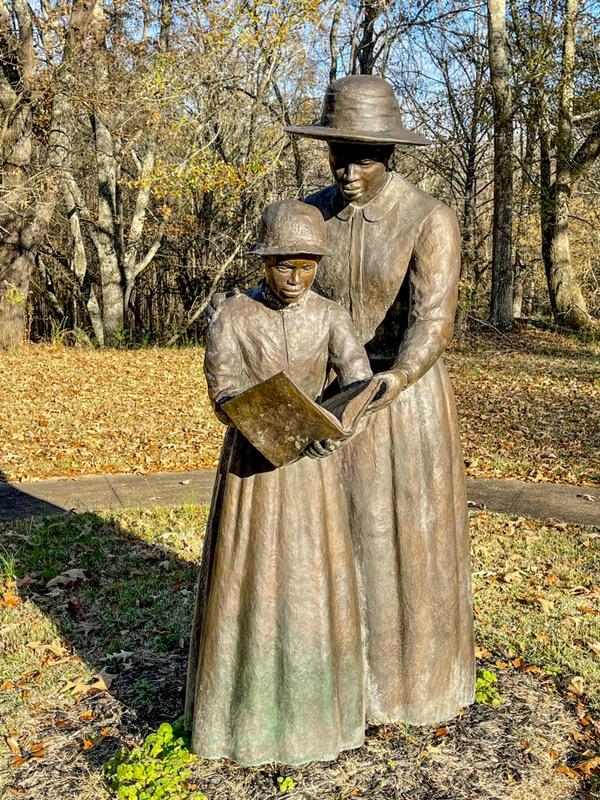
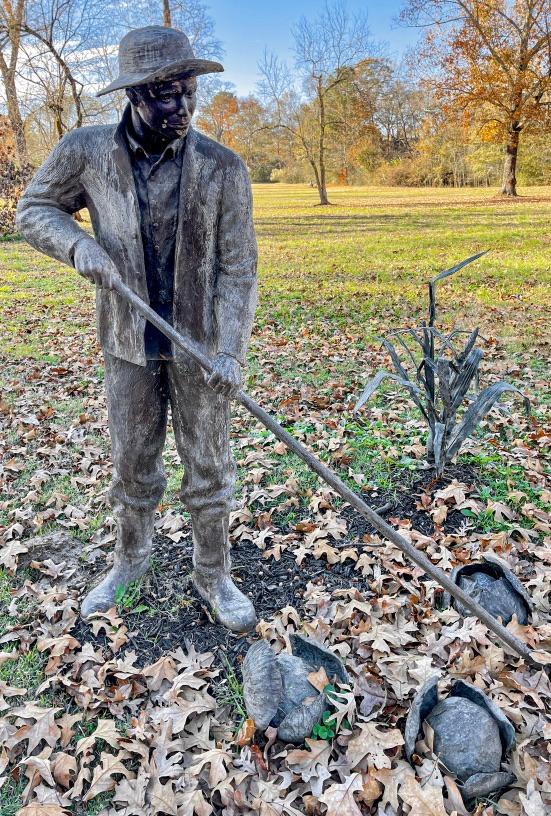
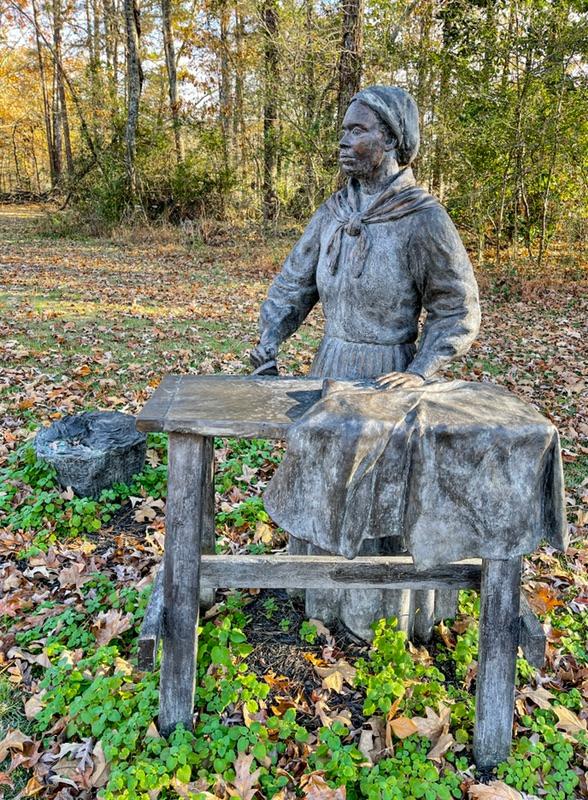
In November 1862, a very successful experiment took place. Former slaves that were, sort-of, freed by the retreating Confederate army, were allowed to establish a community. At the time, these refugees were considered “contraband” of the war. Some 6,000 black refugees set up a tent city. By mid-summer 1863, the community had blossomed into a thriving town of homes, a school, church, hospital, and a wildly successful farm cooperative. The town became known as the Corinth Contraband Camp.


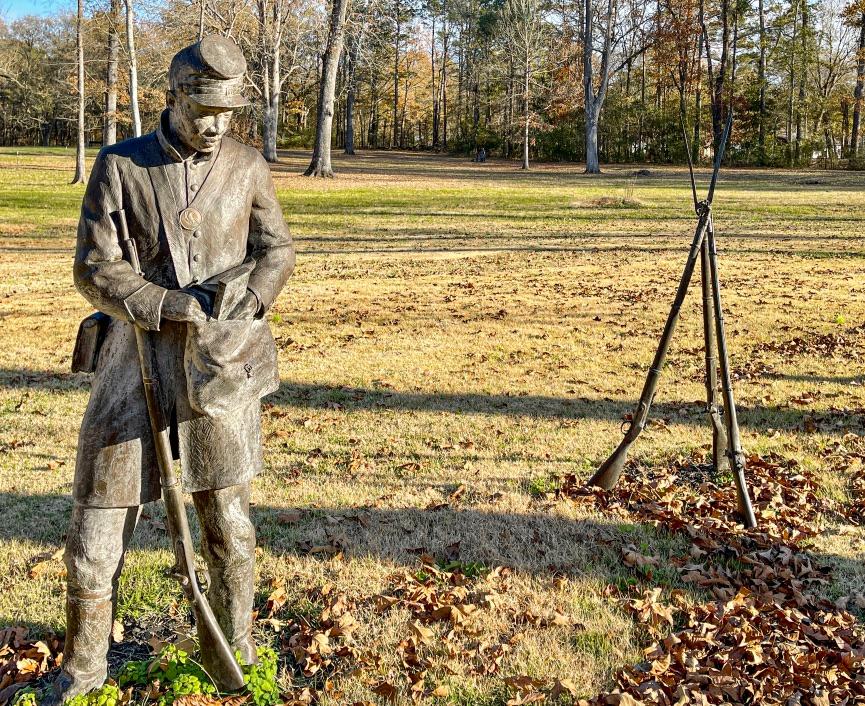
Abolitionists came to assist in educating and training the refugees. 2,000 black men enlisted in the Union Army that led to the 1st Alabama Infantry Regiment of African Descent. The farm coop raised 300 acres of cotton and 100 acres of vegetables. Cotton and surplus food was sold. By May 1863, the farm coop was netting $5,000 per month in profits.


Unfortunately, at the end of 1863, the Army moved to Memphis and closed the camp down. Sadly, it was never replicated. A small park remains in Corinth to commemorate the camp. The experiment proved that given opportunity, former slaves could fend for themselves. The trick is for the people with advantages to share those advantages.

This park in Corinth is dedicated to the innovative and successful, but short-lived, Corinth Contraband Camp.

Learning to read.

A tribute to the successful farm cooperative.

Some 2,000 black refugees from the camp joined the Union Army.

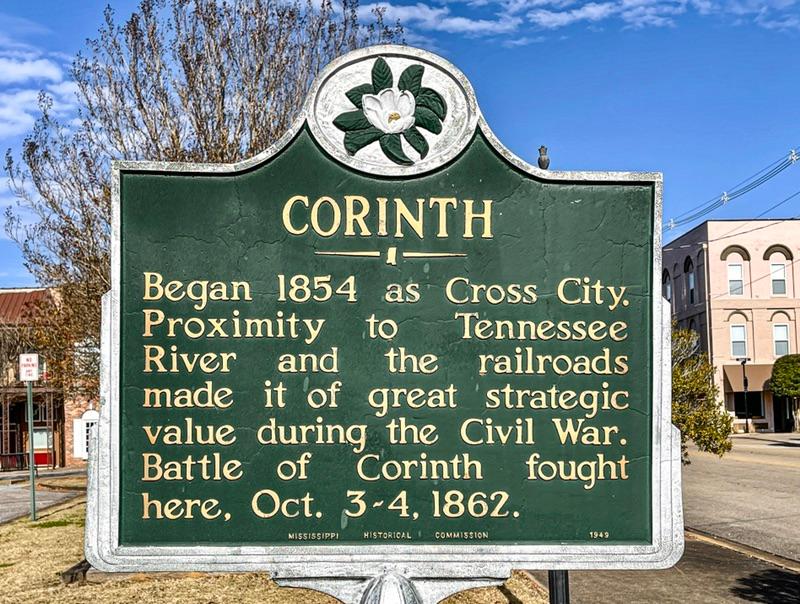
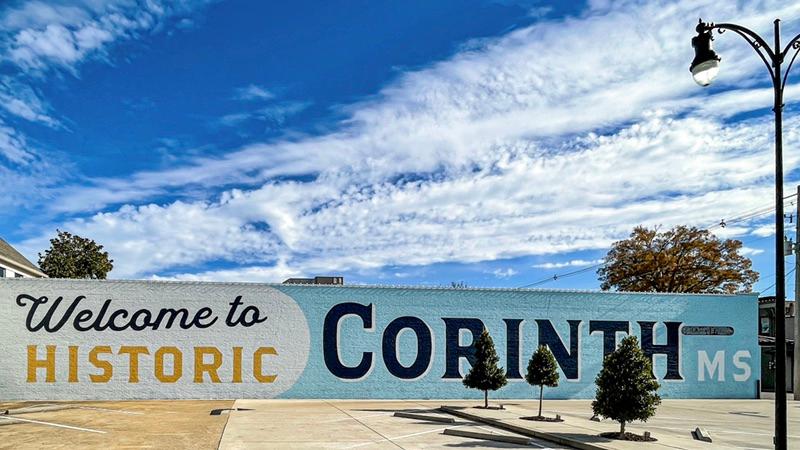
Corinth, established in 1854, was a thriving little town when the war enveloped it in 1862. The war nearly wrecked it. I knew that it had been about 150 years since then, but I didn’t know what to expect.


Corinth, population 15,000, was almost a cool town. I really wanted to like it. First of all, the Corinth National Battlefield Visitors Center was another first-rate experience. These National Battlefield Centers have a nice formula laid out.


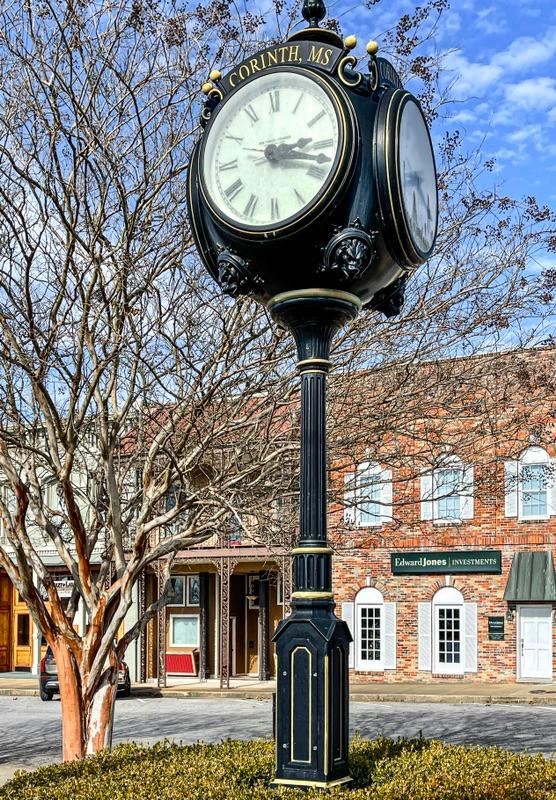
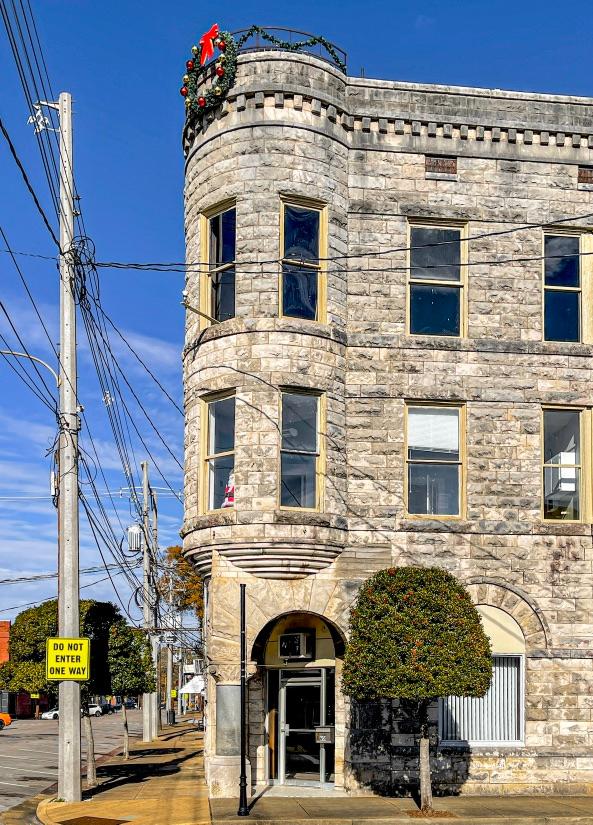
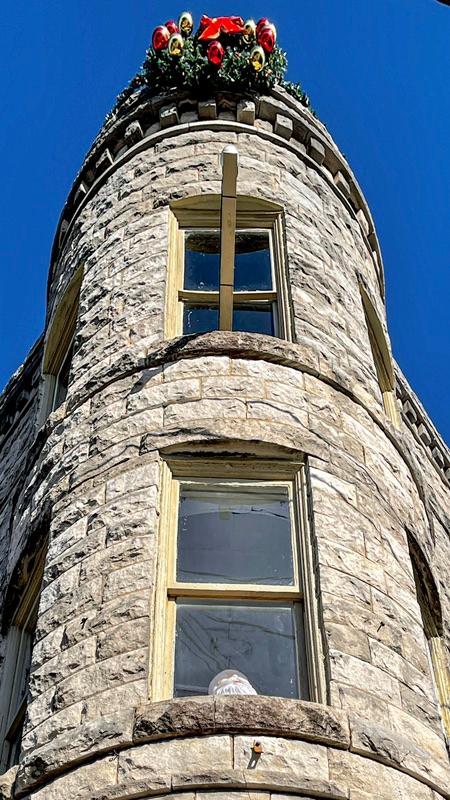
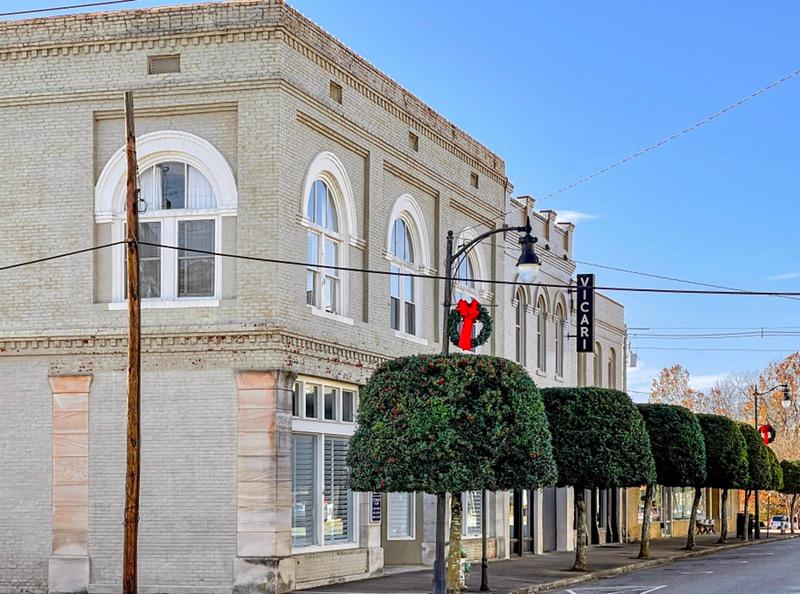
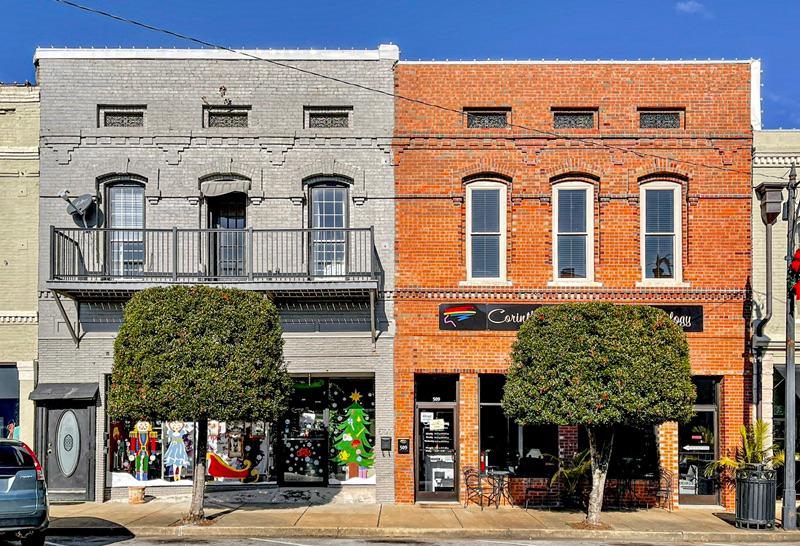
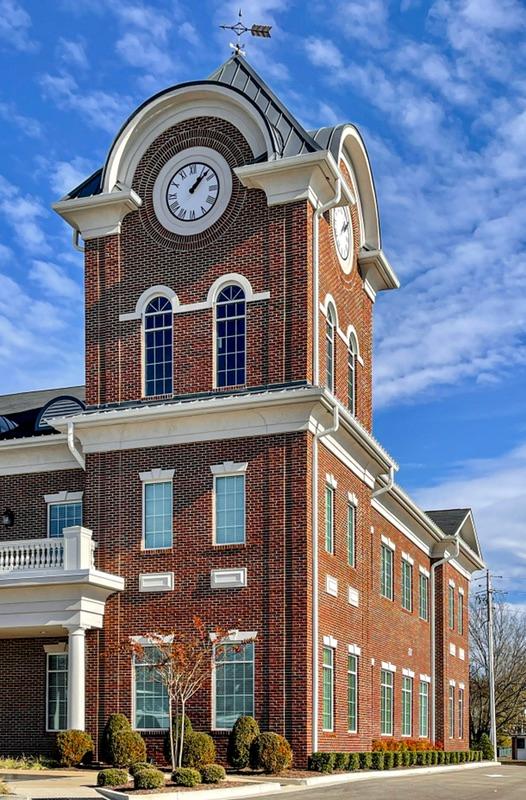
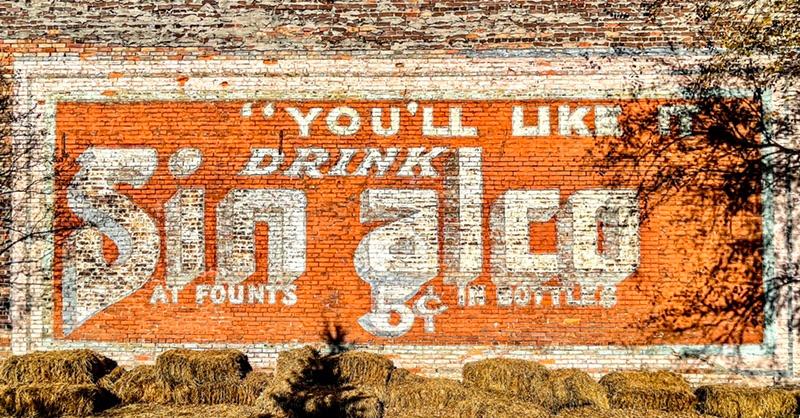
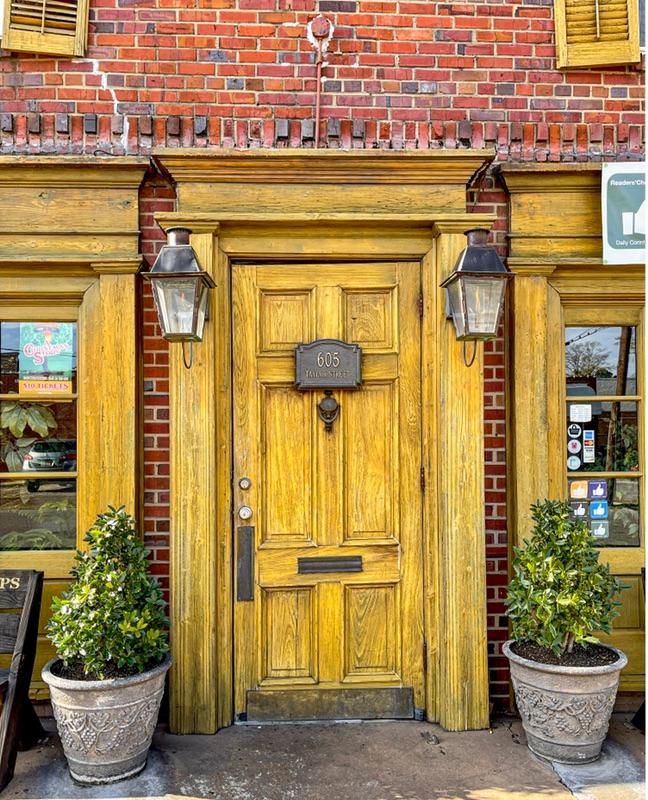
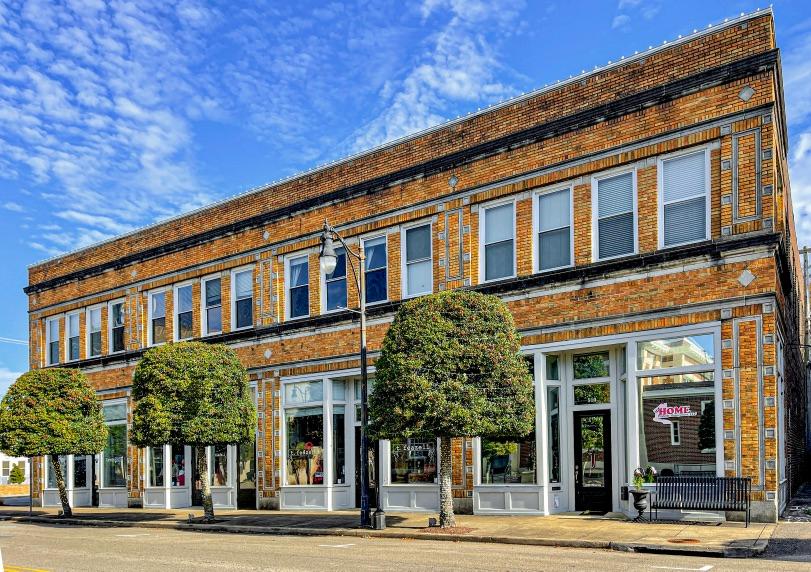
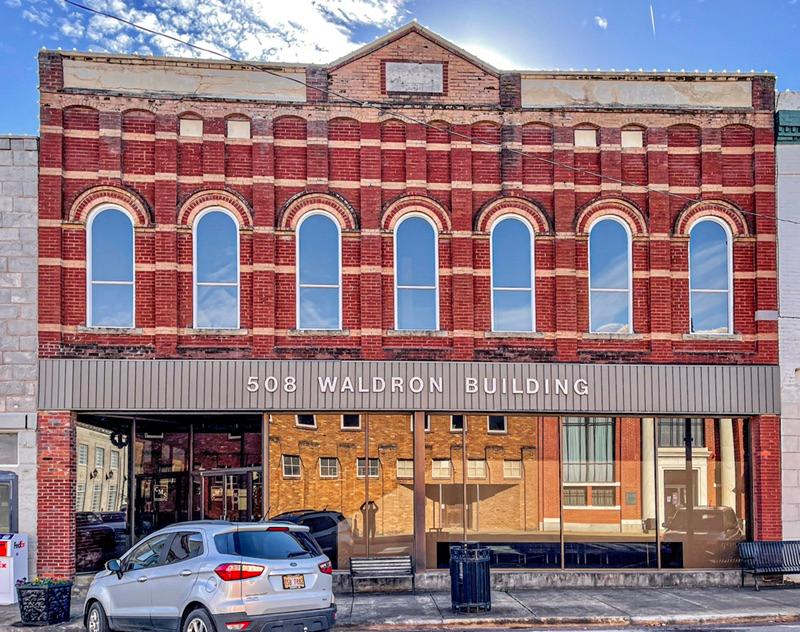
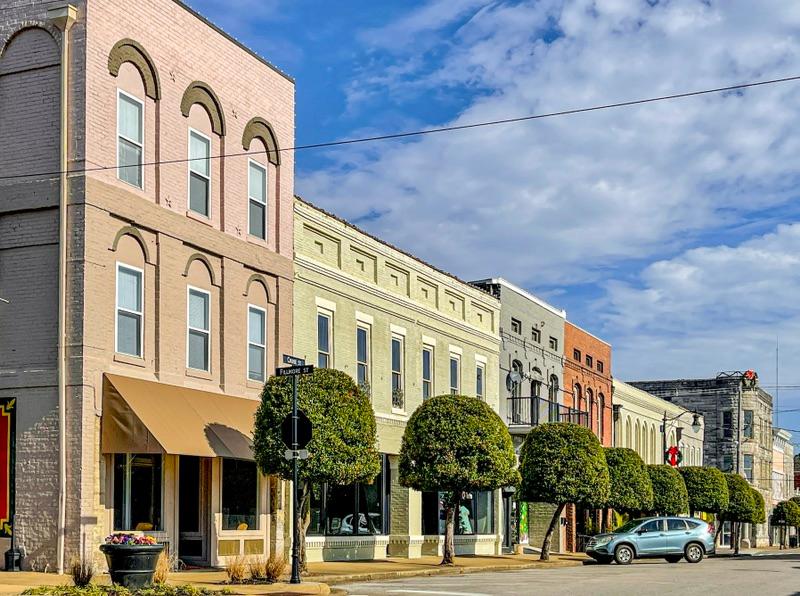
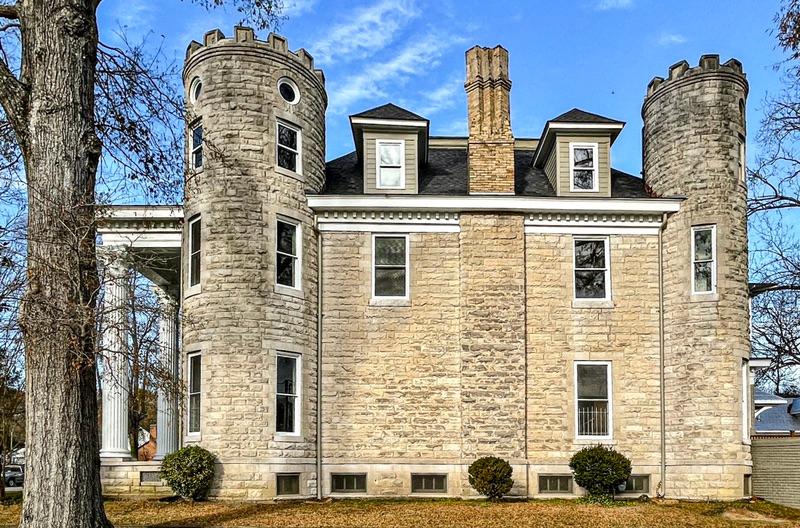
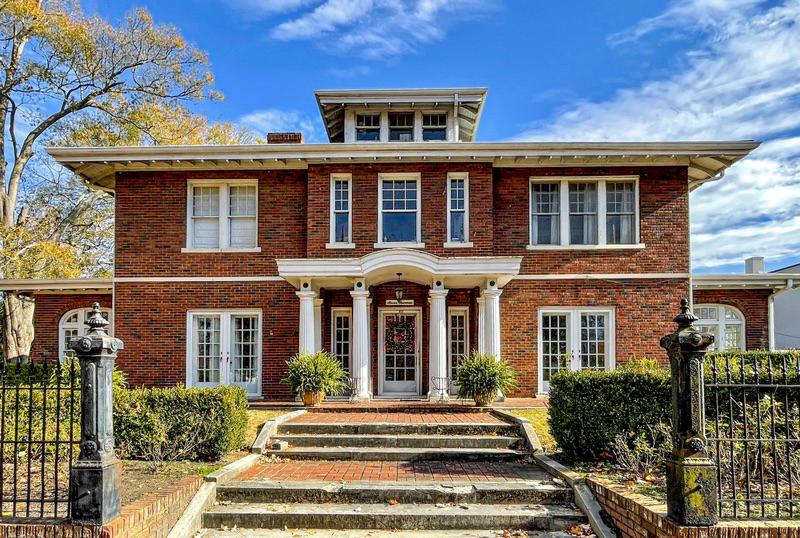
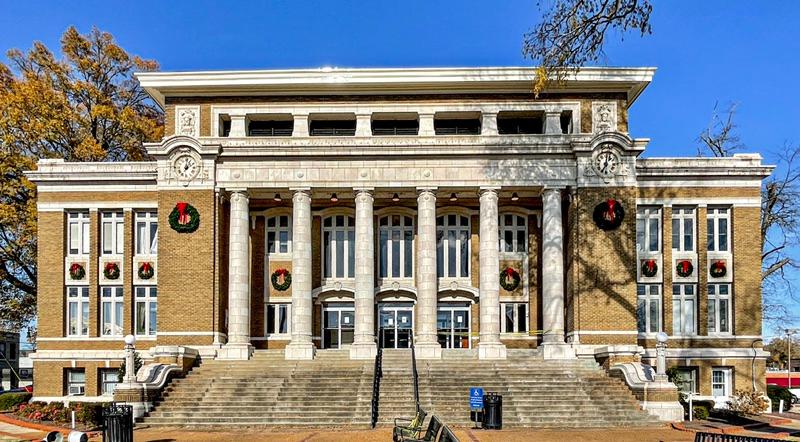
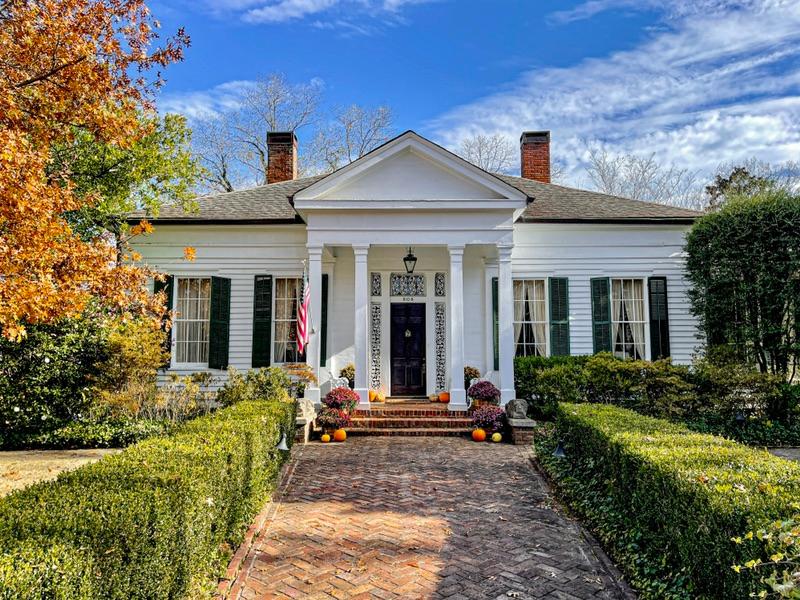
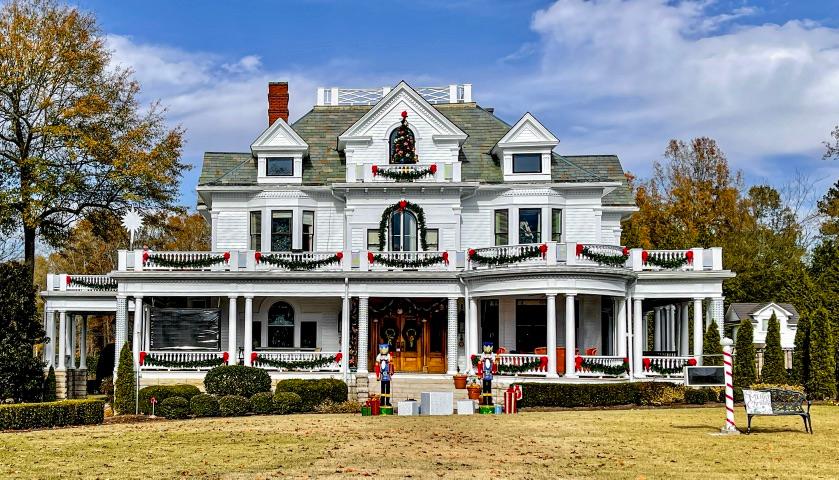
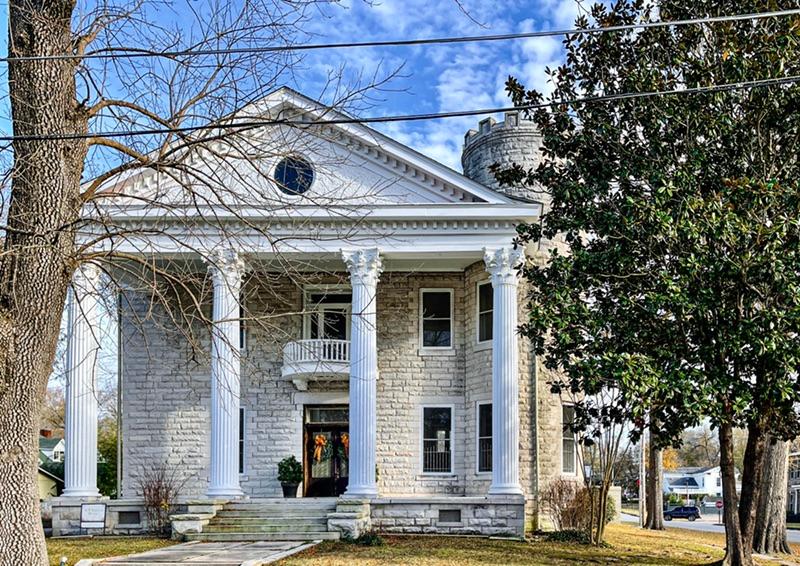
The downtown was nice, however, a lot of store fronts were empty. The historic homes and buildings were awesome. The Corinth Contraband Camp memorial was nice.


Unlike the Shiloh Battlefield which remains undeveloped, Corinth is a city. Many of the Civil War sites were only plaques or markers. Consequently, the auto tour sent us through many different neighborhoods. Some areas were wealthy subdivisions. Some were middle-class. Some were historic. Some were very distressed.

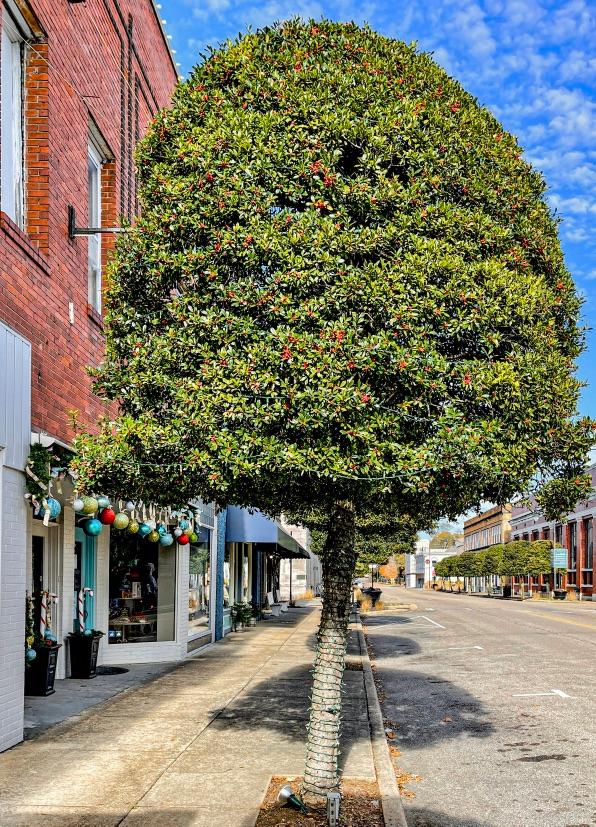
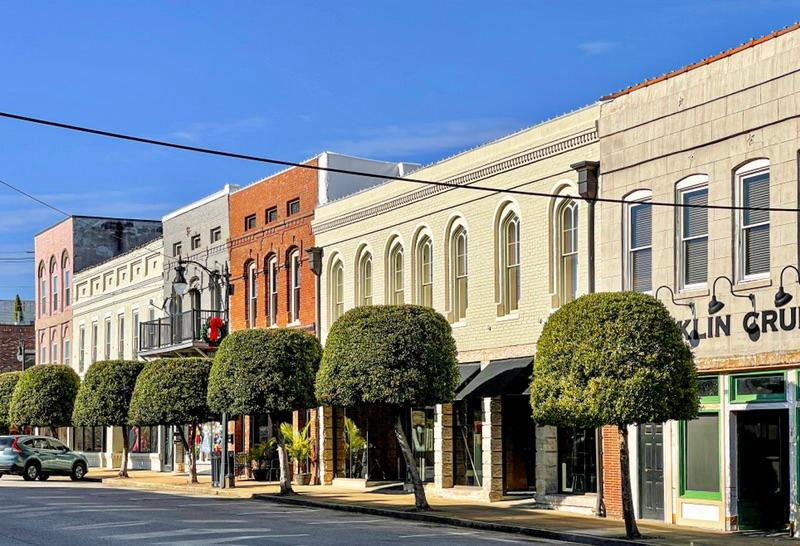
We loved the manicured trees downtown.

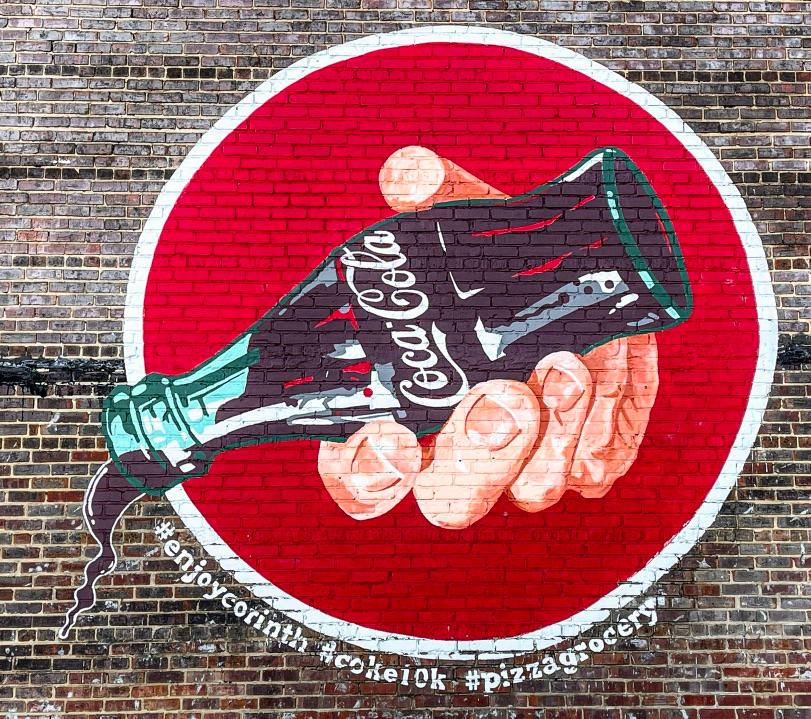
There was a CocaCola museum in town, but we skipped it.

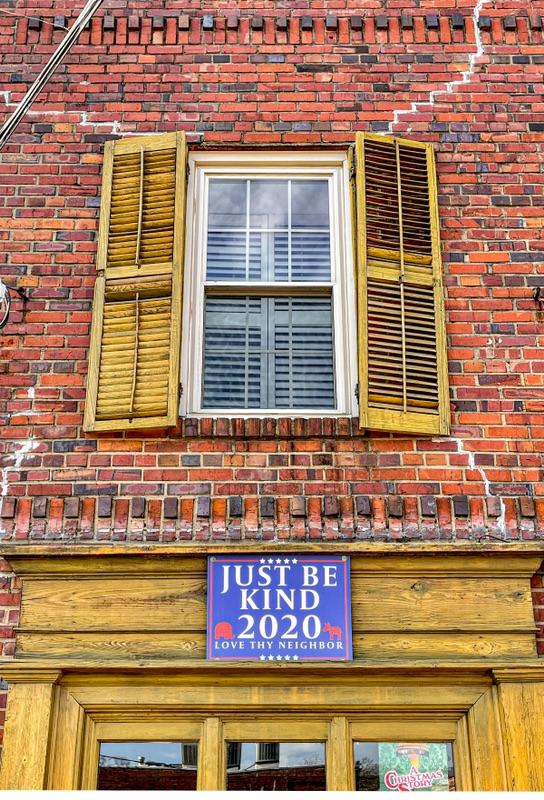
We were impressed with this 2020 election sign.

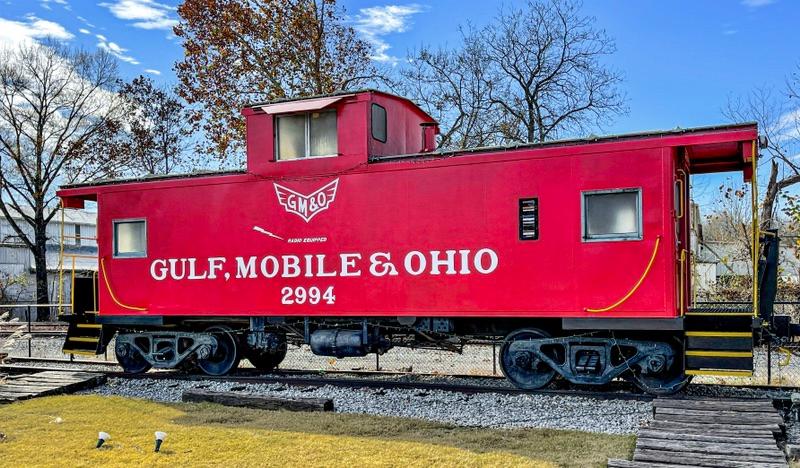
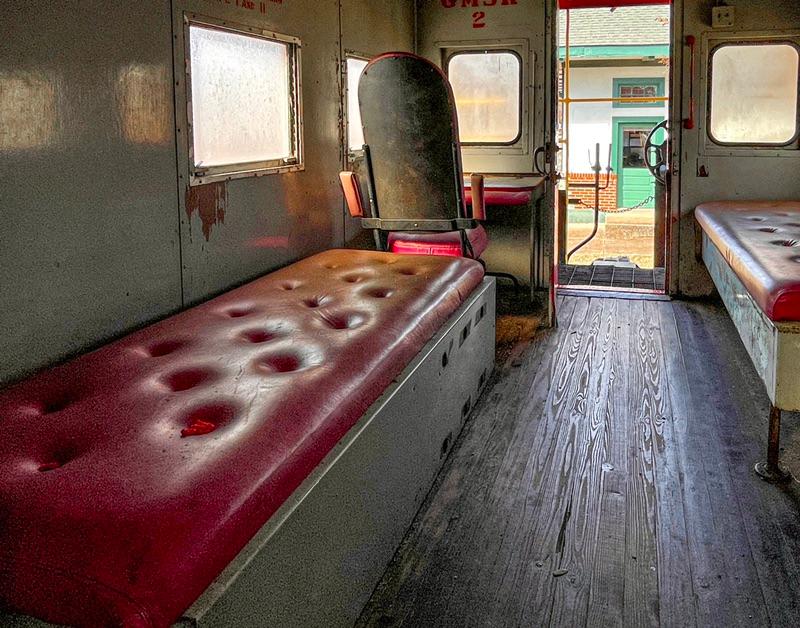
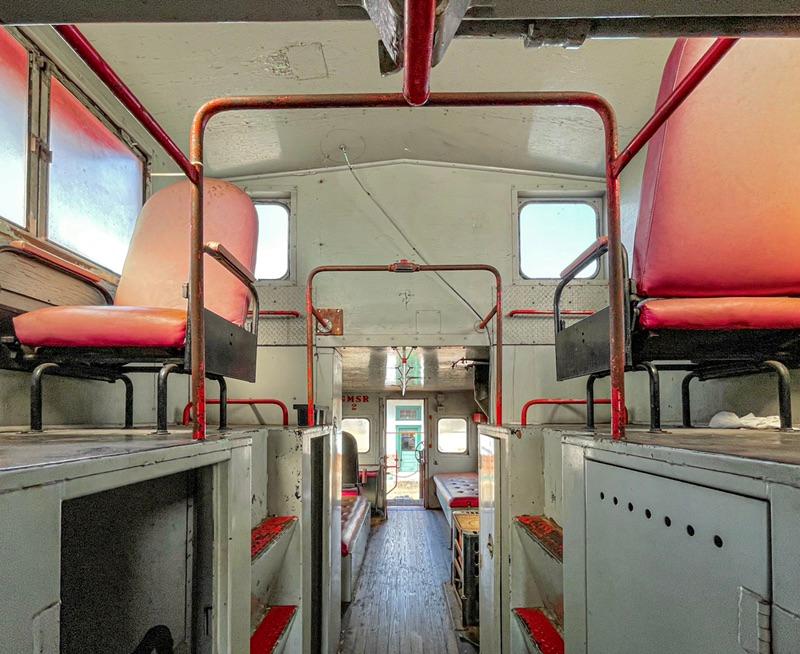
A caboose at the Crossroads Museum. The museum was housed in the former Corinth depot next to the famous RR crossroads. The caboose was from the historic Mobile and Ohio RR. The museum was closed, but the caboose was open.

My dad worked on the Soo Line RR as a conductor/brakeman. The caboose was his office.

As a kid, I got to climb around in a caboose many times. I especially loved the cupola.

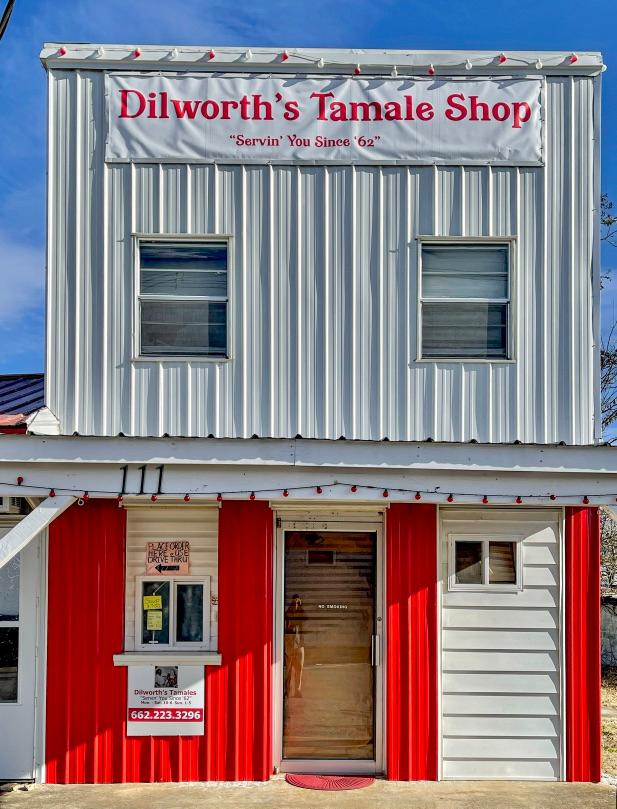
Just before leaving we found another hidden gem - Dilworth’s Tamales, since 1962. We ordered two beef veggie soups at $3.50 each, and a dozen hot tamales, at $5.00 a dozen. When we paid, we were told that the first dozen tamales were free. Dumbfounded, I failed to order another dozen. The soup and tamales were wonderful

Glossary of terms used for newcomers: 1) V-Jer. The name of our camper. 2) Saturn. The name of our Van. 3) Duende. Our mischievous gremlin that breaks things. 4) Tata. The good gremlin that helps us fix Duende’s dirty work. 5) The Black Hole. This is what we call Walmart because every time we go in for just a couple of items, we come out spending way more than we figured. 6) QT. Quaint Town. 7) Little Buddy. This is what we call our Dyson cordless stick vacuum.

Dave and Wanda

Get Vaccinated To Save Lives.

Virtual Business Card

North America . Europe . Mexico . Asia . Product Reviews . Books & Maps


Please send us your thoughts and any errors we may have missed. We're on the road and cellular service is intermittent in the remote areas. As soon as we get online, we are eager to read all of your messages.


Text: 715-252-6664 | 715-252-3326
Email: alloverthemaptravelventures@gmail.com

Visit our Website
Pinterest Share This Email