|
Suspected IS IED Targets Iraqi Counter-Terrorism Forces & International Coalition Convoy in Iraq
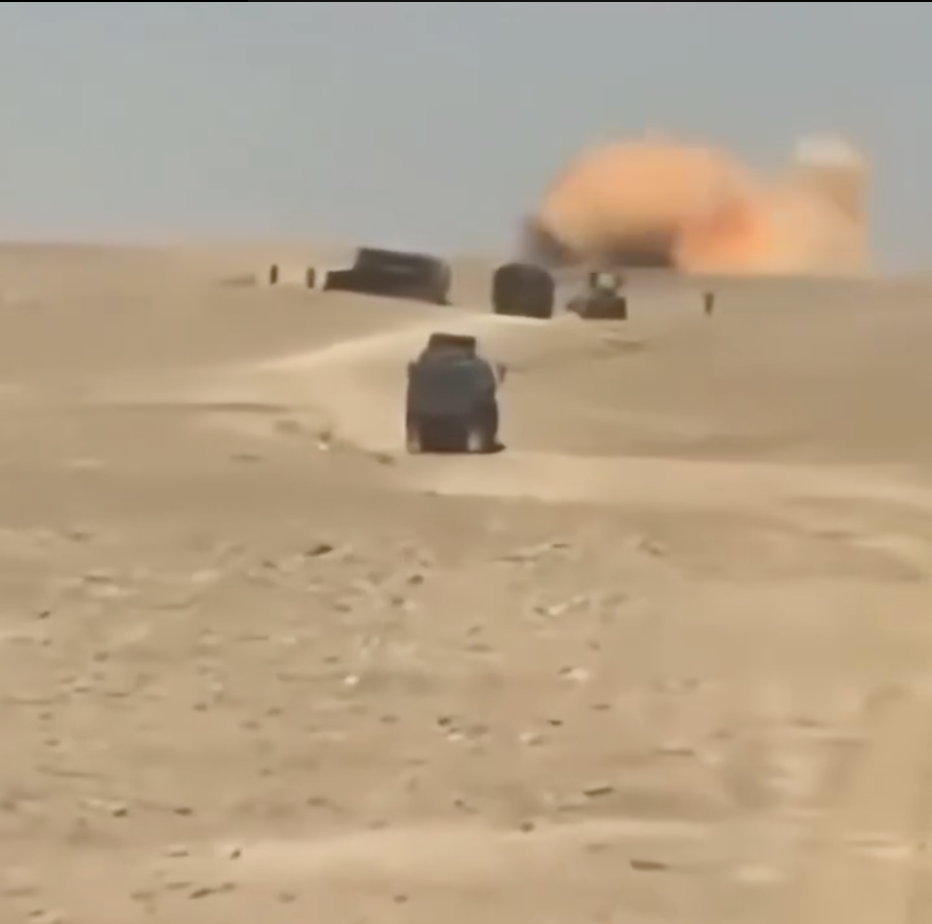
On 21 September 2025, suspected Islamic State (IS) militants detonated an improvised explosive device (IED) targeting a joint convoy of the Iraqi Counter-Terrorism Forces and International Coalition in the Sahol area north of Rawa, Anbar Province. The blast killed two soldiers, one identified as Hussam Al-Juhaishi, and injured a third. This marks the first time TRAC has recorded an IS-linked incident in the “Sahol” area. Due to its remoteness and transliteration issues, TRAC assesses that “Sahol” likely refers to Ras as-Suhul, situated east of Rawa, where IS has maintained a low-level presence.
Although Anbar has seen a reduction in IS attacks over the past few years, the Rawa Desert remains a key fallback zone for IS cells. Less than a month ago, IS claimed another IED attack on an Iraqi Army patrol in the same area. The Euphrates River Valley corridor connecting western Anbar to Syria has historically been one of IS’s most important logistical and mobility routes; its desert terrain provides concealment for small mobile units and enables hit-and-run strikes on security forces.
These incidents around Rawa coincide with a broader uptick in IS activity in northern Iraq. Just two weeks earlier, IS claimed responsibility for an IED attack on an Iraqi Army unit in Abbas Khadeer, Diyala. Even during periods of relative calm, IS insiders have reported ongoing operations, suggesting that the group is deliberately maintaining a low profile while reestablishing its networks. The Sahol/Ras as-Suhul attack demonstrates IS’s ability to selectively return to key terrain, employing classic tactics (ambushes, IEDs, and mobile engagements) against government and coalition forces whenever conditions allow.
| | | (Video / Right Wing Extremism) Atomwaffen Division (AWD) Resurfaces as Elements Conduct Shooting Drill at an Unknown Location | | |
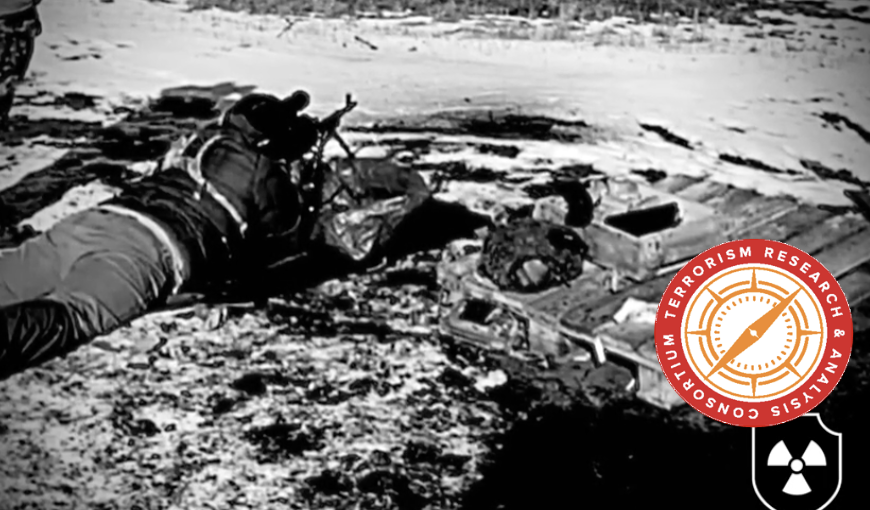
On 21 September 2025, a video surfaced on Telegram showing Atomwaffen Division (AWD) militants conducting a live-fire training exercise at an undisclosed location, but it should be noted that the video was filmed during the winter with snow on the ground. The footage includes one participant using what appears to be a 7.62mm PKM-style belt-fed machine gun. The video was followed a prior message declaring AWD’s return as the “ideological vanguard” of the accelerationist movement, claiming it has “rectified past mistakes” and is “opening its books” for the first time in years.
This video signals a major reemergence of Atomwaffen Division on Telegram, which had been largely dormant and fragmented after law enforcement crackdowns in the U.S., U.K., and Europe. Critics and supporters alike are questioning who is behind the reemergence. TRAC speculates three possible suspects:
- New young members are latching on to Atomwaffen’s popularity and have taken the name for themselves to give themselves immediate street credibility.
- Russian subversives pretending to rekindle Atomwaffen to take advantage of the splintering politics in the US, UK and EU.
- Finally, and the least likely, actual former Atomwaffen members who now feel the ‘coast is clear’ and have come out of the woodwork to restart the original accelerationist’s mission.
By showcasing live-fire training and heavy weapons, AWD is clearly trying to project renewed capability, seriousness, and organisational discipline. Positioning itself as an “ideological vanguard” signals an intent to lead and unify the global neo-Nazi accelerationist scene, which has splintered into smaller, less coordinated cells over the last few years.
The publicising of paramilitary training serves to recruit new members, intimidate opponents, and inspire lone actors or affiliated cells. It also raises security concerns for Western governments, as it implies cross-border networks remain intact and are potentially resupplying or rearming despite bans. The emphasis on “rectifying past mistakes” suggests a shift away from reckless publicity toward more covert, disciplined operations.
Given AWD’s transnational reach and the use of a Russian-designed PKM machine gun in the video, TRAC theorises about possible Russian facilitation or influence behind AWD’s revival. Moscow has a history of amplifying extremist narratives online (both left- and right-wing) to destabilise Western societies, and it has tolerated or indirectly supported certain far-right actors for strategic purposes. If Russian actors (state or private) were to provide AWD members with funding, safe havens, training spaces, or weapons, the group could emerge as a proxy tool to fuel polarisation and violent extremism inside NATO countries. While there’s no confirmed evidence yet, the optics of Russian-origin weapons and the timing of AWD’s reappearance could indicate that the group is being at least tacitly encouraged to act as a disruptive force in Europe or North America.
| | TRAC Incident Report: Unknown Assailants Behead Tehreek-e-Taliban Pakistan (TTP) Affiliated Militants in the Giyan District of Ghazni, Afghanistan | | |
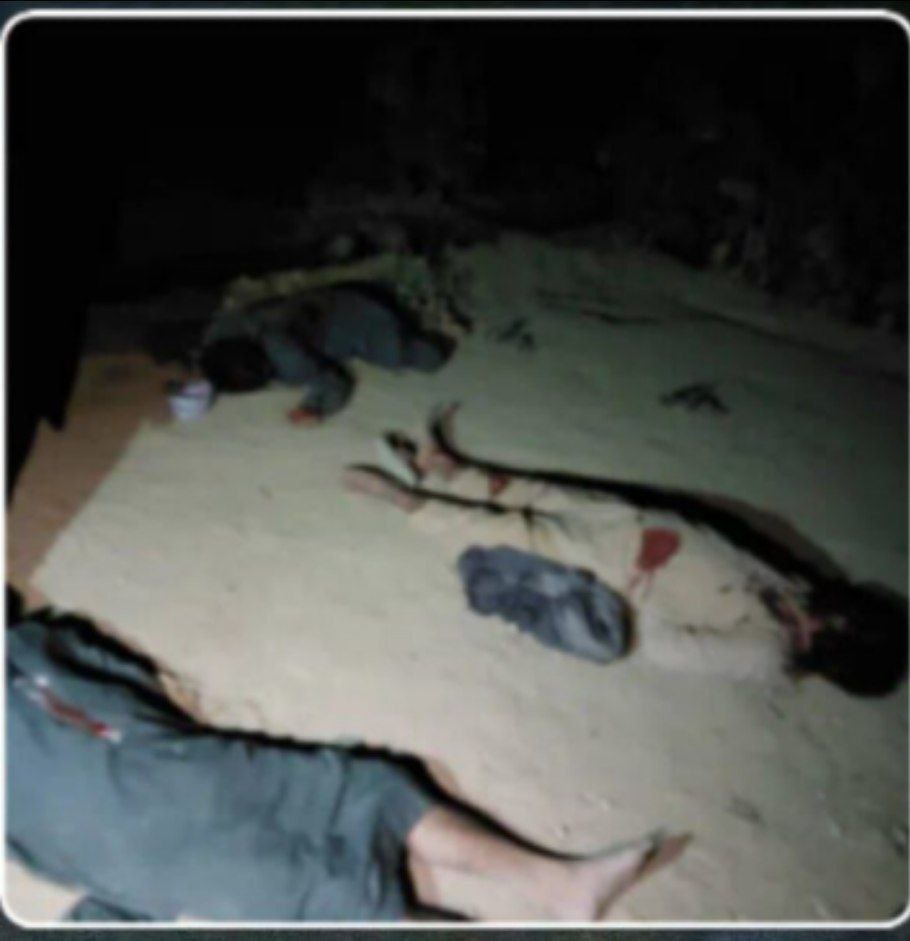
On 23 September 2025, three Tehreek-e-Taliban Pakistan (TTP)-affiliated members were beheaded while collecting funds for the group’s military training camps in Giyan District, Ghazni Province, Afghanistan. Among the dead was a key commander, Muhammad Tahir (alias Razaq Muhajir), son of Muhammad Saleem, along with two armed associates.
Commander Tahir was a senior TTP operative closely tied to its Balochistan chapter. For years, he played a pivotal role in planning cross-border attacks into Pakistan’s southwestern province and, more recently, was tasked with mobilising funds to sustain TTP training camps, placing him high on Pakistani security forces’ watchlists. His presence in Giyan, a Taliban-controlled district near the Pakistani border, underscores how TTP operatives exploit Afghan territory as a rear base and haven for cross-border operations.
While Islamic State Khurasan (ISK) has only a limited footprint in Ghazni, it maintains an active presence in Nangarhar, Kunar, and Nuristan. The district’s proximity to Pakistan and porous terrain would allow small ISK cells to operate there and stage opportunistic attacks against rivals. The beheadings, a hallmark of ISK’s brutal style, combined with two recent ISK-claimed attacks inside Pakistan, point to the group as the most likely perpetrator. The absence of an official claim does not rule out ISK involvement; the group has at times refrained from acknowledging operations for strategic reasons, such as sowing confusion or avoiding Taliban retaliation.
However, other scenarios cannot be dismissed. Because Tahir and his men were reportedly collecting donations for TTP training camps, the killings could also have been a reprisal by local communities fed up with extortion. TTP’s “fundraising” often involves coercion, and resentment of its tactics could spark vigilante violence.
This triple killing, regardless of who is responsible, illustrates the intensifying competition and blurred lines among militant actors in Afghanistan’s border districts. It also shows the growing risks faced by TTP operatives in areas they once considered safe havens, signalling either rising local resistance, ISK encroachment, or covert Pakistani reach into Afghan territory.
| | TRAC Incident Report: Jama’at Nusrat al-Islam wa al-Muslimin (JNIM) Militants Take Over Three Military Checkpoints in the City of Djibo, Soum Province, Burkina Faso | | |
On the morning of 17 September 2025, fighters from Jama’at Nusrat al-Islam wa al-Muslimin (JNIM) mounted a coordinated assault on three Burkinabe army checkpoints in the city of Djibo, Soum Province. According to local sources, the militants successfully overran the three outposts.
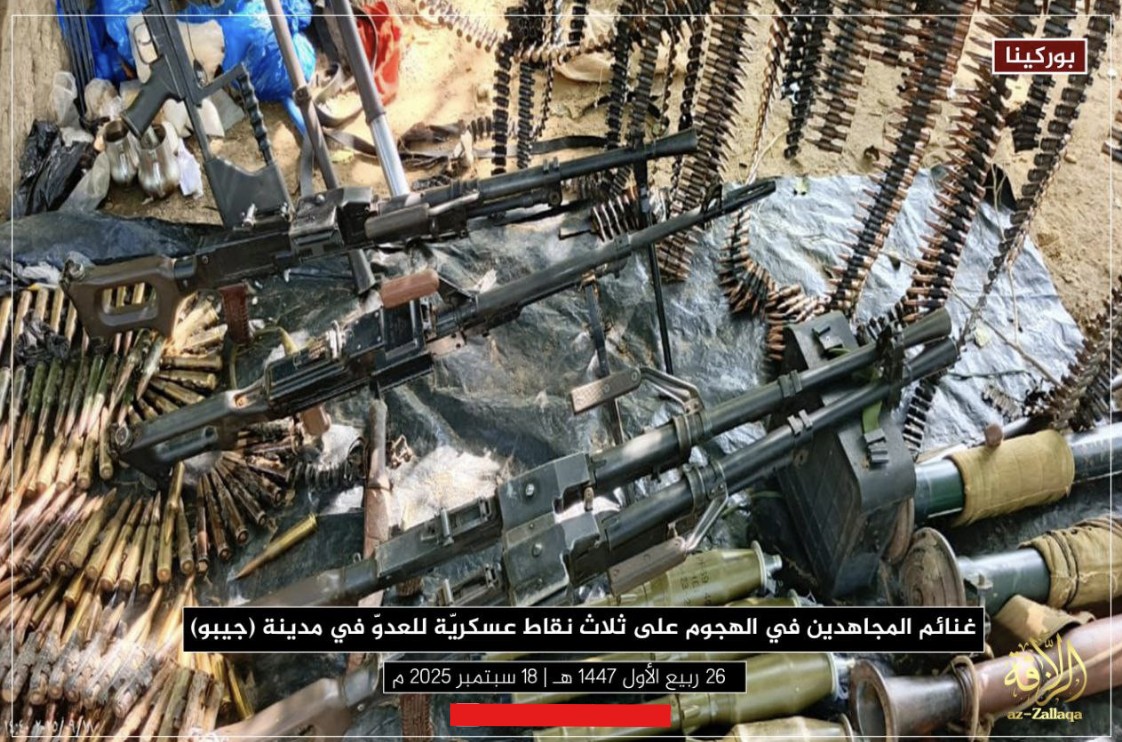
On 18 September, JNIM issued a second claim providing details of the operation’s aftermath. The group reported killing eight members of the security forces, seizing weapons, ammunition and a military drone, and destroying two vehicles that it could not take away. This attack not only provided JNIM with a fresh resupply of arms but also seriously degraded Djibo’s already overstretched defences and its army’s logistical apparatus.
The capture of a drone is particularly significant. JNIM has demonstrated an ability to repurpose looted equipment, and in the Sahel, the group has experimented with using drones for reconnaissance of troop movements and for improvised bomb drops. Each new capture of military technology potentially enhances its battlefield capabilities and erodes the technological advantage of state forces.
The incident also reveals a pattern of sustained pressure on Djibo. JNIM last attacked Burkinabe security forces in the city on 28 August 2025 and previously carried out the 11 May assault that led to the destruction of a military camp and partial takeover of the town. These repeated strikes indicate that JNIM militants have remained in the immediate surroundings of Djibo, infiltrating in large numbers and testing defences with the apparent objective of eventually seizing the town outright.
For TRAC, the 17 September operation highlights serious gaps in Burkina Faso’s defensive posture. The fact that militants were able to overrun three separate posts inside a key northern hub simultaneously underscores both the erosion of state control in Soum Province and JNIM’s growing ability to carry out complex, high-payoff operations that combine tactical gains with strategic messaging.
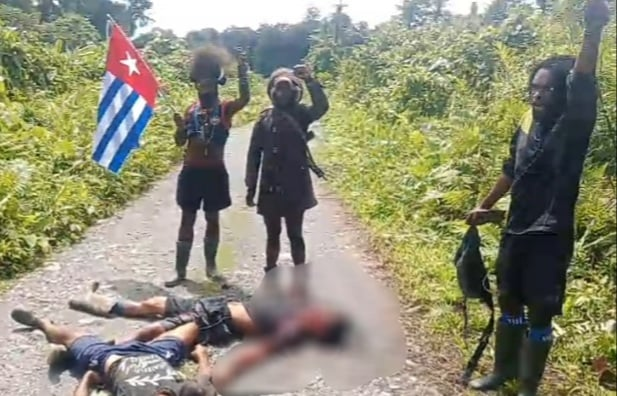
| | (Videos) Jalisco New Generation Cartel (CJNG) Transferred Approximately 300 Sicarios from Jalisco & Michoacán to Sinaloa in Support of the Los Chapitos, Sinaloa, Mexico | | TRAC Incident Report: Free Papua Movement (OPM) Militants Assassinate Two Illegal Gold Miners, Korowai Mining Site, Yahukimo, Papua Highlands, Indonesia | | (Photo) Various Active Clubs Hold Meet Up (Active Club Finland (ACF), Active Club Denmark (ACDK), AKS, Der III. Weg (Germany), & RED Angers (France), Europe | | | | |